These 7 Rain-Season Problems Are Hitting Oregon Gardens Right Now
If you’ve been stepping carefully through your garden lately, you’ve probably noticed a few things don’t feel quite right. Soil that never seems to dry out, plants looking stressed instead of refreshed, paths turning muddy again just after you fixed them.
Oregon’s rain season has a way of revealing problems that stay hidden the rest of the year. Have you caught yourself thinking, *Is this normal, or should I be worried?
Right now, many gardens across the state are dealing with the same set of challenges. Too much water can be just as tricky as not enough, especially when it lingers week after week.
Roots struggle, pests show up unexpectedly, and familiar plants may start acting differently. It’s frustrating, especially when you’ve put time and care into your space.
If some parts of your garden feel harder to manage than usual, you’re not alone. Rainy months test even experienced gardeners, and a lot of these issues aren’t about mistakes, they’re about conditions.
Knowing what to watch for makes a big difference. These rain-season problems are showing up in Oregon gardens right now, and understanding them can help you respond calmly instead of guessing as the wet weather continues.
1. Waterlogged Soil Drowning Plant Roots
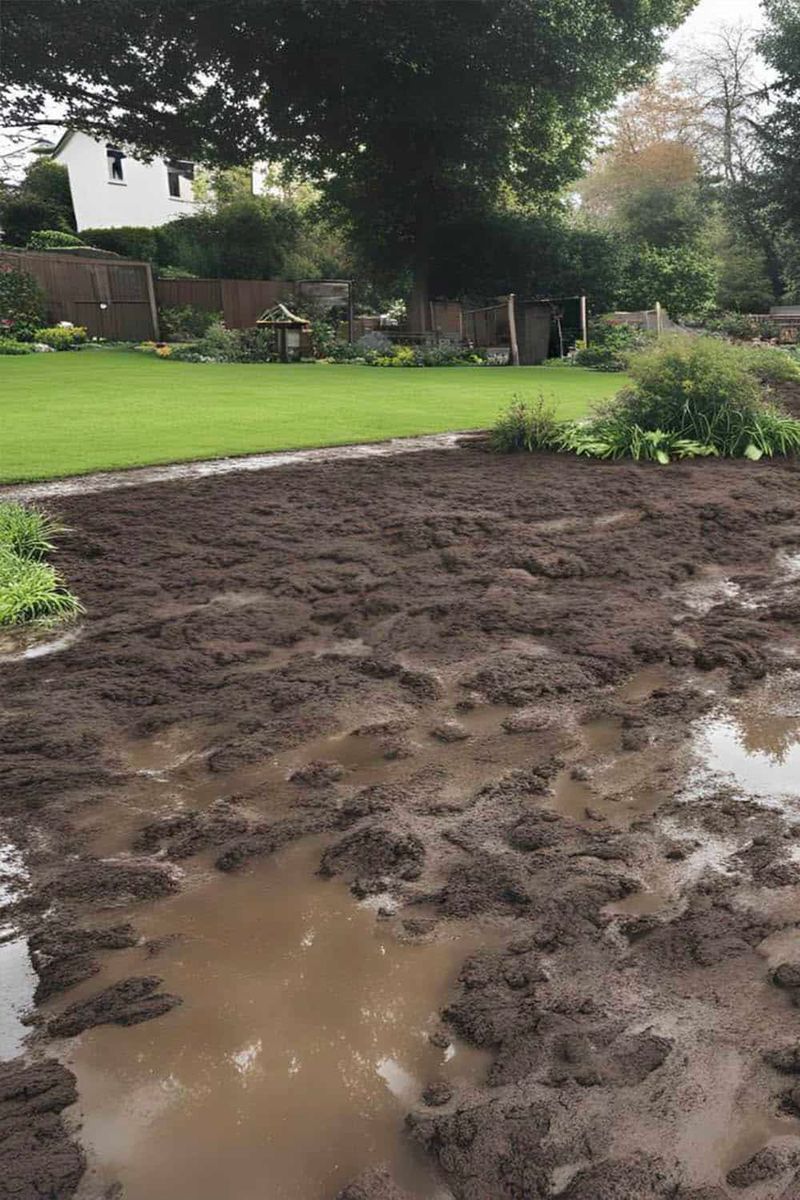
Too much water sitting around plant roots creates a dangerous situation that many Oregon gardeners face right now. When soil stays soaked for days or weeks, air pockets get filled with water instead of oxygen.
Roots need to breathe just like we do, and without air, they start to suffocate and rot.
You might notice your plants looking wilted even though the ground is super wet. This seems backward, but damaged roots can’t absorb water properly anymore, so plants actually become thirsty despite all the moisture around them.
Leaves may turn yellow or brown at the edges, and growth slows down significantly.
To help your garden survive, consider adding raised beds or mounds where plants can sit higher than the surrounding ground. This simple change allows excess water to drain away from sensitive roots.
Mixing compost or perlite into heavy clay soil also improves drainage over time.
Another smart move involves choosing plants that naturally tolerate wet conditions. Willows, dogwoods, and certain ferns actually enjoy having damp feet and will thrive during Oregon’s rainy months.
Meanwhile, Mediterranean plants like lavender and rosemary should be moved to protected spots or containers where you can control moisture levels better.
2. Fungal Diseases Spreading Like Wildfire

Moisture and cool temperatures create the perfect playground for fungal spores that love Oregon’s rainy season. Powdery mildew, rust, and leaf spot diseases spread incredibly fast when leaves stay wet for extended periods.
You might spot white fuzzy patches, orange spots, or dark brown circles appearing on foliage seemingly overnight.
Fungi release millions of tiny spores that travel through rain splash and wind, landing on healthy plants and starting new infections. Once established, these diseases weaken plants by blocking photosynthesis and stealing nutrients.
Some fungi even attack stems and roots, causing serious structural damage.
Prevention works better than trying to cure an established infection. Space plants farther apart to improve air circulation, which helps leaves dry faster after rain.
Remove any infected leaves immediately and throw them in the trash, not your compost pile, because spores can survive and reinfect next season.
Watering in the morning rather than evening gives foliage time to dry before nightfall when fungi become most active. Mulching around plants prevents soil-borne spores from splashing onto lower leaves during heavy downpours.
For valuable plants, organic fungicides containing copper or sulfur provide extra protection when applied before symptoms appear.
3. Slugs And Snails Taking Over Everything
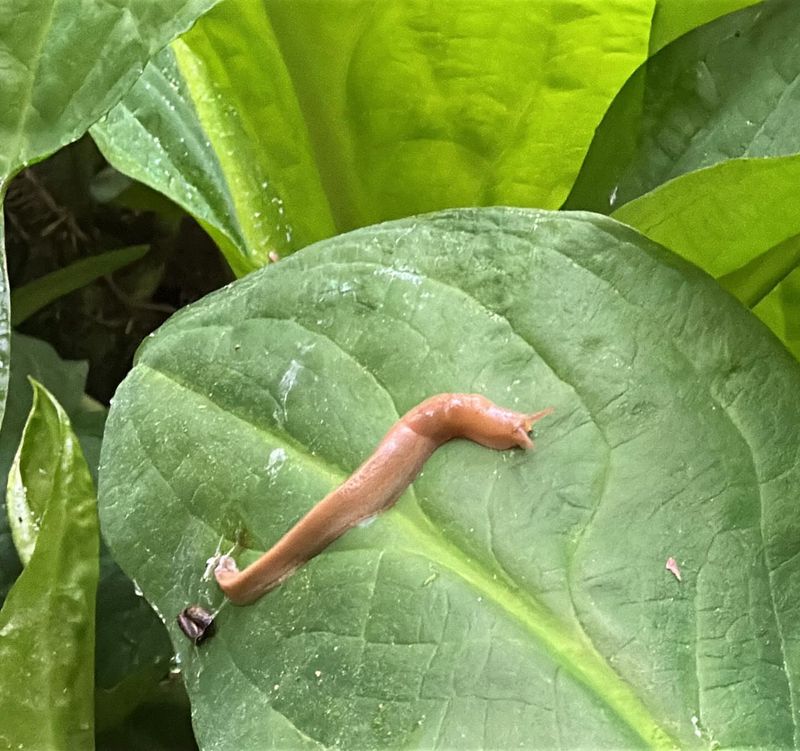
These slimy creatures absolutely love Oregon’s wet weather and seem to multiply overnight once the rains begin. Slugs and snails chew irregular holes through leaves, devour seedlings completely, and leave behind shiny slime trails that mark their destructive paths.
Hostas, lettuce, and young vegetable plants become their favorite targets.
During rainy periods, these pests stay active all day instead of hiding from hot sun. They reproduce quickly in moist conditions, with some species laying hundreds of eggs in protected spots under boards, pots, or leaf litter.
Baby slugs hatch out hungry and ready to munch on your garden.
Hand-picking works well if you have patience and don’t mind getting a bit slimy. Go out with a flashlight after dark or early morning when they’re most active, dropping collected pests into soapy water.
Setting up beer traps by sinking shallow containers into soil attracts slugs, which then drown in the liquid.
Creating barriers around vulnerable plants offers good protection without chemicals. Copper tape gives slugs a mild electric shock they avoid, while rough materials like crushed eggshells or diatomaceous earth scratch their soft bodies.
Encouraging natural predators like ground beetles, birds, and garter snakes helps control populations long-term.
4. Lawn Moss Invasion Choking Out Grass
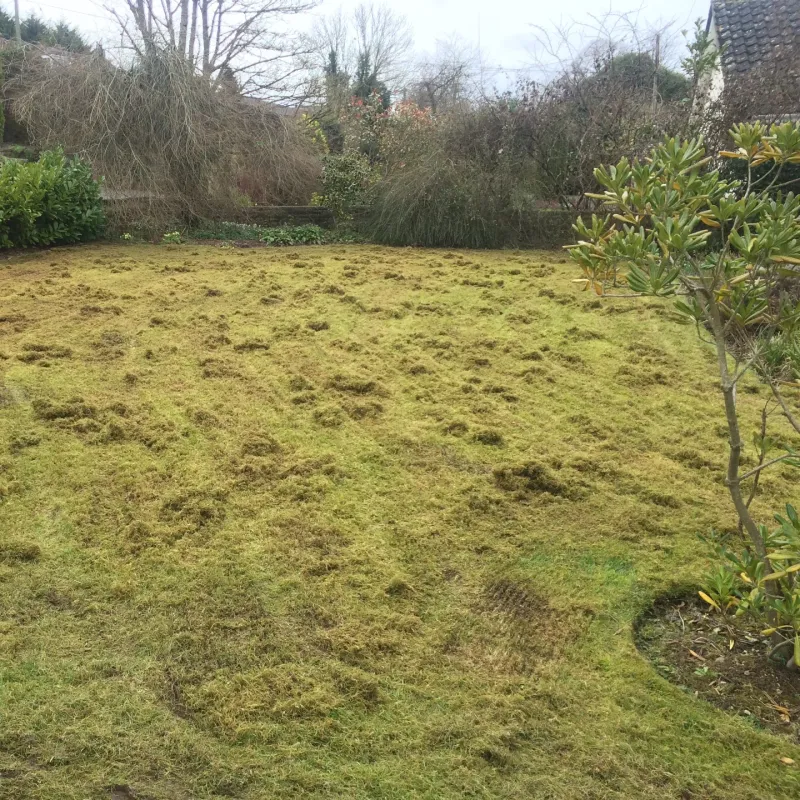
Bright green moss might look pretty at first, but it quickly takes over lawns during Oregon’s wet season, pushing out grass and creating spongy patches. Moss thrives in conditions where grass struggles, including shade, poor drainage, compacted soil, and low nutrient levels.
Once established, it spreads rapidly across yards.
Many homeowners notice moss expanding from shady areas under trees into previously healthy lawn sections. Rain keeps moss happy and hydrated while grass roots sit in soggy soil, unable to compete effectively.
The moss forms thick mats that prevent grass seeds from making contact with soil, making repairs difficult.
Improving drainage helps grass fight back against moss invasion. Aerating compacted soil creates channels for water and air to penetrate deeper, strengthening grass roots.
Applying lime raises soil pH if tests show acidic conditions, since grass prefers slightly alkaline soil while moss loves acidity.
Pruning tree branches to allow more sunlight reaches shaded lawn areas gives grass a competitive advantage. Fertilizing in fall and spring keeps grass vigorous and better able to crowd out moss.
Physically removing moss with a rake provides temporary relief, but addressing underlying conditions prevents it from returning quickly after the next rainfall.
5. Root Rot Destroying Perennials And Shrubs
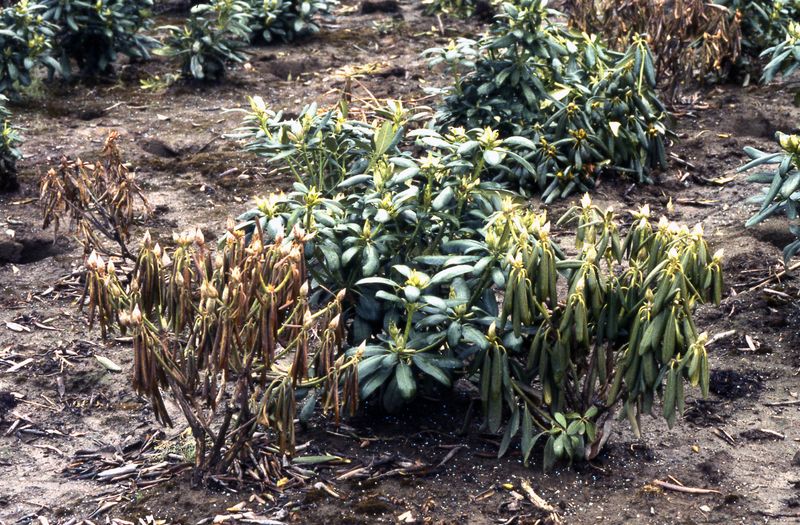
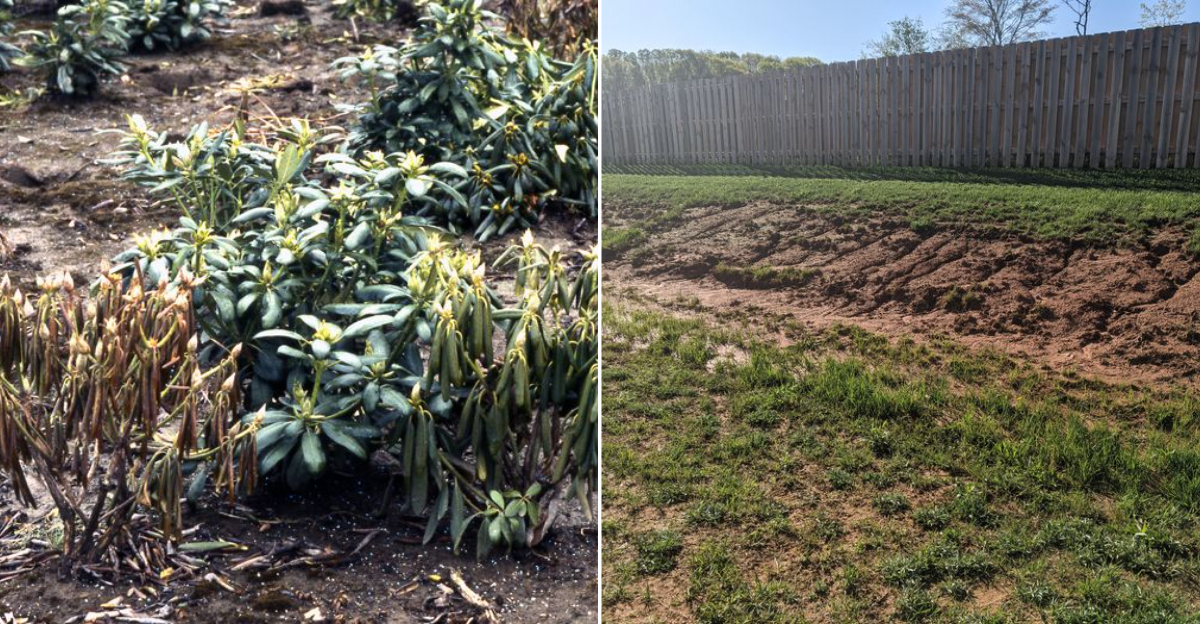
This sneaky problem hides underground where you can’t see it until plants show obvious distress above the surface. Root rot happens when fungi attack waterlogged roots, turning them from firm white structures into mushy brown tissue that can’t function properly.
Rhododendrons, azaleas, and many other popular Oregon plants become vulnerable during extended wet periods.
Early symptoms include wilting leaves even when soil stays moist, followed by yellowing foliage and branch dieback. By the time you notice these signs, significant root damage has already occurred.
Pulling gently on affected plants sometimes reveals they have few healthy roots left to anchor them in place.
Prevention focuses on ensuring excellent drainage before planting susceptible species. Amending heavy clay soil with compost, building raised beds, or creating berms elevates root zones above standing water.
Avoid planting in low spots where water naturally collects after storms.
If you suspect root rot in established plants, carefully dig around the root ball to inspect for brown, mushy roots with a foul smell. Trim away damaged sections with clean pruners, then replant in fresh, well-draining soil mix.
Sometimes moving a struggling plant to a better location saves it from complete loss during Oregon’s challenging rainy months.
6. Erosion Washing Away Topsoil And Mulch
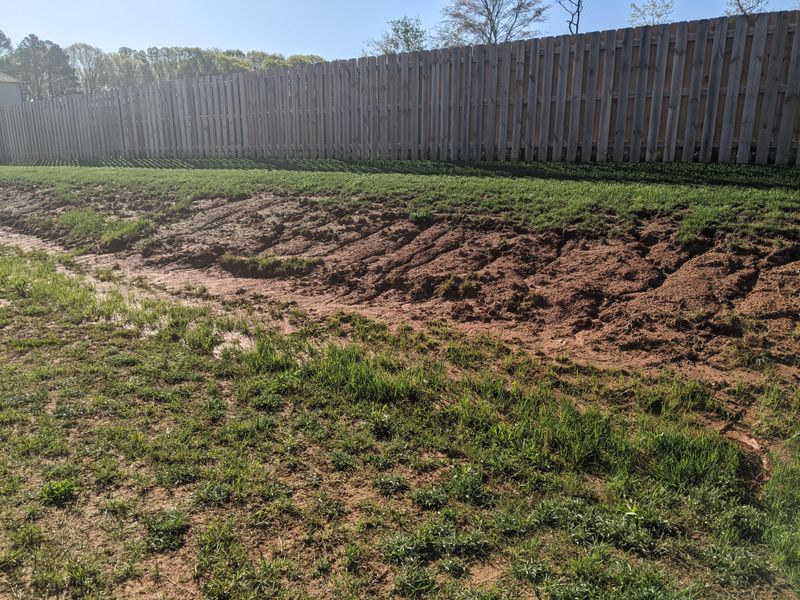
Heavy Oregon rains don’t just water your garden; they can actually wash away the good stuff you’ve worked hard to build up. Topsoil contains valuable nutrients and organic matter that plants need, but sloped areas become vulnerable to erosion when water runs downhill instead of soaking in.
Mulch that should protect plant roots gets carried away, leaving beds bare and exposed.
You might notice channels forming where water repeatedly flows through the same path, or bare spots appearing where mulch used to cover soil. Exposed roots become visible as soil washes away from around them, and sediment piles up at the bottom of slopes or clogs drainage areas.
Installing simple barriers helps redirect water flow and slow it down so soil stays in place. Rocks, logs, or landscape edging placed across slopes creates terraces that catch runoff.
Planting ground covers with strong root systems holds soil together naturally while looking attractive.
Applying heavier mulch materials like wood chips instead of lightweight shredded bark resists washing away better during downpours. Laying down erosion control fabric or burlap on steep slopes provides temporary protection until plants establish.
Creating swales or shallow ditches along contours captures runoff and allows it to soak in slowly rather than rushing downhill and taking your garden with it.
7. Container Plants Drowning In Saucers
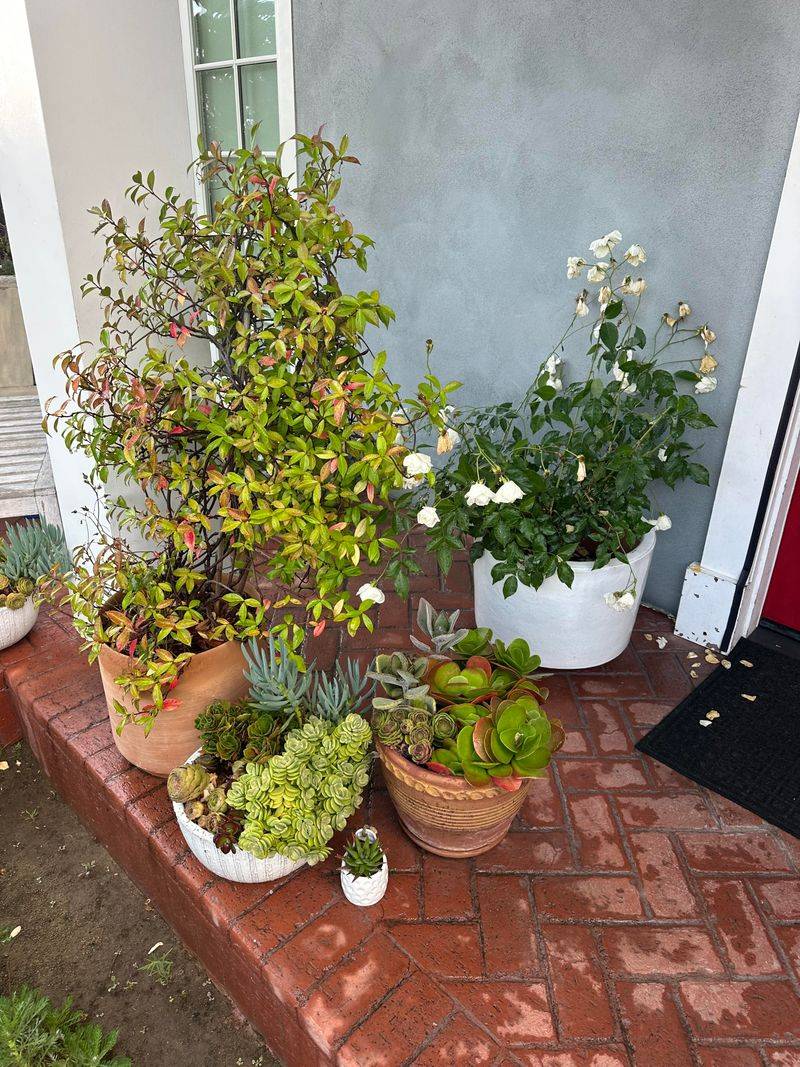
Potted plants face unique challenges during Oregon’s rainy season that many gardeners overlook until it’s too late. Containers sitting in saucers or trays collect rainwater that doesn’t drain away, essentially turning into little swimming pools where roots sit submerged.
Even pots with drainage holes can’t help when water has nowhere to go.
Plants in this situation show similar symptoms to those with waterlogged roots in the ground: wilting despite wet soil, yellowing leaves, and stunted growth. The problem gets worse because containers hold less soil volume than garden beds, so roots have less space to escape saturated conditions.
The simplest solution involves removing saucers and trays during rainy months so excess water drains freely onto the ground or patio. If you need saucers to protect surfaces, empty them regularly after rain stops, or prop pots up on small blocks or pot feet so they sit above standing water.
Moving containers under eaves, covered porches, or other protected areas shields them from constant rain exposure while still providing outdoor conditions. Grouping pots together under a temporary rain shelter made from plastic sheeting works for larger collections.
Switching to containers with extra drainage holes or adding more holes yourself improves water flow for plants that must stay exposed to weather.