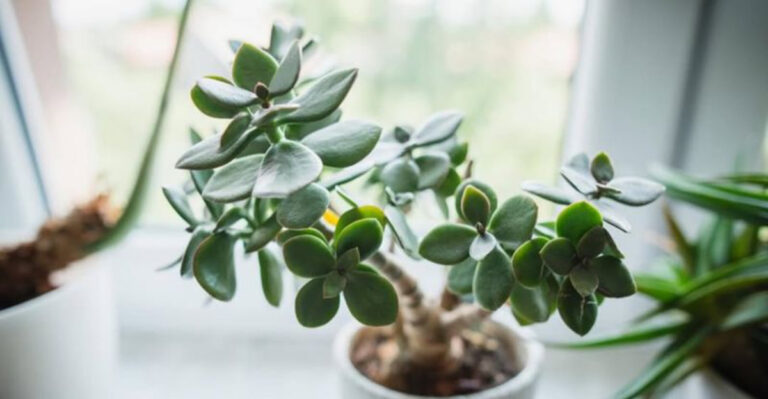
These 8 Reasons Show Why Minnesota Gardeners Check If Their Plants Need Full Sun Or Partial Shade
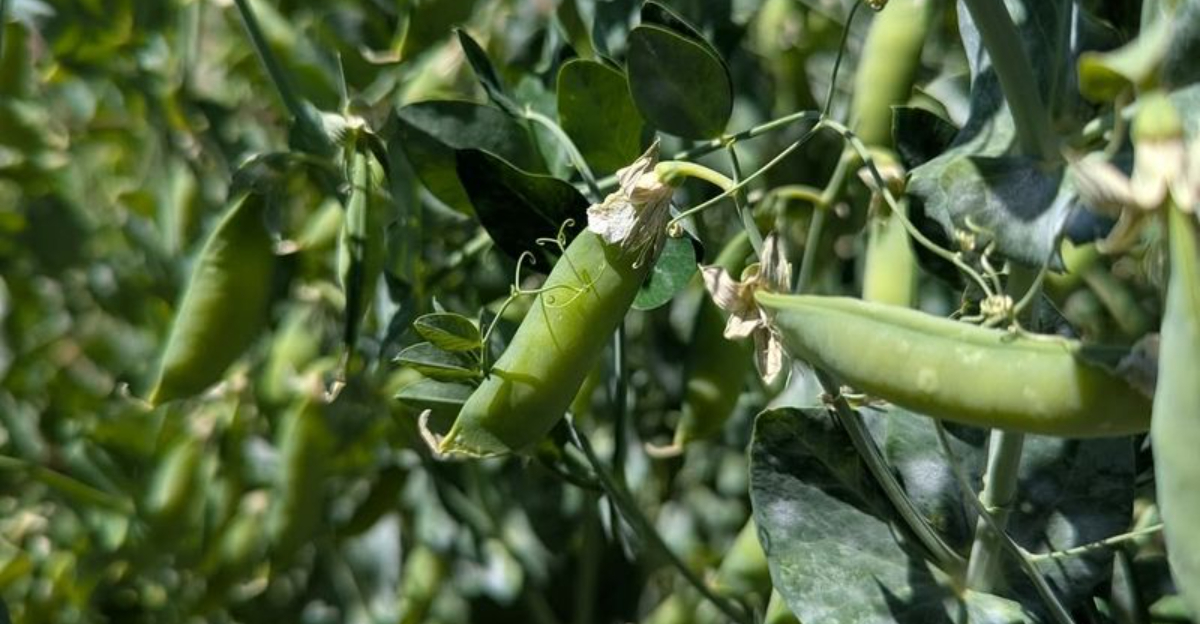
Understanding sunlight requirements is critical for Minnesota gardeners. Plants that receive too much or too little sun can become stressed, produce fewer blooms, or fail to thrive altogether.
Checking whether a plant prefers full sun or partial shade ensures healthy growth and a vibrant garden. Give your plants the right amount of sunlight and watch them flourish.
These eight reasons include preventing leaf scorch, promoting strong roots, encouraging abundant flowers, reducing pest problems, conserving water, and maximizing soil nutrients.
Proper sun placement also improves plant longevity and reduces the need for corrective measures later.
Minnesota’s seasonal sunlight variations make this knowledge especially important for achieving optimal garden results. Sunlight is more than light, it’s a key ingredient for a thriving garden.
Gardeners who pay attention to sun requirements enjoy healthier, more productive plants and visually stunning landscapes year after year. Check sun needs and grow a garden that truly thrives.
1. Minnesota’s Short Growing Season Makes Light Efficiency Critical
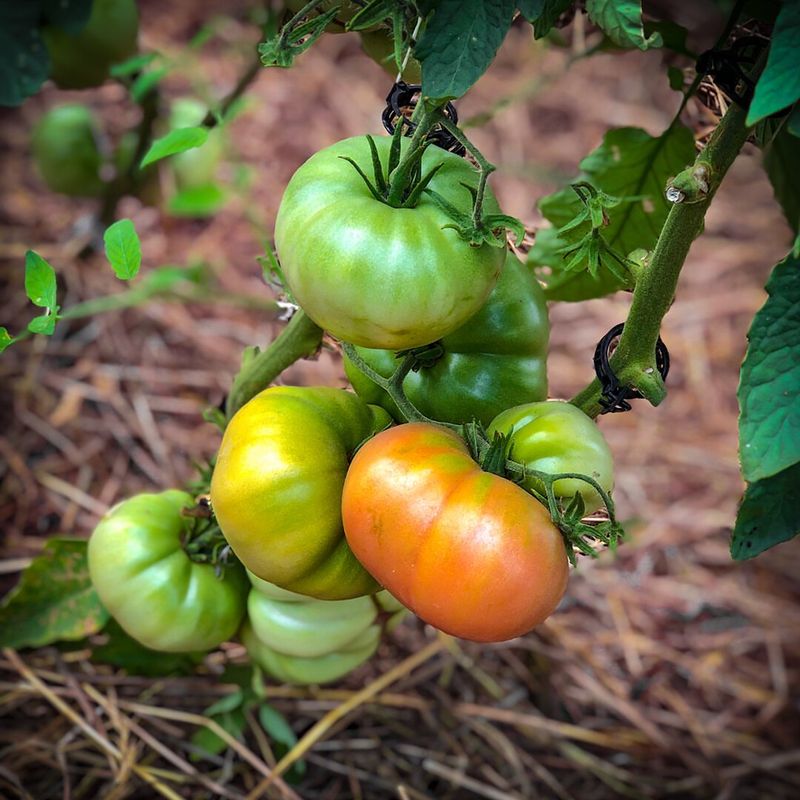
With frost dates stretching from mid-May to early September in many Minnesota zones, every single day of the growing season counts for gardeners hoping to harvest ripe tomatoes, peppers, and squash before autumn’s chill arrives.
Plants that receive optimal sunlight can photosynthesize more efficiently, converting that precious solar energy into growth, flowers, and fruit much faster than their shaded counterparts.
When you only have roughly 100 to 120 frost-free days in many parts of the state, wasting even a week or two on slow growth because of inadequate light can mean the difference between enjoying homegrown salsa and buying it from the store.
Sun-loving crops like tomatoes, peppers, eggplants, and melons absolutely demand six to eight hours of direct sunlight daily to reach their full potential and ripen properly before the first frost.
These heat-loving plants evolved in warmer climates and need intense light to trigger flowering and fruit development.
On the other hand, shade-tolerant greens such as lettuce, spinach, arugula, and kale can thrive with just four to six hours of sunlight, making them perfect for those partially shaded corners of your garden.
Matching your plant choices to available sunlight maximizes every moment of Minnesota’s brief but beautiful growing season, ensuring you get the most productivity from your garden beds.
2. Cold Spring Soils Warm Faster In Full Sun Locations
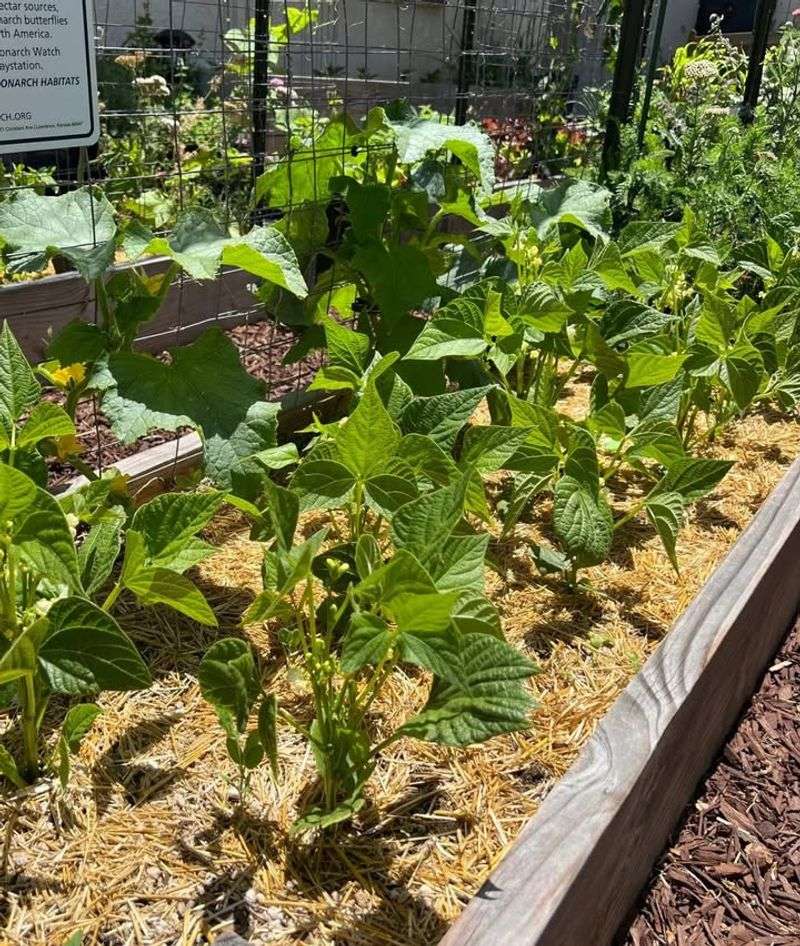
Anyone who has gardened in Minnesota knows the frustration of waiting for the soil to warm up enough for planting, especially when neighboring states are already harvesting their first spring radishes and lettuce.
South-facing garden beds that receive full sun exposure warm considerably faster in April and May compared to shaded areas, sometimes by as much as ten to fifteen degrees Fahrenheit during the day.
This temperature difference is not trivial, it directly affects seed germination rates, root development, and how quickly transplanted seedlings can establish themselves without suffering shock.
Seeds planted in warm, sunny soil germinate faster and more uniformly, giving young plants a head start that compounds throughout the season into stronger, more productive growth.
Meanwhile, garden beds shaded by buildings, fences, or trees remain cooler well into late spring, delaying planting schedules and potentially reducing your total harvest window.
Clay soils, which are common in many Minnesota regions, hold moisture longer and warm even more slowly in shaded conditions, creating a double challenge for early planting.
Savvy gardeners take advantage of this knowledge by reserving their sunniest spots for early-season crops and heat-loving transplants, while using shadier areas for plants that prefer cooler soil temperatures or can wait until later in the season to go into the ground.
3. Partial Shade Prevents Heat Stress During Summer Heat Waves
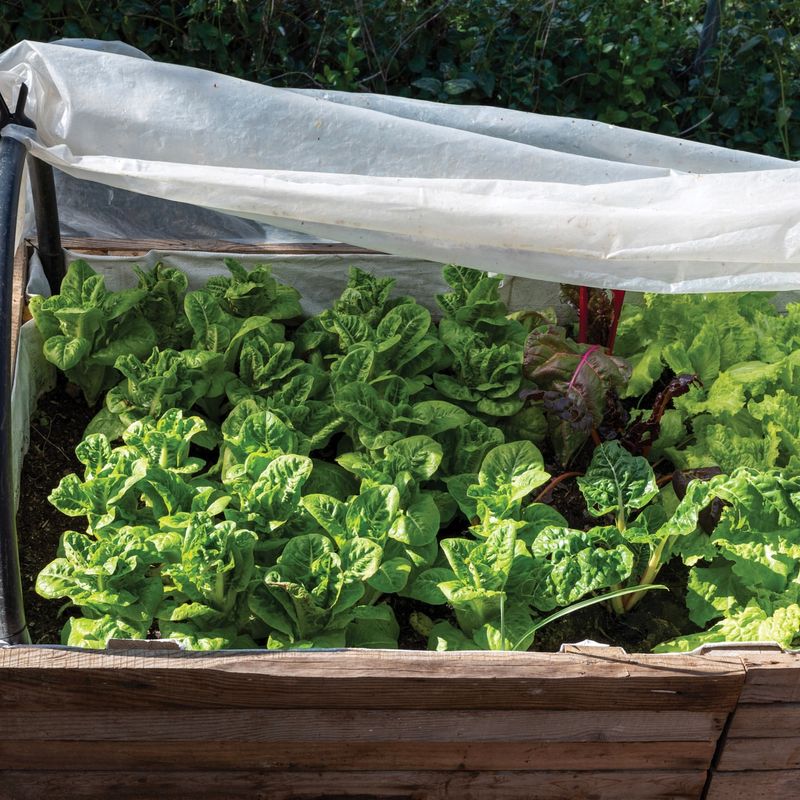
Although Minnesota is known for its frigid winters, summer temperatures can soar into the upper eighties and even nineties during heat waves, creating challenging conditions for cool-season crops that prefer moderate temperatures.
Lettuce, spinach, arugula, and broccoli are particularly vulnerable to heat stress, which causes them to bolt, sending up flower stalks prematurely and turning leaves bitter and tough.
Providing these plants with partial shade during the hottest part of the day can extend their productive season by several weeks, allowing you to enjoy fresh salads well into July instead of watching your greens turn unusable by mid-June.
Afternoon shade is especially beneficial because it protects tender leaves during the most intense heat hours between two and five o’clock, when the sun’s rays are strongest and evaporation rates peak.
You can create this protective environment by planting cool-season crops on the east side of taller plants like tomatoes or corn, using shade cloth, or positioning them near structures that cast afternoon shadows.
Leaf scorch, a common problem when delicate greens receive too much direct sun, shows up as brown, crispy edges and bleached-looking patches that reduce both yield and visual appeal.
Understanding when and how to provide partial shade helps Minnesota gardeners stretch their harvest seasons and grow a wider variety of crops successfully throughout the unpredictable summer months.
4. Sun Exposure Affects Flowering And Fruit Production
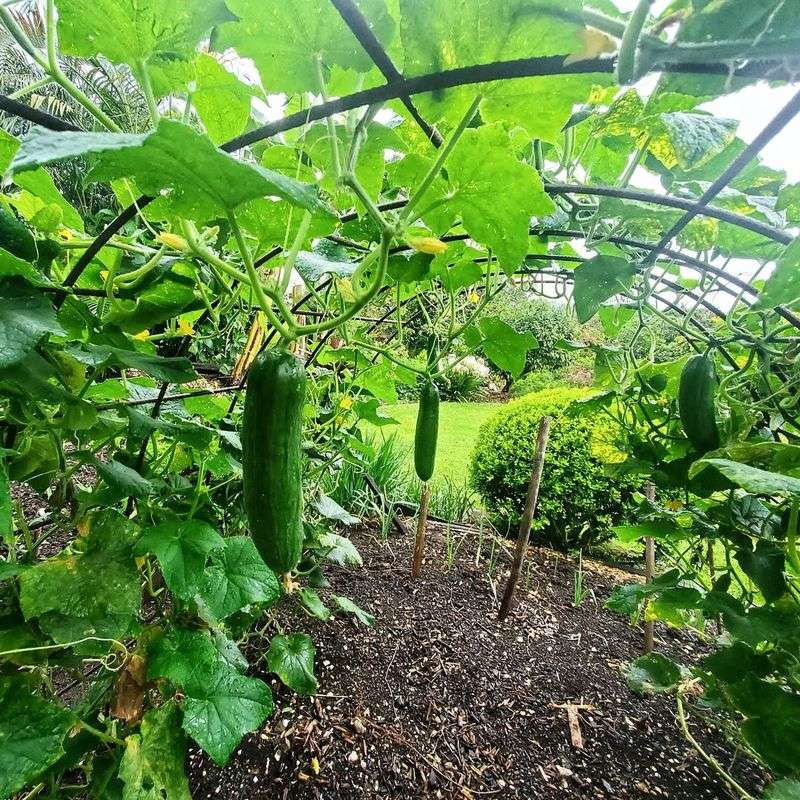
Fruiting plants have significantly higher energy demands than leafy vegetables because they must not only grow foliage but also produce flowers and develop fruits to maturity, a process that requires abundant photosynthesis fueled by direct sunlight.
Cucumbers, summer squash, zucchini, melons, and raspberries all need a minimum of six to eight hours of unfiltered sun daily to flower prolifically and set fruit reliably.
When these plants receive less light than they require, they often produce plenty of leaves but disappointingly few flowers, and the fruits that do develop tend to be smaller, less flavorful, and slower to ripen.
Gardeners who plant sun-loving fruiting crops in partially shaded locations frequently wonder why their cucumber vines grow lush and green but produce only a handful of cucumbers, or why their raspberry canes look healthy but yield sparse berries.
The answer almost always traces back to insufficient sunlight, which limits the plant’s ability to convert solar energy into the sugars needed for fruit development.
Even a reduction from eight hours to five or six hours of direct sun can cut yields by thirty to fifty percent in some fruiting crops.
Positioning your most productive plants in the sunniest spots available ensures you maximize your harvest potential and enjoy the full flavor and abundance that well-lit fruiting plants can deliver throughout Minnesota’s growing season.
5. Shade Helps Protect Woodland And Native Plants
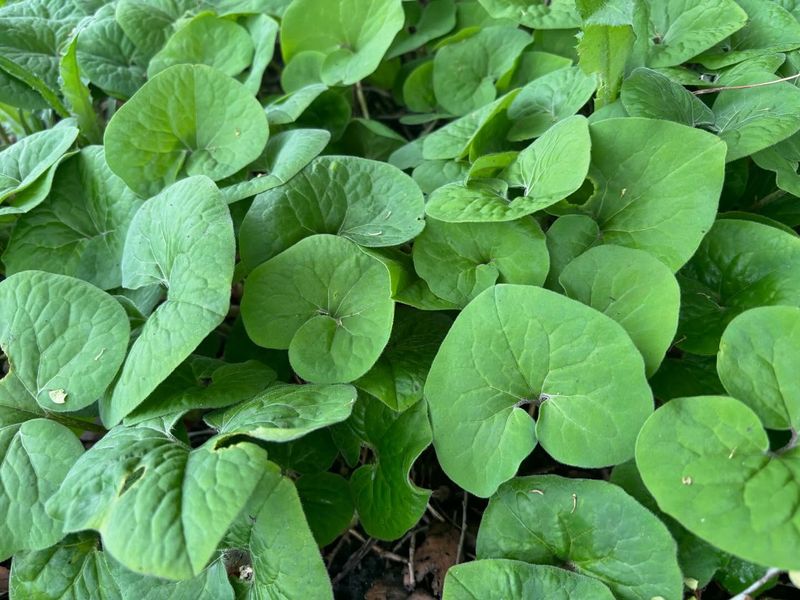
Minnesota’s rich woodland ecosystems have given rise to numerous beautiful native plants that evolved beneath the protective canopy of oak, maple, and birch trees, adapting over millennia to thrive in dappled sunlight and shaded conditions.
Wild ginger, various fern species, columbine, bloodroot, and trillium are just a few examples of native plants that naturally grow on forest floors where direct sunlight is filtered and limited.
Attempting to grow these shade-adapted species in full sun locations goes against their evolutionary heritage and typically results in stressed plants with scorched, yellowing leaves and stunted growth.
These woodland natives have developed specialized leaf structures and metabolic processes optimized for lower light conditions, meaning they simply cannot handle the intensity of eight hours of blazing summer sun without suffering damage.
Their leaves are often thinner and more delicate than those of sun-loving plants, making them prone to drying out and burning when exposed to prolonged direct light.
Additionally, woodland plants often prefer the cooler, moister soil conditions that naturally occur in shaded areas, making full sun locations doubly challenging for them.
Creating shaded garden areas beneath trees or on the north side of your home provides the perfect habitat for these lovely native plants, allowing you to cultivate beautiful, low-maintenance gardens that support local ecosystems while respecting each plant’s natural preferences and requirements.
6. Disease Risk Changes With Light And Airflow
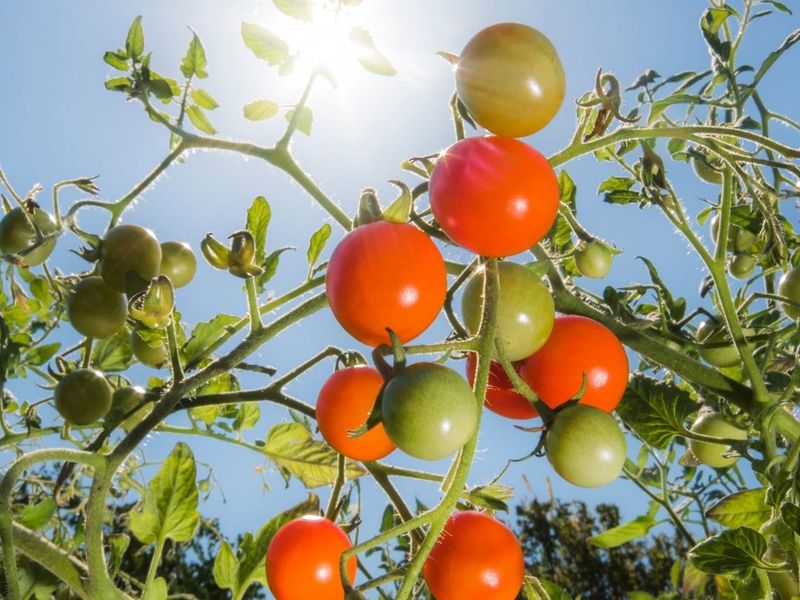
Fungal diseases represent one of the most persistent challenges for Minnesota gardeners, with powdery mildew, leaf spot, and early blight causing significant damage to vegetables and ornamental plants throughout the humid summer months.
Shaded garden areas with poor air circulation create ideal conditions for these fungal pathogens to thrive because leaves remain damp longer after rain or morning dew, providing the moisture fungi need to germinate and spread.
Full sun locations, by contrast, dry out more quickly and typically have better air movement, both of which help suppress fungal growth and keep plants healthier.
When leaves dry rapidly in the morning sun and benefit from good airflow throughout the day, fungal spores have fewer opportunities to establish themselves and spread from plant to plant.
This is why experienced gardeners often notice that tomatoes, cucumbers, and squash planted in sunny, well-ventilated spots develop fewer disease problems than identical varieties growing in shaded, crowded conditions.
Proper site selection based on sun exposure works hand-in-hand with appropriate plant spacing to create an environment where diseases struggle to gain a foothold.
Choosing sunny locations for disease-prone crops and ensuring adequate spacing between plants allows air to circulate freely, keeping foliage dry and significantly reducing the need for fungicide applications while promoting healthier, more vigorous growth throughout the season.
7. Sun Placement Impacts Soil Moisture And Irrigation Needs
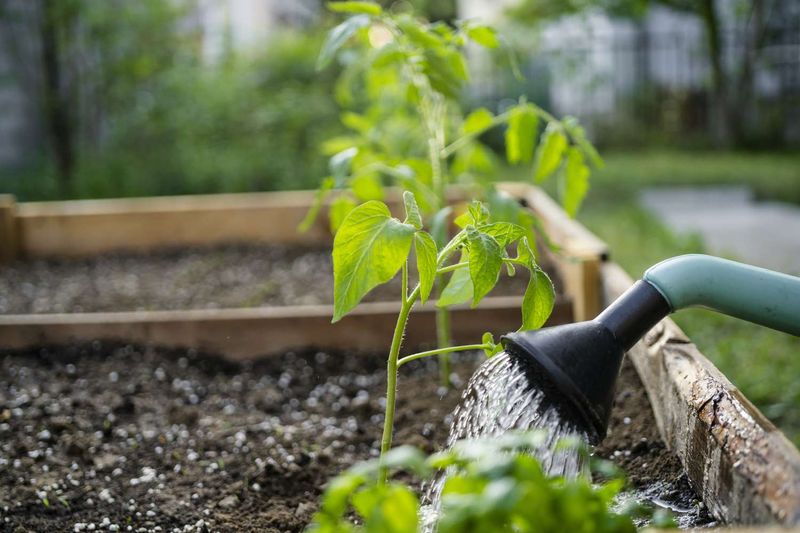
Full sun exposure dramatically increases evaporation rates from both soil surfaces and plant leaves through a process called transpiration, meaning gardens in sunny locations require considerably more frequent watering than those in partial shade.
Minnesota’s diverse soil types add another layer of complexity to this equation—sandy soils drain quickly and dry out even faster in full sun, sometimes requiring daily watering during hot, dry spells, while heavy clay soils retain moisture longer but can still become parched and cracked when exposed to intense sunlight for extended periods.
Understanding how sun exposure interacts with your specific soil type helps you develop more efficient irrigation strategies and choose appropriate plants for each location.
Plants growing in partial shade benefit from reduced evaporation, allowing soil to stay moist longer between waterings and reducing overall water consumption throughout the season.
This can be particularly advantageous during drought periods or for gardeners who cannot water daily.
However, shaded areas combined with clay soil and poor drainage can create overly wet conditions that promote root rot and other moisture-related problems, so finding the right balance is essential.
Matching water-thrifty plants to sunny, sandy locations and moisture-loving species to shadier clay areas creates a more sustainable garden that works with your site’s natural conditions rather than fighting against them, saving time, water, and frustration.
8. Seasonal Sun Angles Change Light Patterns In Minnesota Yards
Minnesota’s northern latitude creates dramatic variations in sun angle throughout the year, with the summer sun arcing high overhead and the spring and fall sun traveling a much lower path across the southern sky.
This seasonal shift means that a garden bed receiving eight hours of glorious sunshine in July might get only four or five hours in May or September when the sun’s lower angle causes buildings, fences, and deciduous trees to cast much longer shadows.
Experienced gardeners learn to observe how sunlight patterns change in their yards across the seasons rather than assuming that midsummer conditions represent the entire growing year.
A spot that seems perfectly sunny when you plant tomatoes in late May might become increasingly shaded as summer progresses and tree canopies fill in, or conversely, an area shaded in early spring might receive abundant sun once the sun reaches its highest summer position.
These changing light conditions affect not only what you can grow but also when you should plant different crops for optimal results.
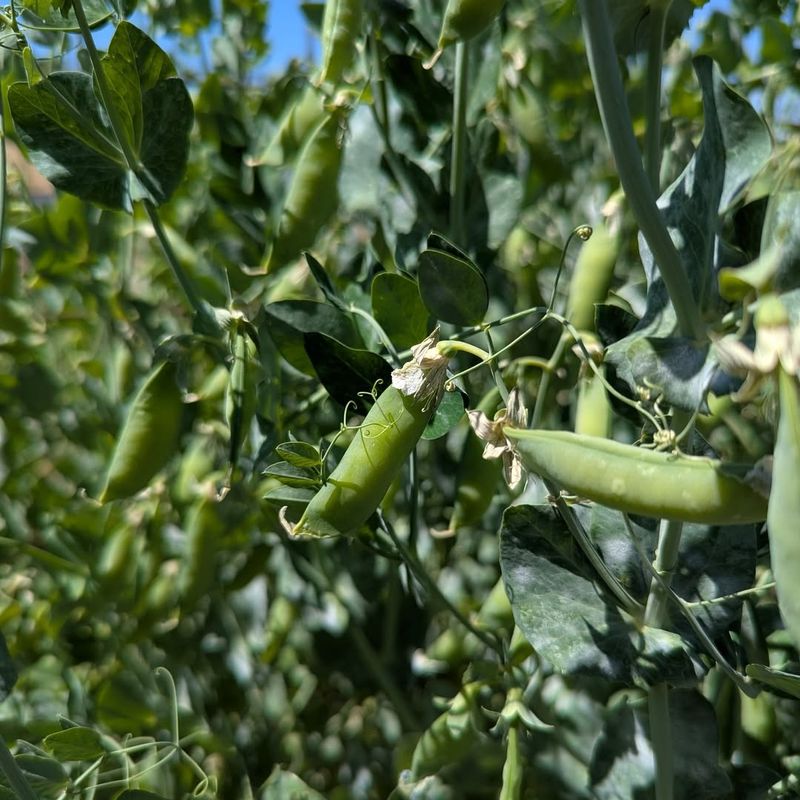
Early spring crops like peas and lettuce might thrive in a location that becomes too shaded for summer tomatoes, while fall plantings might succeed in spots that were too sunny for cool-season crops in June.
Mapping your yard’s sun patterns throughout the entire growing season allows you to make smarter planting decisions and maximize the productivity of every available space from spring through fall.