These Seattle Neighborhoods Offer Public Apple, Cherry, and Fig Trees — Google Maps Marks Their Exact Places
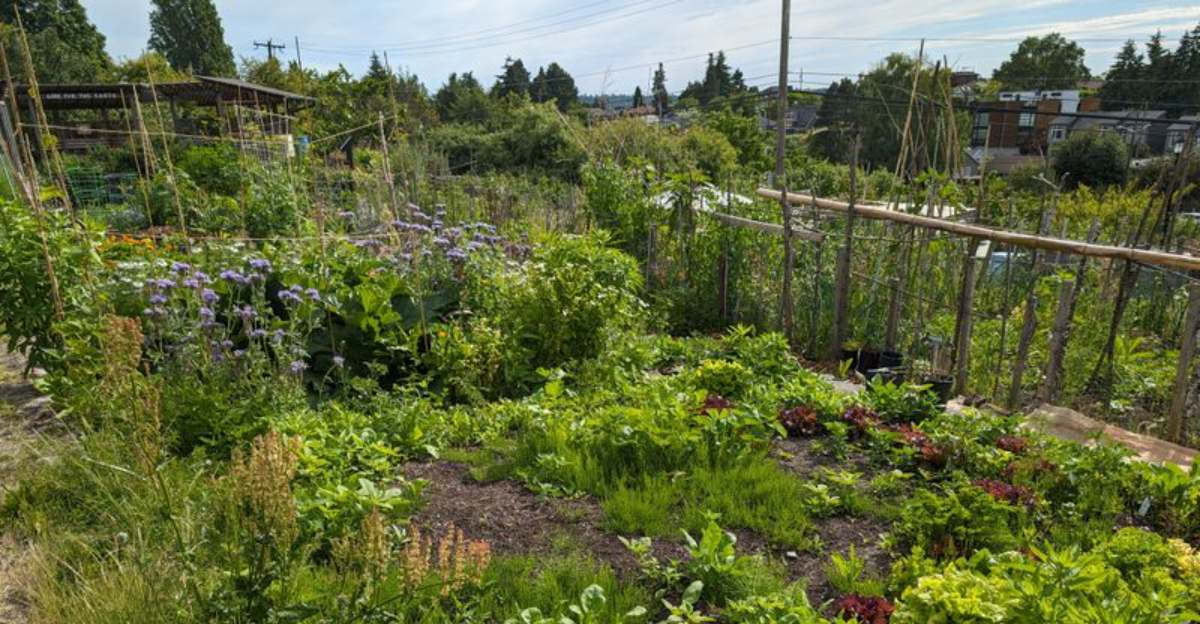
Washington’s Seattle neighborhoods keep surprising me every time I zoom in on Google Maps because I end up spotting fruit trees growing right in the middle of regular blocks.
It feels a little wild seeing apples, cherries, and figs tucked between sidewalks and driveways like they’ve quietly been part of the community forever.
I’ve caught myself checking random Washington streets just to see which corner hides the next cluster of free fruit waiting for someone curious enough to notice it.
And honestly, walking through Seattle feels a lot sweeter once you realize the city is full of little edible surprises marked right there on the map.
1. Beacon Hill Food Forest
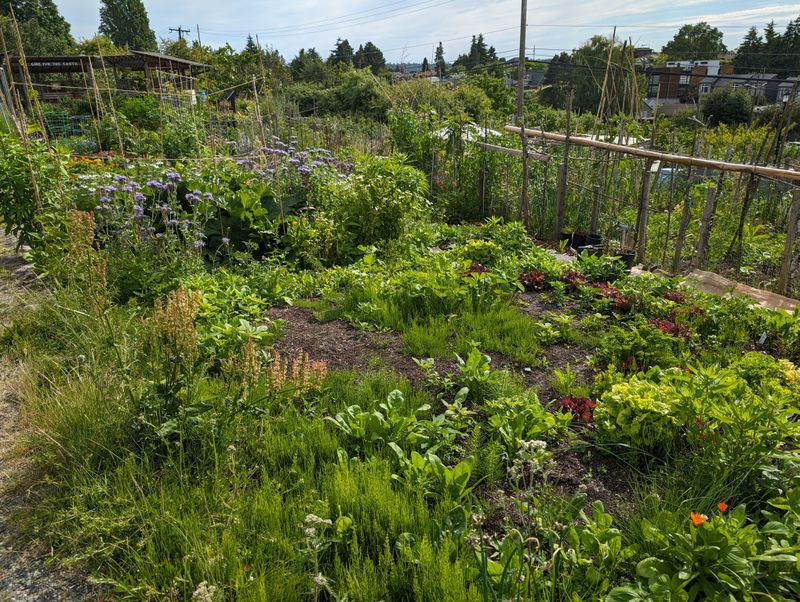
Beacon Hill hosts one of Seattle’s most remarkable edible landscapes where community members planted hundreds of fruit-bearing trees and shrubs for everyone to enjoy freely without restrictions.
Located near Jefferson Park at 15th Avenue South and South Dakota Street, this seven-acre space transforms how urban communities think about shared food resources in Washington State.
Apple trees line several pathways, offering varieties that ripen at different times throughout summer and fall, giving visitors multiple chances to harvest fresh fruit for themselves.
Cherry trees bloom spectacularly in spring before producing sweet fruit that local families eagerly await each year, creating a tradition that brings neighbors together around nature’s generosity.
Fig trees thrive in the sunnier sections of this food forest, producing surprisingly well despite Seattle’s cooler climate, thanks to careful variety selection by knowledgeable volunteers.
Google Maps clearly marks this location, making it easy for first-time visitors to navigate directly to the main entrance and start exploring the abundant fruit options available.
2. Discovery Park Perimeter Trail
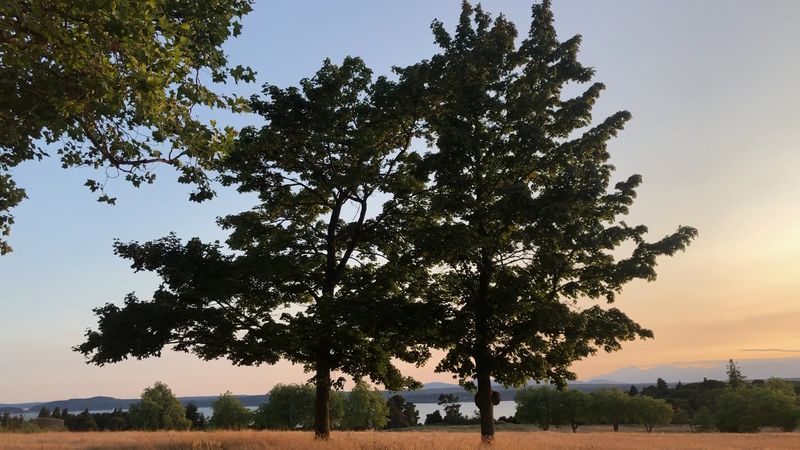
Discovery Park stretches across 534 acres in the Magnolia neighborhood, and its perimeter trail winds past several fruit trees that have grown wild over decades of minimal intervention.
The park entrance at 3801 Discovery Park Boulevard provides easy access to trails where observant walkers discover apple trees growing along less-traveled paths throughout the Washington wilderness.
Some cherry trees near the south meadow produce fruit each summer, though birds often compete with human foragers for the ripest specimens hanging from higher branches above.
These trees likely originated from seeds dropped by wildlife or from old homesteads that existed before the park was established on former military land many years ago.
Walking the loop trail during late summer reveals which trees are currently producing, as fallen fruit on the ground signals ripe pickings overhead waiting for careful harvesters.
Google Maps helps visitors locate the main trailheads, though finding specific fruit trees requires exploration and a willingness to venture slightly off the beaten path into nature.
3. Interlaken Park Trails
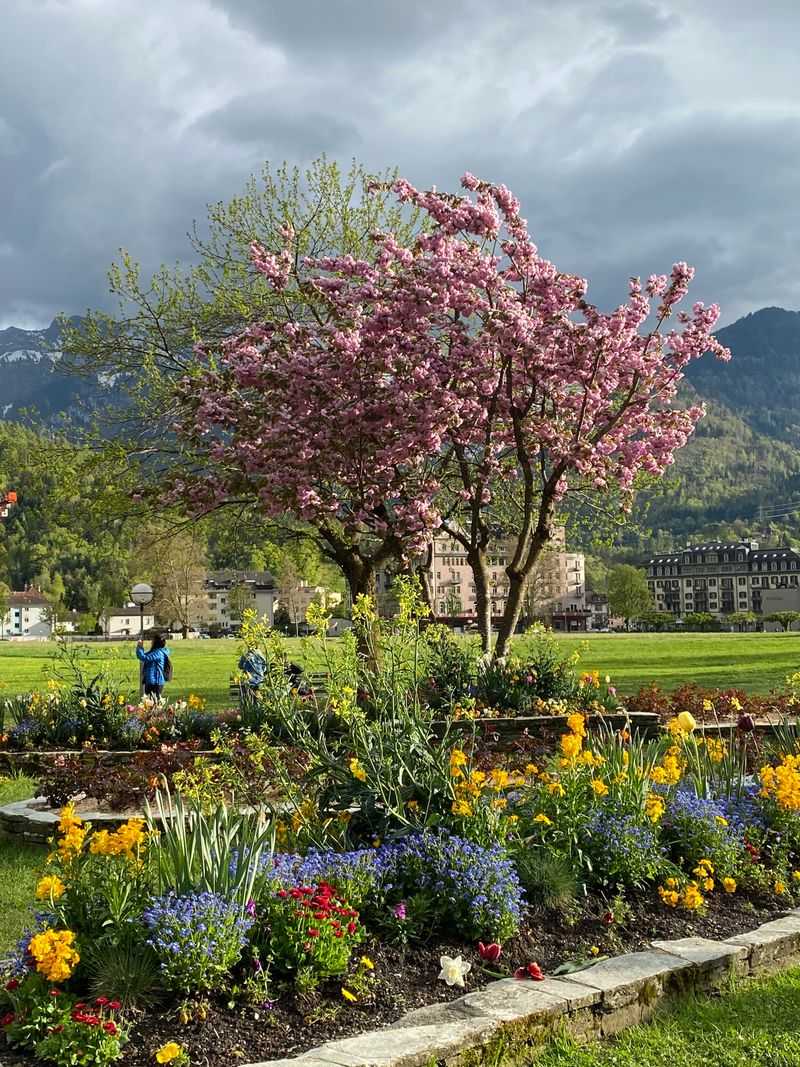
Interlaken Park connects Capitol Hill to the Montlake neighborhood through winding trails that pass remnants of old orchards planted before the area became protected parkland in Washington.
The park stretches along Interlaken Boulevard East, and several access points lead to trails where apple trees still produce fruit despite decades without any organized care or maintenance.
Cherry trees appear sporadically throughout the park, some producing small but flavorful fruit that rewards adventurous foragers willing to explore the less-maintained sections of this urban forest.
The dense canopy and steep terrain create microclimates where certain fruit trees thrive better than others, making each visit a treasure hunt with different discoveries around every bend.
Spring brings spectacular blossoms that hint at summer’s harvest, while autumn transforms the park into a colorful landscape where ripe apples hang from branches above the leaf-covered ground.
Using Google Maps to identify trailheads at either end of the park helps visitors plan their fruit-finding adventures through this beautiful greenspace connecting two distinct Seattle neighborhoods.
4. Fremont Peak Park
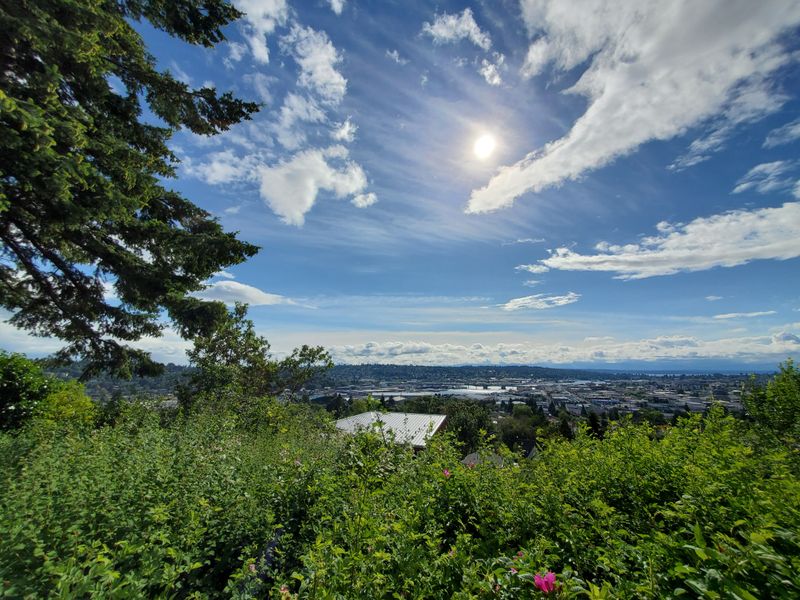
Fremont Peak Park sits atop one of the neighborhood’s highest points at 330 North 47th Street, offering stunning views alongside several fruit trees planted by community volunteers.
This small park packs significant charm with apple trees that produce reliable crops each fall, giving local residents easy access to fresh fruit just steps from their homes.
Cherry trees add seasonal interest with spring blossoms that attract photographers and nature lovers before transforming into fruit that ripens during early summer months in Washington State.
The park’s compact size means every tree is easily accessible without long hikes or difficult terrain, making it perfect for families with young children interested in learning about foraging.
Neighbors often share harvesting tips and favorite recipes at the park, creating a sense of community around these productive trees that benefit everyone who visits regularly.
Google Maps pinpoints this exact location, and street parking nearby makes it convenient for visitors from other Seattle neighborhoods to stop by and check what’s currently ripe.
5. Lake City Thornton Creek Park
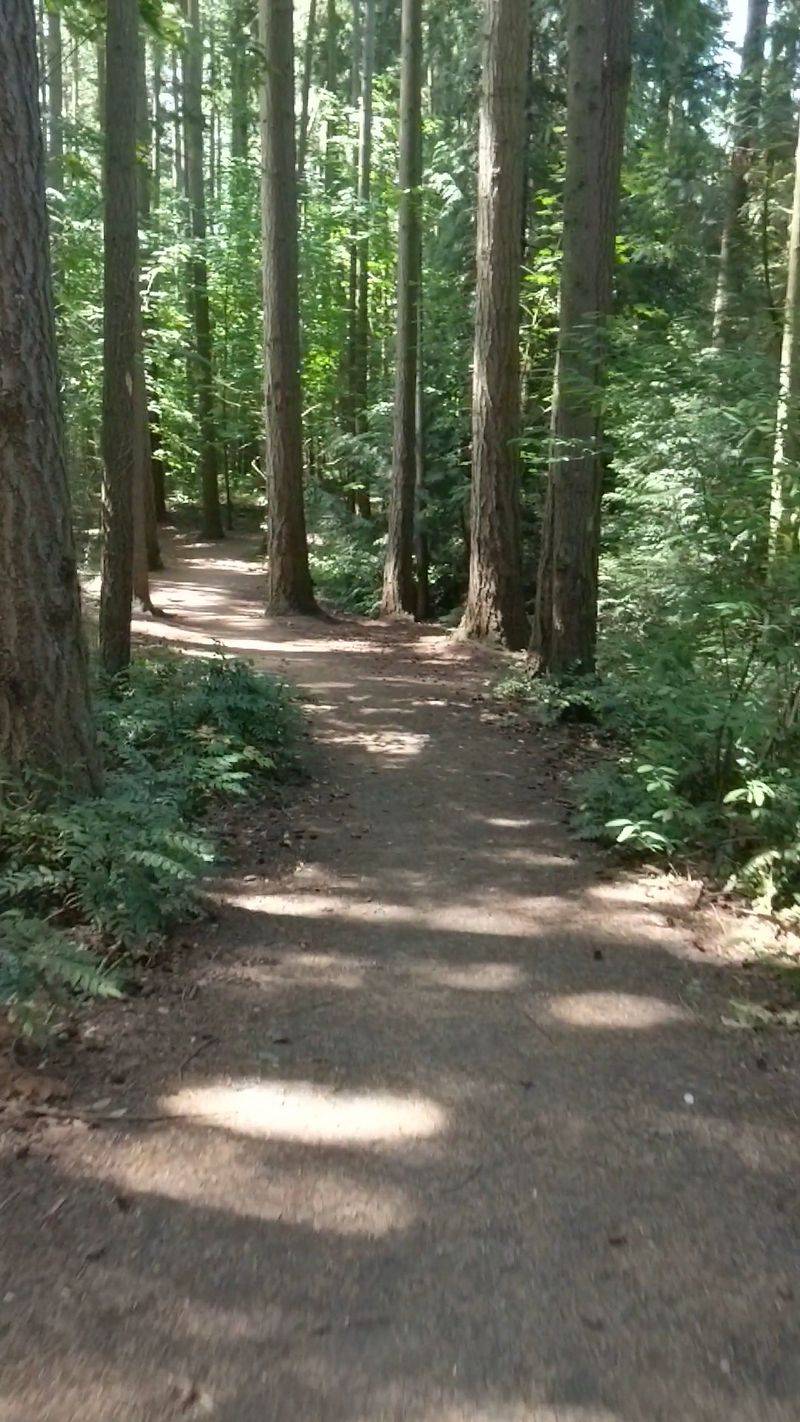
Lake City’s section of Thornton Creek Park includes habitat restoration areas where planners intentionally included fruit trees to provide food for both wildlife and human visitors exploring the area.
Located along 30th Avenue Northeast, this park follows the creek corridor and features apple trees planted as part of ecological restoration efforts that benefit the entire Washington ecosystem.
Cherry trees bloom beautifully each spring, creating picturesque scenes along the water before producing fruit that ripens just as summer vacation begins for local school children nearby.
The park’s design encourages sustainable foraging practices, with informational signs explaining which plants are available for harvest and how to pick fruit without damaging trees for future seasons.
Families often combine creek exploration with fruit picking, making visits educational experiences where children learn about urban ecology while enjoying nature’s sweetest rewards from the branches above.
Google Maps clearly shows multiple access points along the creek corridor, allowing visitors to choose entrances closest to the fruit trees they want to visit most urgently.
6. Ballard Locks Grounds
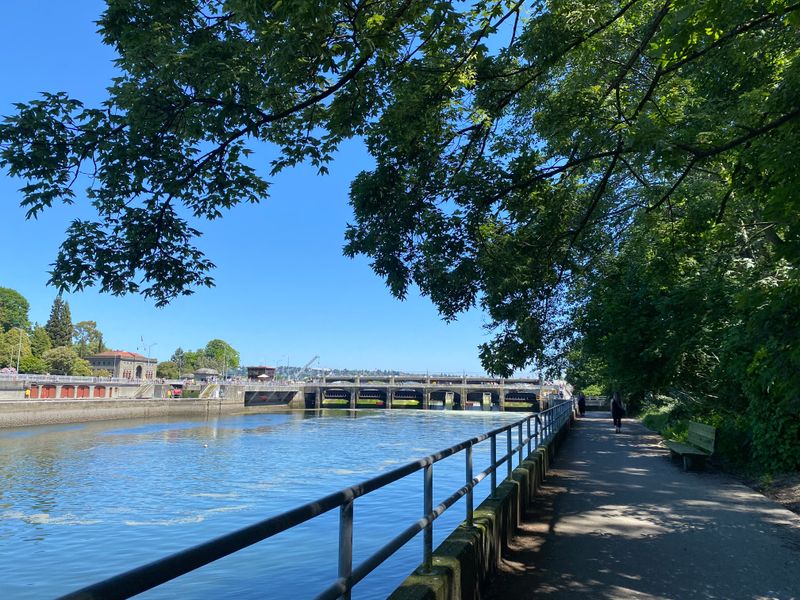
The Hiram M. Chittenden Locks at 3015 Northwest 54th Street feature extensively landscaped grounds where ornamental plantings include several fruit-bearing trees that visitors can legally harvest from.
Apple trees grow near the botanical gardens section, producing fruit that often goes unpicked despite the thousands of tourists who visit this popular Seattle attraction each year in Washington.
Cherry trees line certain walkways, creating stunning spring displays before developing fruit that ripens during the peak summer tourist season when the locks are busiest with activity.
The well-maintained grounds make fruit spotting easy, and the park’s popularity means trees are generally healthy and productive thanks to regular care from dedicated maintenance staff members.
Combining a visit to watch boats navigate the locks with some casual fruit foraging creates a uniquely Seattle experience that blends maritime history with urban agriculture perfectly.
Google Maps provides detailed layouts of the entire complex, helping visitors navigate to specific garden areas where fruit trees are most concentrated throughout the extensive public grounds.
7. Ravenna Park Ravine
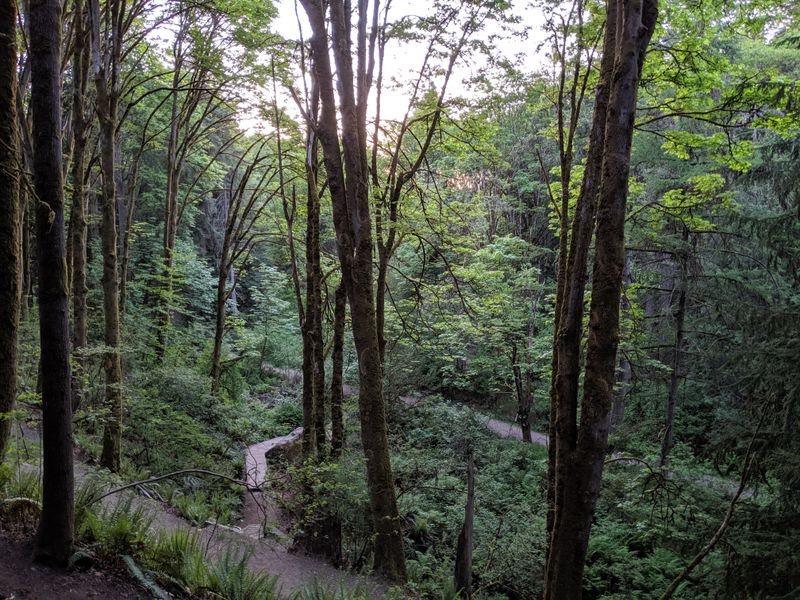
Ravenna Park’s dramatic ravine near the University District conceals fruit trees along its slopes and trails, remnants of homesteads that existed before this became protected parkland.
The main trail follows Ravenna Creek from Northeast 55th Street, and sharp-eyed foragers spot apple trees growing on the ravine walls above the well-traveled paths below them.
Cherry trees appear in sunnier clearings where light penetrates the dense canopy, producing fruit that often escapes notice from casual walkers focused on the creek below their feet.
The park’s history as a former amusement area and residential neighborhood means fruit trees pop up in unexpected locations, rewarding explorers who venture beyond the main trail system.
Autumn transforms the ravine into a colorful corridor where ripe apples contrast beautifully with changing leaves, creating perfect conditions for nature photography and fruit gathering combined together.
Google Maps shows the park’s boundaries and main entrances in Washington, though finding specific fruit trees requires multiple visits and careful observation during different seasons throughout the year.
8. Volunteer Park Conservatory Grounds
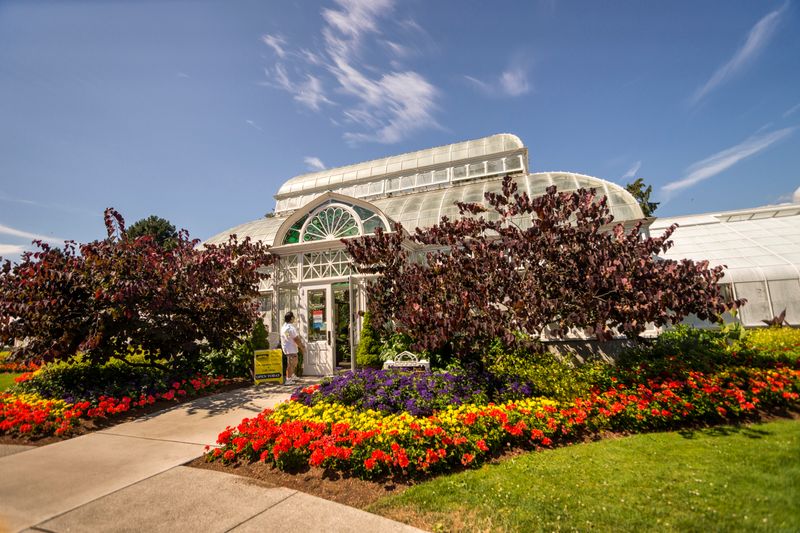
Volunteer Park at 1247 15th Avenue East on Capitol Hill features beautifully maintained grounds surrounding its historic conservatory, including several fruit trees planted as part of the ornamental landscape.
Cherry trees create spectacular spring displays that draw photographers from across Seattle, then produce edible fruit that many visitors don’t realize they can harvest freely from the branches.
Apple trees grow in less formal areas of the park, offering fruit that ripens in late summer just as families return from vacations and look for local activities.
The park’s central location in Washington makes it easily accessible by bus or bike, encouraging sustainable transportation for foraging trips that reduce environmental impact while gathering fresh food.
Combining fruit picking with visits to the conservatory, museum, or water tower observation deck creates full-day outings that showcase multiple aspects of Seattle’s cultural and natural heritage together.
Google Maps provides clear directions to the main entrance and parking areas, making trip planning simple for first-time visitors unfamiliar with Capitol Hill’s street layout and parking options.
9. Seward Park Waterfront Trail
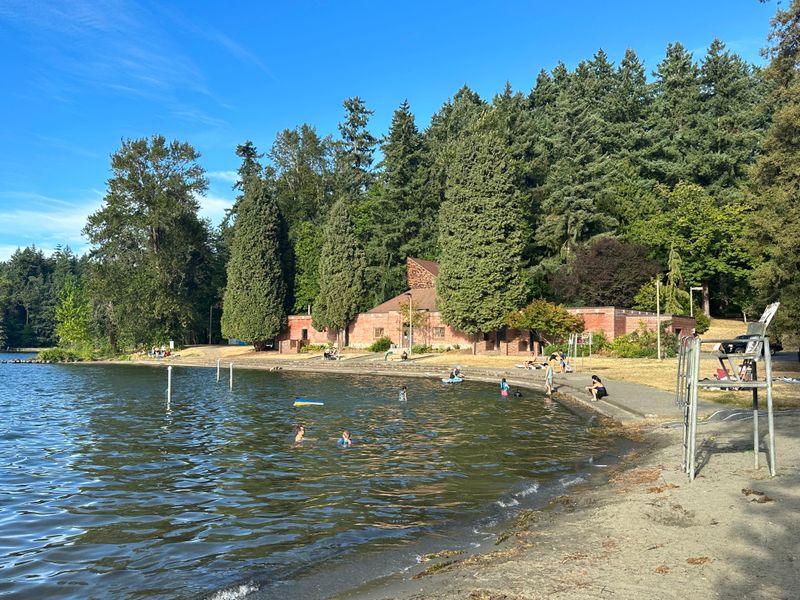
Seward Park occupies an entire peninsula jutting into Lake Washington at 5900 Lake Washington Boulevard South, and its trails pass fruit trees planted decades ago by unknown hands.
Apple trees thrive in sunny spots near the waterfront trail, producing generous crops that benefit from the lake’s moderating influence on temperature extremes throughout the growing season.
Cherry trees appear along interior trails, particularly in areas where old-growth forest transitions to younger vegetation, creating edge habitat where fruit trees flourish in available sunlight overhead.
Fig trees surprisingly grow near the park’s south end, taking advantage of reflected heat from paved areas and southern exposure that helps these Mediterranean plants survive Seattle’s climate.
The park’s popularity means fruit trees receive incidental care from the many visitors who appreciate the greenspace, though most people remain unaware of the edible treasures surrounding them.
Google Maps clearly shows the park’s loop trail and parking areas in Washington, making it simple to plan visits during peak fruit season when trees offer their most abundant harvests.