These 7 Secrets Help Oregon Gardeners Grow Better Organic Strawberries
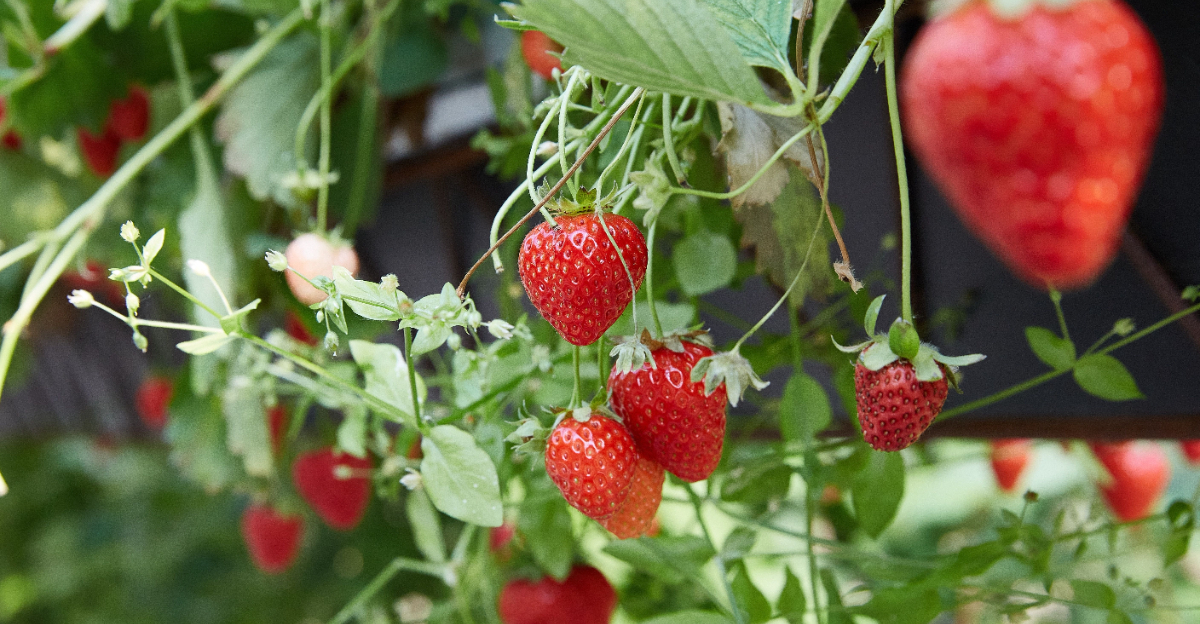
Growing organic strawberries in Oregon can be incredibly rewarding. There’s nothing like picking sweet, fresh berries from your own garden.
But getting great results doesn’t always happen by accident. A few small changes can make a big difference.
I struggled with strawberries at first. The plants looked fine, but the berries were small or didn’t taste very sweet.
After some trial and error, things finally started to improve. Healthier plants.
Bigger harvests. Better flavor.
Oregon’s climate is perfect for strawberries when you work with it instead of against it. Simple habits like better soil care and proper spacing can boost your results fast.
These tips are easy to follow and beginner friendly. They help you grow stronger plants and enjoy more delicious organic strawberries all season long.
1. Best Strawberries For Oregon
You planted a dozen strawberry starts last spring, watered them faithfully all summer, and by July you had exactly three berries, tiny, pale, and disappointing. Sound familiar?
The problem might not be your gardening skills at all. Many strawberries sold at big box stores are bred for California’s hot, dry summers, not Oregon’s cool, cloudy springs.
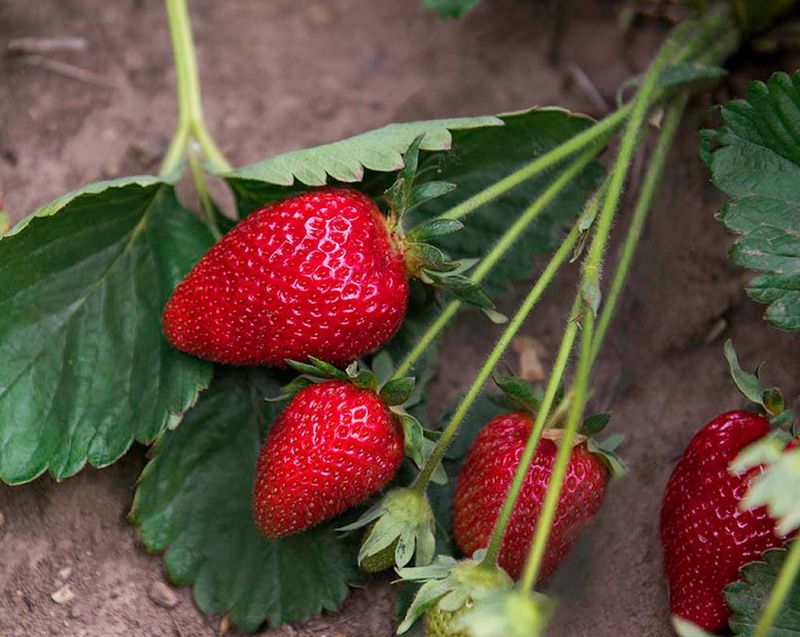
For the Willamette Valley, Portland, and most of western Oregon, you want June-bearing varieties like Hood, Shuksan, or Puget Reliance. These cultivars are bred to handle our wet springs and produce large, flavorful berries that ripen just as our weather warms up.
Hood strawberries, developed right here at Oregon State University, are especially beloved for their sweet flavor and disease resistance.
If you want berries all season long, try everbearing types like Quinault or Seascape. They produce smaller harvests in June, then again in late summer and fall.
Day-neutral varieties work well in raised beds or containers where you can control moisture better.
Avoid varieties labeled for the Deep South or desert climates, they simply won’t thrive here. When you choose varieties adapted to Oregon’s climate, you’re already halfway to a bumper crop.
Your plants will be healthier, more productive, and far less prone to the fungal diseases that plague strawberries in our damp springs.
2. Prepare Your Soil
Walk into any established Oregon garden and you’ll likely find heavy clay soil that turns into a muddy mess every winter. Strawberries absolutely hate wet feet, their shallow roots rot quickly in waterlogged soil, leading to stunted plants and zero fruit.
Even if your soil drains well naturally, strawberries are heavy feeders that need plenty of organic matter to produce those juicy berries you’re dreaming about.
Start by working in at least three inches of compost or aged manure into your strawberry bed. This improves drainage in clay soils and adds moisture retention to sandy soils.
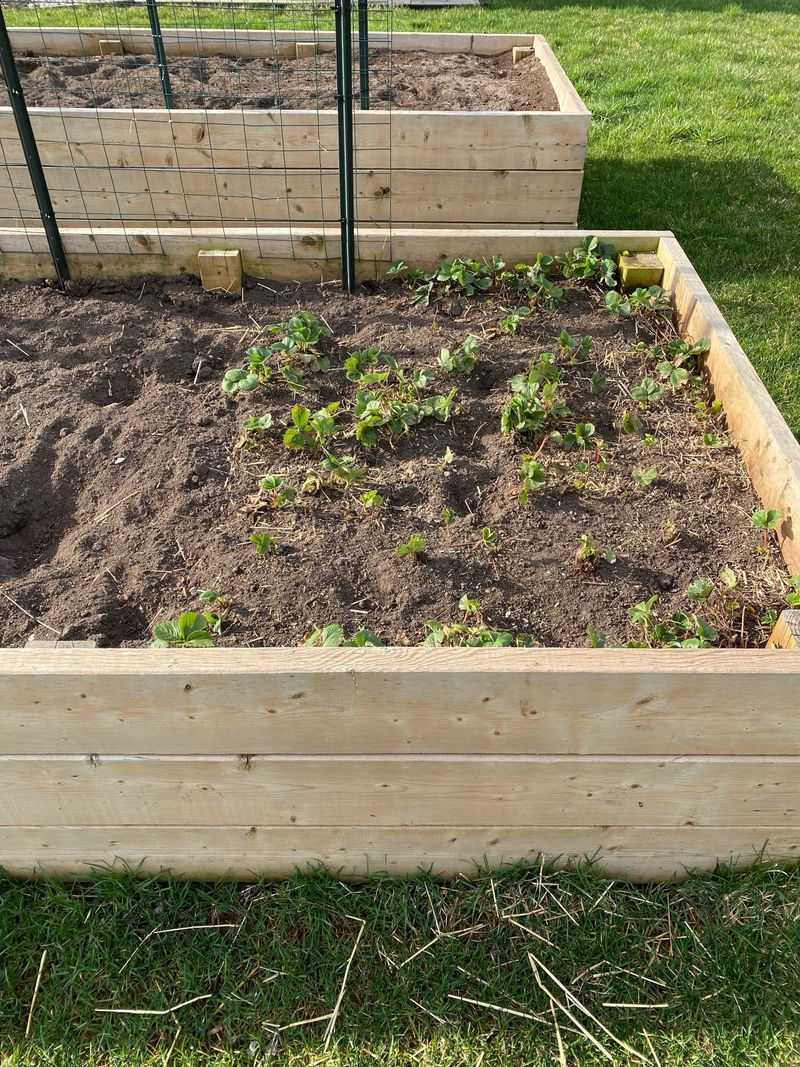
If you’re dealing with really heavy clay, consider building raised beds eight to twelve inches high. Fill them with a mix of native soil, compost, and a bit of peat moss or coconut coir.
Before planting, test your soil pH, strawberries prefer slightly acidic conditions between 5.5 and 6.5, which happens to be perfect for most Oregon soils. If your pH is too high, work in some sulfur a few months before planting.
Add a balanced organic fertilizer at planting time, something like a 5-5-5 or fish meal.
Timing matters too. Prepare your beds in late summer or early fall if you plan to plant in spring.
This gives organic amendments time to break down and mellow. Your strawberries will reward you with vigorous growth and heavy fruiting when their roots have access to loose, fertile, well-drained soil.
3. Use Organic Mulches
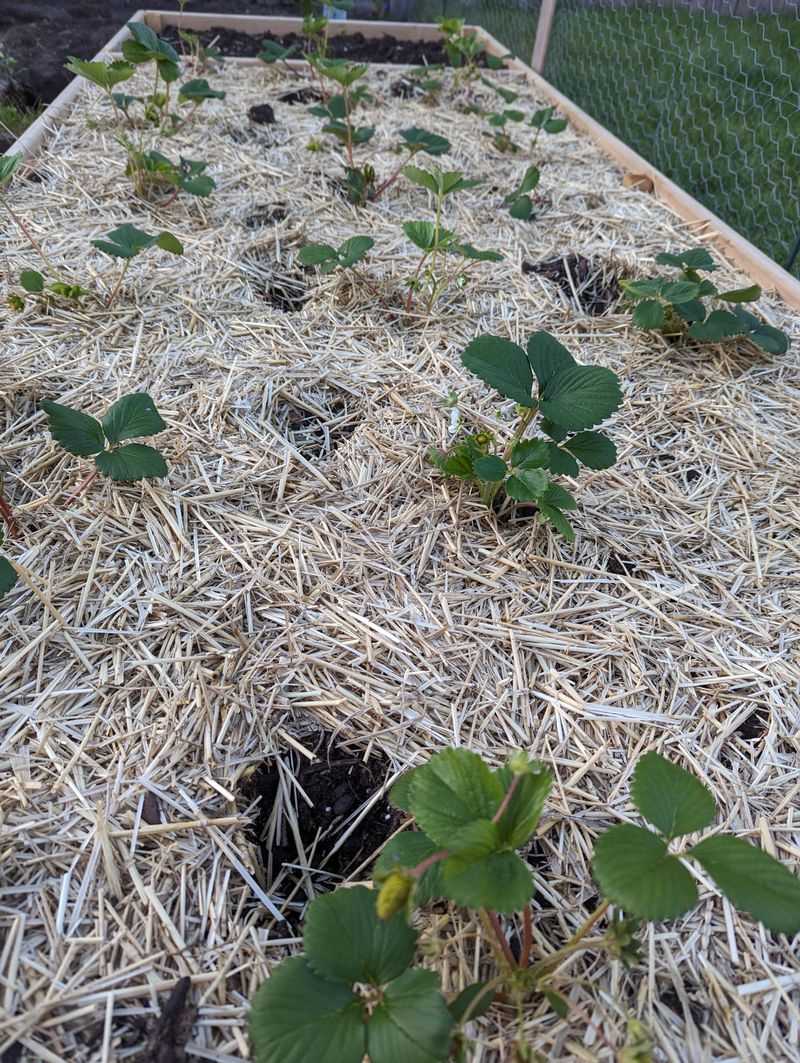
One morning in early June, you’ll walk out to check your strawberry patch and notice the berries are finally starting to ripen. But wait, many of them are sitting directly on damp soil, half-covered in mud, and some already show signs of rot or slug damage.
This is exactly why mulching is absolutely essential for Oregon strawberry growers.
Straw is the classic choice for a reason. A thick layer of clean straw (not hay, which contains weed seeds) keeps developing berries off the ground, preventing rot and keeping them clean.
Spread about three to four inches of straw around your plants once they start flowering. The straw also suppresses weeds, keeps soil temperatures more stable, and holds in moisture during our occasional dry spells.
Some Oregon gardeners swear by pine needles, which acidify the soil slightly as they break down, a bonus for strawberries. Others use shredded leaves or even cardboard pathways between rows.
Whatever you choose, apply mulch after the soil has warmed in late spring, not too early or you’ll slow growth.
Mulch also protects your plants during winter. After the first hard frost, add an extra layer of straw over the crowns to insulate them from freeze-thaw cycles.
Pull it back in early spring when new growth starts. This simple step dramatically reduces disease, keeps fruit pristine, and makes harvesting much more pleasant.
4. Space Plants Properly
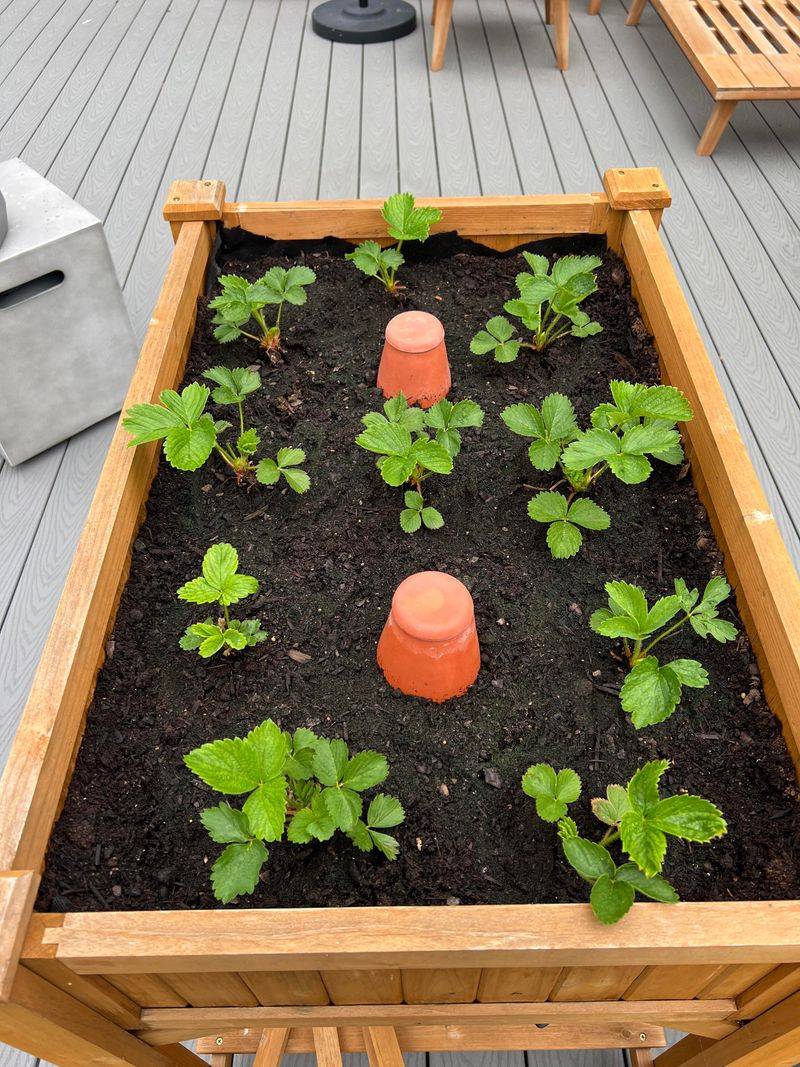
There’s a temptation when planting strawberries to squeeze as many starts as possible into your bed. After all, more plants mean more berries, right?
Wrong. Crowded strawberry plants in Oregon’s humid climate are a recipe for disaster, they trap moisture, block airflow, and create the perfect environment for powdery mildew, gray mold, and other fungal diseases that thrive in our damp springs.
Give each strawberry plant at least twelve to eighteen inches of space in all directions. This might seem like a lot, but remember that each plant will send out runners and fill in the gaps by midsummer.
Proper spacing ensures that every plant gets adequate sunlight on its leaves, which is essential for photosynthesis and sugar production in the fruit.
Good airflow is even more critical here than in drier climates. When leaves stay wet for hours after morning dew or spring rains, fungal spores germinate and spread rapidly.
Spaced-out plants dry off faster, reducing disease pressure significantly. If you’re planting in rows, space rows at least two feet apart so you can walk between them for weeding and harvesting.
In matted row systems, allow plants to fill in naturally but thin out excess runners in late summer. Keep the row width to about eighteen inches, removing any plants that stray beyond that.
Yes, you’ll sacrifice some potential plants, but the ones that remain will be healthier, more productive, and far easier to manage organically.
5. Control Weeds Without Chemicals
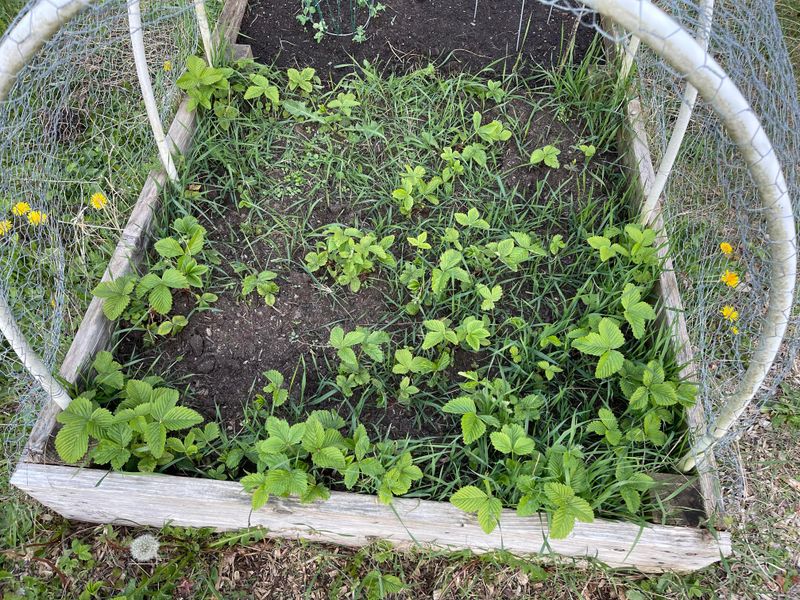
By mid-May, you might notice that your beautiful strawberry patch is starting to look more like a weed patch with a few strawberries mixed in. Weeds compete aggressively for nutrients, water, and light, and in Oregon’s mild, wet climate, they grow with enthusiasm.
The challenge for organic gardeners is keeping them under control without reaching for synthetic herbicides.
Your first line of defense is mulch, which we already covered. A thick layer of straw or other organic material blocks light from reaching weed seeds, preventing most of them from germinating in the first place.
But some persistent weeds will still push through, especially grasses and deep-rooted perennials.
Hand-pulling is your best bet for weeds that do appear. Do it regularly, ideally once a week during the growing season, and pull when the soil is moist so roots come out easily.
Be gentle near strawberry plants since their roots are shallow. For grassy weeds, slip your fingers down around the base and pull slowly to get the entire root system.
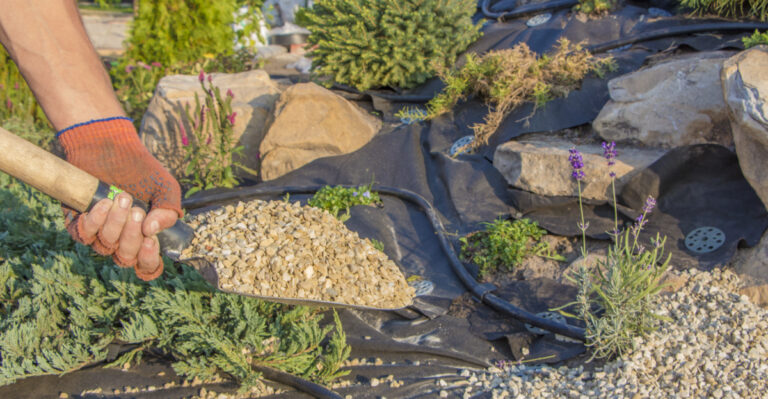
Consider using landscape fabric or cardboard under your mulch if you’re starting a new bed. Cut holes for your strawberry plants and cover the rest with straw.
This creates an almost impenetrable barrier against weeds. Between rows, you can also use thick newspaper or cardboard pathways.
Whatever method you choose, stay on top of weeds early in the season before they set seed and multiply exponentially.
6. Manage Pests And Diseases
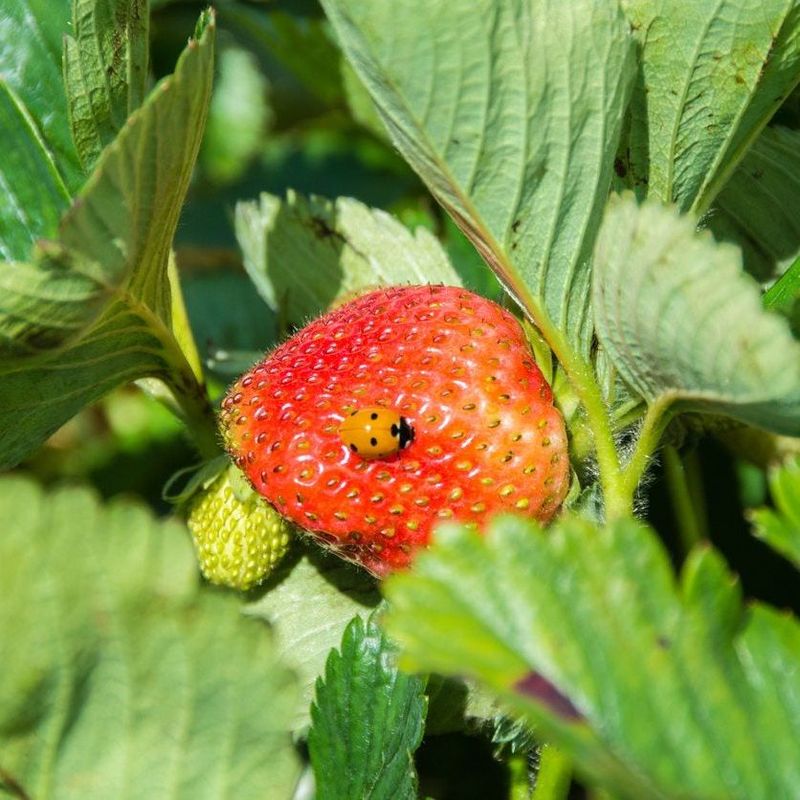
You step outside one morning to find half your ripening strawberries have mysterious holes chewed in them, or worse, they’re covered in gray fuzzy mold. Oregon’s cool, damp climate is paradise for slugs, snails, and fungal diseases, but don’t panic.
Organic gardeners have plenty of effective tools to keep pests and diseases in check without resorting to harsh chemicals.
Slugs are public enemy number one for Oregon strawberry growers. They come out at night and feast on ripe fruit, leaving behind slimy trails and ruined berries.
Set out shallow dishes of beer to trap them, or use iron phosphate slug bait, which is organic and safe around pets and wildlife. Hand-picking by flashlight after dark is surprisingly effective too.
For fungal diseases like botrytis (gray mold) and powdery mildew, prevention is everything. Choose resistant varieties, space plants properly, and avoid overhead watering, use drip irrigation or soaker hoses instead.
Remove any infected leaves or berries immediately and dispose of them in the trash, not your compost pile. A spray of diluted neem oil or a baking soda solution can help prevent fungal spread.
Aphids occasionally cluster on new growth, but a strong spray of water usually dislodges them. Encourage beneficial insects like ladybugs and lacewings by planting flowers nearby.
With vigilance and organic methods, you can keep your strawberry patch healthy and productive all season long without synthetic pesticides.
7. Harvest For Better Growth
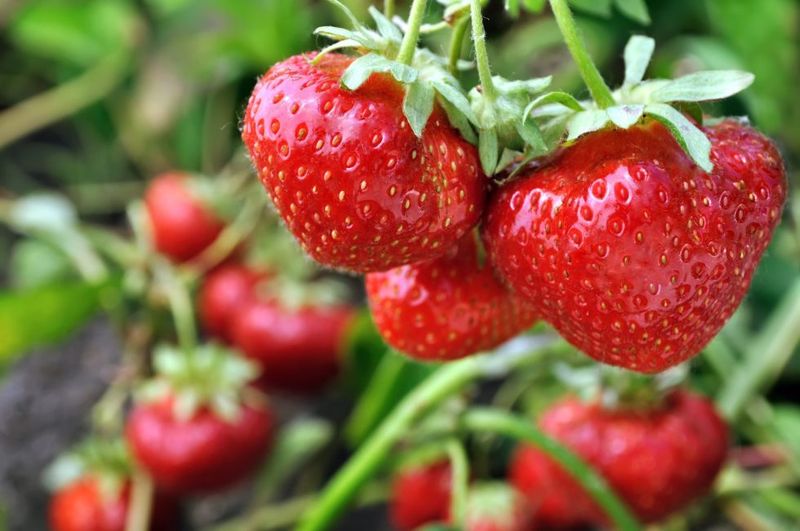
There’s nothing quite like the moment you pick your first fully ripe, sun-warmed strawberry of the season and pop it in your mouth. The flavor is incomparable to anything from the grocery store – sweet, complex, and intensely fruity.
But to get berries at their absolute best, you need to harvest at the right time and keep your plants healthy throughout the season.
Strawberries don’t ripen after picking, so wait until they’re fully red with no white or green shoulders. Check your plants every day or two during peak season, usually late May through June for June-bearing types.
Pick in the morning after dew has dried but before the heat of the day. Gently twist or snip berries off with a bit of stem attached, this helps them last longer.
Throughout the growing season, remove any dead or diseased leaves to keep plants vigorous and improve airflow. After harvest, many Oregon gardeners renovate their June-bearing strawberry beds by mowing or cutting back foliage to about three inches above the crown.
This stimulates new, healthy growth and reduces disease carryover. Fertilize lightly with compost or fish emulsion after renovation.
Keep plants watered during dry spells, especially when they’re forming next year’s flower buds in late summer. In fall, weed thoroughly and add a fresh layer of mulch before winter.
With proper maintenance, your strawberry bed will produce abundantly for three to four years before needing replacement. Each season gets better as you learn your plants’ rhythms and needs.