These 9 Seeds Oregon Gardeners Should Soak Before Planting
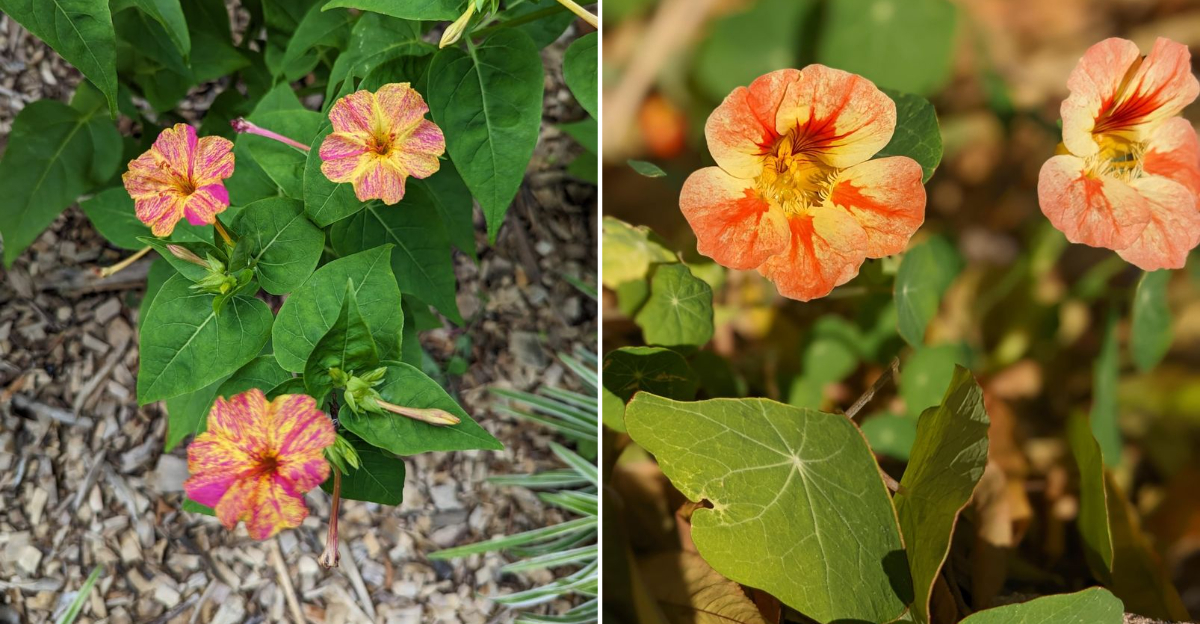
Planting seeds is one of the most satisfying parts of gardening. You tuck a tiny seed into the soil, give it a little water, and wait for the magic to happen.
But sometimes that “magic” takes… forever. Days go by, then weeks, and you start wondering if the seed just decided to retire underground.
Here’s a simple trick many gardeners swear by: soaking certain seeds before planting. It sounds almost too easy, right?
Just a little water and a bit of patience can help wake those seeds up and get them ready to sprout faster.
This trick works especially well for seeds with tough outer shells that need a little encouragement before they start growing. And in Oregon gardens, where spring planting is a big deal, that small step can make a noticeable difference.
If you want quicker germination and stronger seedlings, these are the seeds Oregon gardeners should soak before planting.
1. Sweet Peas
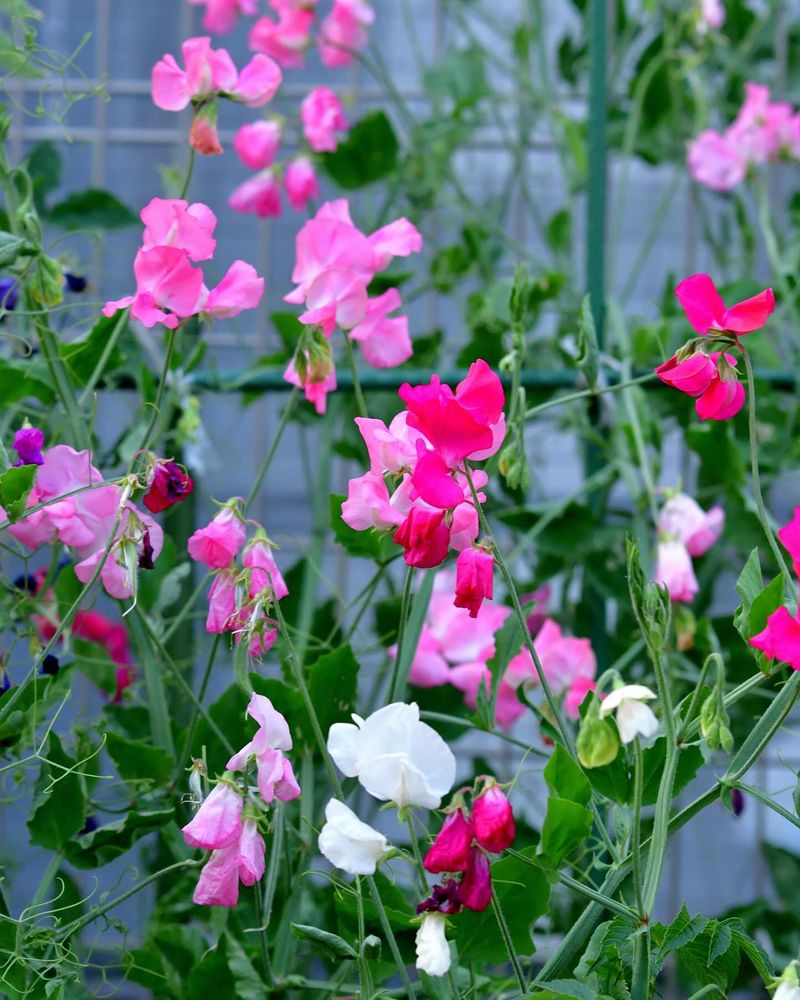
Few flowers bring as much charm to an Oregon garden as sweet peas. Their ruffled blooms and sweet fragrance make them a favorite for trellises, fences, and cut flower bouquets.
But here’s the thing: their seeds have a notoriously hard outer coat that can really slow down germination if you skip the soaking step.
Soak sweet pea seeds for no more than 12 hours in lukewarm water before planting. Going longer than that can actually make them more likely to develop Fusarium wilt, a fungal disease that affects the roots and stems.
Set a timer so you don’t forget. After soaking, plant them right away. Don’t let them sit out and dry.
Oregon’s cool spring soil is actually great for sweet peas since they prefer cooler temperatures. Aim to plant them early in the season, around late February or March in western Oregon.
The soaked seeds will sprout much faster than dry ones. You should see little green shoots poking up within a week or two. That’s a rewarding sight after a long winter of waiting.
2. Nasturtiums
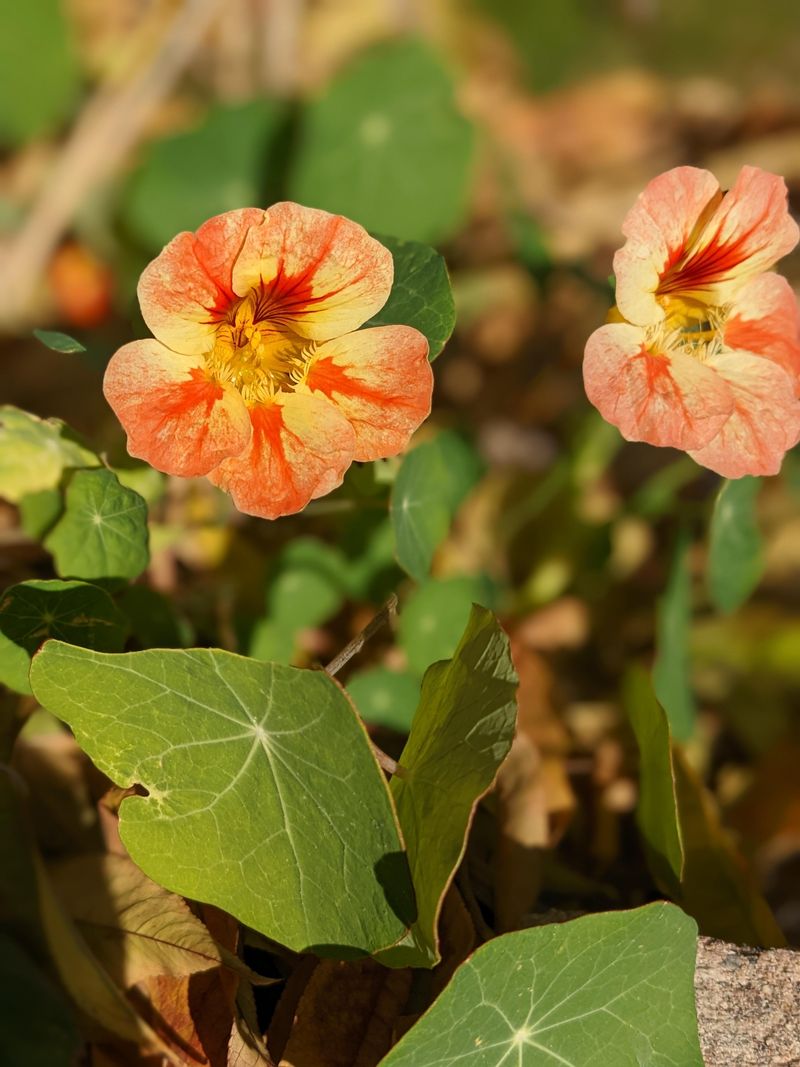
Nasturtiums are one of the most cheerful and easy-to-grow flowers an Oregon gardener can choose. Their bold orange, yellow, and red blooms light up any garden space, and both the flowers and leaves are actually edible, which makes them even more fun to grow.
However, their wrinkled, papery seed coats can slow things down if you plant them dry.
Soak nasturtium seeds for 6 to 12 hours in lukewarm water before planting. You’ll notice the seeds plump up as they absorb moisture.
That swelling is a good sign. It means the seed coat has softened and the seed inside is ready to push through the soil.
Oregon’s mild but often wet spring weather suits nasturtiums well. They don’t need rich soil and actually do better in poorer conditions.
Plant them in a sunny spot after soaking, and expect germination in about 7 to 10 days. In the Portland area or southern Oregon valleys, you can start them outdoors as early as mid-April.
These plants spread easily and reward you with weeks of colorful blooms throughout the summer. A little soak goes a long way with these beauties.
3. Lupine
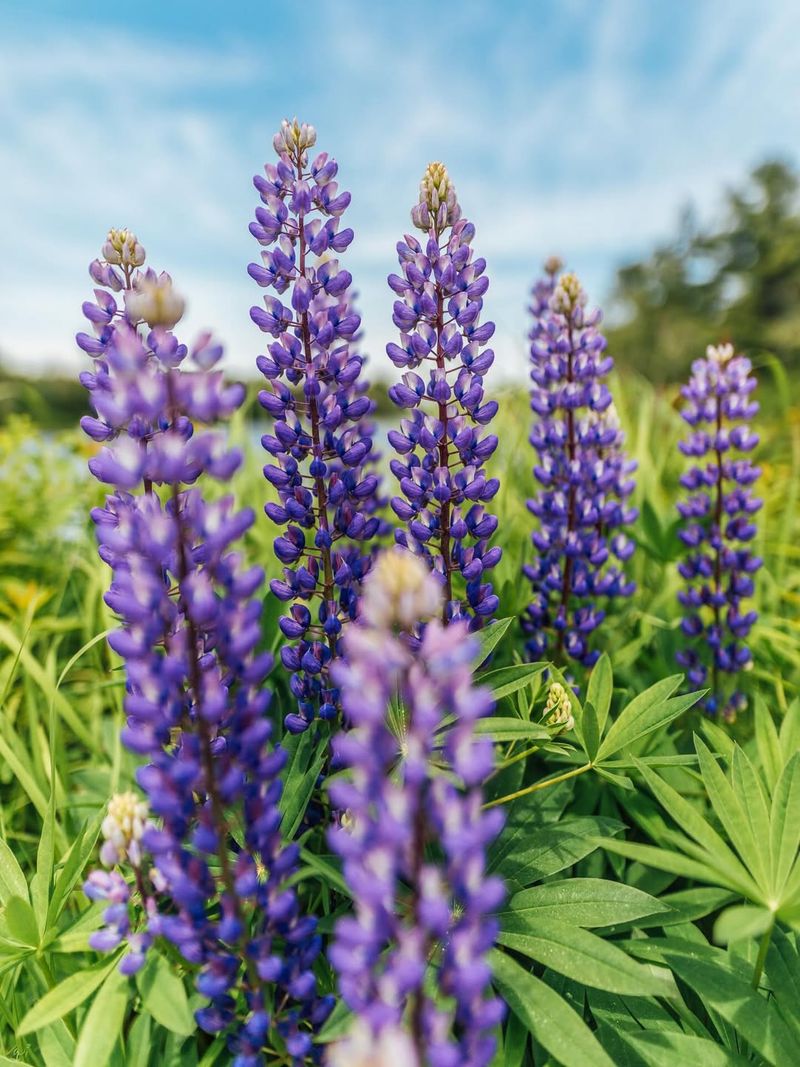
Walk through almost any Oregon hillside in late spring and you’ll spot lupines standing tall with their spiky purple and pink flower towers.
These native beauties are also wonderful in home gardens, but their seeds are covered in a hard coat that can take weeks to break down on its own. Soaking speeds things up significantly.
Place lupine seeds in warm water and let them soak for 24 hours. Some gardeners also lightly nick the seed coat with a nail file before soaking.
This is called scarification, and it helps water get inside even faster. Together, soaking and scarification can cut germination time nearly in half.
Oregon has a long history with lupines, especially along the coast and in the Cascade foothills where they grow wild. In your garden, plant soaked lupine seeds in a spot with full sun and well-drained soil.
They fix nitrogen in the soil, which actually benefits nearby plants too. That’s a win-win for your whole garden bed.
Start them outdoors in early spring or even fall in milder parts of Oregon. Once established, lupines come back year after year, filling your garden with stunning color and height.
4. Morning Glory
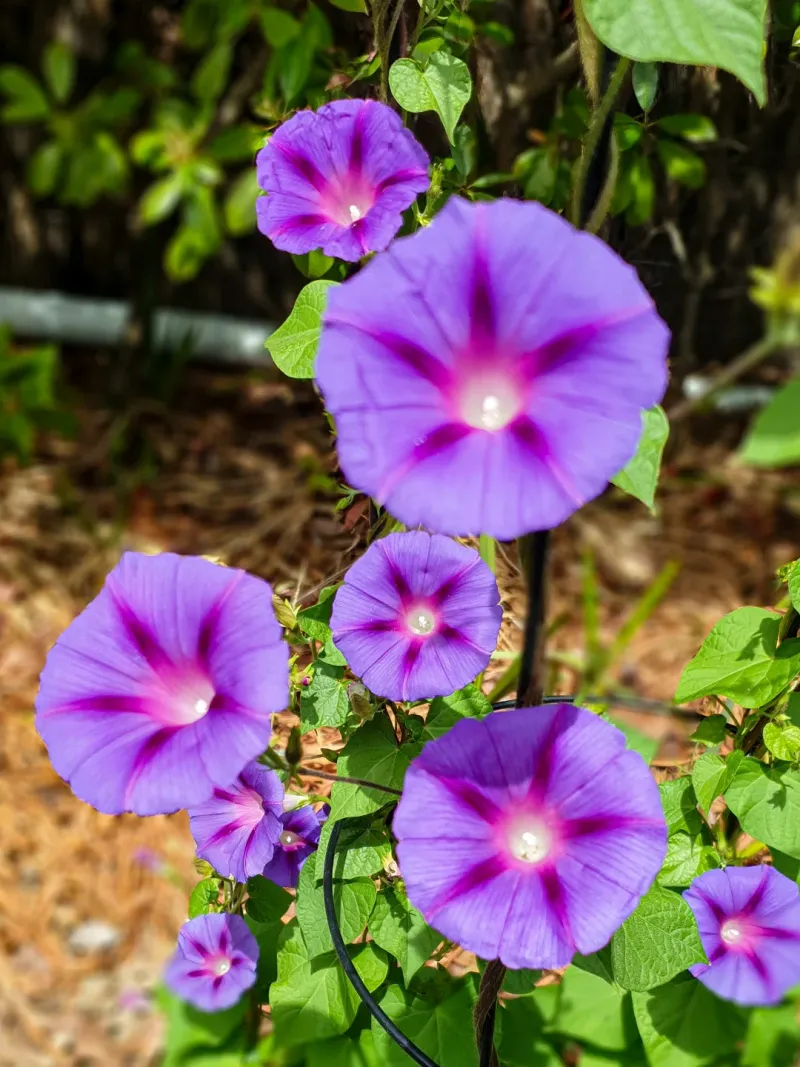
Morning glories are the kind of plant that makes you want to wake up early just to watch them open. Their trumpet-shaped blooms unfurl each morning in shades of blue, purple, pink, and white, then close by afternoon.
It’s like a daily garden show. The catch is that their seeds have a very hard coat that can seriously delay sprouting.
Soak morning glory seeds in lukewarm water for 12 to 24 hours before planting. After about 30 minutes of soaking, check for any seeds floating on the surface.
Toss those out. Floating seeds are usually not viable, meaning they likely won’t sprout even if you plant them.
In Oregon, morning glories do best when planted after the last frost, which varies by region. In the Willamette Valley, that’s usually around mid-April.
Give them a fence, trellis, or post to climb, and they’ll reward you with months of blooms. The soaked seeds germinate in about 5 to 7 days compared to two weeks or more for dry seeds.
That faster start is especially helpful in Oregon where the warm growing season can feel short. Plant them in full sun for the best flower display.
5. Moonflower
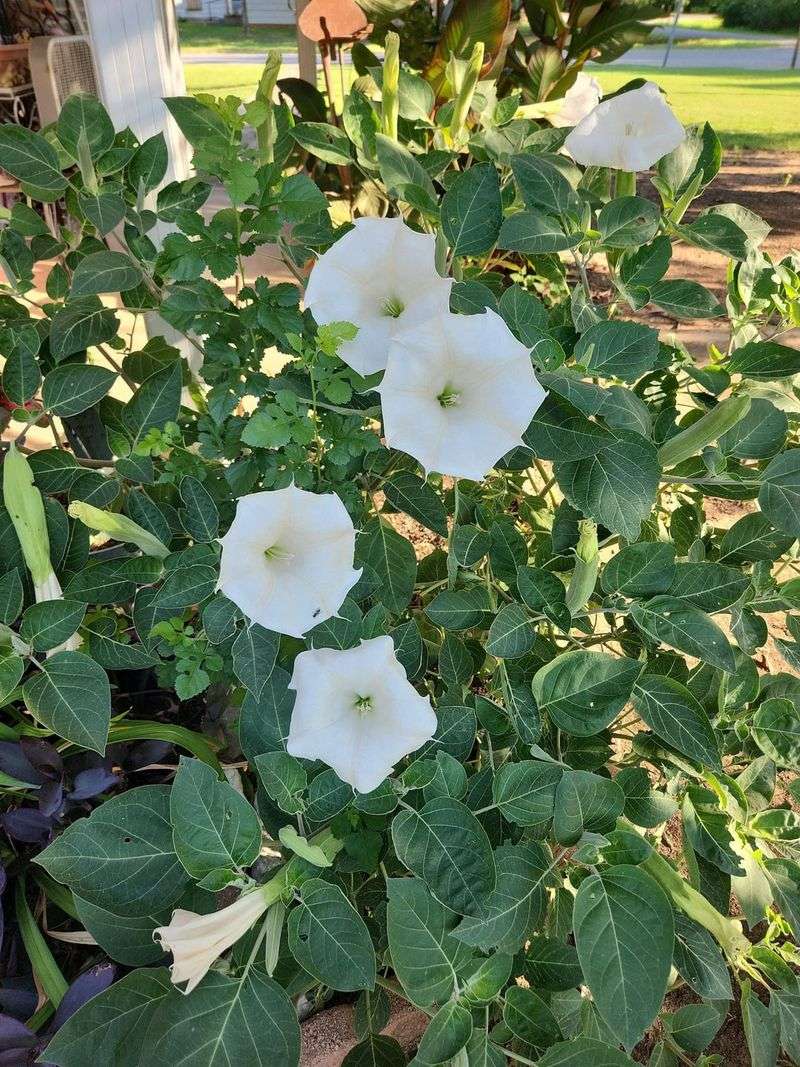
Imagine stepping outside on a warm Oregon summer evening and watching giant white flowers slowly open right before your eyes. That’s the magic of moonflowers.
These night-blooming cousins of morning glories open at dusk and fill the air with a sweet fragrance. Their seeds, however, are rock-hard and need some help to get started.
Soak moonflower seeds for 24 hours in warm water before planting. Some gardeners also use a nail file to lightly scratch the seed surface before soaking.
This helps water penetrate the tough coat more easily. After soaking, you should see the seeds swell noticeably, which is exactly what you want.
Moonflowers love heat, so in Oregon, wait until late May or early June to plant them outdoors, especially in areas east of the Cascades where nights stay cool longer. In warmer parts of the state like the Rogue Valley, you can start them a bit earlier.
Give them a tall trellis because these vines grow fast and can reach 10 to 15 feet in a single season. Once established, they bloom reliably from midsummer until the first frost arrives.
Soaking those hard seeds is truly the secret to getting moonflowers off to a strong start.
6. Four O’Clock
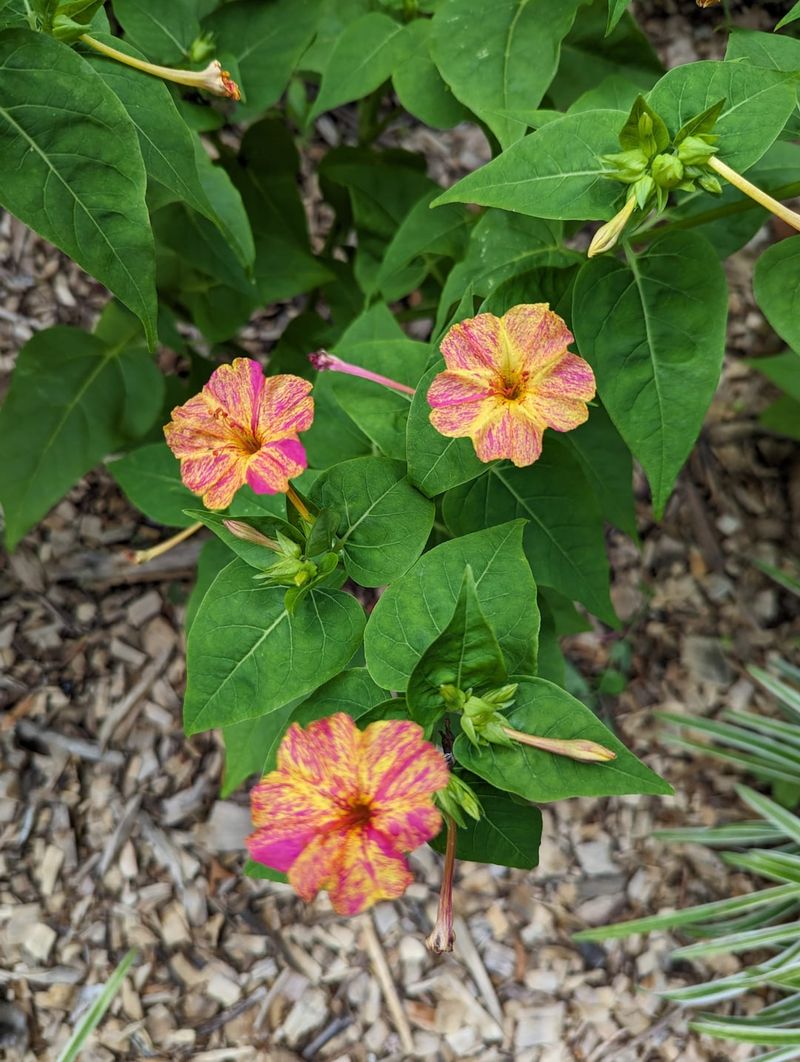
Four o’clocks are named for a reason: their funnel-shaped flowers open reliably every afternoon around 4 p.m. and stay open through the night. They come in a wild mix of colors, and some plants even have two colors on the same flower.
Gardeners across Oregon love them for their low-maintenance nature and long blooming season.
Their seeds are dark, angular, and fairly large with a moderately hard coat. Soaking them in warm water for 8 to 12 hours before planting helps soften that coat and speeds up germination.
You’ll often see the seeds begin to crack open slightly after soaking, which means they’re ready to go into the ground.
Plant soaked four o’clock seeds after the last frost in your area of Oregon. They do well in both full sun and partial shade, making them flexible for different garden spots.
These plants grow quickly and can reach two to three feet tall and wide by midsummer. They’re also known to attract hummingbirds and sphinx moths, which adds even more life to your garden.
In the mild winters of western Oregon, the tuberous roots sometimes survive and regrow the following spring, giving you a pleasant surprise next season.
7. Hyacinth Bean
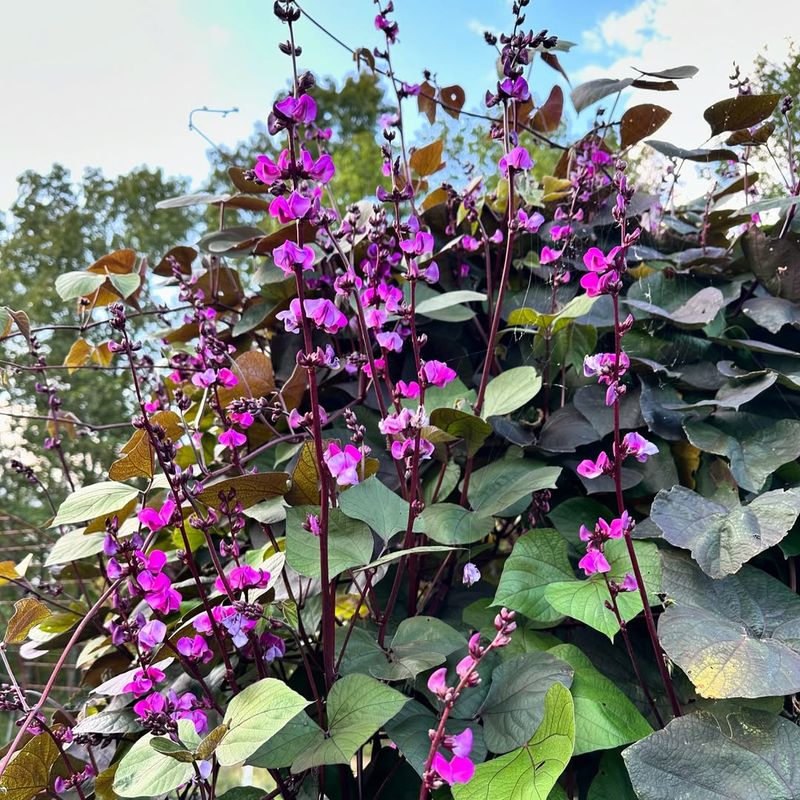
If you want a vine that turns heads, hyacinth bean is your answer. Everything about this plant is dramatic: the purple flowers, the glossy magenta seed pods, and the rapid growth that can cover a trellis in just a few weeks.
It’s a showstopper in Oregon summer gardens and surprisingly easy to grow once you give those seeds a proper soak.
Soak hyacinth bean seeds in warm water for 12 to 24 hours before planting. The seeds are smooth and oval-shaped, and after soaking they plump up and feel noticeably heavier.
That extra moisture inside the seed coat signals the embryo to start waking up, which means faster sprouting once the seed hits the soil.
In Oregon, plant soaked seeds outdoors after all frost danger has passed, typically in May across most of the state. Hyacinth beans need full sun and something sturdy to climb.
They can grow up to 10 feet or more in a single season. Note that while the pods look beautiful, they are not safe to eat raw.
Enjoy them strictly as an ornamental plant in your garden. Once you see those purple pods hanging in clusters against a fence, you’ll understand why so many Oregon gardeners keep coming back to this vine every year.
8. Cypress Vine
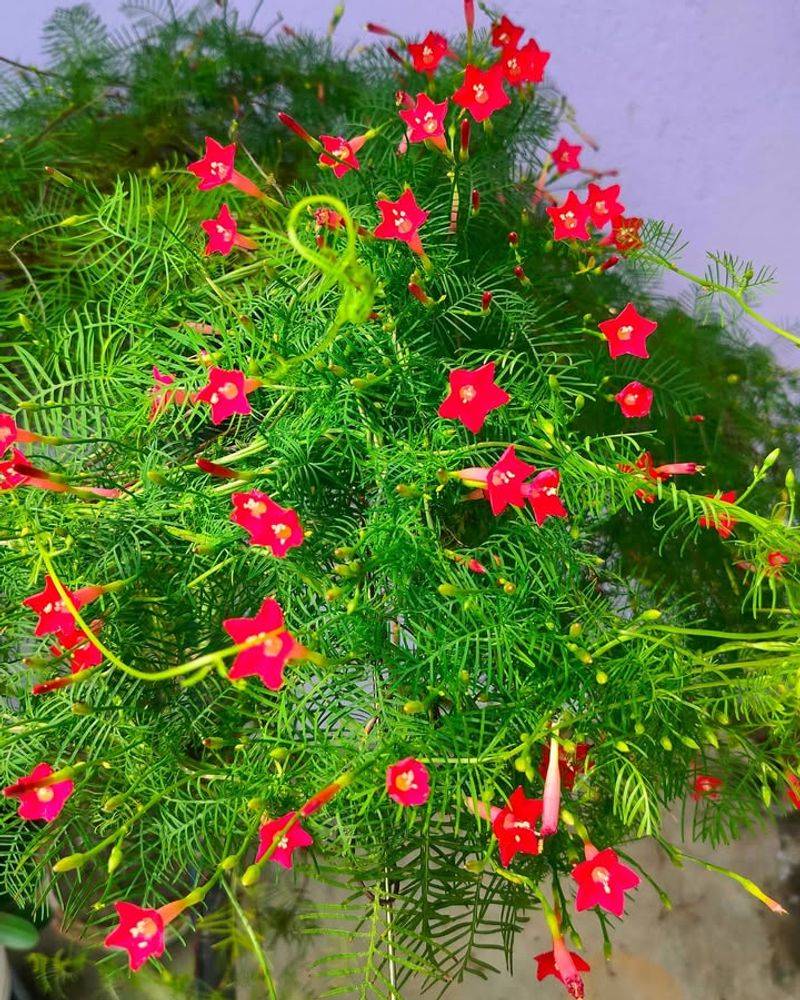
Cypress vine is one of those plants that looks almost too delicate to be real. Its feathery, fern-like leaves and tiny star-shaped red flowers create a lacy, airy effect as it climbs fences and trellises.
Hummingbirds absolutely love it, and once you plant it in your Oregon garden, you’ll likely spot them hovering around the blooms all summer long.
The seeds of cypress vine have a moderately hard coat that benefits from soaking for 12 to 24 hours in warm water. After soaking, the seeds look slightly swollen and the outer layer feels softer.
This simple step can cut germination time from two weeks down to about a week, which matters a lot in Oregon’s shorter warm season.
Wait until the soil has warmed up before planting, usually late May in the Willamette Valley and early June in higher elevation areas of Oregon. Cypress vine grows fast and loves heat, so a warm, sunny wall or south-facing fence is ideal.
These plants can self-seed, so you may find volunteer seedlings popping up the following spring without any effort on your part. That’s a nice bonus for gardeners who want to reduce replanting work each year while still enjoying a lively, wildlife-friendly garden display.
9. Scarlet Runner Bean
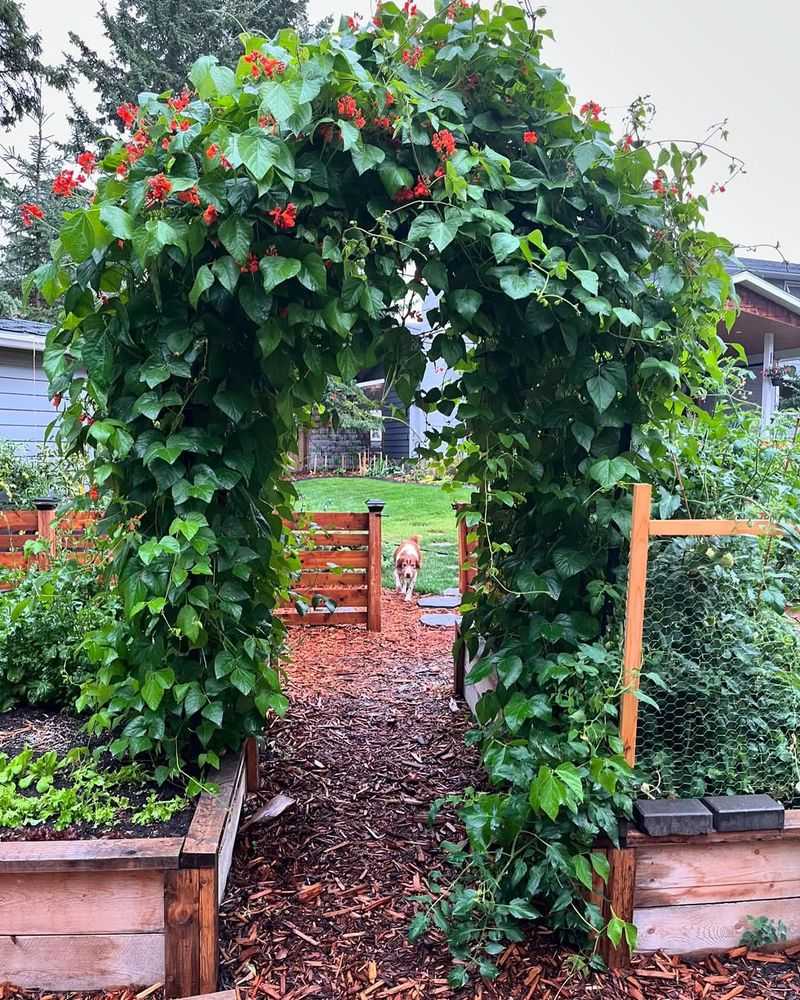
Scarlet runner beans are one of the most rewarding plants you can grow in Oregon. They offer brilliant red flowers that hummingbirds can’t resist, plus actual edible beans that are hearty and delicious.
They’re truly a two-for-one plant: ornamental and productive at the same time. And like most beans, they really benefit from a presoak before planting.
Soak scarlet runner bean seeds for 4 to 8 hours in room-temperature water. Don’t go longer than 8 hours because extended soaking can cause the seeds to split or begin to ferment, which reduces their chances of sprouting successfully.
Set a reminder so you pull them out of the water on time.
In Oregon, plant soaked seeds outdoors after the last frost, typically in mid to late May depending on your location. They need a strong trellis or pole since the vines can grow 8 to 10 feet tall.
Full sun and consistent watering will keep them producing flowers and pods all summer. Gardeners in the Willamette Valley and southern Oregon tend to get especially long harvest seasons.
Pick the pods when they’re young and tender for the best flavor, or let them dry on the vine to save seeds for next year’s Oregon garden.