These Shade Trees Can Naturally Cool Your Georgia Home And Yard
Georgia summers can feel intense, and the heat often pushes air conditioners to work overtime. One of the easiest and most natural ways to cool your home and yard is by planting the right shade trees.
These trees don’t just block sunlight. They create cooler outdoor spaces, lower surface temperatures, and help reduce energy use inside your house.
With smart placement, shade trees can protect roofs, windows, and patios from direct sun while making your yard more comfortable to enjoy. They also add beauty, increase property value, and support local wildlife.
Choosing the right varieties for Georgia’s climate makes a big difference in long-term success.
When planted and cared for properly, shade trees become powerful natural cooling tools that work year after year, providing relief from heat while creating a healthier, more inviting outdoor space for your family.
1. Southern Red Oak
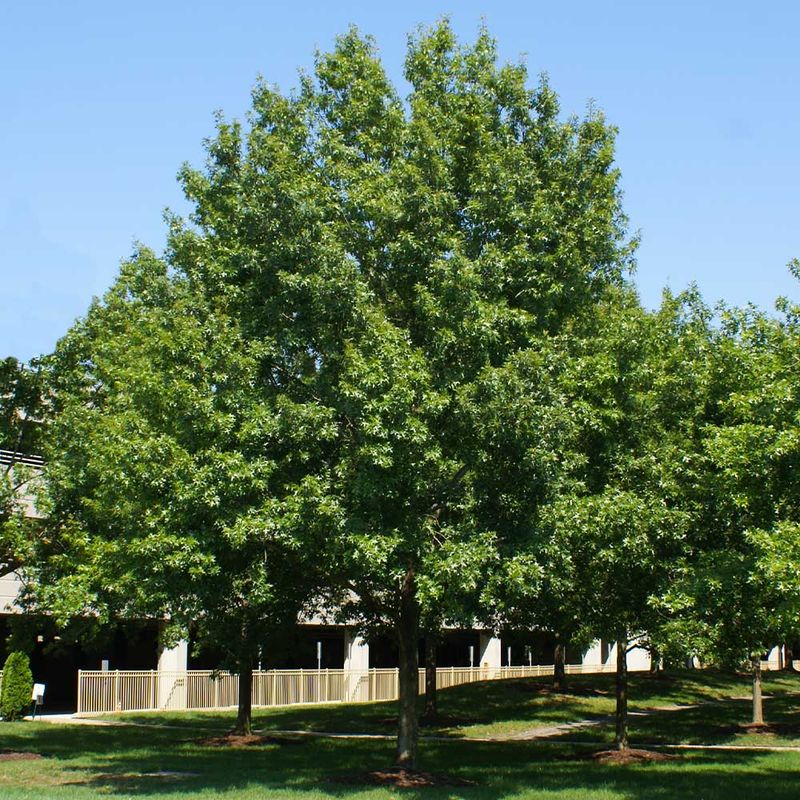
Red oaks have been shading Georgia homes for generations, and there’s a good reason this native tree remains a top choice for homeowners.
Growing up to 80 feet tall with a spreading canopy that can reach 60 feet wide, this tree creates a massive umbrella of shade that can cover your entire backyard.
The leaves turn brilliant shades of red and orange in fall, giving you a spectacular seasonal show while still providing cooling benefits well into autumn.
What makes the Southern red oak particularly valuable in Georgia is its adaptability to different soil types and its relatively fast growth rate. You’ll see noticeable shade within just five to seven years, unlike some slower-growing species that take decades to make an impact.
This tree tolerates both the clay soils common in Atlanta and the sandier conditions found in south Georgia.
Plant your red oak on the west or southwest side of your home for maximum cooling effect. The afternoon sun is the hottest and most intense, so blocking it with a large shade tree can reduce your indoor temperatures by several degrees.
Your air conditioner won’t have to work as hard, which means lower energy bills month after month.
The deep root system of the Southern red oak makes it fairly drought-tolerant once established, an important consideration during Georgia’s occasional dry spells. Water it regularly for the first two years, then it should thrive with minimal care.
Just give it plenty of space to grow because this beauty needs room to spread its branches and create that wonderful cooling canopy your yard needs.
2. Willow Oak
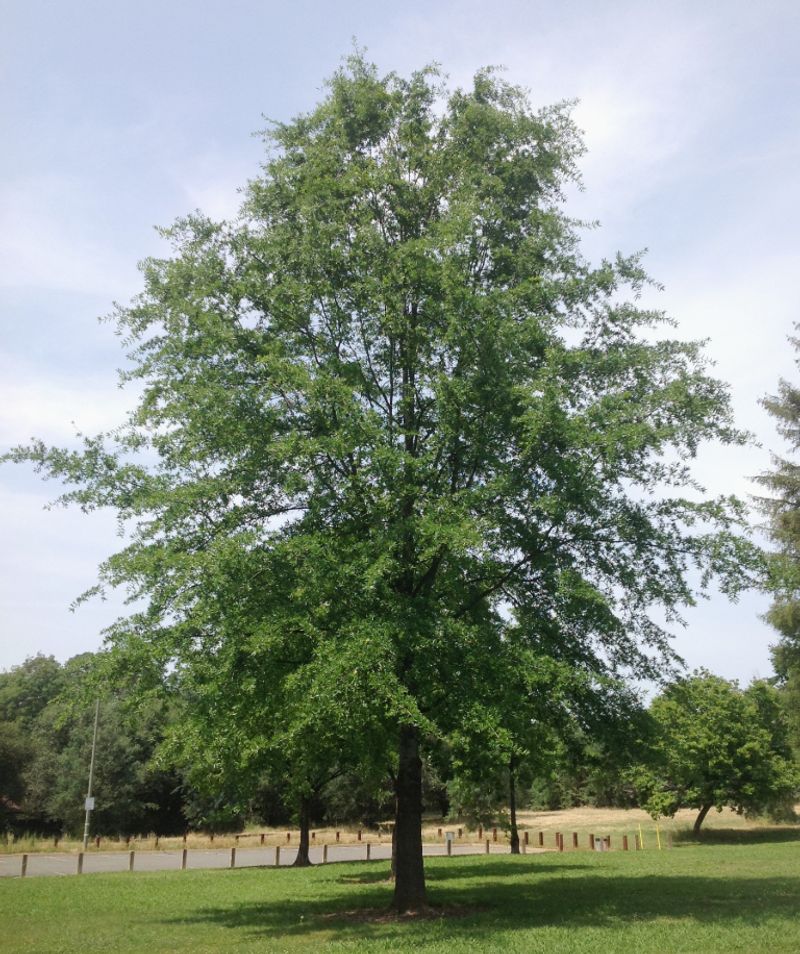
If you’re looking for a tree that combines beauty with serious cooling power, willow oak deserves a spot on your property. This graceful tree features narrow leaves that resemble willow branches, creating a fine-textured canopy that filters sunlight beautifully.
Growing 60 to 75 feet tall with a pyramidal shape when young that rounds out with age, it provides dense shade that can significantly lower temperatures underneath.
Willow oaks thrive throughout Georgia, from the mountains to the coastal plains, making them one of the most versatile shade trees you can plant. They tolerate wet soil better than many oak species, so if you have a low spot in your yard that stays damp, this tree might be your perfect solution.
The fine leaves create a lighter shade than some other oaks, allowing grass to grow underneath while still blocking enough sun to cool your yard effectively.
One of the best features of willow oak is its relatively clean nature. The small leaves break down quickly when they drop in fall, so you won’t be raking giant piles for weeks. This makes maintenance easier compared to trees with larger leaves.
Position willow oaks along your driveway or property line to create a natural privacy screen that also provides cooling shade. They work wonderfully as street trees too, which is why you’ll see them lining roads in many Georgia neighborhoods.
The root system is less aggressive than some other trees, so you can plant them closer to sidewalks and driveways without worrying about major damage. Give each tree about 40 feet of space to reach its full potential and deliver maximum cooling benefits to your Georgia home.
3. Shumard Oak
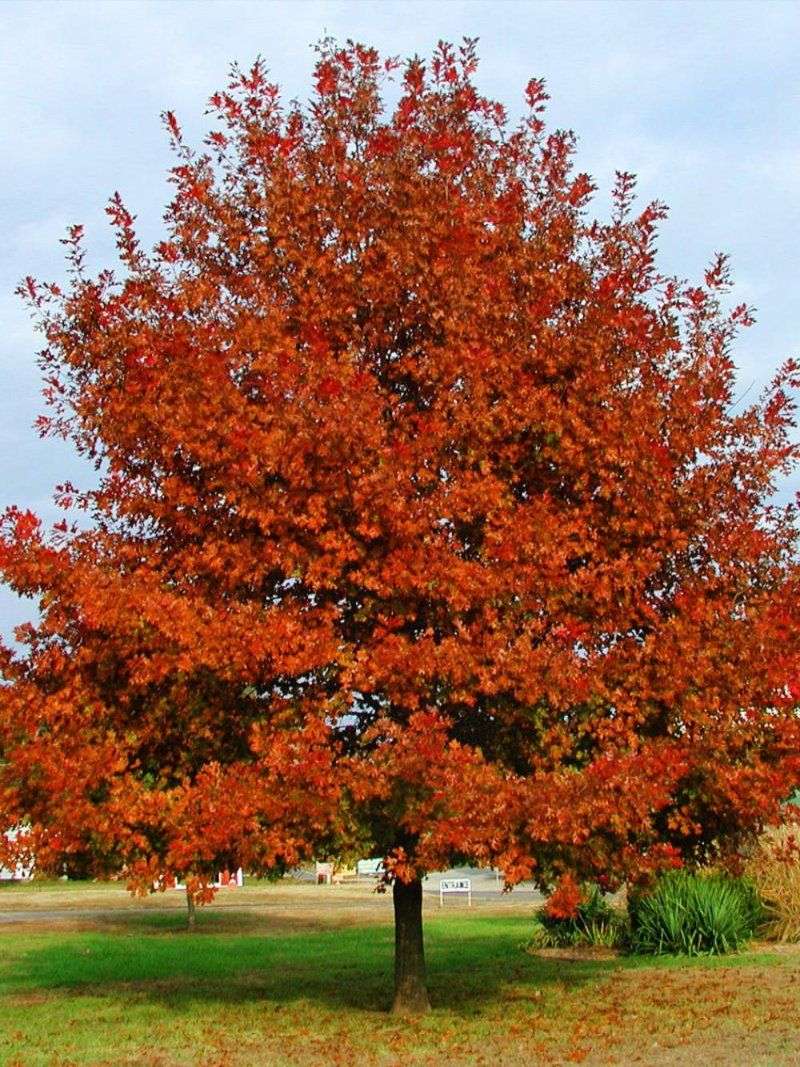
Native to Georgia and perfectly adapted to our climate, Shumard oak stands out as an excellent choice for homeowners who want fast-growing shade without sacrificing quality. This impressive tree can reach 80 feet tall with a 60-foot spread, creating a substantial cooling zone around your home.
The glossy green leaves turn stunning shades of red and russet brown in fall, adding seasonal interest to your landscape.
What really sets Shumard oak apart is its tolerance for various soil conditions and its resistance to many of the problems that plague other oak species. It handles both drought and occasional flooding better than most trees, making it ideal for Georgia’s unpredictable weather patterns.
Whether you’re dealing with clay soil in north Georgia or sandy soil near the coast, this adaptable tree will establish itself and grow steadily.
Shumard oak grows faster than many other oak varieties, putting on two feet or more of growth each year under good conditions. This means you’ll enjoy meaningful shade within a decade, rather than waiting 20 or 30 years.
The strong branch structure resists storm damage better than weaker-wooded trees, an important consideration in Georgia where summer thunderstorms and occasional ice storms can wreak havoc on landscapes.
Place Shumard oak where its mature size won’t interfere with power lines or structures. The eastern or southern side of your property works well, providing shade during the hottest parts of the day.
This tree also supports wildlife, with acorns feeding squirrels, deer, and birds throughout fall and winter. You’ll get cooling shade, beautiful fall color, and a tree that benefits Georgia’s ecosystem all at once.
4. Tulip Poplar
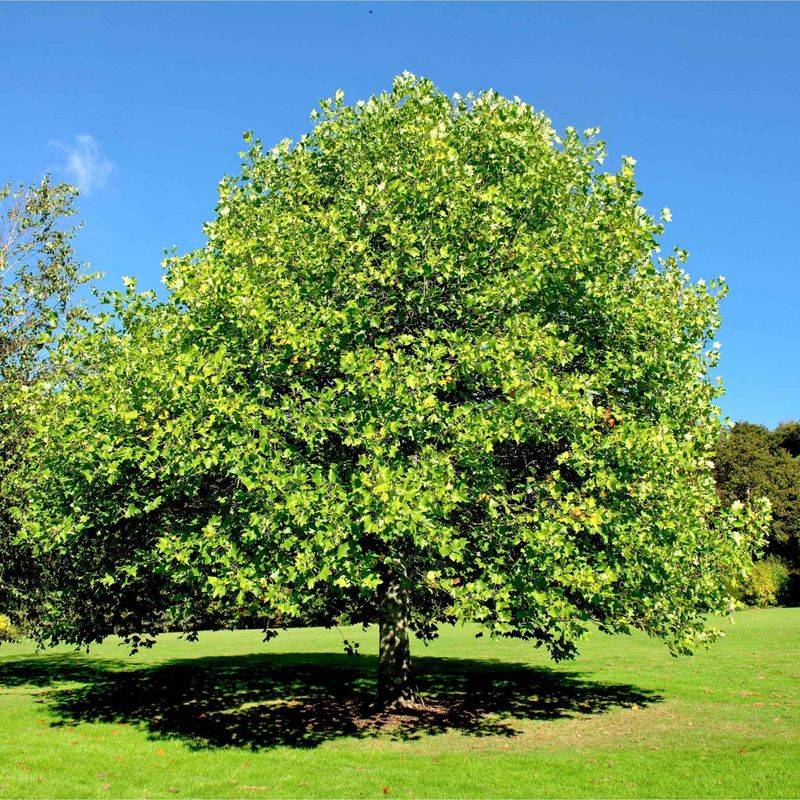
Speed matters when you’re desperate for shade, and tulip poplar delivers faster than almost any other large tree suitable for Georgia. This fast-growing giant can shoot up four feet or more in a single year, reaching heights of 80 to 100 feet at maturity.
The unique tulip-shaped flowers that appear in late spring give this tree its name and add a beautiful touch to its already impressive presence.
Tulip poplars create tall, straight trunks with high branches that form a spreading canopy perfect for shading your home’s roof. This high shade allows air circulation underneath while blocking the intense Georgia sun from beating down on your house.
The large leaves create dense shade during summer, then turn bright yellow in fall before dropping to reveal the tree’s attractive form.
Georgia’s native tulip poplar thrives in our climate, growing naturally in forests across the state. It prefers moist, well-drained soil but adapts to various conditions once established.
The tree’s rapid growth makes it an excellent choice if you’ve just moved into a new home with little existing shade or if you’ve recently removed a damaged tree and need a quick replacement.
Plant tulip poplar away from structures because of its eventual size and the fact that branches can drop during storms. It works beautifully in larger yards where it has room to grow without restrictions.
The cooling effect of a mature tulip poplar is substantial, with its towering height and wide canopy creating a temperature-controlled zone that can extend well beyond the tree’s drip line.
Water young trees regularly during their first few summers in Georgia’s heat, and you’ll be rewarded with impressive growth and cooling shade sooner than you might think possible.
5. Live Oak
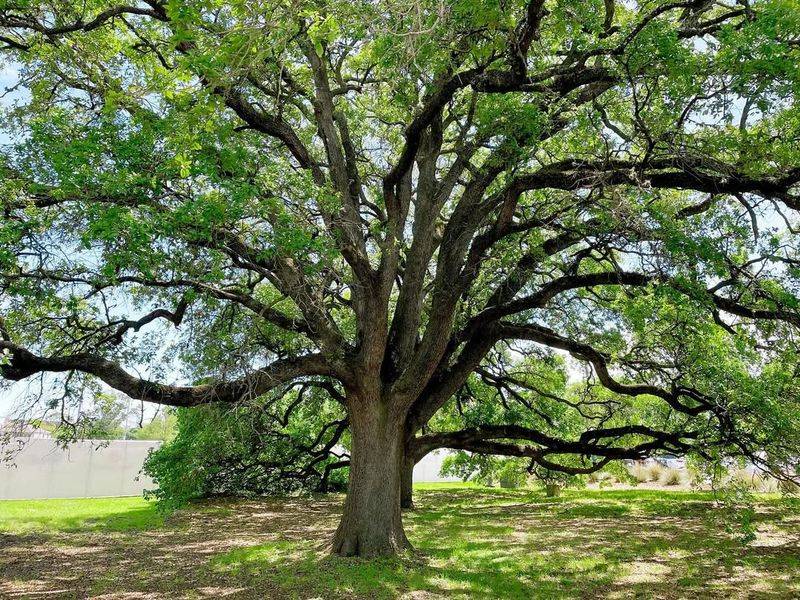
Picture the quintessential Southern shade tree, and you’re probably imagining a live oak with its massive, spreading branches and evergreen leaves. These iconic trees grow slower than deciduous oaks but provide year-round shade that keeps your Georgia property cooler in every season.
Mature live oaks can spread 80 to 100 feet wide, creating an enormous canopy that shades your entire yard.
The horizontal branching pattern of live oak creates shade closer to the ground than many tall, upright trees, making it perfect for cooling patios, driveways, and the areas where you actually spend time outdoors.
The thick, leathery evergreen leaves don’t drop all at once in fall; instead, they shed gradually in spring as new leaves emerge, meaning you maintain shade coverage throughout the year.
This continuous shade helps moderate temperatures around your home in both summer and winter.
Live oaks thrive best in south and central Georgia, where winters are milder, though some varieties tolerate cold better than others. They’re remarkably tough once established, handling drought, salt spray, and poor soil with minimal complaints.
The deep root system anchors them firmly, making them highly wind-resistant even during tropical storms and hurricanes that occasionally impact Georgia’s coastal areas.
Give live oak plenty of space because its spreading branches need room to extend outward. Avoid planting it near structures or in small yards where its size will become problematic.
The tree grows slowly at first, taking patience to reach its full glory, but the wait is worth it. Generations of Georgia families have gathered under the same live oak trees, enjoying their cooling shade for decades.
When you plant one today, you’re creating a legacy that will cool your home and delight your grandchildren.
6. Lacebark Elm
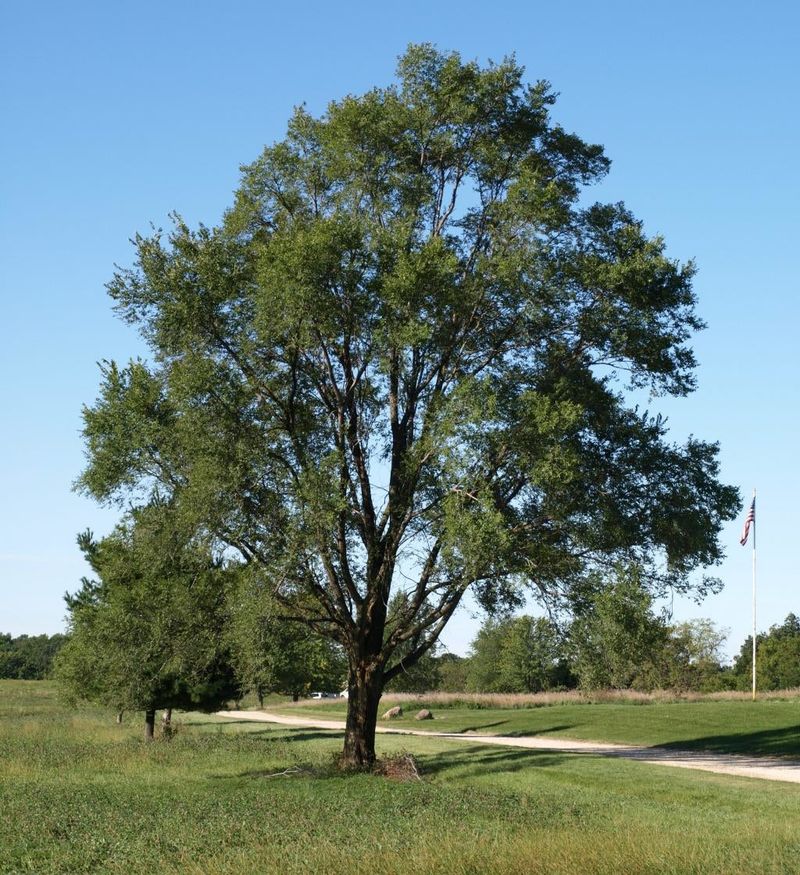
Don’t let the reputation of other elm species scare you away from this outstanding shade tree. Lacebark elm resists the Dutch elm disease that devastated American elms, making it a safe and smart choice for Georgia landscapes.
Growing 40 to 50 feet tall with an equal spread, it’s smaller than some massive oaks but still provides substantial cooling shade for average-sized yards.
The unique exfoliating bark creates a beautiful mottled pattern of gray, green, orange, and brown that adds year-round visual interest to your landscape. Small, glossy leaves create a fine-textured canopy that casts dappled shade, cooling your yard while still allowing some filtered light through.
This makes lacebark elm an excellent choice for yards where you want shade but also need to grow grass or shade-tolerant plants underneath.
Lacebark elm adapts to Georgia’s varied conditions remarkably well, tolerating heat, drought, and different soil types once established. It grows at a moderate pace, faster than oaks but not as quickly as tulip poplar, giving you noticeable shade within five to seven years.
The tree’s strong branch structure resists storm damage, and its moderate size makes it suitable for smaller properties where giant oaks would overwhelm the space.
This tree works beautifully as a shade tree near patios or over parking areas, where its moderate size won’t interfere with power lines or buildings.
Plant it on the west side of your Georgia home to block afternoon sun, or use several to line a driveway and create a shaded entrance to your property.
The graceful, vase-shaped form adds elegance to any landscape while delivering practical cooling benefits. Lacebark elm proves you don’t always need the biggest tree to get great shade and effective temperature control around your home.
7. Chinese Pistache
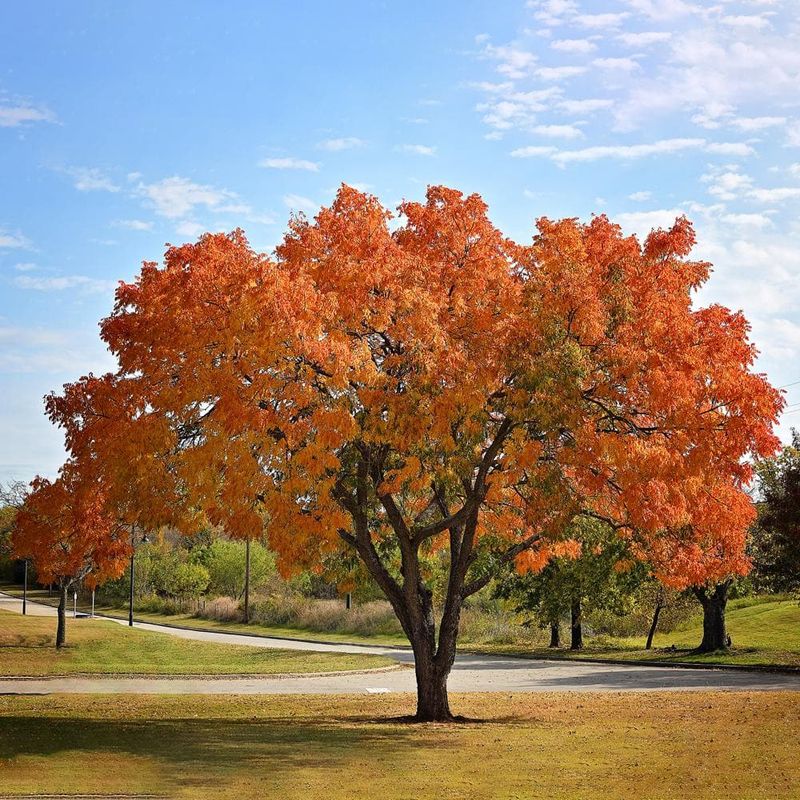
Sometimes the best shade trees come from unexpected places, and Chinese pistache proves this point beautifully. This medium-sized tree grows 30 to 40 feet tall with a spreading canopy that provides excellent shade for smaller yards or as an accent tree in larger landscapes.
The real showstopper is the fall color, when leaves turn brilliant shades of orange, red, and purple that rival any native Georgia tree.
Chinese pistache handles Georgia’s heat and humidity like a champion, actually preferring hot summers and tolerating drought better than many other shade trees.
Once established, it needs minimal watering even during dry spells, making it an excellent low-maintenance choice for busy homeowners.
The tree also tolerates poor soil and urban conditions, thriving where other trees might struggle.
The dense canopy creates solid shade during summer months, effectively blocking the sun and cooling the area underneath. Plant it near a patio or deck to create a comfortable outdoor living space, or position it to shade your home’s windows and reduce heat gain inside.
The moderate size makes Chinese pistache perfect for smaller Georgia yards where a massive oak would be impractical.
Male and female trees exist, with females producing small red berries that birds love but that can create some mess. Many homeowners prefer male trees to avoid the fruit, so ask your nursery about the tree’s gender before purchasing.
Chinese pistache grows at a moderate pace, providing useful shade within five to eight years. The rounded, spreading form creates an attractive silhouette that enhances your landscape’s appearance while delivering real cooling benefits.
For Georgia homeowners who want reliable shade without dealing with a giant tree, Chinese pistache offers the perfect combination of beauty, toughness, and cooling power.