These 9 Shade Trees Make California Summers Easier
When the California sun turns intense and afternoons start to shimmer with heat, the right shade tree can change everything. A well placed canopy cools the air, softens bright light, and turns outdoor spaces into comfortable retreats instead of sun baked zones.
Beyond relief from the heat, shade trees bring beauty, structure, and a sense of calm that transforms a yard into a true sanctuary. Leaves rustle in warm breezes, dappled light dances across the ground, and suddenly summer feels far more enjoyable.
Some trees grow wide and generous, others tall and graceful, each offering its own style of cooling comfort.
Choosing the right ones can lower temperatures around your home, protect plants below, and create inviting spaces for relaxing, gathering, and enjoying long California evenings outdoors.
A great shade tree is not just practical, it is one of the smartest and most rewarding additions a summer landscape can have.
1. Chinese Pistache (Pistacia chinensis)
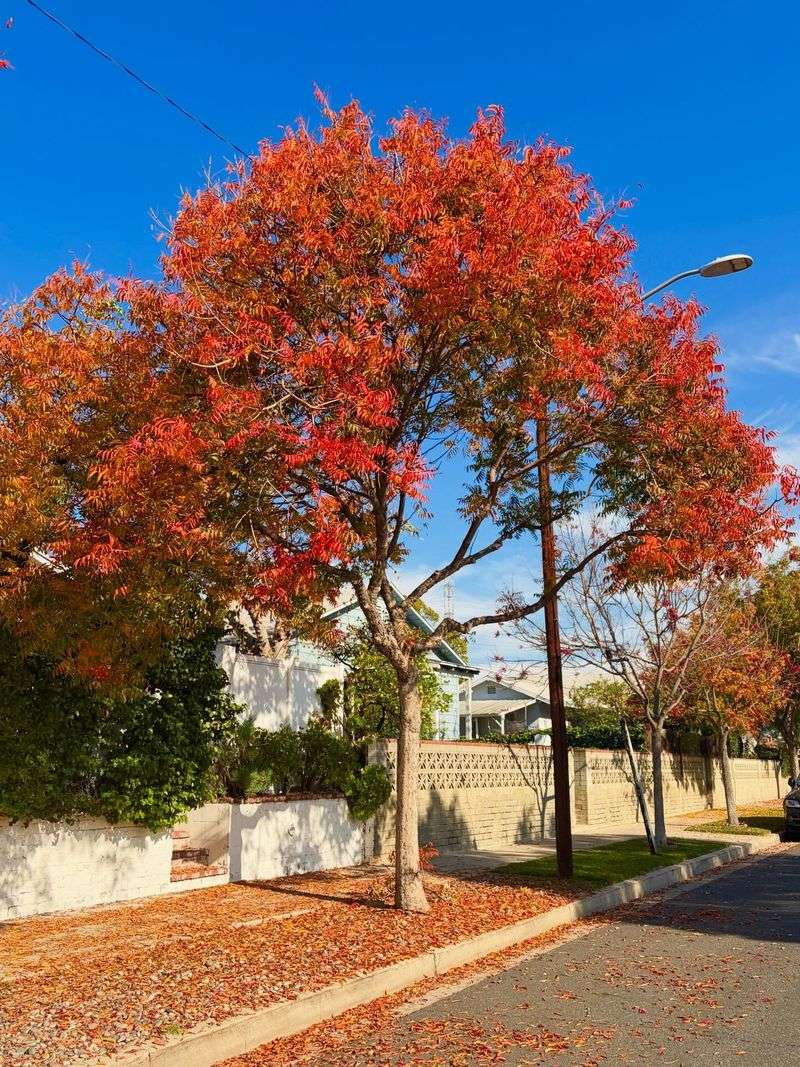
Few trees put on a fall color show quite like the Chinese Pistache. In a state like California where autumn color can feel rare, this tree turns heads with its fiery red, orange, and yellow leaves every single year.
It grows to about 25 to 35 feet tall with a wide, rounded canopy that blocks serious amounts of sunlight. That makes it a fantastic choice for shading patios, driveways, and lawns across Southern and Central California.
One of its biggest strengths is drought tolerance. Once established, it handles California’s dry summers without much extra watering.
That is a huge plus when water conservation matters.
It is also pretty tough against pests and diseases, which means less time worrying and more time enjoying your yard. The tree does well in heat and adapts to most soil types you will find across the state.
Plant it in full sun for the best canopy spread and fastest growth. Young trees may look a little scraggly at first, but give them a few years and they fill out beautifully.
For California homeowners wanting reliable shade and seasonal color, this tree delivers on both counts without demanding too much in return.
2. Western Redbud (Cercis occidentalis)
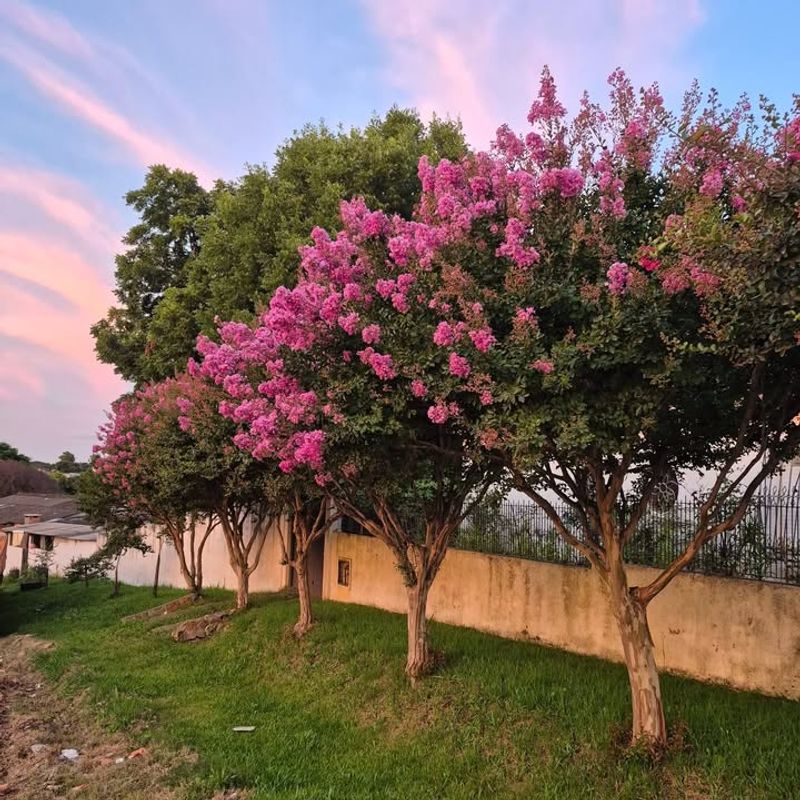
Before the leaves even show up, the Western Redbud bursts into a cloud of bright magenta-pink flowers.
It is one of the most eye-catching native trees you can plant in California, and it blooms in late winter to early spring when most other plants are still quiet.
This tree is native to California, which means it evolved to handle the state’s dry summers, rocky soils, and wild temperature swings. It naturally grows in foothills and canyon areas, making it a smart fit for gardens from the Bay Area to the Sierra Nevada foothills.
It stays on the smaller side, reaching about 10 to 18 feet tall. That makes it perfect for tighter spaces or as an understory tree beneath taller canopy trees.
The heart-shaped leaves provide decent shade through summer and turn yellow in fall.
Once established, it needs very little water. Seriously, this tree thrives on neglect during dry months.
Just plant it in well-drained soil with full sun or partial shade and let it do its thing.
For California gardeners who want a low-water, native tree with showstopping seasonal beauty, the Western Redbud is an easy and rewarding choice that keeps giving year after year.
3. California Sycamore (Platanus racemosa)
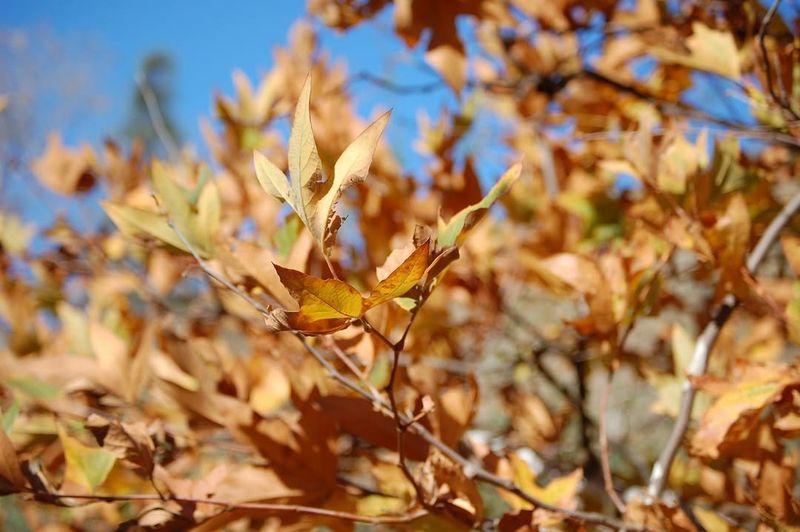
There is something almost ancient about the California Sycamore. Its massive white and tan mottled trunk looks like something out of a storybook, and its wide spreading branches can create shade over an impressively large area.
This tree is native to California and grows naturally along streams and rivers throughout the state. It can reach 40 to 80 feet tall, making it one of the biggest native shade trees available to California homeowners with enough space.
The large, maple-like leaves create a thick canopy that blocks out summer heat effectively. Sitting under a mature California Sycamore on a hot July afternoon in the San Joaquin Valley is a genuinely refreshing experience.
It grows quickly compared to many other shade trees, which is great news if you want results sooner rather than later. It does prefer some access to water, so planting it near a low area of your yard or giving it regular irrigation helps it thrive.
Keep in mind it drops leaves, seed balls, and bark throughout the year, so it does require some cleanup.
But for sheer size, native character, and cooling power, few trees in California can match what the Sycamore brings to a landscape.
4. Crape Myrtle (Tree Form) (Lagerstroemia indica)
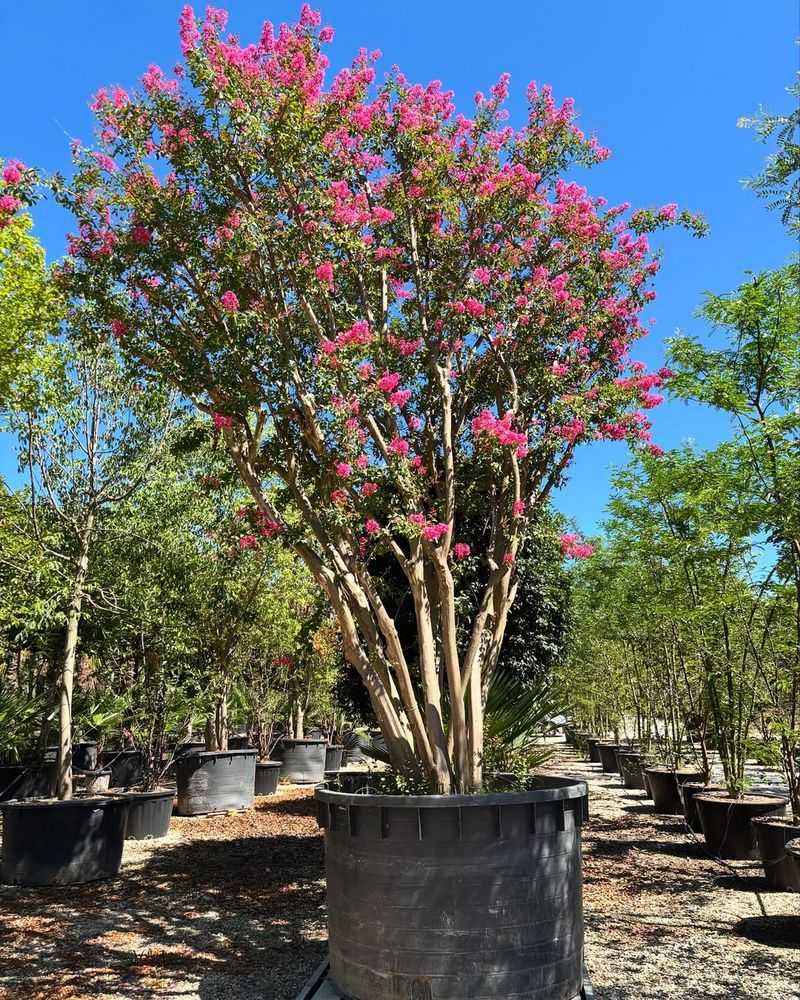
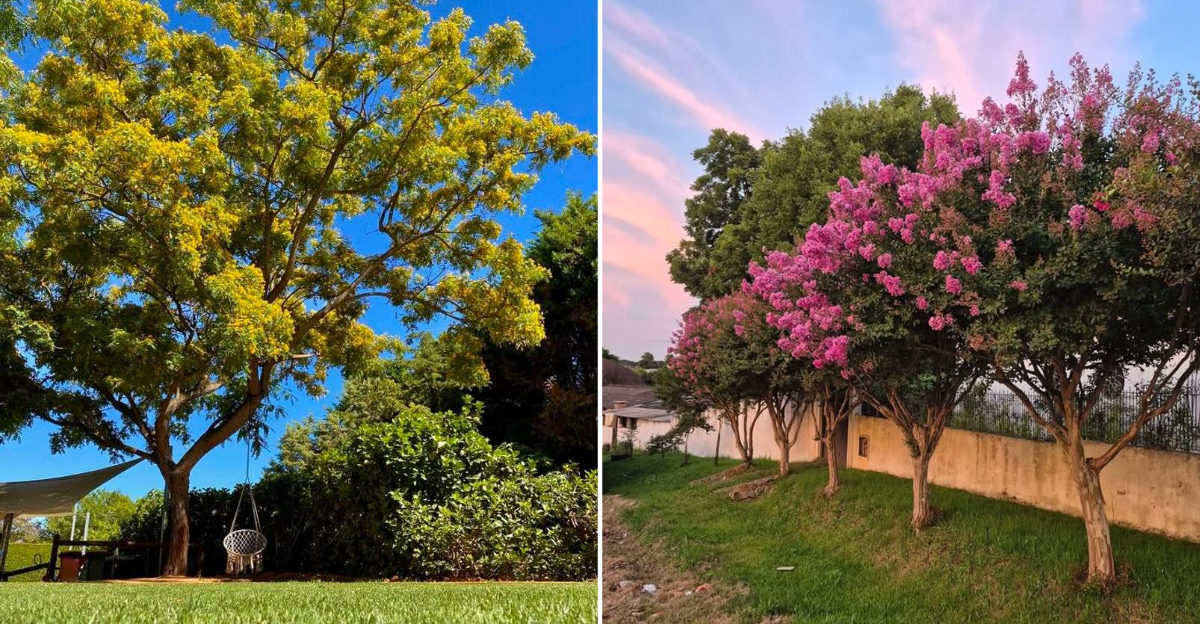
Walk through almost any California neighborhood in July and you will spot Crape Myrtles showing off their colorful blooms. They flower in shades of pink, red, white, and purple right in the middle of summer when most trees are just quietly sitting there.
In tree form, Crape Myrtles can grow 15 to 30 feet tall depending on the variety. They develop a beautiful multi-trunk structure with smooth, peeling bark that looks attractive even in winter when the leaves are gone.
They are incredibly heat tolerant, which makes them a natural fit for hot inland areas like Riverside, Fresno, and the Sacramento Valley. They actually bloom better with more heat, so California summers work in their favor.
Drought tolerance is solid once the tree is established. Give it deep watering during its first couple of years, and after that it can handle dry spells fairly well.
Plant it in full sun for the best flower display.
One thing to avoid is the common mistake of topping the tree, which weakens it and ruins its natural shape. Let it grow naturally and you will be rewarded with a stunning, long-lived tree that adds color, shade, and beauty to your California yard every single summer.
5. Desert Willow (Chilopsis linearis)
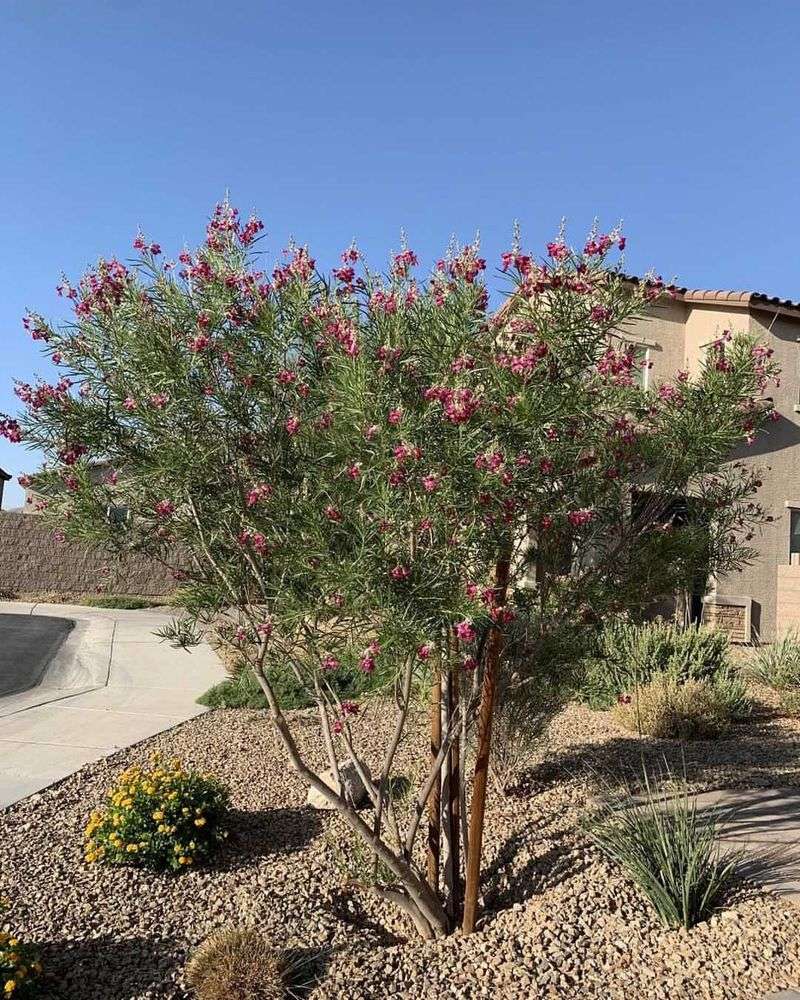
Do not let the name fool you. The Desert Willow is not actually a willow at all, but it is one of the toughest and most charming flowering trees you can grow in dry parts of California.
It belongs to the same plant family as trumpet vines, and its flowers prove it.
The blooms are tubular and come in shades of pink, lavender, and white with beautiful streaked markings inside. They attract hummingbirds like crazy, which is a bonus for anyone who enjoys backyard wildlife.
This tree thrives in hot, dry climates, making it a top pick for Southern California deserts, the Antelope Valley, and the Coachella Valley. It handles intense heat and poor soils without much fuss at all.
It grows 15 to 25 feet tall with a loose, open canopy. The shade is lighter than a dense broadleaf tree, but it still provides relief and creates a beautiful dappled light effect underneath.
Water it occasionally during its first summer, then back off once it is established. It is remarkably low maintenance after that point.
For California gardeners in arid regions looking for a tree that blooms, attracts wildlife, and survives tough conditions, the Desert Willow checks every box with ease.
6. Coast Live Oak (Quercus agrifolia)
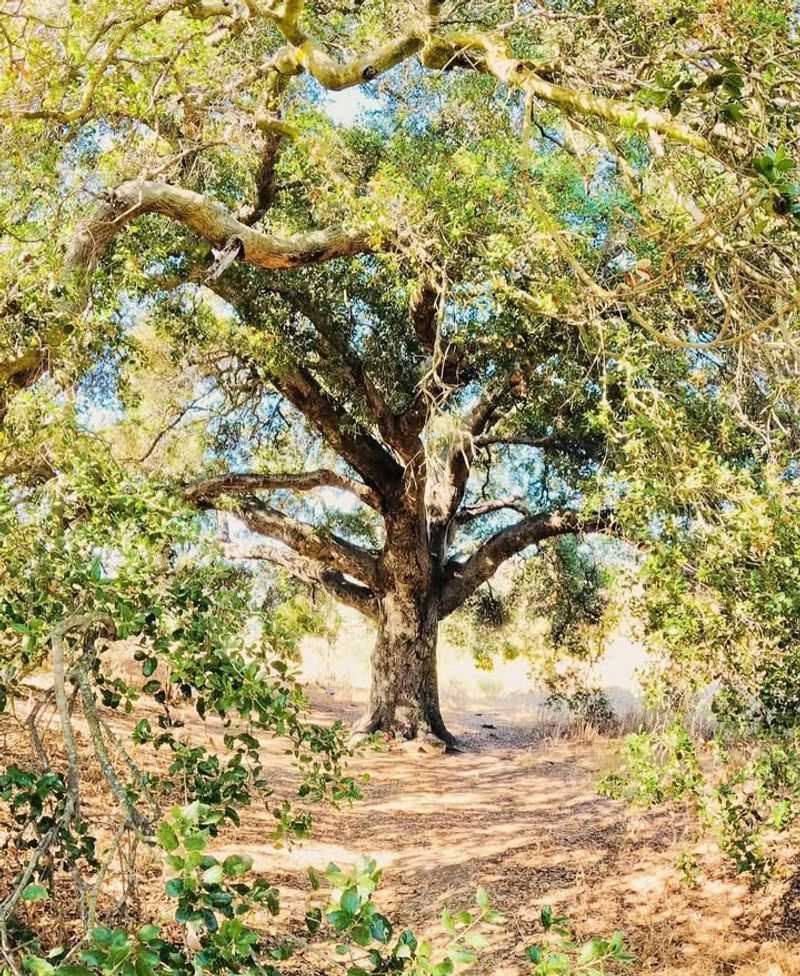
The Coast Live Oak is basically California royalty. These trees have been growing across the state for thousands of years, and mature specimens can live for centuries.
Walking under one feels like stepping into California history.
It is an evergreen oak, meaning it keeps its dark green leaves year-round. That makes it a reliable shade provider in every season, not just summer.
The dense canopy can cool the area beneath it by several degrees on a hot California afternoon.
Coast Live Oaks grow naturally from Northern California down through Baja California, thriving in coastal areas and inland foothills alike. They are incredibly well adapted to California’s Mediterranean climate with wet winters and dry summers.
Once established, they are extremely drought tolerant and require almost no supplemental irrigation. In fact, overwatering mature oaks can cause problems, so less is genuinely more with this species.
They grow slowly, reaching 20 to 70 feet tall depending on conditions. Planting one is a long-term investment, but the payoff in beauty, shade, and ecological value is enormous.
These trees support hundreds of species of wildlife. For California homeowners thinking about legacy planting, the Coast Live Oak is the most meaningful tree you can put in the ground.
7. Strawberry Tree (Arbutus unedo)
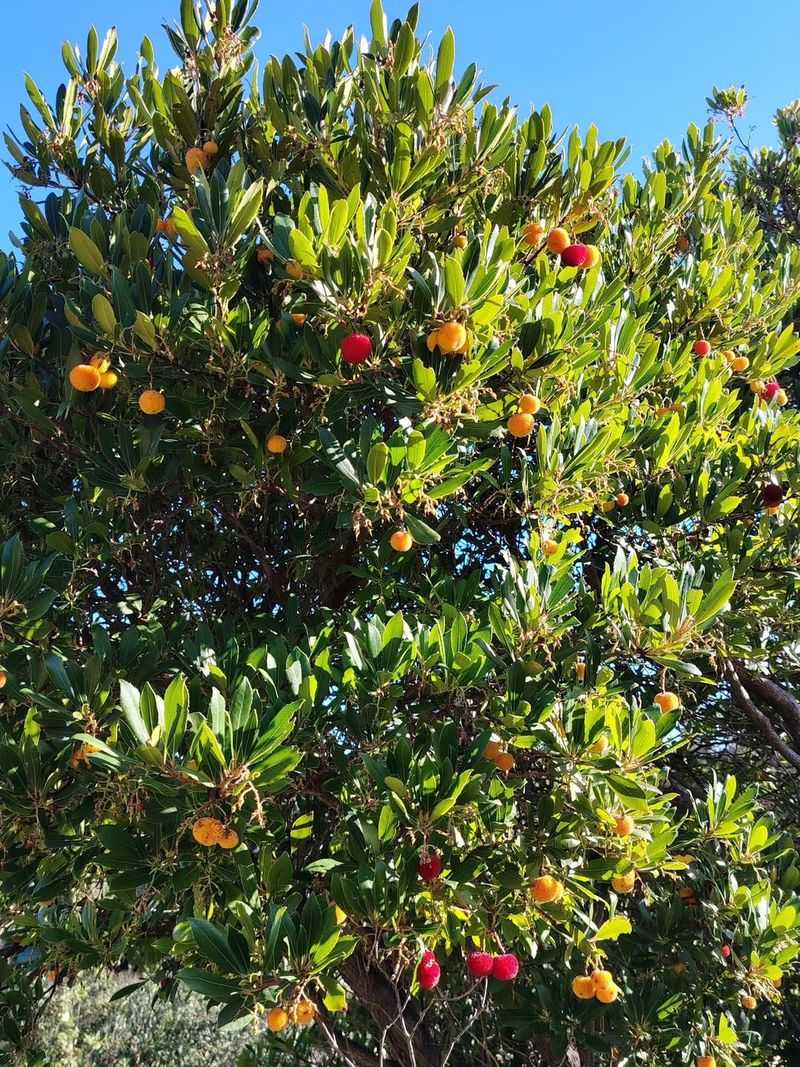
Here is something fun: the Strawberry Tree produces flowers and fruit at the same time. While this year’s berries are ripening to a deep red color, next year’s white bell-shaped flowers are already opening on the same branch.
It is a constant cycle of beauty that makes this tree stand out in any California garden.
The fruit looks like small strawberries and is edible, though the flavor is mild and a bit grainy. Birds absolutely love them, so expect some feathered visitors throughout the season.
It grows 10 to 30 feet tall and forms a dense, rounded canopy with attractive dark green evergreen leaves. The reddish-brown peeling bark adds extra visual interest, especially in winter when you notice the texture more clearly.
This tree handles California’s dry summers well and is considered drought tolerant once established. It does best in well-drained soil and prefers full sun to partial shade.
Coastal and inland California gardens both suit it nicely.
It is also resistant to most pests and diseases, making it a low-stress addition to your yard. For California homeowners who want year-round interest, wildlife value, and reliable evergreen shade without a lot of maintenance headaches, the Strawberry Tree is a genuinely underrated choice worth planting.
8. Trident Maple (Acer buergerianum)
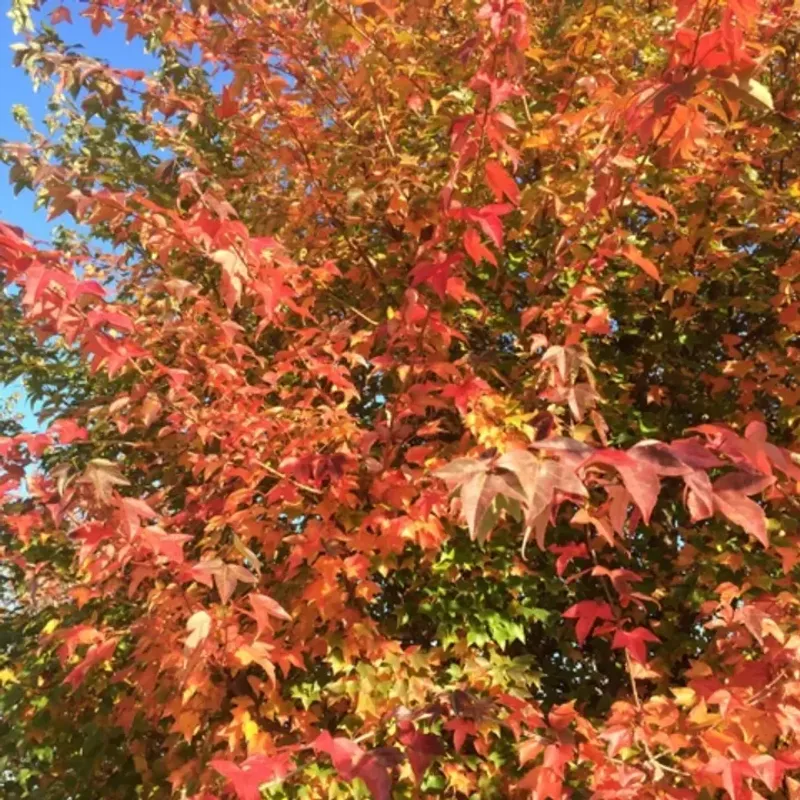
If you have a smaller yard but still want real shade and gorgeous fall color, the Trident Maple deserves serious attention. It is compact, tough, and surprisingly beautiful through every season of the year.
The leaves are small and three-lobed, which is where the name comes from. In fall, they shift from green to shades of orange, red, and yellow.
In California’s warmer regions, fall color can be hit or miss with many trees, but Trident Maples tend to deliver a reliable show.
It grows 20 to 30 feet tall with a rounded canopy that works well in smaller spaces, urban gardens, and street plantings. It tolerates heat, drought, and air pollution better than many other maple species, which makes it a smart pick for busy California neighborhoods.
Once established, it needs moderate watering, not as little as a desert tree but far less than a thirsty species like a weeping willow. Full sun works best for the strongest canopy development.
It is also a popular choice for bonsai, which tells you something about how well it responds to careful shaping and training.
For California gardeners who want a manageable, attractive, and reliable shade tree with genuine seasonal personality, the Trident Maple punches well above its size.
9. Tipu Tree (Tipuana tipu)
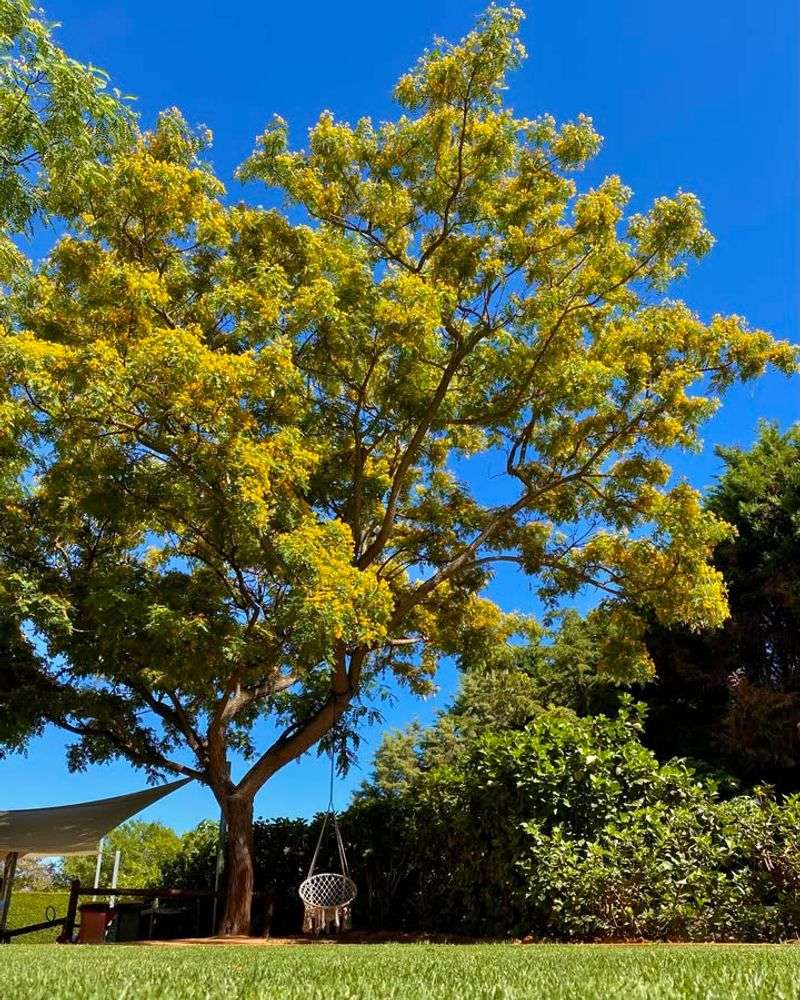
On a hot California afternoon, a Tipu Tree in full bloom is one of the most welcoming sights in any neighborhood.
Its wide, flat-topped canopy spreads out like a giant umbrella, and in late spring to summer it covers itself in clusters of small golden-yellow flowers that drift down like confetti when the breeze picks up.
Originally from South America, the Tipu Tree has become a beloved fixture in Southern California landscapes, especially in San Diego, Los Angeles, and the Inland Empire.
It thrives in California’s warm climate and grows quickly, which is great when you want shade sooner rather than later.
It can reach 25 to 40 feet tall and spreads even wider than its height in ideal conditions. That spreading canopy is what makes it such an effective shade tree for large yards, driveways, and outdoor living areas.
It is semi-evergreen, meaning it drops some leaves in late winter but quickly fills back in with fresh growth. It handles heat and moderate drought well once established, though it appreciates deep watering during its first few summers in the ground.
For California homeowners who want fast-growing shade, seasonal flower color, and a tree with real presence and personality, the Tipu Tree is a showstopper worth every bit of the space it takes up.