These Shrubs And Perennials Make Arizona Yards Easier To Maintain
Some yards always look put together, even in Arizona, and it’s rarely because someone is out there working nonstop.
The difference usually comes down to plant choices that don’t collapse, sprawl, or demand rescue every season.
Shrubs and perennials that belong here grow into their space instead of fighting it. They fill in, hold their shape, and come back without drama.
These are the plants that quietly reduce upkeep while keeping Arizona yards looking intentional.
1. Texas Sage (Leucophyllum)
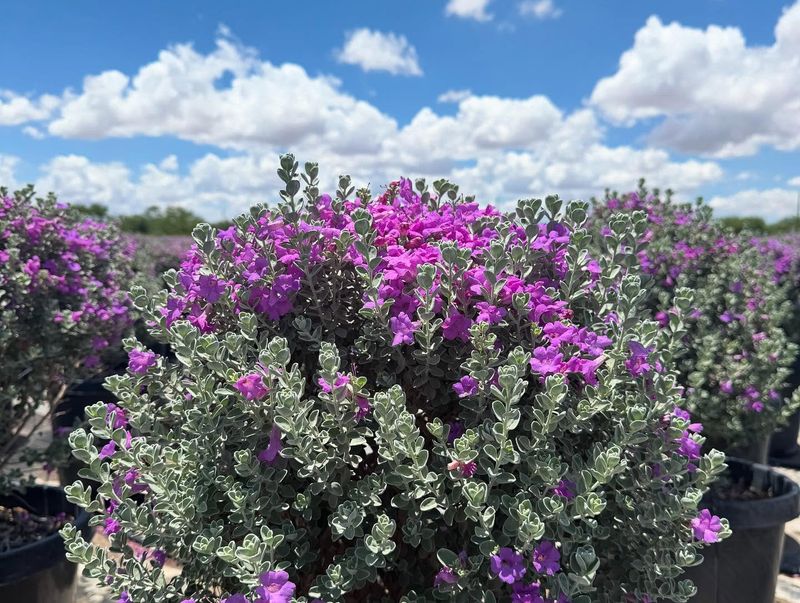
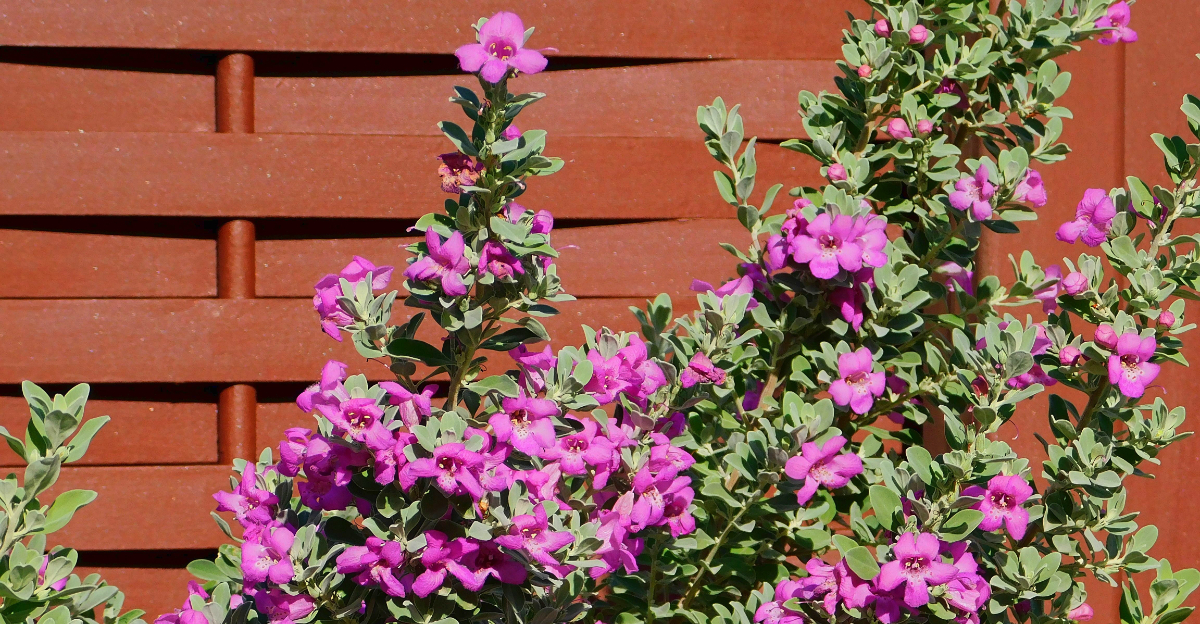
Purple blooms appear like magic after summer monsoons arrive in Arizona, covering this silvery shrub in a spectacular floral display. You won’t need to set reminders for watering because Texas sage actually performs better when left alone between rains.
The soft, fuzzy leaves add textural interest year-round, creating a beautiful backdrop even when flowers aren’t present.
Pruning becomes optional rather than mandatory with this easygoing plant. Many Arizona homeowners simply let it grow into its natural rounded shape without any trimming whatsoever.
The silvery foliage reflects sunlight beautifully, helping to brighten shaded areas of your property.
Extreme heat doesn’t faze this tough customer one bit. Summer temperatures that send other plants into stress mode barely register with Texas sage.
Your plant will keep looking fresh and healthy through Arizona’s most brutal weather.
Root systems establish quickly in desert soil without amendments. You can plant it straight into native ground and watch it take off within weeks.
Fertilizer isn’t necessary, saving you money and time throughout the growing season.
Different varieties offer flower colors ranging from deep purple to pale pink and even white. This gives you creative freedom to match your existing landscape palette.
Compact cultivars work perfectly in smaller Arizona yards while larger varieties create impressive hedges.
Hummingbirds visit regularly when blooms appear after rainfall. These tiny visitors add movement and life to your outdoor space.
Deer typically avoid this plant, which means fewer browsing problems in rural Arizona areas.
2. Creosote Bush
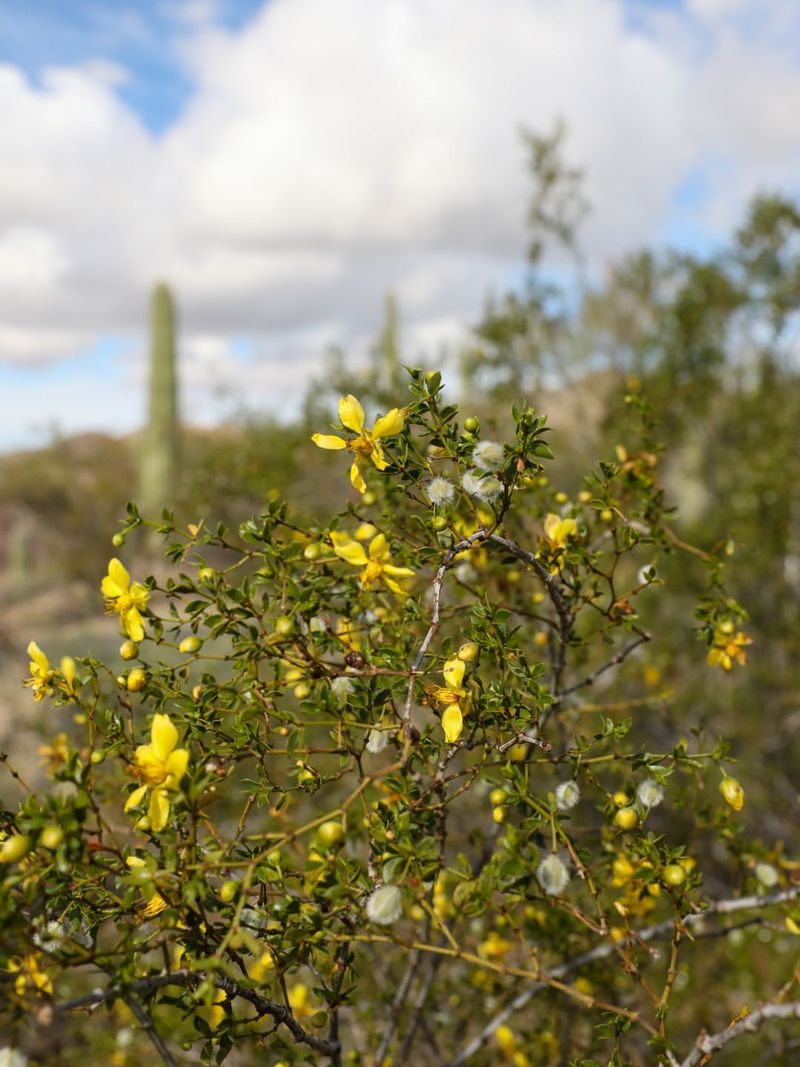
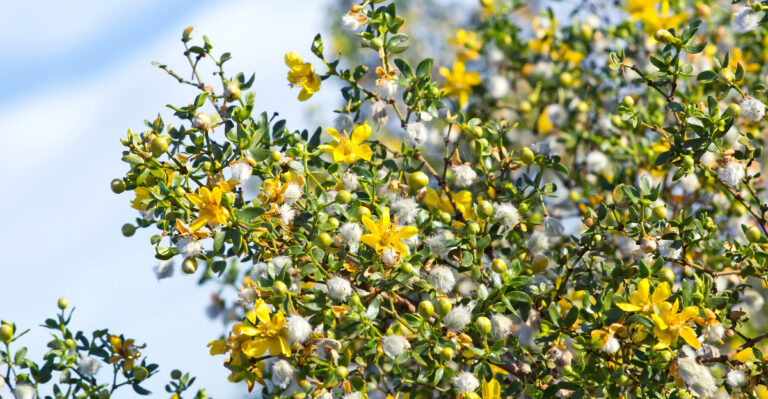
That distinctive smell after desert rain comes from this iconic Arizona native. Creosote releases aromatic oils that perfume the air, creating an unforgettable sensory experience in your yard.
The scent alone makes this plant worth considering for any low-maintenance landscape.
Watering requirements drop to nearly zero once roots establish themselves. Your creosote will survive entirely on natural rainfall in most Arizona locations.
This makes it perhaps the ultimate water-wise choice for desert gardens.
Small yellow flowers brighten the branches throughout warm months. These cheerful blooms attract native bees and other beneficial pollinators to your property.
Fuzzy white seedheads follow the flowers, adding another layer of visual interest.
Growth happens slowly and steadily without sudden spurts that demand immediate pruning. You can go years without touching your creosote bush and it will still look naturally attractive.
The open, airy structure allows you to see through the plant rather than blocking views completely.
Extreme longevity means your great-grandchildren might enjoy the same plant you establish today. Some creosote colonies in Arizona are thousands of years old.
Your investment pays dividends across generations.
Natural pest resistance keeps problems to an absolute minimum. You won’t find yourself battling aphids, whiteflies, or other common garden nuisances.
The resinous coating on leaves discourages most insects from taking up residence.
Transplanting from containers into Arizona soil requires minimal effort. The plant adapts quickly to its new home without transplant shock.
Within one season, you’ll have a thriving specimen that looks like it’s been there forever.
3. Brittlebush
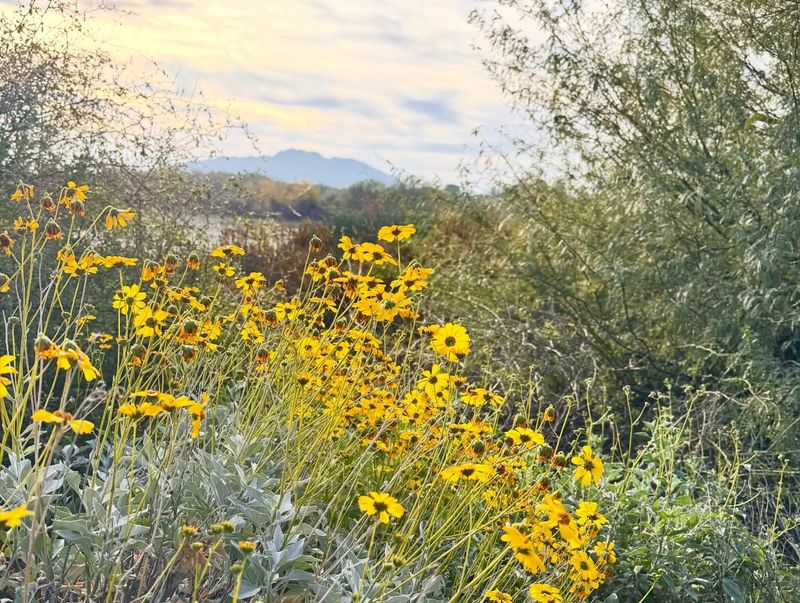
Bright yellow flowers rise on tall stems above silvery foliage, creating a stunning color contrast that catches every eye. This Arizona native puts on its best show during spring months when blooms cover the plant in golden glory.
Butterflies and native bees swarm the flowers, bringing your garden to life with constant activity.
Silvery leaves reflect intense Arizona sunlight rather than absorbing it. This natural adaptation helps the plant stay cool while adding a sophisticated color element to your landscape design.
The foliage remains attractive even during winter months when many other plants look dormant.
Reseeding happens naturally without any help from you. New plants pop up around the parent, gradually expanding your brittlebush colony.
You can transplant these volunteers to other areas or share them with neighbors.
Established plants laugh at summer heat that would wilt less adapted species. Your brittlebush will maintain its appearance through Arizona’s hottest months without supplemental irrigation.
This makes it perfect for areas where dragging hoses becomes impractical.
Cutting back spent flower stems keeps the plant tidy if you prefer a manicured look. However, leaving seedheads in place provides food for finches and other seed-eating birds.
Either approach works fine depending on your personal preference.
Shallow roots make installation easy in rocky Arizona soils. You won’t need to excavate massive planting holes or amend the native ground.
A simple hole barely larger than the root ball suffices for successful establishment.
Compact growth habit fits perfectly in small spaces between larger shrubs. Brittlebush fills gaps in your landscape without overwhelming neighboring plants.
The mounding form creates natural-looking groupings that mimic desert plant communities.
4. Fairy Duster
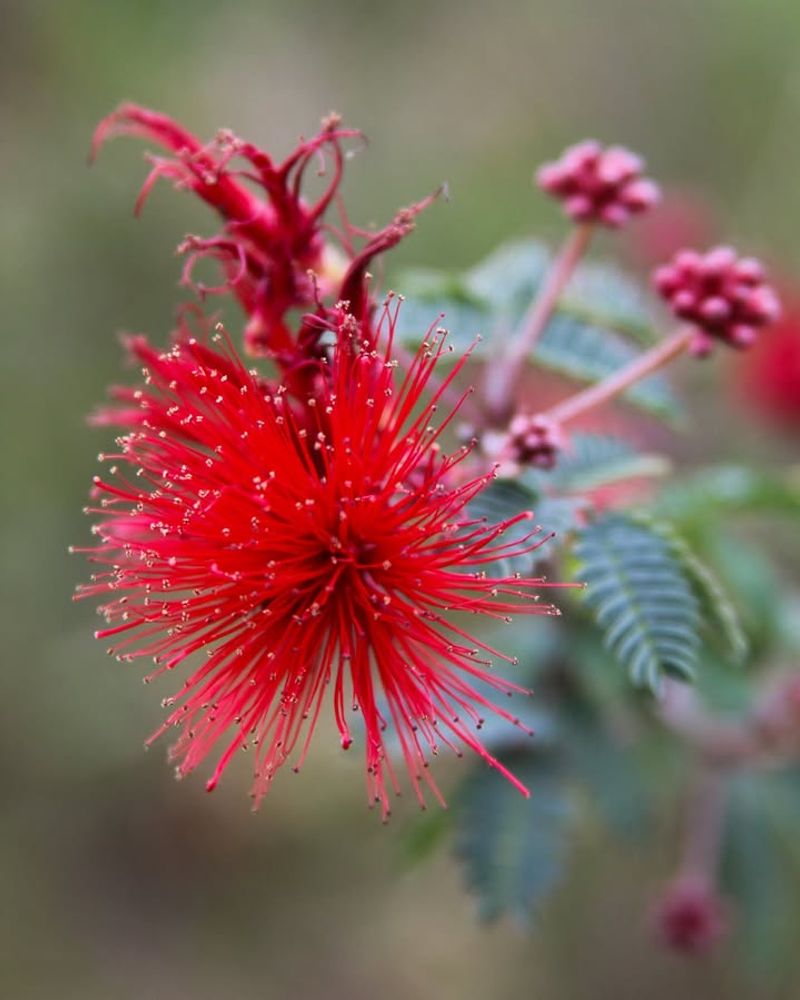
Fluffy pink flowers look like tiny powder puffs dancing above delicate foliage. This charming Arizona native blooms repeatedly throughout warm months, providing nearly constant color.
Hummingbirds find the flowers irresistible and will become regular visitors to your yard.
Fine-textured foliage creates a soft, fernlike appearance that contrasts beautifully with bolder desert plants. The leaves remain evergreen in most Arizona locations, maintaining year-round interest.
This delicate texture softens harsh architectural lines around your home.
Size stays manageable without aggressive spreading or invasive tendencies. Your fairy duster will remain where you plant it, filling its space gracefully without taking over neighboring areas.
This predictable growth makes landscape planning much simpler.
Freezing temperatures might cause some leaf drop in northern Arizona, but plants bounce back quickly when warmth returns. Southern Arizona gardeners enjoy evergreen foliage all year long.
Either way, the plant requires no special winter protection.
Multiple bloom cycles mean you’ll see flowers from spring through fall in most regions. Each flowering period lasts several weeks, giving you extended color displays.
The vibrant pink stands out dramatically against Arizona’s neutral desert tones.
Pruning needs remain minimal with this naturally well-behaved shrub. A light shaping once yearly keeps plants looking their best if desired.
Many Arizona homeowners never prune at all and still enjoy attractive specimens.
Root systems establish rapidly in well-draining soil. Your new plant will start blooming within weeks of installation.
Fast results make fairy duster perfect for impatient gardeners who want immediate gratification.
Native butterfly species visit flowers along with hummingbirds. This double wildlife attraction brings constant motion and interest to your outdoor space.
Watching these visitors becomes a favorite pastime for many Arizona residents.
5. Bougainvillea
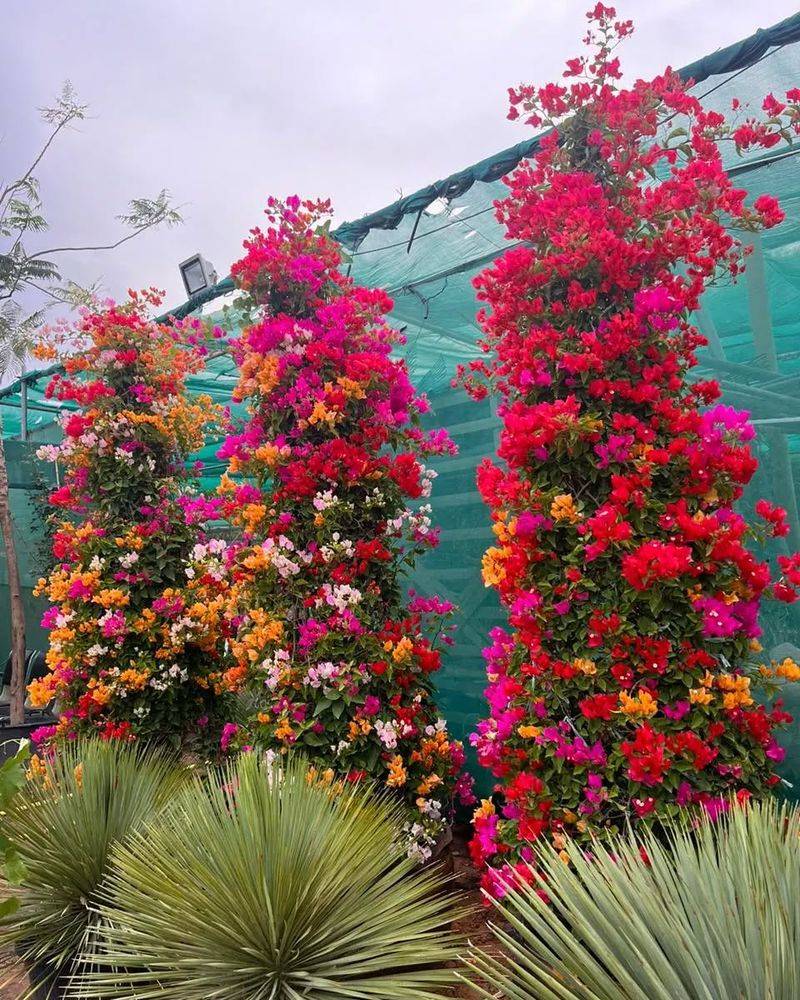
Brilliant color explodes across walls, fences, and arbors when bougainvillea hits its stride. The papery bracts come in shades ranging from hot pink to orange, red, purple, and white.
Your Arizona neighbors will ask about this showstopper every time they pass your property.
Established vines tolerate drought conditions that would stress most flowering plants. You can cut back watering to occasional deep soaks during summer and your bougainvillea will keep blooming.
This makes it perfect for busy homeowners who sometimes forget irrigation schedules.
Thorny branches provide natural security along property lines. Intruders think twice about crossing a barrier of bougainvillea.
The beautiful flowers distract from the defensive nature of those sharp thorns.
Blooming happens most prolifically when plants experience some stress. Slightly dry conditions actually encourage more flower production in Arizona landscapes.
This counterintuitive characteristic makes bougainvillea incredibly easy to manage.
Training onto structures requires initial guidance but becomes self-sustaining over time. The vine will climb and sprawl according to the support you provide.
Once established, it fills spaces quickly without constant attention.
Frost sensitivity means you’ll need to choose planting locations carefully in northern Arizona. Southern regions rarely experience cold damage.
Protecting young plants during occasional freezes helps them survive until they develop hardier wood.
Different growth habits suit various landscape needs. Shrub forms work in beds while vining types cover vertical surfaces.
Dwarf varieties fit into containers on Arizona patios.
Year-round color appears in frost-free areas where plants bloom continuously. Even in cooler parts of Arizona, you’ll enjoy flowers from spring through fall.
The long flowering season provides exceptional value for minimal maintenance investment.
6. Red Yucca (Hesperaloe)
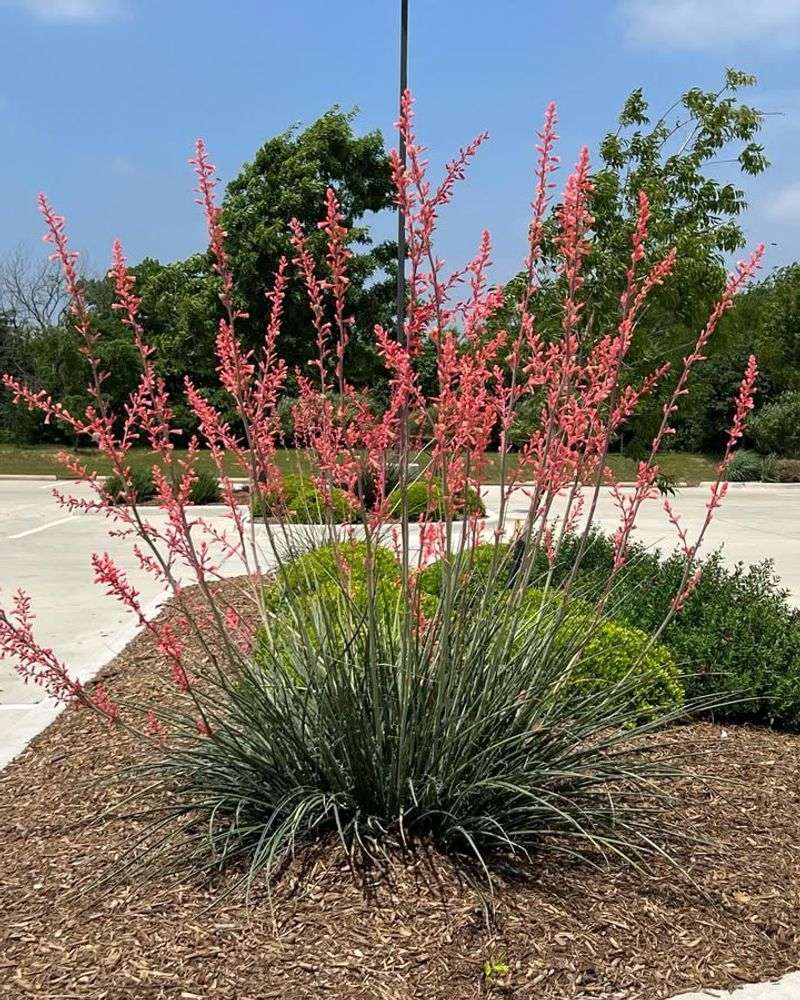
Coral-pink flower spikes shoot skyward like natural fireworks above grass-like foliage. These dramatic blooms last for months, providing incredible color value in Arizona landscapes.
Hummingbirds zoom in from across your neighborhood to feed at the tubular flowers.
Grass-like leaves form tidy clumps that never require mowing or trimming. The blue-green foliage adds fine texture to plantings dominated by broader-leaved shrubs.
Your red yucca will maintain its neat appearance without any grooming whatsoever.
Extreme heat tolerance makes this plant bulletproof in Arizona summers. Full sun locations that bake other plants suit red yucca perfectly.
You’ll never see wilting or heat stress even during record-breaking temperature spikes.
Root systems handle rocky, poor soil without complaint. No soil amendments or fertilizers are necessary for healthy growth.
Simply dig a hole, pop in your plant, and watch it thrive in native Arizona ground.
Multiple flower stalks emerge from established clumps throughout the blooming season. Mature plants might send up a dozen or more spikes simultaneously.
This abundance creates a spectacular display that dominates your landscape.
Evergreen foliage looks good every single day of the year. Unlike deciduous plants that go dormant, red yucca maintains its attractive appearance through all seasons.
This consistency makes landscape design much easier in Arizona yards.
Dividing clumps becomes possible after several years of growth. You can create new plants from divisions or leave clumps intact to grow larger.
Either approach works well depending on your landscape goals.
Deer avoid this plant completely, which solves a major problem in rural Arizona areas. You won’t wake up to find your red yucca nibbled down to stubs.
The tough leaves simply don’t appeal to browsing wildlife.
7. Blackfoot Daisy
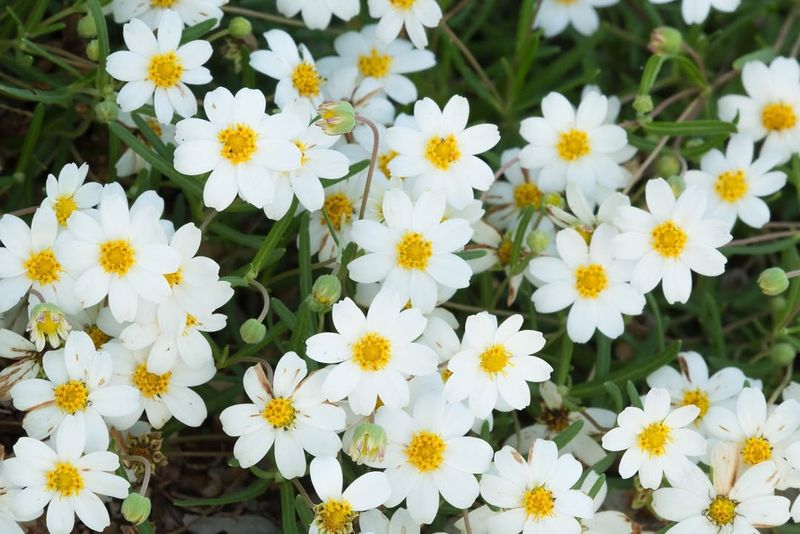
White daisy flowers with sunny yellow centers blanket this low-growing perennial for months on end. The cheerful blooms appear almost year-round in southern Arizona locations.
Northern areas enjoy flowering from spring through fall with impressive reliability.
Spreading growth creates natural groundcover that suppresses weeds effectively. Your blackfoot daisy will knit together into a solid mat that chokes out unwanted plants.
This saves you countless hours of weeding in Arizona landscapes.
Height stays under one foot, making this plant perfect for front-of-border positions. The low profile won’t block views of taller plants behind it.
You can also use blackfoot daisy to edge pathways or fill between stepping stones.
Fragrant foliage releases a pleasant scent when brushed or crushed. Walking past your planting will reward you with subtle aromatics.
This sensory bonus adds another dimension to your landscape experience.
Reseeding produces new plants that fill gaps and expand your coverage naturally. You’ll find volunteers popping up in gravel mulch and between pavers.
These freebies can be transplanted elsewhere or left to grow where they sprout.
Minimal water needs make blackfoot daisy ideal for Arizona xeriscapes. Established plants survive entirely on rainfall in many locations.
Occasional deep watering during extended dry spells keeps plants blooming prolifically.
Rocky, well-draining soil suits this plant perfectly. Heavy clay or water-retentive ground can cause problems, but most Arizona soils drain freely.
The natural conditions in desert regions match blackfoot daisy’s preferences exactly.
Butterflies visit flowers constantly during daylight hours. This pollinator activity brings movement and life to ground-level plantings.
Watching butterflies work the flowers provides endless entertainment for Arizona gardeners.
8. Angelita Daisy
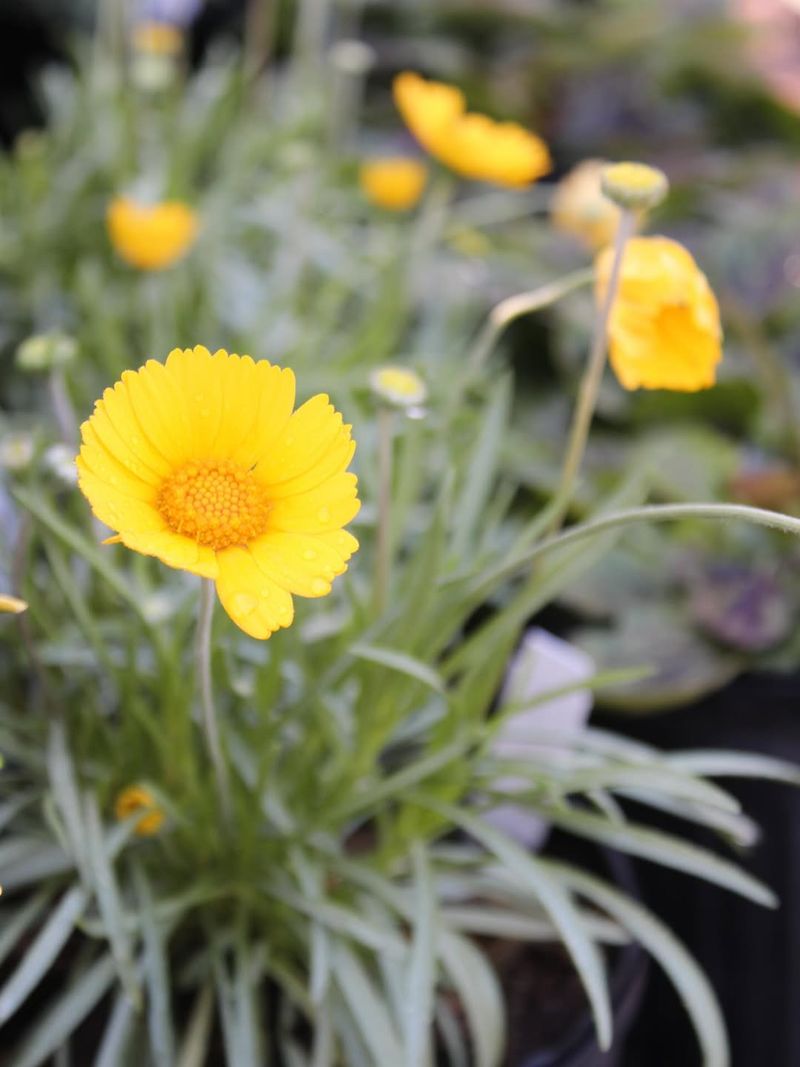
Golden yellow flowers smother compact mounds of fine-textured foliage from spring through fall. This Arizona native delivers color impact far beyond its modest size.
The cheerful blooms brighten any corner of your landscape with minimal effort required.
Mounding habit creates perfect dome shapes without any pruning or shaping. Your angelita daisy will naturally form an attractive rounded silhouette.
This self-maintaining characteristic saves you time while keeping your landscape looking professionally groomed.
Gray-green foliage provides year-round structure even between flowering periods. The soft color complements both warm and cool tones in Arizona landscapes.
This versatility makes angelita daisy easy to incorporate into existing plantings.
Size stays manageable at roughly two feet tall and wide. The predictable dimensions make spacing calculations simple during installation.
You won’t find yourself moving plants later because they outgrew their allotted space.
Blooming happens most heavily during cooler months when many other plants rest. This timing provides welcome color during Arizona’s mild winters.
You’ll enjoy flowers when most neighbors’ yards look dormant and brown.
Heat tolerance allows angelita daisy to handle full sun exposure throughout summer. The plant keeps its foliage looking fresh even during intense afternoon sun.
This makes it suitable for challenging western exposures that bake in Arizona’s climate.
Cutting back spent flowers encourages additional bloom cycles. However, leaving seedheads in place feeds finches and other small birds.
You can choose either approach based on whether you prioritize appearance or wildlife value.
Root establishment happens quickly in well-draining Arizona soils. Your new plant will start blooming within weeks of installation.
Fast results provide immediate gratification for impatient gardeners.
Companion planting with purple-flowered species creates stunning color combinations. The golden yellow plays beautifully against violet, lavender, and deep purple tones.
These complementary schemes make your Arizona landscape look professionally designed.
9. Penstemon
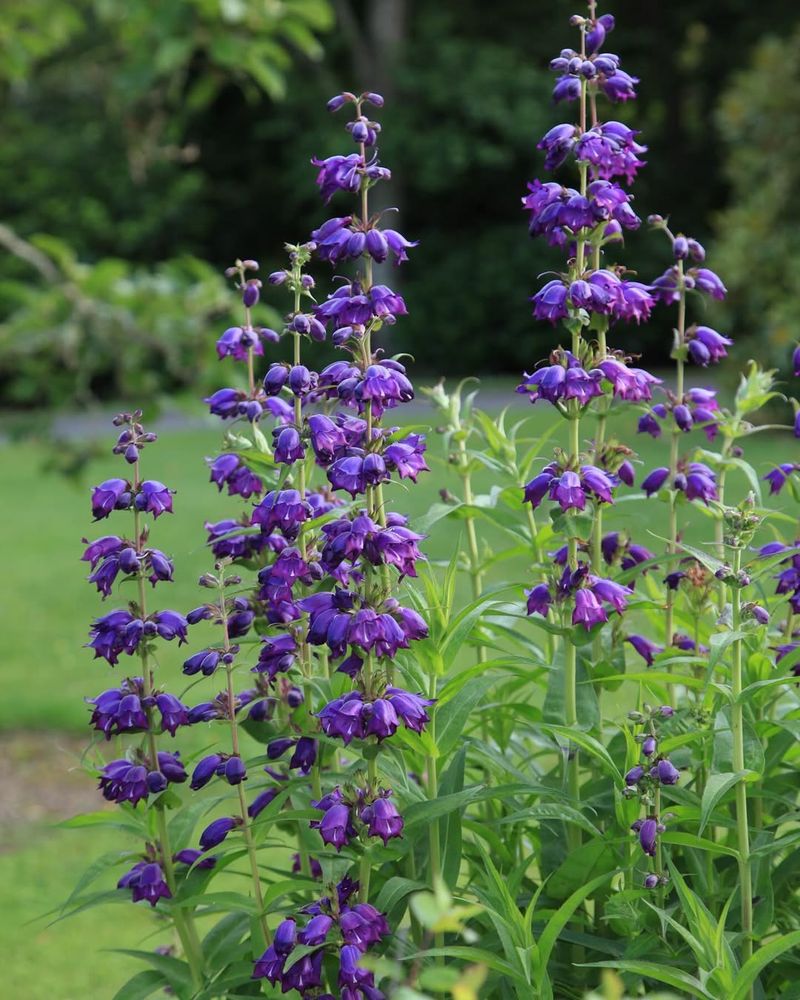
Tubular flowers in shades of red, pink, purple, or blue attract hummingbirds like magnets. These specialized blooms evolved specifically to appeal to hovering pollinators.
Your penstemon will become a hummingbird highway once plants begin flowering in Arizona gardens.
Native species adapted to Arizona conditions outperform fancy hybrids from other regions. Choosing locally appropriate varieties ensures success without extra coddling.
Your garden center can recommend the best penstemon types for your specific area.
Vertical flower spikes add height variation to perennial borders. The upright form contrasts nicely with mounding or spreading plants.
This architectural quality helps create visual interest in Arizona landscapes.
Blooming times vary by species, allowing you to extend the flowering season. Early bloomers start in spring while others peak during summer or fall.
Planting multiple types provides nearly continuous color in your yard.
Foliage remains attractive between bloom periods on most varieties. The leaves often have a slightly glossy or waxy appearance.
This year-round presence makes penstemon valuable even when not flowering.
Cutting back spent flower stalks prevents reseeding if you prefer controlled plantings. Allowing seeds to mature produces volunteer seedlings that expand your colony.
Either management style works well depending on your landscape goals.
Well-draining soil is absolutely essential for penstemon success in Arizona. Heavy, water-retentive ground causes root problems quickly.
Fortunately, most Arizona soils drain freely and suit these plants perfectly.
Cold hardiness varies by species but many penstemons tolerate Arizona winters easily. Even northern regions can grow appropriate varieties successfully.
This adaptability makes penstemon useful throughout the state.
Butterfly species join hummingbirds at penstemon flowers during daylight hours. This double wildlife attraction maximizes the ecological value of your plantings.
Watching pollinators work becomes a favorite activity for Arizona gardeners.
10. Globe Mallow
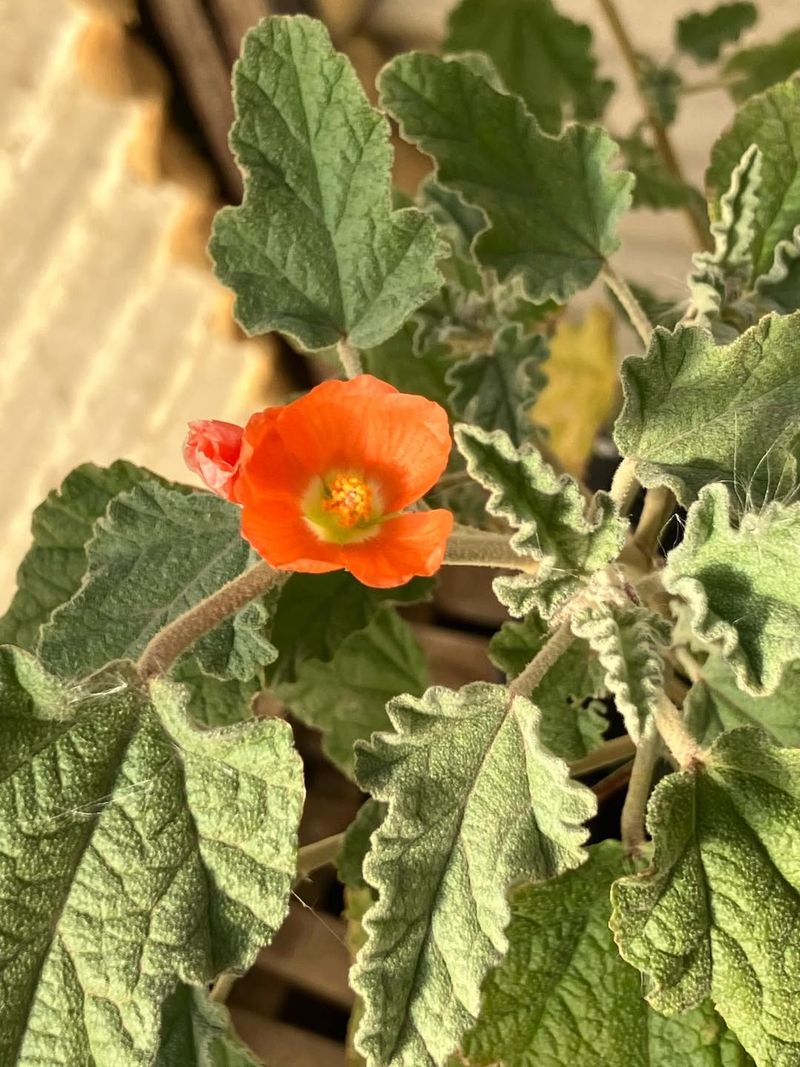
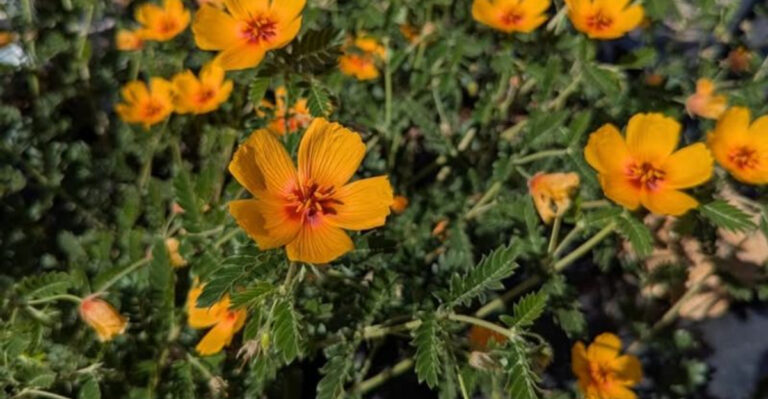
Apricot-orange flowers glow like sunset against Arizona’s blue skies. This cheerful native blooms prolifically during spring and often continues sporadically through summer.
The warm color adds a welcoming touch to any desert landscape.
Fuzzy gray-green leaves give the plant a soft, touchable appearance. The felted texture reflects sunlight and helps conserve moisture during dry periods.
This adaptation allows globe mallow to thrive in harsh Arizona conditions without supplemental water.
Self-sowing produces new plants that naturalize throughout your landscape. Volunteers pop up in unexpected places, creating spontaneous drifts of color.
You can transplant seedlings while young or let them grow where they sprout.
Height varies from one to three feet depending on variety and growing conditions. Taller types work well in the middle of borders while shorter forms edge pathways nicely.
This size range provides flexibility in Arizona landscape designs.
Native bees absolutely love globe mallow flowers. You’ll see constant pollinator activity during bloom periods.
This ecological benefit helps support declining bee populations while adding movement to your yard.
Cutting plants back after main bloom finishes often triggers a second flowering flush. This simple maintenance step extends your color display significantly.
Even without deadheading, globe mallow remains attractive between bloom cycles.
Extreme drought tolerance makes this plant nearly indestructible once established. Your globe mallow will survive on rainfall alone in most Arizona locations.
This makes it perfect for remote areas where regular irrigation isn’t practical.
Informal growth habit suits cottage-style gardens and naturalistic plantings. The relaxed appearance works less well in formal landscapes requiring rigid structure.
Choose globe mallow for casual Arizona yards that embrace desert character.
Deer typically avoid browsing on the fuzzy foliage. This resistance solves a common problem in rural Arizona areas.
Your globe mallow will look great even when deer pressure is high.