These Shrubs Instantly Make Pennsylvania Homes Look Better
Want to boost your Pennsylvania home’s curb appeal without a major renovation? Try adding the right shrubs.
A well-chosen shrub can make your front yard feel more welcoming, add privacy, soften hard edges, and even improve property value. And the best part?
You don’t need a landscaping crew to pull it off. Many of the most effective shrubs are hardy, low-maintenance, and thrive in Pennsylvania’s varied climate.
Whether you’re working with a blank slate or just want to fill in a few bare spots, picking the right plants can instantly elevate your space.
From evergreen classics that provide structure year-round to flowering varieties that explode with color each season, there’s a shrub for every style and goal.
Take a look at top shrub picks that are easy to grow and make a big impact, so your home looks great all year long, starting right at the front step.
1. Hydrangea
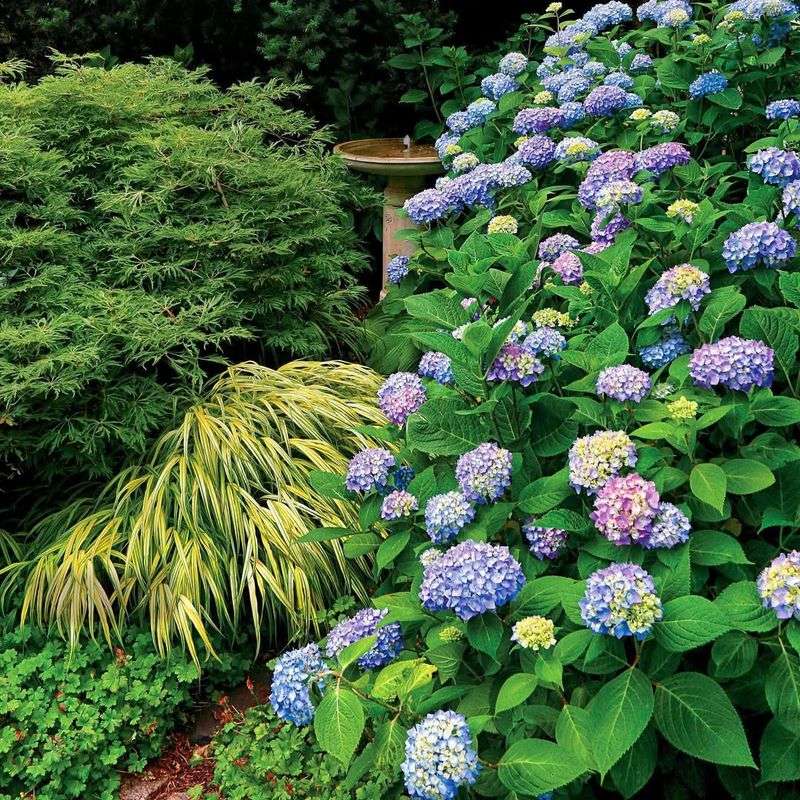
Big, beautiful blooms make hydrangeas the showstoppers of Pennsylvania gardens. Picture softball-sized flower clusters in shades of pink, blue, purple, or white covering your shrubs from summer into fall.
These flowers create stunning focal points that instantly upgrade any yard. Pennsylvania’s climate suits hydrangeas perfectly, giving them the cold winters they need to produce abundant blooms each year.
Different hydrangea types offer various looks for your landscape. Bigleaf hydrangeas display those classic mophead or lacecap flowers that change color based on soil pH.
Panicle hydrangeas produce cone-shaped white blooms that gradually turn pink as autumn approaches.
Smooth hydrangeas, native to eastern North America, handle Pennsylvania winters without any special protection. Each type brings its own personality to your garden design.
Growing hydrangeas requires understanding their simple needs. Most prefer morning sun and afternoon shade, though panicle types tolerate full sun better.
Rich, moist soil helps these shrubs produce their best flowers. Adding compost when planting gives them a strong start. Water regularly during dry spells, especially in summer when flower buds develop.
Pennsylvania gardeners love how hydrangeas fill awkward spaces. Plant them along fences, under trees with high canopies, or in mixed borders with perennials.
The large leaves provide texture even when flowers fade. Dried flower heads add winter interest to your landscape.
Many homeowners cut hydrangea blooms for indoor arrangements, enjoying their beauty both outside and inside their homes.
2. Boxwood
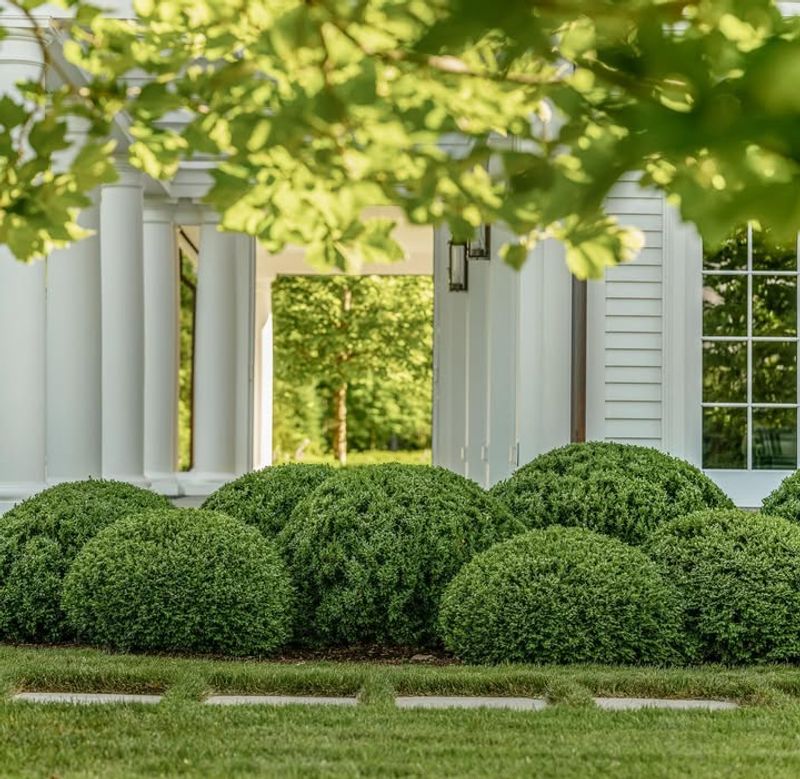
Classic elegance defines what boxwood brings to Pennsylvania landscapes. This evergreen shrub has been a favorite for centuries because it keeps its rich green color all year long.
While many plants lose their leaves in winter, boxwood stands strong through Pennsylvania’s coldest months. Homeowners across the state appreciate how this shrub creates structure and formality without demanding constant attention.
Boxwood grows slowly but steadily, which means less pruning work for you. The dense foliage creates perfect hedges, borders, or foundation plantings that frame your home beautifully.
Many Pennsylvania gardeners use boxwood to line walkways or create garden rooms in their yards. The leaves stay small and compact, giving your landscape a neat, polished appearance that neighbors admire.
This shrub adapts well to Pennsylvania’s varying conditions. It tolerates both sun and partial shade, making it versatile for different spots around your property.
Boxwood prefers well-drained soil and benefits from a layer of mulch to protect roots during winter. The plant rarely faces serious pest problems, though occasional pruning helps maintain its shape.
Local garden centers throughout Pennsylvania stock several boxwood varieties. Winter Gem and Green Velvet perform especially well in our climate.
These cultivars resist winter damage better than older types. Plant boxwood in spring or fall for best results, spacing them according to your desired hedge density.
With minimal care, boxwood will enhance your home’s appearance for decades to come.
3. Burning Bush
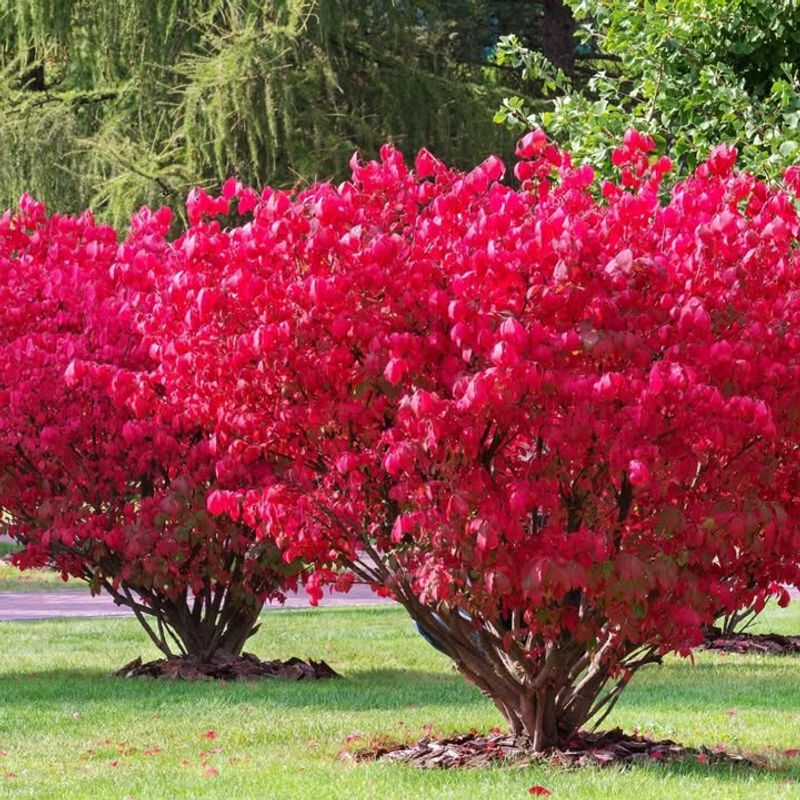
Fall transforms burning bush into a blazing spectacle of crimson red. This shrub earned its dramatic name from the intense scarlet color that covers every leaf come autumn.
Pennsylvania landscapes come alive when burning bush displays its seasonal show. The transformation happens gradually, starting with hints of red in September and reaching peak brilliance by October.
No other shrub creates quite the same eye-catching effect during our beautiful Pennsylvania fall season.
Beyond its famous autumn display, burning bush offers year-round benefits. The compact, mounded shape requires almost no pruning to look good.
Summer foliage appears in a pleasant bluish-green that provides a calm backdrop for colorful flowers nearby.
Small, inconspicuous flowers bloom in spring, followed by tiny reddish fruits that birds enjoy. The branching structure creates interesting patterns even after leaves drop in winter.
Burning bush thrives in various Pennsylvania conditions. Full sun produces the most intense fall color, but the shrub tolerates partial shade reasonably well.
It adapts to different soil types and handles drought better than many other shrubs. Once established, burning bush needs little watering except during extended dry periods.
This toughness makes it ideal for busy homeowners who want beauty without constant maintenance.
Consider placement carefully when adding burning bush to your yard. The mature size reaches about five to eight feet tall and wide, though dwarf varieties stay smaller.
Plant burning bush where you can see it from windows during fall. Pair it with evergreens to make the red color pop even more.
Space multiple plants to create a stunning hedge that becomes the talk of your Pennsylvania neighborhood each autumn.
4. Lilac
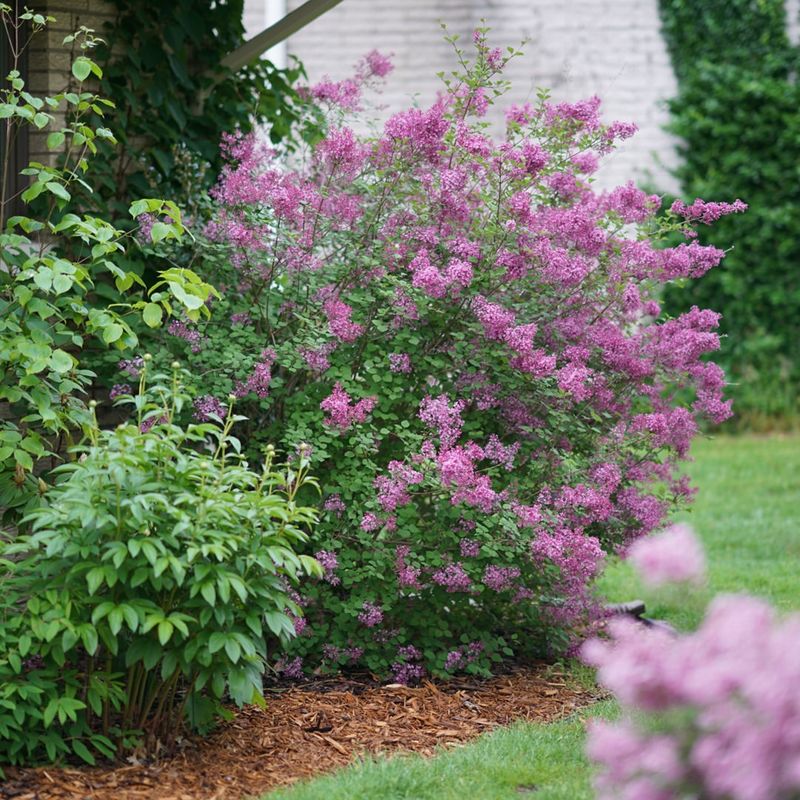
Springtime fragrance fills Pennsylvania neighborhoods when lilacs bloom. The sweet, unforgettable scent drifts across yards, announcing that warm weather has finally arrived.
Purple, white, pink, or magenta flowers cluster densely on branches, creating a spectacular display that lasts several weeks.
Old-fashioned lilacs remind many people of their grandparents’ gardens, connecting us to Pennsylvania’s gardening heritage. Modern varieties offer improved disease resistance while keeping that beloved aroma.
Lilacs grow into substantial shrubs that provide privacy and structure. Most reach eight to fifteen feet tall, creating natural screens between properties.
The heart-shaped leaves emerge fresh green in spring and maintain their color through summer. After flowers fade, the foliage serves as a pleasant backdrop for other plants.
Some newer lilac varieties rebloom in fall, giving you a second round of flowers and fragrance.
Pennsylvania’s climate suits lilacs wonderfully. They need cold winters to set flower buds properly, and our winters deliver exactly that.
Plant lilacs in full sun for maximum blooms. They prefer slightly alkaline soil, so adding lime benefits most Pennsylvania locations where soil tends acidic.
Good air circulation prevents powdery mildew, a common lilac problem. Space plants appropriately and avoid crowding them against buildings.
Maintenance stays simple with established lilacs. Remove spent flower clusters right after blooming to encourage next year’s flowers.
Prune out old, thick stems every few years to rejuvenate the shrub. Suckers often sprout from the base, which you can remove or transplant to create new plants.
Pennsylvania gardeners have grown lilacs successfully for generations, and you can continue this tradition with minimal effort while enjoying incredible spring beauty.
5. Inkberry Holly
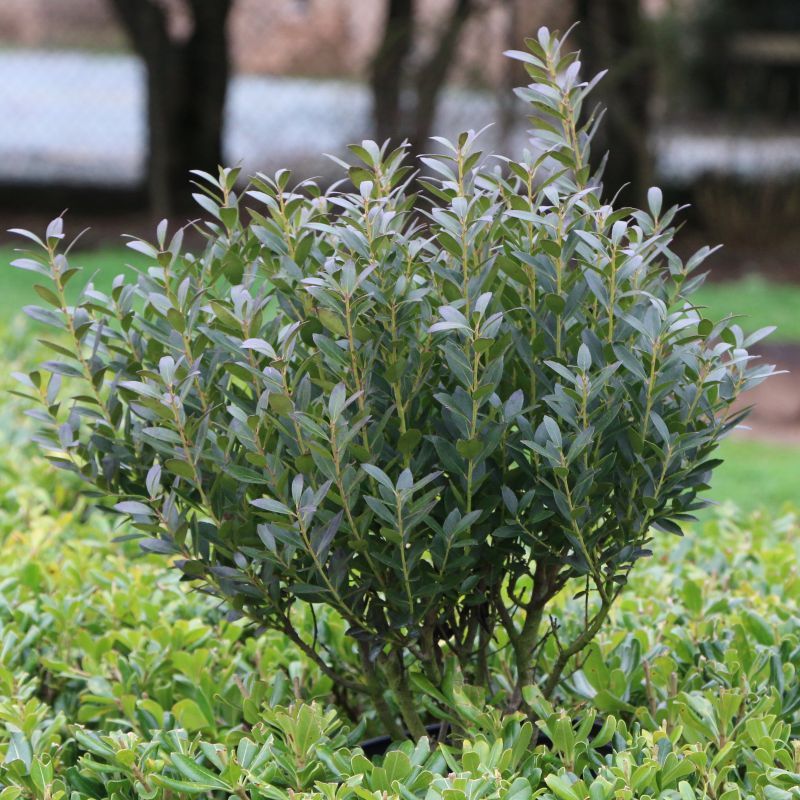
Native to eastern North America, inkberry holly thrives naturally in Pennsylvania conditions. This evergreen shrub keeps its glossy, dark green leaves year-round, providing constant color even during gray winter months.
Unlike many hollies with spiny leaves, inkberry features smooth-edged foliage that looks refined and modern. The plant produces small black berries in fall that birds love, making your yard a wildlife haven.
Pennsylvania gardeners appreciate having a native plant that supports local ecosystems while looking fantastic.
Inkberry holly works perfectly for formal or informal designs. The naturally rounded shape fits foundation plantings, while its tolerance for pruning allows you to create hedges or topiaries.
This shrub typically grows three to six feet tall, though some cultivars stay more compact. The dense branching provides excellent screening without taking up excessive space.
Many Pennsylvania homeowners use inkberry holly to hide utility boxes or create privacy near patios.
Adaptability makes inkberry holly remarkably easy to grow. It handles wet soil better than most shrubs, solving problems in low-lying Pennsylvania yards where drainage challenges exist.
Inkberry also tolerates dry conditions once established. It grows well in full sun or partial shade, giving you flexibility in placement.
The shrub resists deer browsing, a significant advantage in many Pennsylvania neighborhoods where deer damage plants regularly.
Maintaining inkberry holly requires minimal effort. Water during establishment, then the plant becomes quite self-sufficient.
Prune in late winter or early spring if you want to control size or shape. The shrub rarely suffers from serious pests or diseases.
Female plants produce berries when a male plant grows nearby, though the flowers themselves are tiny and barely noticeable. This reliable, attractive shrub deserves consideration for any Pennsylvania landscape project.
6. Spirea
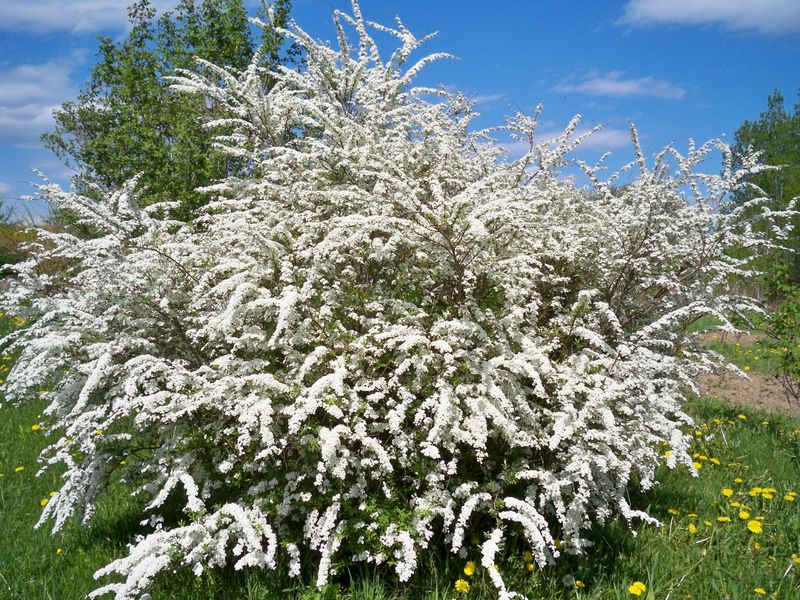
Cheerful and carefree, spirea brings effortless beauty to Pennsylvania gardens. Cascading branches covered in tiny flowers create clouds of white or pink blooms in spring or summer, depending on the variety.
This shrub grows quickly and fills spaces faster than many alternatives. Pennsylvania gardeners love how spirea delivers impressive results without demanding special treatment.
The plant bounces back from harsh winters and keeps on blooming year after year with almost no complaints.
Different spirea types offer distinct looks for your landscape. Bridal wreath spirea produces elegant white flowers along arching branches in spring, creating a fountain-like effect.
Bumald spirea forms compact mounds topped with flat pink flower clusters in summer. Goldflame spirea adds bonus interest with new leaves that emerge orange-red before turning yellow-green.
All types provide excellent texture and color that enhance Pennsylvania homes. Choose based on your preferred bloom time and shrub size.
Planting spirea guarantees success even for beginning gardeners. This shrub tolerates various soil types and grows in full sun to light shade.
It handles Pennsylvania’s temperature swings without problems. Spirea rarely attracts pests or diseases, saving you from troubleshooting issues.
The plant even tolerates urban conditions like air pollution, making it suitable for city properties throughout Pennsylvania. Once established, spirea survives dry spells better than many flowering shrubs.
Keeping spirea looking its best takes just a few minutes annually. Prune spring-blooming types right after flowers fade.
Summer-blooming varieties get pruned in late winter or early spring. Simply cut back stems to maintain the desired size and shape.
Removing old wood encourages fresh, vigorous growth. Many gardeners find that spirea needs less attention than their lawn, yet it provides far more visual interest and charm around their Pennsylvania homes.
7. Winterberry
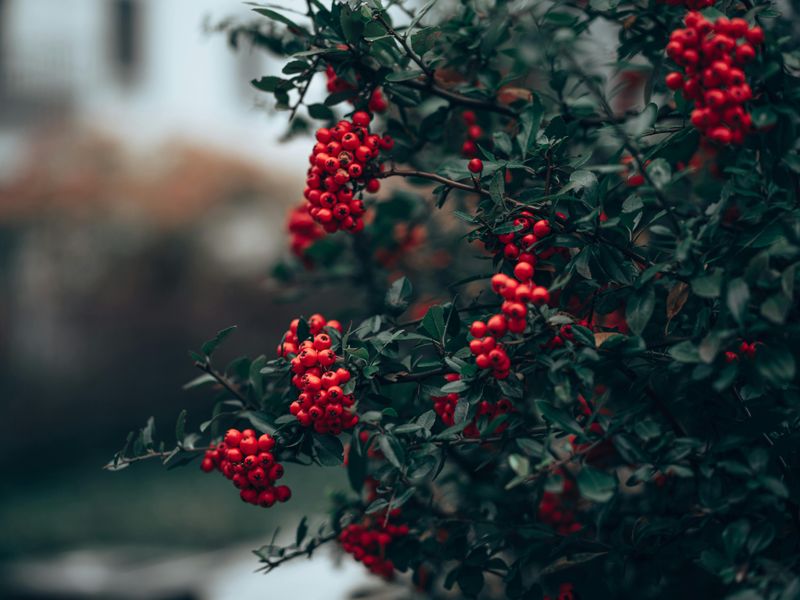
Brilliant red berries transform winterberry into a beacon of color when Pennsylvania landscapes turn drab. This deciduous holly loses its leaves in autumn, but the berries persist through winter, creating stunning displays against snow and gray skies.
Birds eventually feast on the berries, adding movement and life to your cold-weather garden.
The contrast between bright red fruit and bare branches creates a striking effect that few other shrubs can match. Pennsylvania winters suddenly feel less dreary when winterberry decorates your yard.
Winterberry grows naturally in Pennsylvania wetlands, making it perfectly suited to our climate. The shrub adapts to various moisture levels, from consistently wet areas to average garden soil.
It prefers acidic soil, which most Pennsylvania locations provide naturally. Winterberry grows four to eight feet tall with an upright, somewhat irregular shape.
The green summer foliage provides a pleasant backdrop for other plants before turning yellow briefly in fall.
Getting berries requires understanding winterberry’s pollination needs. Female plants produce the showy red berries, but they need a male plant nearby for pollination.
One male can pollinate several females, so you might share with neighbors. Garden centers sell both types, usually labeled clearly.
Plant them within forty feet of each other for reliable berry production. The small white spring flowers attract pollinators, though they are not particularly showy on their own.
Winterberry requires little maintenance once established in your Pennsylvania yard. Water during the first growing season, then the plant typically manages on its own.
Prune only to remove damaged branches or control size, doing so in late winter before new growth starts. The shrub has no serious pest problems.
Cut branches with berries make fantastic holiday decorations indoors. This native shrub brings year-round interest, wildlife value, and exceptional winter beauty that instantly improves any Pennsylvania home’s appearance.