These 7 Shrubs Keep Oregon Landscapes Beautiful All Year
A beautiful Oregon yard should not fade the moment summer flowers disappear. The right shrubs can carry your landscape through every season with rich foliage, colorful stems, berries, and even winter blooms.
While some plants shine for a few short weeks, dependable shrubs keep the show going all year long. They anchor garden beds, frame walkways, soften fences, and give birds and pollinators a place to land.
Even better, many thrive in Oregon’s rainy winters and dry summers without constant attention. That means less replanting, less stress, and more consistent beauty outside your window.
If your yard feels a little bare once the seasons shift, it may be time to rethink your shrub lineup. These hardworking picks deliver color, structure, and interest through sun, rain, and chilly snaps, so your landscape always has something worth admiring.
1. Twinberry Honeysuckle (Lonicera involucrata)
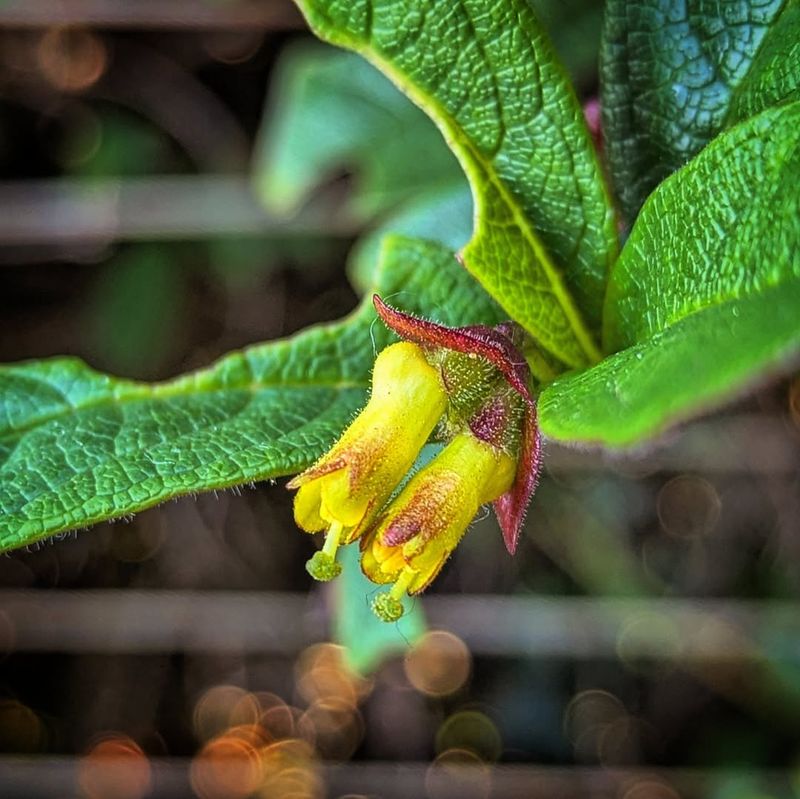
Bright yellow tubular flowers stand out against dark green leaves from April through July on this Pacific Northwest native. Hummingbirds zoom straight to these blooms, often visiting the same plants daily throughout the flowering period.
The flowers appear in pairs, which gives this shrub its common name.
Black berries develop in matched pairs surrounded by showy red bracts that look like little flowers themselves. While humans shouldn’t eat these berries, birds eagerly gobble them up in late summer and fall.
The red bracts stay colorful for weeks, extending the ornamental season.
Twinberry honeysuckle grows four to eight feet tall and equally wide in Oregon gardens. It naturally occurs near streams and in moist forests but adapts well to regular garden conditions.
The shrub keeps its leaves looking fresh even during hot August days if given occasional water.
This honeysuckle works beautifully in partly shaded areas where many flowering shrubs struggle. It fills the gap between spring bulbs and summer perennials with its long bloom time.
The dense branching provides nesting sites for small birds, making it valuable for wildlife-friendly landscapes throughout the state.
2. Red Elderberry (Sambucus racemosa)
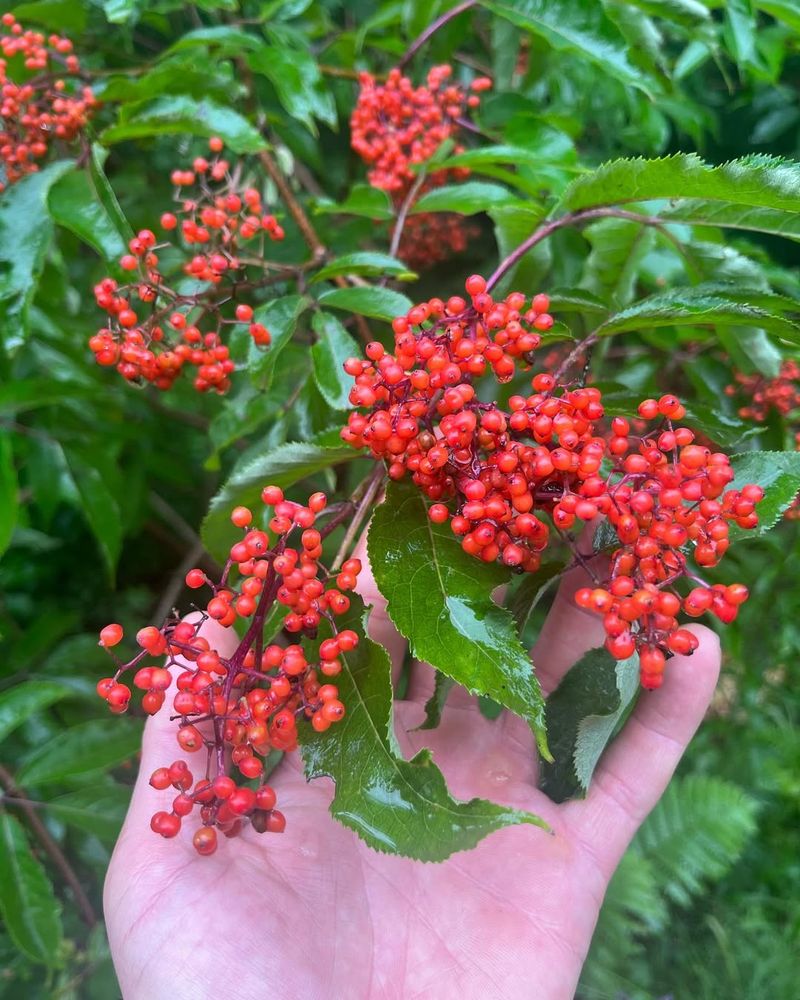
Creamy white flower clusters shaped like pyramids cover this fast-growing shrub in early spring. The blooms arrive before many other plants wake up, providing crucial early nectar for pollinators.
Each flower cluster can measure six inches tall and smells mildly sweet.
Bright red berries replace the flowers by midsummer, hanging in heavy clusters that birds strip clean within weeks. The berries ripen at different times, creating clusters with red, orange, and pink berries all mixed together.
This color variation makes the shrub look especially lively during June and July in Oregon gardens.
Red elderberry grows quickly to ten or twelve feet tall with an open, arching form. It naturally occurs in forests and along streams throughout the Pacific Northwest.
The compound leaves with toothed leaflets create fine texture that contrasts nicely with broader-leaved shrubs.
This elderberry tolerates shade better than its blue-berried cousin and grows well under tall trees. It spreads by underground shoots but isn’t aggressive in garden settings.
The tan stems with obvious lenticels add winter interest after the leaves drop. Cut out the oldest stems every few years to keep plants looking their best.
3. Baldhip Rose (Rosa gymnocarpa)
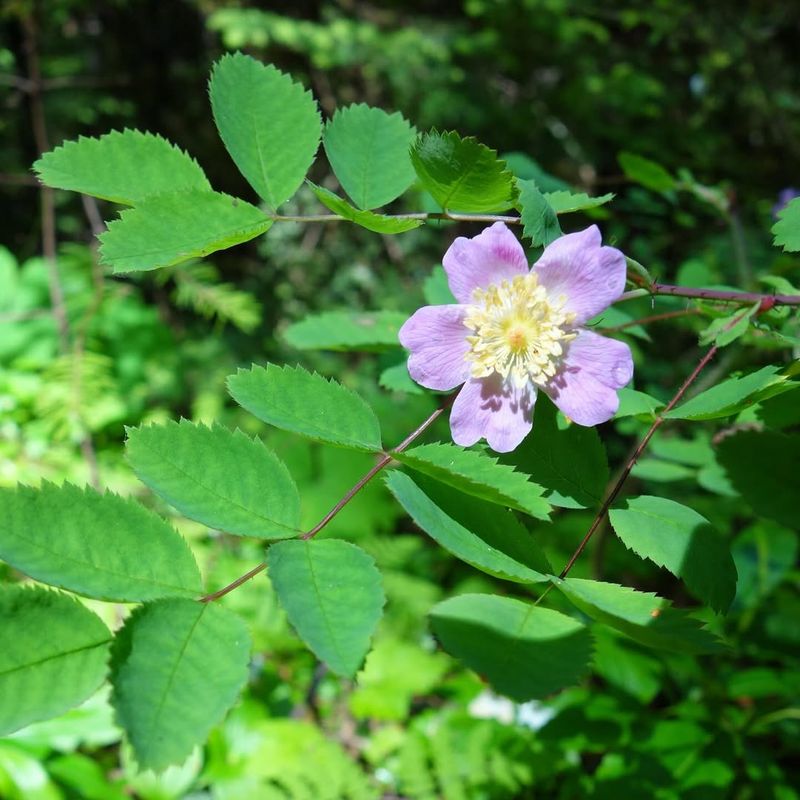
Delicate pink blooms appear on this native rose from late spring through early summer, bringing soft color to shaded woodland gardens. The flowers measure about an inch across and smell faintly sweet.
Each bloom has five simple petals that butterflies and native bees love to visit.
After the flowers fade, bright red rose hips develop and hang on the branches well into winter. These small fruits provide food for birds and add cheerful pops of color when most other plants have finished their show.
The hips also make the shrub look decorated during Oregon’s gray winter months.
This rose grows naturally in forests throughout the Pacific Northwest and handles shade better than most roses. It reaches about three to six feet tall and spreads slowly through underground stems.
The thornless or nearly thornless stems make it safer around pathways than prickly rose varieties.
Baldhip rose needs very little care once established in Oregon gardens. It tolerates summer drought after the first year and doesn’t need fertilizer or pruning.
The open, airy growth habit lets it blend naturally with ferns, evergreen huckleberries, and other woodland plants.
4. Blue Elderberry (Sambucus nigra subsp. cerulea)
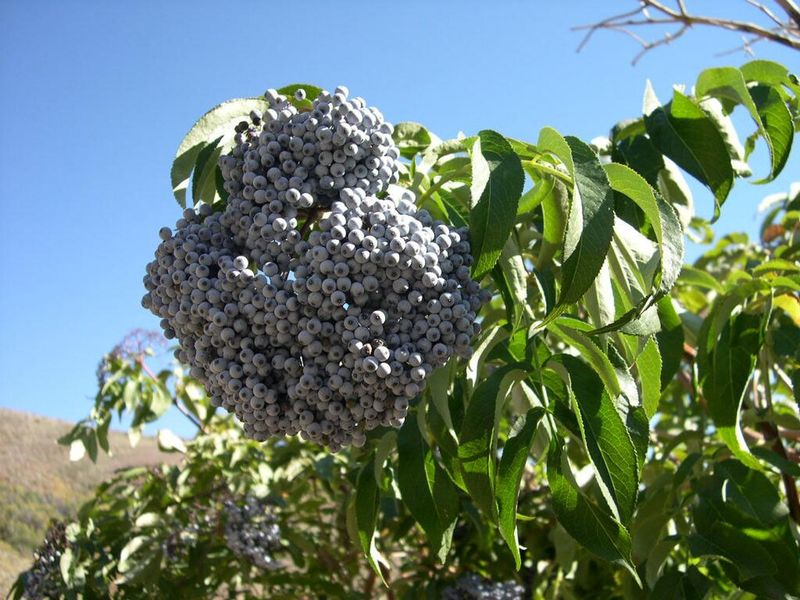
Flat-topped flower clusters up to ten inches across bloom in late spring on this impressive native shrub. The creamy white flowers attract dozens of different pollinator species and fill the air with a light, pleasant fragrance.
Each massive flower head contains hundreds of tiny individual blooms.
Dusty blue berries covered in whitish bloom ripen in late summer and early fall. These berries are edible when cooked and make excellent jelly, syrup, and wine.
Birds also love them and will clean entire branches in days if you don’t harvest first.
Blue elderberry grows larger than red elderberry, reaching fifteen to twenty feet tall in good conditions. It prefers full sun and handles Oregon’s dry summers better than most native shrubs.
The compound leaves create dappled shade underneath, allowing you to grow drought-tolerant perennials at its base.
This elderberry works well as a small tree if you prune away lower branches and select three to five main trunks. The tan bark becomes deeply furrowed with age, adding textural interest year-round.
It grows quickly, making it perfect for new gardens where you need screening or structure fast. Established plants rarely need watering during summer in western Oregon.
5. Mock Orange (Philadelphus lewisii)
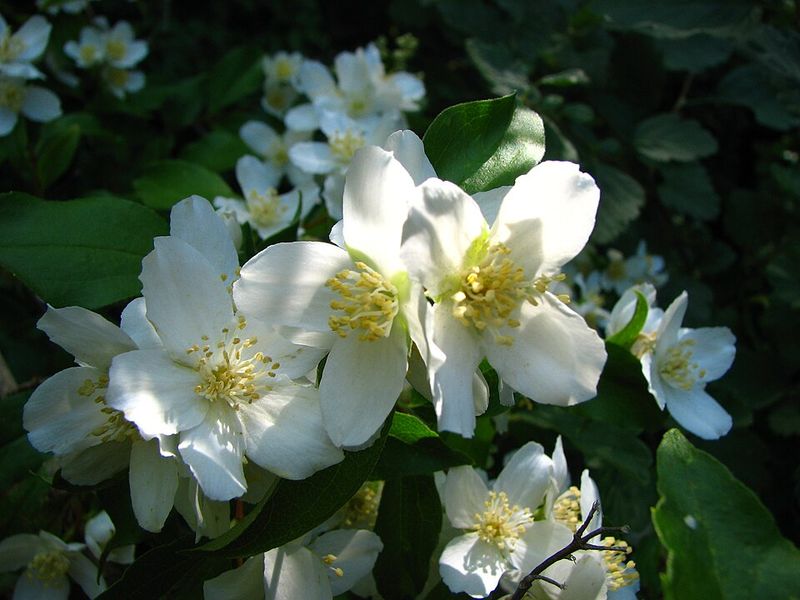
Intensely fragrant white flowers transform this shrub into a cloud of blooms each May and June. The perfume carries across the entire garden and smells like a mix of orange blossoms and jasmine.
Each flower has four pure white petals surrounding a cluster of golden stamens.
Mock orange was named Oregon’s state flower in 1899 and grows wild throughout the state’s mountains and foothills. Native Americans used the straight young stems for arrow shafts and other tools.
The shrub remains an important part of Oregon’s natural heritage and garden history.
Plants grow six to ten feet tall with upright, arching branches that create a fountain-like shape. The simple oval leaves stay clean-looking all summer without pest or disease problems.
In fall, the leaves turn soft yellow before dropping to reveal smooth, peeling bark on older stems.
This shrub thrives in full sun to part shade and tolerates Oregon’s summer drought once established. It needs no fertilizer and only occasional pruning to remove old, woody stems.
The dense branching provides excellent cover for nesting birds in spring. Mock orange combines beautifully with roses, lilacs, and other cottage garden favorites while requiring far less care than most flowering shrubs.
6. Thimbleberry (Rubus parviflorus)
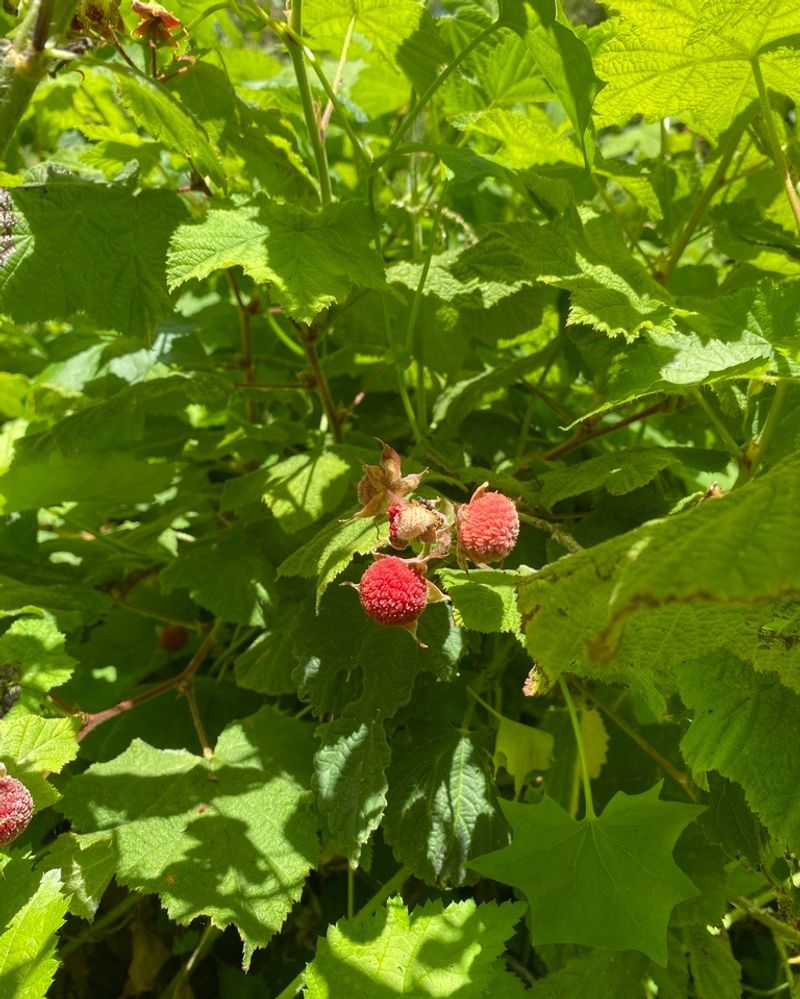
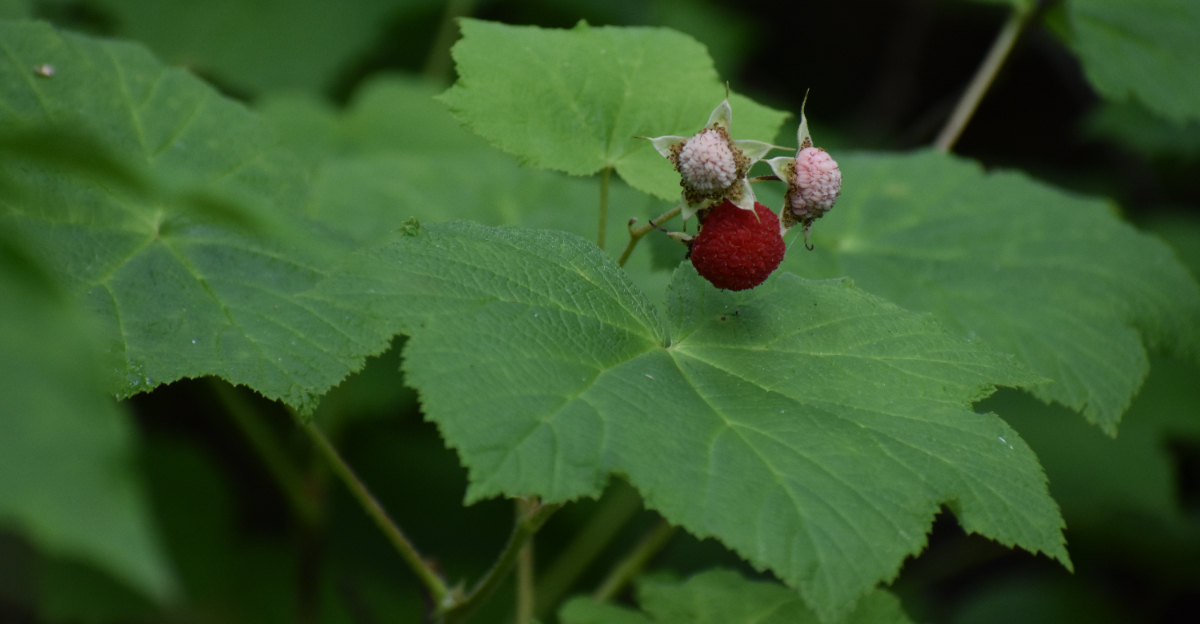
Large leaves shaped like maple leaves create bold texture in shaded Oregon gardens where this native thrives. The soft, fuzzy foliage can reach eight inches across and forms dense colonies that suppress weeds naturally.
Unlike most members of the raspberry family, thimbleberry has no thorns or prickles.
White flowers with five crinkled petals appear throughout summer, followed by bright red berries shaped like thimbles. The berries taste sweet and mild, though they’re quite seedy.
Birds and small mammals enjoy them, and you can eat them fresh or make them into jam.
Thimbleberry grows three to six feet tall and spreads steadily through underground stems. It naturally forms large patches in forest clearings and along shaded trails throughout the Pacific Northwest.
The shrub handles deep shade better than most berry-producing plants.
This native works perfectly for naturalizing difficult shaded areas where grass won’t grow. The large leaves turn soft yellow and orange in fall before dropping.
The smooth, reddish-brown stems with peeling bark add subtle winter interest. Thimbleberry needs consistent moisture and performs best in western Oregon’s naturally rainy areas.
It combines beautifully with ferns, wild ginger, and other shade-loving native plants.
7. Oregon Grape (Mahonia repens)
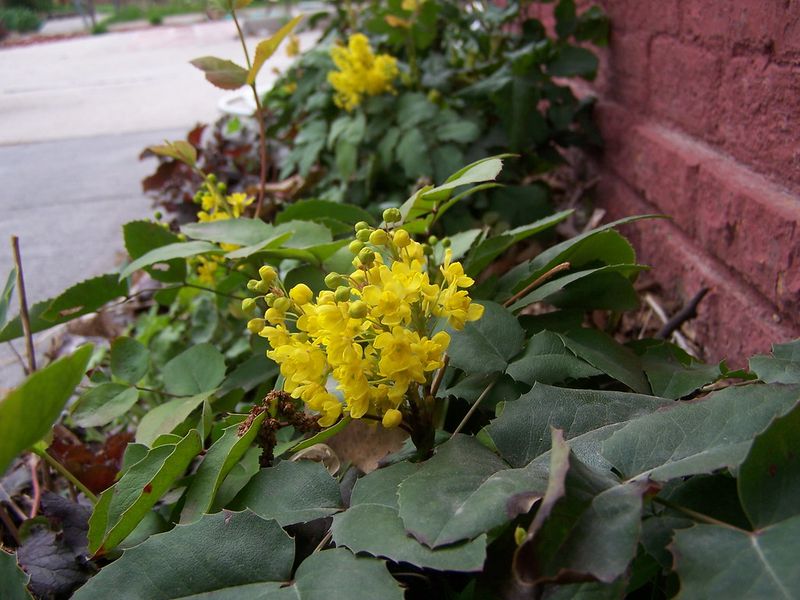
Glossy evergreen leaves with spiny edges stay attractive every single day of the year on this low-growing native. The foliage emerges bronze-red in spring, turns deep green in summer, and develops purple and wine tones during winter cold.
Each leaf looks similar to holly but grows in compound clusters along the stems.
Clusters of bright yellow flowers appear in early spring, often blooming in March when few other plants show color. The flowers smell faintly sweet and attract early-season bees.
Dusty blue berries that look like tiny grapes ripen in summer and taste quite tart but make good jelly.
Dwarf Oregon grape grows only one to two feet tall but spreads several feet wide through underground stems. It works beautifully as a groundcover on slopes, under trees, or anywhere you need evergreen coverage.
The plant handles Oregon’s dry shade conditions better than almost any other broadleaf evergreen.
This mahonia rarely needs watering after establishment and never requires fertilizer or pruning. It grows well throughout Oregon from the coast to the high desert.
The spiny leaves discourage foot traffic, making it useful along property lines or under windows. Combine it with sword ferns, kinnikinnick, and salal for a maintenance-free native groundcover planting.