These 10 Shrubs Thrive In Rainy Coastal Oregon Yards
Rain is basically part of the job description for living on the Oregon coast. When the forecast calls for another wet week, most coastal gardeners just nod and move on.
But all that moisture can make choosing the right shrubs feel tricky. Some plants sulk, some rot, and others just never seem to settle in.
The good news? Plenty of shrubs actually love these rainy conditions.
Instead of struggling with constant moisture, they grow fuller, greener, and stronger because of it. When you pick the right ones, your yard stops feeling like a battle against the weather and starts working with it.
Coastal gardens come with their own personality, cool air, regular rain, and soft light. Shrubs that thrive here tend to handle wet soil better, resist common disease issues, and hold their shape even during long, damp seasons.
That means less replacing plants and more enjoying how your landscape looks.
If you’ve been frustrated by shrubs that never quite perform the way you hoped, you’re not alone. Many coastal Oregon homeowners deal with the same problem.
These shrubs are proven performers in rainy coastal conditions and can help your yard stay healthy, attractive, and low-stress all year long.
Evergreen Huckleberry
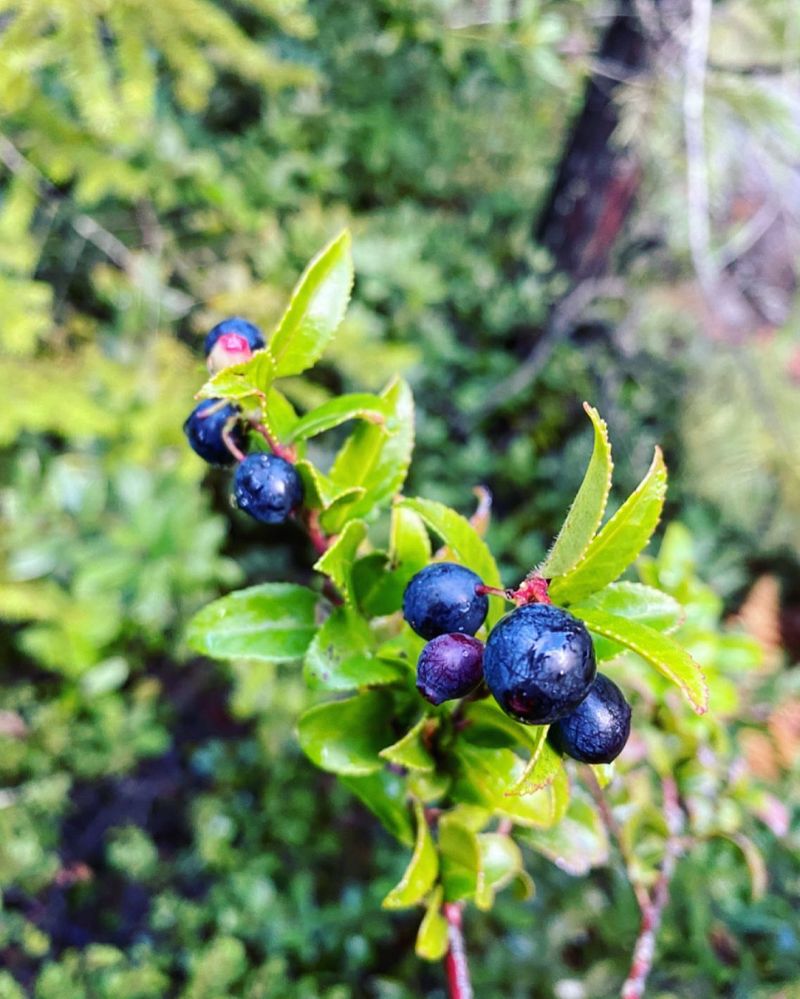
Walk through any coastal forest in Oregon and you will spot evergreen huckleberry growing thick and healthy beneath the canopy, which tells you everything about how well it handles wet conditions.
This native shrub brings glossy green leaves that stay put year-round, small pink bell-shaped flowers in spring, and dark berries that birds and people both love by late summer.
Your yard will benefit from its dense, rounded shape that fills in gaps and creates natural privacy without needing constant trimming.
The roots prefer consistently moist, well-drained soil and tolerate Oregon’s rainy winters as long as water does not pool around the base. Salt air does not bother this plant at all, making it a reliable choice if you live close to the beach.
Wind might tousle the branches a bit, but the flexible stems bounce back without breaking.
Homeowners appreciate how little work evergreen huckleberry demands once it gets established. You do not need to fertilize it, prune it aggressively, or worry about pests.
Plant it in partial shade or full sun, give it some room to spread, and it will reward you with a low-maintenance presence that looks good in every season and feeds local wildlife without taking over your yard.
Pacific Wax Myrtle
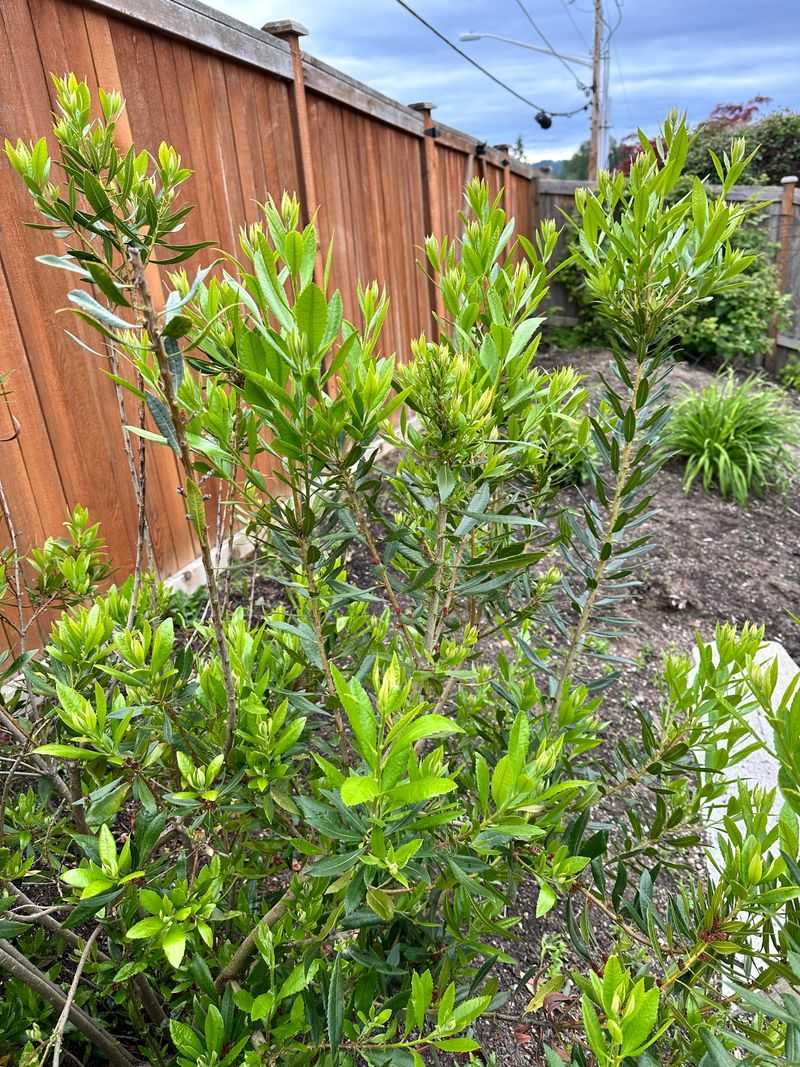
Pacific wax myrtle stands tall and confident in coastal yards, often reaching eight to twelve feet without losing its bushy, full appearance.
This native shrub features narrow olive-green leaves that release a pleasant bay-like scent when you brush against them, and it produces small waxy berries that attract songbirds throughout the year.
Your landscape gets an instant boost of texture and height when you add this plant, and it works beautifully as a windbreak or privacy screen along property lines.
Heavy rain does not faze Pacific wax myrtle, and it tolerates seasonally wet soils better than most ornamental shrubs.
Its root system tolerates wet conditions better than most ornamental shrubs, and it actually thrives in the kind of saturated ground that would drown less adaptable plants.
Salt spray from ocean breezes washes over the foliage without causing damage, and the sturdy branches hold up well even during coastal storms.
Maintenance stays minimal with this shrub because it naturally grows into a pleasing shape without much intervention. You can prune it lightly to control size or leave it alone to develop into a small tree.
It does not demand special soil amendments, frequent watering in summer, or pest treatments, making it a favorite among homeowners who want reliable greenery that looks polished without constant effort.
Red-Flowering Currant
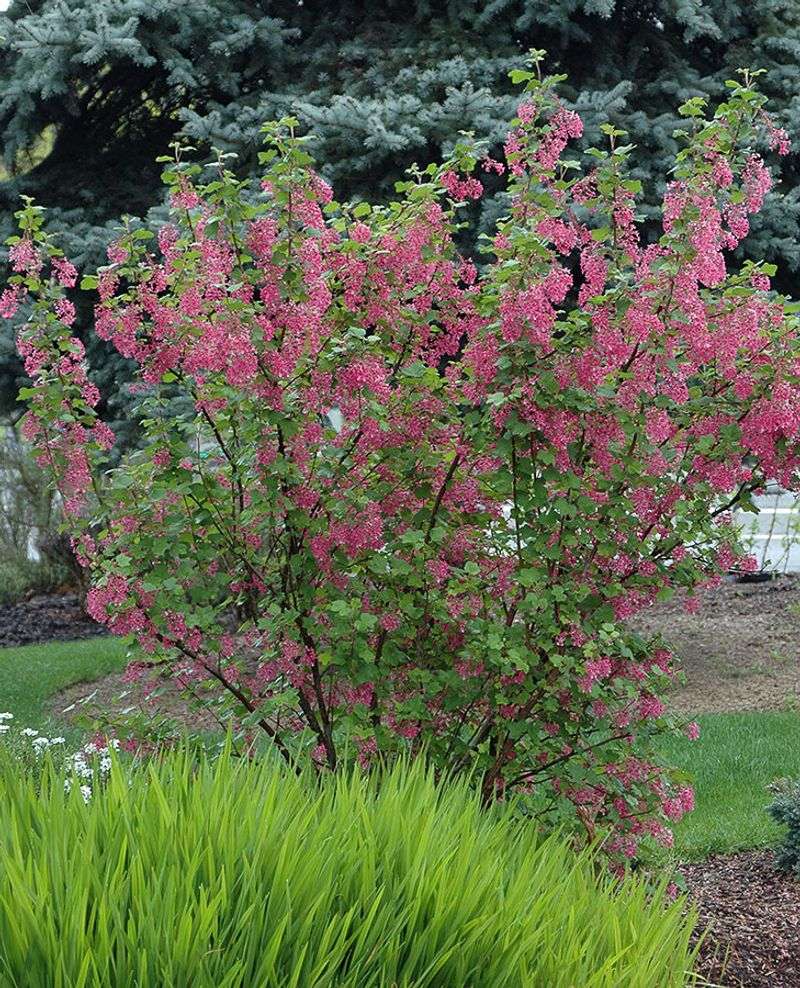
Spring arrives early when red-flowering currant bursts into bloom with clusters of tubular pink to deep red flowers that dangle like tiny chandeliers from bare branches.
Hummingbirds show up within hours of the first blooms opening, and you will find yourself watching them dart and hover around your yard for weeks.
This deciduous native shrub grows quickly into a rounded form that reaches about six feet tall and wide, with lobed green leaves that follow the flowers and provide soft texture through summer.
Coastal rain keeps this shrub happy because it evolved in Oregon forests where moisture is plentiful and the air stays humid.
The roots handle consistent moisture well when the soil drains properly, and the plant does not sulk during long stretches of cloudy weather.
Wind might shake the flower clusters, but the flexible stems bend without snapping, and salt air does not damage the foliage or blooms.
Homeowners love how effortless red-flowering currant becomes once it settles into your yard. You do not need to deadhead spent flowers, apply fertilizer, or worry about diseases.
Plant it where you can see those early blooms from a window, give it space to spread naturally, and it will reward you with reliable color when your yard needs it most, all while attracting pollinators and requiring almost no care beyond occasional watering during dry summers.
Nootka Rose
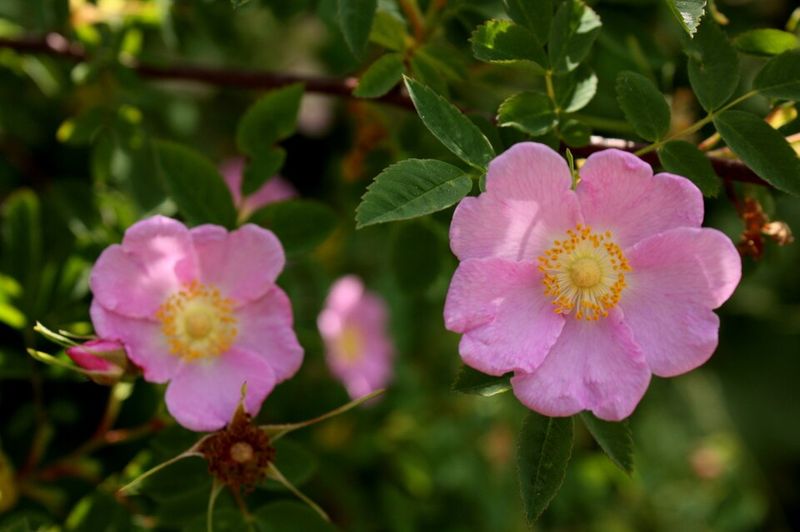
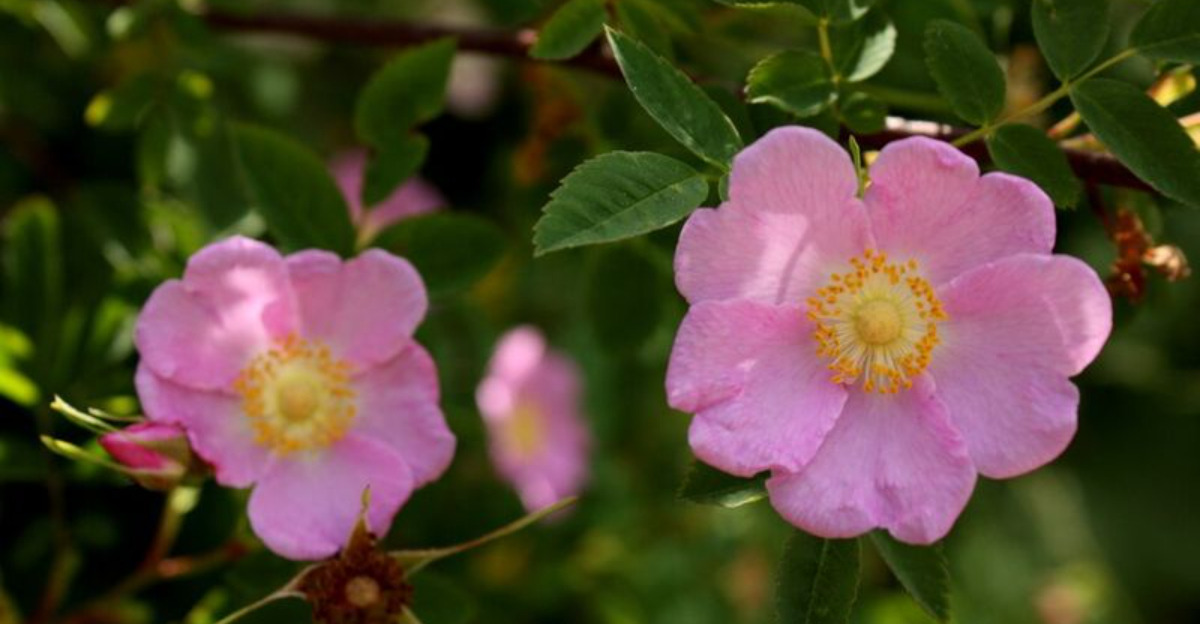
Nootka rose brings wild beauty to coastal yards with its simple five-petaled pink flowers that appear in late spring and early summer, filling the air with a light fragrance that reminds you of old-fashioned gardens.
This native shrub grows in a loose, arching form that reaches about four to six feet tall, with thorny stems and dark green leaves that turn bronze in fall.
Bright red rose hips develop after the flowers fade, providing food for birds and adding color to your winter landscape.
Rain and wind do not slow Nootka rose down because it evolved along the Pacific coast where storms are frequent and the ground stays wet for months.
The roots tolerate moist soil better than many ornamental roses, and the plant performs well in damp conditions when drainage is adequate.
Salt spray washes over the foliage without causing burn or damage, and the flexible canes bend in strong winds without breaking.
Maintenance stays simple with this shrub because it does not need the constant attention that hybrid roses demand.
You do not have to spray for diseases, deadhead flowers, or fertilize regularly.
Plant it where the thorny stems can deter foot traffic or create a natural barrier, and it will reward you with blooms, fragrance, wildlife value, and rose hips, all while asking for almost nothing in return except occasional pruning to keep it from sprawling too far.
Snowberry
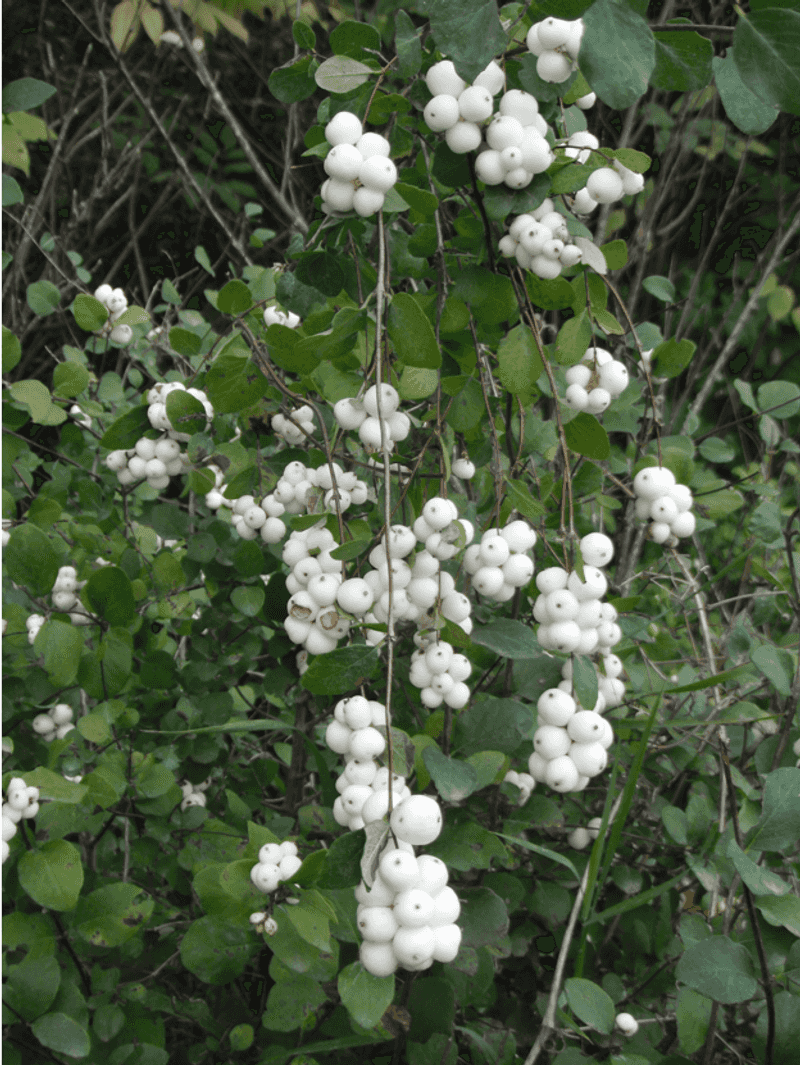
Snowberry earns its name from the clusters of pure white berries that appear in fall and persist through winter, glowing like tiny snowballs against the bare branches.
This deciduous native shrub grows in a spreading, thicket-forming habit that reaches about three to five feet tall, with small oval leaves and inconspicuous pink flowers in summer that pollinators quietly visit.
Your yard gains a unique textural element when you plant snowberry, especially in spots where you want ground cover that fills in naturally without becoming invasive.
Coastal rain suits snowberry perfectly because it evolved in moist forests and stream edges throughout the Pacific Northwest.
The roots handle consistent moisture well and perform best in rainy seasons when the soil does not remain waterlogged.
Wind and salt air do not damage the foliage or berries, and the flexible stems bend and sway without breaking during coastal storms.
Homeowners appreciate how forgiving snowberry is once it establishes in your yard. You do not need to fertilize it, water it much during summer, or worry about pests and diseases.
Plant it in partial shade or full sun, give it room to spread, and it will reward you with those striking white berries.
This shrub provides food for birds and visual interest when most other plants look bare, all while requiring almost no maintenance and thriving in conditions that challenge less adaptable shrubs.
Salmonberry
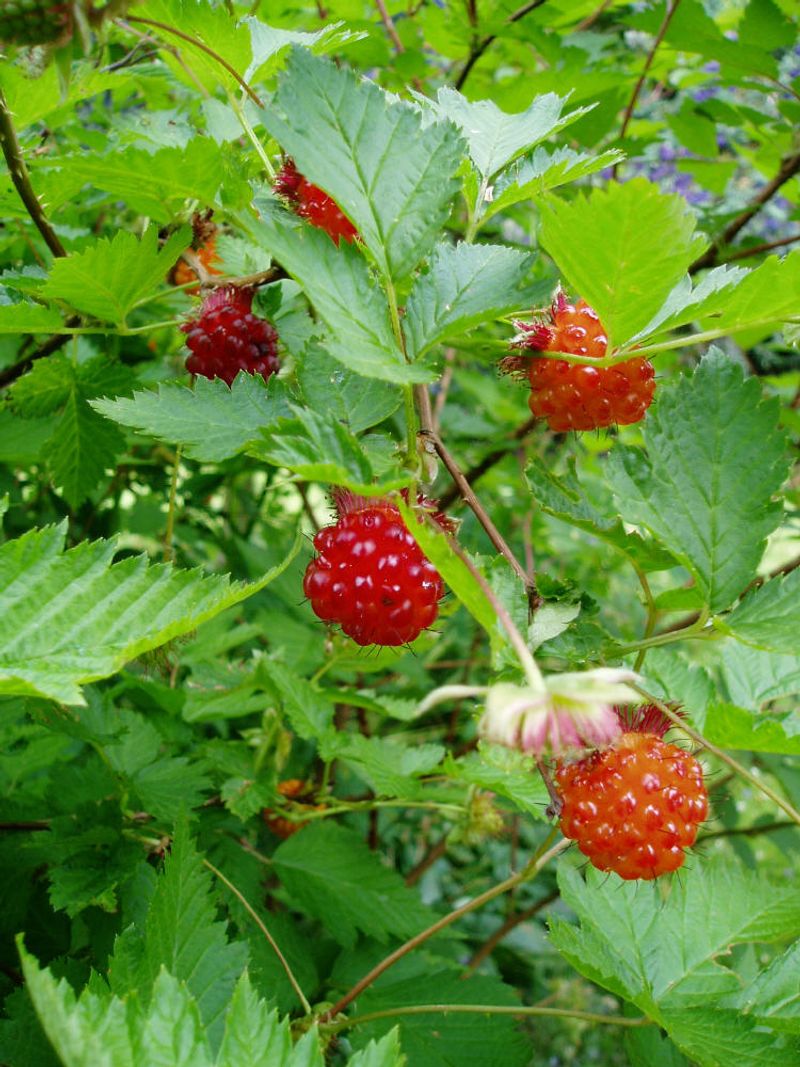
Salmonberry grows with enthusiasm in wet coastal areas, sending up tall arching canes that reach six to ten feet and create a lush, jungle-like presence in your yard.
This deciduous native shrub produces bright magenta flowers in early spring before the leaves fully emerge, followed by edible berries that ripen to shades of orange, yellow, or red by early summer.
Your landscape gains height, color, and a distinctly Pacific Northwest character when you add salmonberry, especially in spots where the soil stays damp and other shrubs struggle.
Rain and wet soil are exactly what salmonberry needs to thrive because it naturally grows along stream banks and in coastal forests where water is plentiful.
The roots tolerate standing water better than most ornamental shrubs, and the plant actually looks its best during the rainy season.
Salt air does not harm the foliage, and the flexible canes bend in wind without snapping.
Maintenance stays fairly simple with salmonberry, but its vigorous growth means occasional pruning or thinning may be needed to keep it from spreading too aggressively.
You do not have to fertilize it, water it in summer, or worry about diseases.
Plant it where it has room to spread and form a thicket, or prune old canes each year to keep it more compact.
Birds and pollinators love this shrub, and you get the bonus of edible berries that taste sweet and mild when fully ripe.
Twinberry Honeysuckle
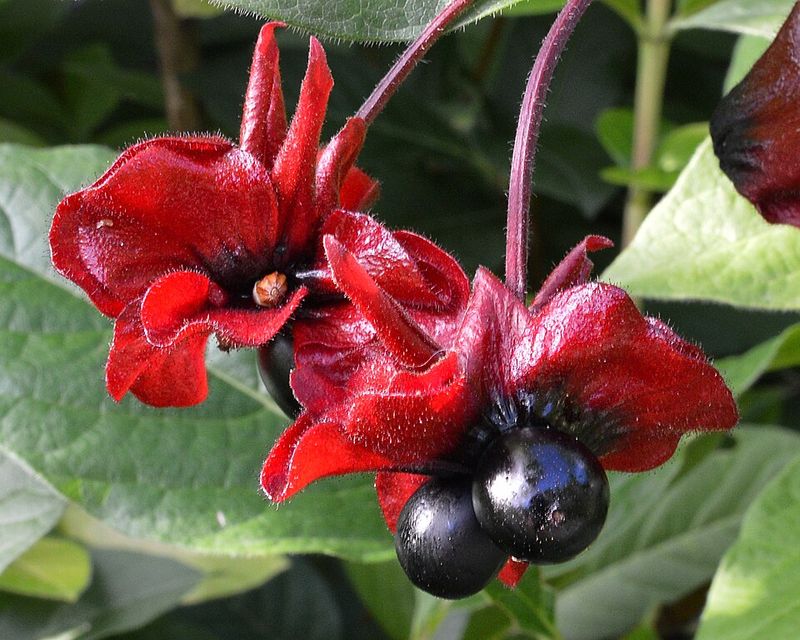
This deciduous native shrub grows in an upright, rounded form that reaches about four to six feet tall, with oval green leaves that stay fresh-looking through summer.
Your yard benefits from the distinctive appearance and reliable performance of twinberry honeysuckle, especially in shady spots where you need something that actually thrives instead of just survives.
Coastal rain and wet soil suit twinberry honeysuckle perfectly because it evolved in moist forests and stream edges where water is abundant.
The roots handle soggy ground without rotting, and the plant does not suffer during long stretches of cloudy weather.
Twinberry honeysuckle tolerates light coastal exposure when sheltered from direct salt spray, and the sturdy branches hold up well during windy conditions.
Homeowners love how easy twinberry honeysuckle is once it settles into your landscape. You do not need to fertilize it, prune it constantly, or worry about pests.
Plant it in partial to full shade, give it some room to grow, and it will reward you with those unusual flowers and berries that attract hummingbirds and other wildlife, all while asking for almost no care and thriving in the damp, shady conditions that challenge so many other ornamental shrubs.
Salal
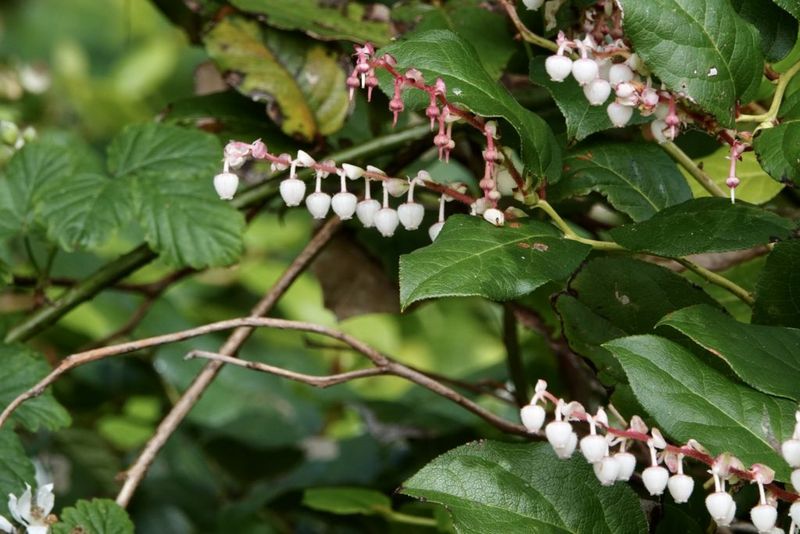
Salal dominates the understory of coastal Oregon forests, and it brings that same reliable presence to your yard with glossy evergreen leaves that look polished year-round.
This native shrub grows in a spreading, ground-covering form that reaches about two to six feet tall depending on conditions, with small white or pink urn-shaped flowers in spring and dark purple berries in summer that birds devour.
Your landscape gains a lush, woodland feel when you plant salal, especially in shady areas where you want something that fills in thickly without becoming invasive.
Rain and damp soil are exactly what salal needs because it evolved in the wet forests of the Pacific Northwest where moisture is constant.
The roots tolerate consistent moisture when drainage is good, and the plant looks its best during the rainy season when the leaves shine with water droplets.
Salt air does not harm the foliage, and the flexible stems bend in wind without breaking.
Maintenance stays minimal with salal because it grows steadily on its own without needing much intervention from you.
You do not have to fertilize it, water it during summer, or worry about pests and diseases.
Plant it in partial to full shade, give it room to spread, and it will reward you with year-round greenery, spring flowers, summer berries, and a low-maintenance presence that thrives in the wet, shady conditions that challenge less adaptable shrubs.
Sitka Alder
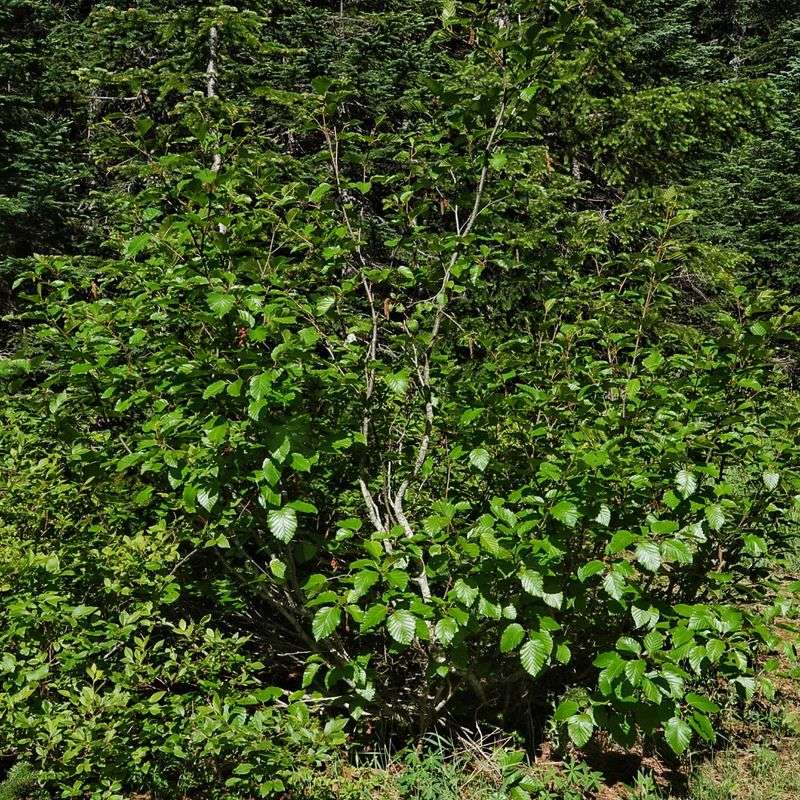
Sitka alder grows fast and fills space quickly in coastal yards, making it a smart choice when you need a privacy screen or windbreak that establishes in just a few years.
This deciduous native shrub or small tree typically reaches ten to twenty feet tall but can grow taller in ideal coastal conditions.
Catkins dangle from the branches in early spring before the leaves emerge, and the woody cones that follow add interesting texture through winter.
Your yard gains height and structure when you plant Sitka alder, especially in wet spots where other shrubs struggle.
Coastal rain and soggy soil are ideal for Sitka alder because it naturally grows along stream banks and in wetlands where water is abundant. The roots actually improve soil quality by fixing nitrogen, which benefits neighboring plants.
Salt air does not harm the foliage, and the flexible branches bend in strong winds without snapping.
Homeowners appreciate how little care Sitka alder requires once it gets established in your landscape. You do not need to fertilize it, water it in summer, or worry about diseases.
Plant it where the soil stays damp and you need fast growth, and it will reward you with quick screening, wildlife habitat, and improved soil, all while thriving in the wet, windy conditions that make coastal gardening challenging for less adaptable shrubs.
Oceanspray
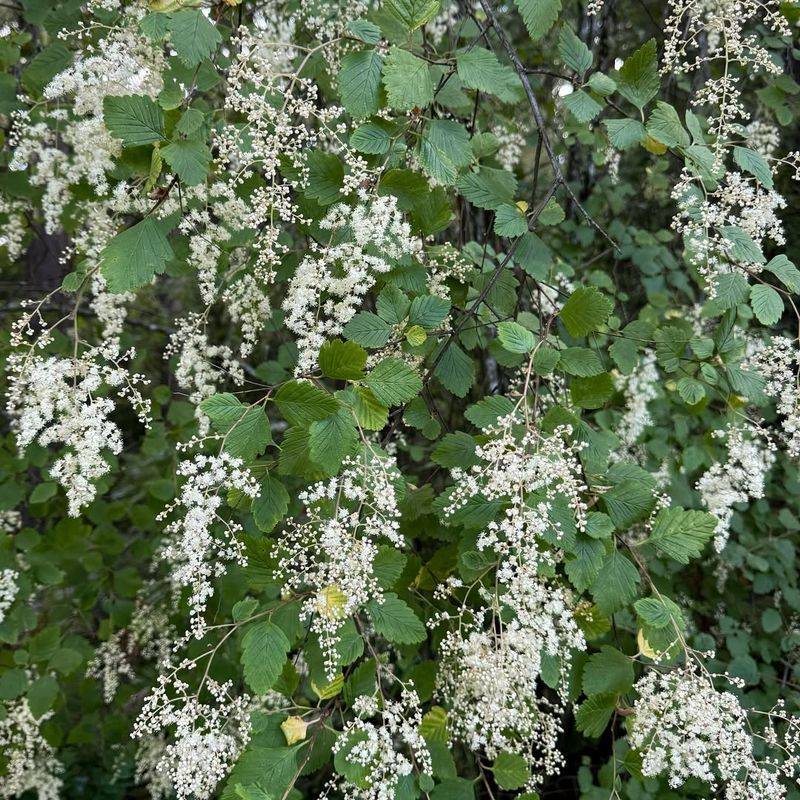
Oceanspray earns its poetic name from the cascading clusters of creamy white flowers that cover the shrub in late spring and early summer, creating a foaming effect that resembles ocean waves breaking on the shore.
This deciduous native shrub grows in an upright, arching form that reaches six to twelve feet tall, with serrated green leaves that turn bronze in fall and dried flower clusters that persist through winter.
Your yard gains a romantic, cottage-garden feel when you plant oceanspray, especially in sunny spots where you want something that blooms generously without demanding constant attention.
Coastal rain keeps oceanspray happy because it evolved in Pacific Northwest forests where moisture is plentiful during winter and spring.
The plant handles Oregon’s rainy seasons well when planted in well-drained soil and does not suffer from extended winter moisture.
Salt air does not damage the foliage or flowers, and the sturdy branches hold up well during windy conditions.
Homeowners love how forgiving oceanspray is once it settles into your landscape. You do not need to fertilize it, deadhead spent flowers, or worry about pests and diseases.