These Simple Changes Help Arizona Spring Containers Last Into Summer
Your spring pots can look incredible in March, then start fading right as the weather turns hotter in Arizona. That quick shift catches a lot of gardeners off guard, especially in places like Tucson and the low desert where temperatures climb fast.
What worked during mild days does not always hold up once the sun intensifies and soil begins drying much faster than expected.
Extending the life of those containers in Arizona comes down to small adjustments made before stress shows up.
Slight changes in sun exposure, watering depth, plant pairings, and even container size can protect roots and keep growth steady as the season moves forward.
Paying attention to how quickly heat builds inside a pot under desert sun makes a noticeable difference. A few timely tweaks can carry that fresh spring color far deeper into the warmer months than you might think.
1. Switch To Heat-Tolerant Annuals Before Temperatures Hit 95°F
Watch the forecast closely in late April and early May. Once daytime highs start creeping toward the mid-90s, cool-season annuals like pansies and snapdragons begin to fade fast.
Their leaves turn yellow, blooms shrink, and growth slows even with perfect watering.
Start swapping out struggling plants for heat lovers before stress sets in completely. Zinnias handle Arizona summer without complaint, producing bright blooms even when pavement temperatures soar.
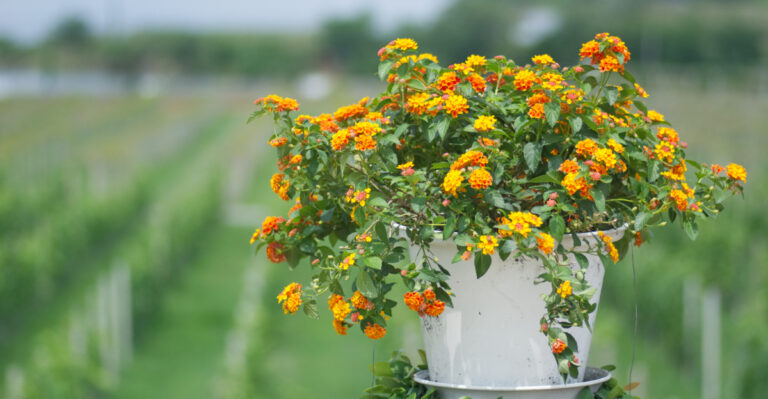
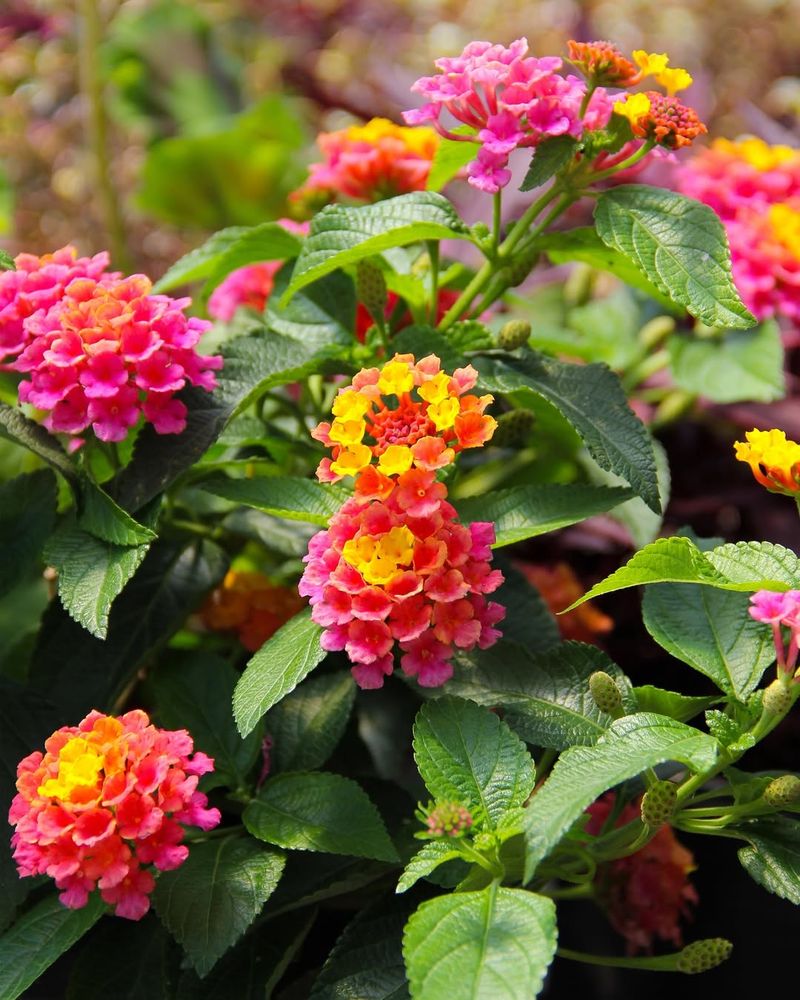
Marigolds keep flowering through June and July if given afternoon shade. Lantana thrives in full desert sun and attracts butterflies all season long.
Portulaca spreads across container tops with cheerful flowers that open in morning light. Celosia adds bold color and interesting texture while laughing at heat that would flatten other annuals.
Gomphrena produces papery globe-shaped blooms that hold up beautifully in hot, dry air.
Timing matters more than most gardeners realize. Plants already heat-stressed struggle to establish new roots.
Make changes while spring annuals still look decent but before they’re completely cooked. This gives new plants time to settle in before peak heat arrives.
Water new transplants deeply right after planting, then keep soil evenly moist for the first week. Arizona’s low humidity pulls moisture from leaves faster than plants can replace it initially.
Once roots spread into surrounding soil, heat-tolerant annuals need far less fussing than their cool-season cousins ever did.
2. Replace Cool-Season Petunias With Vinca For Extreme Heat
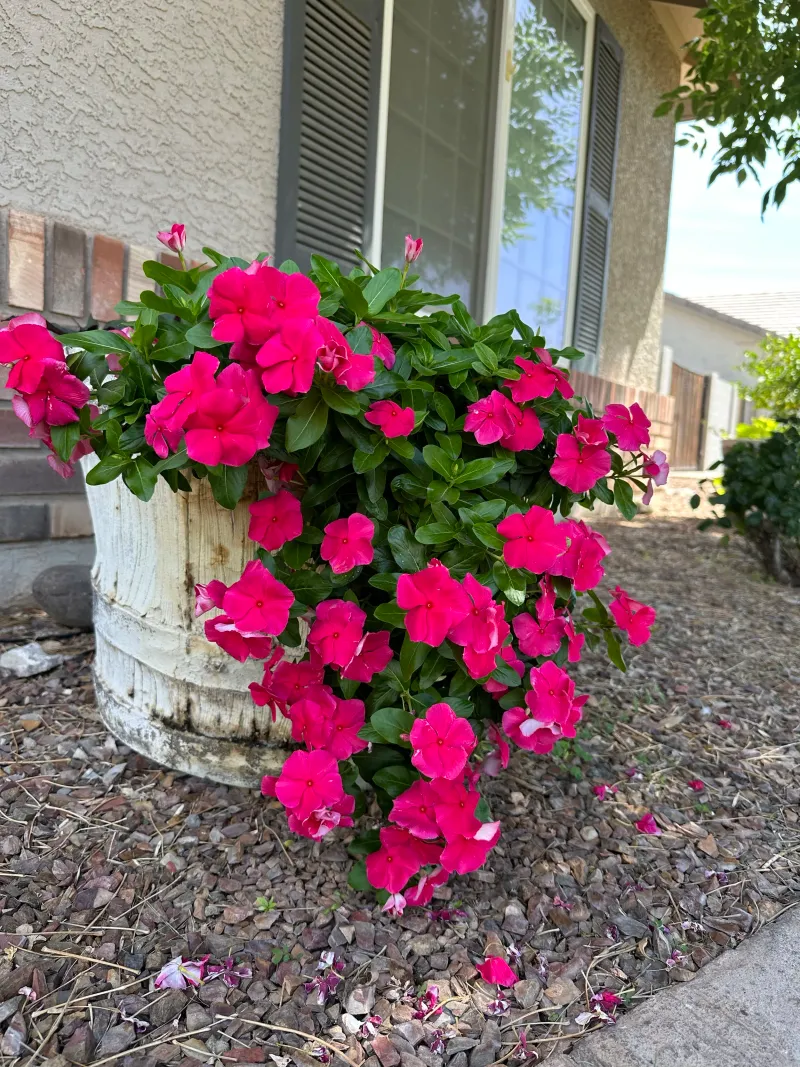
Petunias put on a spectacular spring show across Arizona, but they weren’t bred for desert summers. By late May, even with daily watering, petunia leaves start looking sticky and flowers get smaller.
The plants stretch out, stems get leggy, and the whole container looks scraggly instead of full.
Vinca offers everything petunias provide without the summer meltdown. The flowers look similar enough that most people don’t notice the switch.
Glossy green leaves stay crisp and healthy even when temperatures push past 105 degrees. Blooms keep coming steadily instead of slowing down during the hottest weeks.
Pull out tired petunias completely rather than trying to revive them with fertilizer or extra water. Their root systems shut down in extreme heat regardless of care.
Vinca plants establish quickly in warm soil, so late spring is actually an ideal planting time for them in Arizona.
Choose vinca varieties in white, pink, purple, or red to match your color scheme. Space plants about eight inches apart in containers so they fill in without crowding.
They tolerate both morning sun with afternoon shade and full sun locations, though a bit of shade helps flowers last longer.
Water vinca when the top inch of soil feels dry. These plants handle brief dry spells better than constant moisture.
Feed monthly with diluted liquid fertilizer to keep blooms coming. Vinca keeps containers looking fresh and colorful straight through September in most Arizona locations.
3. Add Mulch To Container Tops To Reduce Soil Temperature
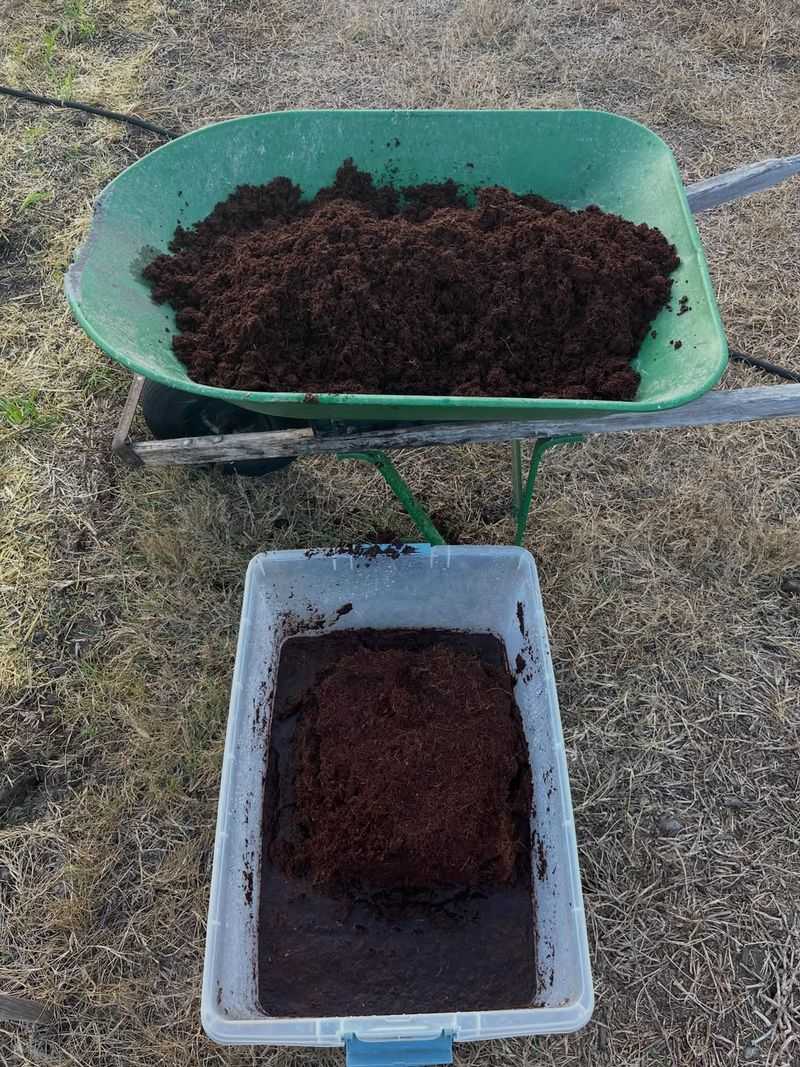
Bare soil in containers heats up fast under Arizona sun. Dark potting mix can reach temperatures that literally cook plant roots near the surface.
Roots stop growing, water evaporates quickly, and plants show stress even when the container isn’t actually dry.
Spread a two-inch layer of mulch across the soil surface in every container. Light-colored materials work better than dark bark in extreme heat.
Pea gravel reflects sunlight and keeps soil cooler. Shredded wood mulch insulates roots from temperature swings between day and night.
Leave a small gap between mulch and plant stems to prevent rot. Mulch touching stems in constantly moist conditions can cause problems, especially with succulents and herbs.
The goal is protecting soil, not smothering plants.
Mulched containers need less frequent watering because moisture doesn’t evaporate as quickly from the soil surface. You’ll notice the difference within days of adding mulch.
Plants perk up, and you’re not running outside twice daily to water.
Refresh mulch as it breaks down or gets mixed into soil. Organic mulches decompose faster in Arizona heat than in cooler climates.
Check containers every few weeks and add more material as needed to maintain that protective layer.
Decorative stones or tumbled glass work well for containers near patios where appearance matters. These materials last indefinitely and don’t need replacing.
Just avoid placing dark stones in full sun containers since they’ll absorb and hold heat rather than reflecting it.
4. Move Pots To Morning Sun And Afternoon Shade By Late May
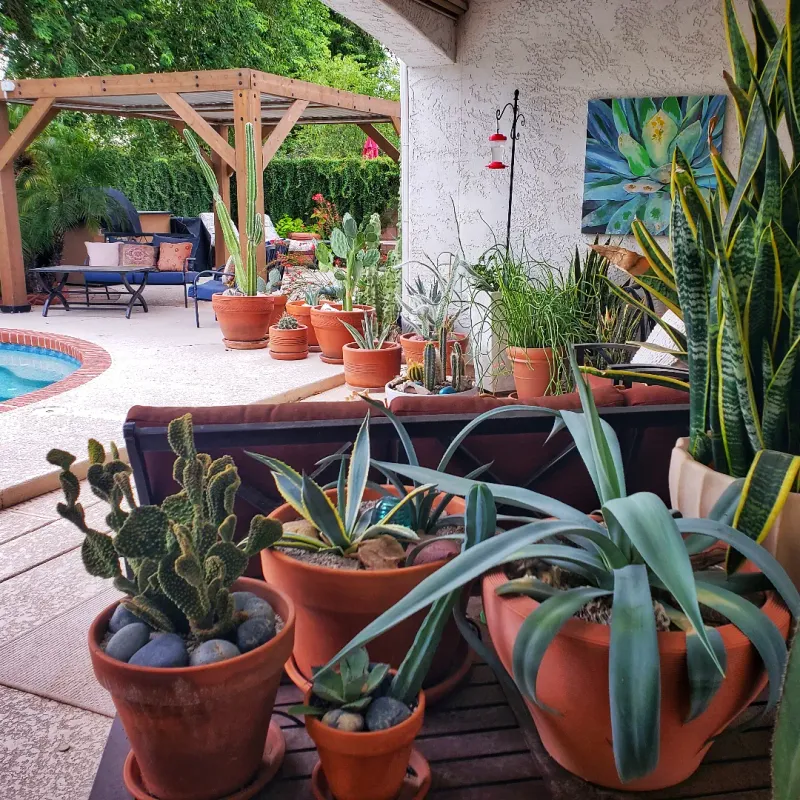
Full sun in March means something completely different than full sun in June across Arizona. Spring sunshine encourages growth and blooms.
Summer sun from noon to five o’clock burns leaves and stresses even tough desert plants in containers.
Relocate portable containers before the heat becomes unbearable. Spots that get bright morning light until about one o’clock, then shade for the rest of the afternoon, work perfectly for most container plants through summer.
East-facing patios, areas under ramadas, or spaces beside walls that block western sun all provide this ideal lighting.
Plants adjust quickly to their new location if moved before stress becomes severe. Wait too long, and struggling plants may not recover even in better conditions.
Late May is the sweet spot in most Arizona areas for making this transition.
Heavy containers that can’t be moved easily can get temporary shade from patio umbrellas, shade cloth panels, or even a strategically placed outdoor chair. The goal is blocking that intense afternoon sun without creating complete darkness.
Plants still need good light to keep growing and flowering.
Watch how shade patterns shift as the sun angle changes through summer. A spot with perfect afternoon shade in May might be fully exposed by July as the sun moves higher in the sky.
Adjust container positions as needed rather than assuming one location will work all season.
Don’t move containers into deep, all-day shade unless you’re growing ferns or other shade lovers. Most flowering plants need at least four to six hours of bright light daily to bloom well.
5. Upgrade To Larger Containers To Prevent Fast Soil Drying
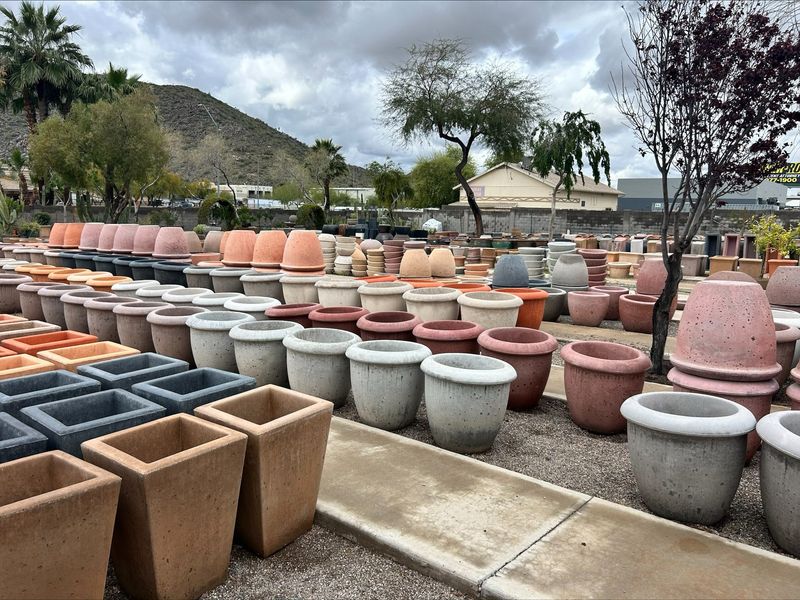
Small containers dry out ridiculously fast when Arizona temperatures soar. A six-inch pot that held moisture for two days in April might need water twice daily by June.
Roots fill small spaces quickly, leaving little room for soil that holds water reserves.
Transplant spring containers into pots at least two inches wider and deeper before summer heat peaks. Larger soil volume means more water storage between waterings.
Roots have room to spread instead of circling in cramped quarters. Plants handle heat stress better when they’re not also dealing with tight root spaces.
Choose containers that are large but not enormous. Jumping from a six-inch pot to an eighteen-inch container puts too much wet soil around small root systems.
Roots can rot in constantly moist conditions they can’t use quickly. Going up one or two sizes at a time works better.
Terracotta pots look beautiful but dry out faster than plastic or glazed ceramic containers. If you love the terracotta look, consider using plastic pots as liners inside decorative terracotta ones.
This gives you the appearance you want with better moisture retention.
Add fresh potting mix when transplanting rather than reusing old, compacted soil from smaller pots. Quality potting mix with moisture-holding materials helps containers go longer between waterings.
Mix in a bit of compost for nutrients but avoid heavy garden soil that doesn’t drain well in containers.
Water thoroughly after transplanting to eliminate air pockets around roots. Larger containers take longer to water properly, so slow, steady watering works better than quick splashes.
6. Mix In Slow-Release Fertilizer Before Summer Growth Spikes
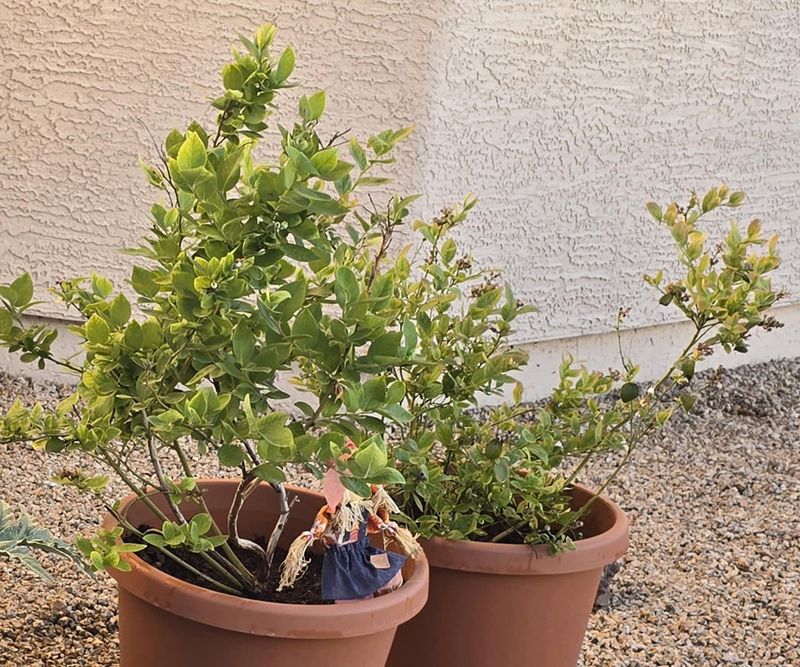
Container plants can’t send roots into surrounding ground to find nutrients. They depend entirely on what’s available in their limited soil.
Spring growth uses up nutrients quickly, and summer heat accelerates plant metabolism even more. Plants run out of food just when they need it most.
Work slow-release fertilizer into the top few inches of container soil in late spring. Choose products that feed plants for three to four months rather than quick-release types that wash away with frequent watering.
Granules release nutrients gradually as soil temperatures warm and plants actively grow.
Follow package directions carefully because more isn’t better with fertilizer. Excess nutrients in containers have nowhere to go and can build up to harmful levels.
Arizona’s hard water already adds minerals to soil, so plants need less supplemental feeding than the same plants would in other regions.
Organic slow-release options like composted chicken manure or worm castings work well for containers. These materials feed soil microbes along with plants, improving overall soil health.
They’re also harder to overuse than synthetic fertilizers.
Skip fertilizing plants that look stressed from heat. Wait until they’re growing actively again in slightly cooler conditions.
Pushing stressed plants with fertilizer makes problems worse rather than helping. Healthy, actively growing plants use nutrients effectively.
Struggling plants just get more stressed.
Containers with multiple plants need more frequent feeding than single-plant pots. Several root systems competing for nutrients in the same soil deplete resources faster.
Plan to supplement slow-release fertilizer with occasional liquid feeding during peak growing times if containers look less vigorous than expected.
7. Install Simple Drip Emitters To Maintain Even Moisture
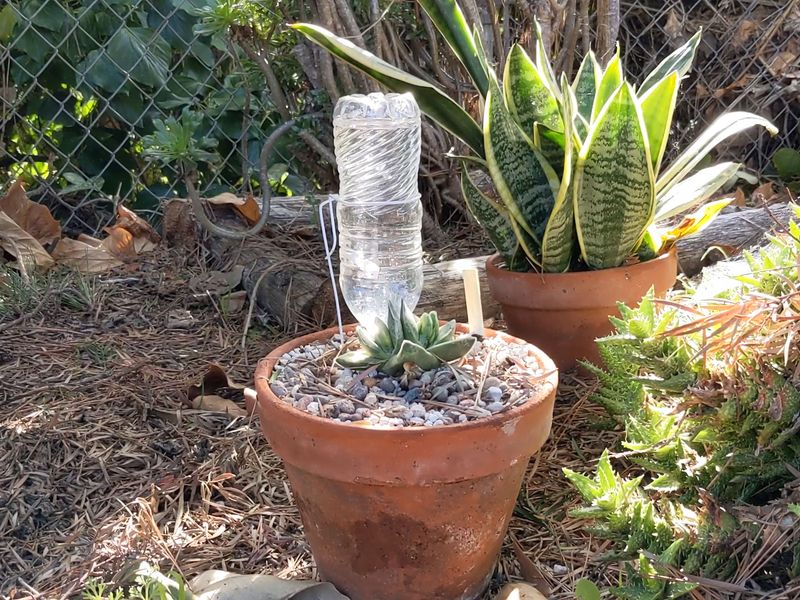
Hand watering containers works fine in spring when plants need water every few days. Summer is a different story.
Daily watering becomes twice-daily watering, then you’re outside three times a day trying to keep up. Miss one watering when it’s 110 degrees, and plants wilt badly.
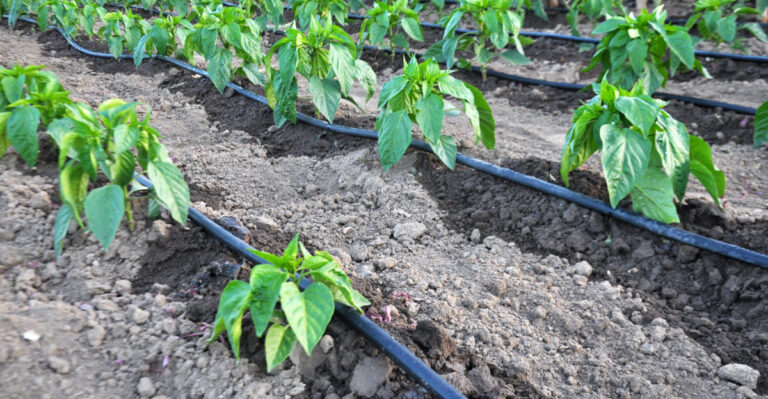
Simple drip systems take the guesswork and daily effort out of container watering. Individual emitters deliver steady moisture directly to each pot’s root zone.
Plants get consistent water without the feast-or-famine cycle of hand watering. You’re not tied to a watering schedule that controls your whole day.
Basic drip kits designed for container gardens cost less than most people expect. The systems connect to outdoor faucets with timers that control when and how long water runs.
Emitters adjust to deliver different amounts for different sized containers. Installation takes an afternoon, not professional help.
Run drip lines before summer heat arrives so you’re not setting up systems when it’s already miserable outside. Test the system for a few days while you’re still hand watering to make sure every container gets adequate moisture.
Adjust emitter flow rates or timer settings as needed.
Check emitters weekly to make sure they haven’t clogged with mineral deposits from hard Arizona water. Clean or replace clogged emitters promptly so plants don’t suffer from missed waterings.
Add a simple filter to your system if clogging becomes a frequent problem.
Drip irrigation doesn’t mean ignoring containers completely. Walk through and check plants regularly.
Adjust watering schedules as temperatures change and as plants grow larger or smaller through the season.
8. Trim Back Spring Growth To Reduce Heat Stress
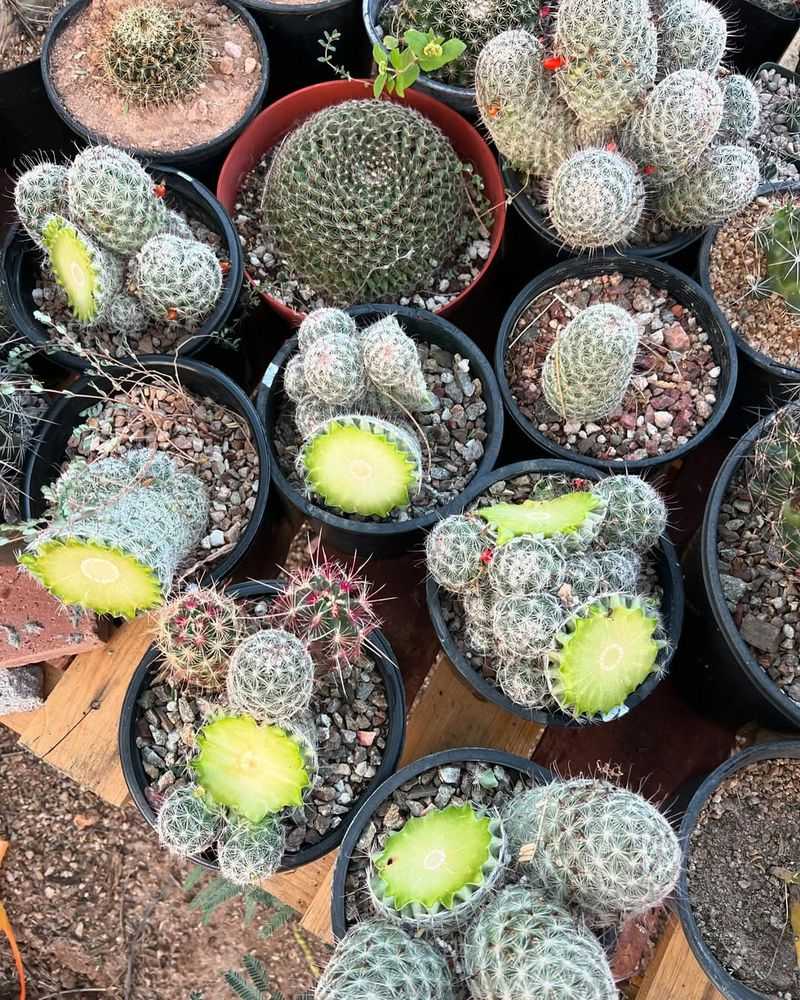
Plants that grew lush and full during mild spring weather struggle to support all that growth once heat intensifies. Large leaf surfaces lose moisture faster than roots can replace it.
Stems get stressed trying to move water to far-reaching branches. The whole plant suffers even though it looked perfect weeks earlier.
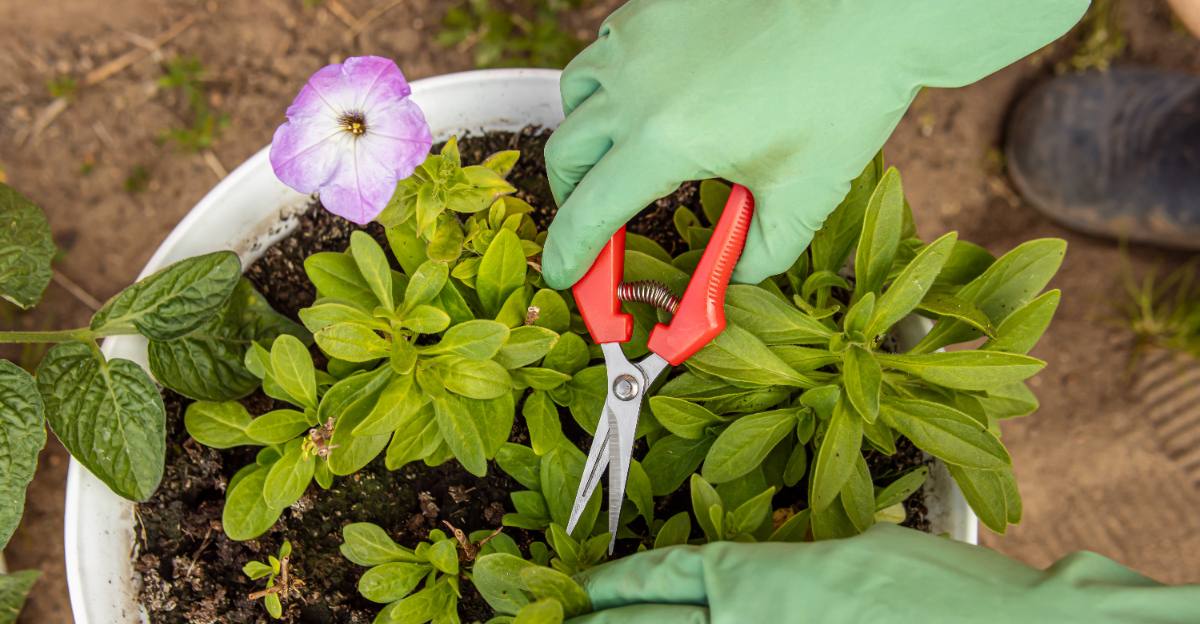
Cut back rangy growth by about one-third in late spring before temperatures regularly exceed 100 degrees. Remove the longest stems and any branches that look leggy or weak.
Shape plants into more compact forms that require less water and energy to maintain. This seems counterintuitive, but smaller plants handle summer better than overgrown ones.
Use clean, sharp pruning shears to make cuts just above leaf nodes or branch junctions. Ragged cuts or stems cut in the wrong places invite problems.
Take off enough growth to make a difference but don’t scalp plants down to bare stems.
Trim flowering plants right after a bloom cycle finishes rather than cutting off buds or open flowers. Many heat-tolerant annuals respond to pruning by branching and producing even more blooms once they recover.
You get better flowers and healthier plants from strategic trimming.
Herbs benefit tremendously from regular trimming through summer. Basil, oregano, and mint stay bushier and more productive when you harvest frequently.
Let herbs get tall and lanky, and they focus energy on flowering and setting seed instead of producing the leaves you actually want.
Dispose of trimmings rather than composting them if you’ve noticed any pest or disease issues. Healthy trimmings can go into compost, but don’t risk spreading problems.