These 7 Simple Methods Protect Pots And Planters From Frost In Oregon
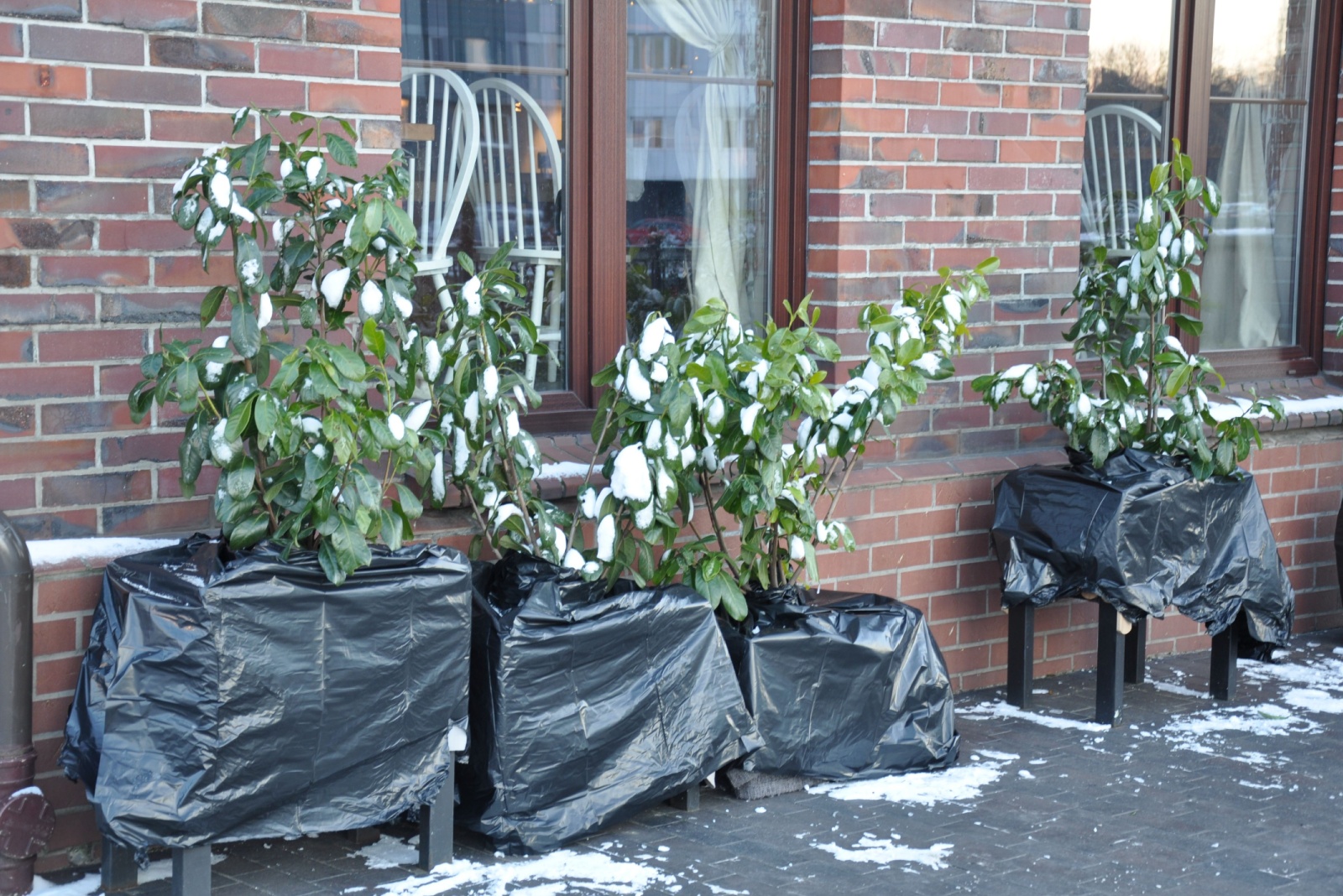
Oregon gardeners know that frost can arrive without much warning, especially during shoulder seasons.
Potted plants face greater risk than those in the ground, since cold reaches roots faster in containers.
One sharp night can undo months of care.
Oregon’s climate varies by region, yet sudden temperature drops remain common statewide.
Simple protection methods make a major difference and require little expense.
Strategic placement, insulation, and timely action help plants weather cold spells with less stress.
Many homeowners rely on techniques that fit busy routines and unpredictable forecasts.
With the right precautions, pots and planters stay resilient instead of fragile.
Thoughtful preparation keeps favorite plants healthy and ready once mild weather returns.
1. Move Containers To Sheltered Locations
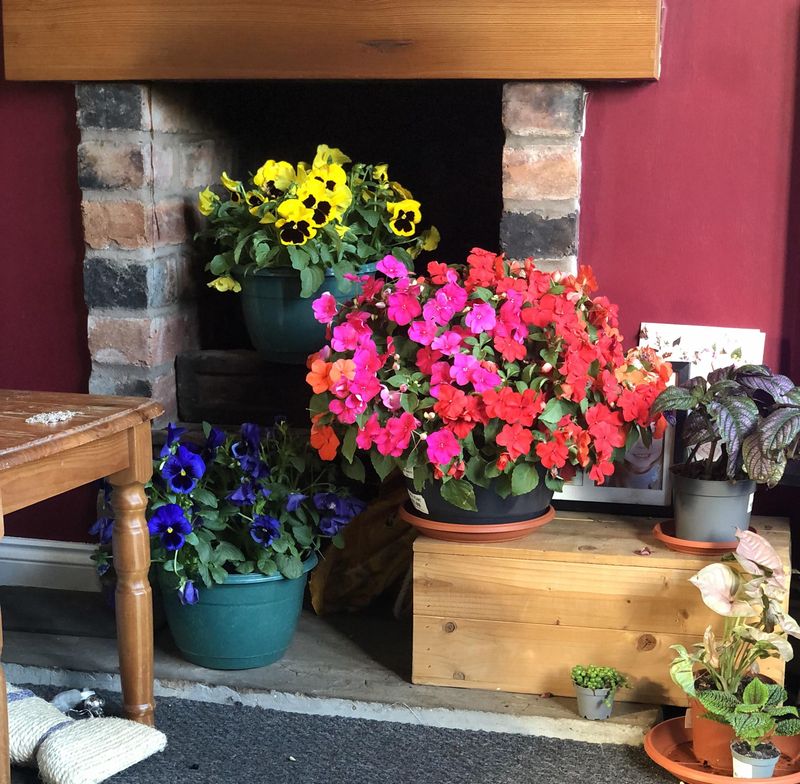
Relocating your pots and planters to protected spots can make a huge difference when frost threatens.
Positioning containers near your house foundation, under eaves, or on a covered porch creates a warmer microclimate that shields plants from the worst cold.
Buildings radiate stored heat throughout the night, and this warmth can raise temperatures around your plants by several crucial degrees.
South-facing walls offer the best protection because they absorb the most daytime sun and release that warmth slowly.
Garages, sheds, or unheated mudrooms also work well for tender plants during extreme cold snaps.
Just remember that plants still need some light, so avoid leaving them in complete darkness for extended periods.
Moving heavy containers might seem like a chore, but placing them on wheeled plant caddies makes the job much easier.
You can roll them to safety quickly when weather forecasts predict frost.
This method works especially well for valuable or sensitive plants that cannot tolerate any freezing temperatures.
Even moving containers just a few feet closer to your home can provide enough protection to prevent frost damage during mild freezes.
2. Wrap Pots With Insulating Materials
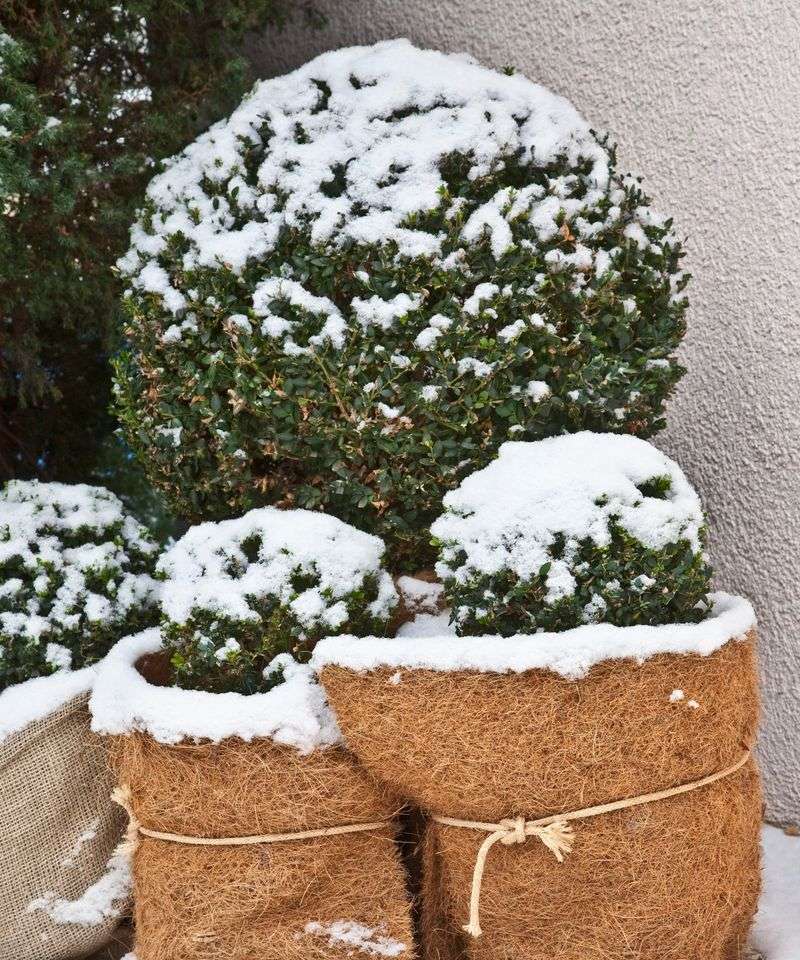
Burlap, bubble wrap, old blankets, or even layers of newspaper can transform your containers into cozy frost-resistant homes for plants.
The key is trapping air between the pot and the wrapping material, creating an insulating barrier that slows heat loss.
Start by wrapping the container sides from top to bottom, securing the material with twine, rope, or large rubber bands.
Bubble wrap works particularly well because those air pockets provide excellent insulation, and the material is waterproof too.
For extra protection, you can wrap multiple layers or combine different materials together.
Burlap offers a more attractive option that blends naturally into garden settings while still providing solid insulation.
Remember to leave the top open so your plants can still receive light and air circulation.
This method protects the root zone, which is the most vulnerable part of container plants during freezing weather.
Ceramic and terra cotta pots benefit especially from wrapping because these materials can crack when water inside them freezes and expands.
You can leave wrapping in place throughout winter or apply it only when frost is forecast.
3. Group Plants Together For Mutual Warmth
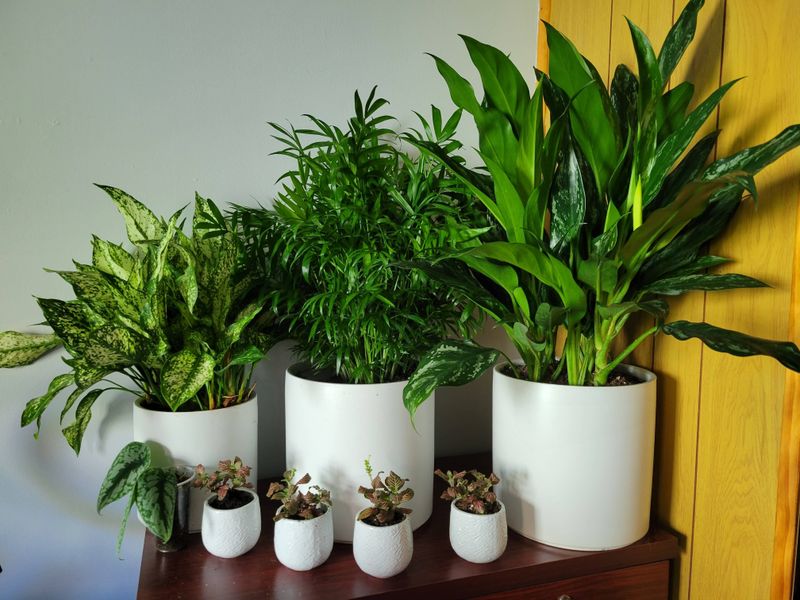
Clustering your containers creates a surprisingly effective defense against freezing temperatures through shared warmth and wind protection.
When plants sit close together, they create their own little ecosystem where moisture and heat get trapped between them.
This grouping strategy works because each plant releases small amounts of warmth through respiration, and together they maintain slightly higher temperatures than isolated containers would.
Position larger, hardier plants on the outside of your cluster to shield more delicate specimens in the center.
The outer plants act as a windbreak, reducing the wind chill factor that can intensify frost damage.
You can enhance this method by placing your grouped containers against a wall or in a corner where two walls meet.
This arrangement provides additional shelter and reflects warmth back toward your plants.
Grouping also makes other protection methods more efficient—you can drape one large blanket or tarp over an entire cluster instead of covering each pot individually.
During extreme cold, fill spaces between pots with dry leaves, straw, or crumpled newspaper for extra insulation.
This simple technique requires no materials or money, just a bit of rearranging.
4. Apply Mulch To Container Surfaces
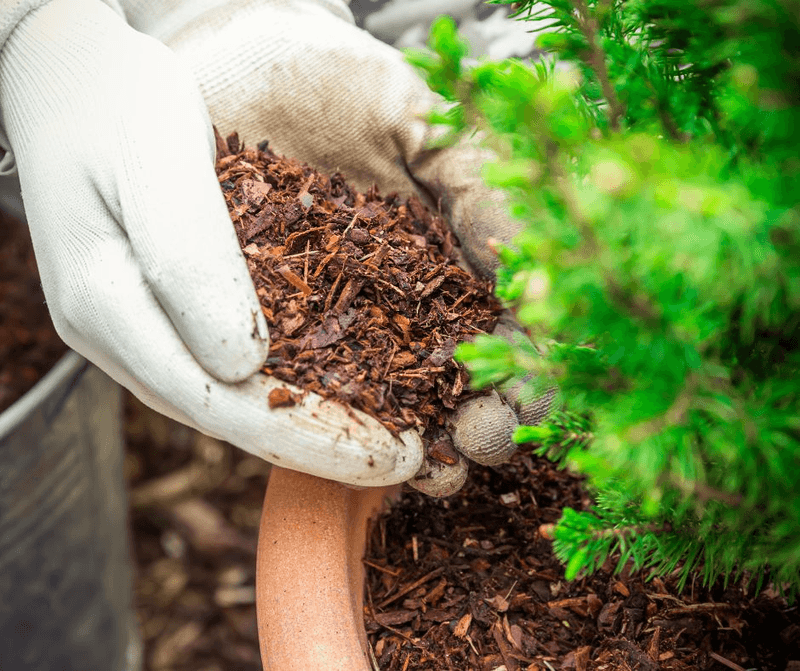
Adding a thick blanket of mulch on top of the soil in your pots creates an insulating layer that protects roots from temperature swings.
Straw, shredded bark, pine needles, or dried leaves all work wonderfully as mulching materials for container gardens.
Aim for a layer about two to three inches deep, which is thick enough to provide meaningful insulation without smothering your plants.
Mulch works by trapping air pockets and slowing the rate at which soil temperatures change.
During cold nights, this barrier prevents heat from escaping the soil quickly, keeping root zones warmer longer.
Organic mulches also break down slowly over time, adding nutrients to your potting mix as a bonus benefit.
Make sure to keep mulch pulled back slightly from plant stems to prevent moisture buildup that could cause rot.
This method combines perfectly with other protection strategies—you can mulch and wrap your pots for double the defense.
In spring, you can simply work the mulch into the soil or remove it and add it to your compost pile.
Mulching is particularly valuable for perennials that will stay in containers throughout winter and need consistent root protection.
5. Use Frost Cloth Or Row Covers
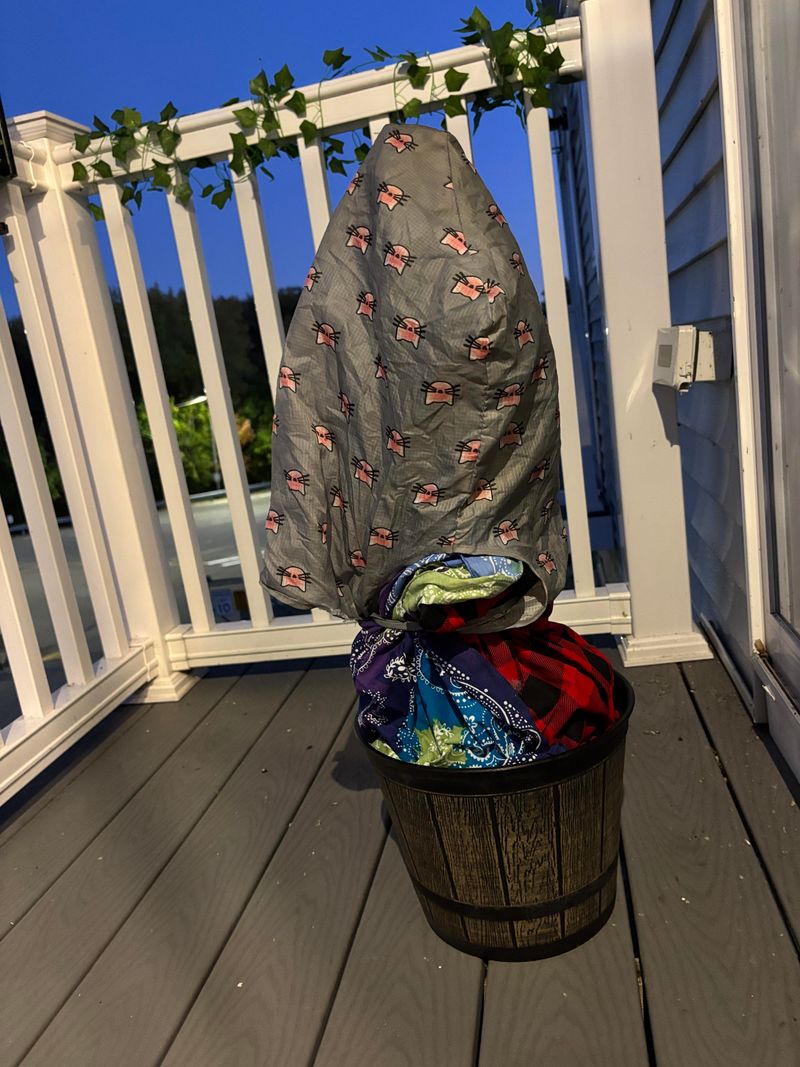
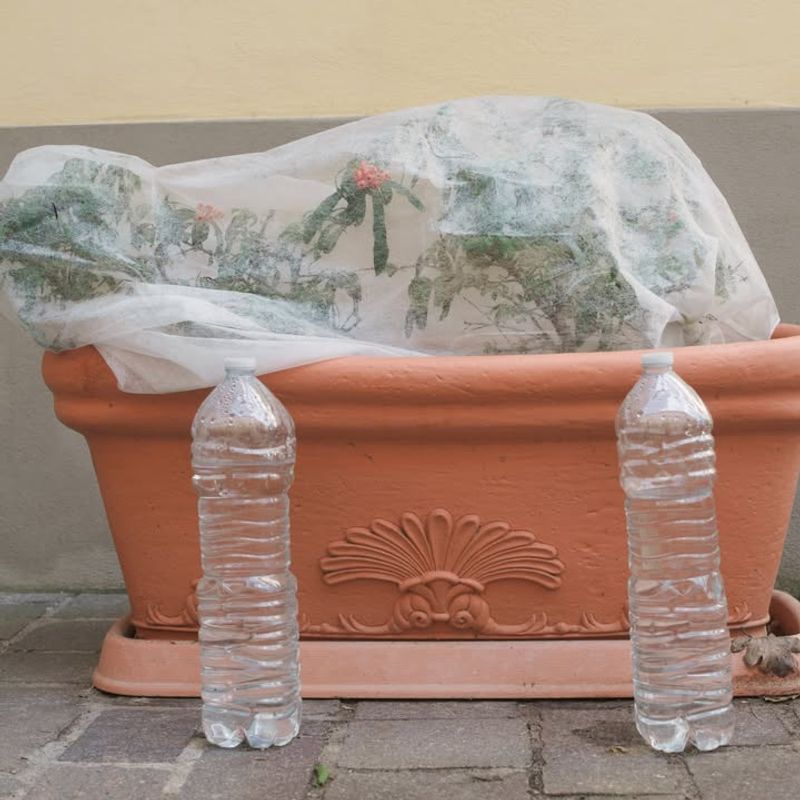
Frost cloth, also called floating row cover or garden fabric, offers professional-grade protection that is still simple for home gardeners to use.
This lightweight, breathable material allows water and light to pass through while trapping warmth around your plants.
Unlike plastic sheeting, frost cloth does not need to be removed daily because plants can breathe and photosynthesize right through it.
Drape the fabric loosely over your containers, allowing it to rest gently on foliage without crushing delicate leaves.
Secure the edges with rocks, bricks, or landscape staples to prevent wind from blowing the cover away.
Frost cloth typically provides protection down to about 28 degrees Fahrenheit, though heavier weights offer even more defense.
You can purchase this material at garden centers or online in various sizes to fit your container collection.
One piece of frost cloth lasts for several seasons if you store it properly when not in use.
For extreme cold events, layer two pieces of frost cloth or combine it with other methods for maximum protection.
This option works beautifully for larger container collections where individual wrapping would be too time-consuming.
6. Water Plants Before A Freeze
It might sound backward, but moist soil actually protects plants better than dry soil when temperatures drop below freezing.
Water holds heat much more effectively than air, so damp soil releases warmth slowly throughout the night.
Plan to water your containers thoroughly during the afternoon before a predicted frost, giving the soil time to absorb moisture before temperatures fall.
The water molecules release latent heat as they transition from liquid to ice, and this energy release helps moderate soil temperature.
Dry soil, on the other hand, cools rapidly and provides little thermal protection for roots.
This method works best when combined with other strategies rather than as a standalone solution.
Be careful not to overwater—soggy, waterlogged soil can cause root problems, so aim for evenly moist conditions.
Check soil moisture by sticking your finger about an inch deep; if it feels dry, add water.
This technique is especially important for evergreen plants in containers, which continue losing moisture through their leaves even in winter.
Avoid watering in the evening or after dark, as wet foliage combined with freezing temperatures can actually increase frost damage to leaves and stems.
7. Elevate Containers Off Cold Ground
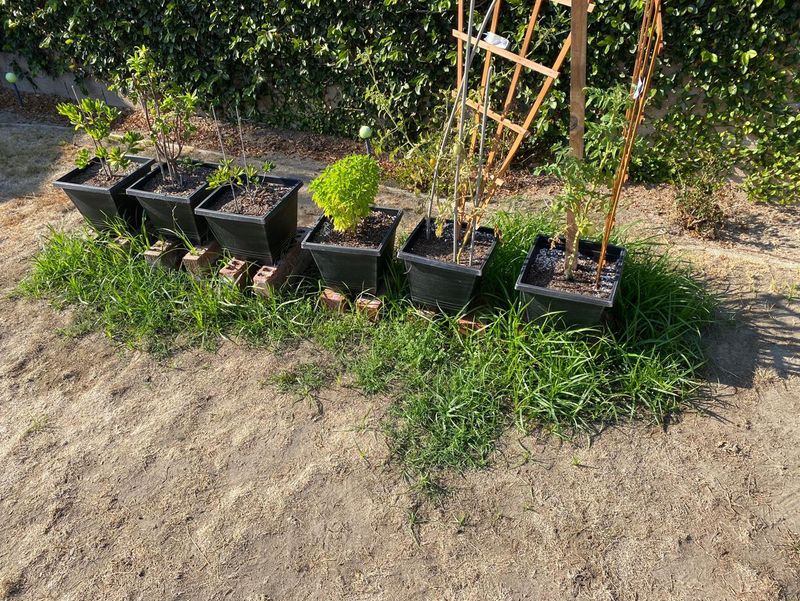
Raising your containers even just a few inches off the ground prevents them from sitting directly on frozen surfaces that suck heat away.
Cold concrete patios, stone pavers, and frozen earth act like heat sinks, rapidly drawing warmth out of pot bottoms and chilling root systems.
Pot feet, bricks, wooden blocks, or overturned saucers all work perfectly to create an air gap between containers and cold surfaces.
This air space provides insulation and also improves drainage, preventing water from pooling at the bottom where it could freeze.
Better drainage means healthier roots overall, which helps plants withstand cold stress more effectively.
Ceramic and terra cotta pots especially benefit from elevation because it reduces the risk of cracking from freeze-thaw cycles.
When moisture freezes in the pot material itself, expansion can cause cracks that ruin your favorite containers.
You can find decorative pot feet in various styles, or simply use whatever you have on hand—even old wood scraps work fine.
Position three or four supports evenly under each pot to keep it stable and level.
This simple adjustment takes just minutes but provides protection throughout the entire winter season without any additional effort.