These Simple Steps Keep Geraniums Flowering From Spring To Fall In Georgia
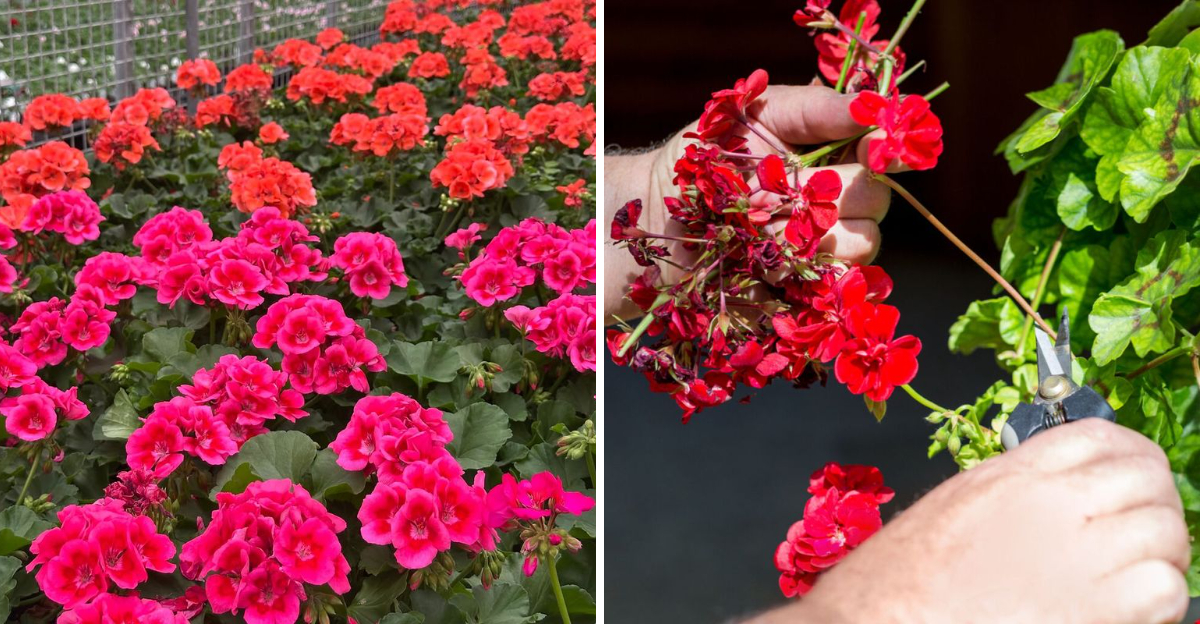
Geraniums can look full and promising early in the season, then start to lose strength just when Georgia heat and humidity begin to build. Blooms slow down, stems stretch, and the plant can shift from vibrant to uneven faster than expected.
Strong flowering over a long season does not come from luck. Small care choices shape how the plant performs once conditions become more demanding, and those details often get overlooked at the start.
Healthy plants keep their color, hold a compact shape, and continue to produce blooms without constant replacement. Weak ones fade early and never quite recover their form.
Keeping geraniums consistent from spring through the hotter months comes down to a few key steps that make a clear difference once the season moves forward.
1. Start With Full Sun To Keep Blooms Coming Strong
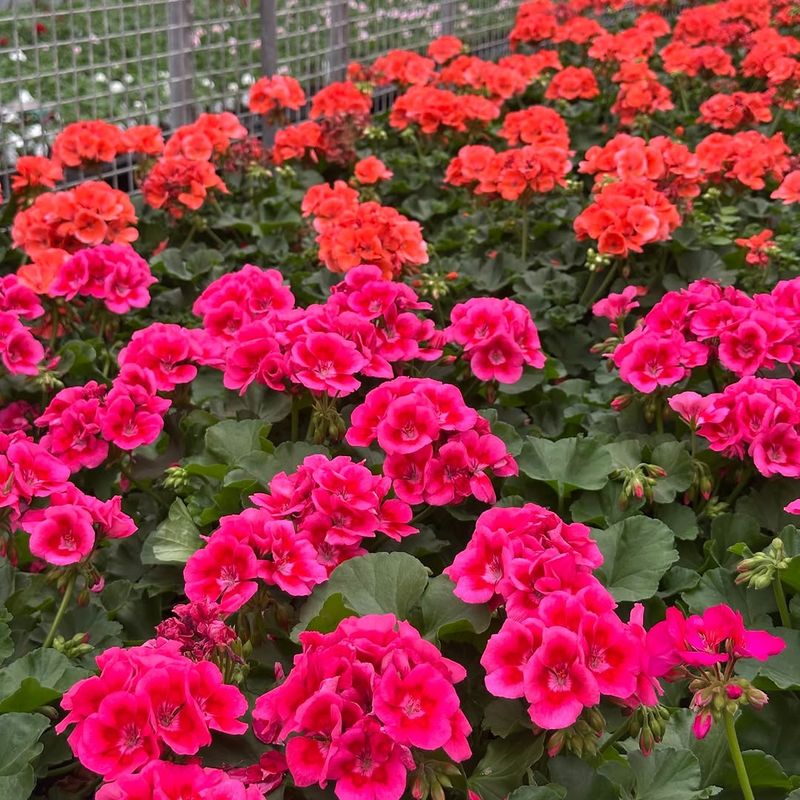
Sunlight is not optional for geraniums. Plants that sit in too much shade tend to stretch toward whatever light they can find, and the flower count drops fast.
In Georgia, aim for at least six hours of direct sun each day, and morning sun with some afternoon relief tends to work well during the hottest weeks of summer.
South and east-facing spots are usually solid choices. A south-facing bed gets strong light most of the day, while an east-facing spot gives plants a gentler start and some protection from the harsh late-afternoon heat that Georgia summers are known for.
Either way, consistent sun exposure is what drives steady bloom production.
Container growers have a real advantage here. Pots can be moved around as the season shifts, which means you can chase the best light without replanting.
Just pay attention to how the sun angle changes from April through October in Georgia, because it does shift noticeably. A spot that works great in May might get too much shade by September as trees leaf out fully.
Check your placement every few weeks and adjust if the bloom output starts to slow down. Healthy sun exposure keeps energy moving through the plant and supports the kind of consistent flowering that makes geraniums worth growing across a full Georgia season.
2. Water When The Top Layer Dries To Avoid Stress
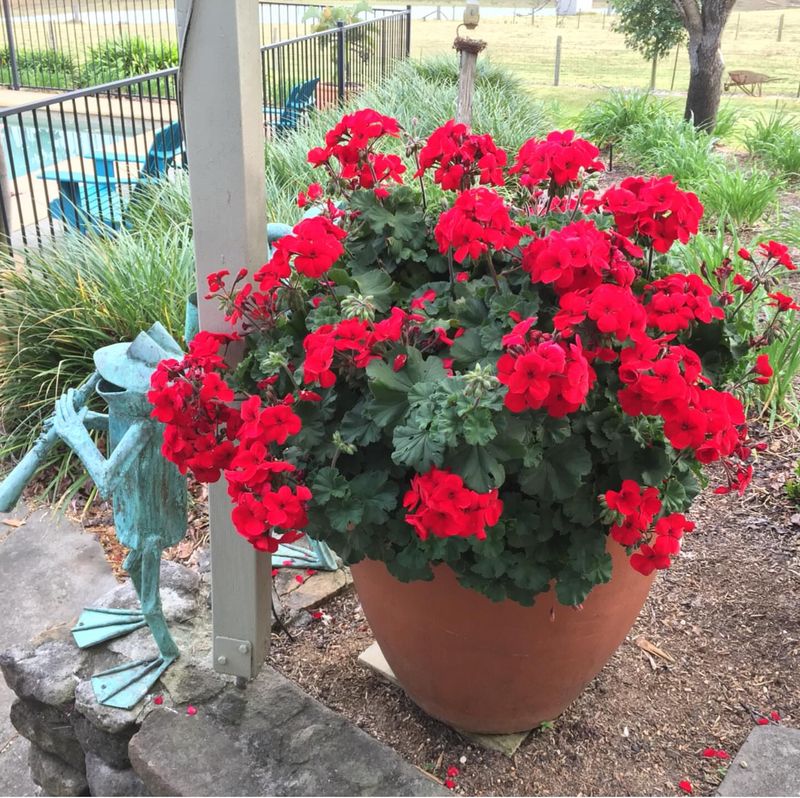
Overwatering is one of the most common mistakes with geraniums, and Georgia’s humidity makes it even easier to misjudge. Roots sitting in soggy soil for too long will struggle, and the plant puts its energy into survival rather than flowering.
Before you water, press a finger about an inch into the soil. If it feels dry at that depth, go ahead and water thoroughly.
Deep watering is better than frequent shallow watering. When you water deeply, roots are encouraged to grow downward, which builds a stronger plant overall.
Shallow watering keeps roots close to the surface, where they are more vulnerable to Georgia’s summer heat. Water at the base of the plant rather than overhead to keep foliage dry, which also helps reduce the chance of fungal problems.
Container geraniums dry out faster than in-ground plants, especially during Georgia’s hot spells in July and August.
A pot sitting on a sunny porch might need water every day during a heat wave, while the same plant in a garden bed could go three or four days between waterings.
Season and weather both matter. Rainy stretches in spring or fall mean you can back off significantly.
Pay attention to what the soil is actually telling you rather than sticking to a fixed schedule. Adjusting your watering habits based on real conditions rather than the calendar leads to healthier plants and more consistent blooms across the season.
3. Remove Spent Blooms To Encourage Continuous Flowering
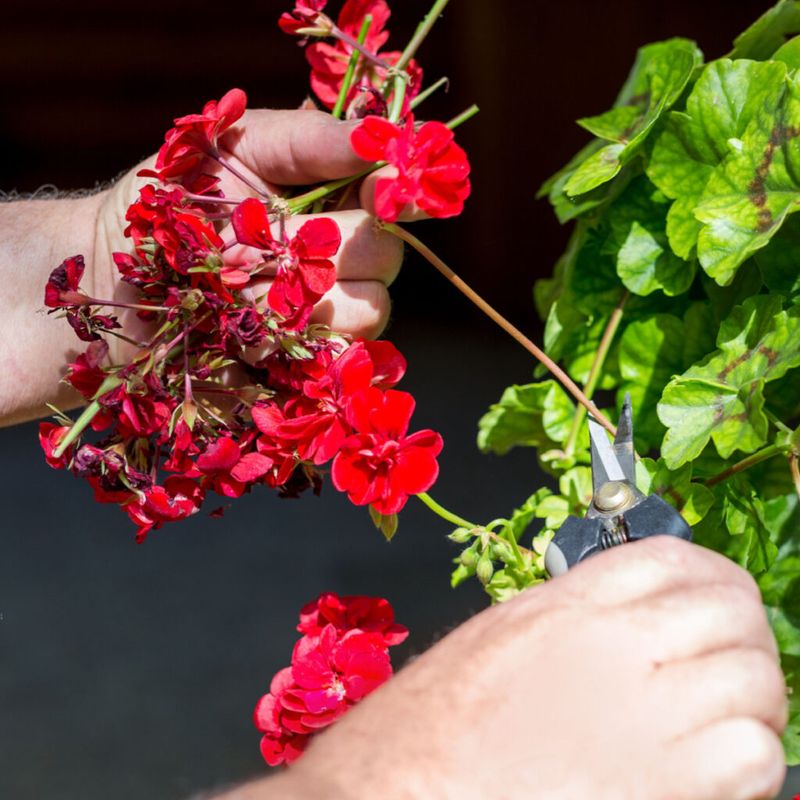
Spent blooms left on the plant send a signal that the job is done. Geraniums, like most flowering plants, are wired to produce seeds after flowering, and once that process kicks in, new bud production slows down noticeably.
Removing those finished flower clusters before they go to seed tells the plant to keep pushing out fresh blooms instead.
Deadheading does not need to be a big production. A few minutes every few days is enough to stay ahead of it.
Pinch or snip the entire flower stem back to where it meets a leaf node rather than just pulling off the dried petals. Leaving a bare stem behind does not help the plant and can invite issues.
Clean cuts with a pair of small snips or even your fingernails work fine for most varieties.
In Georgia, geraniums tend to bloom heavily in spring, slow a bit during the hottest part of summer, and then pick back up again in early fall when temperatures ease off. Consistent deadheading through all three of those phases keeps the plant in active mode.
Even during the summer slowdown, removing old blooms helps the plant stay tidy and conserves energy for when conditions improve.
Some gardeners skip this step during July heat thinking it does not matter much, but staying consistent pays off when September arrives and the plant rebounds.
Regular removal of spent flowers is one of the simplest habits that directly supports longer bloom periods across Georgia’s growing season.
4. Feed Lightly During Active Growth To Support More Buds
Geraniums are not heavy feeders, and throwing too much fertilizer at them actually backfires. An overdose of nitrogen pushes lush green growth at the expense of flowers.
What you want is a balanced fertilizer that supports both foliage health and bud development without tipping the plant too far in one direction.
A balanced slow-release granular fertilizer applied every four to six weeks during the growing season covers the basics well.
Some gardeners in Georgia prefer a water-soluble fertilizer applied every two to three weeks at half strength, which gives more control over the amount going into the soil.
Both approaches can work depending on your setup and how closely you want to manage feeding.
Feeding timing matters as much as the product itself. Spring is when plants are actively pushing new growth and setting buds, so that is a good time to start a regular feeding schedule.
Through the hottest weeks of summer, geraniums naturally slow down, and feeding less during that period makes sense. Pushing fertilizer on a heat-stressed plant does not speed up blooming.
When temperatures ease in late August and September across Georgia, resume a light feeding schedule to support the fall flush of blooms that geraniums are capable of producing. Stop feeding in late October as the season winds down.
Consistent, moderate feeding through the right windows of the growing season gives plants what they need without overwhelming them or pushing growth in the wrong direction.
5. Use Well-Drained Soil To Prevent Root Problems
Geranium roots need air as much as they need water. Compact, heavy soil that holds moisture too long creates conditions where roots cannot function properly, and the plant’s ability to take up nutrients and water gets compromised.
Georgia has a lot of clay-heavy soil, particularly in the Piedmont region, and working with that clay without amending it usually leads to problems with moisture retention.
Improving drainage does not require a full garden overhaul. Mixing perlite and compost into existing soil before planting helps loosen heavy clay and creates better air pockets around the roots.
Raised beds are another practical option that many Georgia gardeners use because they allow full control over the soil mix from the start. A mix of quality potting soil, compost, and perlite in a raised bed gives geraniums conditions they respond well to.
Container planting also sidesteps clay soil issues entirely, which is part of why geraniums are so popular on Georgia porches and patios. When using containers, make sure pots have adequate drainage holes and that water flows freely through when you irrigate.
Saucers that collect standing water under pots can be just as problematic as waterlogged garden beds. Empty them after heavy rain or watering sessions.
Checking drainage regularly, especially after Georgia’s spring rain events, keeps roots in good shape and reduces the risk of the root problems that often cause plants to stop blooming or decline before the season ends.
6. Trim Leggy Growth To Keep Plants Compact And Blooming
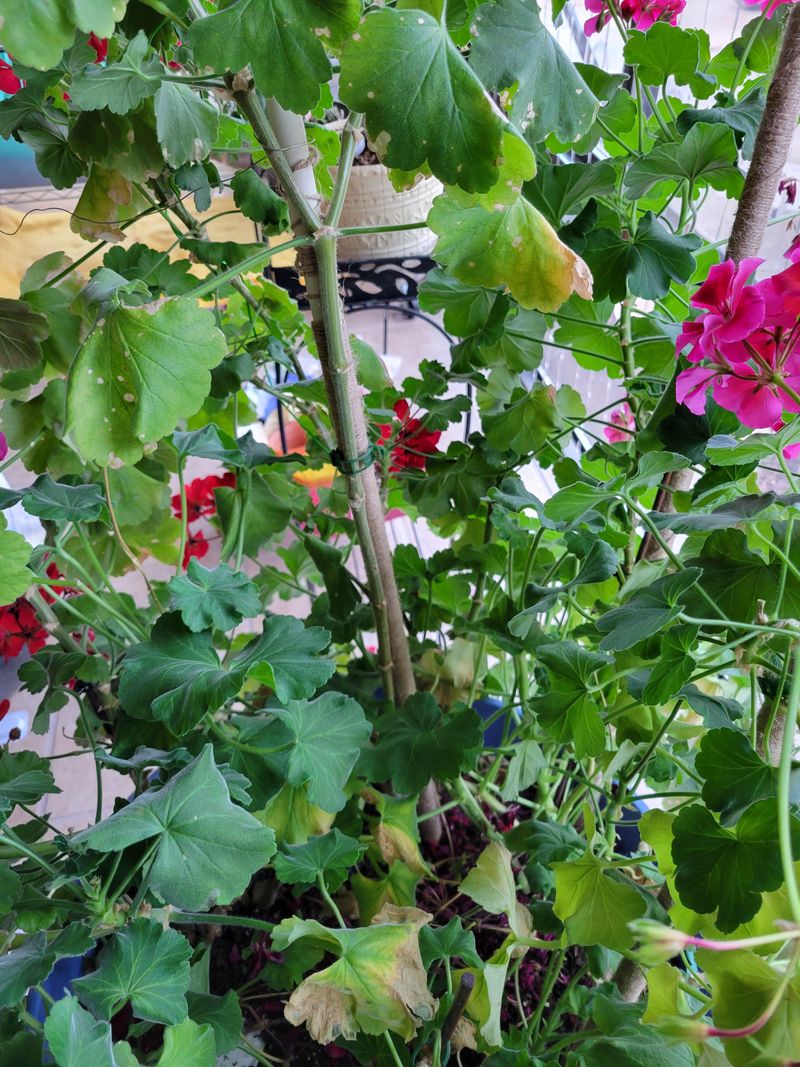
Geraniums that get away from you start looking more like vines than flowering plants. Long, stretched-out stems with sparse leaves and few blooms are a sign that the plant needs a trim.
Cutting back leggy growth redirects the plant’s energy toward producing new lateral shoots, which is where fresh flower buds come from.
Pruning geraniums is not complicated, but timing helps. Early spring, just as new growth is starting, is a great window for a harder cutback if the plant overwintered or got scraggly.
During the growing season in Georgia, lighter pinching works better than drastic cuts. Pinching back stem tips by a few inches encourages branching, and more branches mean more potential bloom sites.
It takes a couple of weeks to see results, but the payoff is a fuller, more productive plant.
Mid-summer in Georgia is a natural checkpoint. After the spring bloom flush and before the fall rebound, plants sometimes look stretched and tired.
Taking that opportunity to trim back by roughly one-third helps refresh the plant and sets it up for stronger fall performance. Do not be hesitant about cutting back healthy stems.
Geraniums respond well to pruning and bounce back reliably when given decent care afterward. Water lightly after trimming and hold off on heavy fertilizing for a week or so to let the plant adjust.
Consistent light trimming throughout the season, rather than one dramatic cut, tends to keep plants looking their best from spring all the way through fall in Georgia.
7. Protect From Excess Rain To Prevent Fungal Issues
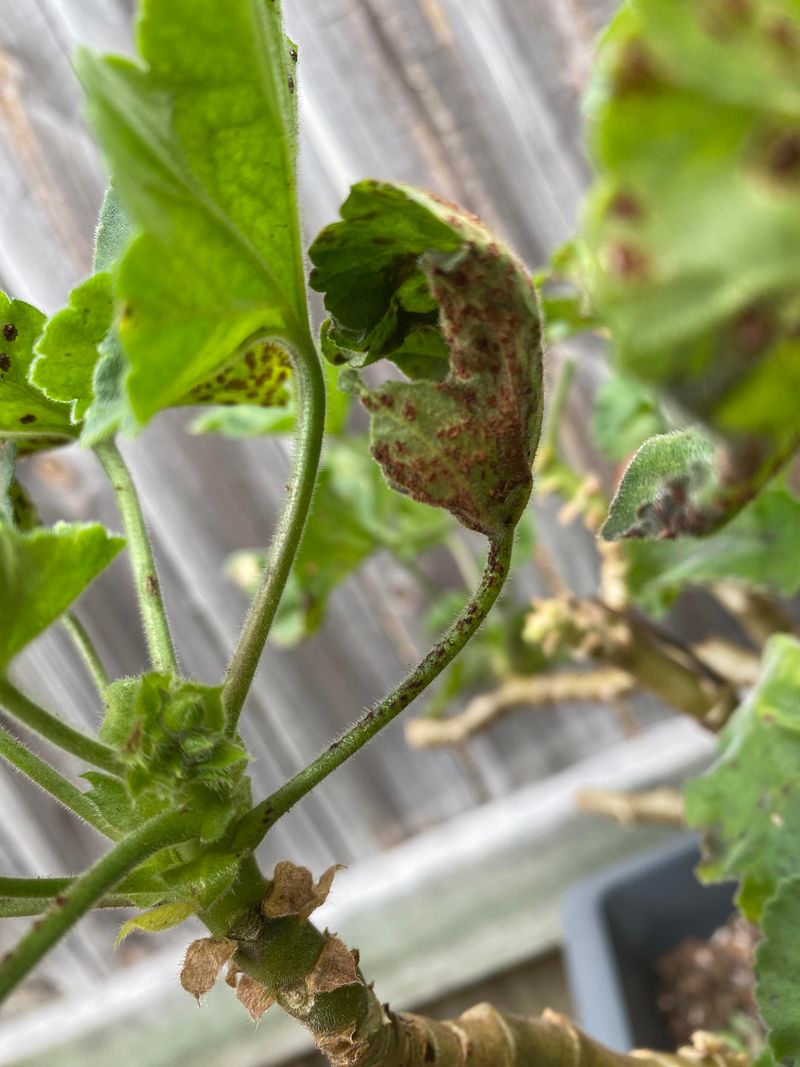
Georgia gets a lot of rain, especially during spring and early summer, and geraniums are not fans of prolonged wet conditions. Wet foliage combined with warm temperatures creates a setup where fungal problems like botrytis and leaf spot can develop fairly quickly.
Keeping water off the leaves whenever possible is a practical first line of defense.
Container growers have a clear advantage during rainy stretches. Moving pots under a covered porch or overhang during extended rain periods protects foliage without requiring much effort.
In-ground plants need good spacing and airflow to help foliage dry out between rain events. Planting geraniums too close together traps moisture between plants and slows drying time significantly, which raises the risk of fungal spread.
Checking plants after heavy rain is a worthwhile habit. Look for yellowing leaves, gray fuzzy patches, or spots on foliage, which are early signs that something is developing.
Removing affected leaves promptly and improving airflow around the plant can stop problems from spreading. Avoid watering in the evening during humid stretches because foliage that stays wet overnight in Georgia’s warm conditions is more vulnerable.
Morning watering gives leaves time to dry during the day. Fungal issues are more manageable when caught early, and most geraniums recover reasonably well when the conditions causing the problem are corrected.
Staying observant through Georgia’s wetter months is what keeps plants healthy enough to carry their bloom season all the way into fall without major setbacks.