These Slow-Growing Plants Help Your Arizona Yard Stay Low-Maintenance
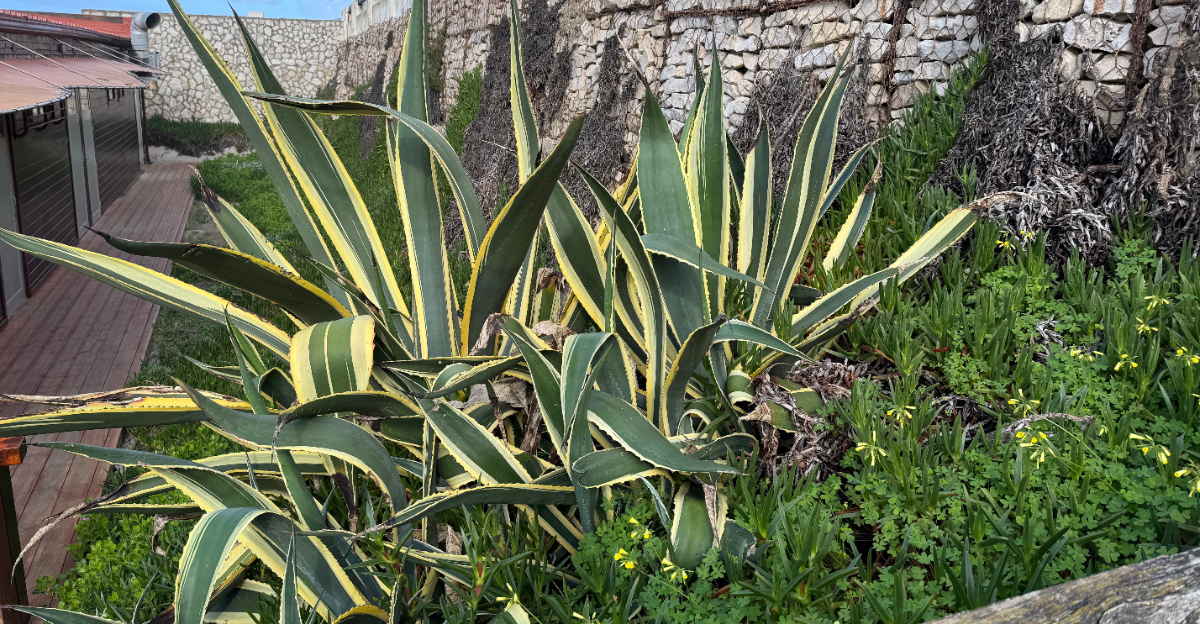
Some Arizona yards feel calm and put together all year, while others always seem one step away from chaos. The difference often shows up in how fast plants decide to grow.
Slow-growing plants change the pace of a yard in the best way. They hold their shape, avoid sudden bursts of growth, and rarely demand constant trimming.
In Arizona’s heat, that steady behavior matters more than size or color. Plants that grow at a controlled rate handle stress better and stay predictable as temperatures climb.
A low-maintenance yard does not come from constant effort. It comes from plants that behave well on their own.
Slow growers keep landscapes orderly, reduce cleanup, and make the yard feel easier to manage season after season instead of turning into ongoing work.
1. Compact Growth Keeps Desert Spoon Easy To Manage
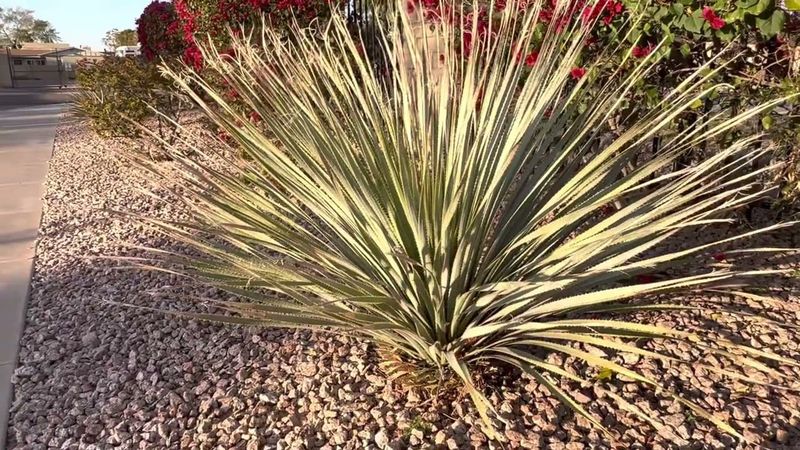
Desert Spoon earns its place in low-maintenance Arizona yards through its naturally controlled growth pattern that rarely needs intervention. The silvery-blue foliage forms a tidy rosette that expands slowly over many years, meaning you won’t be constantly cutting back overgrown branches.
This architectural plant reaches about four feet tall and wide at maturity, but getting there takes patience and very little work from you.
Arizona gardeners appreciate how Desert Spoon handles full sun exposure without wilting or demanding extra water during summer. The thin, serrated leaves create interesting texture without the mess that some desert plants produce.
Once established in your yard, this tough native asks for water only every few weeks, even during Phoenix’s hottest months.
The compact form works perfectly along walkways or as a focal point in rock gardens where you want visual interest without ongoing maintenance. Unlike faster-growing succulents that quickly outgrow their space, Desert Spoon stays predictable and manageable.
The slow growth means you can plan your landscape design with confidence, knowing this plant will look roughly the same size five years from now.
Trimming requirements stay minimal throughout the year, with most homeowners removing only the occasional dried lower leaf. This plant thrives in Arizona’s alkaline soil without amendments or special feeding schedules.
2. Tight Form Holds Naturally With Dwarf Olive
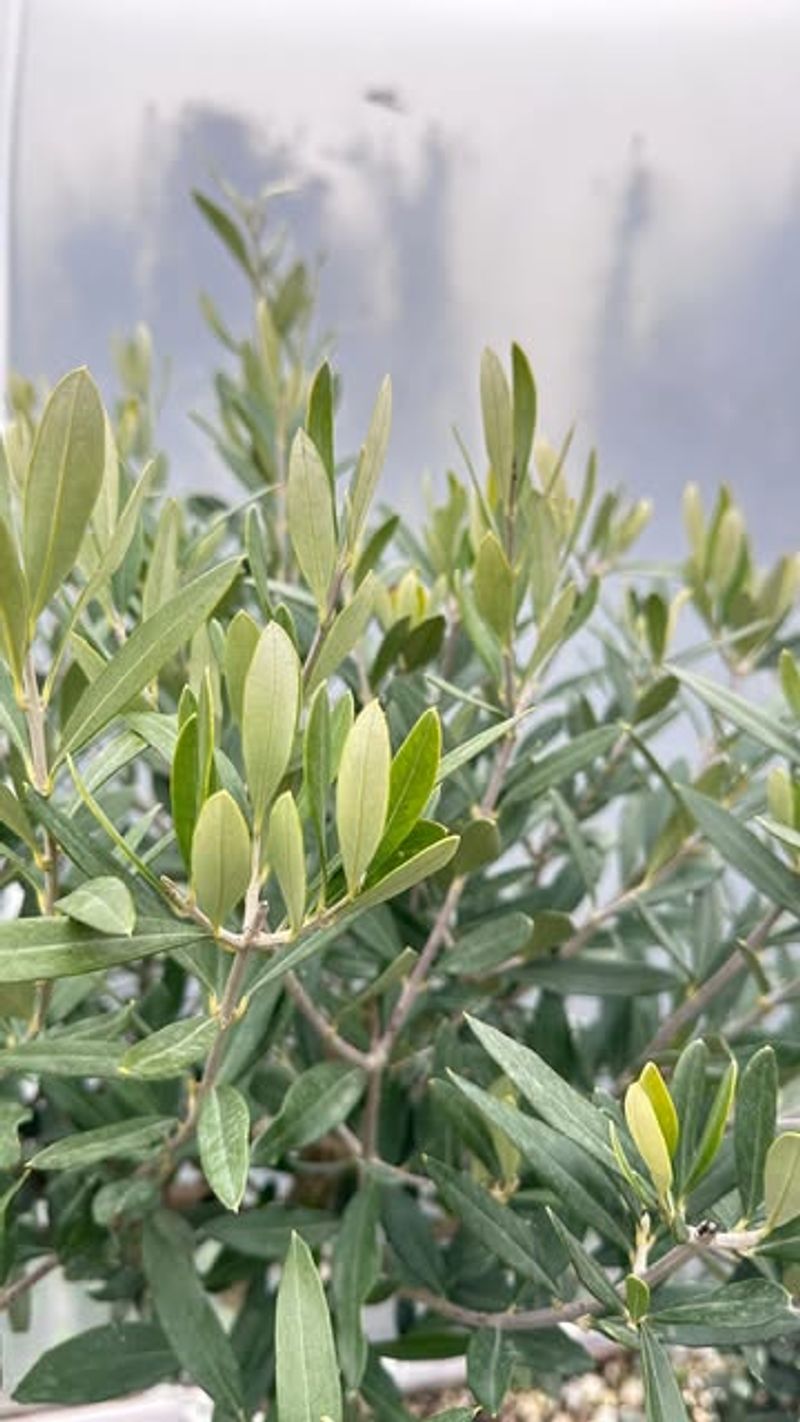
Dwarf Olive trees bring Mediterranean charm to Arizona landscapes without the aggressive growth that makes regular olive trees challenging. These compact versions grow slowly into rounded shapes that rarely exceed fifteen feet tall, and most stay considerably smaller in desert conditions.
The silvery-green leaves create a soft appearance that contrasts beautifully with the harsh desert surroundings while requiring almost no pruning to maintain their attractive form.
Arizona’s climate suits Dwarf Olive perfectly since these trees evolved in similar hot, dry environments around the Mediterranean. They handle temperature extremes from freezing winter nights to scorching summer days without complaint.
The slow growth rate means branches develop strong, sturdy wood that resists breakage during monsoon storms that topple faster-growing trees.
Water needs stay remarkably low once the root system establishes, typically requiring deep watering only twice monthly during summer. The tight, controlled growth pattern eliminates the constant trimming that many Arizona shade trees demand.
Dwarf Olive works well in courtyards, near patios, or as a small specimen tree where you want greenery without overwhelming a space.
The naturally tidy habit means fallen leaves and branches stay minimal compared to messy desert trees. This reliable grower adapts to various Arizona soil types without requiring special fertilizers or soil amendments throughout the year.
3. Controlled Size Works Well In Small Spaces With Red Yucca
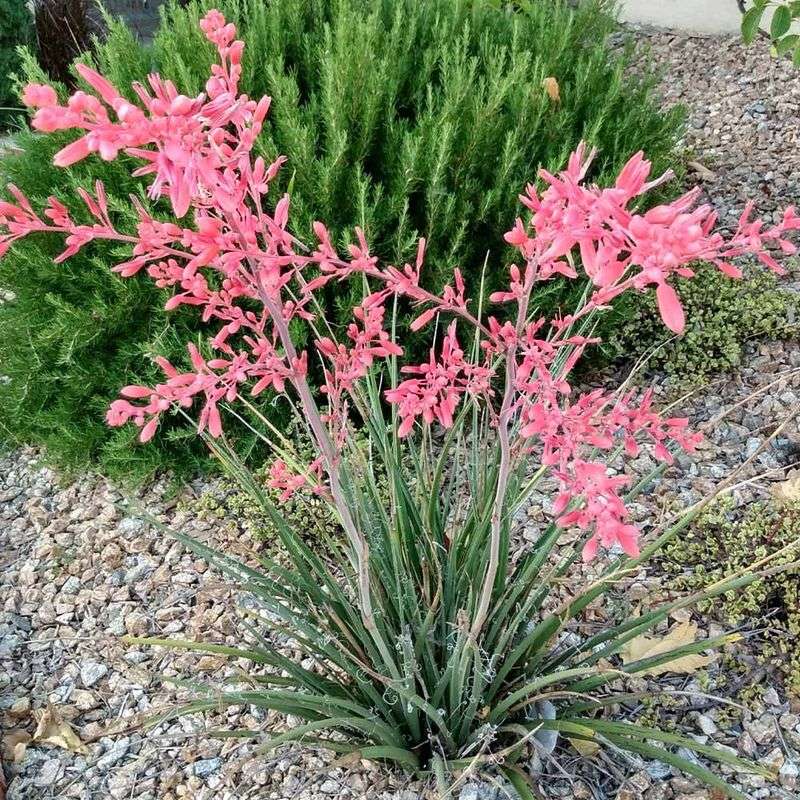
Red Yucca surprises many Arizona homeowners because despite its name, it’s actually not a true yucca at all. This slow-growing succulent produces graceful, grass-like leaves that arch outward from the center, creating a fountain effect that stays compact and manageable.
The clump typically reaches only about three feet wide, making it perfect for smaller yards or tight planting areas where aggressive spreaders would quickly become problems.
Coral-red flower spikes emerge in late spring and often continue blooming through summer, attracting hummingbirds without requiring deadheading or special care. The blooms appear on tall stalks that rise above the foliage, adding vertical interest without taking up additional ground space.
Arizona’s intense sun actually helps Red Yucca perform better, encouraging more prolific flowering than plants grown in shadier conditions.
The controlled growth means you can plant Red Yucca near walkways or driveways without worrying about constant trimming to keep paths clear. Unlike many desert plants that sucker and spread aggressively, this well-behaved selection stays where you put it.
Water requirements drop to nearly nothing once established, with most Arizona landscapes providing adequate moisture through occasional rainfall and nearby irrigation overspray.
The narrow leaves lack sharp points, making Red Yucca safer around children and pets than many desert alternatives. This tough plant handles reflected heat from walls and pavement without showing stress.
4. Minimal Trimming Needed Thanks To Blackfoot Daisy
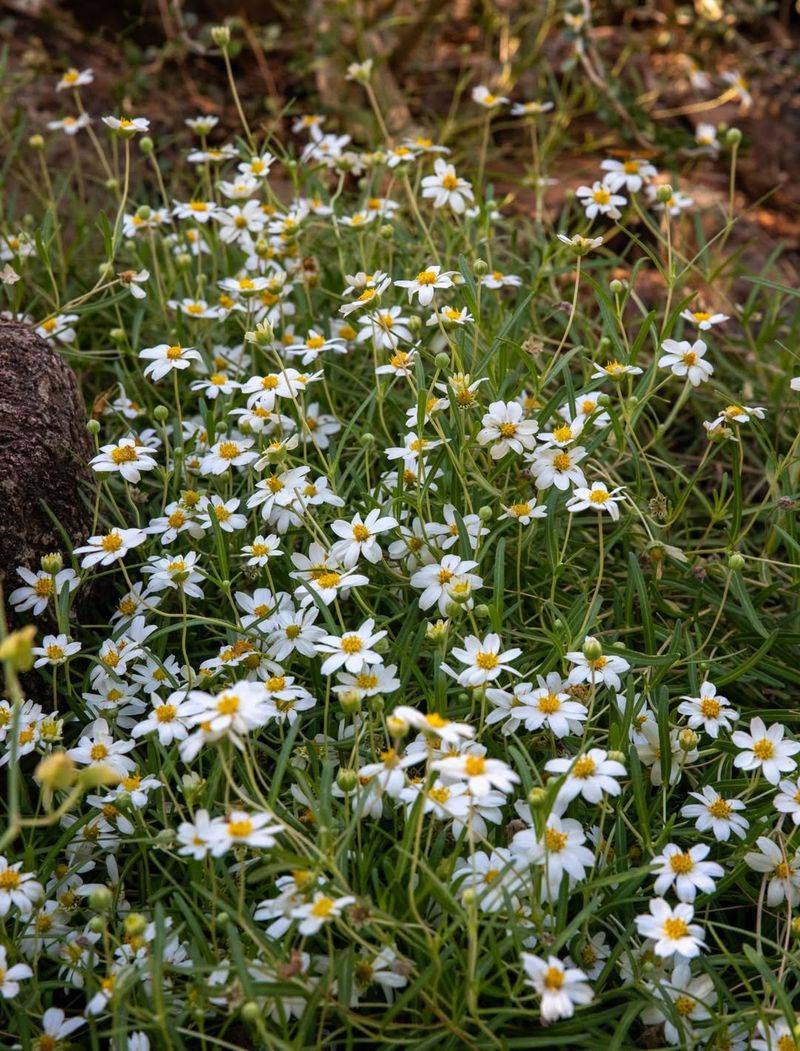
Blackfoot Daisy creates cheerful white blooms across Arizona landscapes while growing so slowly that maintenance stays practically nonexistent. This low-growing perennial forms neat mounds that rarely exceed twelve inches tall, spreading gradually to cover about eighteen inches of ground.
The compact size makes it ideal for edging beds, filling spaces between larger plants, or softening the edges of hardscape features without constant shearing.
White daisy flowers with yellow centers appear reliably from spring through fall in Arizona, providing nearly continuous color without deadheading. The blooms attract beneficial insects and butterflies while asking nothing in return except occasional water during extreme heat.
Most established plants in Arizona survive on rainfall alone during cooler months, reducing your irrigation workload significantly.
The mounding habit stays naturally tidy without the leggy, sprawling growth that makes many groundcovers look messy. Blackfoot Daisy tolerates Arizona’s alkaline soil perfectly, never showing the yellowing or nutrient deficiencies that plague pickier plants.
The slow expansion rate means you can plant several together for a fuller look without them quickly merging into an unmanageable mass.
This tough little plant handles reflected heat from rocks and pavement while continuing to bloom reliably. Arizona gardeners appreciate how Blackfoot Daisy recovers quickly from occasional freezes without requiring protective covering or special winter care.
The fine-textured foliage creates soft contrast against bolder desert plants.
5. Steady Structure Comes Without Fuss From Hopseed Bush
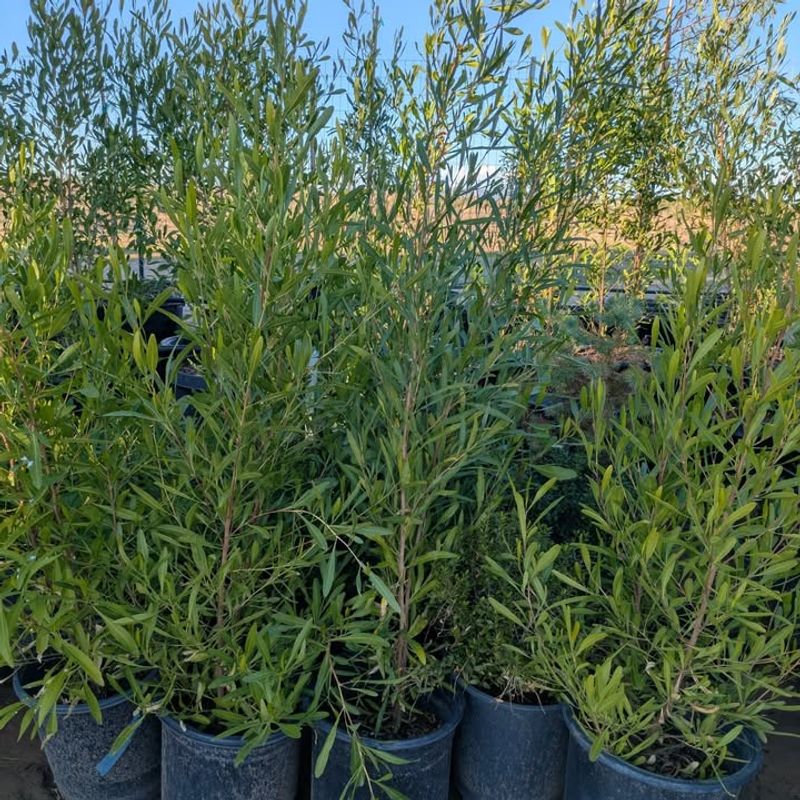
Hopseed Bush delivers reliable screening and structure in Arizona yards through steady, predictable growth that never gets out of hand. This evergreen shrub develops naturally into an upright form reaching ten to fifteen feet tall, but getting there happens gradually over several years.
The narrow, olive-green leaves create dense coverage perfect for privacy screens without the constant trimming that fast-growing hedges demand.
Arizona’s temperature extremes barely faze Hopseed Bush, which tolerates everything from occasional freezes to sustained triple-digit heat. The slow growth produces strong, woody branches that resist breakage during monsoon winds that snap weaker shrubs.
Once established in your landscape, this tough plant survives on minimal supplemental water, typically needing deep irrigation only during the driest stretches of summer.
The naturally tidy growth habit means you can skip the frequent shearing sessions that many Arizona screening plants require. Hopseed Bush maintains an attractive shape with only occasional light pruning to remove any wayward branches.
The slow expansion allows you to plant multiple bushes for a screen without them quickly growing together into an impenetrable thicket.
This adaptable shrub handles full sun exposure throughout Arizona without scorching or showing heat stress. The deep root system helps Hopseed Bush access moisture during dry periods while anchoring firmly against strong winds.
Many Arizona homeowners choose purple-leaved varieties that add color variation without increasing maintenance requirements.
6. Slow Expansion Makes Angelita Daisy Simple To Maintain
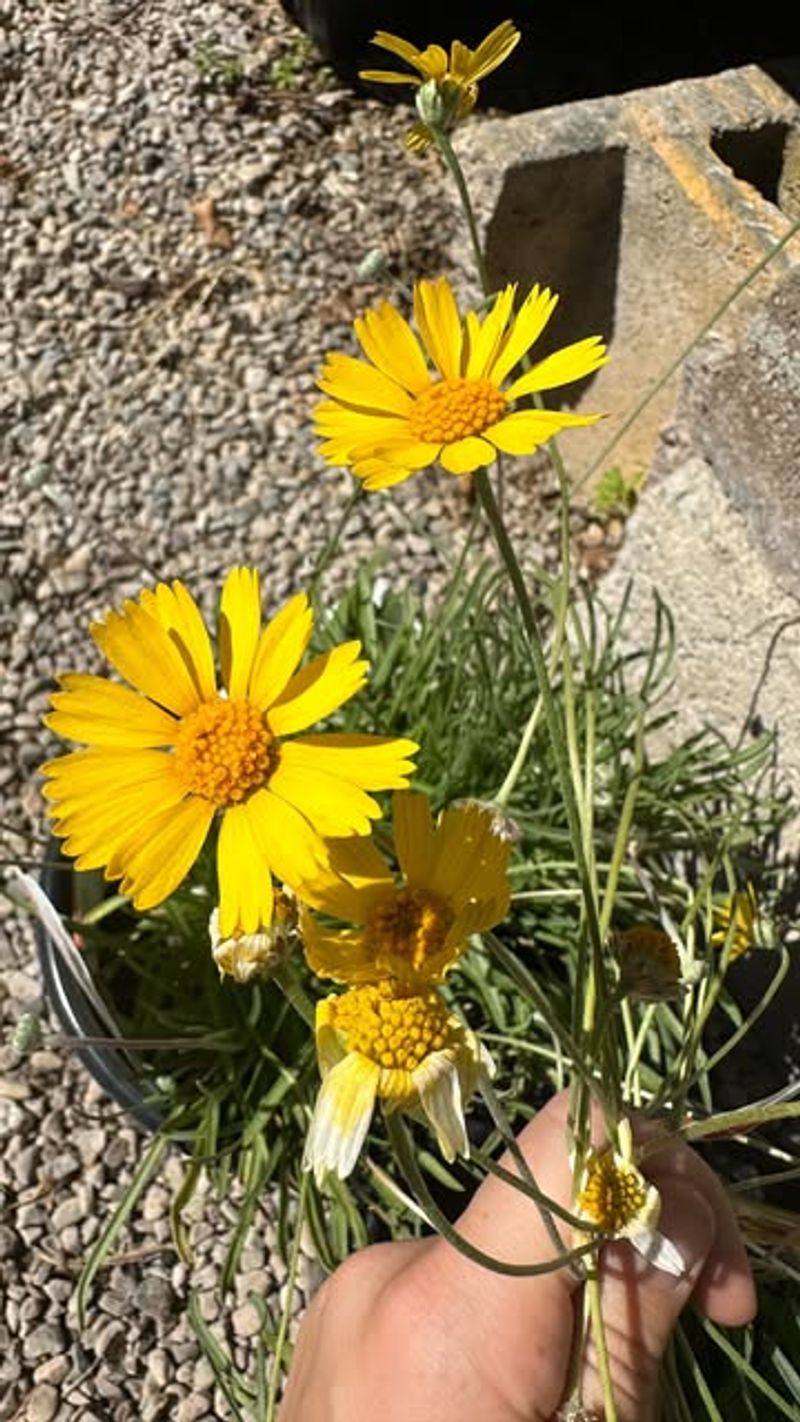
Angelita Daisy brings bright yellow blooms to Arizona landscapes while expanding so slowly you’ll barely notice its growth from year to year. This low-growing perennial forms silver-green mounds that typically stay under twelve inches tall and spread to about eighteen inches wide.
The compact size works beautifully in rock gardens, along borders, or tucked between larger plants where you want pops of color without aggressive spreading.
Golden-yellow flowers appear abundantly in spring and often rebloom during fall in Arizona when temperatures moderate. The cheerful blooms attract native bees and butterflies while requiring zero deadheading to keep performing.
Angelita Daisy handles Arizona’s intense sun and heat without wilting, actually preferring the challenging conditions that stress less adapted plants.
The slow growth rate means you can plant Angelita Daisy near pathways or between stepping stones without constant trimming to keep areas clear. Unlike many groundcovers that quickly overtake their neighbors, this well-mannered selection respects boundaries and stays manageable.
Water needs drop dramatically once established, with most Arizona plants surviving on natural rainfall except during extended droughts.
The silvery foliage provides attractive texture even when flowers aren’t present, creating year-round interest in your landscape. This tough little plant tolerates Arizona’s alkaline soil without amendments or special feeding.
The naturally rounded form eliminates any need for shaping or pruning throughout the growing season.
7. Clean Lines Stay Intact With Dwarf Mondo Grass
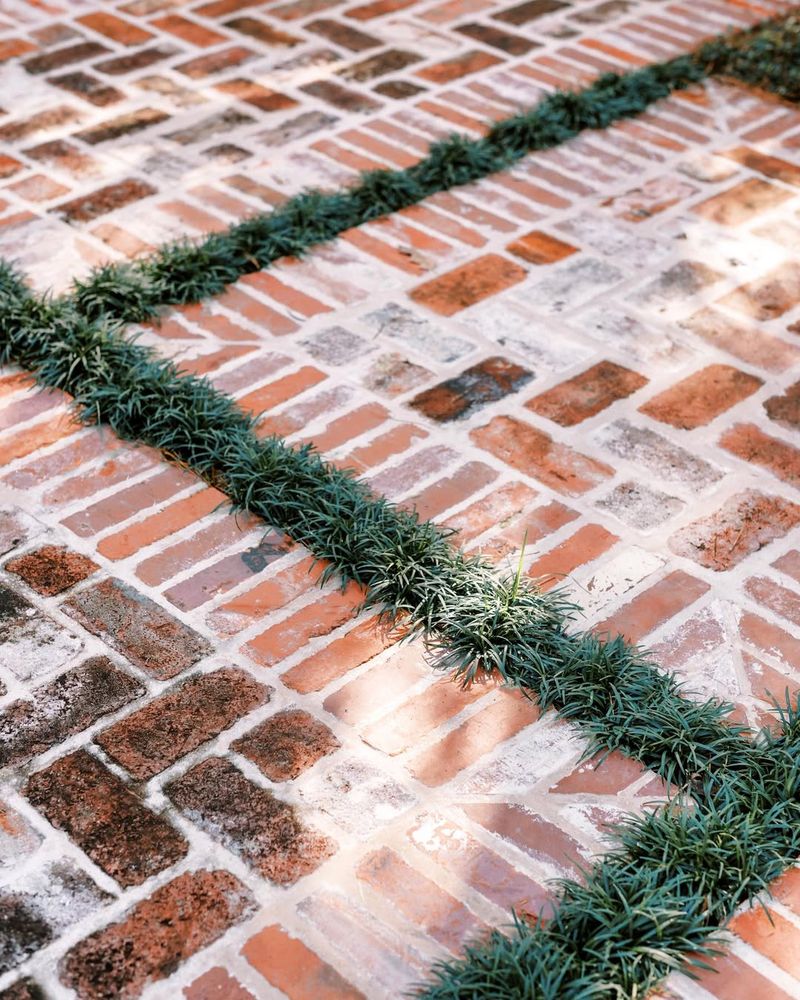
Dwarf Mondo Grass offers Arizona homeowners a grass-like appearance without the constant mowing and watering that lawns demand. This slow-growing evergreen forms dense clumps of dark green, blade-like leaves that stay under four inches tall.
The compact growth creates clean, defined edges along walkways, around trees, or between planting beds without spreading aggressively or requiring frequent division.
Arizona gardeners value how Dwarf Mondo Grass tolerates partial shade better than most desert plants, making it useful under trees or along north-facing walls. The slow growth means planted areas look intentional and tidy rather than wild and overgrown.
Once established, this tough groundcover handles Arizona’s temperature swings from winter cold to summer heat without browning or showing stress.
Water requirements stay moderate compared to true lawn grasses, with established plantings needing deep watering only weekly during hot months. The naturally low profile eliminates any trimming or mowing throughout the year.
Dwarf Mondo Grass works perfectly for creating defined borders that maintain their sharp appearance season after season without constant edging.
The dense growth gradually fills in to create a solid mat that suppresses weeds without chemical treatments. This reliable performer adapts to various Arizona soil types and thrives in areas where reflected heat from pavement would stress other plants.
The dark green color provides rich contrast against lighter desert plants and gravel mulches common in Arizona landscapes.
8. Strong Shape Develops Gradually With Texas Sage
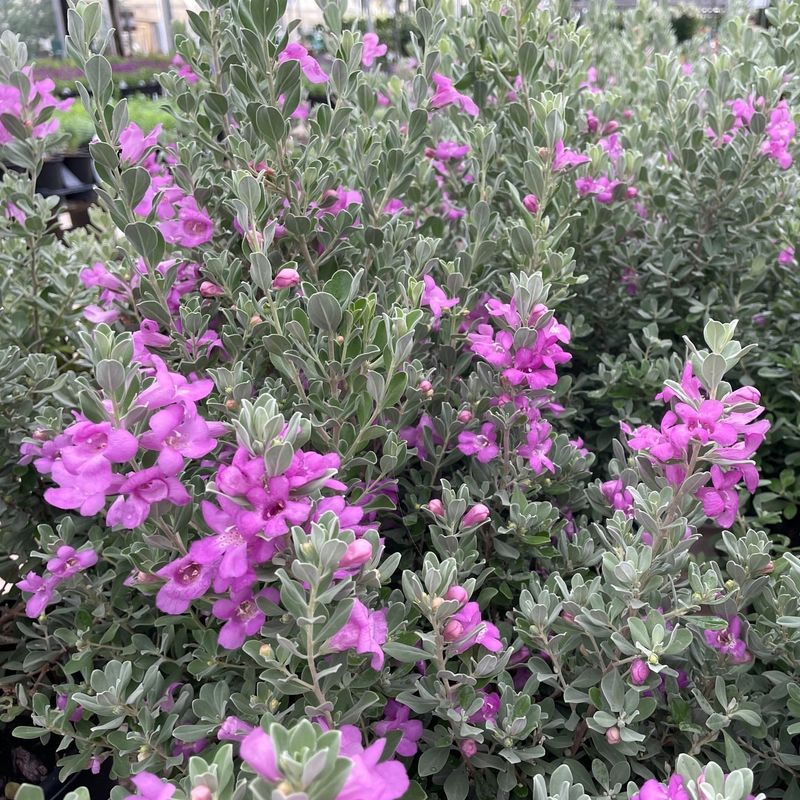
Texas Sage earns its reputation as one of Arizona’s most reliable landscape shrubs through slow, steady growth that creates naturally rounded forms. This evergreen typically reaches four to six feet tall and equally wide, but the journey takes years rather than months.
Silvery-gray foliage provides cool-toned contrast in desert landscapes while requiring almost no pruning to maintain the attractive, compact shape.
Purple-pink flowers appear dramatically after monsoon rains sweep through Arizona, often covering the entire plant in vibrant blooms. The spectacular flower show happens without any deadheading, fertilizing, or special care from you.
Texas Sage handles full sun and reflected heat from walls and pavement better than almost any other flowering shrub suitable for Arizona yards.
The slow growth rate means you can plant Texas Sage near structures or pathways without worrying about rapid expansion blocking views or access. Once established, this drought-tolerant shrub survives on rainfall alone in many Arizona locations, requiring supplemental water only during the driest periods.
The naturally rounded form eliminates the constant shearing that many hedge plants demand to look presentable.
This tough performer adapts to Arizona’s alkaline soil without amendments while resisting the pests and diseases that plague less adapted plants. The silvery foliage stays attractive year-round, providing structure and color even between bloom cycles.
Texas Sage tolerates cold winter temperatures and scorching summer heat without showing stress or requiring protection.
9. Natural Balance Reduces Work When Using Agave
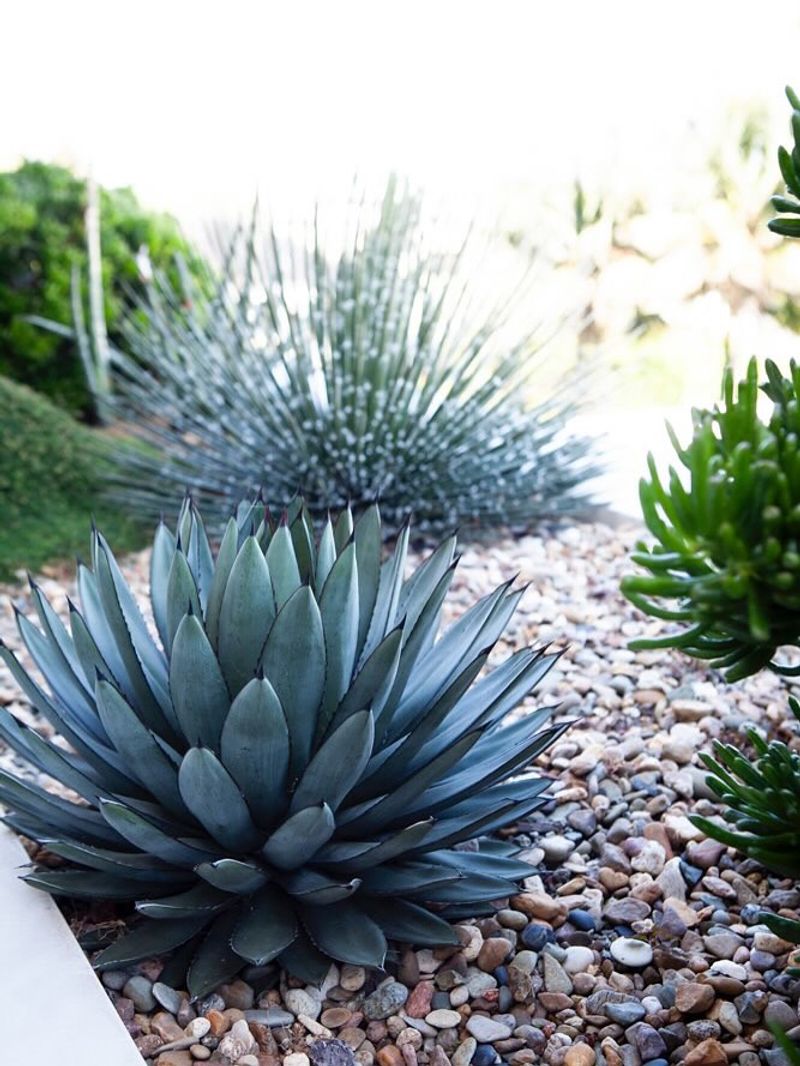
Agave species bring architectural drama to Arizona landscapes while growing so slowly that maintenance becomes almost nonexistent. These sculptural succulents form symmetrical rosettes of thick, fleshy leaves that expand gradually over many years.
The naturally balanced growth creates perfect proportions without any pruning, shaping, or training from you. Most varieties suitable for residential Arizona landscapes stay under three feet tall and wide, making them manageable focal points.
Arizona’s intense sun and heat create ideal conditions for Agave, which actually struggles in cooler, wetter climates. The extremely slow growth means you can position these plants precisely in your design, knowing they’ll stay roughly the same size for years.
Water needs drop to nearly zero once established, with most Arizona Agaves surviving entirely on rainfall after their first year in the ground.
The thick, waxy leaves store moisture efficiently, allowing Agave to sail through Arizona’s hottest, driest stretches without supplemental irrigation. This remarkable drought tolerance eliminates the constant watering that many ornamental plants demand during summer.
The sculptural form creates striking silhouettes against walls, in containers, or as specimen plants in rock gardens.
Many Agave varieties produce stunning flower spikes after several years, adding unexpected vertical drama before the rosette naturally completes its lifecycle. The slow growth and minimal water needs make Agave perfect for Arizona homeowners seeking maximum visual impact with minimum ongoing effort.