These 9 Spring Flowers Are The First To Feed Bees In Oregon
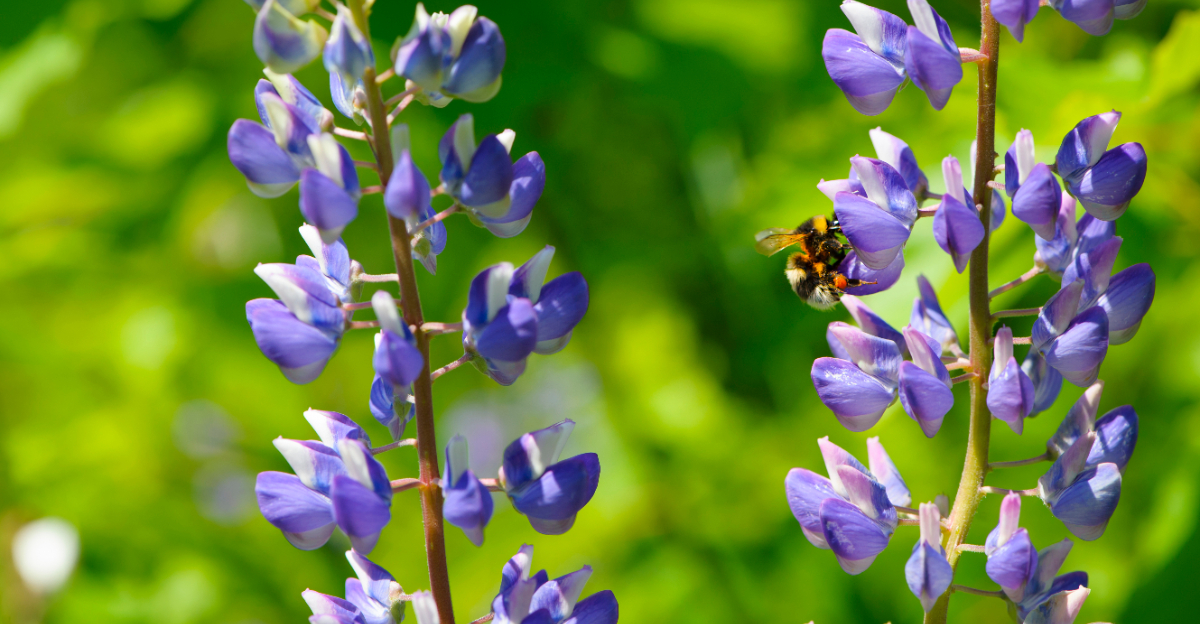
After months of gray skies and quiet garden beds, the first blooms of the year do more than brighten the landscape. They provide critical fuel for Oregon’s emerging bees.
As temperatures slowly rise, hungry pollinators begin searching for nectar and pollen, often before many plants have even started to leaf out. That early window can make a real difference in supporting healthy bee populations throughout the season.
Fortunately, several dependable spring flowers step up right on cue, offering rich food sources when bees need them most. These early bloomers thrive in Oregon’s cool, damp conditions and return year after year with very little fuss.
Adding them to your yard means welcoming color, movement, and the gentle hum of pollinators back into the garden. A thoughtful mix of these flowers helps create a lively, resilient landscape that supports bees from the very start of the growing season.
1. Red Flowering Currant (Ribes sanguineum)
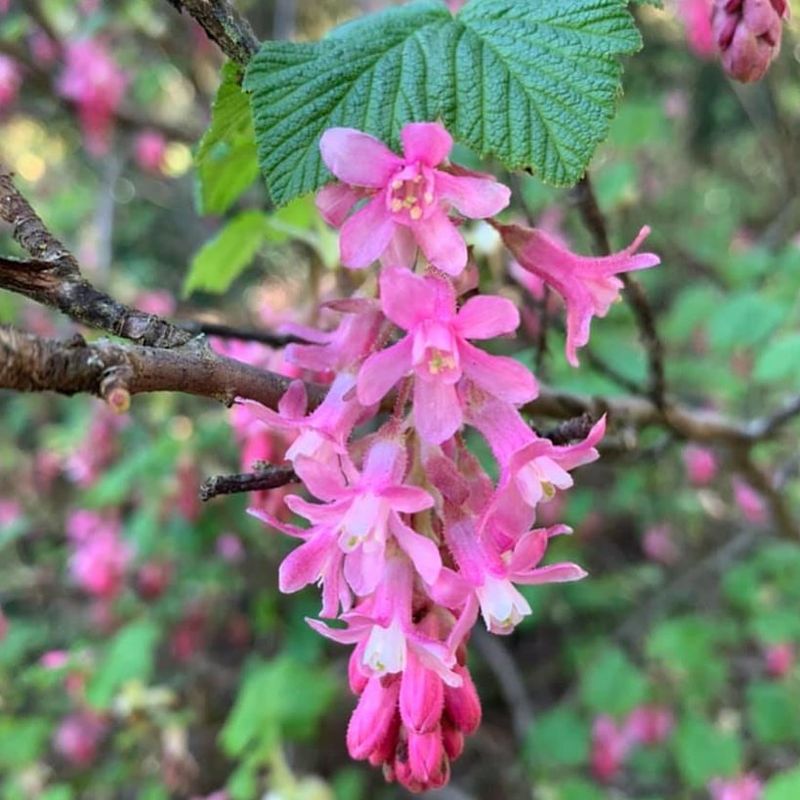
Few sights in an Oregon spring are as striking as a Red Flowering Currant in full bloom. Before its leaves are even fully open, this shrub bursts into long, drooping clusters of deep pink and red flowers.
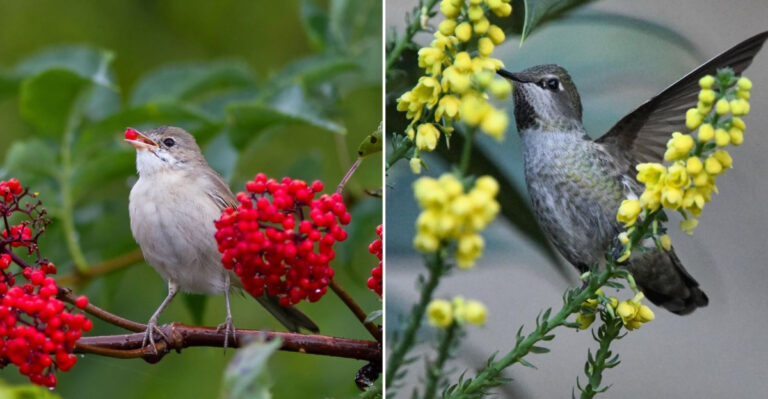
It is a showstopper, and bees know it. Hummingbirds show up for the nectar too, which makes it a lively spot to watch on a warm March morning.
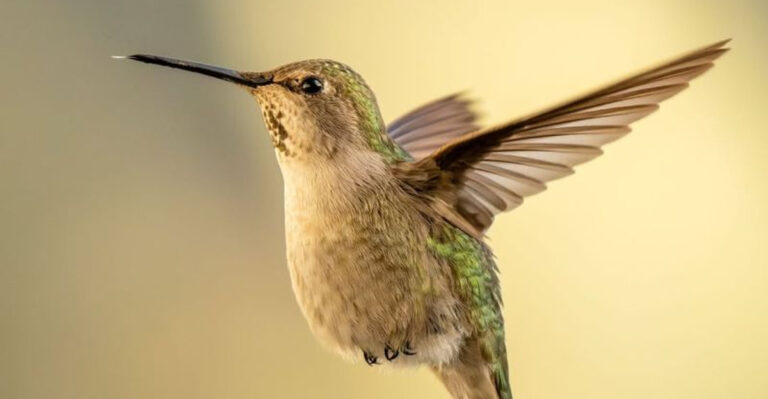
Anna’s Hummingbirds and early bumblebee queens both rely on this plant heavily in western Oregon. The flowers appear so early in the season that they often bloom before most other garden plants have woken up.
That timing makes Red Flowering Currant incredibly valuable in the pollinator world.
This shrub is easy to grow and thrives in a wide range of conditions across Oregon, from coastal areas to the Willamette Valley. It tolerates both sun and partial shade, and once established, it needs very little water.
Planting one near a sunny fence or open garden bed gives bees a reliable food stop right when they need it most. It grows quickly too, so you will not have to wait long to see results.
2. Oregon Grape (Mahonia aquifolium)
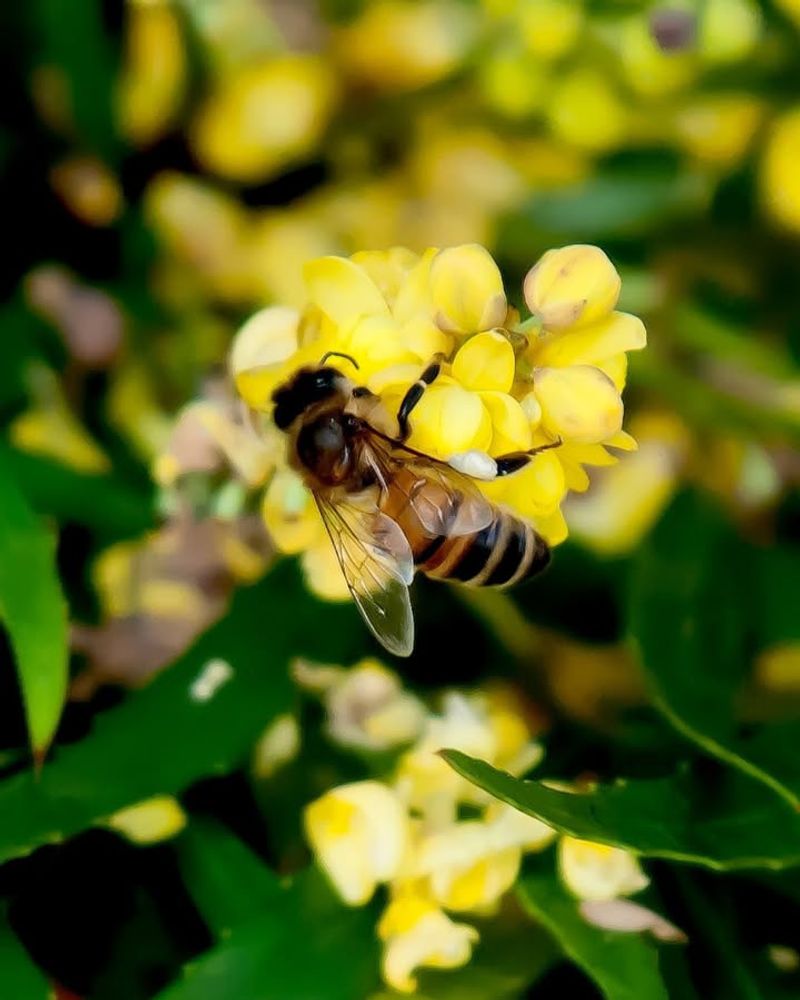
You might recognize Oregon Grape by its spiky, holly-like leaves, but this tough little plant is so much more than a pretty face. It is actually Oregon’s state flower, and it earns that title every spring by being one of the very first plants to bloom.
Clusters of bright yellow flowers appear early in the season, often while snow is still melting in higher elevations.
Bees absolutely love these yellow blooms. The flowers are packed with nectar and pollen, making them an essential early food source across Oregon.
Bumblebees and native solitary bees are especially drawn to them. You can find Oregon Grape growing in forests, along trails, and in home gardens throughout the state.
Because it is an evergreen shrub, it provides year-round structure in the landscape. It grows well in shade and handles dry summers without much fuss.
Planting it in your yard is one of the easiest ways to support pollinators in Oregon. After the flowers fade, the plant produces blue-purple berries that birds enjoy too.
It is a true multitasker in any Pacific Northwest garden.
3. Willow (Salix species)
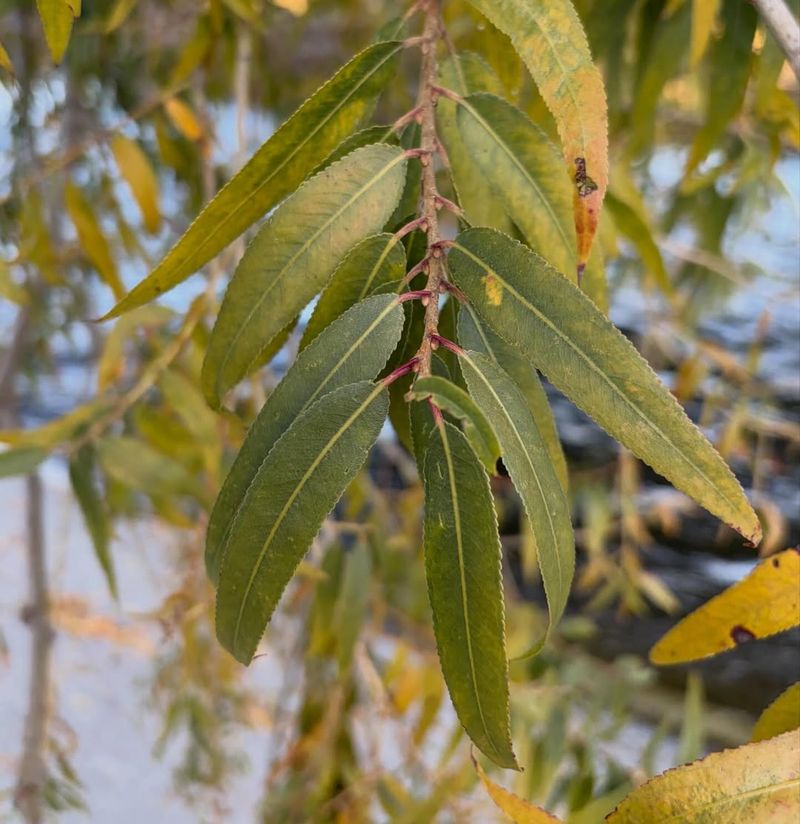
Long before most flowers open in Oregon, willows are already doing something remarkable. Their fuzzy catkins, sometimes called pussy willows, appear on bare branches in late winter and early spring.
These catkins are loaded with pollen and nectar, making willows one of the single most important food sources for early-season bees in the entire Pacific Northwest.
Bumblebee queens emerge from their winter rest ravenous and ready to build new colonies. Willows are often the first thing they find.
Native bees, honeybees, and even some butterflies flock to willow catkins when little else is blooming. The sheer number of insects a single willow tree can support is staggering.
Willows grow naturally along streams, rivers, and wetlands throughout Oregon. They are fast growers and help prevent erosion along waterways, so they pull double duty in the environment.
If you have a moist or low-lying area in your yard, planting a native willow species is a fantastic idea. Shrubby willows work well in smaller spaces too.
Even a compact willow planted near a water feature can become a buzzing hub of bee activity every spring, long before your other plants join the party.
4. Indian Plum / Osoberry (Oemleria cerasiformis)
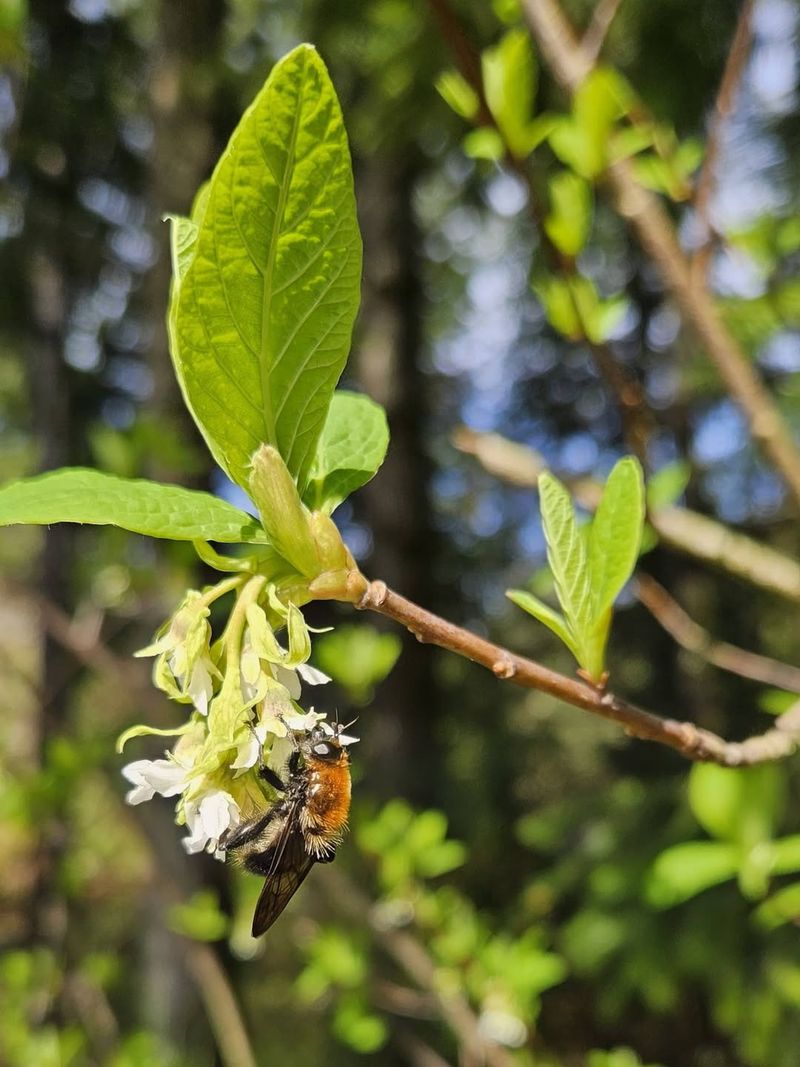
Osoberry holds a special record in Oregon: it is often the very first native shrub to bloom each year. Sometimes flowering as early as January in mild coastal areas, this plant does not wait around for warm weather.
Its small white flowers hang in delicate clusters from bare branches, looking almost fragile against the grey winter sky. But those flowers are tougher than they look.
Early bumblebee queens and native mason bees are quick to discover osoberry blooms. The flowers provide a critical burst of protein-rich pollen and sugary nectar right when bee populations are at their most vulnerable.
Without early bloomers like this one, many bee species would struggle to get their colonies started in time.
Osoberry grows naturally in moist, shaded woodlands and along stream banks across western Oregon. It can form dense thickets that also provide excellent wildlife habitat.
The small plum-like fruits that follow the flowers attract birds throughout summer. As a garden plant, it works beautifully as a naturalized hedge or woodland understory shrub.
It grows quickly and requires almost no maintenance once established. Planting osoberry is one of the highest-impact things an Oregon gardener can do for native bees.
5. Pacific Bleeding Heart (Dicentra formosa)
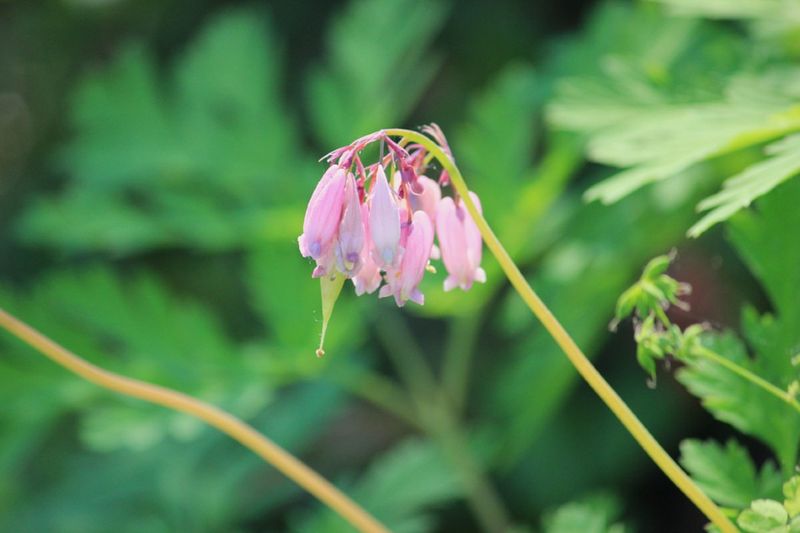
There is something almost magical about stumbling upon Pacific Bleeding Heart in an Oregon forest. The heart-shaped pink flowers dangle from arching stems like tiny jewels, and the soft, ferny foliage adds a lush texture to shaded woodland floors.
It is one of spring’s most charming wildflowers, and bees agree completely.
Bumblebees are especially skilled at accessing the nectar inside the tubular flowers. They use a technique called nectar robbing, where they bite a small hole at the base of the flower to reach the sweet reward inside.
Long-tongued bees can also access the blooms through the front opening. Either way, Pacific Bleeding Heart keeps Oregon’s bees well fed throughout the spring season.
This plant thrives in moist, shaded areas and spreads gently over time through underground rhizomes. It is a wonderful addition to any native plant garden in Oregon, especially under trees or along the north side of a fence.
It pairs beautifully with ferns and trilliums for a natural woodland look. Once established, it requires very little care and will return reliably each spring.
It even goes dormant in summer, freeing up space for warm-season plants to take over.
6. Broadleaf Lupine (Lupinus latifolius)
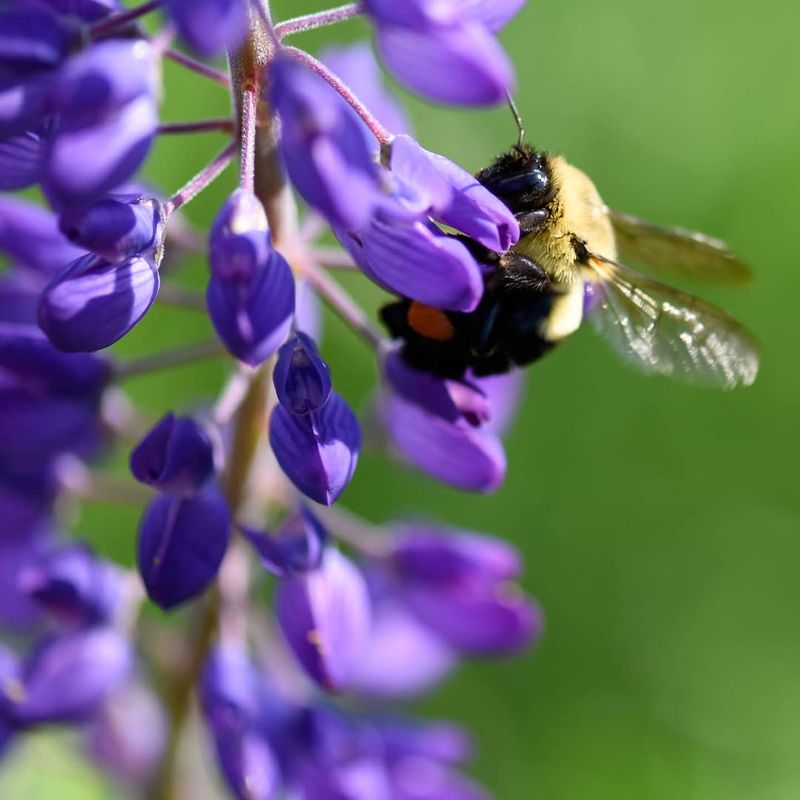
Bold, tall, and impossible to miss, Broadleaf Lupine turns Oregon’s mountain meadows into waves of purple and blue every spring. The towering flower spikes can reach several feet high, and each spike is packed with pea-shaped blossoms that bees find irresistible.
Bumblebees are particularly fond of lupines, and they will work a single flower spike from bottom to top before moving on.
What makes lupines extra special is that they are also nitrogen fixers. Their roots work with soil bacteria to pull nitrogen from the air and store it in the ground, which improves soil health for surrounding plants.
So while bees are busy collecting pollen, lupines are quietly improving the entire ecosystem around them.
Broadleaf Lupine is native to higher elevations in Oregon, often found blooming in the Cascades and along mountain roadsides from late spring into early summer. It prefers well-drained soils and full sun.
Growing lupine from seed in your garden is very achievable, though it takes a bit of patience in the first year. Once established, it self-seeds readily and spreads to form impressive colonies.
Few plants offer this combination of visual drama and ecological value in one cheerful, buzzing package.
7. Western Buttercup (Ranunculus occidentalis)
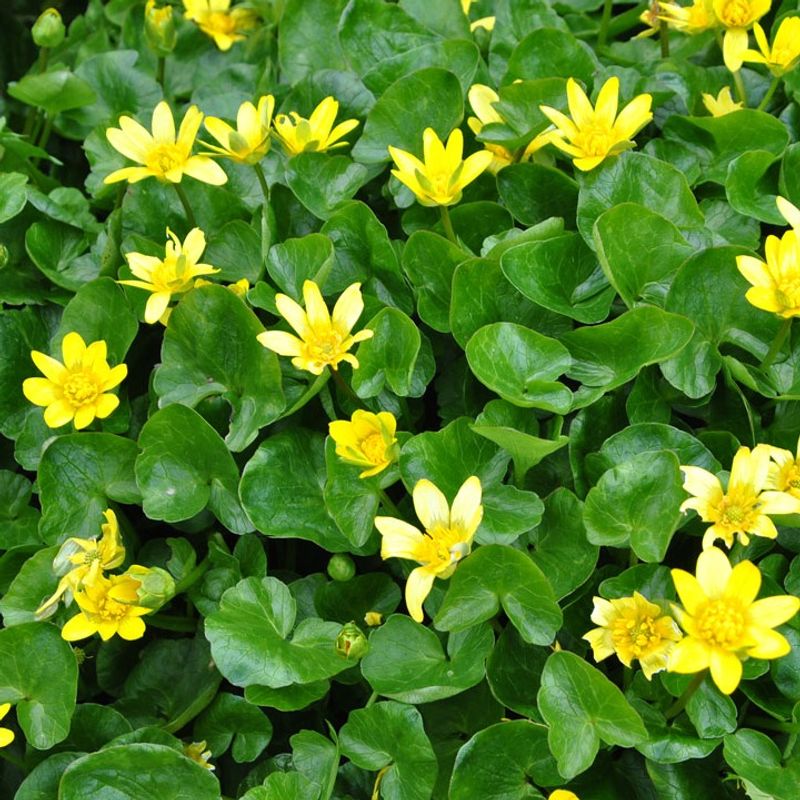
Shiny, cheerful, and almost impossibly yellow, Western Buttercup is one of those flowers that just makes you feel good to look at. Its small five-petaled blooms reflect sunlight like little mirrors, which is actually a real adaptation that helps attract pollinators.
Bees pick up on visual cues that humans cannot even see, and the glossy surface of buttercup petals reflects ultraviolet light that acts like a landing beacon.
Western Buttercup blooms in spring across Oregon’s grassy meadows, open woodlands, and coastal prairies.
It is one of the more widespread native wildflowers in the state, and its early bloom time makes it a reliable food stop for small native bees, sweat bees, and mining bees.
These smaller bee species often get overlooked, but they are just as important as their larger cousins.
Letting buttercups grow naturally in a lawn or meadow area is one of the simplest ways to support pollinators in Oregon. You do not have to plant them because they often appear on their own in undisturbed areas.
If you do want to add them to a garden, they grow best in moist, sunny spots. They spread gradually and create a carpet of golden color that brightens up any spring landscape beautifully.
8. Camas (Camassia quamash)
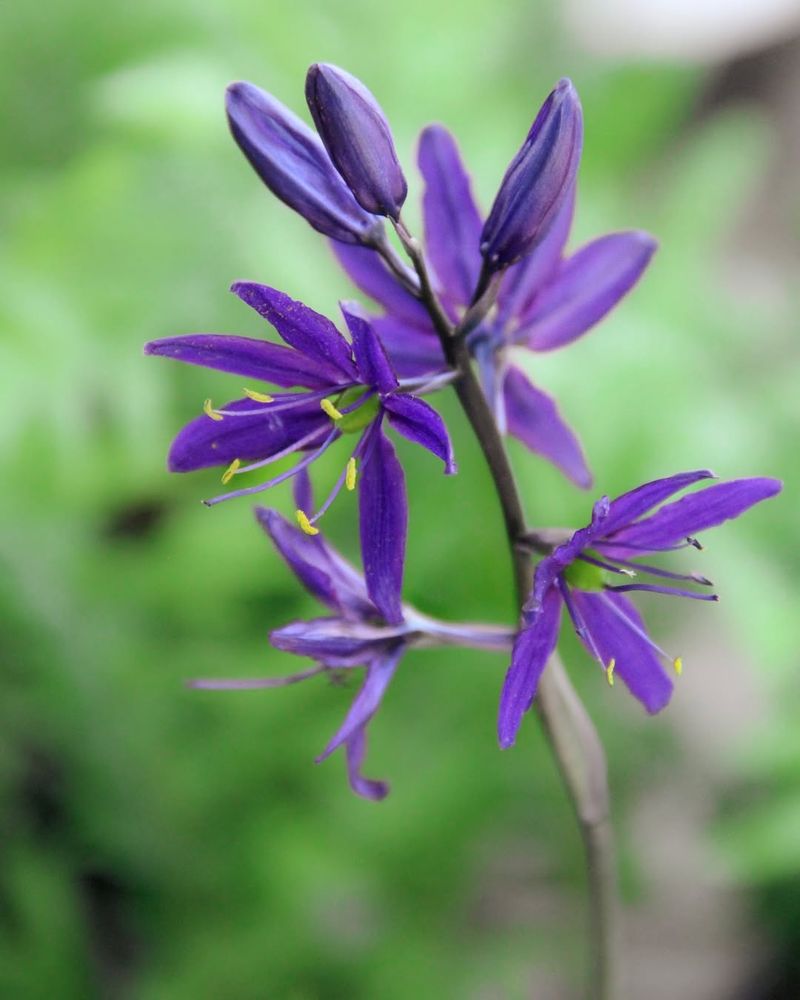
Walking through an Oregon meadow filled with blooming camas is one of those experiences that stays with you. The blue-purple flowers appear in such masses that early settlers described entire valleys looking like blue lakes.
This plant has deep cultural significance for Indigenous peoples of the Pacific Northwest, who relied on its bulbs as a staple food source for thousands of years.
For bees, camas is a spring jackpot. The open, star-shaped flowers are easy to access, and each one offers a generous amount of pollen and nectar.
Native bumblebees, mason bees, and sweat bees all visit camas regularly. Because it blooms in mid to late spring, it helps bridge the gap between the very earliest bloomers and summer wildflowers.
Camas thrives in moist meadows and areas that flood briefly in winter and dry out in summer.
The Willamette Valley in Oregon was once famous for its vast camas prairies, though much of that habitat has been lost to development.
Restoring camas to home gardens and natural areas is a meaningful conservation act. It grows from bulbs that can be planted in fall, and once established, it spreads slowly to create a stunning spring display that benefits both people and pollinators.
9. Douglas Aster (Symphyotrichum subspicatum)
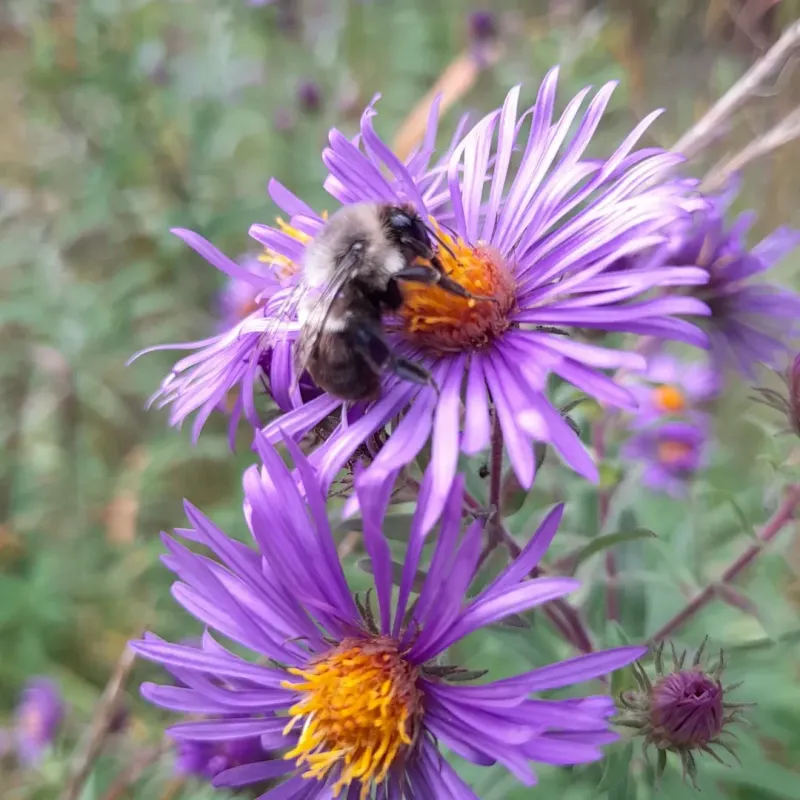
While most of the plants on this list bloom in the earliest weeks of spring, Douglas Aster plays a different but equally vital role. It blooms from late summer well into fall, making it one of the last flowers to feed bees before Oregon’s cold season sets in.
That timing is critical. Bees need to build up fat reserves and store enough honey to survive winter, and Douglas Aster gives them one final feast.
The lavender-purple, daisy-like flowers are small but produced in huge numbers. A single plant can be covered in dozens of blooms at once, attracting a wide variety of pollinators including bumblebees, sweat bees, butterflies, and even some wasps.
It is a true pollinator magnet in Oregon gardens and natural areas.
Douglas Aster is native to coastal and lowland areas of Oregon, where it grows in meadows, forest edges, and disturbed ground. It tolerates wet soils and even some salt spray, making it a tough and adaptable plant.
In a garden setting, it works beautifully as a border plant or naturalized meadow addition. It requires very little care and spreads to form cheerful colonies over time.
Planting Douglas Aster alongside early bloomers ensures Oregon’s bees have food from the very first warm days all the way through autumn.