These 8 Stunning Long-Blooming Plants Keep Ohio Gardens Bursting With Color
Stop settling for a summer garden burnout that leaves your backyard looking like a scorched wasteland. Most Ohio homeowners accept a fleeting window of beauty as the inevitable tax of living in the Midwest, but they are missing a massive horticultural loophole.
You can actually trick your landscape into a relentless color cycle that defies the brutal humidity of August and the unpredictable shifts of Buckeye State weather.
By strategically selecting perennials engineered for stamina rather than brief sprints, you transform a high-maintenance chore into a self-sustaining visual feast.
These specific varieties thrive in local clay soils and laugh at the summer heat, ensuring your curb appeal remains the envy of the neighborhood well into the crisp days of autumn. Forget the constant replanting cycle.
It is time to invest in the heavy hitters of the plant world.
1. Brighten Your Garden With Endless Coneflower Blooms
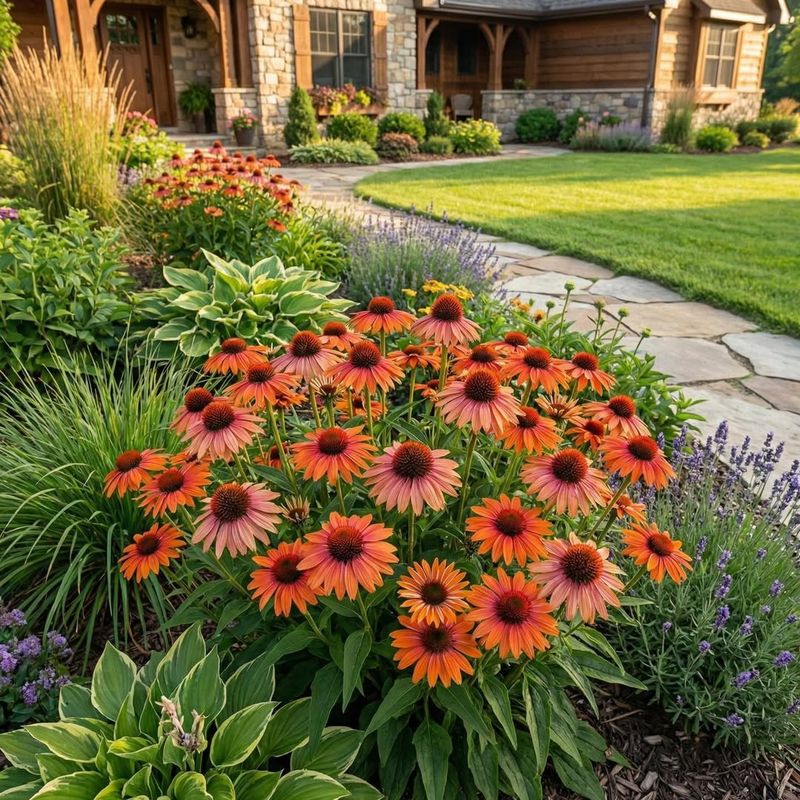
Few plants put on a show quite like the coneflower, and Ohio gardens are the perfect stage for it. Known scientifically as Echinacea purpurea, coneflowers come in a rainbow of colors including classic purple, hot pink, white, orange, and even yellow.
Varieties like ‘Magnus,’ ‘Cheyenne Spirit,’ and ‘PowWow Wild Berry’ are especially popular with Ohio gardeners because they thrive in the state’s mix of humid summers and cool nights.
Coneflowers bloom from early summer all the way through early fall, giving you roughly three to four months of color. They love full sun and do best in well-drained soil.
Sandy or loamy soil works great, and they’re surprisingly drought-tolerant once they get established, which makes them a low-maintenance favorite.
To keep the blooms coming, deadhead spent flowers regularly throughout the season. Removing faded blooms encourages the plant to push out new ones instead of going to seed.
That said, leaving a few seed heads at the end of the season provides food for birds like goldfinches, which is a lovely bonus. Plant coneflowers in groups of three or more for maximum visual impact in any Ohio garden bed.
2. Keep Your Beds Vibrant With Daylilies All Season
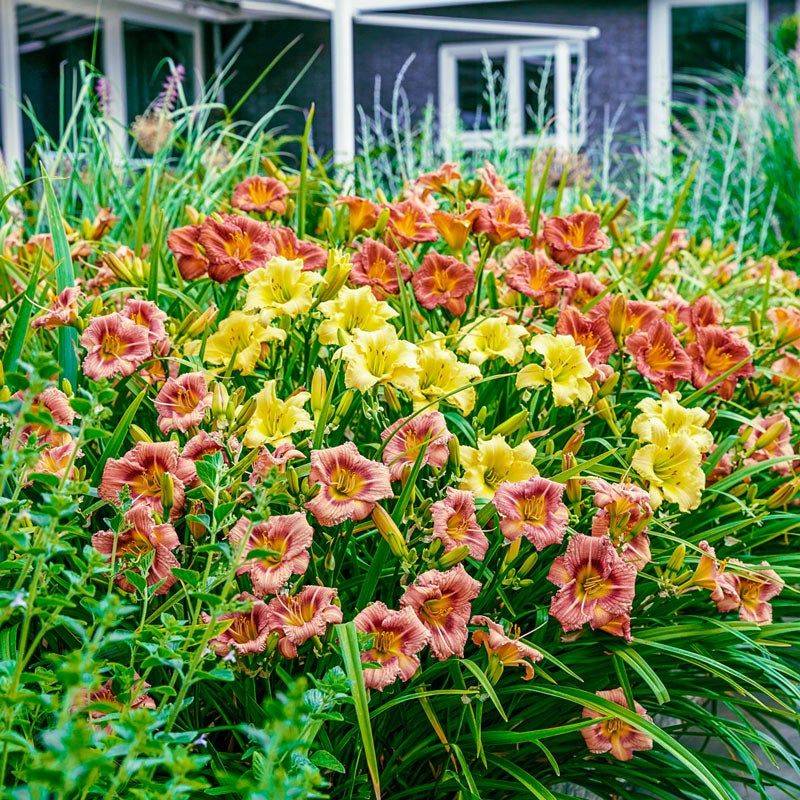
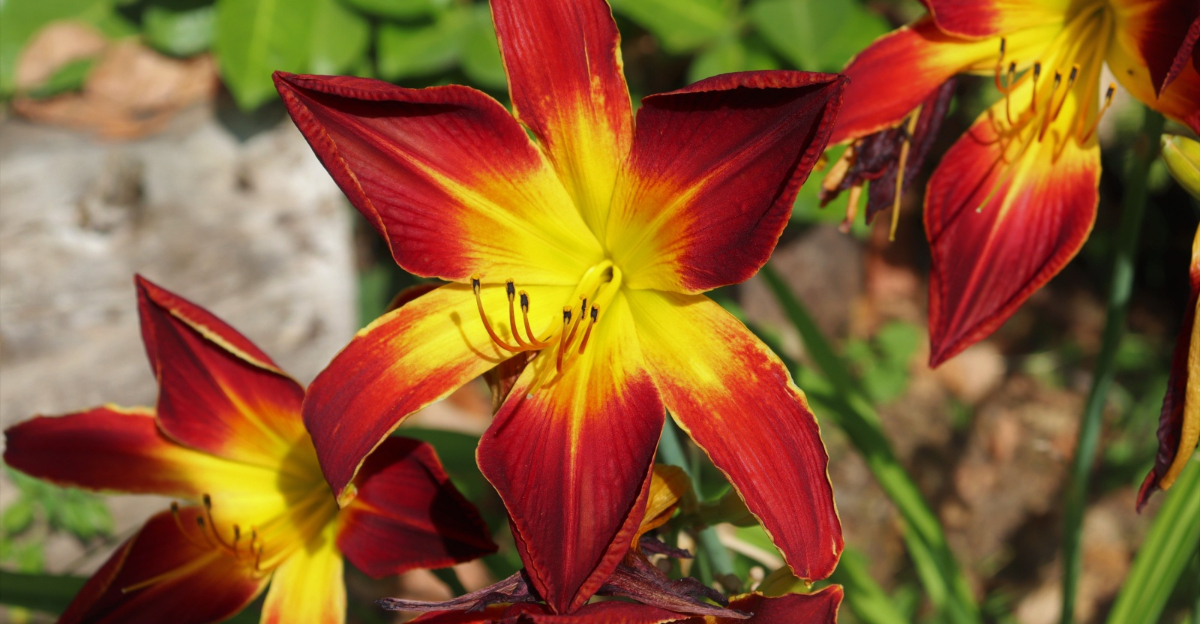
There’s a reason daylilies are one of the most-planted perennials across Ohio. These tough, adaptable plants pump out blooms in an almost endless parade of color from early summer right through to early fall.
Each individual flower only lasts a single day, but the plant sends up bud after bud, keeping the show going for weeks on end.
Choosing a mix of early, mid-season, and late-blooming varieties is the smartest way to stretch your color display. Try pairing ‘Stella de Oro’ for early summer color with ‘Happy Returns’ for a mid-season boost and ‘Autumn Minaret’ to close out the season with flair.
Ohio’s warm summers and moderate rainfall suit daylilies beautifully.
Planting is straightforward: daylilies prefer full sun to partial shade and do well in average, well-drained soil. Adding a layer of compost at planting time gives roots a great start.
Divide clumps every three to four years to keep plants vigorous and blooming at their best. Regular deadheading keeps beds tidy and encourages the plant to focus its energy on producing fresh flowers rather than seeds.
Daylilies also pair beautifully with coneflowers and black-eyed Susans in mixed Ohio garden borders.
3. Add Splashy Color With Summer-Blooming Black-Eyed Susans
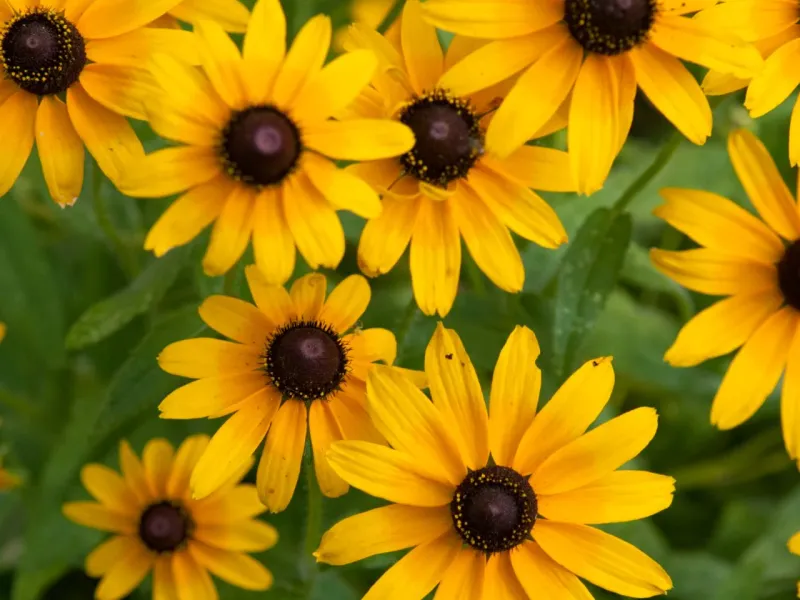
Walk through almost any Ohio meadow in July and August and you’ll spot the cheerful golden-yellow faces of Black-Eyed Susans nodding in the breeze. Rudbeckia hirta is practically made for Ohio’s climate.
It handles heat, humidity, and even brief dry spells without complaint, making it one of the most reliable summer bloomers you can plant.
Black-Eyed Susans typically start blooming in mid-summer and keep going strong well into fall. They love full sun and aren’t picky about soil, though they do appreciate good drainage.
If your soil is heavy clay, work in some compost before planting to improve drainage and give roots room to spread comfortably.
One of the best things about Black-Eyed Susans is how well they play with others. They look fantastic alongside purple coneflowers, blue salvia, and ornamental grasses in mixed borders.
Butterflies and bees absolutely love them, so you’ll be supporting local pollinators at the same time. Deadhead regularly to extend the bloom period, or let some seed heads form to attract songbirds in late fall.
For Ohio gardeners looking for a bold, low-effort pop of summer color, Black-Eyed Susans are a no-brainer choice for any sunny spot in the yard.
4. Enjoy Continuous Color From Butterfly Bushes This Summer
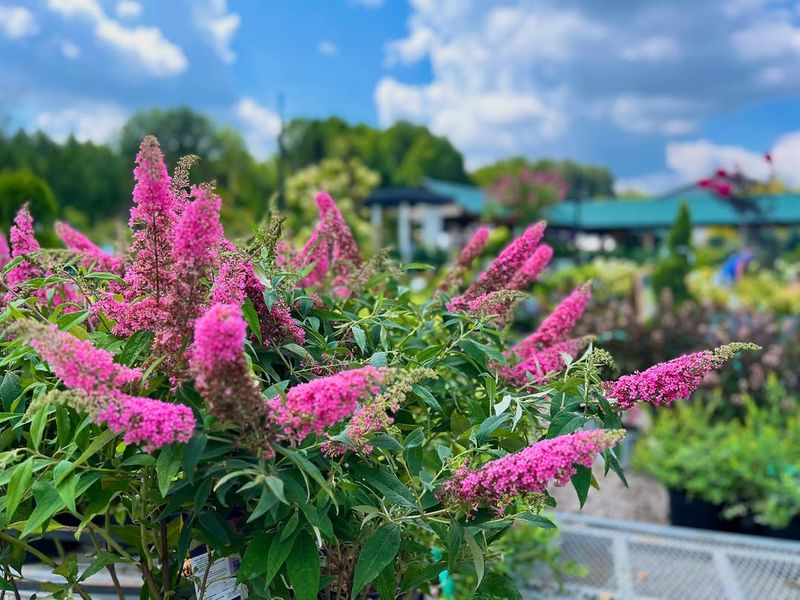
Butterfly bush earns its name every single summer. Plant one in your Ohio garden and within days you’ll see swallowtails, monarchs, and skipper butterflies flocking to the long, cone-shaped flower spikes.
Buddleia davidii is a fast-growing shrub that blooms prolifically from midsummer through the first frost, giving you months of colorful, fragrant flowers.
Popular varieties for Ohio include ‘Black Knight’ with its deep purple spikes, ‘Pink Delight’ for soft rosy tones, and ‘White Profusion’ for a classic look. All of these perform well across Ohio’s varied growing zones.
They love full sun and thrive in well-drained soil. Butterfly bushes are also remarkably drought-tolerant once established, which is great news for gardeners who don’t want to water constantly during hot Ohio summers.
Pruning is the key to keeping butterfly bushes full and floriferous. Cut plants back hard in early spring, reducing them to about 12 inches from the ground.
This encourages vigorous new growth and loads of fresh flower spikes. Deadheading spent blooms throughout summer also extends the flowering season significantly.
Beyond their beauty, butterfly bushes provide valuable nectar for pollinators, making them a generous and rewarding addition to any Ohio landscape.
5. Let Sedum Bring Late-Season Drama And Texture
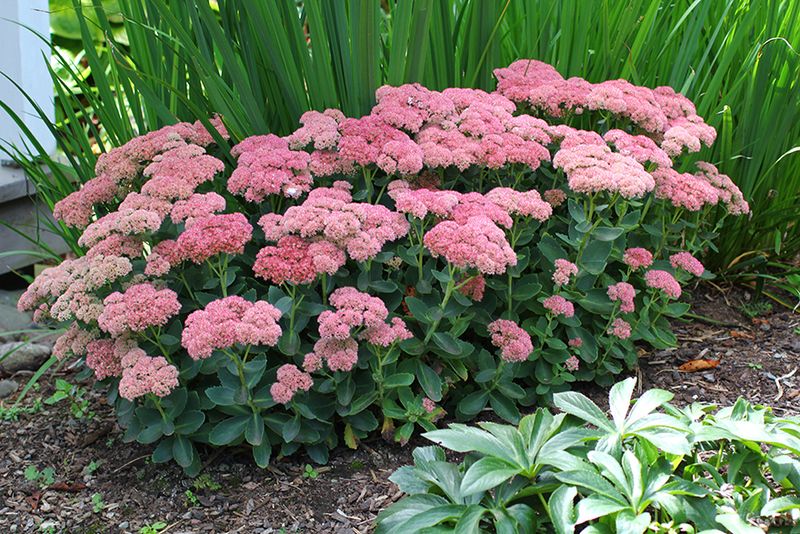
When most summer perennials start winding down, sedum is just hitting its stride. Also called stonecrop, sedum is one of Ohio’s most underappreciated late-season superstars.
Varieties like ‘Autumn Joy,’ ‘Matrona,’ and ‘Brilliant’ burst into bloom in late summer and carry their rich pink to rosy-red flower heads all the way through fall, sometimes even into early winter.
Sedum thrives in full sun and actually prefers lean, well-drained soil. Heavy, wet soil is its one real weakness, so if your Ohio garden has clay-heavy ground, mix in some coarse sand or gravel before planting.
Once established, sedum asks for very little. It handles drought like a champ and rarely needs fertilizing, making it a great choice for low-maintenance landscapes.
From a design standpoint, sedum brings both texture and structure to garden beds. The thick, fleshy leaves look attractive even before the flowers open, providing interest from spring onward.
As the flowers mature, they shift from pink to copper and finally to a russet-brown that looks stunning alongside ornamental grasses. Bees and butterflies love the late-season blooms too, making sedum a practical choice for Ohio gardeners who want to support pollinators right up until the first hard frost arrives.
6. Illuminate Your Garden With Long-Blooming Coreopsis
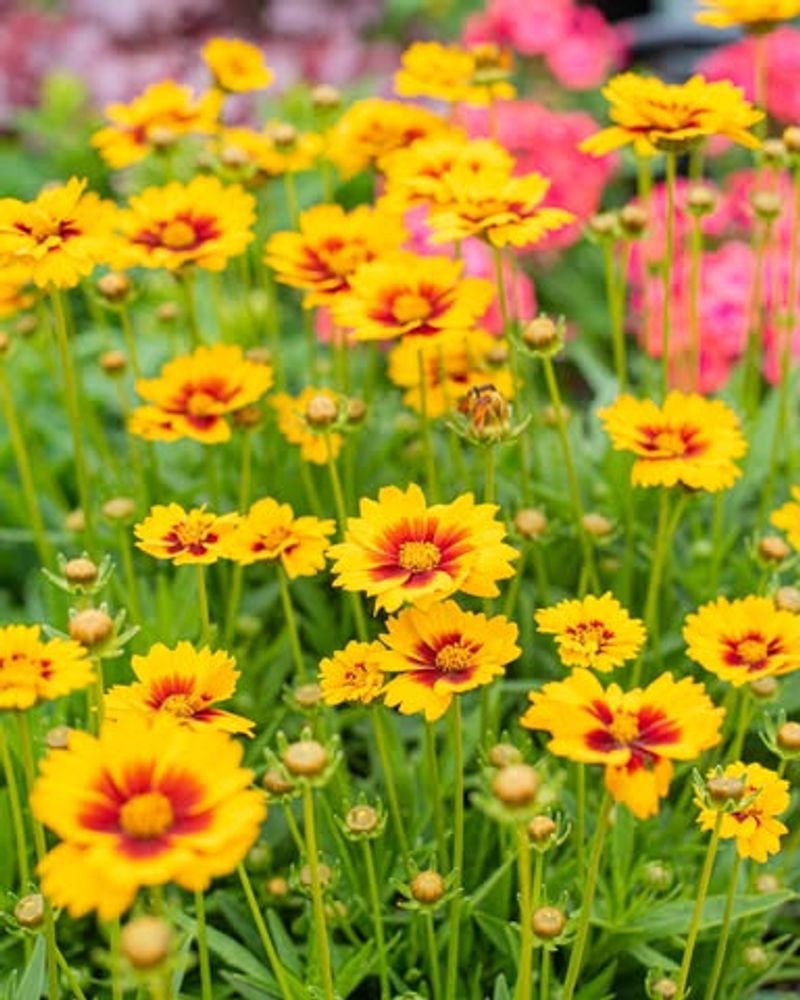
If your Ohio garden needs a reliable shot of sunshine-yellow color that just won’t quit, coreopsis is your answer. Sometimes called tickseed, coreopsis is one of those plants that seems almost too good to be true.
It blooms from late spring through early fall, handles heat and drought without flinching, and asks for almost nothing in return.
Ohio gardeners have plenty of great varieties to choose from. ‘Moonbeam’ is a classic with its soft, creamy-yellow flowers and fine-textured foliage. ‘Zagreb’ offers bolder golden blooms and a compact form perfect for smaller beds. ‘Route 66’ and ‘Uptick Gold and Bronze’ bring two-toned flowers that really stand out in mixed borders. All of these perform reliably across Ohio’s growing zones.
Coreopsis loves full sun and well-drained soil. It actually blooms better in slightly lean soil, so hold off on heavy fertilizing.
The most important maintenance tip is deadheading. Snipping off spent blooms regularly keeps the plant producing fresh flowers week after week.
Cutting plants back by about one-third in midsummer also encourages a fresh flush of late-season color. Pair coreopsis with purple coneflower or blue salvia for a stunning, pollinator-friendly combination that lights up any Ohio garden from across the yard.
7. Extend Your Blooms With Shasta Daisies In Full Glory
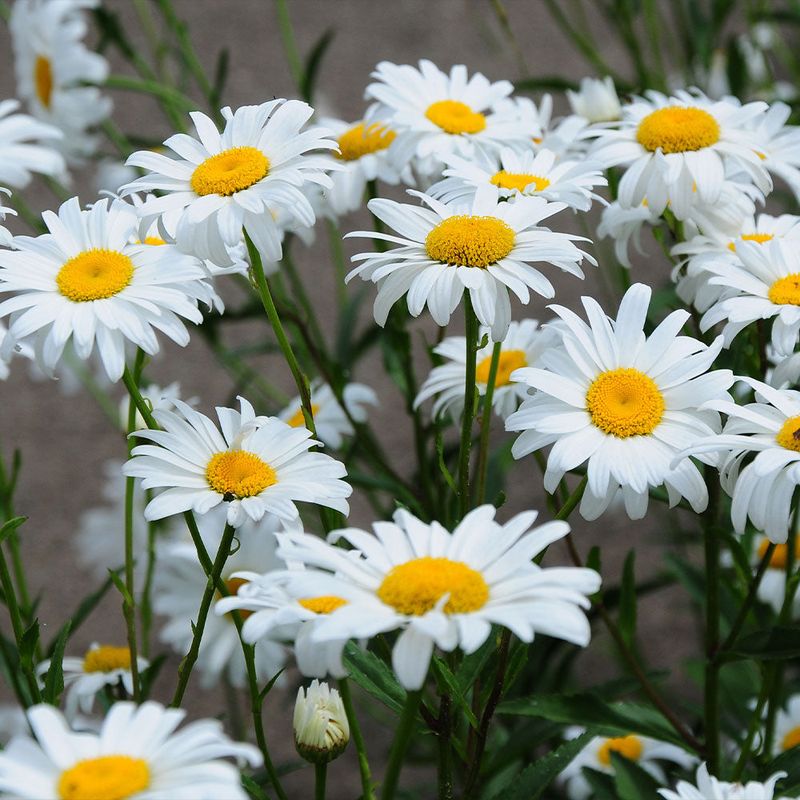
There is something wonderfully timeless about a patch of Shasta daisies in full bloom. With their crisp white petals and cheerful yellow centers, Shasta daisies bring a classic cottage-garden feel to Ohio landscapes.
They bloom from early to midsummer and, with the right care, can keep producing flowers well into late summer or even early fall.
Shasta daisies prefer full sun and fertile, well-drained soil. In Ohio, they perform best when given a spot that gets at least six hours of direct sunlight each day.
Amending your soil with compost before planting gives roots a healthy foundation and helps the plants establish quickly. Space plants about 18 to 24 inches apart to allow good air circulation, which helps prevent powdery mildew, a common issue in Ohio’s humid summers.
The single most effective way to extend Shasta daisy blooms is consistent deadheading. As soon as a flower fades, snip it off just above a leaf node.
This signals the plant to redirect its energy into producing new buds. Cutting plants back by half after the first main flush of blooms often triggers a second wave of flowers later in the season.
Shasta daisies look gorgeous paired with lavender, black-eyed Susans, or ornamental grasses in Ohio garden borders.
8. Fill Ohio Gardens With Vibrant Phlox From Summer To Fall
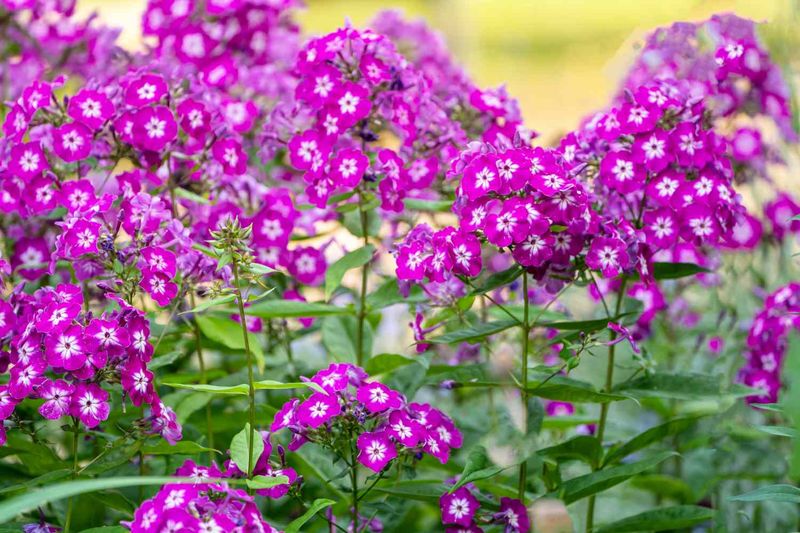
Garden phlox is one of those plants that makes neighbors stop and stare. Phlox paniculata produces large, dome-shaped clusters of fragrant flowers in shades of pink, purple, white, red, and bi-color combinations.
It blooms from midsummer into early fall, filling Ohio gardens with both color and a sweet, pleasant fragrance that carries on warm evening breezes.
Ohio’s climate suits garden phlox well, though choosing mildew-resistant varieties makes a big difference. Look for cultivars like ‘David,’ ‘Robert Poore,’ or ‘Jeana,’ all of which have strong resistance to powdery mildew and perform beautifully across Ohio’s varying humidity levels.
These varieties also attract hummingbirds and butterflies, adding even more life and movement to the garden.
Phlox thrives in full sun to light shade and prefers moist, fertile, well-drained soil. Adding a generous layer of mulch around the base helps retain soil moisture during hot Ohio summers.
Thin out stems in spring, leaving four to six strong shoots per clump, to improve air circulation and reduce disease pressure. Deadhead regularly to encourage reblooming and keep plants looking tidy.
Pair garden phlox with daylilies, coneflowers, or ornamental grasses for a layered, season-long display that makes any Ohio garden truly unforgettable.