These 13 Sustainable Landscaping Ideas Are Taking Off In Oregon
Oregon yards are starting to look a little different and it’s not by accident. Instead of perfectly trimmed lawns and high-maintenance plant beds, more homeowners are choosing landscapes that feel natural, practical, and easier to live with.
The shift is happening quietly, but once you notice it, you’ll see it everywhere.
People are getting smarter about how they use water, space, and plants. Between changing weather patterns and busier schedules, the idea of spending every weekend maintaining a yard just isn’t as appealing as it used to be.
Sustainable landscaping offers a better balance: healthier soil, stronger plants, and outdoor spaces that actually work with the environment instead of against it.
What makes these ideas exciting is that they don’t require a full yard makeover. Many changes are simple and affordable, yet they make a big impact over time.
From smarter planting choices to creative ways of managing rain and runoff, small adjustments add up fast.
If you’ve been thinking about making your yard easier to care for while also being kinder to the planet, you’re not alone.
These sustainable landscaping ideas are gaining popularity across Oregon because they’re practical, effective, and surprisingly enjoyable to implement and they’re helping homeowners create outdoor spaces that truly make sense for the region.
1. Native Plant Gardens
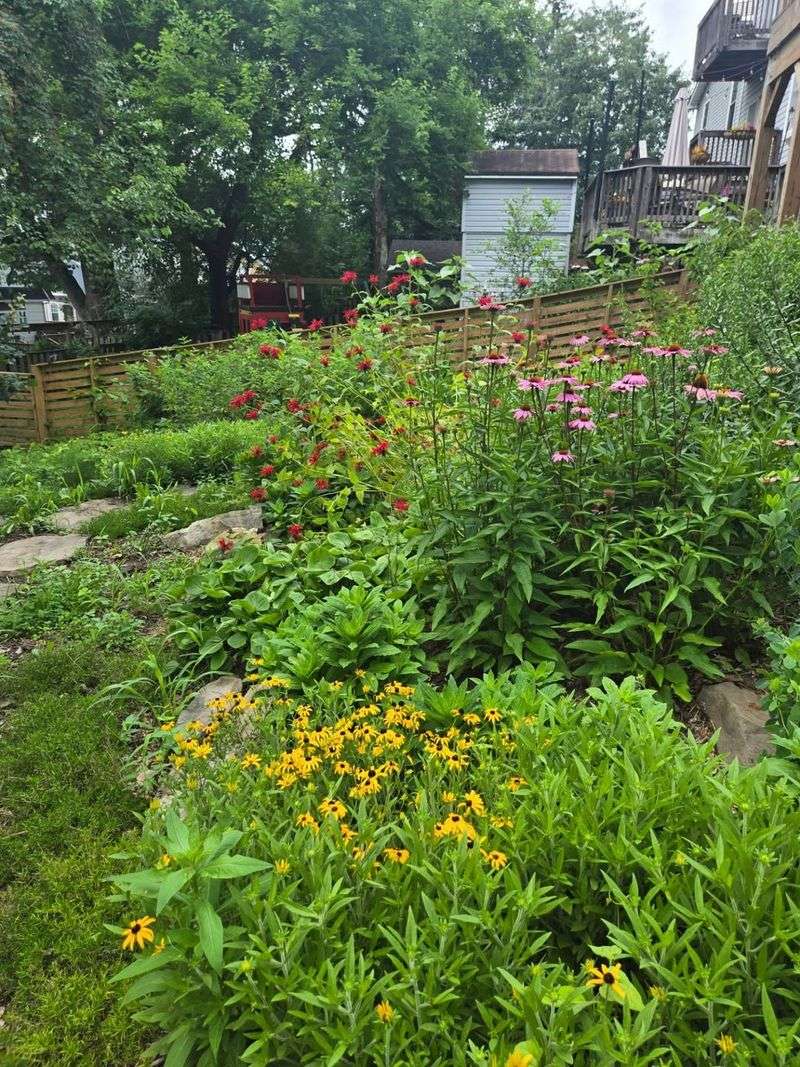
Oregon boasts an incredible variety of native plants that evolved right here over thousands of years. When you choose natives like Oregon grape, red flowering currant, and sword fern for your yard, you create a landscape that practically takes care of itself.
Native plants already adapted to our rainfall patterns, soil types, and temperature swings, so they need far less water and attention than exotic species.
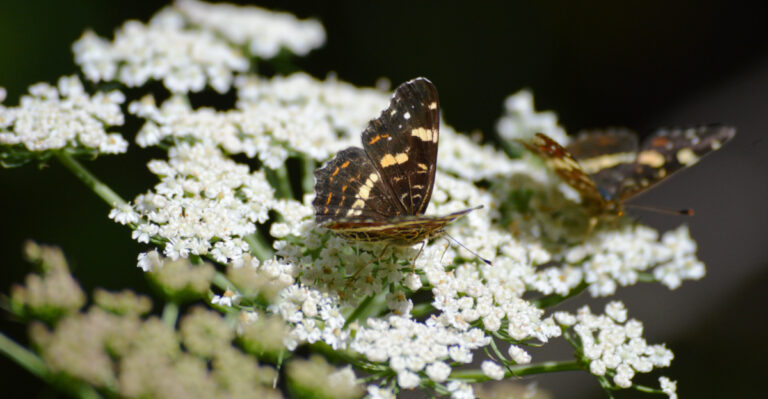
Birds, bees, and butterflies depend on native plants for food and shelter. When you plant natives, you provide critical habitat for pollinators and other beneficial creatures.
Your garden becomes part of a larger ecosystem that supports Oregon’s wildlife.
Native plants also resist local pests and diseases better than imports. You can skip most pesticides and still enjoy a healthy, vibrant garden.
Plus, natives offer stunning seasonal color and texture, from spring blooms to fall foliage.
Many nurseries across Oregon now specialize in native plants. Staff can help you select species that match your specific conditions, whether you have sun or shade, wet or dry soil.
Starting a native plant garden is one of the easiest ways to create a sustainable landscape that celebrates Oregon’s natural heritage.
2. Rainwater Harvesting Systems
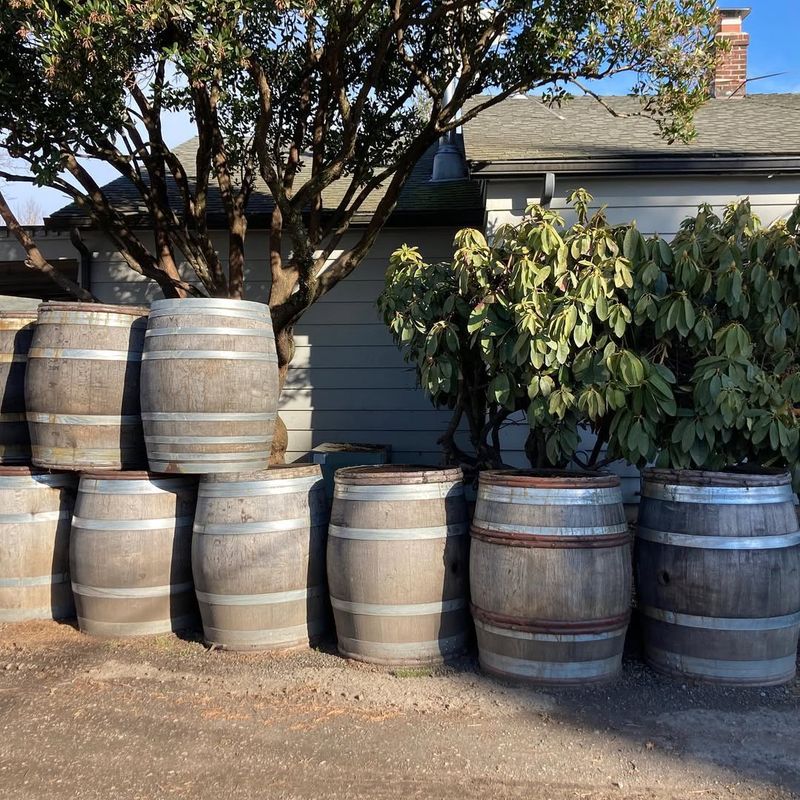
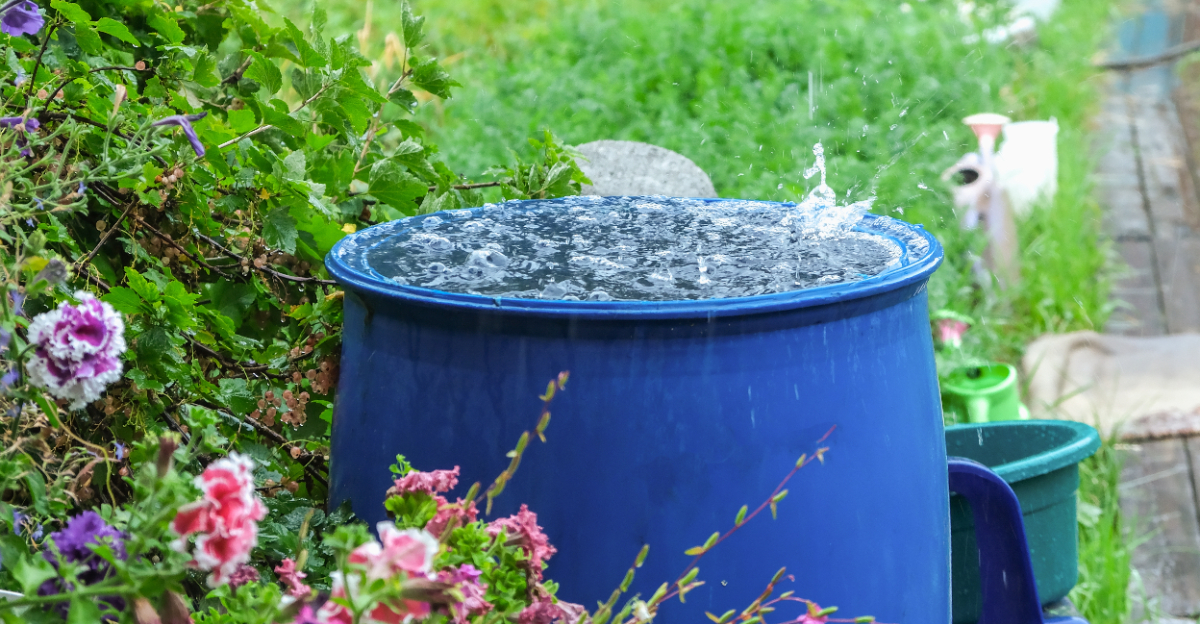
Capturing rainwater makes perfect sense in Oregon, where winter rains are plentiful but summer can get dry. A rain barrel or cistern collects water from your roof through downspouts, storing it for later use.
You can use this free water to irrigate your garden during the drier months, reducing your reliance on municipal water supplies.
Rain barrels come in many sizes and styles to fit any budget and space. Some homeowners install several barrels to capture more water, while others invest in larger underground cisterns.
Either way, you save money on water bills and help reduce stormwater runoff that can cause erosion and pollution.
Stored rainwater is actually better for plants than treated tap water. It lacks chlorine and other chemicals, and plants seem to prefer its natural composition.
You can attach a hose or watering can to your barrel for easy access.
Oregon offers rebates and incentives in some areas to help homeowners install rainwater harvesting systems. Check with your local water district to see what programs are available.
Setting up a rain barrel is a weekend project that pays dividends all summer long.
3. Permeable Paving Materials
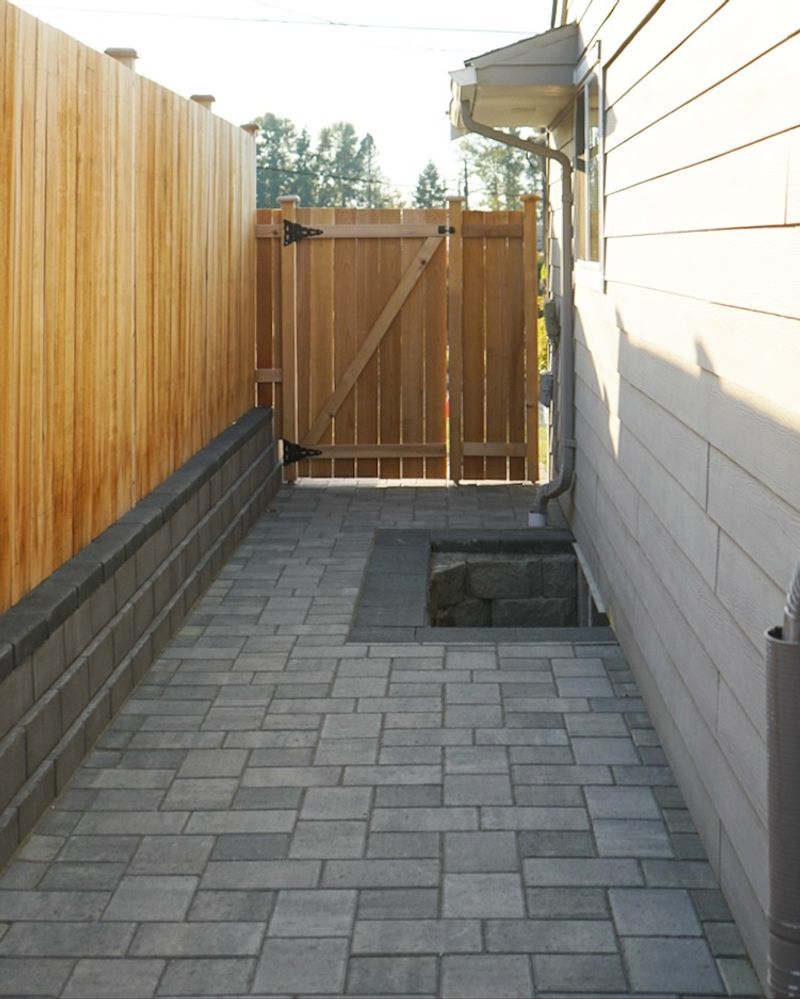
Traditional concrete and asphalt create impermeable surfaces that send rainwater rushing into storm drains. Permeable paving allows water to soak through into the ground below, reducing runoff and recharging groundwater supplies.
Options include permeable pavers, gravel, crushed stone, and porous concrete.
Permeable materials work great for driveways, patios, and walkways. Water filters through the gaps between pavers or through the porous material itself.
This prevents puddles and reduces the strain on drainage systems during heavy Oregon rains.
By allowing water to infiltrate naturally, permeable paving helps filter pollutants before they reach streams and rivers. Soil acts as a natural cleaning system, removing contaminants from runoff.
Your yard becomes part of the solution to water quality issues.
Permeable surfaces also reduce heat island effects compared to solid asphalt or concrete. They stay cooler in summer and create a more comfortable outdoor environment.
Installation costs are often comparable to traditional paving, especially when you factor in reduced drainage infrastructure needs.
Many Oregon cities encourage or even require permeable paving for new construction and major renovations. Making the switch helps your property manage water sustainably while creating attractive outdoor spaces.
4. Composting Stations
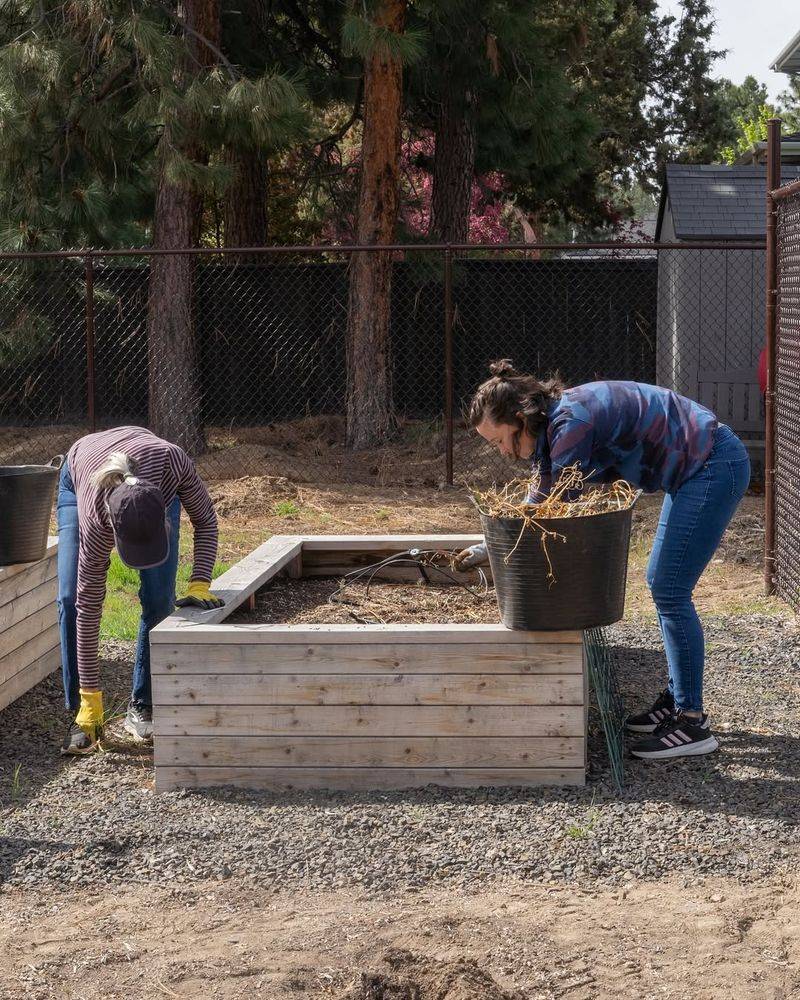
Food scraps and yard waste make up a huge portion of household garbage, but they do not belong in landfills. Composting transforms these materials into rich, dark soil amendment that feeds your garden.
Setting up a composting station in your yard is easier than you might think.
You can choose from tumbling bins, stationary bins, or simple wire enclosures. Add kitchen scraps like vegetable peels, coffee grounds, and eggshells along with yard waste like grass clippings and leaves.
Microorganisms break everything down into compost, usually within a few months.
Finished compost improves soil structure, adds nutrients, and helps retain moisture. Spreading compost in your garden beds reduces the need for synthetic fertilizers and improves plant health.
Your plants grow stronger and produce better with regular compost applications.
Oregon encourages composting through education programs and subsidized bins in many communities. Some cities even collect food scraps curbside for commercial composting.
Home composting gives you direct control over the process and produces free fertilizer right in your backyard.
Starting a compost pile is a simple step toward zero waste gardening. You reduce garbage, improve your soil, and close the loop on organic materials.
5. Drought-Tolerant Landscaping
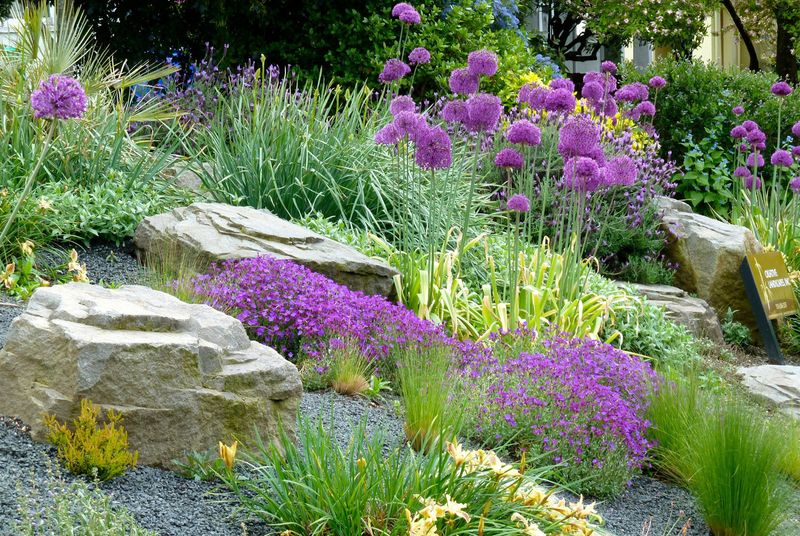
Summer water restrictions are becoming more common across Oregon, especially in areas east of the Cascades. Drought-tolerant landscaping helps you maintain an attractive yard while using far less water.
Many beautiful plants thrive with minimal irrigation once established.
Lavender, sedum, ornamental grasses, and yarrow are just a few options that handle dry conditions with ease. Group plants with similar water needs together, placing thirstier species in small zones and drought-tolerant ones throughout the rest of your yard.
This approach, called hydrozoning, maximizes water efficiency.
Mulching around plants helps retain soil moisture and reduces evaporation. A two- to three-inch layer of wood chips or bark keeps roots cool and cuts down on watering frequency.
Mulch also suppresses weeds that compete with your plants for water.
Drought-tolerant landscaping does not mean boring or brown. Many water-wise plants offer stunning flowers, interesting foliage, and year-round appeal.
You can create a colorful, diverse landscape that looks great even during dry spells.
Reducing water use saves money and helps conserve Oregon’s water resources. Drought-tolerant landscaping is an investment that pays off in lower bills and a resilient garden that handles summer heat without constant attention.
6. Pollinator-Friendly Habitats
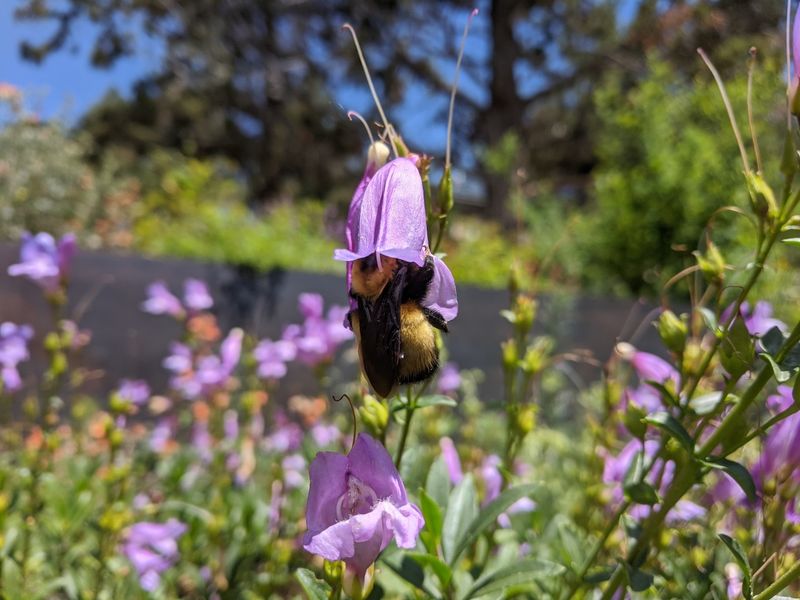
Bees, butterflies, and other pollinators face serious challenges from habitat loss and pesticide use. Your yard can become a refuge for these essential creatures.
Planting a variety of flowering plants that bloom at different times provides food throughout the growing season.
Native wildflowers work especially well for supporting local pollinator species. Asters, lupines, penstemon, and coneflowers attract diverse visitors.
Avoid hybrid flowers with double blooms, as they often lack the nectar and pollen that pollinators need.
Leave some areas of your yard a bit wild. Bare ground provides nesting sites for native bees, while brush piles and standing stems offer winter shelter.
Not every corner needs to be perfectly manicured for a yard to look good.
Skip pesticides whenever possible, as they harm beneficial insects along with pests. If you must treat a problem, choose targeted organic options and apply them carefully.
A healthy ecosystem with plenty of predators and parasites keeps pest populations in check naturally.
Adding a shallow water source like a birdbath with stones for landing helps pollinators stay hydrated. Small touches make your yard more welcoming to the creatures that help gardens flourish across Oregon.
7. Organic Mulching Practices
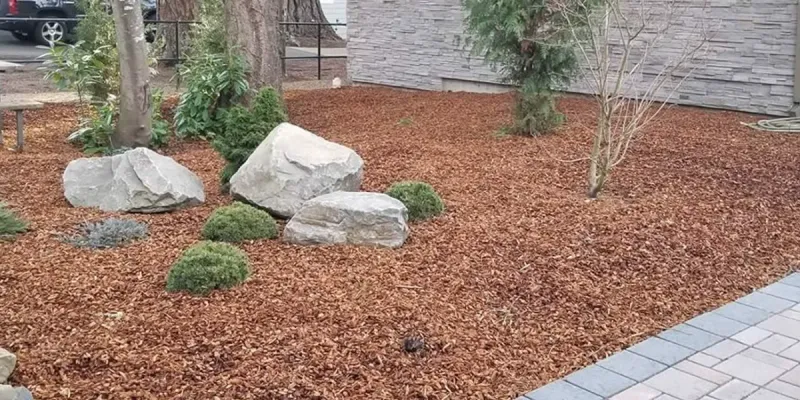
Mulch is one of the most valuable tools in sustainable landscaping. Organic mulches like wood chips, bark, straw, and compost break down over time, adding nutrients and organic matter to soil.
They also regulate soil temperature, retain moisture, and prevent erosion.
Applying a generous layer of mulch around trees, shrubs, and garden beds reduces the need for watering and weeding. Mulch blocks sunlight from reaching weed seeds, so fewer weeds sprout.
The ones that do appear pull out easily from the loose mulch layer.
Wood chip mulch is widely available and often free from tree service companies who need to dispose of chipped branches. Spread it two to three inches deep, keeping it a few inches away from plant stems to prevent rot.
As the mulch decomposes, it feeds soil organisms that improve soil health.
Organic mulches support a thriving underground ecosystem. Earthworms, beneficial bacteria, and fungi all flourish under mulch layers.
These organisms help break down organic matter and make nutrients available to plants.
Refreshing mulch once or twice a year keeps it effective. Oregon’s wet winters and dry summers make mulch especially valuable for maintaining consistent soil conditions.
Mulching is a simple practice that delivers major benefits for plant health and water conservation.
8. Edible Landscaping
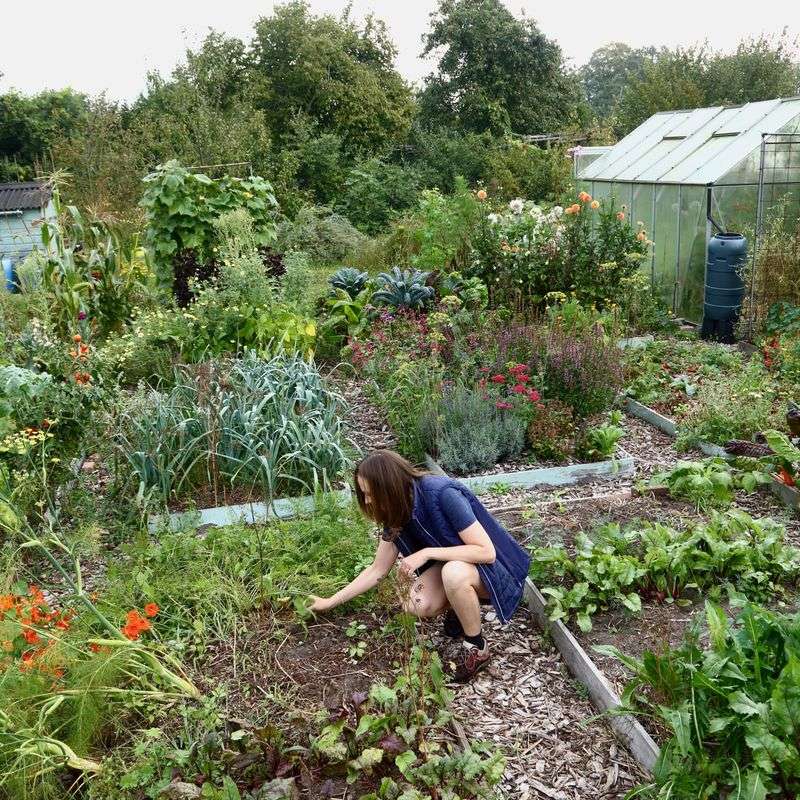
Why grow only ornamental plants when you can harvest food from your landscape? Edible landscaping combines beauty with productivity, turning your yard into a source of fresh fruits, vegetables, and herbs.
Blueberry bushes provide spring flowers, summer berries, and brilliant fall color. Fruit trees offer shade, blossoms, and delicious harvests.
Many edible plants are just as attractive as purely decorative species. Kale and chard come in gorgeous colors, while herbs like rosemary and thyme work beautifully as groundcovers or border plants.
Mixing edibles throughout your landscape creates visual interest and practical value.
Oregon’s climate is ideal for growing a wide variety of edible plants. Berries, apples, pears, and stone fruits all thrive here.
You can grow salad greens nearly year-round with minimal protection. Even small yards can produce meaningful amounts of food.
Growing your own food reduces trips to the grocery store and cuts down on packaging waste. You know exactly how your food was grown, without pesticides or synthetic fertilizers.
Fresh-picked produce tastes better and retains more nutrients than store-bought options.
Edible landscaping connects you to your food in a meaningful way. Watching plants grow from flower to fruit builds appreciation for nature’s cycles and the work that goes into producing food.
9. Green Roofs And Living Walls
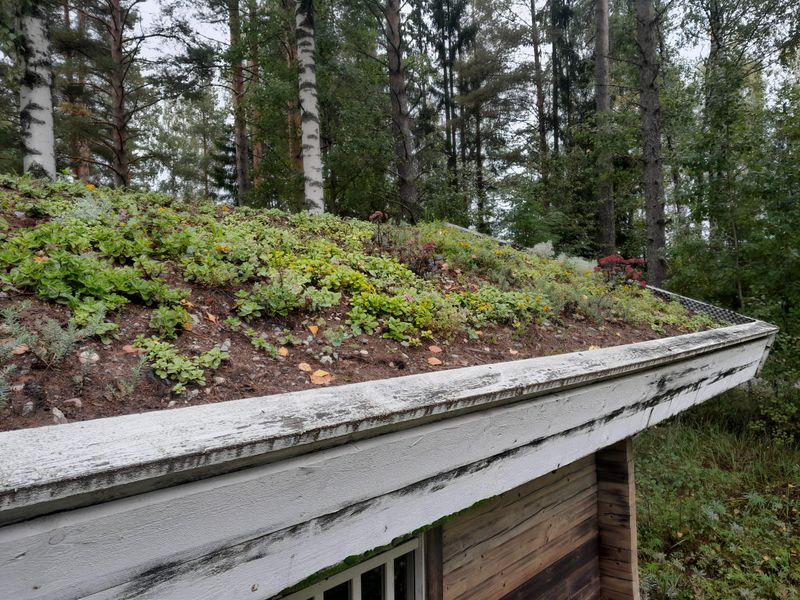
Green roofs and living walls bring plants into unexpected places, turning vertical and overhead surfaces into growing spaces. A green roof is covered with plants and growing medium instead of traditional roofing materials.
Living walls feature plants growing in vertical panels or pockets attached to building exteriors or freestanding structures.
Both approaches provide excellent insulation, reducing heating and cooling costs. Plants absorb rainwater, reducing runoff from buildings.
They also filter air pollutants and produce oxygen, improving air quality in urban areas.
Green roofs work especially well on sheds, garages, and flat-roofed buildings. Sedums and other succulents thrive in the shallow soil and harsh conditions of rooftop environments.
More elaborate green roofs can support grasses, wildflowers, and even small shrubs.
Living walls create stunning visual focal points while maximizing limited space. They are perfect for small urban yards where ground space is scarce.
Ferns, mosses, and trailing plants work well in vertical gardens, especially in Oregon’s relatively mild, moist climate.
Installing green roofs and living walls requires some expertise to ensure proper waterproofing and structural support. Professional installation is often worth the investment for these specialized features.
Once established, they provide years of beauty and environmental benefits.
10. Natural Pest Management
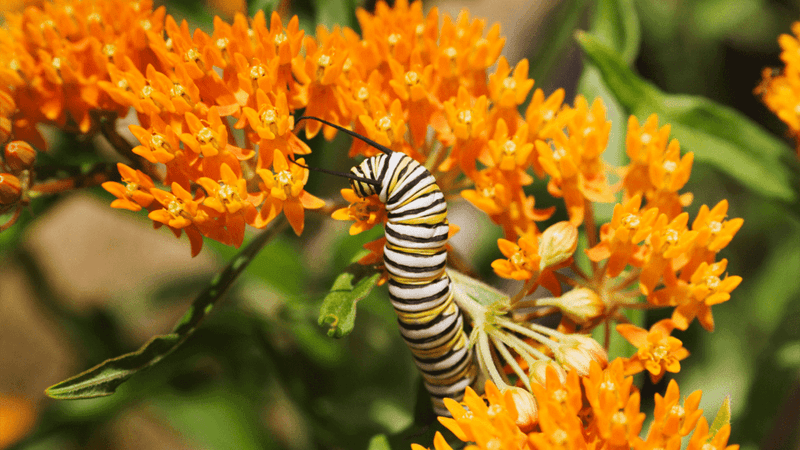
Chemical pesticides harm beneficial insects, contaminate soil and water, and pose risks to pets and children. Natural pest management relies on ecological principles to keep pest populations under control without toxic sprays.
The key is creating a balanced ecosystem where predators and parasites help manage pests.
Ladybugs, lacewings, and predatory wasps all feed on common garden pests. Planting diverse flowering plants attracts and supports these beneficial insects.
Birds also consume huge numbers of insects, so encourage them with native plants, water sources, and nesting sites.
Physical barriers like row covers protect vulnerable plants from pests without chemicals. Hand-picking larger pests like caterpillars and beetles works well for small gardens.
Spraying plants with water dislodges aphids and other soft-bodied insects.
When problems arise, start with the least toxic solutions. Insecticidal soap and neem oil target specific pests while causing minimal harm to beneficial species.
Use them sparingly and only on affected plants.
Healthy plants resist pests better than stressed ones. Proper watering, adequate nutrients, and good air circulation all contribute to plant health.
Prevention through good cultural practices is always better than treating problems after they develop. Natural pest management takes patience but creates a healthier, more sustainable landscape.
11. Rain Gardens And Bioswales
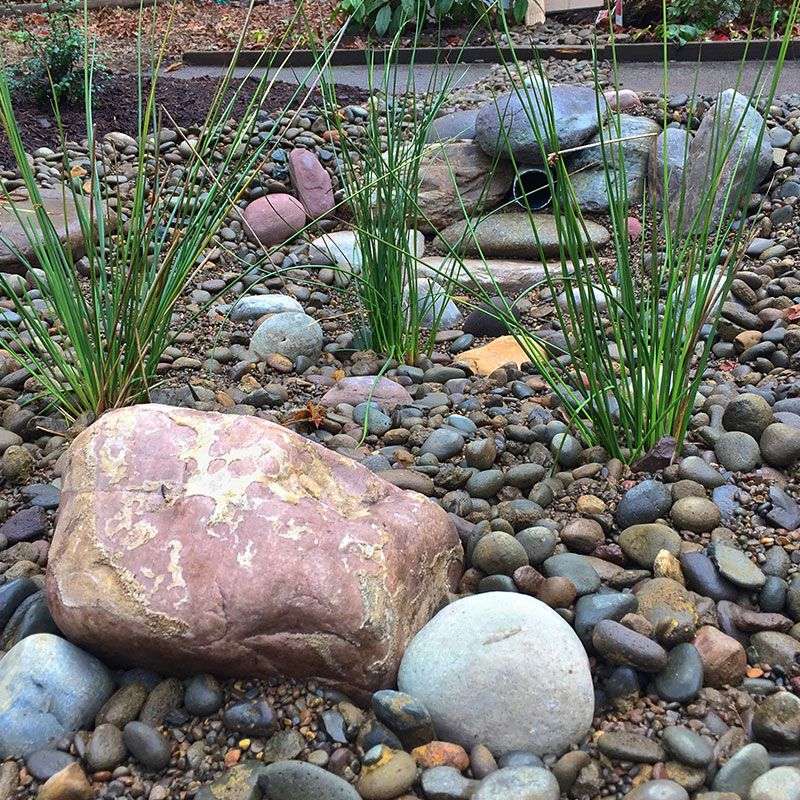
Rain gardens and bioswales are shallow depressions planted with water-tolerant native plants. They capture and filter stormwater runoff from roofs, driveways, and other hard surfaces.
Water pools temporarily in these features, then slowly soaks into the ground instead of rushing into storm drains.
Rain gardens work like natural sponges, absorbing runoff and allowing it to infiltrate gradually. Native plants with deep roots help water penetrate deep into the soil.
The plants and soil also filter out pollutants, improving water quality.
Bioswales are similar but designed to handle water flowing across the landscape. They often feature gentle slopes and channels that guide water through planted areas.
Both rain gardens and bioswales add beauty while serving important ecological functions.
These features reduce flooding and erosion by slowing down and spreading out stormwater. They recharge groundwater supplies and reduce the burden on municipal drainage systems.
During Oregon’s heavy winter rains, rain gardens and bioswales prove their worth.
Creating a rain garden or bioswale requires some planning to ensure proper placement and sizing. You want to locate them where they will intercept runoff without causing problems for foundations or septic systems.
Many resources and workshops are available across Oregon to help homeowners design and install these sustainable features.
12. Solar-Powered Garden Features

Garden lighting, fountains, and other features traditionally require electrical wiring and consume grid power. Solar-powered versions eliminate the need for wiring and operate on free energy from the sun.
Small solar panels collect sunlight during the day and power features at night or whenever needed.
Solar path lights brighten walkways without installation hassles or electricity costs. You simply stake them into the ground where you want light.
Solar fountains add the soothing sound of moving water without running up your electric bill.
Battery technology has improved dramatically, allowing solar features to operate longer and more reliably. Many now include sensors that turn lights on automatically at dusk.
You get convenience and sustainability in one package.
Solar features work well in Oregon despite our cloudy reputation. Modern solar panels generate power even on overcast days, though they perform best with some direct sun.
Positioning panels to receive maximum light ensures good performance year-round.
Adding solar-powered elements to your landscape reduces your carbon footprint and operating costs. You can expand and rearrange features easily since they do not require electrical connections.
Solar technology makes sustainable choices simple and practical for Oregon gardeners looking to reduce energy use.
13. Wildlife-Friendly Water Features
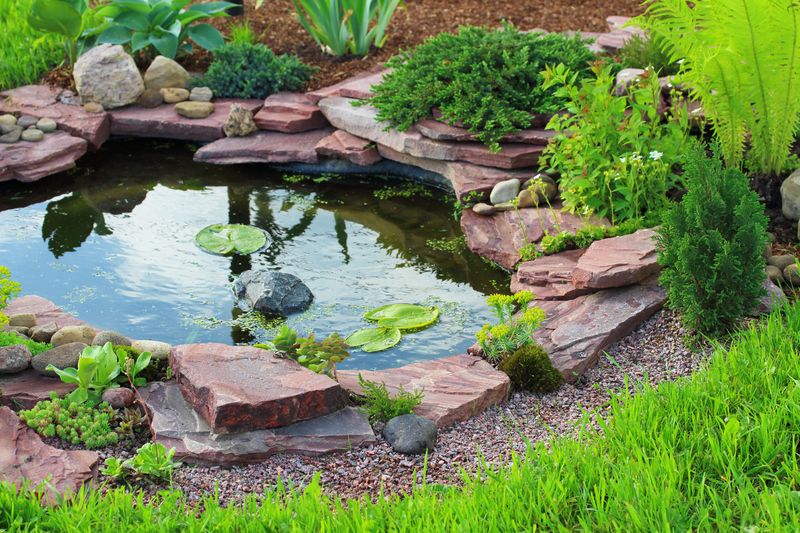
Water features attract birds, butterflies, frogs, and other wildlife to your yard. A pond, fountain, or even a simple birdbath provides drinking and bathing opportunities for creatures that make your landscape more lively and interesting.
Water also supports dragonflies and other beneficial insects that help control mosquitoes and other pests.
When designing water features for wildlife, include shallow edges and varied depths. Birds need shallow areas for bathing, while other creatures appreciate deeper zones.
Adding rocks and branches gives animals safe places to perch and access water.
Native aquatic and marginal plants enhance water features both visually and ecologically. They provide shelter for aquatic insects and amphibians while filtering water naturally.
Cattails, rushes, and water lilies all grow well in Oregon water gardens.
Avoid using chemicals in wildlife water features. Fish, frogs, and insects are sensitive to pesticides and other toxins.
Keep water clean through natural filtration with plants and beneficial bacteria.
Moving water from a fountain or waterfall adds sound and visual interest while preventing mosquito breeding. Mosquitoes need still water to lay eggs, so gentle circulation solves that problem.
A well-designed water feature becomes a focal point that supports wildlife and enhances your connection to nature right in your own yard.