These 10 Tall Plants Create Beautiful Natural Privacy In Michigan Yards
Creating privacy in your yard does not always mean building a fence or putting up a wall. In Michigan, many homeowners are turning to tall plants to create a more natural and inviting space.
With the right choices, you can block unwanted views while still enjoying the beauty of a living landscape that changes with the seasons. These plants do more than provide coverage.
They can add texture, color, and movement to your yard while helping reduce noise and create a calmer outdoor space. Michigan’s mix of warm summers and cold winters makes it important to choose plants that can handle both.
The good news is there are plenty of options that grow tall and stay strong through changing conditions. Once you see how these ten plants work together, you can create a private space that feels both peaceful and full of life.
1. Eastern White Pine
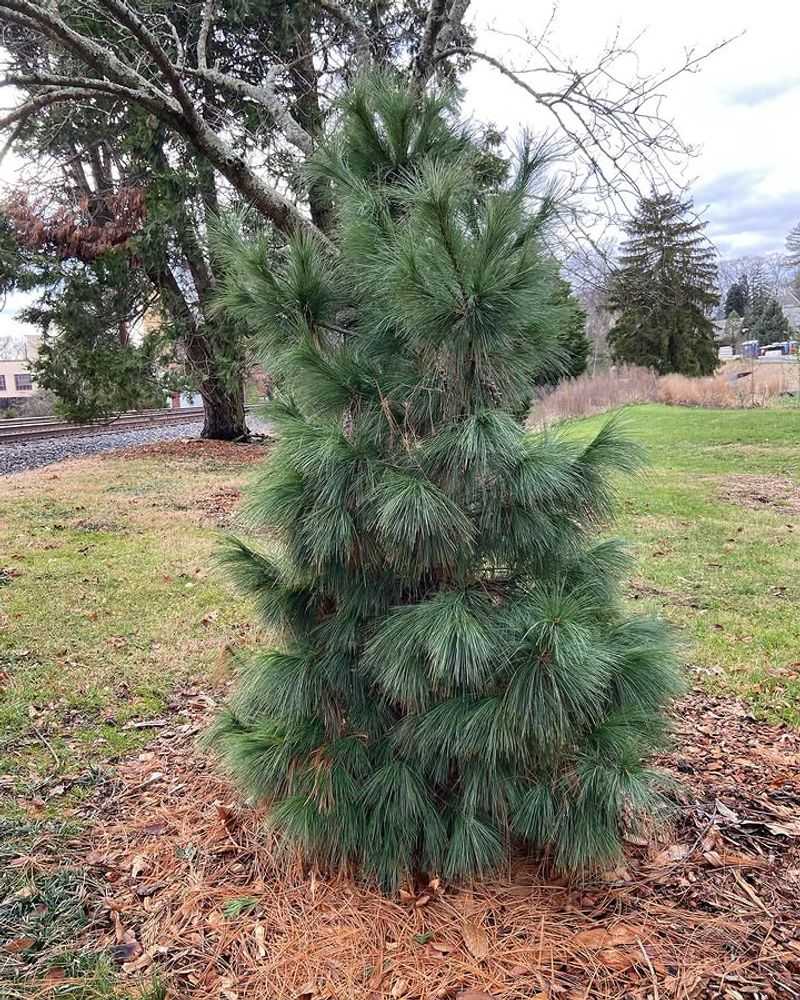
Few trees command attention quite like the Eastern White Pine. Reaching heights of 50 to 80 feet at full maturity, this majestic evergreen is one of the most effective natural privacy screens you can plant in a Michigan yard.
Its soft, blue-green needles grow in clusters of five and create a feathery, layered look that feels both wild and intentional.
Eastern White Pine grows fast, typically adding 2 to 3 feet per year under good conditions. That kind of speed means you will start seeing real privacy within just a few growing seasons.
Plant them 10 to 15 feet apart to allow healthy spread, or closer together for a quicker, tighter screen along your property line.
Michigan’s cold winters and varied soils are no problem for this tough native tree. It handles sandy, loamy, and even slightly acidic soils with ease.
Full sun is ideal, though it tolerates light shade without much complaint. Over time, a row of Eastern White Pines creates a beautiful, dense green wall that buffers wind, muffles sound, and adds serious curb appeal to any Michigan property.
2. Arborvitae
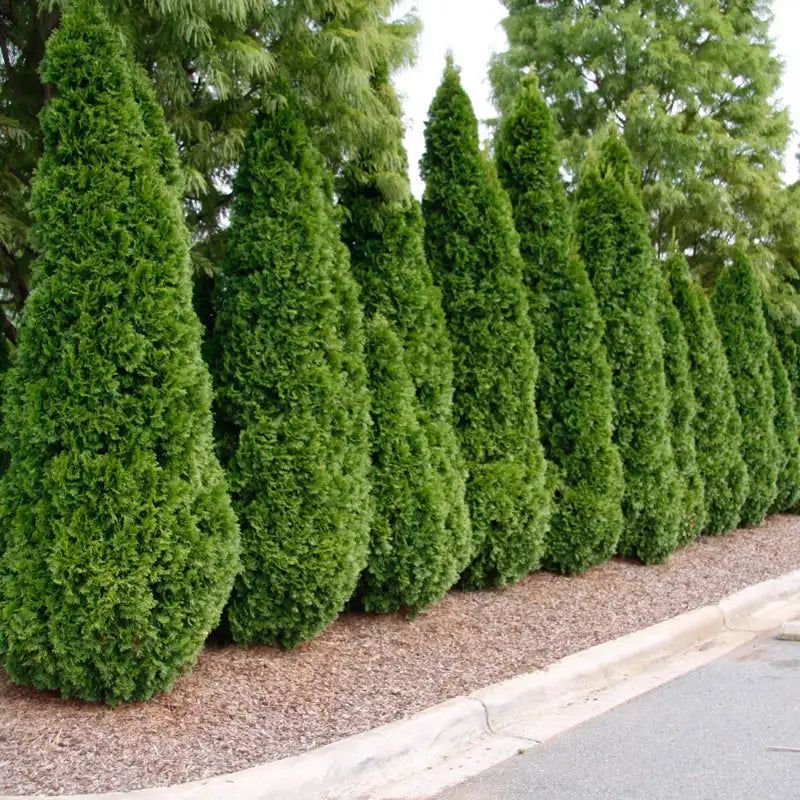
Walk through almost any Michigan neighborhood and you will likely spot a row of arborvitae lining someone’s yard. There is a very good reason this plant is so popular.
Arborvitae offers dense, year-round greenery in a naturally upright shape that makes it perfect for tight spaces and privacy hedges alike.
Varieties like Emerald Green and Techny are especially well-suited for Michigan’s climate, handling freezing winters and humid summers without skipping a beat.
Emerald Green stays compact and tidy at around 10 to 15 feet tall, while Techny can push past 15 feet and holds its color beautifully through cold months.
Spacing plants 3 to 4 feet apart encourages them to fill in and form a solid, seamless green wall. Arborvitae prefers moist, well-drained soil and full to partial sun. Watering consistently during the first two years helps roots establish strong and deep.
Once settled in, these trees are surprisingly low maintenance. Occasional light trimming keeps the shape tidy, but they rarely need heavy pruning.
For Michigan homeowners who want reliable, attractive privacy without a lot of fuss, arborvitae is genuinely hard to beat.
3. Red Osier Dogwood
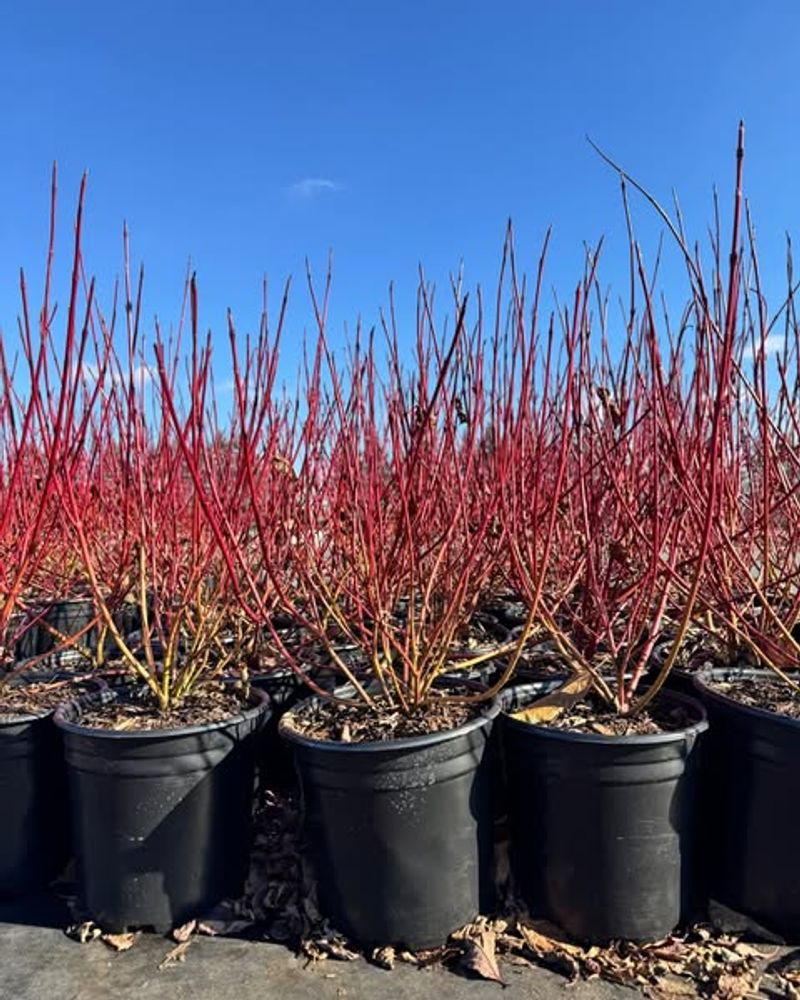
Red Osier Dogwood brings something special to Michigan landscapes that most privacy plants simply cannot match. Beyond its ability to form thick, screening thickets, it delivers a stunning seasonal show throughout the year.
Bright red stems glow against winter snow, white flower clusters bloom in late spring, and the foliage shifts to rich burgundy shades every fall.
This native shrub thrives in Michigan’s wetter areas, making it an excellent choice for low spots, rain gardens, or yards near streams and ponds.
It spreads through underground stems to form dense, multi-stemmed colonies over time, which is exactly what you want when building a natural privacy barrier.
Planting them 4 to 5 feet apart encourages faster fill-in and a more connected screen along your yard edge.
Red Osier Dogwood grows 6 to 10 feet tall and handles full sun to partial shade without issue. It is also a favorite among birds and pollinators, so your privacy hedge doubles as a wildlife habitat.
Minimal care is needed once established, though cutting one-third of the oldest stems back each spring keeps the plant looking fresh and the red color on new growth vivid and bold.
4. American Hazelnut
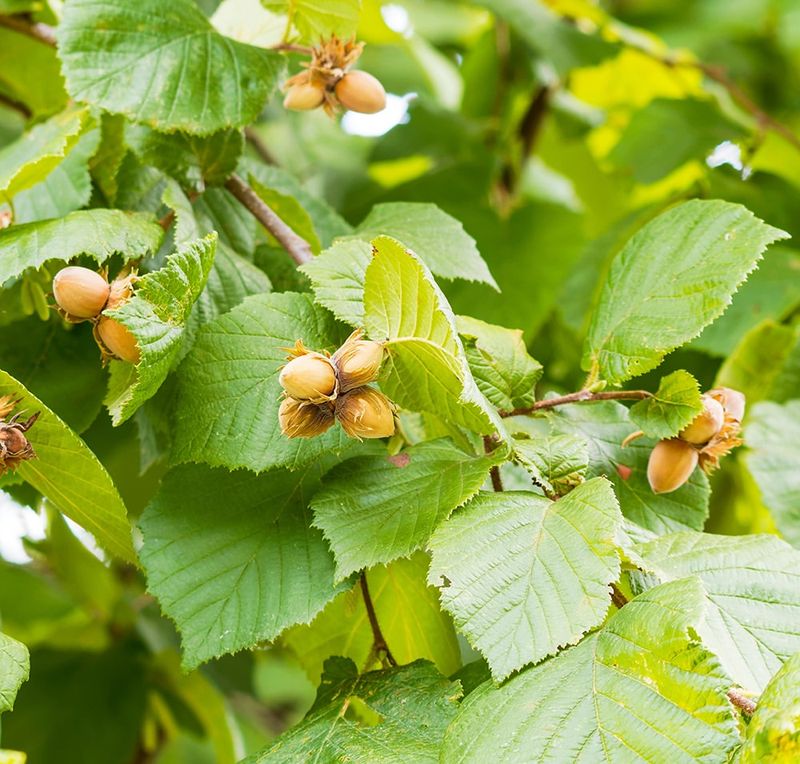
American Hazelnut is one of those underrated native plants that deserves far more attention in Michigan yards. Most people walk right past it without realizing how incredibly useful it is.
When planted in a row, this multi-stemmed shrub forms a dense, rounded hedge that provides solid screening from spring through fall and interesting winter structure when the leaves drop.
Growing 8 to 12 feet tall and equally wide, American Hazelnut fills in quickly and adapts to a wide range of soil types, from sandy to clay-heavy.
It handles both full sun and partial shade, making it flexible enough for yards that do not get consistent light throughout the day.
Spacing plants 5 to 6 feet apart gives each shrub room to spread while still creating a connected privacy screen.
One of the biggest bonuses of planting American Hazelnut in a Michigan yard is its value to local wildlife. Squirrels, deer, turkeys, and many bird species rely on the small nuts it produces each fall.
Pollinators also visit the early spring catkins before most other plants have even leafed out. For gardeners who want privacy that also supports the local ecosystem, American Hazelnut is a genuinely rewarding and smart choice.
5. Ninebark
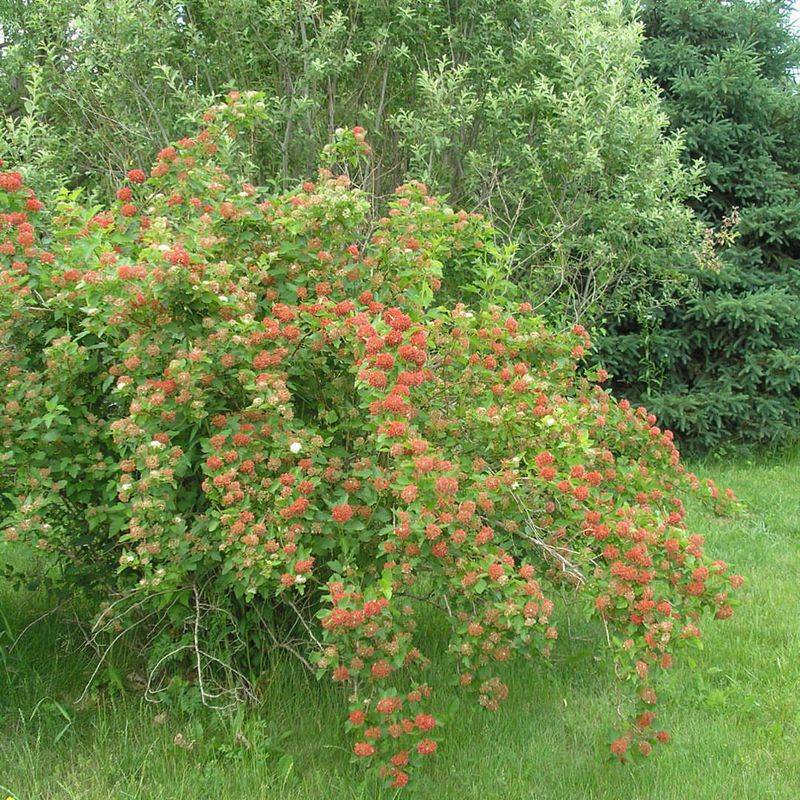
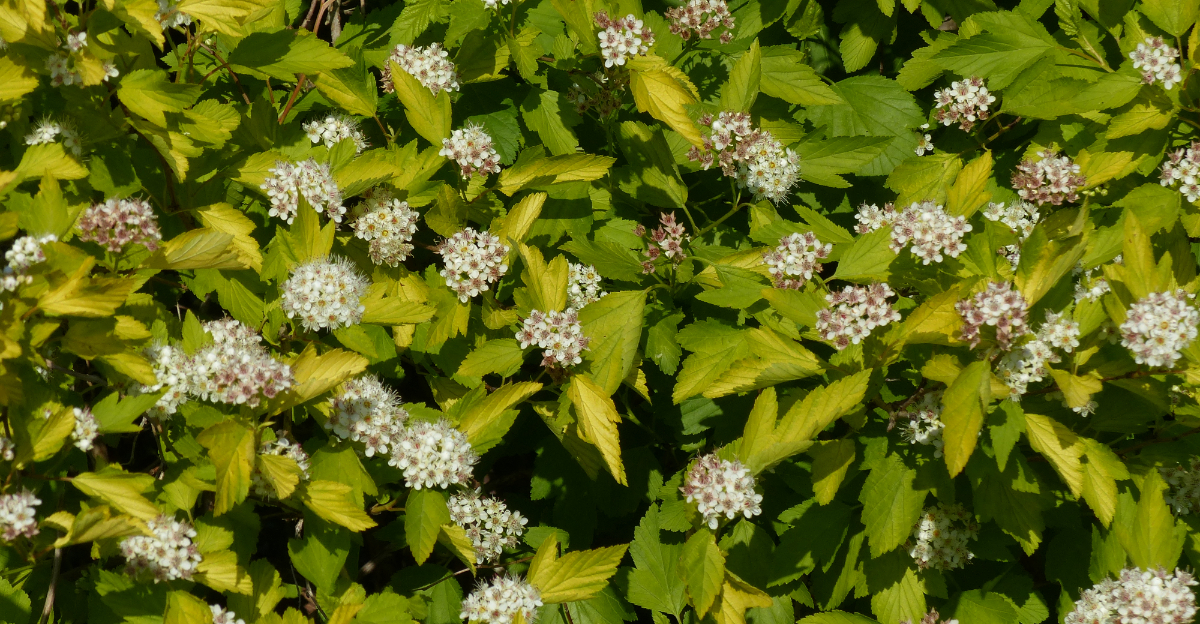
Ninebark might just be the most underestimated privacy shrub growing in Michigan landscapes today. Tough, fast, and genuinely beautiful, this native plant can reach 6 to 10 feet tall and nearly as wide within just a few seasons.
The peeling, layered bark that gives it its name adds interesting winter texture, while the bold foliage and clusters of white or pink flowers make it a standout through warmer months.
One of ninebark’s greatest strengths is its ability to grow in almost any condition Michigan throws at it. Poor soils, clay, drought, and full sun to partial shade are all manageable for this resilient shrub.
Popular varieties like Diablo and Summer Wine offer rich purple-red foliage that adds a dramatic pop of color along yard borders and property lines throughout the growing season.
For informal privacy hedges, ninebark is especially effective. Planting shrubs 4 to 5 feet apart creates a full, flowing screen that does not look stiff or manicured.
Light pruning right after flowering keeps plants dense and encourages fresh new growth. Michigan gardeners who want reliable coverage with very little maintenance will find that ninebark consistently delivers exactly what a privacy planting needs, season after season.
6. Serviceberry
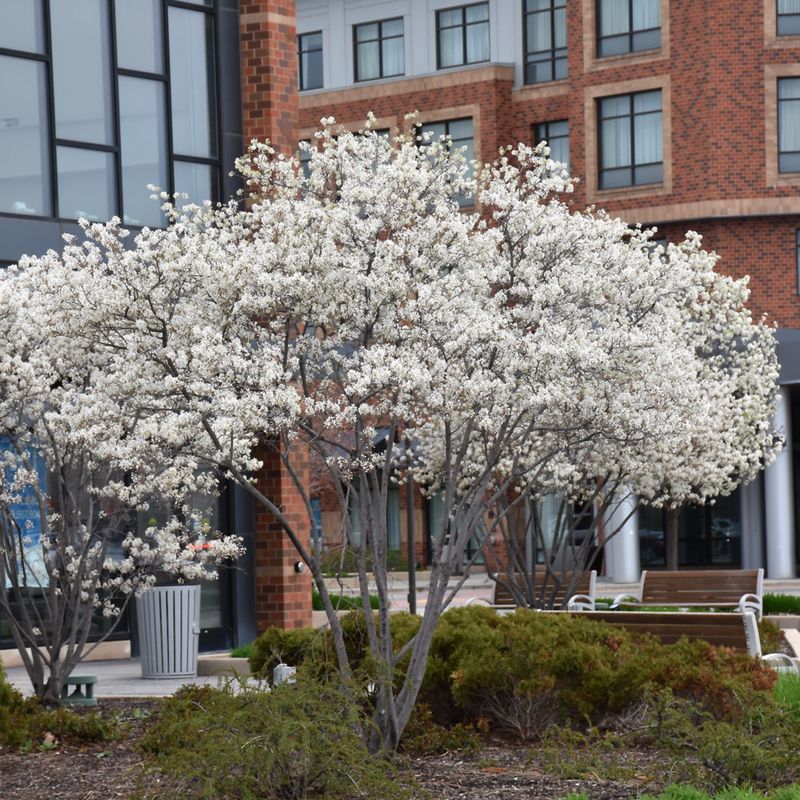
Serviceberry earns its place in Michigan yards not just for privacy but for pure, four-season beauty. In early spring, it bursts into bloom with clouds of delicate white flowers before most other trees have even woken up.
Summer brings dense, rounded green foliage that creates soft, natural screening. By fall, the leaves shift to brilliant shades of orange and red, and in winter, the smooth gray bark adds quiet elegance.
Growing 15 to 25 feet tall depending on the variety, serviceberry works best as a light privacy screen rather than a solid wall. Its multi-stem growth habit creates a layered, natural look that blends beautifully into Michigan landscapes.
Planting several together 4 to 6 feet apart builds a flowing, connected row that filters views without feeling heavy or imposing.
Serviceberry thrives in moist, well-drained soil and handles full sun to partial shade well. It is also a magnet for wildlife, producing sweet, berry-like fruits in early summer that birds absolutely love.
Pollinators flock to the spring blossoms, making it a genuine ecosystem powerhouse. For Michigan homeowners who want privacy planting that feels natural, graceful, and alive with activity, serviceberry brings a level of charm that very few plants can match.
7. Switchgrass
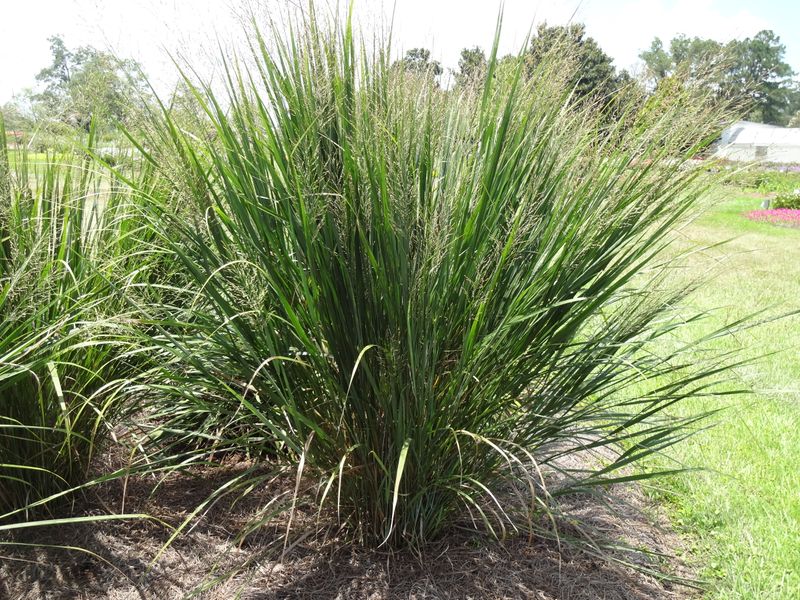
Switchgrass brings a completely different energy to Michigan privacy plantings. Unlike dense shrubs or tall evergreens, this native grass creates a soft, airy screen that moves beautifully in the breeze.
Growing 4 to 6 feet tall depending on the variety, switchgrass forms tight, upright clumps with feathery seed heads that catch the light and add incredible texture to the landscape.
Mass plantings of switchgrass along yard borders or fence lines create a naturalistic privacy screen that feels more like a meadow edge than a formal hedge.
Varieties like Shenandoah and Heavy Metal are especially popular in Michigan because of their strong upright habit and reliable cold tolerance.
Shenandoah develops gorgeous red fall color, while Heavy Metal stays rigidly vertical even through late-season rain and wind.
Switchgrass handles a wide range of Michigan soil types, including clay, sandy, and moist conditions near water features. Full sun produces the best growth and the most vivid fall color.
Spacing plants 2 to 3 feet apart in staggered rows fills in quickly and creates a layered, natural look. Each spring, simply cut the clumps back to about 4 inches and watch fresh new growth emerge.
For low-maintenance, wildlife-friendly privacy in Michigan, switchgrass is a brilliant option.
8. Hybrid Willow
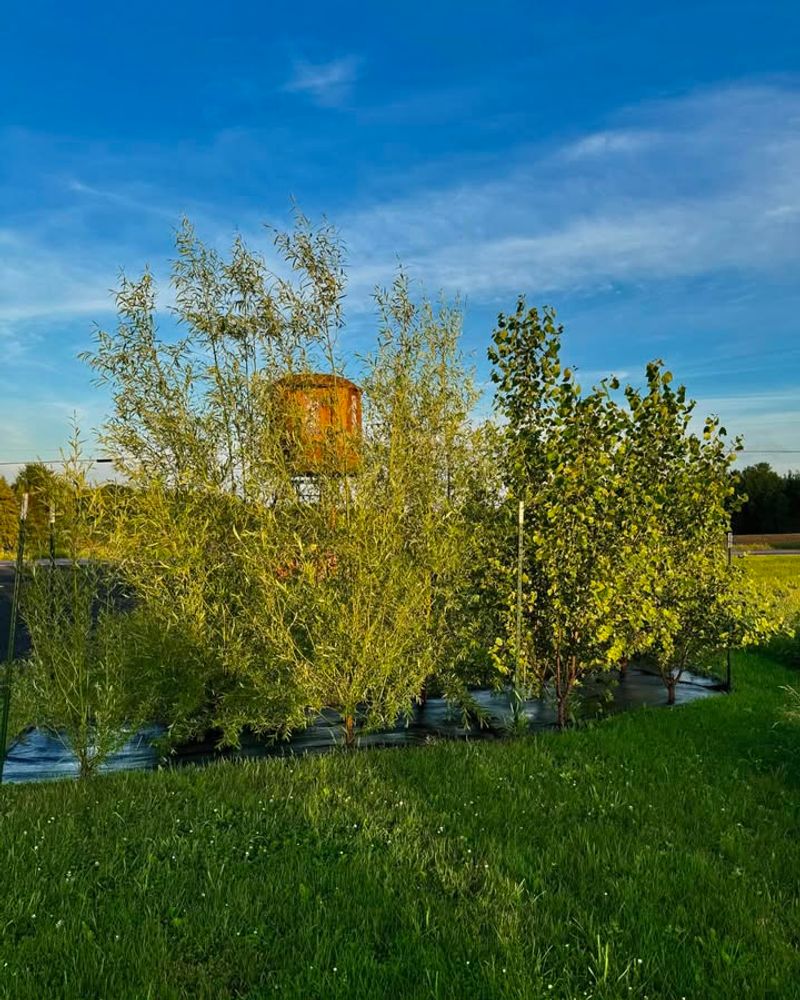
Speed is the biggest selling point of hybrid willow, and it is hard to argue with results. Under ideal conditions, hybrid willow can grow an incredible 6 to 10 feet per year, making it one of the fastest privacy options available to Michigan homeowners.
A row of these trees planted along a property line can go from bare sticks to a towering green screen in just two or three growing seasons.
Hybrid willow performs best in moist to wet soils, which makes it a natural fit for low-lying Michigan yards, areas near ponds, or spots where water tends to collect after heavy rain. It thrives in full sun and needs consistent moisture to sustain its rapid growth rate.
Spacing plants 5 to 8 feet apart allows them to grow together into a continuous, dense canopy fairly quickly.
Long-term maintenance is something to plan for with hybrid willow. Because it grows so fast, it also needs more frequent pruning to keep the shape and size manageable over the years.
Root systems can be aggressive near underground pipes or structures, so planting placement matters. For Michigan gardeners who need privacy fast and have the right conditions, hybrid willow delivers quick coverage that few other trees can match at the same pace.
9. Norway Spruce
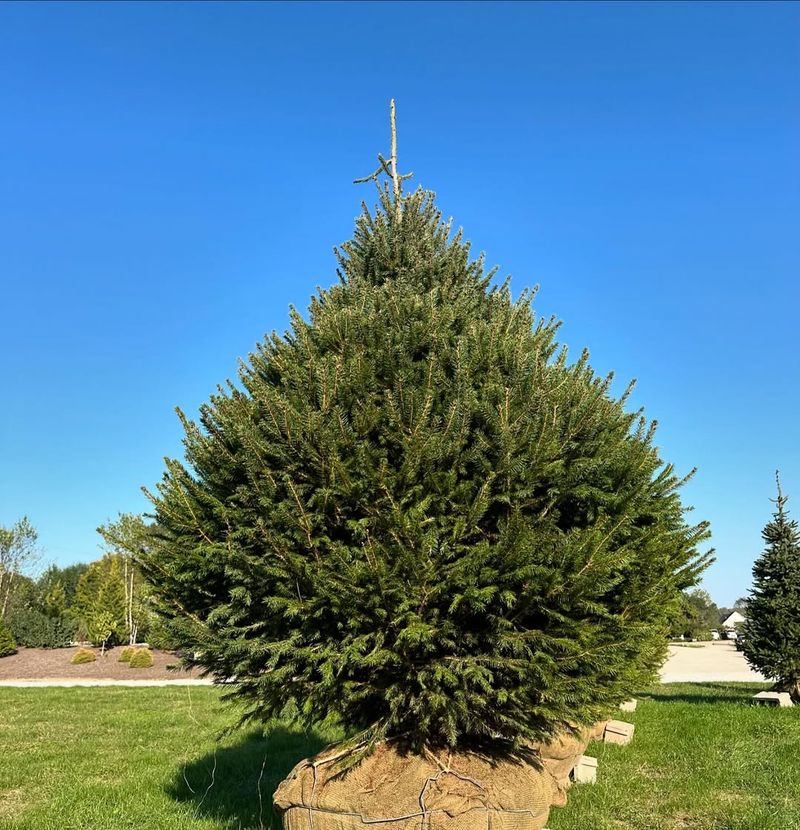
Norway Spruce has been a go-to choice for Michigan windbreaks and privacy screens for well over a century, and its popularity has never faded. This large evergreen grows faster than most other spruces, adding 2 to 3 feet per year when young and healthy.
Its deep green, densely packed branches sweep downward in graceful, layered curtains that create one of the most visually striking privacy screens you can grow.
Mature Norway Spruce trees can reach 60 to 80 feet tall, which makes them a serious long-term investment in privacy and landscape structure.
They perform exceptionally well in Michigan’s cold winters, handling extreme temperatures and heavy snow loads without damage.
These trees also act as effective windbreaks, which can noticeably reduce heating costs during Michigan’s blustery winter months.
Full sun and well-drained soil give Norway Spruce the best chance to thrive. Spacing trees 15 to 20 feet apart allows for healthy canopy development over time, though planting closer together at first and thinning later is a common approach for faster initial coverage.
Once established, these trees need very little care. For Michigan homeowners thinking about privacy planting that will still be standing and thriving decades from now, Norway Spruce is a dependable, long-lasting choice.
10. Highbush Cranberry
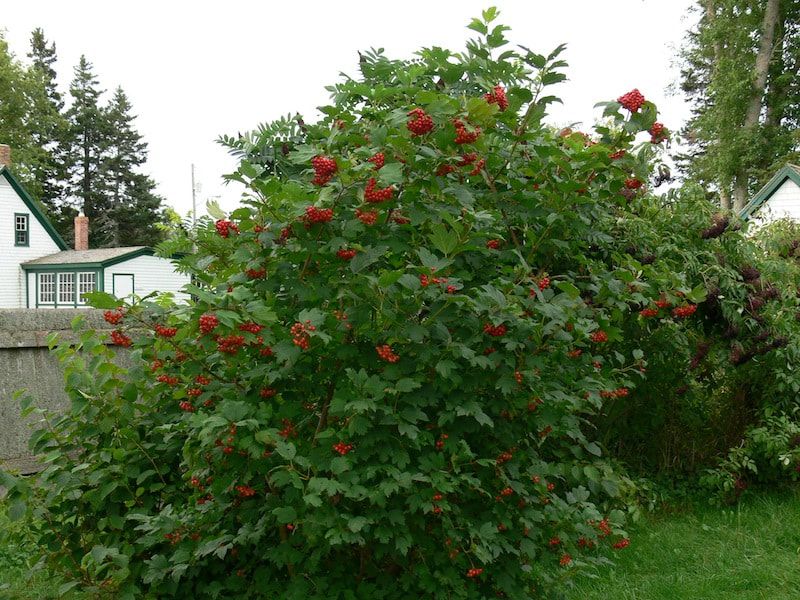
Highbush Cranberry packs an enormous amount of seasonal interest into a single shrub. Spring brings flat clusters of white flowers that attract early pollinators.
Summer fills in with dense, maple-shaped green leaves that create solid screening along yard borders. Then fall arrives with a spectacular display of deep red berries and fiery foliage that makes the whole planting look like something out of a painting.
Despite its name, highbush cranberry is not a true cranberry but a native viburnum that grows naturally across Michigan’s woodlands and wetland edges.
It reaches 8 to 12 feet tall and spreads nearly as wide, forming a full, multi-stemmed shrub that works beautifully in hedgerows and naturalized borders.
Planting several together 5 to 6 feet apart builds a connected, layered screen that provides real privacy through the growing season.
Highbush Cranberry adapts well to a variety of Michigan soil conditions, including moist and clay-heavy sites. Full sun to partial shade both work well for healthy growth.
The bright red berries that persist into winter are a critical food source for birds, including cedar waxwings and robins.
For Michigan gardeners who want a native privacy planting that gives back to the local ecosystem while looking absolutely stunning every season, highbush cranberry is a true standout choice.