These 9 Tips Georgia Gardeners Use To Grow Big, Juicy Peaches At Home
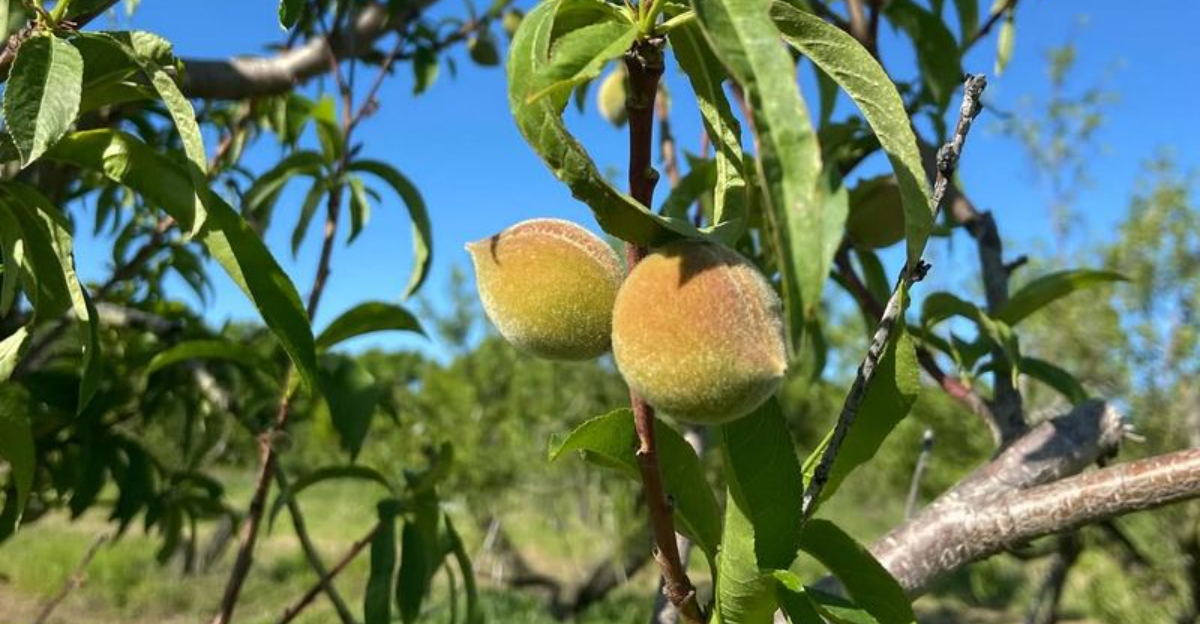
Peaches are a staple of Georgia gardens, but producing large, flavorful fruit at home takes more than planting a tree.
Experienced gardeners follow specific techniques to ensure healthy trees, abundant blooms, and juicy harvests. Grow peaches that are as sweet and plump as the ones from your favorite orchard.
These tips cover everything from proper pruning, fertilization, and watering to pest control, thinning fruit, and selecting the right varieties for Georgia’s climate. Timing and consistent care make a big difference in fruit size, flavor, and overall tree health.
Following these steps helps trees thrive year after year while producing the tastiest peaches. Healthy trees and careful care lead to the biggest, juiciest fruits.
Georgia gardeners who apply these tips enjoy homegrown peaches that impress family, friends, and neighbors. Grow large, delicious peaches right in your own backyard.
1. Choose Low-To-Medium Chill Peach Varieties
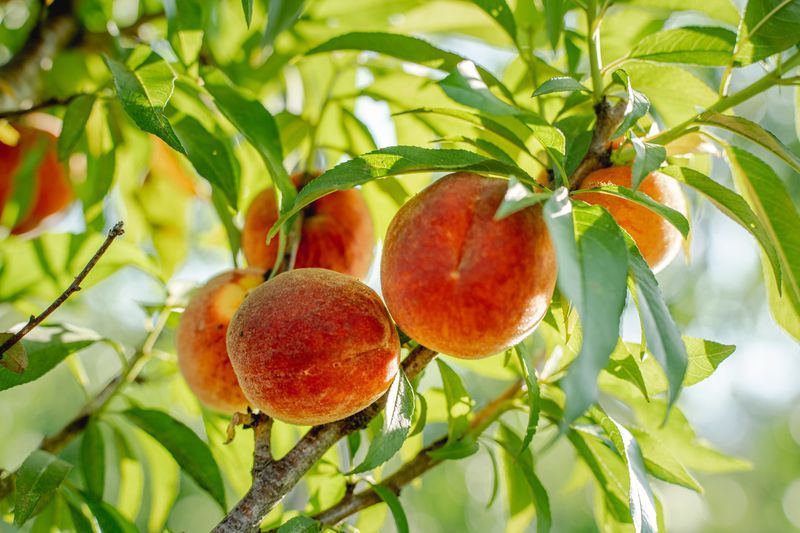
Picking the right peach variety makes all the difference when you are gardening in Georgia’s unique climate.
Peach trees need a certain number of winter chill hours, which are hours below 45 degrees Fahrenheit, to break dormancy and produce flowers and fruit properly.
Georgia’s mild winters typically provide between 400 and 800 chill hours depending on your location, so selecting varieties bred for these conditions ensures your tree will thrive rather than struggle.
Popular varieties like Elberta, Redhaven, Julyprince, and Gulfcrest have been carefully developed to match the chill requirements of Southern gardens.
Elberta is a classic freestone peach beloved for its large size and golden flesh, while Redhaven offers excellent disease resistance and ripens earlier in the season.
Julyprince delivers sweet, firm fruit perfect for fresh eating, and Gulfcrest produces gorgeous yellow peaches with a beautiful red blush.
When peach trees do not receive adequate chill hours, they experience irregular bud break, poor flowering, and significantly reduced fruit set. Some buds might open while others remain dormant, leading to a disappointing harvest.
By matching your variety to your local chill hour range, you set the foundation for abundant blooms and heavy fruit production year after year, giving your home orchard the best possible start.
2. Plant In Full Sun Locations
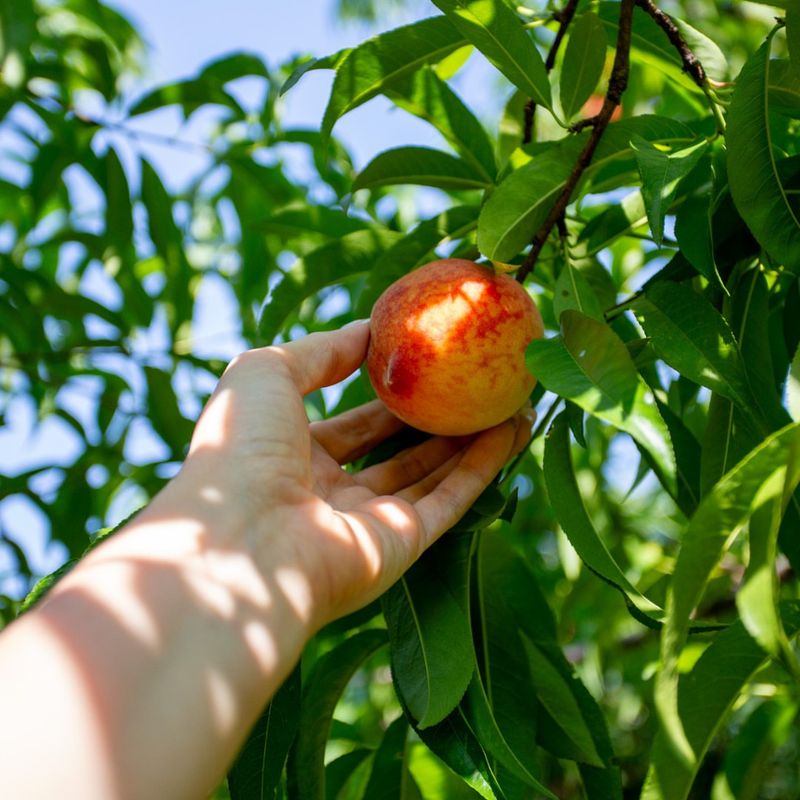
Sunlight is absolutely essential for peach trees to reach their full potential, and Georgia gardeners know that choosing the right planting spot can make or break your harvest.
Peach trees demand at least six to eight hours of direct, unfiltered sunlight every single day throughout the growing season.
Without this generous sun exposure, your trees will struggle to produce the energy needed for vigorous growth and abundant fruit development. Strong sunlight does much more than just help the tree grow tall and leafy.
The sun’s rays directly influence sugar accumulation in developing peaches, transforming them from bland to deliciously sweet. Adequate sunshine also encourages larger fruit size, better color development, and improved overall tree health and vigor.
In Georgia’s warm climate, peach trees planted in sunny locations develop that perfect balance of sweetness and acidity that makes homegrown peaches so memorable.
When selecting your planting site, avoid areas shaded by buildings, fences, or larger trees, even if the shade only occurs during part of the day. Morning sun is particularly valuable because it helps dry dew from leaves and fruit, reducing disease pressure.
South-facing slopes or open areas away from structures provide ideal conditions, allowing your peach trees to soak up Georgia sunshine from dawn until dusk.
3. Use Well-Draining Soil To Prevent Root Stress
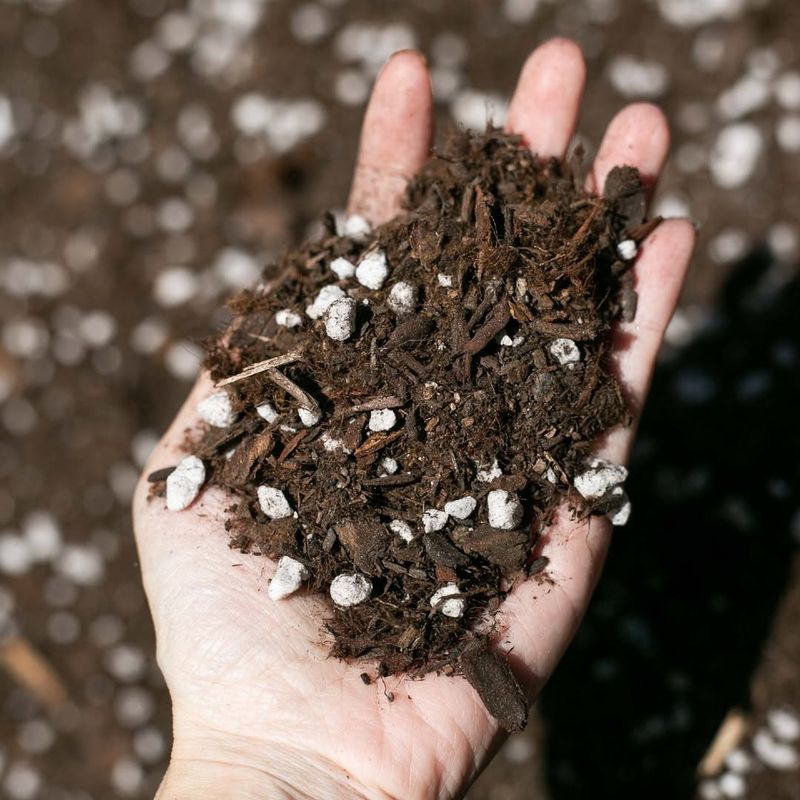
Peach trees have a notorious dislike for wet feet, and many parts of Georgia feature heavy clay soils that hold water far too long for these fruit trees to tolerate.
When roots sit in waterlogged soil, they cannot access the oxygen they need to function properly, leading to stress, reduced growth, and increased vulnerability to root diseases. Understanding your soil drainage is just as important as choosing the right variety.
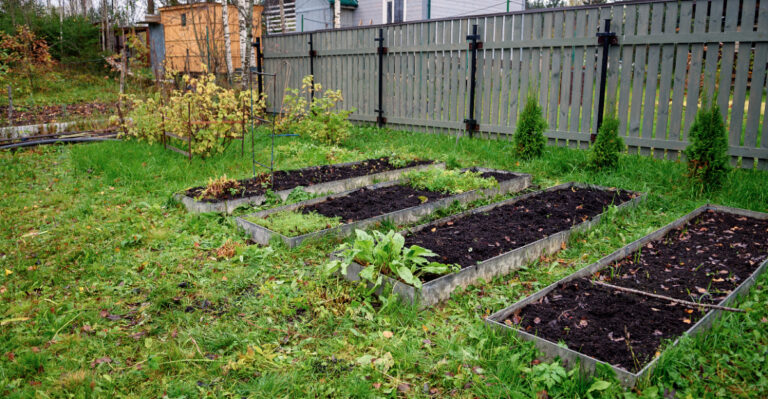
Georgia gardeners have developed clever solutions to overcome drainage challenges. Raised beds and planting berms elevate the root zone above poorly draining clay, allowing excess water to flow away from the roots.
Building a berm twelve to eighteen inches high and several feet wide creates an ideal environment for peach roots to spread and thrive.
Some gardeners also amend native clay soil by incorporating compost, aged pine bark, or coarse sand to improve soil structure and drainage. Before planting, test your drainage by digging a hole about twelve inches deep and filling it with water.
If the water takes longer than a few hours to drain completely, you definitely need to address the drainage issue.
Investing time in soil preparation pays enormous dividends later, as healthy roots support vigorous growth, better fruit production, and longer tree life in your Georgia garden.
4. Prune Annually For Open-Center Shape
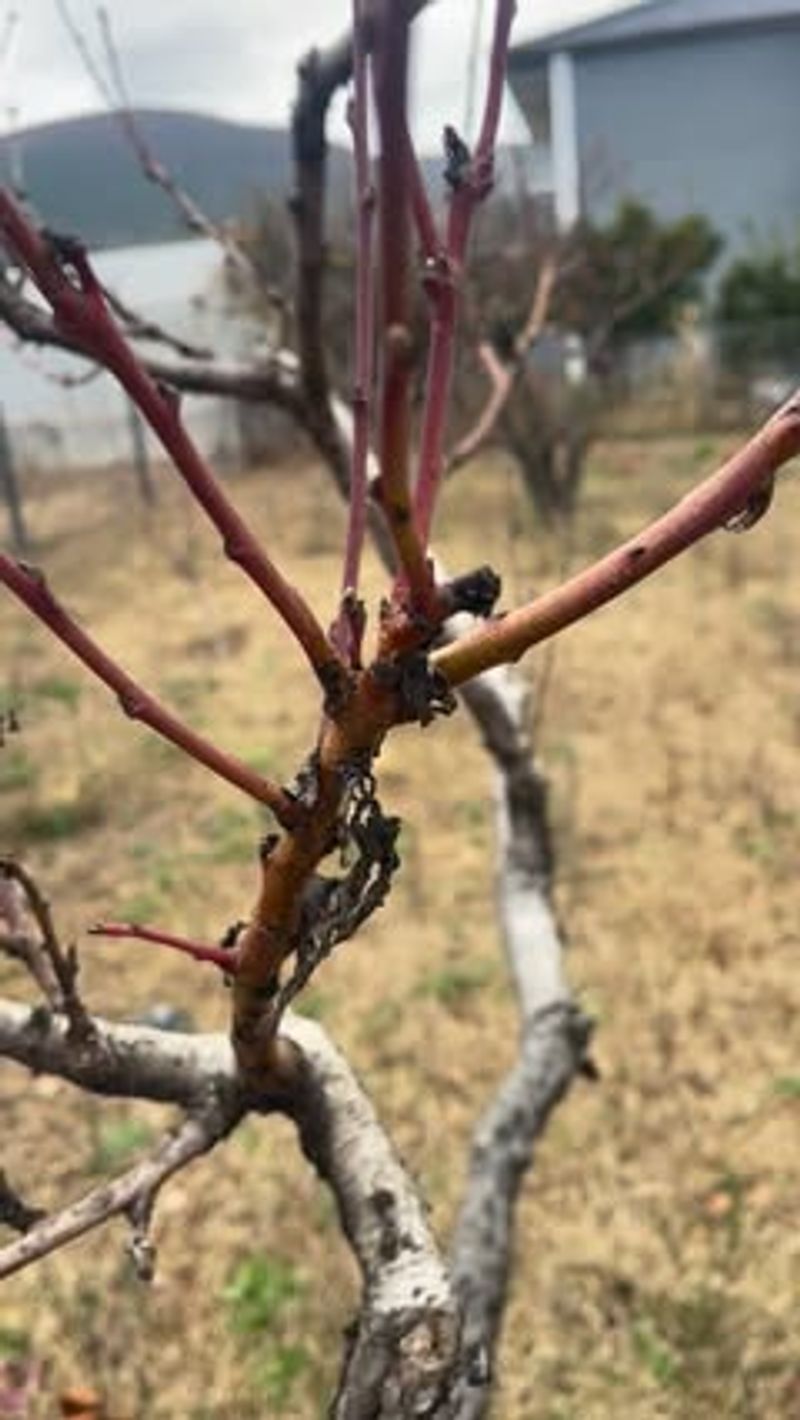
Commercial peach orchards throughout Georgia rely on a specific pruning style called the open-center or vase shape, and home gardeners achieve the same professional results by adopting this proven technique.
This method removes the central leader of the tree and encourages three to five main scaffold branches to grow outward and upward, creating a bowl-like structure.
The open center allows sunlight and air to reach every part of the tree, which is absolutely critical for fruit quality and tree health.
Improved airflow is one of the biggest benefits of open-center pruning, especially in Georgia’s humid climate where fungal diseases thrive.
When branches are properly spaced and the center remains open, leaves dry more quickly after rain or morning dew, reducing the conditions that favor disease development.
Sunlight penetration ensures that fruit on interior branches receives adequate light to develop good color and sweetness, not just the peaches on the outer edges of the canopy.
Open-center pruning also makes harvesting much easier and safer because you can reach fruit without climbing into the tree or using tall ladders.
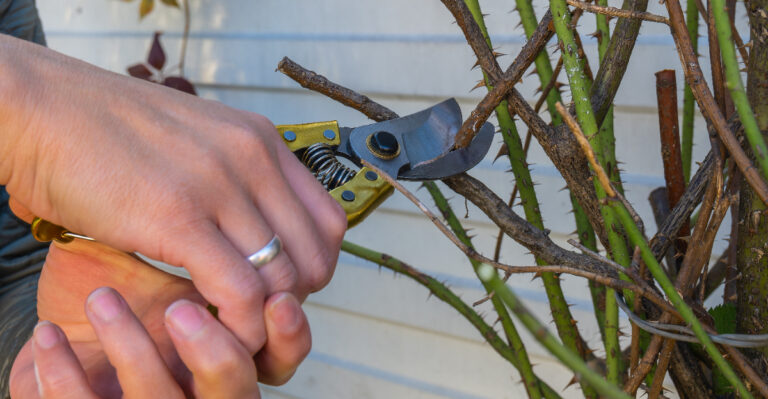
Annual pruning during the dormant season maintains the shape, removes crossing or damaged branches, and stimulates new fruiting wood.
With practice, this pruning style becomes second nature and keeps your peach trees productive and manageable for many years.
5. Thin Young Fruit For Better Size And Quality
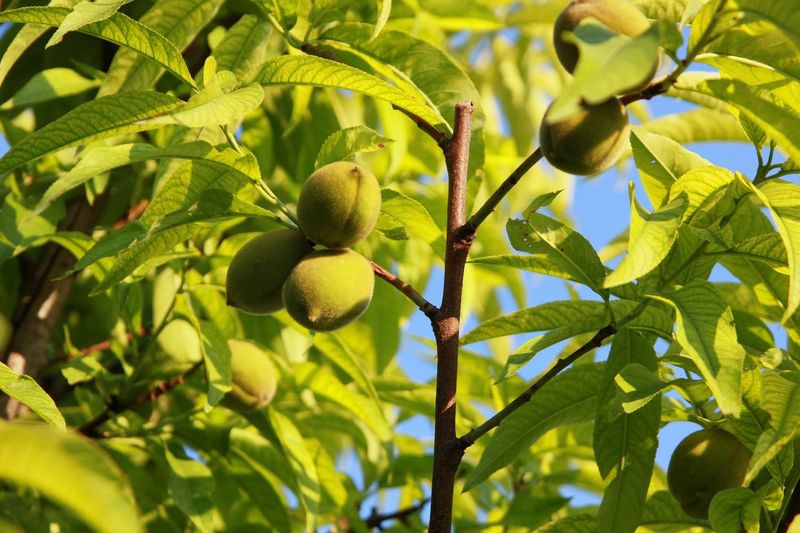
Watching your peach tree set hundreds of tiny fruits after a successful bloom is exciting, but experienced Georgia gardeners know that leaving all those peaches on the branches leads to disappointing results.
Thinning developing fruit might seem counterintuitive, but removing excess peaches early in the season dramatically improves the size, sweetness, and overall quality of the remaining fruit.
Trees simply cannot support full development of every single peach that forms. When too many peaches compete for the tree’s limited resources, they all end up smaller, less sweet, and more prone to issues.
Proper thinning redirects the tree’s energy into fewer fruits, allowing each one to reach its maximum potential.
Georgia gardeners typically thin peaches to six to eight inches apart along each branch, which might mean removing two-thirds or more of the developing fruit when the peaches are still marble-sized.
Thinning also reduces the weight load on branches, preventing breakage during the heavy fruit development period. Overloaded branches can snap or split, causing permanent damage to the tree structure.
The best time to thin is after the natural fruit drop that occurs a few weeks after bloom, once you can see which peaches are developing well.
Though it feels wasteful at first, thinning is one of the most valuable practices for growing truly impressive, juicy peaches at home.
6. Water Deeply During Fruit Development
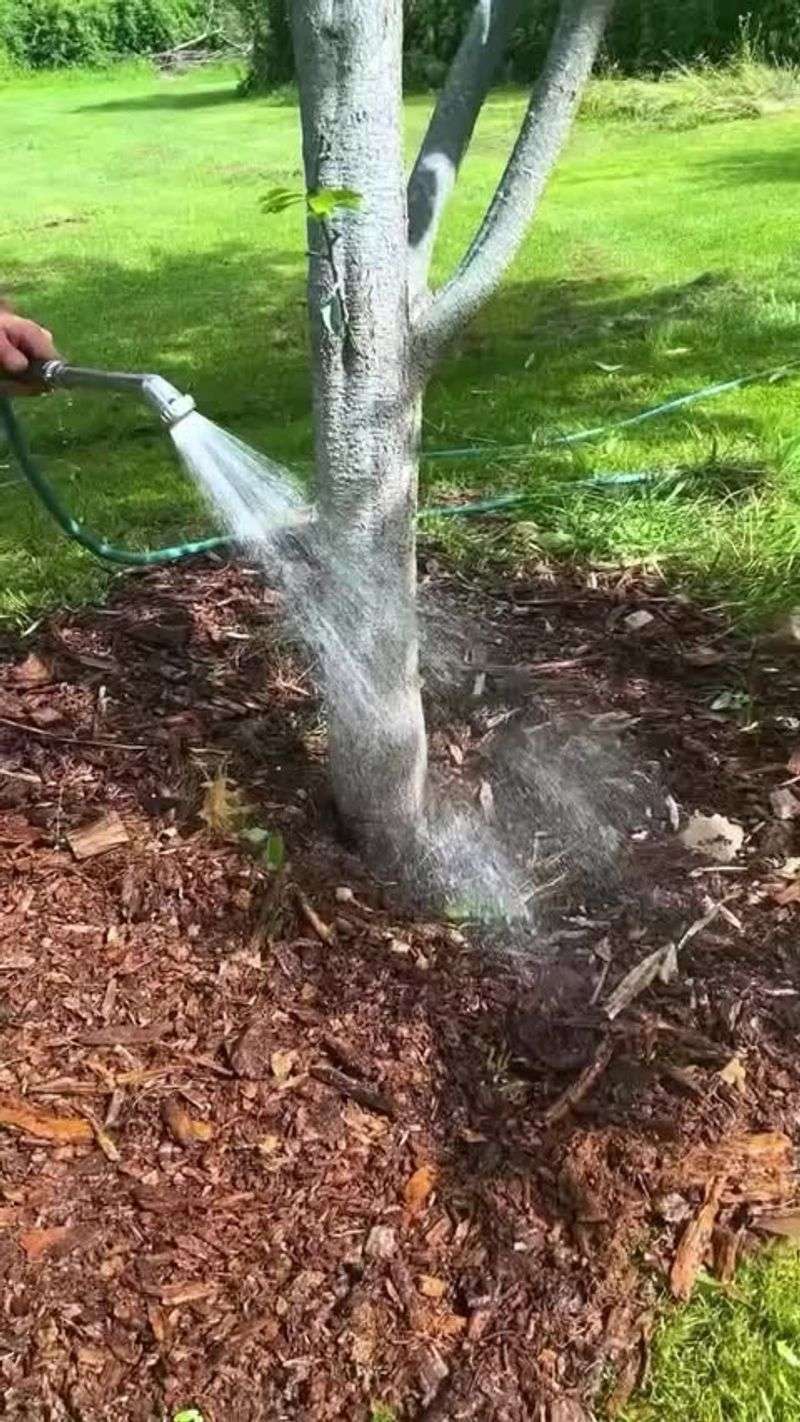
Consistent moisture makes an enormous difference in peach size and quality, particularly during the critical periods of bloom and fruit enlargement.
Georgia summers can be brutally hot, and peach trees need reliable water to support the rapid growth that transforms marble-sized fruits into full-sized, juicy peaches.
Shallow, frequent watering encourages shallow root systems, while deep, less frequent irrigation promotes strong, drought-resistant roots that support healthier trees.
The most critical watering period begins at bloom and continues through harvest, especially during the final four to six weeks before peaches ripen.
During this time, fruits are rapidly accumulating sugars and expanding in size, and water stress can result in smaller peaches with disappointing flavor.
Georgia gardeners typically provide one to two inches of water per week during dry periods, applied slowly so it soaks deeply into the root zone rather than running off the surface.
Drip irrigation or soaker hoses work exceptionally well for peach trees because they deliver water directly to the root zone without wetting the foliage and fruit, which can encourage disease.
Mulching around the tree base helps retain soil moisture and moderate soil temperature during hot Georgia summers.
Monitoring soil moisture by checking several inches below the surface helps you water appropriately, ensuring your peach trees have the consistent moisture they need for spectacular fruit development.
7. Apply Balanced Fertilizer At The Right Time
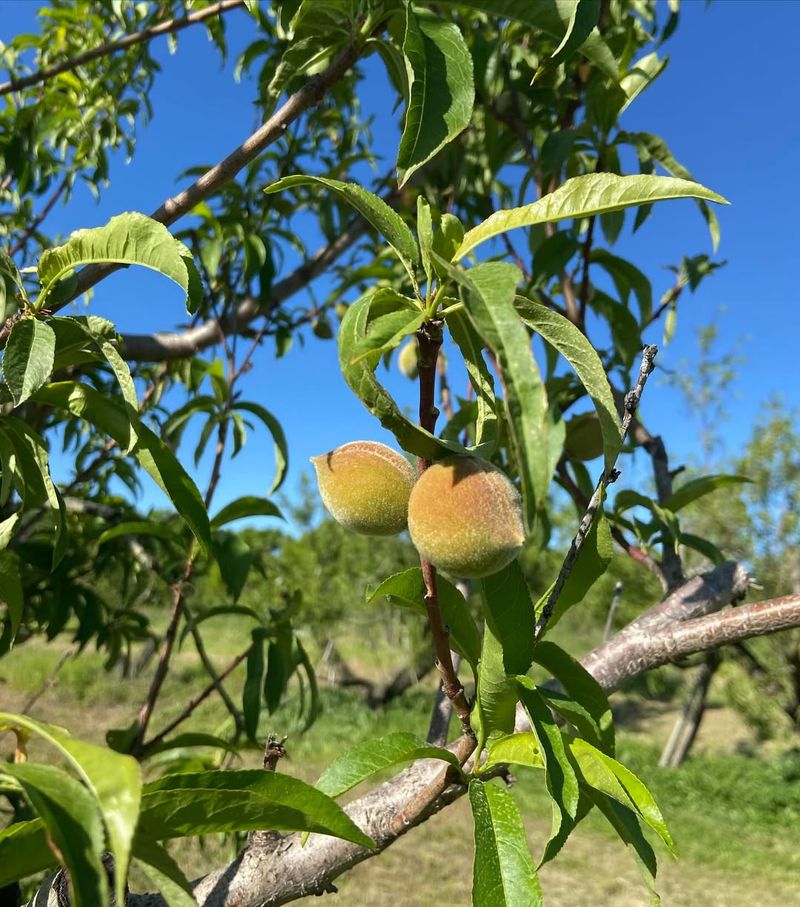
Feeding your peach trees properly supports strong growth and abundant fruit production, but timing and balance are everything.
Georgia gardeners have learned that applying fertilizer at the wrong time or in incorrect amounts can actually harm fruit production rather than help it.
The best time to fertilize peach trees is in early spring, right after bud break when the tree is emerging from dormancy and beginning active growth for the season.
Balanced fertilizers that provide nitrogen, phosphorus, and potassium support overall tree health, but nitrogen management deserves special attention.
Too much nitrogen encourages excessive leafy growth at the expense of fruit development, creating a lush, green tree with disappointing yields.
Young trees need more nitrogen to establish strong framework branches, while mature, bearing trees require less nitrogen and more emphasis on phosphorus and potassium to support fruit production.
A soil test provides valuable information about nutrient levels and pH in your specific garden, allowing you to fertilize based on actual needs rather than guesswork.
Many Georgia gardeners split their fertilizer application, providing half in early spring and the remaining half in late spring or early summer.
Avoid fertilizing after midsummer because late-season nitrogen can encourage tender new growth that may not harden off properly before winter, leaving the tree vulnerable to cold damage during occasional freezes.
8. Protect Trees From Common Georgia Pests And Diseases
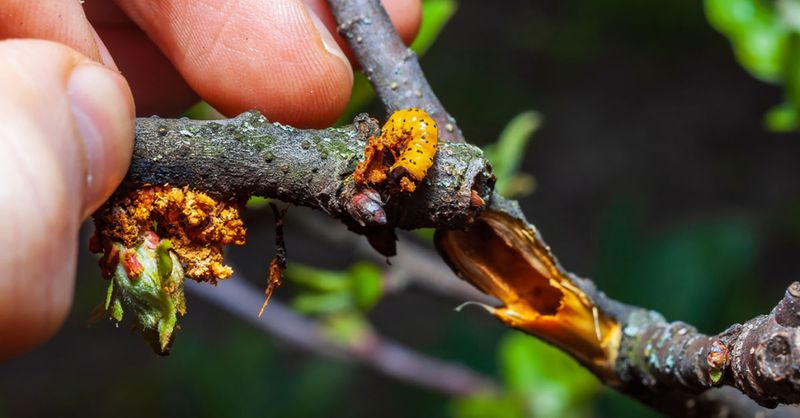
Georgia’s warm, humid climate creates ideal conditions for growing peaches, but unfortunately it also favors various pests and diseases that can damage your crop.
Successful Georgia gardeners take a preventative approach rather than waiting for problems to appear, understanding that protecting tree health throughout the season is far easier than fighting severe infestations or infections.
Regular monitoring and good cultural practices form the foundation of effective pest and disease management. Fungal issues such as peach leaf curl, brown rot, and scab thrive in humid Southeastern conditions.
Sanitation practices like removing and disposing of fallen fruit, pruning out diseased branches, and keeping the area around the tree clean significantly reduce disease pressure.
Proper pruning for good airflow, as mentioned earlier, also helps leaves and fruit dry quickly after rain or dew, making conditions less favorable for fungal growth.
Common insect pests include plum curculio, oriental fruit moth, and Japanese beetles, which can damage fruit and foliage. Monitoring your trees regularly allows you to spot problems early when they are easier to address.
Some gardeners use pheromone traps to monitor pest populations, while others employ protective covers or carefully timed organic sprays.
Maintaining overall tree health through proper watering, fertilization, and pruning helps trees naturally resist pest and disease pressure, creating a more resilient home orchard.
9. Harvest At Proper Ripeness For Best Flavor
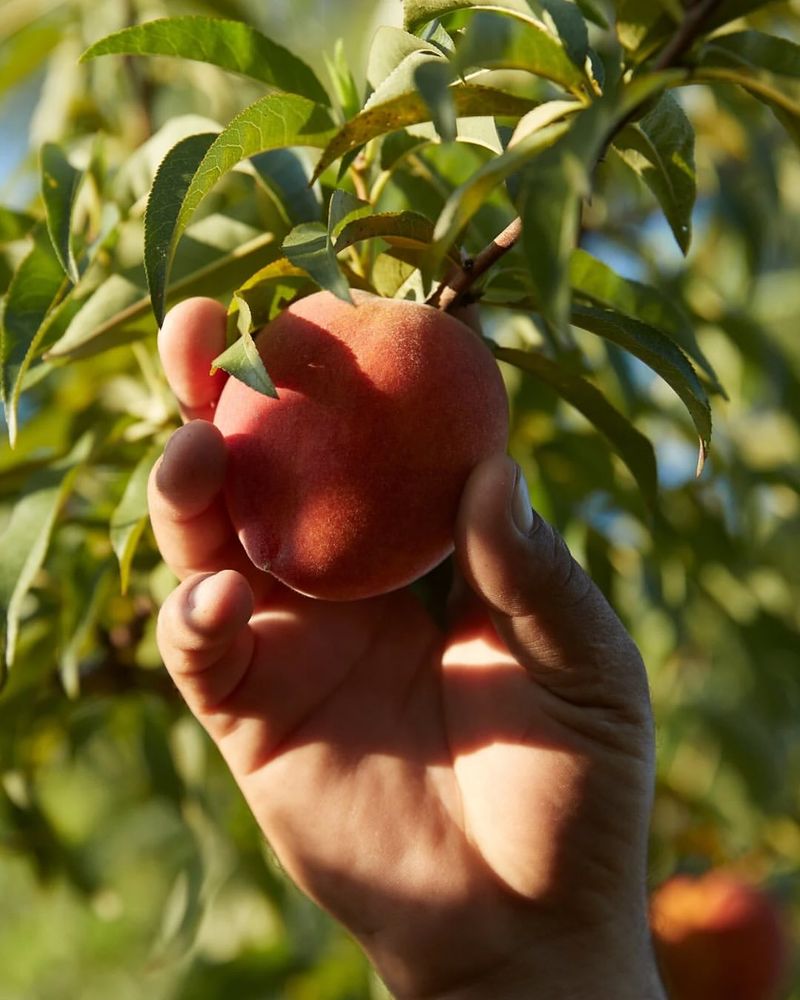
Knowing exactly when to pick your peaches separates good fruit from truly exceptional fruit, and Georgia gardeners have learned to trust their senses rather than simply following calendar dates.
Peaches continue ripening on the tree until the moment of harvest, accumulating sugars and developing their characteristic aroma and flavor.
Picking too early results in peaches that never develop their full sweetness, while waiting too long leads to overripe fruit that bruises easily and attracts pests.
The best indicators of ripeness are color change, slight softness, and aroma rather than any specific date. As peaches ripen, the background color changes from green to yellow or cream, and the fruit develops a sweet, peachy fragrance.
Gently squeeze the fruit near the stem end, and ripe peaches will yield slightly to gentle pressure without feeling mushy. The fruit should separate easily from the branch with a gentle twist and lift motion.
Different peach varieties ripen at different times throughout the Georgia summer, and even peaches on the same tree may ripen over a period of several days or weeks.
Staggered harvesting allows you to pick fruit at peak ripeness rather than all at once, extending your fresh peach season and ensuring the best possible flavor.
Check your trees every few days during harvest season, and enjoy the incomparable taste of tree-ripened peaches picked at perfection.