These 7 Tough Plants Grow Better In Ohio Clay Than You’d Expect
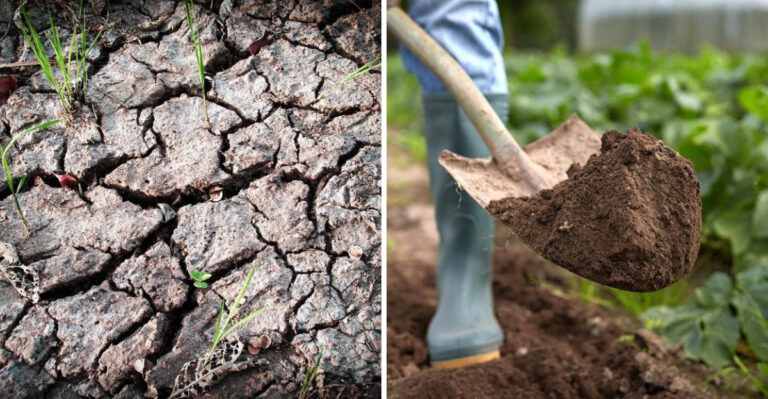
Clay soil in Ohio has a reputation for slowing plants down, holding too much water, and turning hard as concrete in dry spells. Many gardeners struggle against it year after year, trying to amend, loosen, or work around it.
The truth is some plants do not fight clay at all. They settle in, adapt, and grow stronger because of it.
With the right choices, heavy soil stops being a problem and starts working in your favor. Certain species handle poor drainage, compacted ground, and shifting moisture with ease, often outperforming more delicate picks.
Once established, they require less fuss and deliver steady growth through changing conditions. A garden built around these tougher plants feels more resilient and far less frustrating to maintain.
Instead of battling your soil, you can lean into it and create a landscape that thrives right where it is.
1. Coneflowers Thrive Where Most Plants Struggle
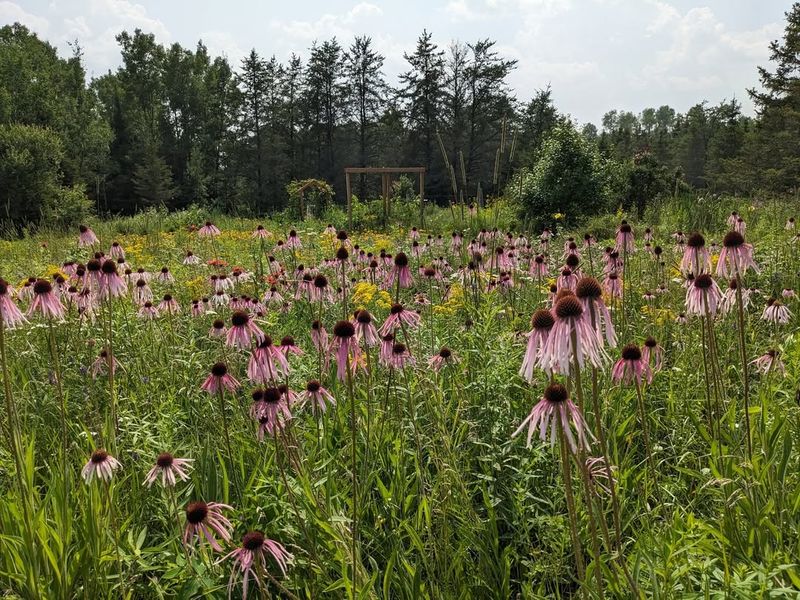
Walk through any Ohio meadow in midsummer and you are likely to spot the cheerful pink-purple blooms of purple coneflower, or Echinacea purpurea. This native wildflower has been growing across the Midwest for thousands of years, long before anyone thought about amending soil.
That history alone tells you something important about its toughness.
Coneflowers develop deep, fleshy taproots that push through compacted clay with ease. Those roots allow the plant to reach moisture stored deeper in the ground, which means it handles dry spells without much complaint.
OSU Extension lists coneflower as one of the top native perennials for challenging Ohio landscapes, and it earns that reputation every single season.
Beyond toughness, coneflowers bring serious pollinator value. Bees, butterflies, and even goldfinches flock to the seed heads in late summer and fall.
Once established, they spread gradually and fill in bare spots naturally. You do not need to fertilize them heavily or water them constantly.
Just plant them in a sunny spot, give them a season to settle in, and they will come back stronger every year with almost no help from you.
2. Black-Eyed Susans Bring Color To Heavy Soil
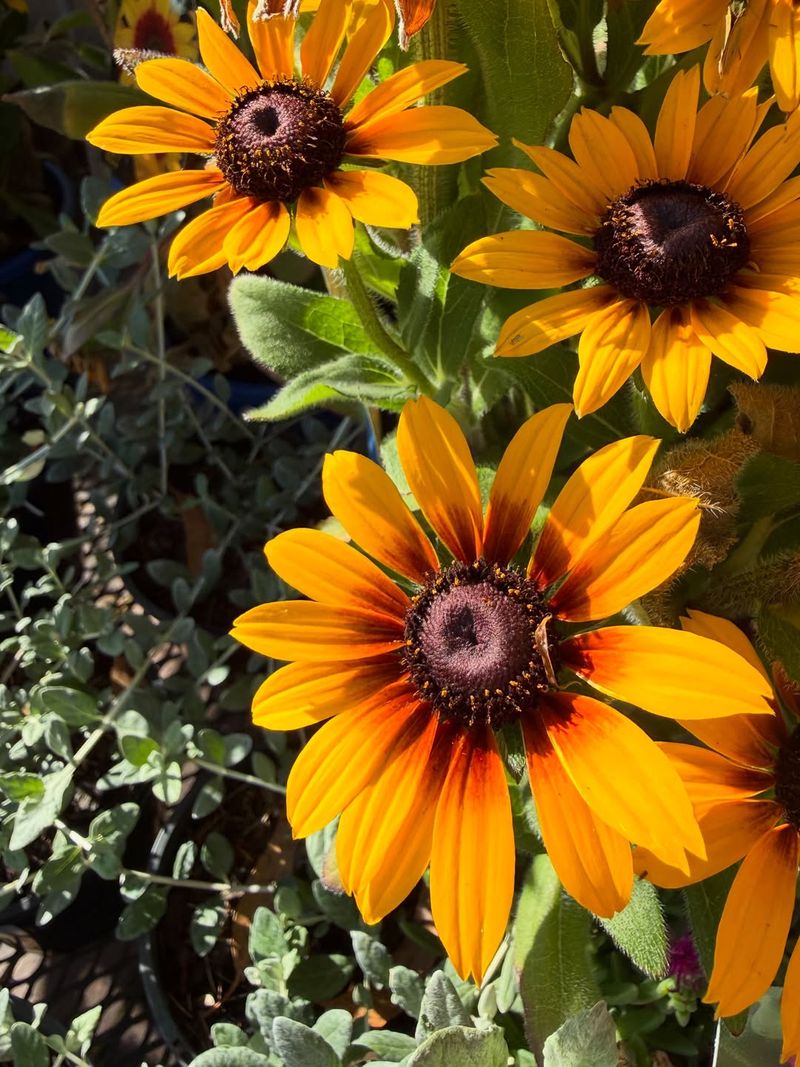
Few wildflowers say “Ohio summer” quite like the bold yellow blooms of black-eyed Susans. Rudbeckia hirta is one of those plants that seems almost unfairly easy to grow, even in the kind of heavy, poorly draining soil that sends other gardeners running to the garden center for bags of amendments.
What makes black-eyed Susans so well suited to clay is their deep taproot system. Over time, those roots physically break apart compacted ground, which actually improves your soil structure season after season.
That means planting them is not just a win for this year but for the long-term health of your garden bed. Research from OSU Extension supports their use in naturalized Ohio landscapes because of their adaptability and ecological value.
Birds love the seed heads in late fall and winter, making black-eyed Susans a genuine four-season plant. They bloom from mid-summer into early fall, and they self-seed reliably, so your patch will fill in over time without much effort.
Plant them in full sun for the strongest bloom performance. They tolerate partial shade but tend to stretch and lean when light is limited.
These plants are simply built for Ohio.
3. Switchgrass Handles Clay Without Breaking A Sweat
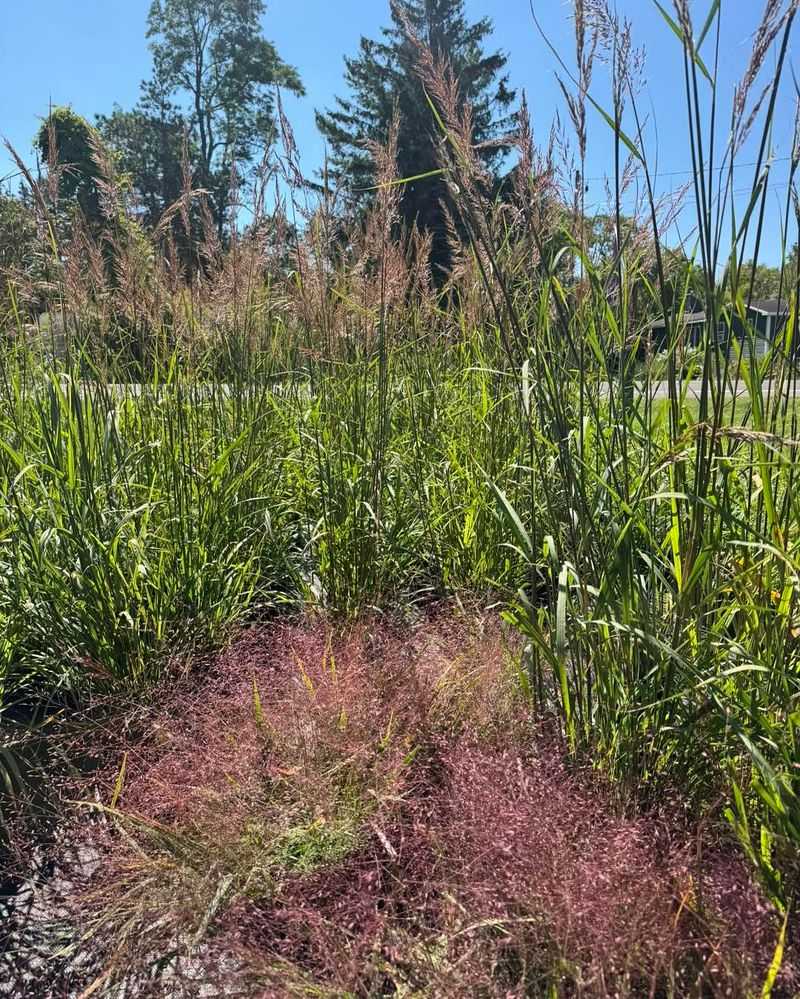
Most ornamental grasses look great in a catalog but sulk when planted in tough, compacted ground. Switchgrass is the exception.
Panicum virgatum is a native prairie grass that evolved right alongside the heavy soils found throughout Ohio and the broader Midwest, so asking it to grow in clay is not a challenge. It is just home.
The root system on switchgrass is genuinely impressive. Studies have shown that its roots can reach six feet or deeper into the soil profile, which makes it one of the most effective plants available for controlling erosion on slopes and along drainage areas.
That depth also allows it to access water and nutrients that other plants simply cannot reach in dense clay. The ODNR recognizes switchgrass as a key component in Ohio habitat restoration projects for exactly these reasons.
From a landscape design perspective, switchgrass earns its place through every season. In spring and summer, it forms upright, airy clumps of blue-green foliage.
By fall, the leaves shift to warm shades of gold and rust, and the feathery seed heads catch light beautifully. Birds feed on the seeds through winter, adding wildlife value long after the growing season wraps up.
It is structure, function, and beauty all in one plant.
4. Daylilies Grow Strong In Dense, Compact Ground
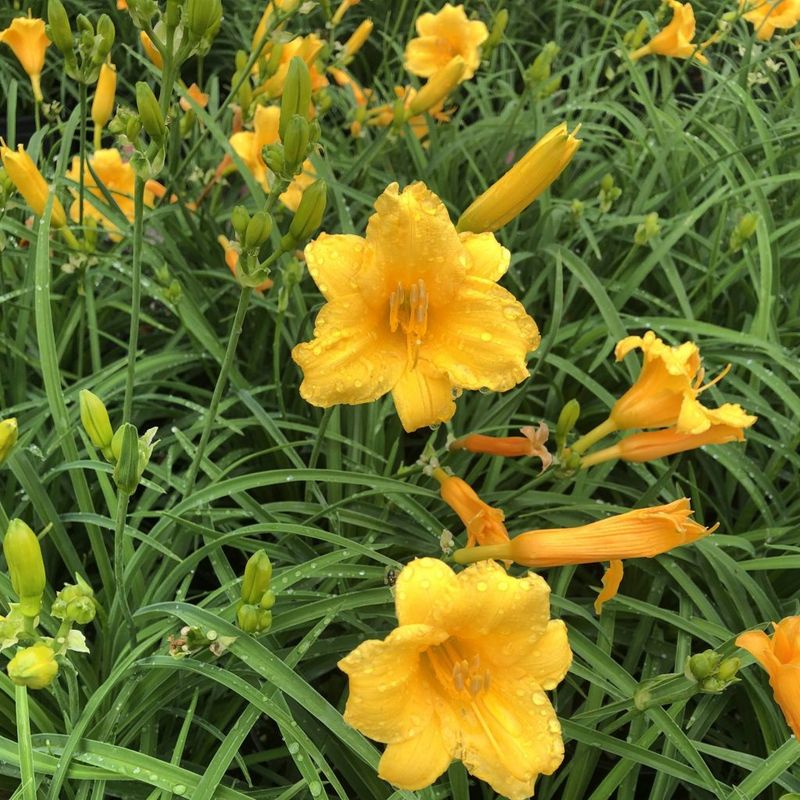
Gardeners have been passing daylilies over the fence to neighbors for generations, and there is a very good reason for that tradition. These plants are genuinely hard to stop.
Hemerocallis varieties thrive in a wide range of conditions, and Ohio clay soil is well within their comfort zone. If anything, the moisture retention that clay provides can actually work in their favor during hot, dry summers.
Daylilies form dense, fibrous root systems that anchor well in heavy soil and help stabilize slopes or edges where erosion can be a problem. They do not need rich, fluffy garden soil to perform.
In fact, overly fertile ground often pushes them toward leafy growth at the expense of flowers. Planting them in clay with minimal fertilizer tends to produce more blooms, which is exactly what most gardeners want.
Maintenance is about as low as it gets. Once established, daylilies spread slowly to form healthy clumps that can be divided every few years to share or expand your planting.
They prefer full sun but tolerate light shade reasonably well. Deadheading spent blooms keeps things looking tidy, though it is completely optional.
With hundreds of varieties available, you can find colors ranging from pale cream to deep burgundy to bright orange.
5. Bee Balm Performs Surprisingly Well In Clay Soil
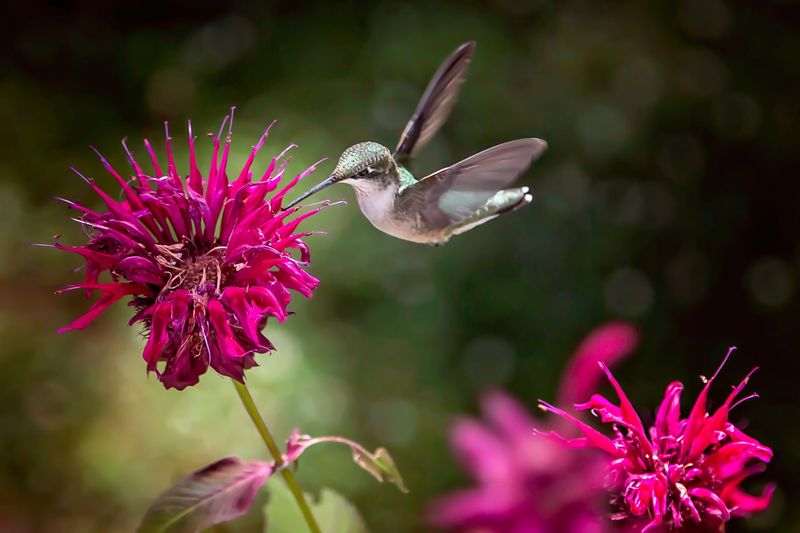
Bee balm has a reputation for being a bit fussy, but that reputation is not entirely fair. Monarda didyma is actually a native plant that grows naturally along stream banks and woodland edges throughout Ohio, which means it is well adapted to the kind of moist, heavy soil conditions that clay gardens often produce.
The key is giving it the right spot and a little breathing room.
In clay soil, bee balm can stay consistently moist without becoming waterlogged, and that is often enough to keep it happy through the summer heat. The tubular flowers in shades of red, pink, and purple are irresistible to hummingbirds, bumblebees, and several butterfly species.
OSU Extension highlights Monarda as a strong native choice for Ohio rain gardens and low-lying areas where water tends to collect.
The one thing bee balm does need is good airflow around the foliage. Planting clumps about 18 to 24 inches apart helps reduce the chance of powdery mildew, which can affect the leaves in humid conditions.
Choosing mildew-resistant varieties like Jacob Cline or Raspberry Wine also makes a noticeable difference. Cut the stems back after blooming to encourage a second flush of growth and keep the planting looking fresh through early fall.
6. Joe Pye Weed Loves Moist, Heavy Conditions
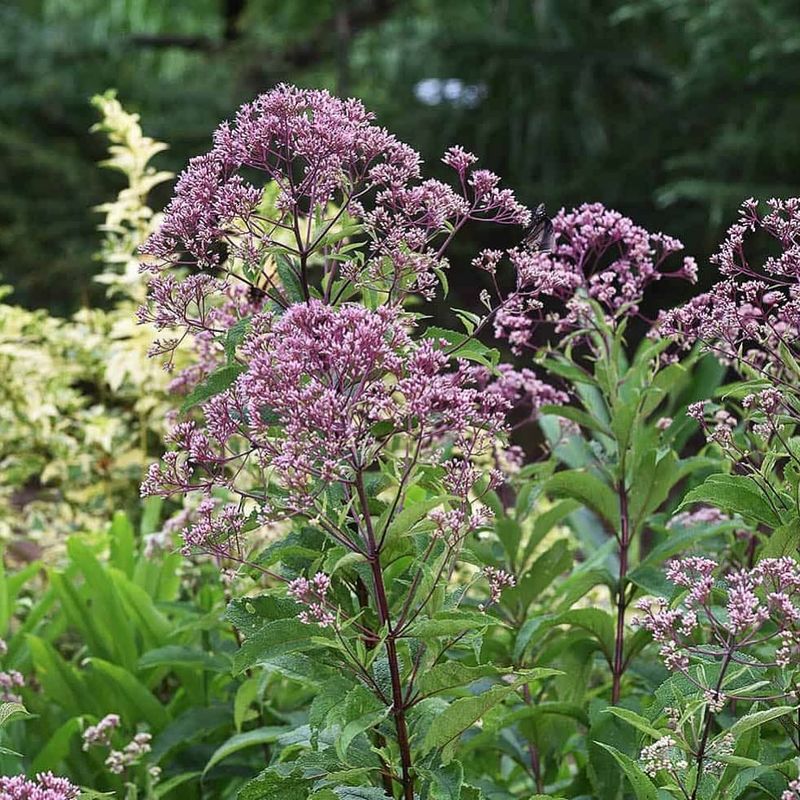
There is something almost majestic about a mature Joe Pye weed in full bloom. Eutrochium purpureum can reach six to eight feet tall by late summer, topped with large, dusty-pink flower clusters that serve as one of the most important late-season nectar sources for monarch butterflies, swallowtails, and native bees across Ohio.
It is a plant that makes a statement.
What makes Joe Pye weed especially valuable in clay-heavy gardens is its natural preference for moist, rich, heavy soils. It grows wild along stream banks, wet meadows, and low-lying areas throughout Ohio, so placing it in a spot where water tends to sit after rain is not a problem.
It is actually ideal. Gardeners who struggle with poorly draining low spots in their yard finally have a plant that will genuinely flourish there rather than just survive.
Despite its impressive height, Joe Pye weed has a sturdy, upright habit that rarely needs staking. It pairs beautifully with switchgrass, goldenrod, and other tall native perennials in naturalized plantings.
The seed heads that follow the blooms provide winter interest and food for birds. Plant it in full sun to light shade, keep the soil consistently moist during establishment, and it will reward you with years of reliable, wildlife-friendly beauty.
7. Ninebark Shrugs Off Tough Clay With Ease
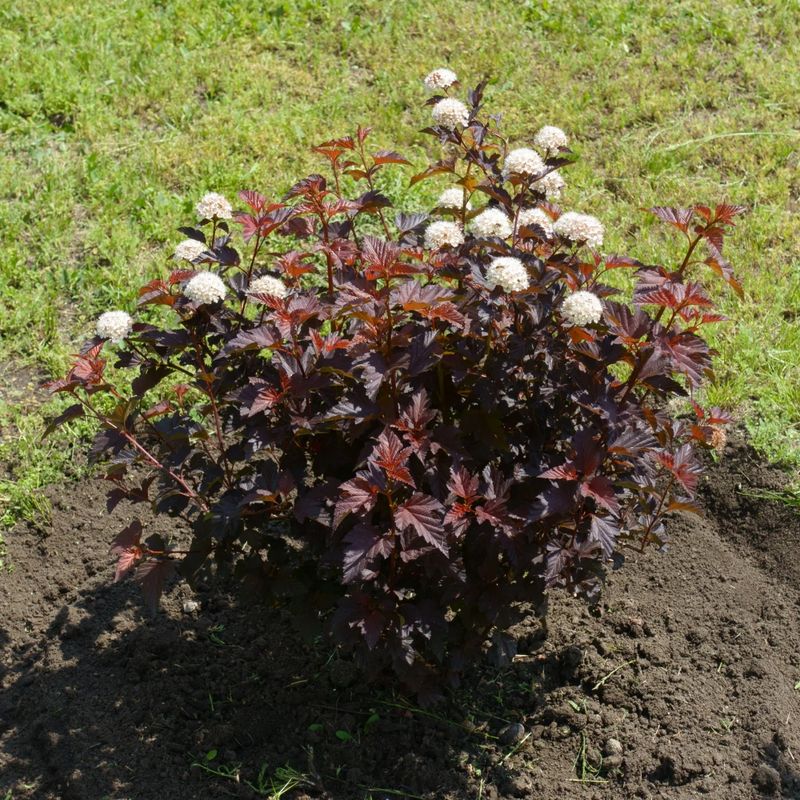
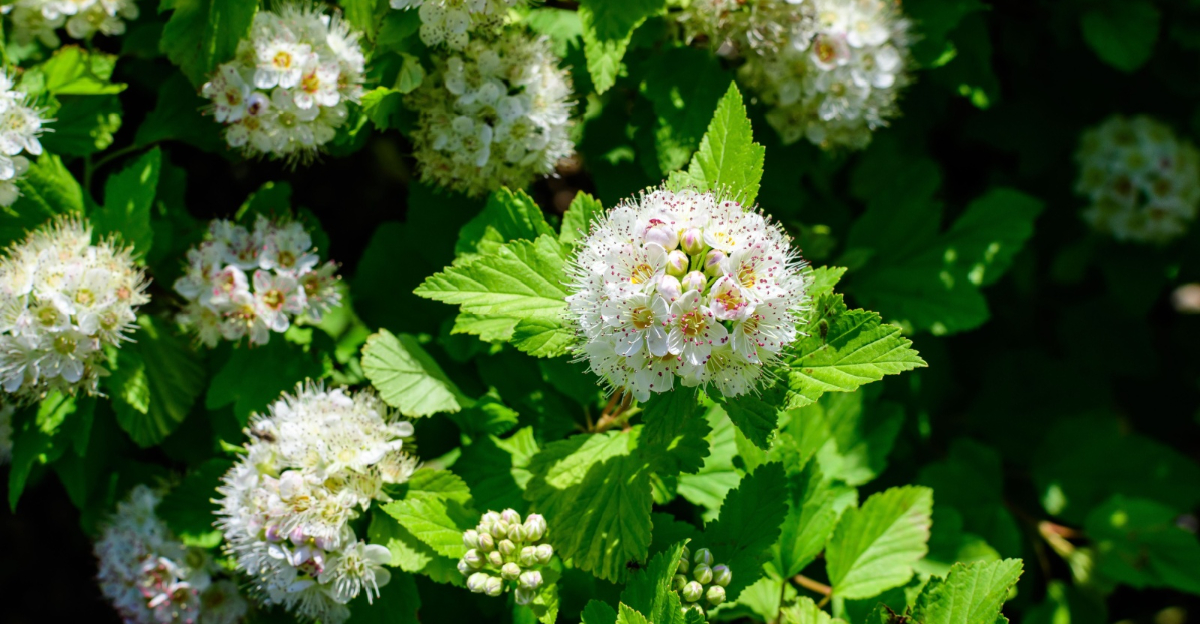
When landscape designers in Ohio need a reliable shrub that will perform in difficult conditions without constant attention, ninebark is almost always on the short list. Physocarpus opulifolius is a native shrub that grows naturally throughout Ohio woodlands and stream edges, and its adaptability to clay soil is one of the main reasons it keeps showing up in low-maintenance landscape plans across the state.
Ninebark tolerates compacted, poorly draining clay better than most shrubs you will find at a garden center. Its root system establishes relatively quickly and helps stabilize soil along slopes and property edges.
The shrub reaches anywhere from five to ten feet tall depending on the variety, making it useful as a privacy screen, a windbreak, or a naturalized border planting. The ODNR and OSU Extension both recommend it as a native alternative to invasive ornamental shrubs in Ohio landscapes.
From a visual standpoint, ninebark earns its place in four seasons. Clusters of small white or pale pink flowers appear in late spring, followed by reddish seed clusters that birds enjoy.
The foliage on popular varieties like Diabolo or Summer Wine holds rich burgundy or deep purple tones through the growing season. In winter, the distinctive peeling, layered bark adds texture and interest to an otherwise bare garden.
It is a true workhorse shrub.