These Tough Shrubs Thrive In Arizona Front Yards Without Constant Care
Arizona yards can be beautiful without turning into a full-time job. If constant watering, trimming, and replacing struggling plants feels exhausting, the secret often comes down to choosing shrubs that are built for the climate from the start.
In a place where intense sun, dry soil, and long hot seasons are the norm, some shrubs simply handle the conditions better than others.
The right ones stay strong, hold their shape, and keep looking good even when the weather pushes everything else to the limit.
That means less stress, fewer replacements, and a front yard that still looks polished through the toughest parts of the year. If a low-effort landscape sounds appealing, these shrubs are the ones worth paying attention to.
1. Texas Ranger Handles Extreme Heat And Dry Soil
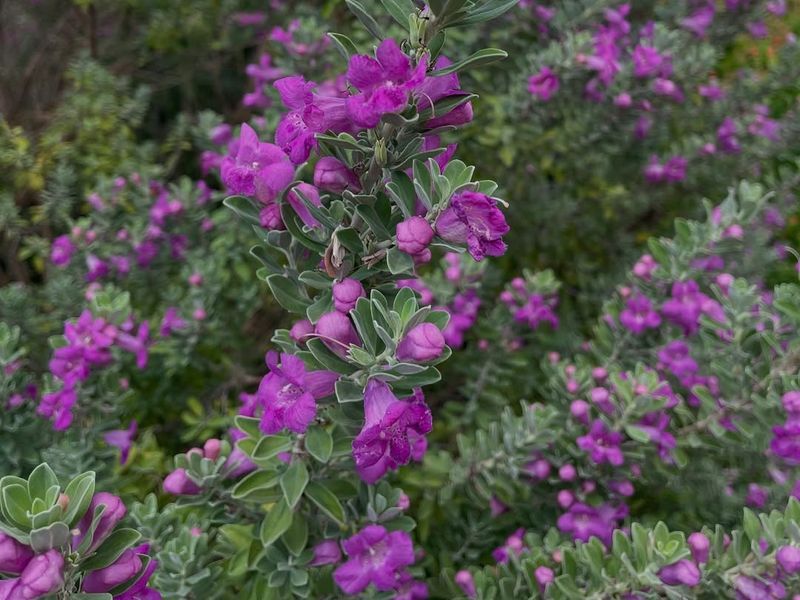
Purple flowers bursting out of silver-gray leaves during monsoon season — that is Texas Ranger doing exactly what it was built for.
Locals across Phoenix and Tucson have planted this shrub along driveways and front walkways for decades, and it keeps delivering without complaint.
You barely have to think about it once it gets settled in the ground.
What makes it so reliable in Arizona yards is how well it handles rocky, nutrient-poor soil. No need to amend the ground or add fertilizer.
Plant it in full sun, give it a deep soak every few weeks during summer, and it handles the rest on its own.
The blooms appear in waves, often triggered by monsoon humidity, which means you get bursts of color at just the right time of year. Silver-leafed varieties reflect heat well, keeping the plant cool during triple-digit days.
Pruning once a year in late winter keeps the shape clean without stressing the plant. Reaching six to eight feet tall, it also works well as a natural privacy screen along property lines throughout the Valley.
2. Hopseed Bush Forms A Tough Evergreen Screen
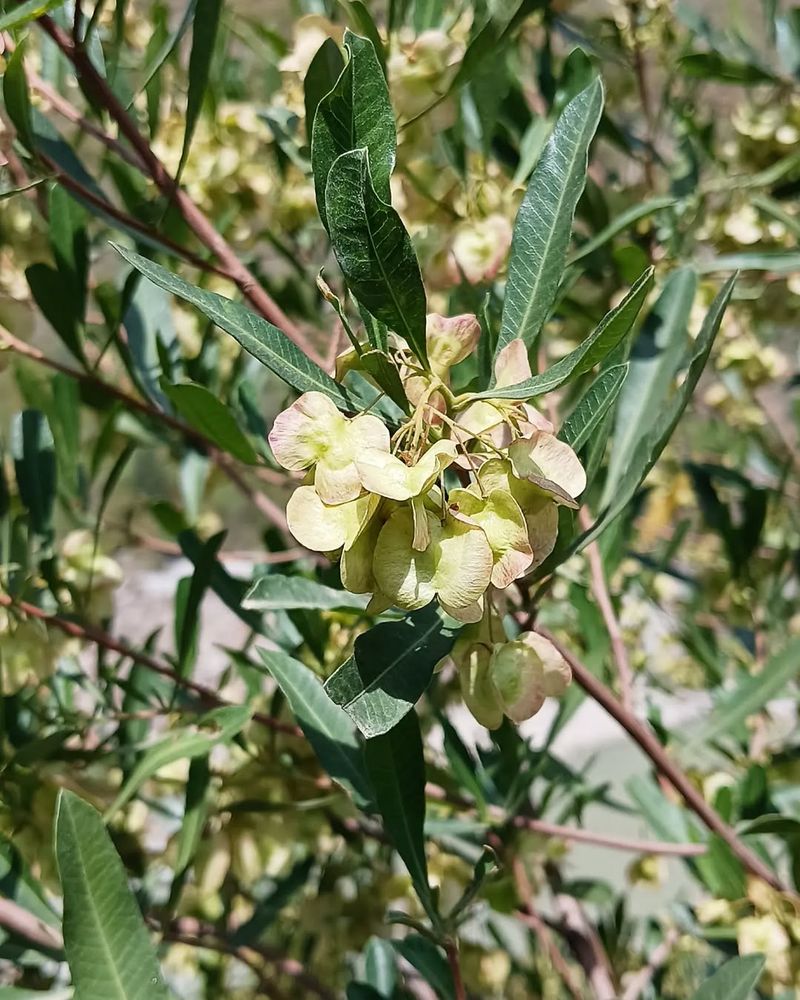
Not every shrub in Arizona needs to flower to earn its place in a front yard. Hopseed Bush brings something different — dense, year-round greenery that holds its shape even through the harshest stretches of summer heat.
Tucson homeowners especially love it along fence lines where they want coverage without constant trimming.
Hopseed grows fast compared to most desert shrubs, reaching up to twelve feet if left alone. You can keep it pruned to six feet for a cleaner hedge look, or let it go natural for a wilder, layered effect.
Either way, it fills in gaps quickly and stays full from top to bottom.
Wind resistance is another strong point. Dust storms rip through the Phoenix metro every summer, and Hopseed holds steady while other plants lose branches or tip over entirely.
Watering every two to three weeks in summer is plenty. Soil quality matters very little here — sandy, caliche-heavy ground is no problem at all.
Seed pods appear in spring and add a subtle visual interest that most people overlook until they get up close. It is a quiet workhorse of a plant that earns respect over time.
3. Brittlebush Handles Heat And Dry Desert Soil
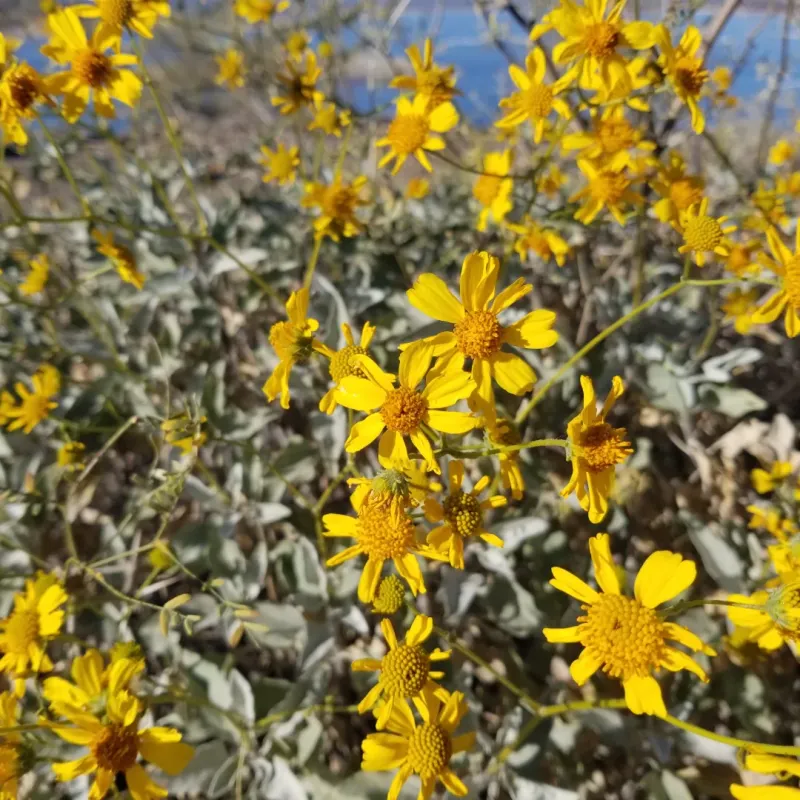
Brittlebush is one of the most recognizable shrubs across the Sonoran Desert, and it earns that reputation by thriving in the same harsh conditions many other plants struggle to survive.
Silvery-gray leaves reflect intense sunlight, helping the plant stay cooler during Arizona’s long stretches of extreme heat.
In early spring, brittlebush produces bright yellow, daisy-like flowers that rise above the foliage on slender stems.
After winter rains, entire hillsides around Phoenix and Tucson can glow with these blooms, and the same cheerful color works beautifully in a front yard landscape.
This shrub handles dry soil, rocky ground, and reflected heat without much trouble. Once established, it needs very little supplemental water, making it a reliable choice for low-maintenance yards or xeriscape designs.
Most gardeners find that deep watering every few weeks during summer is enough to keep it healthy.
Brittlebush typically grows about two to four feet tall and wide, forming a soft, rounded shape that blends easily with other desert plants. Pruning is minimal, though removing old flower stalks and lightly shaping the plant in late spring keeps it looking tidy.
Plant it in full sun with well-draining soil. In the right spot, brittlebush settles in quickly and becomes one of the easiest shrubs to maintain in an Arizona front yard.
4. Creosote Bush Thrives In Harsh Desert Conditions
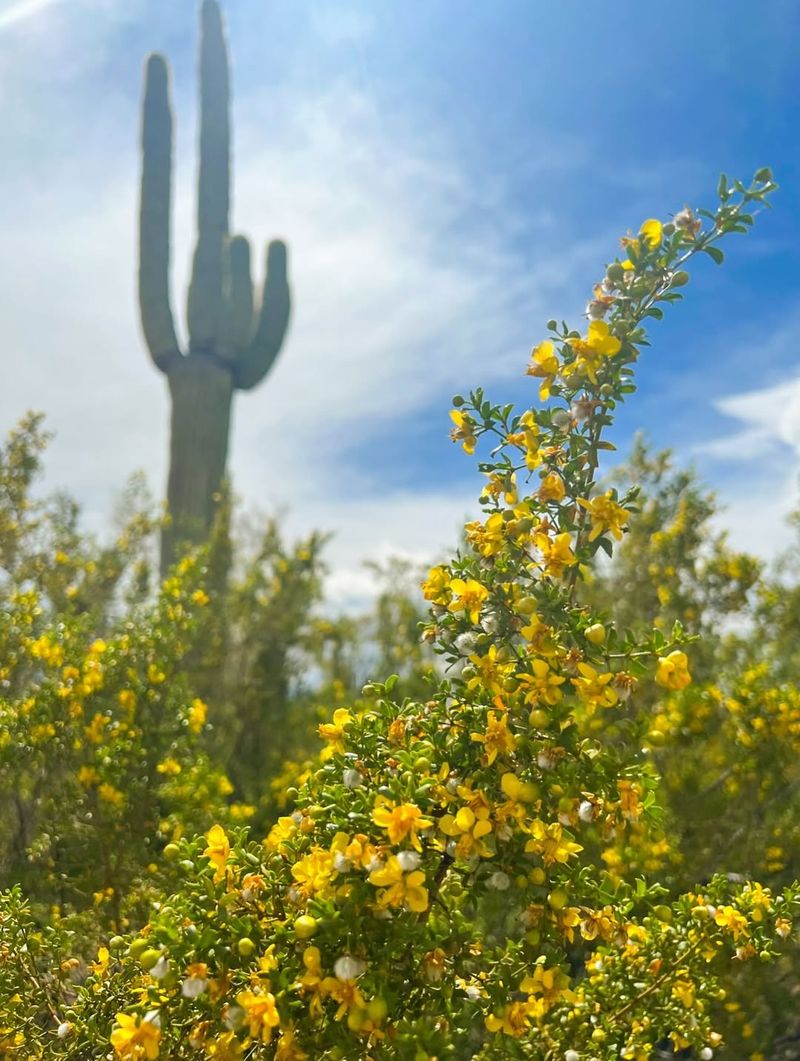
After a monsoon rain, the smell of wet Creosote fills the Arizona air in a way that is impossible to describe to someone who has never experienced it. Locals call it the smell of the desert, and it comes entirely from the resin coating the leaves.
Beyond that iconic scent, Creosote is one of the most resilient plants on the planet — some specimens in the Sonoran Desert are believed to be thousands of years old.
Small yellow flowers appear in spring and after summer rains, adding cheerful color without any effort on your part.
Leaves stay green year-round, even through extended dry spells, because the plant has evolved to conserve moisture with impressive efficiency.
Established plants in Phoenix front yards can go months without supplemental water.
Spacing matters with Creosote. It naturally spaces itself in the wild by releasing chemicals that limit nearby competition, so give each plant room to spread — about six to eight feet between shrubs.
Height stays manageable at four to eight feet with very little pruning needed. Full sun is non-negotiable.
Shade stunts growth and reduces that natural open, airy form that makes Creosote look so at home in an Arizona front yard setting.
5. Yellow Bells Blooms Through Long Hot Seasons
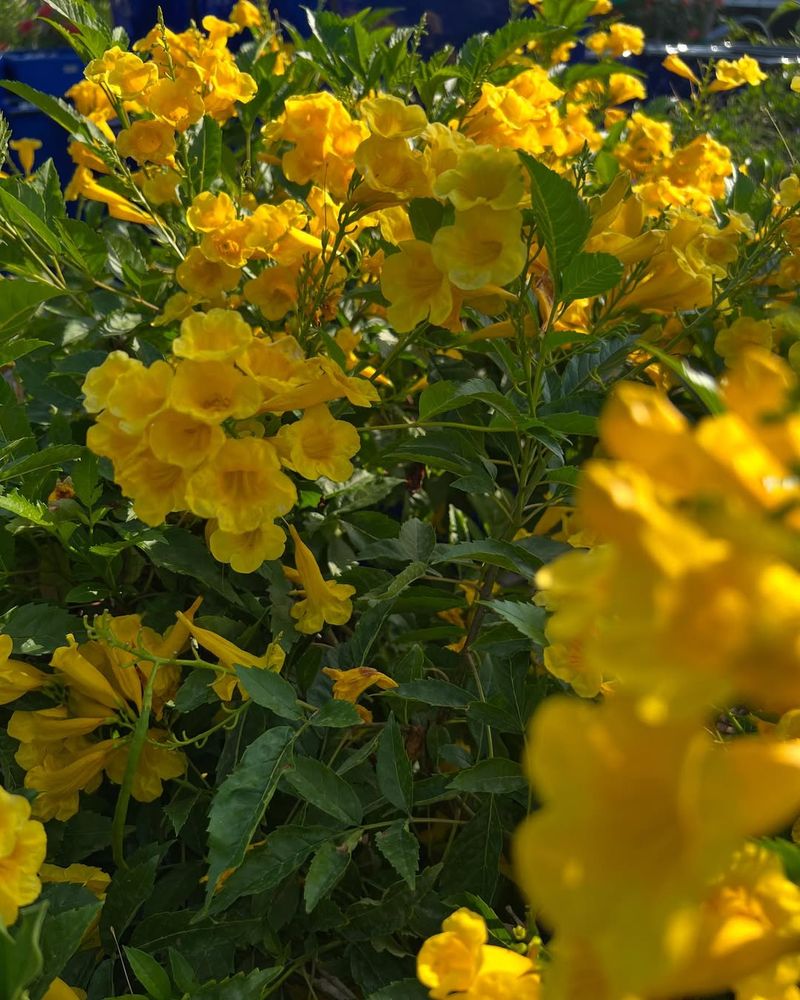
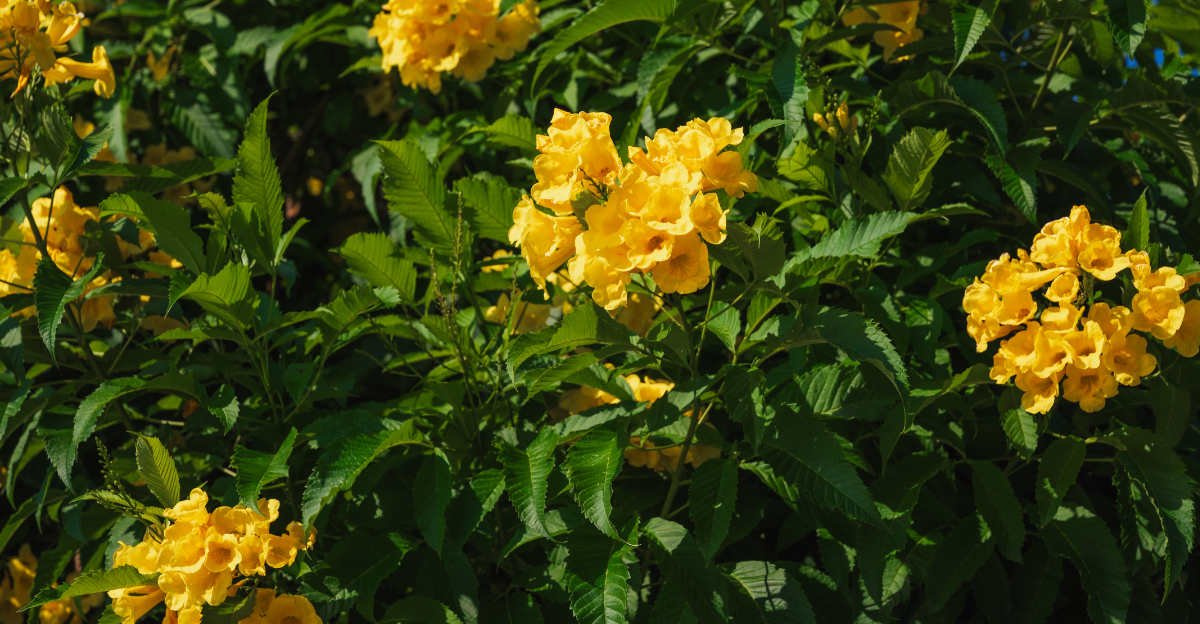
Few shrubs in Arizona put on a show the way Yellow Bells does from midsummer straight through fall. Bright, trumpet-shaped yellow flowers cover the plant in waves, and the blooming does not slow down just because temperatures push past 110 degrees.
In the Phoenix and Tucson areas, it is one of the most reliable sources of color during the months when most flowering plants give up entirely.
Growth is vigorous — Yellow Bells can reach six to eight feet tall and almost as wide in a single growing season under good conditions. If your front yard needs to fill in quickly, this shrub delivers.
Pruning hard in late winter keeps the shape manageable and encourages a fresh flush of growth and flowers when warm weather returns.
Hummingbirds and butterflies show up regularly once blooming starts, which adds movement and life to the front yard beyond just the color. Watering deeply once a week during peak summer heat keeps the flowers coming strong.
Sandy or rocky soil is perfectly fine.
One thing to keep in mind — Yellow Bells is frost-sensitive and may get knocked back during hard freezes in higher elevation parts of Arizona, but it bounces back from the roots quickly when temperatures warm again.
6. Jojoba Thrives In Arizona Landscapes With Very Little Water
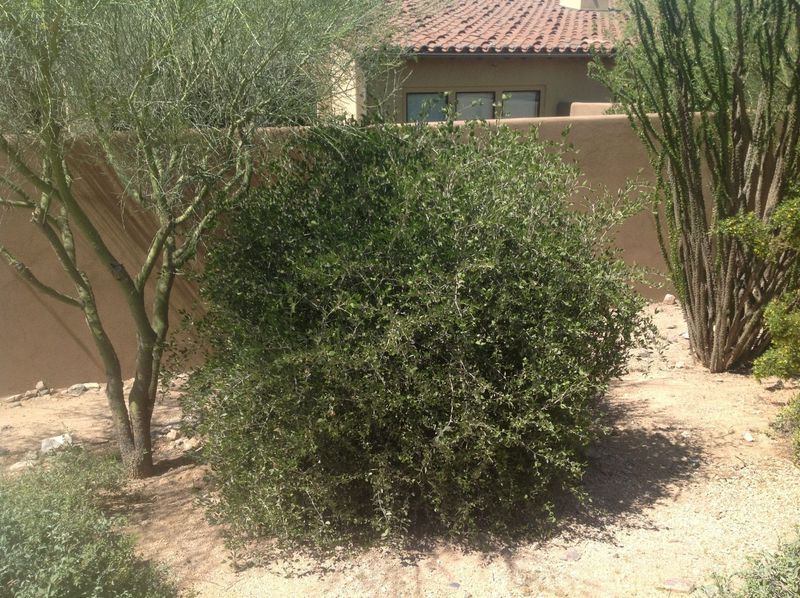
Jojoba is one of the toughest native shrubs found in the deserts of Arizona, and it has quietly become a favorite in low-maintenance landscapes.
Its dense, rounded form and soft gray-green leaves give it a calm, natural look that blends well with gravel gardens, desert borders, and front yard plantings.
This shrub evolved in some of the driest regions of the Sonoran Desert, so it handles heat, poor soil, and long dry stretches with very little help.
Once established, jojoba can survive almost entirely on natural rainfall, though an occasional deep watering during extreme summer heat helps it stay fuller and greener.
Jojoba typically grows between four and eight feet tall and wide, forming a sturdy shrub that works well as a natural screen or background plant.
The foliage stays evergreen through the year, which keeps the landscape from looking bare during winter months when many desert plants slow down.
Small, subtle flowers appear in spring, and female plants may produce the well-known jojoba seeds that are often used to make jojoba oil. Wildlife also appreciates the plant, as birds and desert animals sometimes feed on the seeds.
Plant jojoba in full sun with well-draining soil. Once it settles in, it becomes one of the most reliable and low-effort shrubs you can grow in an Arizona yard.
7. Damianita Covers Itself In Bright Yellow Flowers
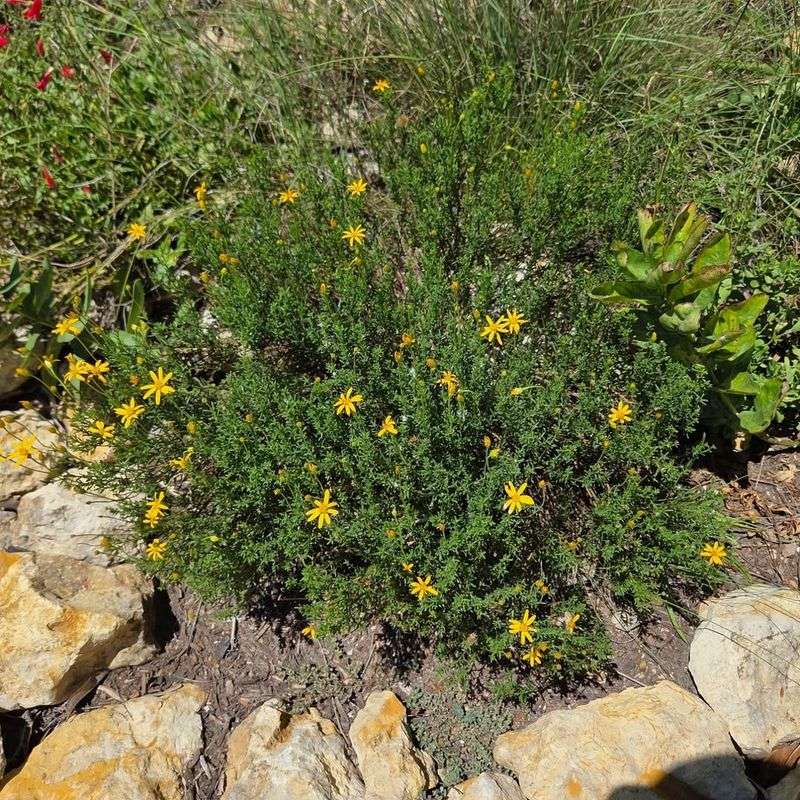
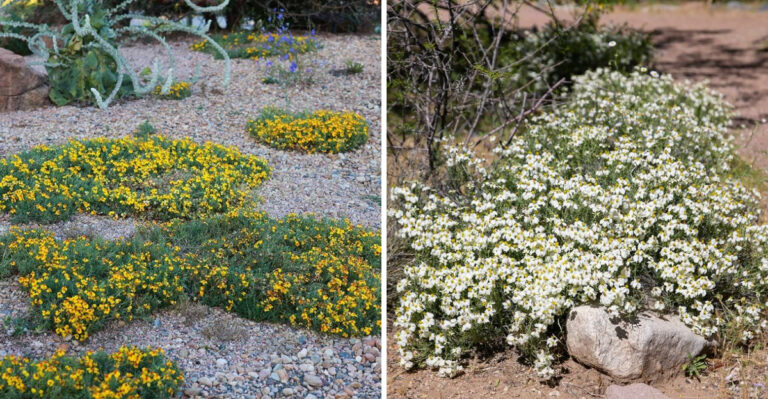
Spring in Arizona means Damianita explodes into a carpet of yellow that stops people mid-walk. Dozens of small, daisy-like flowers blanket the entire plant at once, and the display lasts for weeks.
What surprises most people is how small this shrub actually is — usually under two feet tall — because the flower coverage makes it look much bigger and bolder than its actual size.
Fragrance is another unexpected quality. Rub the fine, needle-like leaves between your fingers and a strong herbal scent releases immediately.
Some people love it, others find it sharp, but either way it adds a sensory layer to the front yard that most plants cannot offer. Butterflies are drawn to the flowers consistently throughout bloom season.
Damianita handles full sun and reflected heat without missing a beat, which makes it ideal for south-facing yards and spots along concrete or block walls in the Phoenix metro.
Water every week to ten days during summer, and cut back to monthly once temperatures cool in fall.
It handles poor, rocky soil without complaint and never needs fertilizer. Spacing plants about two feet apart creates a solid groundcover effect along borders or rock garden edges.
Across the Sonoran Desert region, it is one of the best small flowering shrubs available for low-effort, high-impact landscaping.
8. Baja Fairy Duster Attracts Hummingbirds And Bees
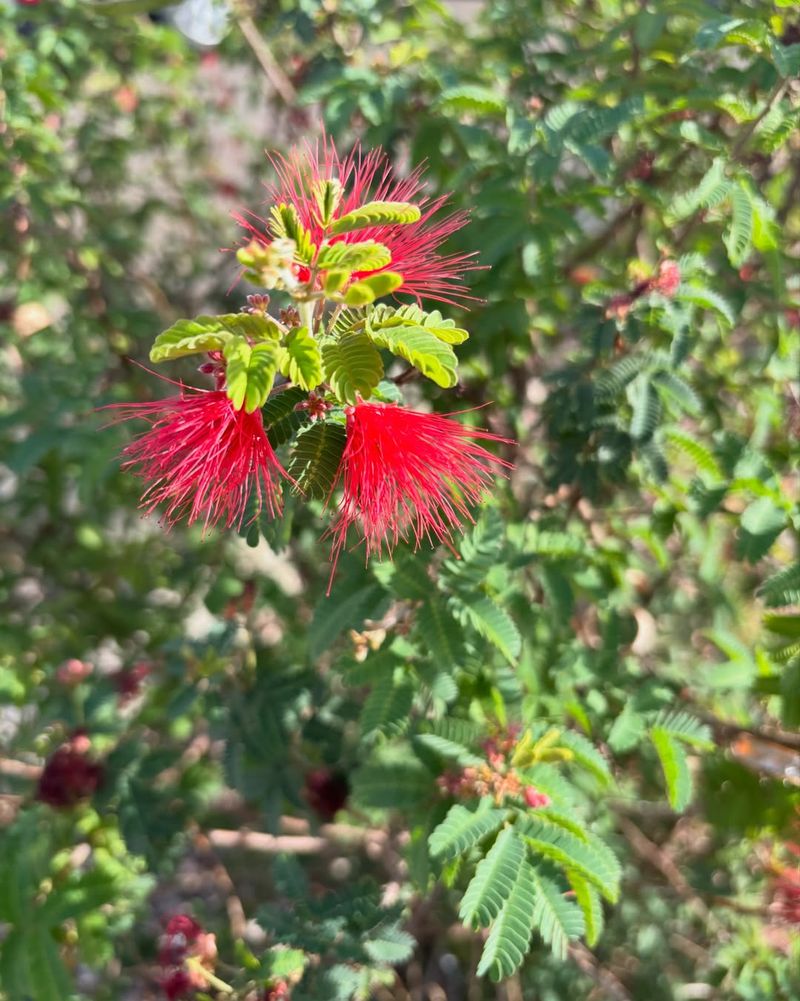
Powder-puff blooms in deep pink and red make Baja Fairy Duster one of the most visually striking shrubs you can plant in an Arizona front yard. Flowers look almost tropical, which catches people off guard given how dry and hot the growing conditions are.
Hummingbirds zero in on those blooms fast, and you will see bees working the flowers throughout the day as well.
Blooming stretches from late winter through spring, and then again after monsoon rains kick in during summer. Few shrubs in the Sonoran Desert offer that kind of extended flowering calendar.
Height stays moderate — usually three to five feet — with an open, airy branching structure that lets you see through the plant slightly rather than creating a solid wall of foliage.
Cold hardiness is limited, so Baja Fairy Duster works best in lower elevation areas of Arizona like the Phoenix metro and southern Tucson zones. Frost can cut it back, but roots survive and new growth pushes out quickly when warmth returns.
Sandy or gravelly soil drains fast and suits it perfectly. Watering once a week during summer heat keeps the growth steady.
Pair it near Red Yucca or Texas Ranger in a mixed border and the color combinations work naturally together without any planning effort required.
9. Valentine Bush Brings Color In Late Winter
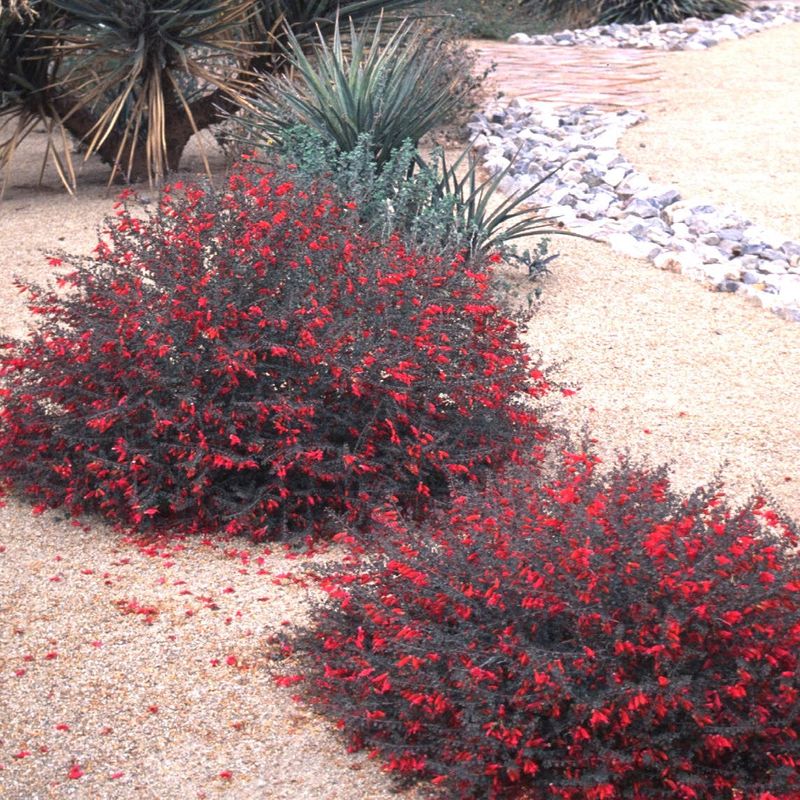
Right when February feels the most colorless, Valentine Bush opens up with a flush of deep magenta-red flowers that feel almost impossible for that time of year.
Named for its bloom timing around Valentine’s Day, this shrub earns every bit of attention it gets in Arizona front yards during late winter when almost nothing else is flowering.
It is a genuine surprise to neighbors walking past.
Tubular flowers are perfectly shaped for hummingbirds, and migrating birds passing through Arizona in late winter and early spring will stop at a blooming Valentine Bush without hesitation.
Foliage stays small and fine-textured, giving the shrub a delicate look that contrasts nicely with bolder desert plants nearby.
Size is manageable — typically four to six feet tall and wide — which fits into most front yard layouts without overwhelming the space.
Full sun produces the best bloom coverage, though light afternoon shade in the hottest parts of the Phoenix valley keeps the plant from stressing during peak summer months.
Water every week to ten days in summer, and reduce watering significantly once fall arrives. Rocky or sandy soil drains fast, which is exactly what Valentine Bush needs.
Avoid heavy clay or soil that holds moisture too long, as root problems develop quickly in those conditions across the low desert regions of Arizona.