These Trees Are Illegal To Have In Pennsylvania
You might pass by certain trees in Pennsylvania every day without realizing they come with restrictions.
Some species that once filled yards and lined streets are now discouraged or banned from sale because of how aggressively they spread and impact local ecosystems.
Over time, these trees have shown they can crowd out native plants and create challenges that ripple through the landscape.
As Pennsylvania continues to address these issues, knowing which trees raise concerns can help you make more informed choices.
A quick look at what is restricted and why can go a long way in protecting both your yard and the surrounding environment.
1. Tree Of Heaven Spreads Quickly And Causes Serious Problems
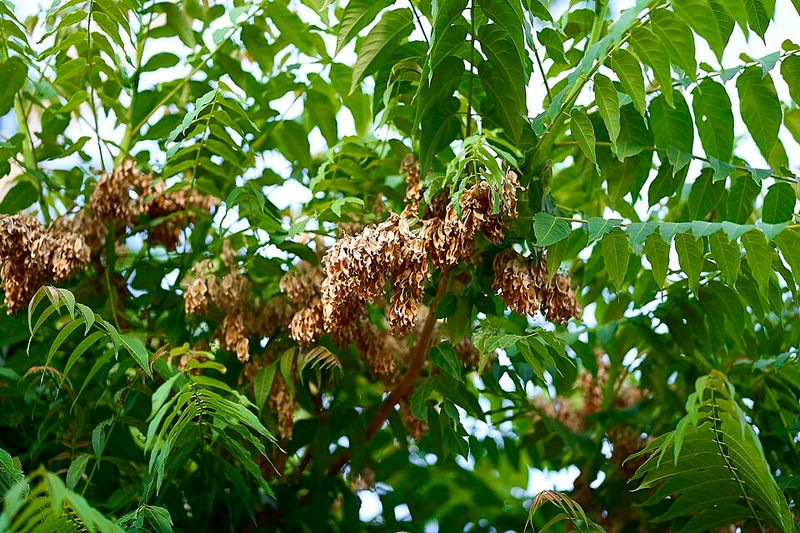
Walk along almost any Pennsylvania highway or vacant lot and you have probably noticed a fast-growing tree with long, feathery leaves taking over everything around it.
That tree is Tree of Heaven, and it has earned a reputation as one of the most aggressive invasive species in the state.
Originally brought over from China in the 1700s, it was once considered an attractive ornamental plant.
A single mature Tree of Heaven can produce up to 300,000 seeds in one season, and those seeds travel easily on the wind.
On top of that, the roots release chemicals into the soil that prevent nearby plants from growing, giving it an unfair advantage over native species.
This behavior, known as allelopathy, makes it especially hard for other plants to survive in areas where Tree of Heaven has taken hold.
There is another major concern that has pushed Pennsylvania to crack down on this species.
Tree of Heaven serves as a preferred host plant for the spotted lanternfly, an invasive insect causing serious damage to Pennsylvania agriculture and forests.
Removing this tree from your property is strongly encouraged. Replacing it with a native alternative like tulip poplar or black cherry can support local wildlife while keeping your landscape healthy and thriving.
2. Norway Maple Crowds Out Native Plants In Pennsylvania Landscapes
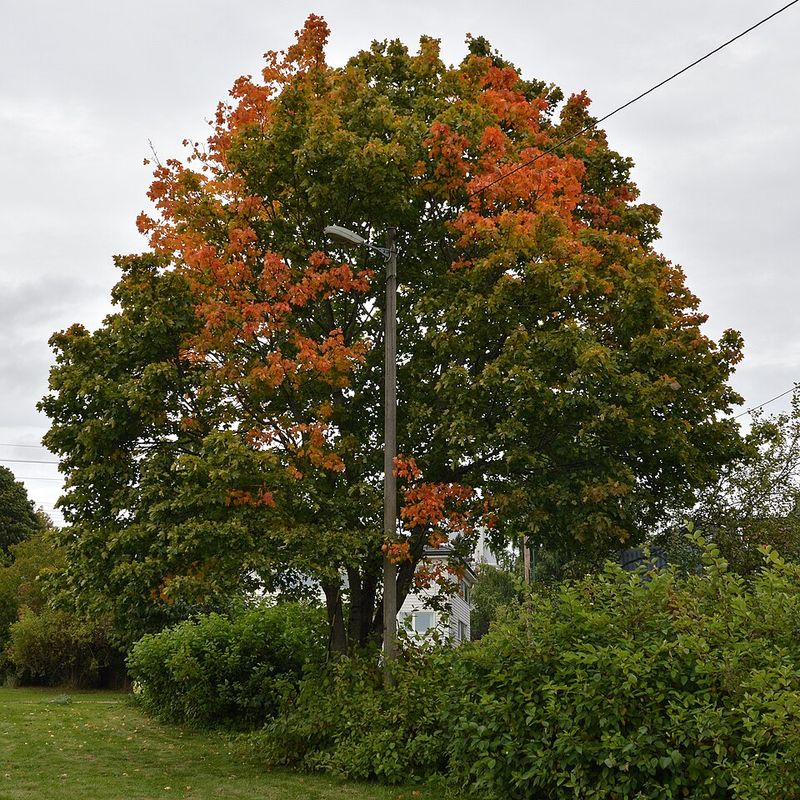
Shady streets lined with broad, leafy trees can look inviting, but when Norway Maple is the one providing that shade, the story underneath is not so pleasant.
Brought to North America from Europe in the 1700s, Norway Maple became a go-to street and yard tree for decades because of its toughness and dense canopy.
Pennsylvania neighborhoods planted it widely without fully understanding the trade-offs.
The problem is that Norway Maple produces an enormous number of seeds each year, and those seeds germinate readily in forests, parks, and natural areas.
Its thick leaf canopy blocks so much sunlight that native wildflowers, shrubs, and tree seedlings beneath it struggle to grow.
Over time, areas with heavy Norway Maple populations can lose much of their native plant diversity.
Norway Maple also leafs out earlier in spring and holds its leaves later into fall compared to native maples. This extended growing season gives it even more time to outcompete surrounding vegetation.
Pennsylvania has placed it on the invasive species list, and many municipalities no longer allow it in new landscaping projects. If you have one in your yard, consider replacing it with a native sugar maple or red maple.
Both offer beautiful fall color, support local wildlife, and contribute positively to Pennsylvania ecosystems without the invasive drawbacks that come with Norway Maple.
3. Callery Pear Escapes Yards And Takes Over Open Spaces
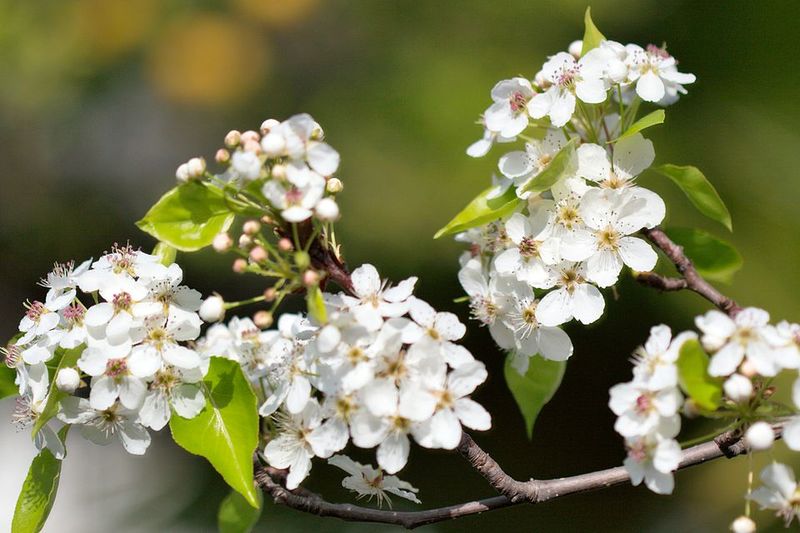
Few trees have had a fall from grace quite like the Callery pear.
For years, the Bradford pear variety was one of the most commonly planted ornamental trees across Pennsylvania neighborhoods, celebrated for its showy white spring blossoms and tidy shape.
Nurseries sold them by the thousands, and homeowners loved the seasonal display they provided.
The trouble started when people noticed Callery pear escaping cultivated yards and forming dense, thorny thickets along roadsides, fields, and forest edges. Birds eat the small fruits and deposit seeds far from the original planting site.
Once established in the wild, Callery pear grows aggressively, crowding out native shrubs and grasses that local wildlife depend on. The thickets it forms are nearly impenetrable due to sharp thorns on wild seedlings.
Pennsylvania officially prohibited the importation and sale of Callery pear, making it one of the more high-profile trees on the state banned list.
If you currently have one in your yard, you are not required to remove it immediately, but replanting with a native alternative is strongly encouraged.
Serviceberry, native crabapple, or redbud are excellent choices that offer spring blooms without the invasive spread.
Swapping out Callery pear for a native flowering tree is one of the most impactful changes a Pennsylvania homeowner can make for local ecosystems.
4. Empress Tree Grows Fast But Spreads Even Faster
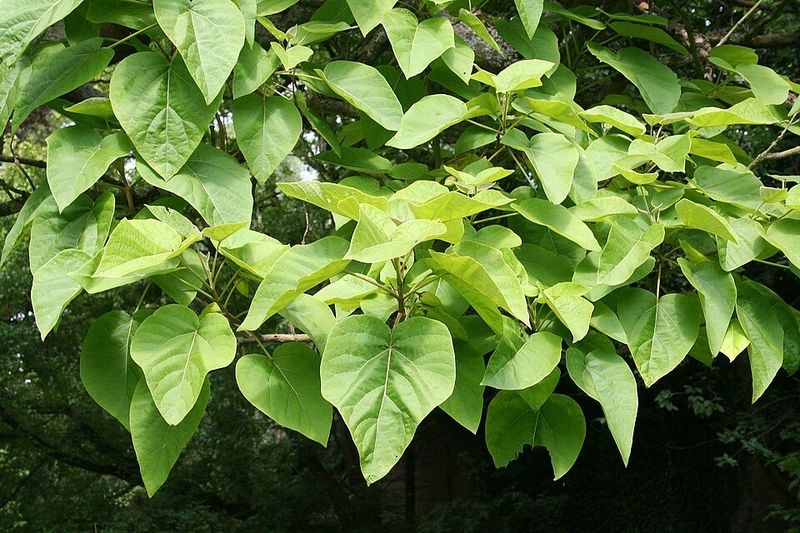
Speed is usually an attractive quality in a shade tree, and that is exactly what made Empress Tree so appealing when it was first introduced to North America from China in the 1800s.
It can grow up to 15 feet in a single year under good conditions, and its large purple flower clusters are genuinely striking in spring.
For a while, it seemed like a dream tree for homeowners who wanted quick results.
The reality, though, is that Empress Tree spreads just as fast as it grows. Each seed capsule can contain thousands of tiny seeds that travel on wind and water, colonizing disturbed areas, roadsides, and forest edges across Pennsylvania.
Once established, the roots are persistent and difficult to manage, often resprouting after the main trunk is removed. This resilience makes it a serious challenge for land managers and homeowners alike.
In natural areas, Empress Tree outcompetes native species by growing so rapidly that it shades out slower-growing plants before they can establish.
Pennsylvania lists it as an invasive species, and planting it is strongly discouraged throughout the state.
If you want a fast-growing shade tree with real visual impact, native alternatives like sycamore or river birch offer similar appeal without the ecological baggage.
Both species support Pennsylvania wildlife and fit naturally into the regional landscape.
5. Mimosa Tree Struggles With Cold And Can Spread In Warmer Areas
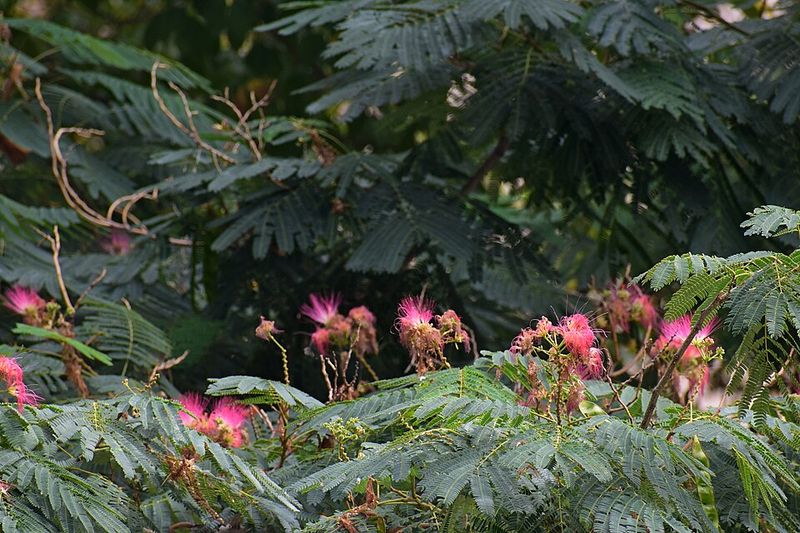
Soft pink powder-puff flowers and delicate fern-like leaves give Mimosa Tree an almost tropical look that stands out in any landscape.
Originally from Asia, it became a popular ornamental planting across the eastern United States, and Pennsylvania yards were no exception.
Homeowners were drawn to its exotic appearance and the way it seemed to bloom so generously each summer.
Mimosa Tree is somewhat limited by Pennsylvania winters in the northern parts of the state, but in the warmer southern regions, it can spread and establish along roadsides, stream banks, and disturbed areas.
It produces large quantities of seed pods that persist on the tree well into winter, and those seeds remain viable in the soil for years.
This long seed bank makes it difficult to fully remove once it has taken hold in an area.
Beyond its spreading habits, Mimosa Tree provides limited ecological value compared to native alternatives. Its flowers attract some pollinators, but native trees like redbud or black locust offer better support for local insect communities.
Pennsylvania discourages planting Mimosa Tree due to its invasive potential in suitable conditions.
If you have one in your yard and live in a warmer part of the state, monitoring it closely and removing seedlings promptly can help prevent it from spreading into nearby natural areas and affecting native plant communities.
6. Siberian Elm Grows Aggressively And Is Hard To Control
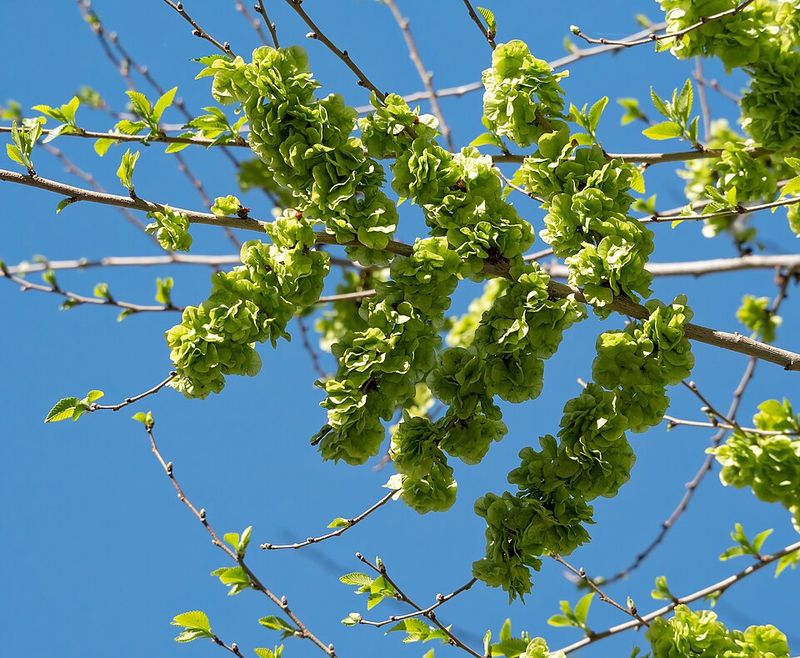
Tough, fast, and nearly impossible to discourage once established – Siberian Elm has all the qualities that make an invasive species genuinely difficult to manage.
Introduced from Asia in the early 20th century, it was initially planted across the United States for erosion control and windbreaks because of its remarkable tolerance for poor soils, drought, and cold temperatures.
Pennsylvania landowners used it widely before its invasive tendencies became better understood.
Siberian Elm produces huge quantities of lightweight, papery seeds in early spring, well before most other trees leaf out. Those seeds disperse easily on the wind and germinate quickly in disturbed soils, roadsides, vacant lots, and natural areas.
Young trees grow rapidly and can reach significant size within just a few years, making early management important. Roots resprout readily if the tree is cut, meaning repeated follow-up is often necessary.
In Pennsylvania landscapes, Siberian Elm competes with native trees and shrubs for space, water, and sunlight. Its dense canopy and fast growth rate give it an edge over slower-establishing native species.
Planting Siberian Elm is strongly discouraged, and removing existing trees from natural areas is recommended where possible.
American elm, while susceptible to Dutch elm disease, or native alternatives like hackberry, offer more ecologically appropriate choices for Pennsylvania landscapes that still provide the toughness many homeowners are looking for.
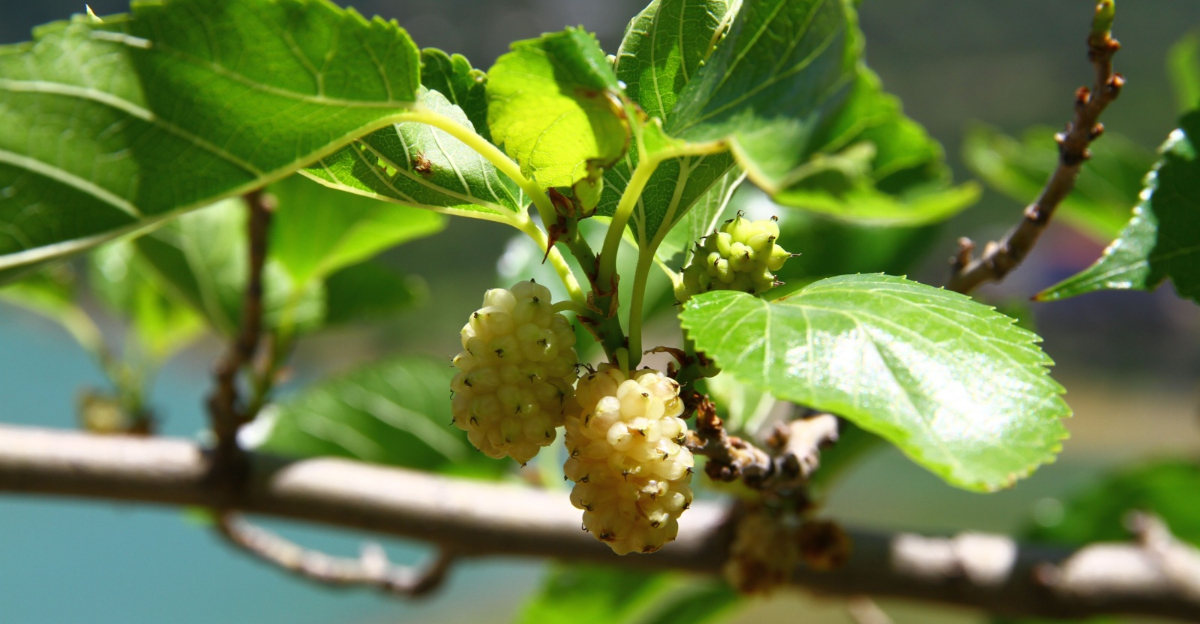
7. White Mulberry Interferes With Native Mulberry Populations
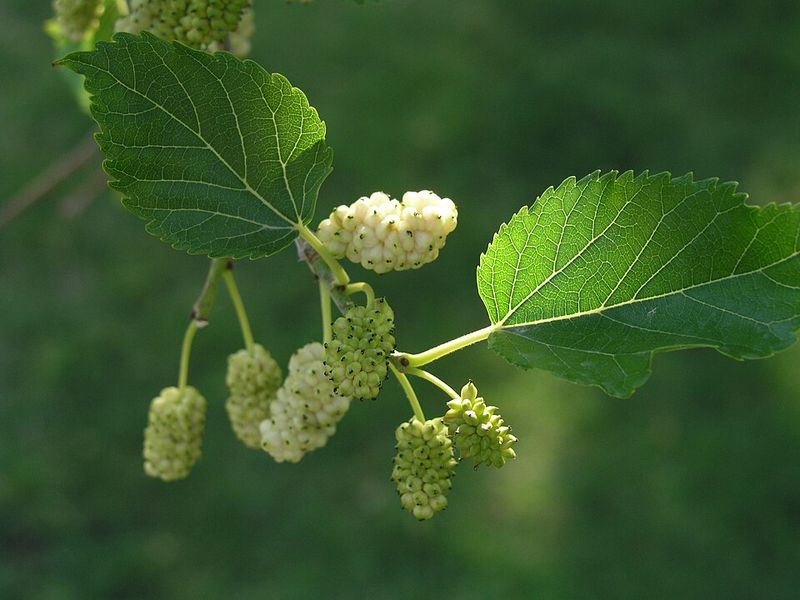
Most people are surprised to learn that not all mulberry trees are created equal when it comes to their impact on Pennsylvania ecosystems.
White Mulberry was brought to North America from China centuries ago as part of an attempt to establish a silk industry, since silkworms feed on its leaves.
That industry never really took off in America, but White Mulberry certainly did.
One of the more unique problems White Mulberry creates is its interference with the native red mulberry, a species already considered vulnerable in parts of its range.
The two trees hybridize freely, meaning White Mulberry pollen can mix with native red mulberry trees and gradually dilute the genetic integrity of the native population.
Over generations, this hybridization can make it harder to find pure native red mulberry trees in Pennsylvania forests and natural areas.
White Mulberry also spreads aggressively through bird-dispersed seeds, popping up along forest edges, roadsides, and disturbed areas across the state.
Its fruits are edible and do attract wildlife, but the ecological cost of its spread outweighs those benefits when native alternatives are available.
If you want a fruiting tree that supports Pennsylvania wildlife, consider planting native red mulberry or serviceberry instead.
Both offer food for birds and other animals while contributing positively to the health of local ecosystems rather than disrupting them.
8. Russian Olive Disrupts Natural Habitats Where It Spreads
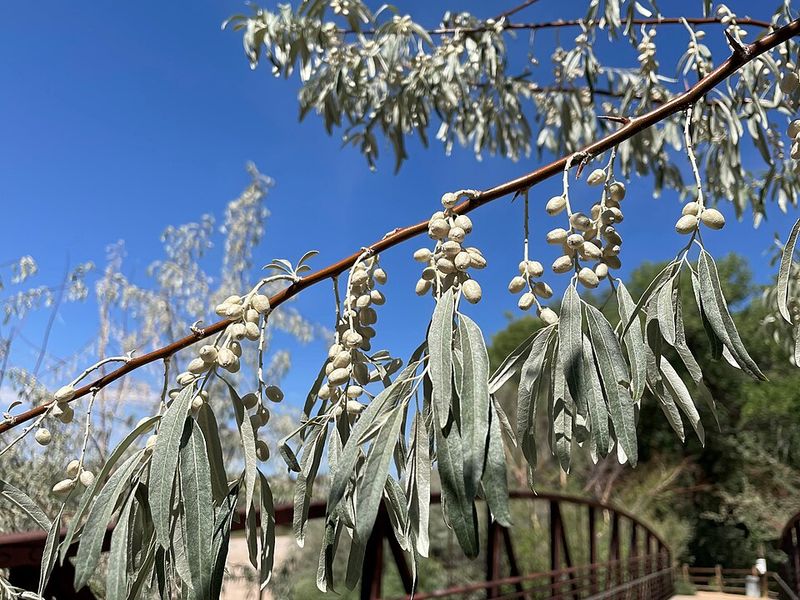
Silvery leaves that shimmer in the breeze and small fragrant yellow flowers gave Russian Olive a lot of early appeal as an ornamental and windbreak tree.
Brought over from Europe and Asia, it was planted across North America for erosion control and wildlife habitat improvement, and it does produce small olive-like fruits that some birds enjoy.
On the surface, it seemed like a practical and attractive addition to the landscape.
The complications emerge when Russian Olive establishes itself along stream banks and floodplains, which are exactly the kinds of habitats it prefers.
In those areas, it can form dense thickets that push out native willows, cottonwoods, and other riparian species that stream ecosystems depend on.
Its ability to fix nitrogen in the soil can also alter soil chemistry in ways that favor its own growth and make conditions less hospitable for native plants.
In Pennsylvania, Russian Olive is found mainly in disturbed riparian zones and is considered an invasive species that should not be planted.
Managing existing populations near waterways can be challenging because of its vigorous resprouting after removal.
Native alternatives like silky dogwood, buttonbush, or native willows are much better choices for streamside planting in Pennsylvania.
These species support native insects, birds, and other wildlife far more effectively while maintaining the natural character of Pennsylvania waterways and floodplain habitats.