These Trees In Georgia Could Get You Fined If You Don’t Remove Them
Not every tree in your Georgia yard is harmless. Certain species are considered hazardous, invasive, or a fire risk, and state or local regulations may require homeowners to remove them.
Ignoring these rules can result in fines or mandatory removal at your expense. One tree in the wrong place can quickly become an expensive problem.
These eleven trees may drop large limbs, damage structures, or create safety hazards for neighbors. Municipalities enforce removal to protect property and ensure public safety.
Being aware of which trees are regulated helps homeowners take action early and avoid costly consequences. Removing dangerous trees proactively keeps your yard safe and legal.
Georgia homeowners who follow these guidelines protect their property, their investment, and their community. Manage trees wisely and stay compliant with local regulations.
Oak Trees With Structural Risk
Majestic oaks anchor countless Georgia landscapes, offering generous canopies and historical significance across the state.
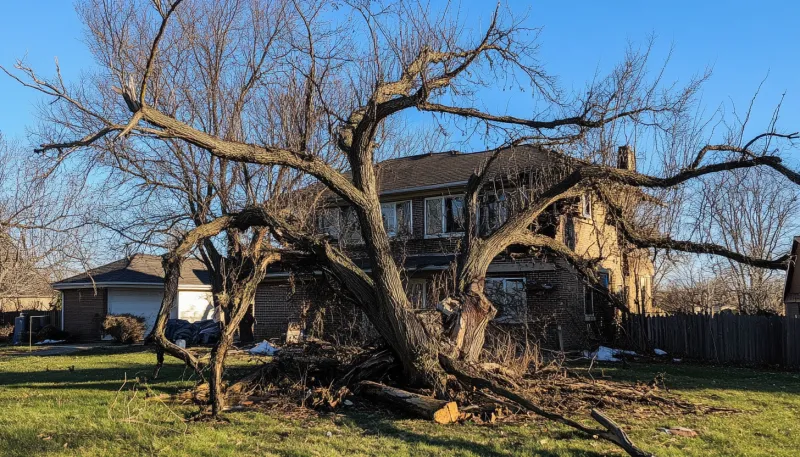
Yet when age, storms, or disease compromise their limbs or cause trunks to lean precariously, these giants can transform from beloved landmarks into serious hazards.
Municipal codes often require property owners to address oaks showing visible cracks, hollow cavities, or unstable lean angles that threaten homes, sidewalks, or neighboring yards.
Arborists assess structural integrity by examining bark health, checking for fungal growth, and measuring lean severity with specialized tools.
If a professional determines your oak poses imminent danger, local ordinances may mandate corrective pruning or complete removal within a specific timeframe.
Ignoring these notices can lead to fines that escalate with each passing week, not to mention potential liability if the tree causes injury or property damage.
Regular inspections help catch problems early, allowing you to cable weak branches or schedule strategic pruning before the situation becomes critical.
Many Georgia communities offer resources or referrals to certified arborists who understand regional soil conditions and weather patterns.
Taking proactive steps protects both your investment and your neighbors while keeping you compliant with local safety regulations that exist to prevent avoidable accidents.
Pine Trees Near Structures Or Utilities
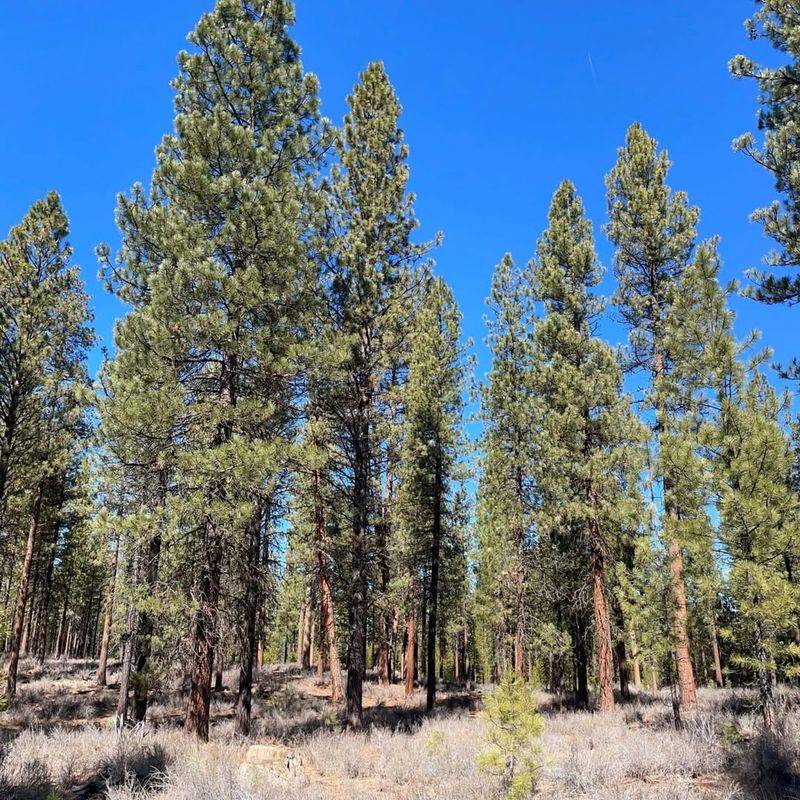
Towering pines define much of Georgia’s forested character, but their rapid growth and shallow root systems can spell trouble when planted too close to buildings or power lines.
Utility companies and municipal codes enforce strict clearance zones to prevent branches from contacting electrical wires during storms or high winds.
When pines encroach on these zones, property owners typically receive formal notices requiring trimming or removal to maintain safe distances.
Branches that brush against rooflines also pose fire risks and can damage shingles, gutters, or siding over time.
Root systems spreading beneath foundations may cause cracks or drainage issues, prompting additional code enforcement actions.
Many Georgia counties mandate minimum setback distances for new plantings, and existing trees that violate these standards must be managed according to local timelines.
Homeowners who fail to comply face escalating fines and the possibility of the municipality performing the work and billing the property owner at a premium.
Scheduling regular evaluations with a licensed tree service ensures your pines stay within legal boundaries and reduces the chance of surprise citations.
Proactive trimming not only keeps you compliant but also extends the lifespan of your trees by promoting healthier growth patterns and reducing storm-related breakage.
Bradford Pears With Weak Branching
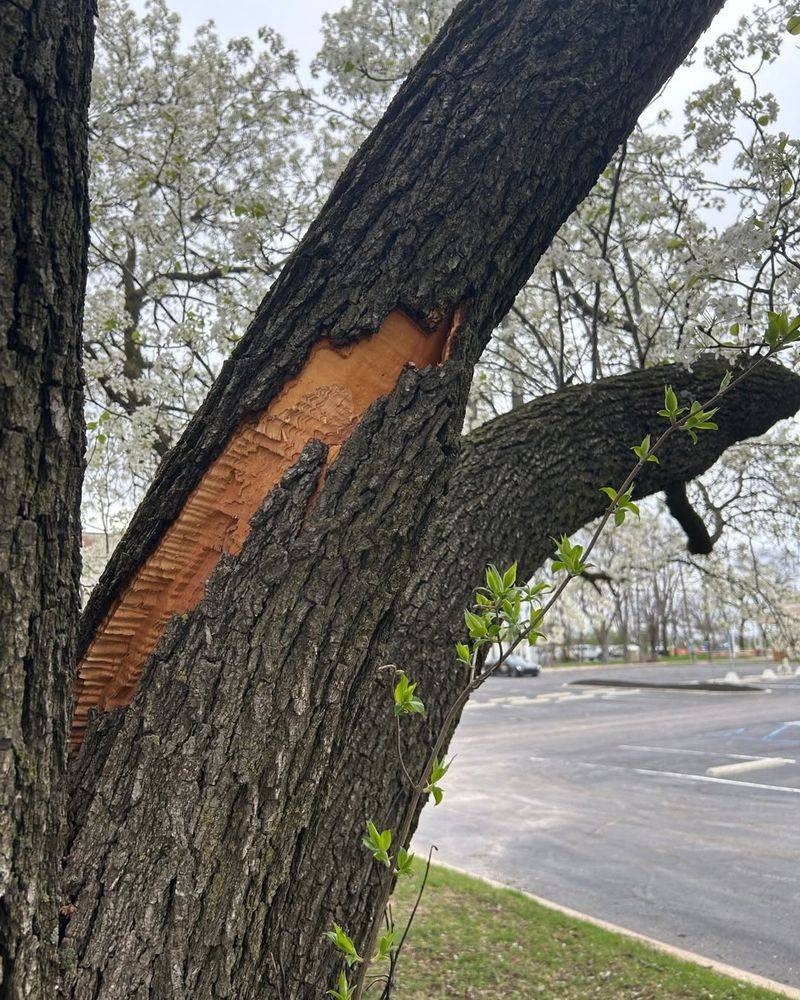
Once celebrated for their showy spring blooms and rapid growth, Bradford pears have fallen out of favor among arborists and city planners across Georgia.
Their tendency to develop narrow branch angles creates weak attachment points that split apart under ice, wind, or even the weight of their own foliage.
When these failures occur near roads, sidewalks, or public spaces, local codes often classify the trees as hazards requiring prompt removal.
Many Georgia municipalities have added Bradford pears to invasive or discouraged species lists, citing their aggressive seeding habits and the safety risks posed by brittle wood.
Property owners with mature specimens may receive notices to remove or heavily prune trees that exhibit crossing branches, crowded canopies, or visible splitting.
Fines can accumulate quickly if homeowners delay action, especially in neighborhoods with strict landscaping covenants.
Replacing a Bradford pear with a native alternative such as serviceberry or fringe tree provides similar ornamental value without the structural headaches.
Professional arborists can guide you through the removal process and suggest species better suited to Georgia’s climate and soil conditions.
Addressing the issue proactively not only avoids penalties but also enhances your property’s long-term safety and curb appeal with more resilient, low-maintenance options.
Privet Trees In Invasive Zones
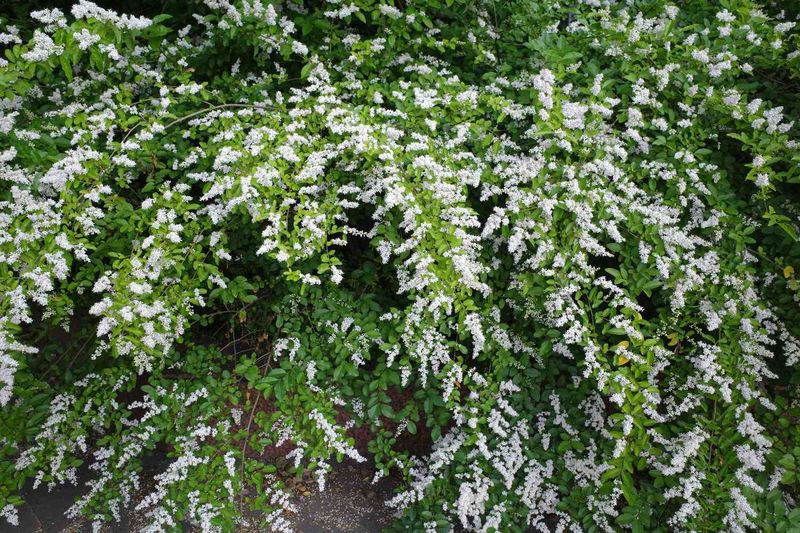
Privet trees arrived in Georgia as ornamental hedges and privacy screens, but their vigorous growth and prolific seeding quickly turned them into ecological troublemakers.
Local municipalities across the state have designated privet as an invasive species that outcompetes native flora, reducing biodiversity and disrupting wildlife habitats.
Property owners in designated conservation zones or near protected waterways often face mandatory removal orders backed by environmental ordinances.
These non-native shrubs spread rapidly through bird-dispersed seeds, forming dense thickets that shade out wildflowers, grasses, and young native trees.
Many Georgia counties enforce removal deadlines to prevent further spread, and homeowners who miss these deadlines may incur fines that increase with each violation notice.
Environmental agencies sometimes offer cost-share programs or volunteer workdays to assist with privet eradication, making compliance more affordable.
Replacing privet with native alternatives such as wax myrtle or beautyberry supports local ecosystems while maintaining privacy and visual interest in your landscape.
Professional removal services can ensure roots are fully extracted, preventing regrowth that would require repeated treatments.
Taking swift action not only keeps you compliant with local regulations but also contributes to broader conservation efforts that protect Georgia’s unique natural heritage for future generations.
Sweetgum Trees With Unstable Limbs
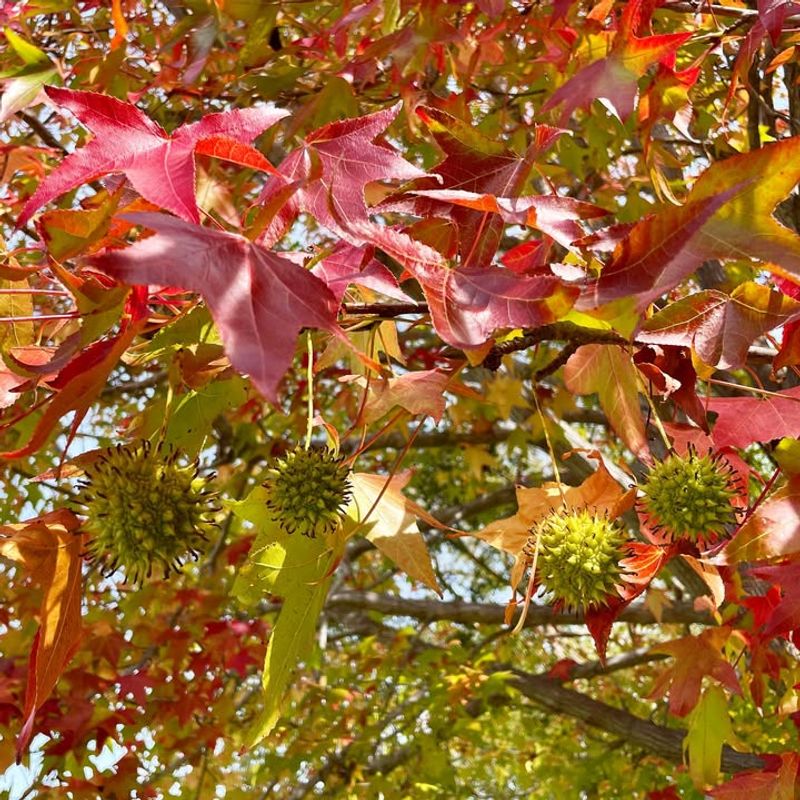
Sweetgum trees produce stunning fall foliage and distinctive star-shaped leaves that make them popular choices in Georgia landscapes.
However, their tendency to drop heavy limbs without warning has earned them a reputation as maintenance headaches and potential liabilities.
When branches overhang sidewalks, driveways, or public pathways, city codes often require property owners to trim or remove limbs that pose tripping hazards or could cause injury if they fall.
The spiky seed balls that litter lawns and walkways create additional nuisance complaints, sometimes prompting neighborhood associations to enforce stricter tree management rules.
Municipalities may issue citations if overhanging branches block streetlights, obstruct traffic signs, or interfere with pedestrian clearances.
Fines escalate when homeowners fail to address these concerns within the specified timeframe, and repeat violations can lead to mandatory removal orders.
Regular pruning by a certified arborist helps manage limb weight and reduces the risk of unexpected breakage during storms or high winds.
Removing lower branches and thinning dense canopies improves air circulation and light penetration, promoting healthier growth while keeping your property compliant.
If your sweetgum consistently creates problems despite maintenance efforts, consider replacing it with a less troublesome native species that offers similar aesthetic appeal without the ongoing management challenges.
Maple Trees With Overextended Branches
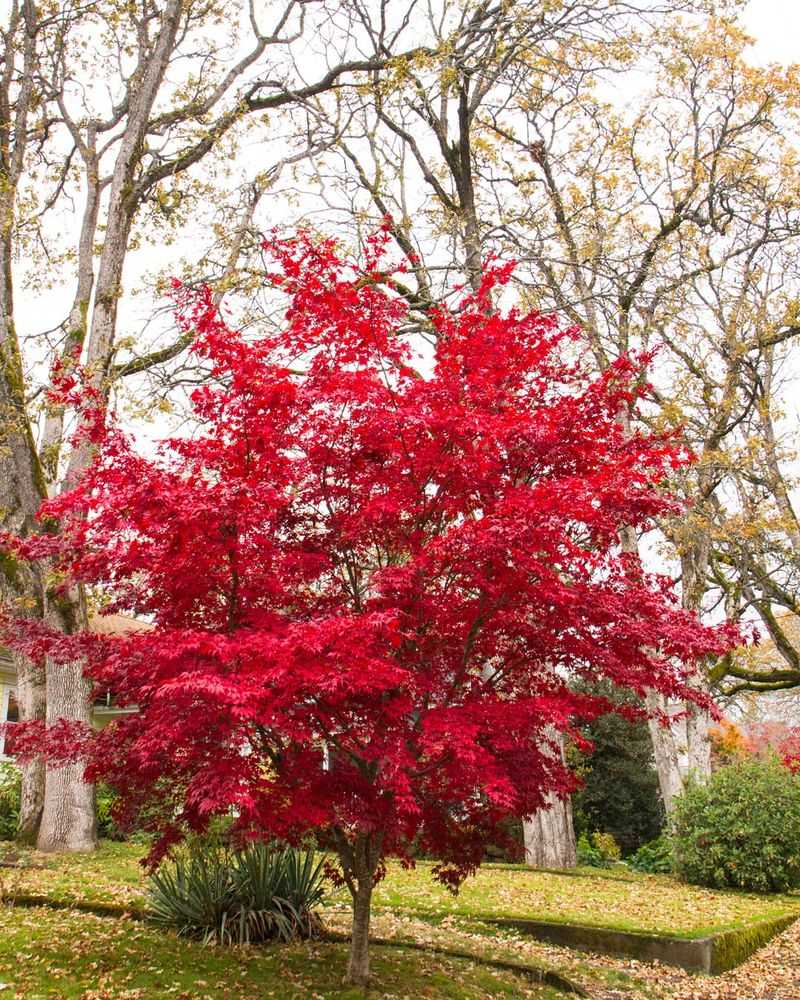
Maple trees bring brilliant autumn color and generous shade to Georgia yards, but their vigorous growth can lead to overextended branches that become hazardous over time.
Heavy limbs that stretch too far from the trunk often lack adequate support, making them prone to snapping under ice loads or during summer storms.
Local safety ordinances require property owners to maintain clearances above streets, sidewalks, and neighboring properties, and overextended maple branches frequently violate these standards.
Municipalities enforce minimum height clearances to ensure emergency vehicles, delivery trucks, and pedestrians can pass safely without obstruction.
When maple branches dip below these thresholds or encroach on power lines, code enforcement officers issue notices with specific deadlines for corrective action.
Homeowners who ignore these warnings face escalating fines and the possibility of forced removal at their expense. Professional arborists use crown reduction techniques to shorten overextended limbs while preserving the tree’s natural shape and health.
Proper pruning redirects growth energy toward more stable branch structures and reduces wind resistance that can topple entire trees during severe weather.
Scheduling biennial inspections allows you to address minor issues before they become code violations, protecting your investment and maintaining positive relationships with neighbors and local authorities who value well-maintained landscapes.
Elm Trees Under Municipal Management Plans
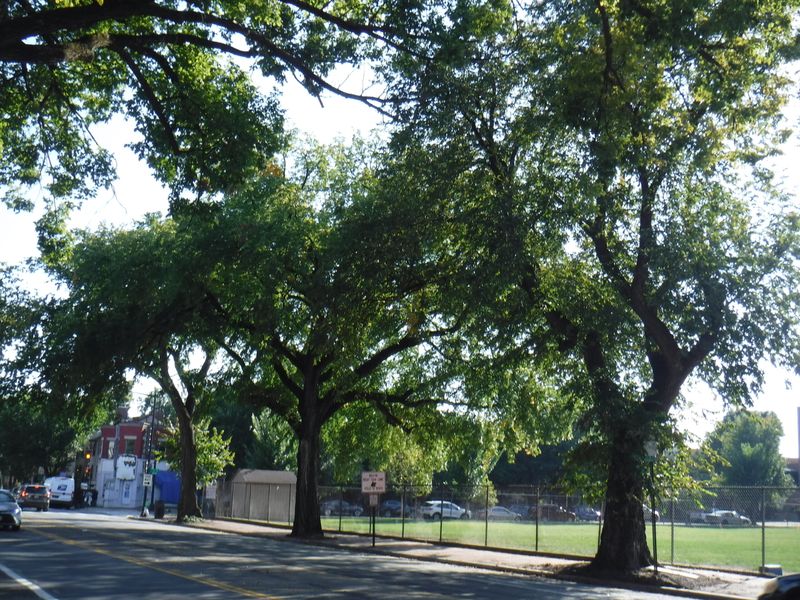
Elm trees once lined streets across Georgia, providing iconic arched canopies that defined urban neighborhoods and historic districts.
Disease outbreaks and structural vulnerabilities have led many municipalities to implement management plans that regulate elm maintenance and removal.
Property owners with elms showing signs of decline, hollow trunks, or significant limb loss may receive notices requiring professional assessment and compliance with city-mandated care protocols.
Municipal codes often classify declining elms as public safety hazards, especially when located near schools, parks, or busy thoroughfares.
These regulations aim to prevent sudden failures that could injure pedestrians, damage vehicles, or disrupt utilities.
Homeowners who fail to follow prescribed management timelines face fines that increase with each inspection cycle, and chronic non-compliance can result in forced removal and liens against the property.
Modern disease-resistant elm cultivars offer viable replacement options that recapture the species’ classic elegance without the same vulnerability to pathogens.
Working with a certified arborist familiar with local management plans ensures you meet all requirements while making informed decisions about treatment versus removal.
Proactive care not only keeps you compliant but also preserves neighborhood character and property values that benefit from mature, healthy tree canopies supported by responsible stewardship.
Willow Trees With Root Or Limb Issues
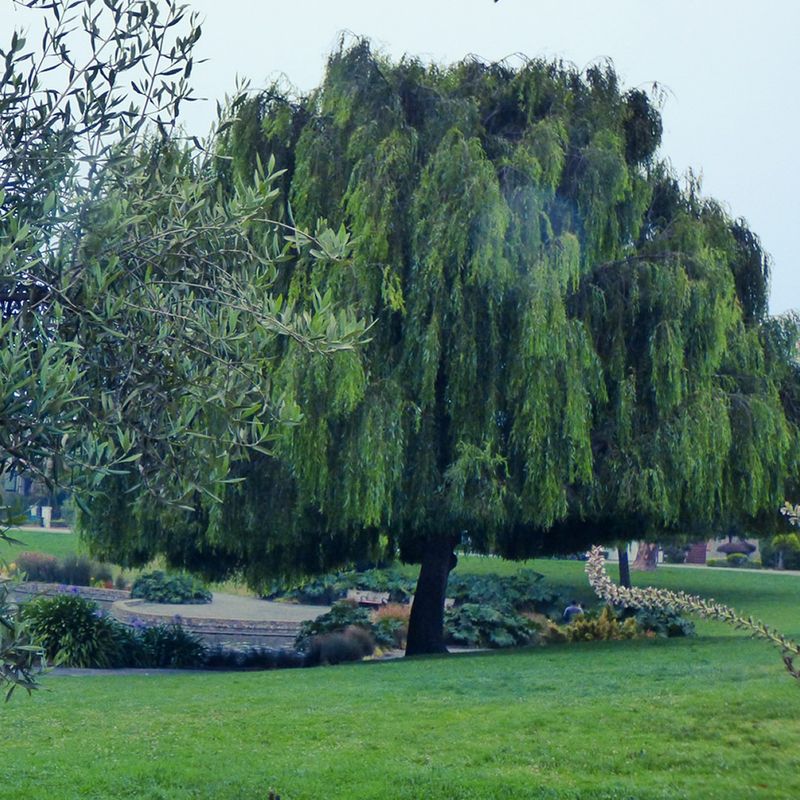
Willows bring graceful, flowing foliage and a sense of tranquility to properties near ponds, streams, or low-lying areas throughout Georgia.
Their aggressive root systems and brittle branches can create serious problems when planted too close to structures, septic systems, or drainage infrastructure.
Municipalities enforce codes that require management of willows whose roots infiltrate sewer lines or whose limbs threaten to block waterways during storms.
Root intrusion into underground utilities can cause costly repairs and service disruptions, prompting city officials to mandate removal or root barrier installation.
Overhanging branches that obstruct drainage channels or interfere with flood control measures also trigger enforcement actions, especially in areas prone to heavy rainfall.
Property owners who delay compliance face mounting fines and potential liability if their willows contribute to flooding or infrastructure damage.
Professional arborists can assess whether strategic pruning and root management will suffice or if complete removal is the safer long-term solution.
Installing root barriers during planting prevents future conflicts with underground utilities, while regular limb trimming reduces the risk of storm damage and water-flow obstruction.
If your property includes water features or sits in a flood-prone zone, consulting with local authorities before planting willows helps you avoid costly mistakes and ensures your landscaping choices align with community safety standards.
Camphor Trees In Restricted Areas
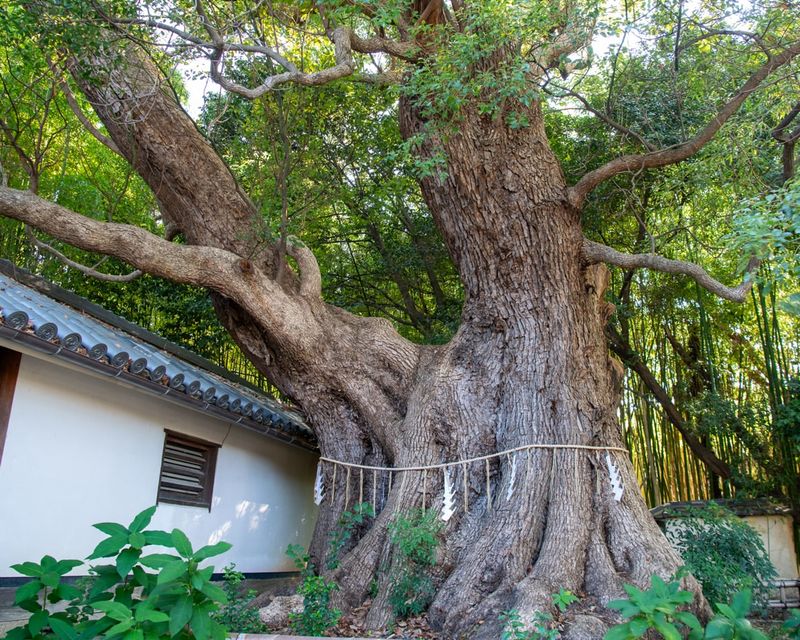
Camphor trees produce aromatic foliage and dense shade that once made them popular ornamental choices in Georgia landscapes.
However, their classification as invasive species in several counties has led to strict removal ordinances aimed at protecting native ecosystems.
Property owners in designated conservation zones, watershed protection areas, or near public lands may receive mandatory removal notices with specific deadlines and penalties for non-compliance.
These non-native trees spread aggressively through bird-dispersed seeds and can dominate understory areas, crowding out native plants that provide essential habitat for wildlife.
Local ordinances often prohibit planting new camphor trees and require existing specimens to be removed within prescribed timeframes.
Homeowners who fail to act face escalating fines and the possibility of municipal removal at the owner’s expense, often at rates significantly higher than private tree services.
Replacing camphor trees with native alternatives such as Southern magnolia or live oak provides similar shade and visual appeal while supporting local biodiversity.
Many Georgia counties offer educational resources and sometimes financial assistance for invasive species removal, making compliance more accessible.
Taking prompt action not only avoids penalties but also demonstrates environmental stewardship that benefits your community and helps preserve the natural landscapes that make Georgia such a beautiful place to call home.