These Trending Blue Blooms Are Perfect For Oregon Gardens In 2026
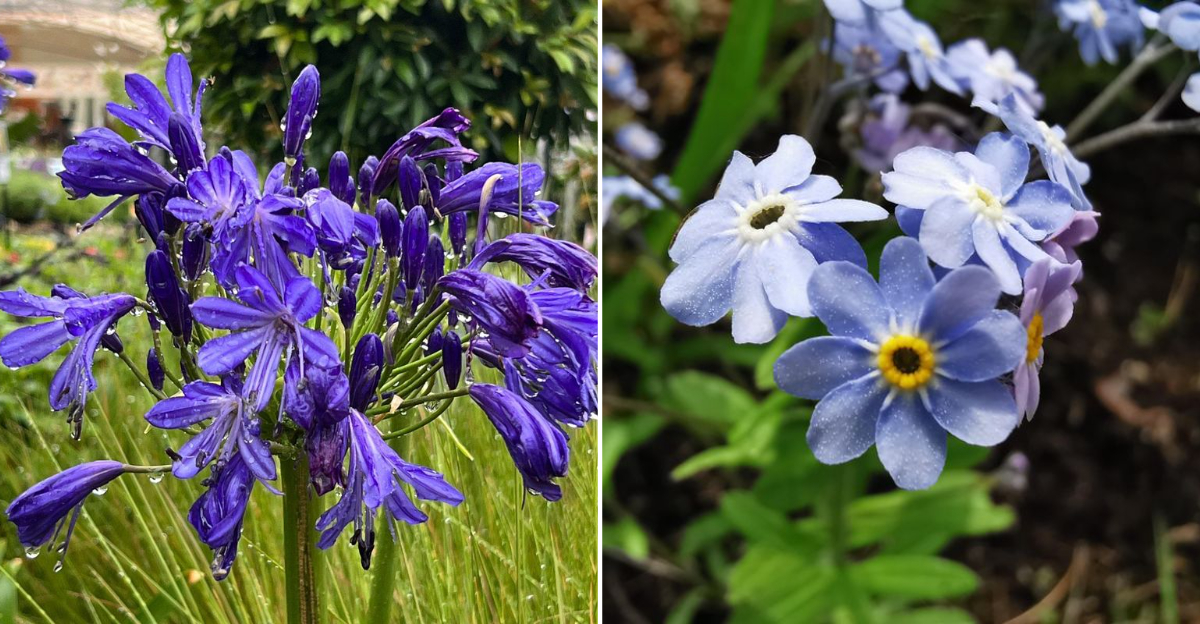
Gardening trends evolve every year, and one thing Oregon gardeners seem especially excited about in 2026 is blue-flowering plants.
There’s something about those cool tones that stands out against the usual greens and warms up any bed, border, or container without feeling too bold.
Whether you’re filling an empty space or just want a calming pop of color, blue blooms have a way of catching the eye without overpowering the rest of your garden.
What makes these plants especially well-liked here is how many of them thrive in Oregon’s varied climate, from coastal cool to valley warmth and even into the foothills.
They can work beautifully with other pollinator-friendly and low-maintenance plants, making them great for both new and experienced gardeners.
You don’t need a huge space to enjoy these flowers either; many do well in smaller yards or mixed containers.
If you’ve been thinking about refreshing your garden palette this year or trying something a little different, blue blooms are worth a look. They’re pretty, practical, and fit naturally into the kinds of gardens we tend to plant around here.
1. Delphinium: Sky-High Color For Summer Borders
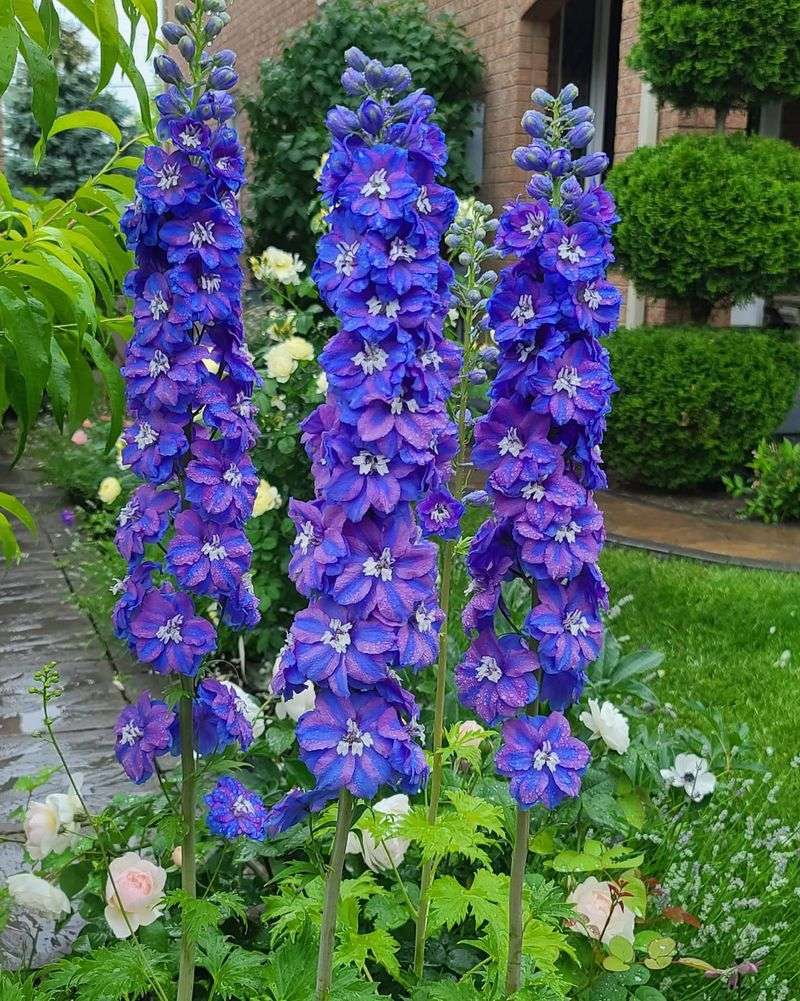
Tall spikes of brilliant blue flowers make delphiniums a showstopper in any garden. These plants can reach up to six feet tall, creating dramatic vertical interest that draws the eye upward.
Their blooms appear in early to mid-summer, just when your garden needs a bold statement.
Oregon’s cool spring weather provides perfect conditions for delphiniums to establish strong roots. They prefer full sun but appreciate some afternoon shade during our occasional heat waves.
Rich, well-draining soil keeps them happy and healthy throughout the growing season.
Staking becomes important as these beauties grow taller. Their height makes them prone to wind damage, especially during summer storms.
A simple bamboo stake or metal support ring does the job nicely.
One quirky fact: delphiniums got their name because the flower buds look like dolphin noses. Regular deadheading encourages a second flush of blooms in late summer.
Pair them with yellow coreopsis or white shasta daisies for a classic cottage garden look.
These plants do need some extra attention, but the reward is worth it. Their true-blue color is hard to find in other garden plants.
Hummingbirds and butterflies visit frequently, adding even more life to your garden beds.
2. Forget-Me-Nots: Charming Ground Cover With History
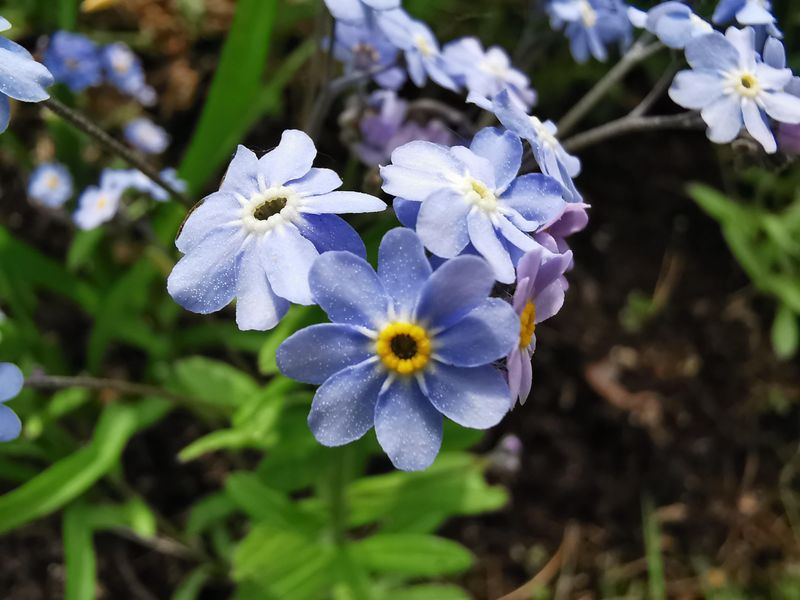
Tiny blue flowers with yellow centers create carpets of color in shaded garden areas. Forget-me-nots spread easily, filling in gaps between larger plants with their delicate blooms.
They flower in spring, often continuing into early summer if conditions stay cool.
These little charmers reseed themselves freely, which means they come back year after year without much effort. Oregon’s moist spring weather suits them perfectly.
They tolerate partial to full shade, making them ideal for woodland gardens or under trees.
The name comes from a romantic legend about a knight who picked these flowers for his lady. As he fell into a river, he threw her the bouquet and called out to remember him.
This sweet story adds sentimental value to an already adorable plant.
Forget-me-nots work wonderfully as edging plants along pathways or around flower beds. Their low-growing habit keeps them from competing with taller neighbors.
They also make excellent companions for spring bulbs, covering bare spots after tulips and daffodils finish blooming.
Some gardeners worry about them spreading too much, but they pull up easily if needed. Their shallow roots make removal simple.
Birds enjoy the seeds later in summer, adding another benefit to your garden ecosystem.
3. Hydrangea Macrophylla: Bold Blooms That Change Color
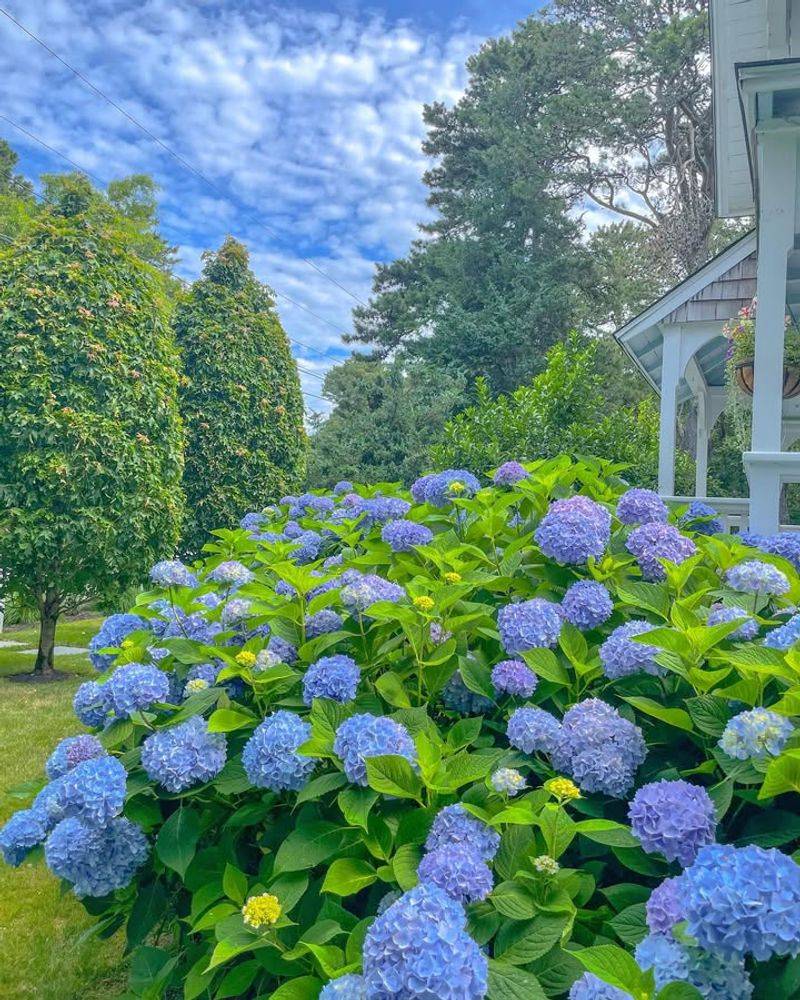
Large, round flower clusters create stunning focal points in shaded garden spots. Hydrangeas bloom from mid-summer through fall, providing months of color when many other plants have finished.
The blue varieties develop their best color in acidic soil, which Oregon naturally provides in many areas.
Soil pH determines flower color in these fascinating plants. More acidic conditions produce bluer blooms, while neutral to alkaline soil shifts them toward pink.
You can adjust the color by adding aluminum sulfate to make soil more acidic.
Oregon’s climate suits hydrangeas beautifully. They appreciate our regular rainfall and mild temperatures.
Morning sun with afternoon shade creates ideal growing conditions. Too much hot sun can scorch the leaves and fade the flowers.
Pruning timing matters with these shrubs. Some varieties bloom on old wood, meaning you should avoid cutting them back in spring.
Others flower on new growth and can be trimmed more freely. Check your specific variety for best results.
Dried hydrangea blooms look gorgeous in fall arrangements. Cut them when they feel papery to the touch.
Their color softens to beautiful antique shades that last for months indoors, bringing your garden beauty inside all winter long.
4. Campanula: Bellflowers With Cottage Garden Appeal
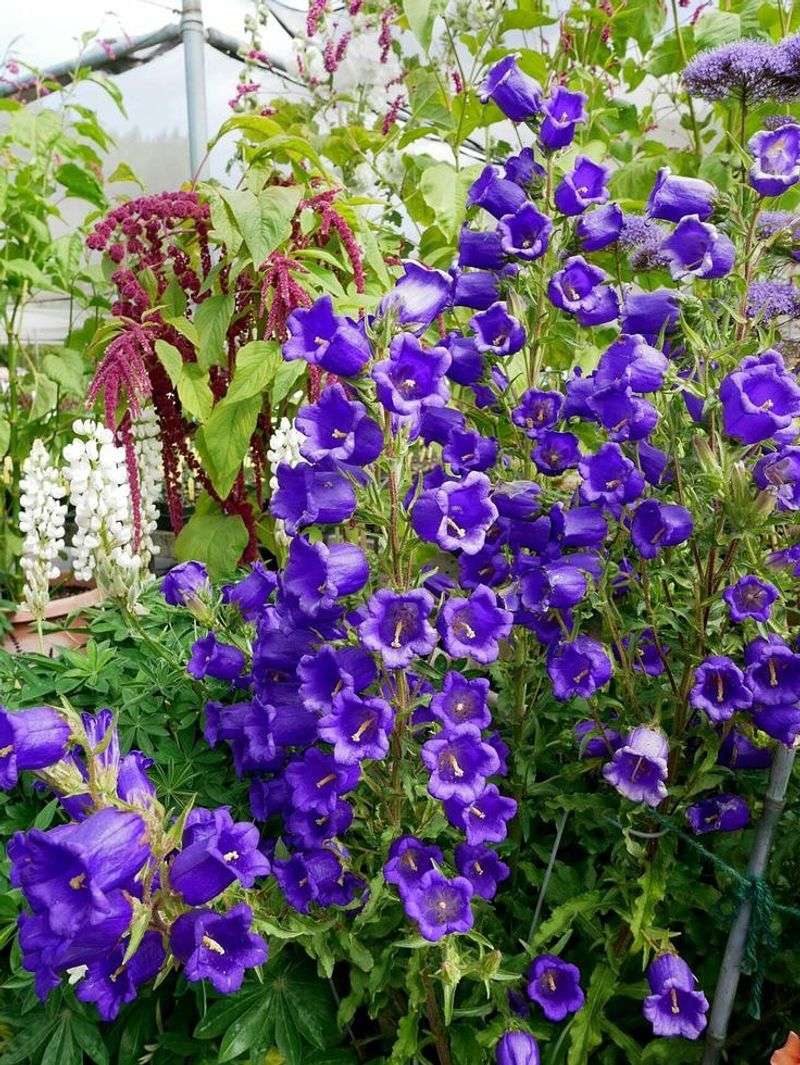
Bell-shaped flowers dangle from sturdy stems, creating a whimsical effect in garden beds. Campanulas come in various heights, from low-growing varieties perfect for rock gardens to taller types for borders.
Their blooms appear in early summer and often continue for several weeks.
These reliable performers handle Oregon’s variable spring weather without complaint. They tolerate both sun and partial shade, making them versatile for different garden locations.
Well-draining soil keeps them thriving, though they adapt to average garden conditions easily.
Did you know campanula means little bell in Latin? The flower shape inspired the name centuries ago.
Bees absolutely love these blooms, visiting them constantly throughout the day. This makes them excellent choices for pollinator-friendly gardens.
Deadheading spent blooms encourages more flowers to form. Simply snip off faded blossoms at their base.
This small effort extends the flowering period significantly. Some varieties self-seed moderately, giving you new plants in unexpected spots.
Campanulas mix beautifully with roses, creating classic color combinations. The blue tones complement both pink and yellow roses perfectly.
They also work well in container gardens, spilling over pot edges with cascading blooms that soften hard edges and add movement to static displays.
5. Iris: Elegant Blooms With Sword-Like Foliage
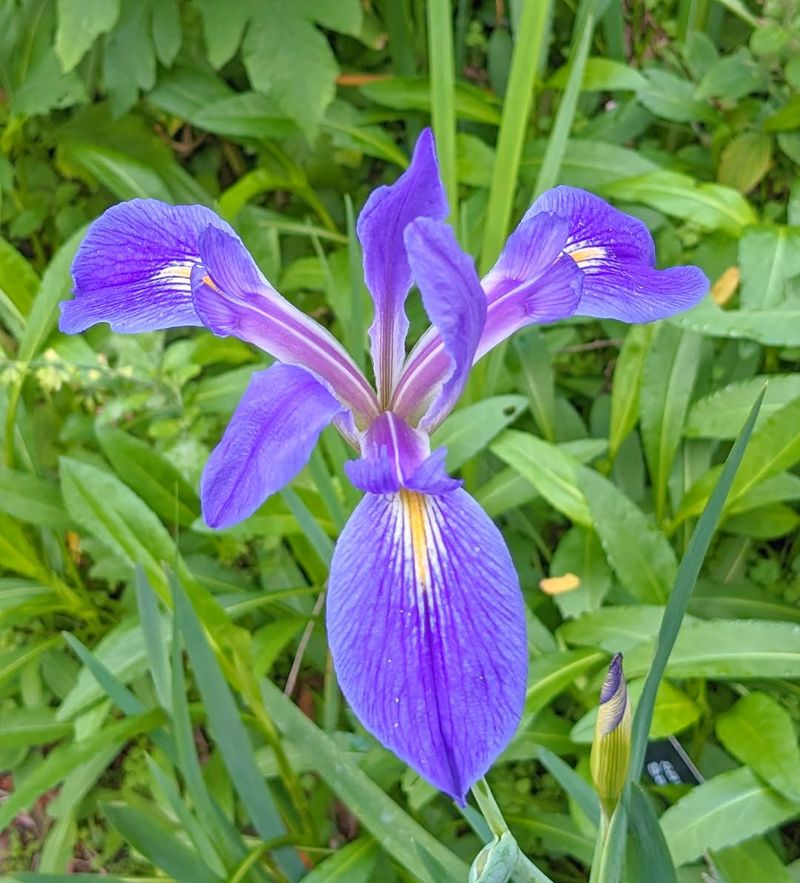
Striking flowers with intricate petal patterns emerge in late spring. Irises offer dramatic form and structure even when not in bloom.
Their upright leaves create architectural interest that lasts throughout the growing season.
Oregon gardeners have success with both bearded and Siberian iris varieties. Bearded types prefer full sun and well-drained soil, while Siberian irises tolerate more moisture and partial shade.
Both types bring that sought-after blue color to the garden palette.
Planting depth matters with these perennials. Bearded iris rhizomes should sit partially above soil level, while Siberian types go slightly deeper.
Proper placement prevents rot and encourages healthy blooming. They multiply over time, forming substantial clumps that can be divided every few years.
Ancient Greeks named these flowers after their goddess of rainbows because of the many colors available. The blue varieties range from pale sky blue to deep navy shades.
Each bloom lasts only a few days, but multiple buds open in succession.
Iris foliage stays attractive long after flowers fade. The vertical lines contrast nicely with rounded plants like hostas or coral bells.
Japanese beetles sometimes bother them, but handpicking works well for control. Overall, irises offer low maintenance and high impact for Oregon gardens.
6. Salvia: Pollinator Magnet With Long-Lasting Blooms
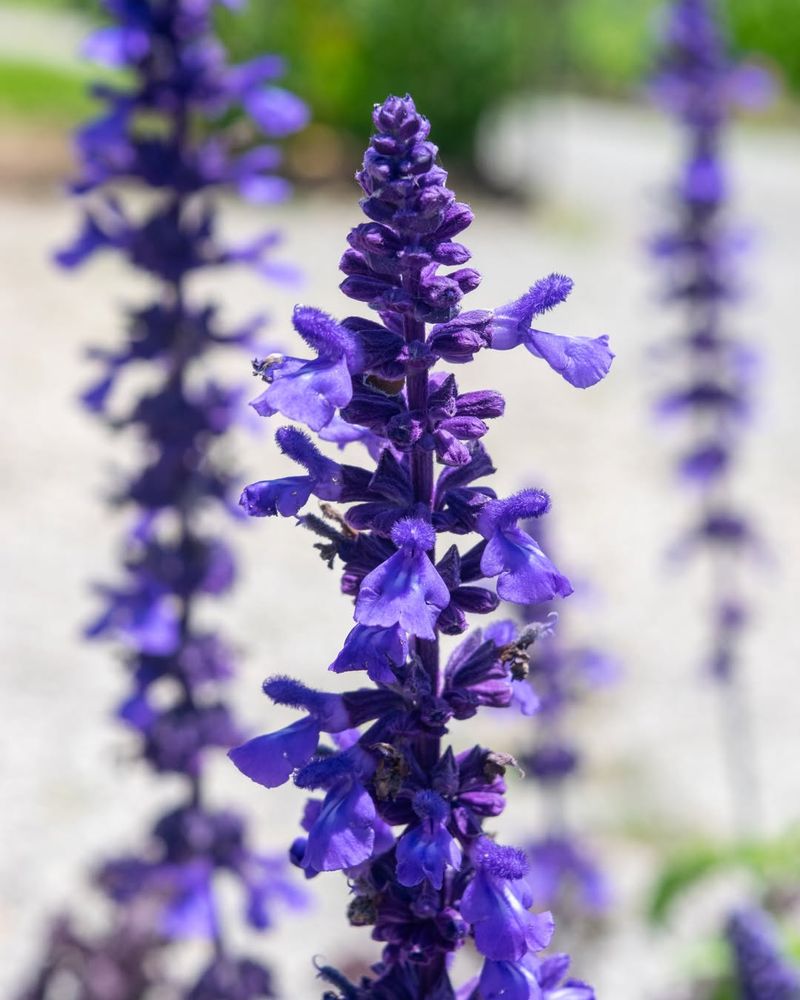
Spikes of tubular flowers stand tall above aromatic foliage. Salvias bloom for months, often starting in late spring and continuing until frost.
Their extended flowering period makes them valuable for consistent color throughout the growing season.
Bees, butterflies, and hummingbirds flock to these plants. The tubular flower shape provides easy access to nectar for pollinators.
Watching wildlife visit your salvia plants adds entertainment value to their already impressive appearance.
Most blue salvias prefer full sun and lean soil. Rich, heavily fertilized ground produces more leaves but fewer flowers.
Oregon’s typical garden soil suits them perfectly without amendments. They tolerate summer dry spells once established, making them somewhat drought-resistant.
The name salvia comes from the Latin word for healing. Many species have medicinal or culinary uses, though ornamental types are grown primarily for beauty.
Their leaves release pleasant scents when brushed, adding fragrance to your garden experience.
Cutting back spent flower spikes encourages fresh blooms to form. This simple maintenance task takes just minutes but significantly extends the show.
Salvias combine beautifully with ornamental grasses and yellow flowers. Their upright form contrasts nicely with mounding or spreading plants, creating balanced compositions that please the eye throughout summer and fall.
7. Agapanthus: Lily Of The Nile For Warm Spots
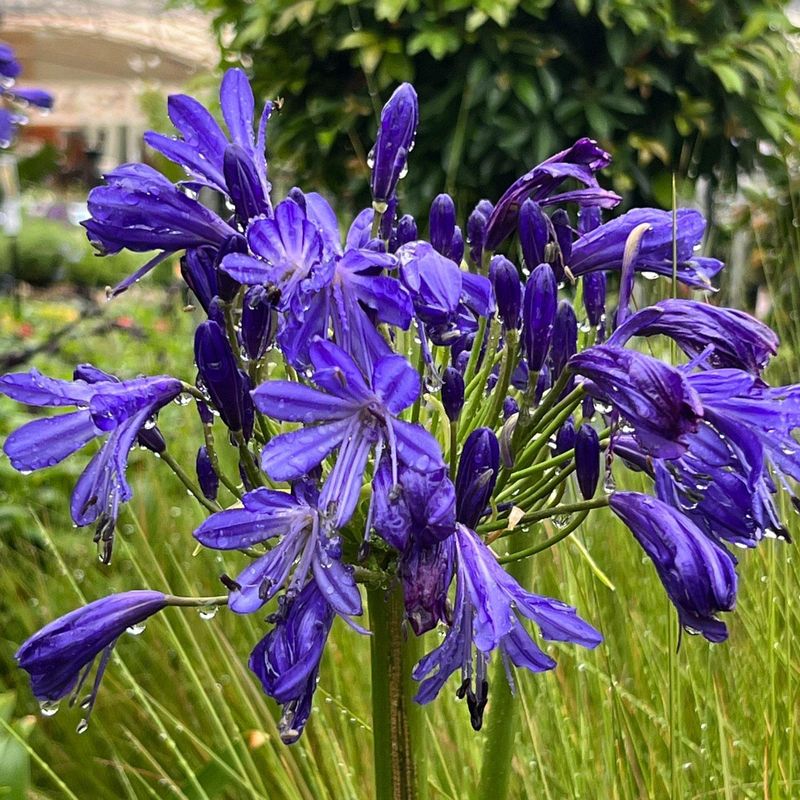
Round clusters of trumpet-shaped flowers sit atop tall, bare stems. Agapanthus blooms in mid to late summer, bringing fresh color when spring bloomers have finished.
Their strap-like leaves form attractive clumps that look good even without flowers.
These plants need warm, sunny locations to perform their best. South-facing walls or protected courtyards provide ideal conditions in Oregon.
They prefer slightly dry conditions in summer, making them perfect for areas that don’t receive regular irrigation.
Container growing works wonderfully for agapanthus. Pots allow you to move them to sheltered spots during harsh winter weather.
They actually bloom better when slightly root-bound, so you don’t need to repot frequently.
Despite the common name Lily of the Nile, these plants actually originate from South Africa. They’ve become popular worldwide for their exotic appearance and reliable blooming.
The blue varieties range from pale powder blue to rich violet-blue shades.
Agapanthus flowers make excellent cut flowers for arrangements. They last well in vases, often opening more buds after cutting.
Seedheads also look attractive if left on the plant, adding winter interest. Mulch around the base in fall to protect roots from Oregon’s occasional hard freezes.
With minimal care, these beauties return year after year, getting more impressive as clumps mature.
8. Veronica: Spiky Speedwell For Easy Care
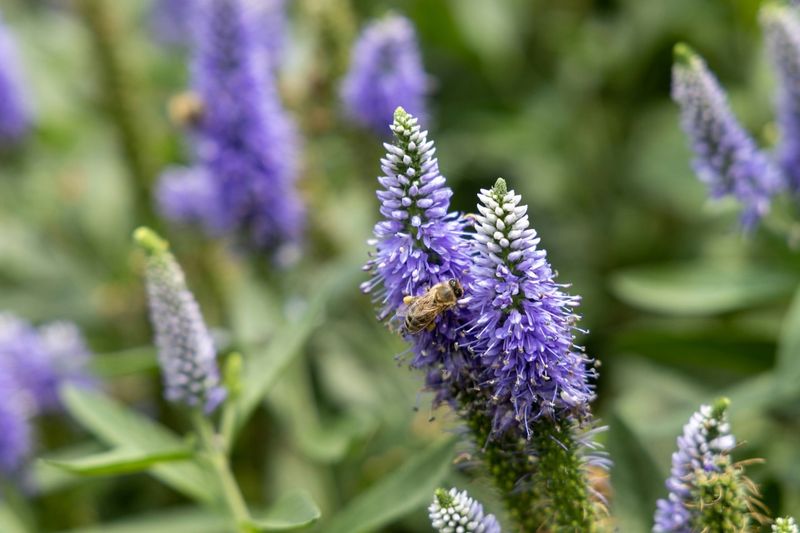
Narrow flower spikes rise above low foliage mats in early to mid-summer. Veronicas offer tidy growth habits that work well in formal or informal garden designs.
Their compact size makes them suitable for smaller gardens or front-of-border placements.
Oregon’s climate suits veronicas perfectly. They handle our cool springs and moderate summers without stress.
Full sun produces the most blooms, though they tolerate light shade reasonably well. Average garden soil with decent drainage keeps them content.
These plants earned the common name speedwell centuries ago. People believed they brought good luck to travelers, speeding them safely on their journeys.
While we can’t guarantee safe travels, they definitely bring good fortune to gardens with their reliable performance.
Veronica flowers attract beneficial insects while deer and rabbits usually avoid them. This combination makes them practical choices for gardens facing wildlife pressure.
Their blue spikes complement pink roses, purple catmint, and white daisies beautifully.
Cutting plants back by one-third after initial blooming often triggers a second flush of flowers. This technique works especially well in Oregon’s climate where fall stays mild.
Veronicas rarely need dividing and resist most pests and diseases. Their fuss-free nature appeals to both beginning gardeners and experienced ones who appreciate plants that simply perform without constant attention or intervention.
9. Nigella: Love-in-a-Mist With Feathery Charm
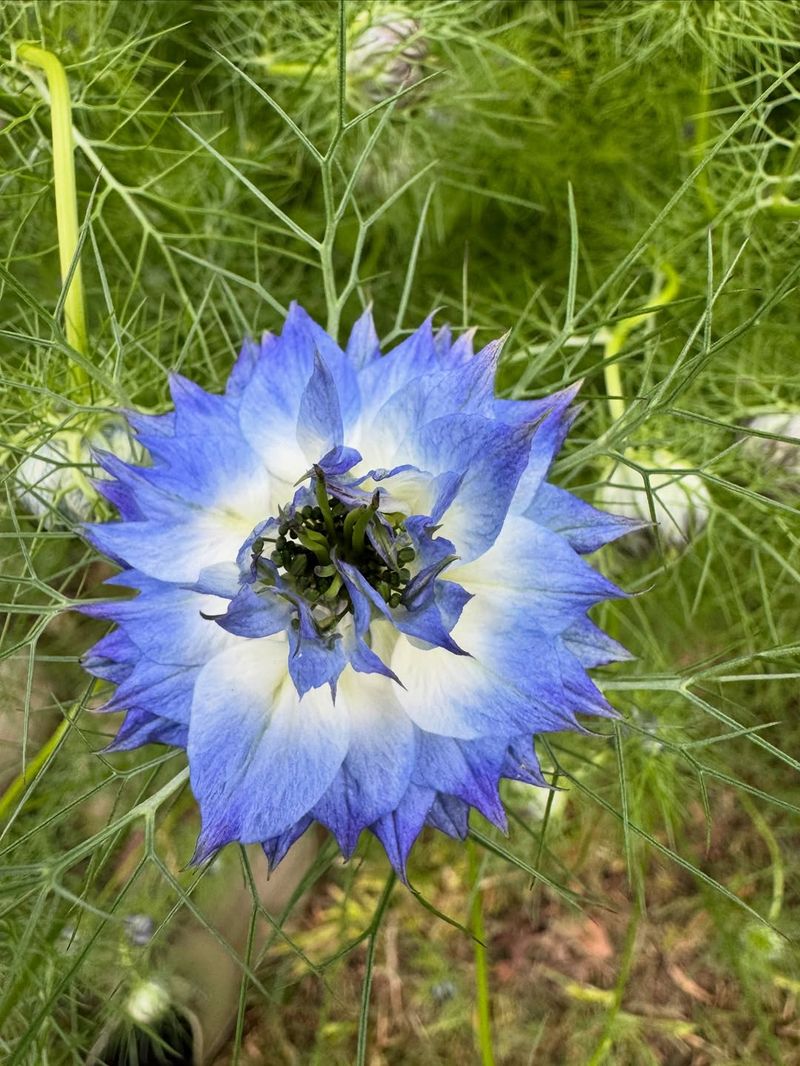
Delicate flowers seem to float among thread-like foliage. Nigella blooms in late spring to early summer, creating an airy, romantic effect in garden beds.
The common name love-in-a-mist perfectly describes their appearance among the feathery leaves.
This annual flower reseeds readily in Oregon gardens. Plant seeds directly in the ground in fall or early spring.
They don’t transplant well, so direct sowing works best. Once established, they often return on their own each year.
Nigella flowers develop into unusual puffy seedpods that look like small balloons. These dried pods work beautifully in arrangements and wreaths.
Many gardeners grow nigella specifically for the seedheads, which last for months in dried displays.
The plant name comes from the Latin word for black, referring to the dark seeds inside those decorative pods. These seeds have been used in cooking and medicine for centuries in various cultures.
Modern gardeners appreciate them primarily for ornamental value.
Blue nigella varieties range from pale sky blue to deeper cornflower shades. They combine wonderfully with poppies, creating cottage garden scenes.
Their short bloom period might seem like a drawback, but the unique foliage and interesting seedheads extend their season of interest well beyond the flowers. Plus, they’re so easy to grow that any gardener can succeed with them.
10. Brunnera: Heart-Shaped Leaves With Spring Sparkle
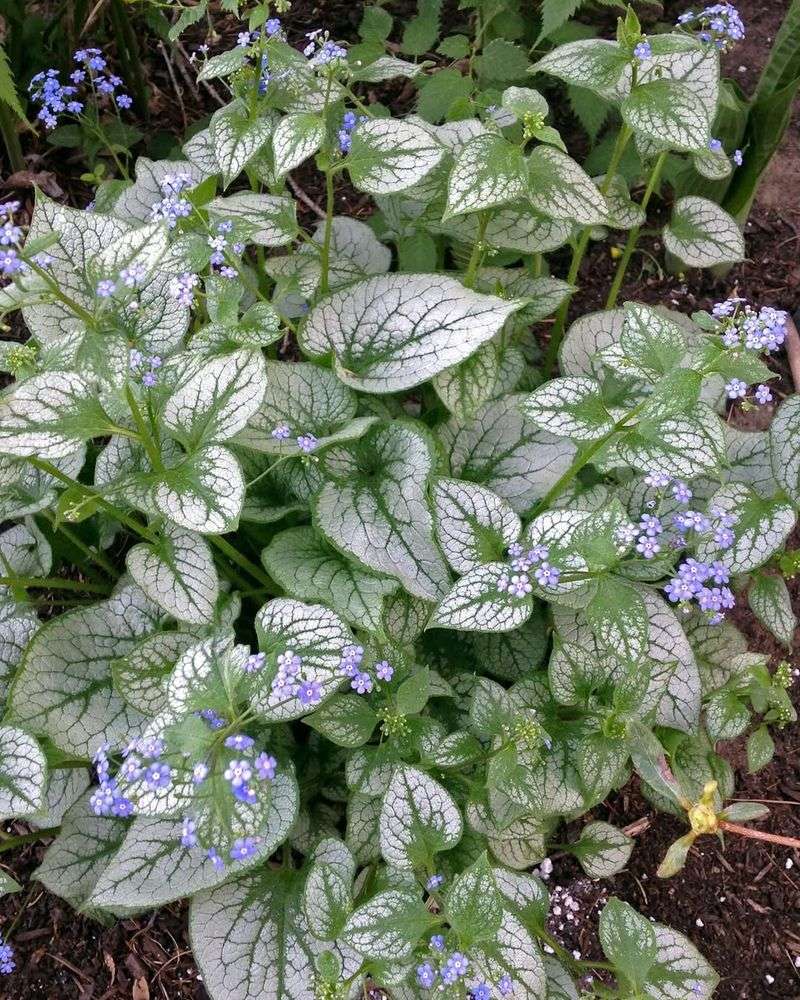
Clouds of tiny blue flowers appear in early spring, resembling oversized forget-me-nots. Brunnera blooms bring welcome color when gardens are just waking up.
But the show doesn’t stop when flowers fade because the foliage remains attractive all season.
Large, heart-shaped leaves create excellent ground cover in shaded areas. Many varieties feature silver markings or white patterns that brighten dark corners.
Oregon’s moist spring weather and cool summers suit brunnera perfectly. They prefer shade to part shade and consistent moisture.
These plants rarely need dividing and resist most common garden pests. Slugs might nibble occasionally, but they generally leave brunnera alone compared to hostas.
The thick leaves seem less appealing to these garden pests.
Brunnera makes wonderful companions for spring bulbs and ferns. The foliage emerges just as daffodils finish blooming, covering their declining leaves naturally.
This succession planting creates interest that flows from one season to the next without bare spots.
Russian gardeners have grown brunnera for generations in their woodland gardens. The plant originates from the Caucasus region where conditions mirror Oregon’s climate in many ways.
This natural compatibility explains why brunnera thrives here with minimal fuss. Once established, these plants can live for decades, slowly expanding into substantial clumps that require almost no maintenance beyond occasional watering during dry spells.