These Types Of Indoor Plants In Pennsylvania Act As Natural Lifestyle Therapy
Feeling stressed, tired, or stuck indoors during long Pennsylvania seasons? The right indoor plants can quietly lift your mood and bring a sense of calm to everyday life.
Many plant lovers across the state are discovering how greenery can feel like natural lifestyle therapy right at home. Lush leaves, fresh air, and simple daily care create a soothing routine that helps ease tension and brighten your space.
Some plants are known for improving air quality, while others bring peaceful energy and a refreshing touch of nature indoors. Even small additions on a desk, shelf, or windowsill can make a noticeable difference.
These plants do more than decorate a room. They help create a relaxing environment that supports focus, comfort, and emotional balance.
With the right choices, your indoor garden can become a gentle, natural boost for both your home and your well being.
1. The Indestructible Confidence Builder Plant
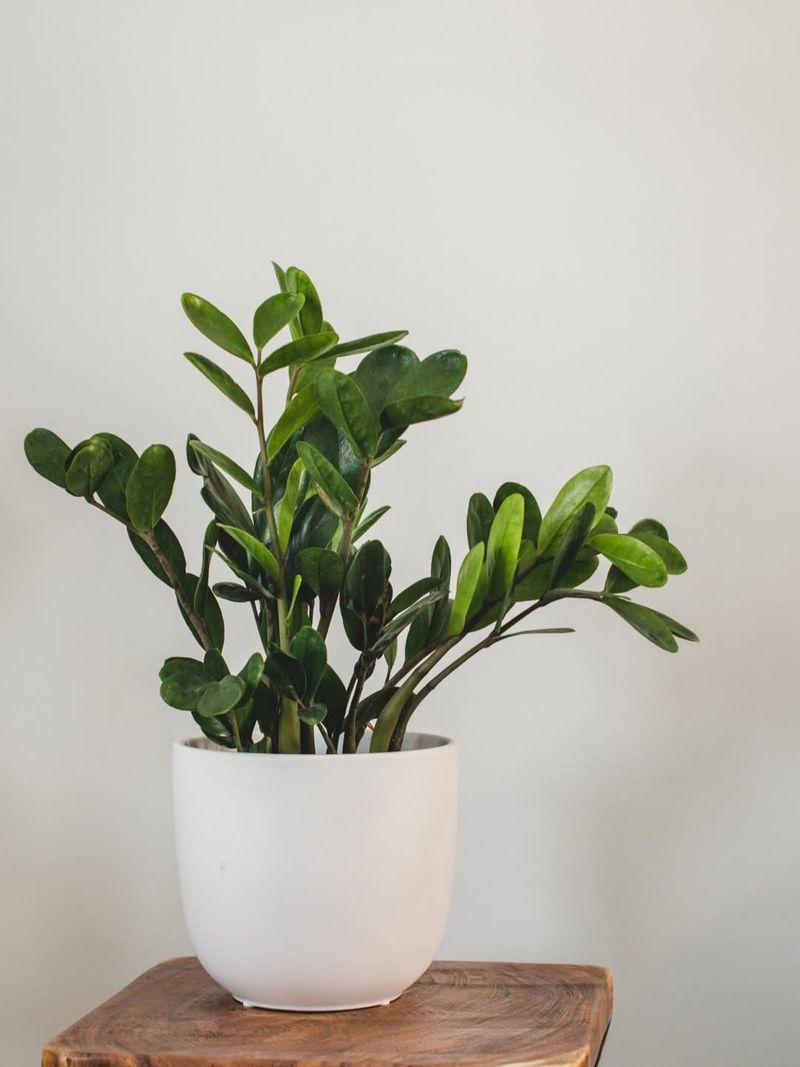
Snake Plants and ZZ Plants are perfect for anyone who worries about keeping plants alive. Both varieties handle neglect better than almost any other houseplant.
They survive in low light, tolerate dry air, and only need water every few weeks. Pennsylvania winters can be tough on plants, but these two thrive even when indoor heating dries out the air.
Caring for a plant that almost never fails builds real confidence. You water it once in a while, and it keeps growing.
That simple success feels good and encourages you to try more things. Many beginners in Pennsylvania start with a Snake Plant because it forgives mistakes and still looks great.
Snake Plants have tall, upright leaves that add structure to any room. ZZ Plants have glossy, dark green foliage that shines even in dim corners.
Both plants grow slowly and steadily, so you do not have to worry about constant repotting or pruning. They sit quietly in your space and remind you that you are capable of keeping something alive.
The emotional benefit is real. When you see your plant thriving week after week, you feel a sense of accomplishment.
That feeling spreads to other areas of your life. You start believing you can handle more challenges.
These plants do not demand much, but they give back a lot in terms of mental peace and self-assurance.
In Pennsylvania homes, where natural light can be limited during winter months, these plants offer a stress-free way to bring greenery indoors. They fit into busy lifestyles and still provide the calming presence of nature.
You do not need a green thumb to succeed with them. Just a little water and patience, and they reward you with growth and resilience.
2. The Growth, Renewal & Fresh Start Plant
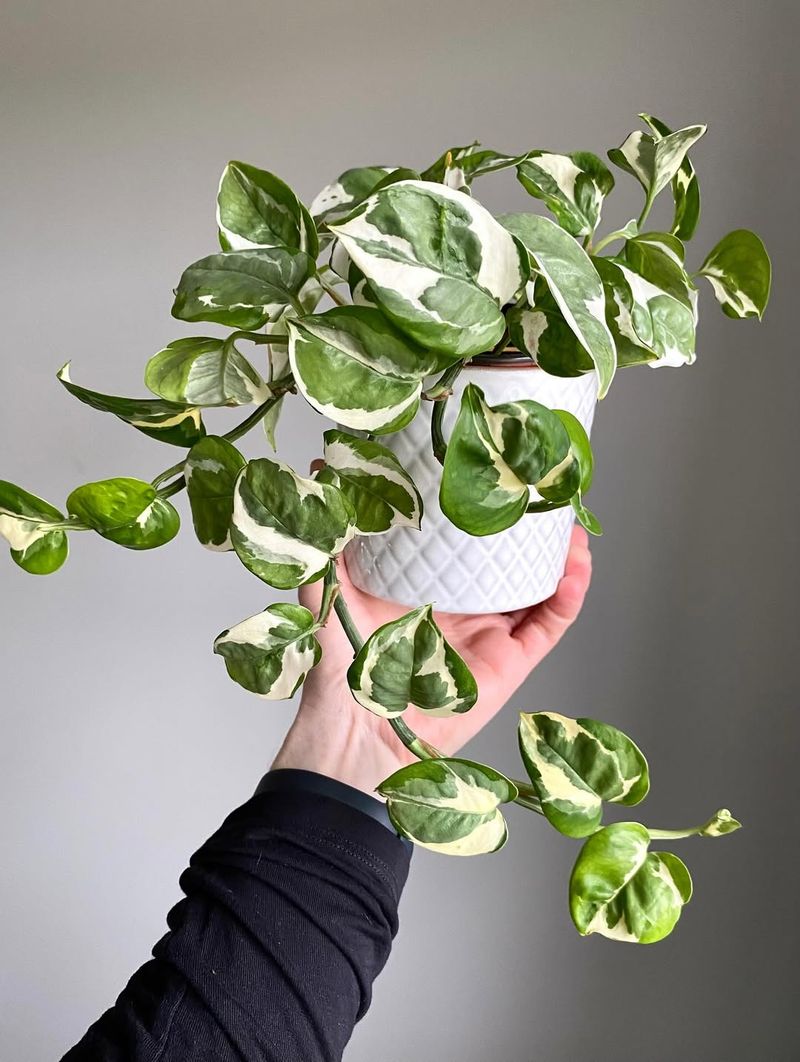
Pothos and Heartleaf Philodendron are symbols of forward movement. Their vines grow quickly and visibly, sometimes adding new leaves every week.
Watching a plant grow in real time feels hopeful. It reminds you that progress happens, even when life feels stuck.
These plants are especially meaningful during long Pennsylvania winters when everything outside looks dormant.
Pothos has heart-shaped leaves that come in shades of green, gold, and white. Heartleaf Philodendron looks similar but grows even faster.
Both plants are forgiving and adapt to different light conditions. They trail beautifully from shelves, hang from baskets, or climb up moss poles. Their flexibility mirrors the idea of personal growth and adapting to change.
Each new leaf unfurls slowly, a small reminder that good things take time. This steady growth can boost your motivation.
When you feel like nothing in your life is moving forward, you can look at your plant and see proof that change is happening. It becomes a living metaphor for renewal and fresh starts.
These plants also connect you to the rhythm of nature. You water them, they grow. You give them light, they reach toward it. The relationship is simple and rewarding.
In Pennsylvania, where seasonal changes are dramatic, having a plant that grows year-round brings a sense of continuity and comfort.
Caring for a Pothos or Philodendron does not take much effort. They tolerate occasional missed waterings and bounce back quickly.
Their resilience teaches you that setbacks are temporary. The emotional lift from seeing new growth week after week is subtle but powerful.
These plants help you feel more optimistic and connected to the idea that you, too, are always capable of growing and renewing yourself.
3. The Calm & Nervous System Reset Plant
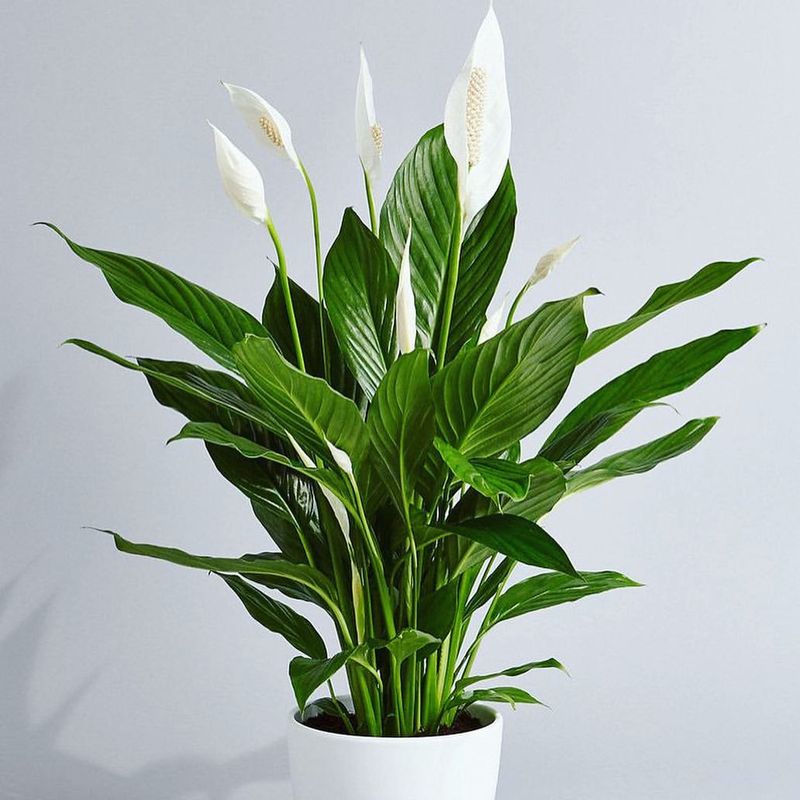
Peace Lilies and Chinese Evergreens create a soothing atmosphere wherever they sit. Their soft, rounded leaves and gentle color patterns bring a sense of calm to any room.
Peace Lilies have elegant white blooms that add a touch of serenity. Chinese Evergreens come in shades of green, silver, and pink, with patterns that feel artistic and relaxing.
Both plants thrive in low to medium light, making them ideal for Pennsylvania homes where sunlight can be limited in winter. They prefer consistent moisture, which encourages a mindful watering routine.
Checking the soil and watering when needed becomes a small act of care that grounds you in the present moment.
The presence of these plants can help reduce stress. Studies show that indoor greenery lowers cortisol levels and promotes relaxation.
When you sit near a Peace Lily or Chinese Evergreen, you might notice your breathing slows down. The air feels fresher, and the space feels safer.
These plants do not demand attention, but they offer a quiet companionship that soothes the nervous system.
In Pennsylvania, where winters can feel isolating, having a plant that promotes emotional calm makes a real difference. You come home to a space that feels alive and peaceful.
The soft foliage catches your eye and reminds you to slow down. It is a gentle nudge toward self-care and mental rest.
Peace Lilies also help improve indoor air quality, which can feel especially important during cold months when windows stay closed. Chinese Evergreens are equally forgiving and adapt well to different environments.
Both plants reward you with steady growth and a calming presence. They do not need much, but they give back a sense of tranquility that supports your emotional well-being every single day.
4. The Mindfulness & Daily Care Ritual Plant
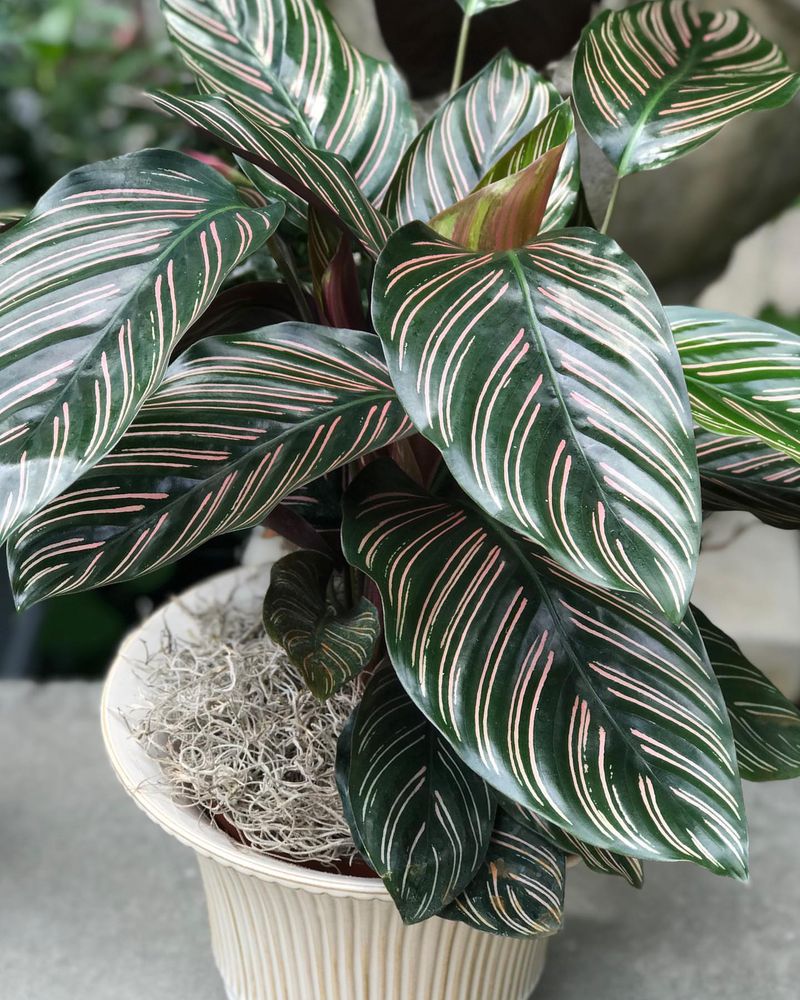
Calatheas and Prayer Plants invite you to slow down and pay attention. Their care requires a bit more intention than other houseplants, but that is exactly what makes them therapeutic.
You check the soil, mist the leaves, and watch the foliage move throughout the day. Prayer Plants fold their leaves upward at night, a fascinating daily rhythm that encourages you to notice small changes.
These plants thrive with regular care. They prefer consistent moisture and humidity, which means you develop a routine around them. Watering becomes a ritual. Misting becomes a moment of pause.
This daily interaction builds mindfulness. You are not just keeping a plant alive, you are practicing presence and grounding yourself in the moment.
Calatheas have stunning patterned leaves in shades of green, purple, pink, and white. Prayer Plants have similar markings and a unique habit of folding their leaves at dusk.
Both plants respond to care in visible ways. When they are happy, they grow new leaves and stay vibrant.
When they need something, they show it. This feedback loop teaches you to tune in and respond, which strengthens your ability to be present and attentive.
In Pennsylvania, where indoor air can be dry during winter, these plants remind you to add humidity and adjust your environment. They encourage you to create a space that supports life.
The act of caring for them becomes a form of meditation. You focus on the task, let go of distractions, and connect with something living.
The emotional benefit is clarity and balance. When you care for a Calathea or Prayer Plant, you practice patience and attentiveness.
These habits spill over into other areas of your life. You become more mindful in conversations, more present in your daily tasks, and more aware of your own needs.
The plant becomes a gentle teacher, guiding you toward a calmer, more intentional way of living.
5. The Identity, Aesthetic & Personal Power Plant
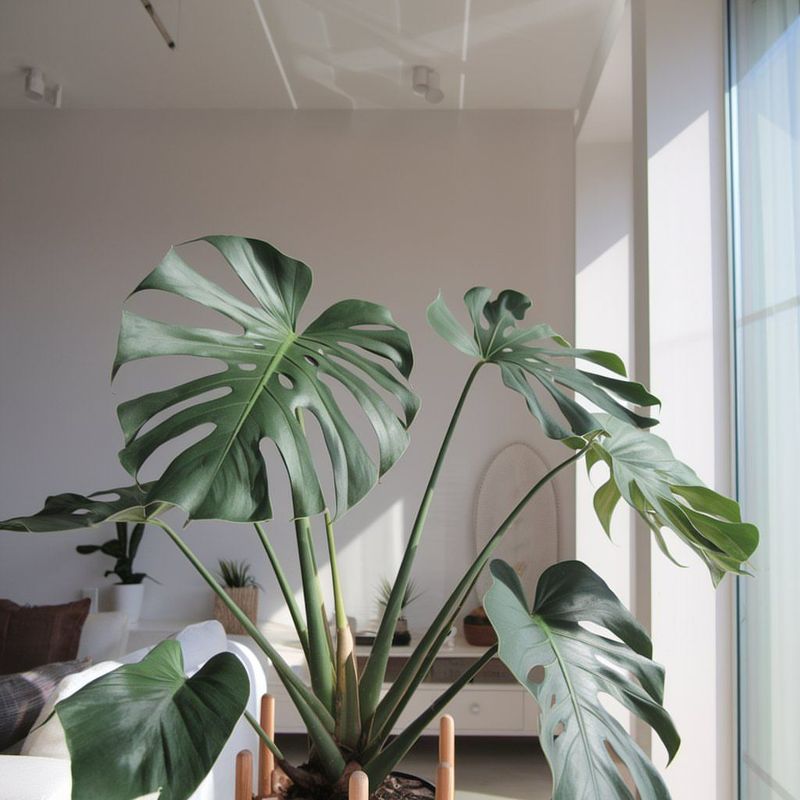
Monstera, Fiddle Leaf Fig, and Rubber Plants are statement makers. They command attention with their bold, dramatic foliage.
Monsteras have iconic split leaves that feel tropical and modern. Fiddle Leaf Figs have large, violin-shaped leaves that add elegance and height.
Rubber Plants have thick, glossy leaves that bring a sense of strength and presence. All three plants transform the feel of a room.
Choosing a statement plant is an act of self-expression. It says something about who you are and how you want to feel in your space.
In Pennsylvania, where winter can feel gray and monotonous, a bold plant adds life and personality. It becomes a focal point, a conversation starter, and a source of pride. You walk into your home and feel a sense of ownership and power.
These plants also require more care than low-maintenance varieties, but that care becomes part of the relationship. You learn to read their needs, adjust their placement, and watch them respond.
When they thrive, you feel a sense of accomplishment. When they struggle, you problem-solve and adapt.
This dynamic builds confidence and reinforces your ability to shape your environment.
The emotional impact of a statement plant is tied to identity. Your space reflects your taste, your values, and your energy.
A Monstera might represent creativity and adventure. A Fiddle Leaf Fig might symbolize elegance and ambition.
A Rubber Plant might convey resilience and strength. Whatever you choose, it becomes part of your story.
In Pennsylvania homes, where space and style vary widely, these plants fit into lofts, apartments, and family rooms alike. They elevate the aesthetic and create a sense of intentionality. You are not just living in a space, you are curating it.
That sense of control and personal power supports mental well-being and helps you feel more grounded in your own life.