These Unusual-Shaped Plants Are Becoming More Popular In Pennsylvania Gardens
Tired of seeing the same plants in every Pennsylvania garden? Try adding unusual shaped varieties that instantly make your space stand out.
These distinctive plants are becoming more popular across the state for good reason, offering bold structure, eye catching forms, and a fresh look that breaks away from traditional garden styles.
From twisting stems to spiky textures and sculptural foliage, their unique appearance adds depth and personality to any landscape.
Many also adapt well to Pennsylvania’s changing weather, delivering both resilience and visual impact throughout the growing season. Their striking shapes pair beautifully with softer plants and colorful blooms, creating contrast that brings garden designs to life.
Even better, several of these standout plants are surprisingly easy to care for, making them a great choice for both beginners and experienced gardeners. Adding them to your space can transform an ordinary garden into something truly memorable.
1. Japanese Maple (Acer Palmatum)
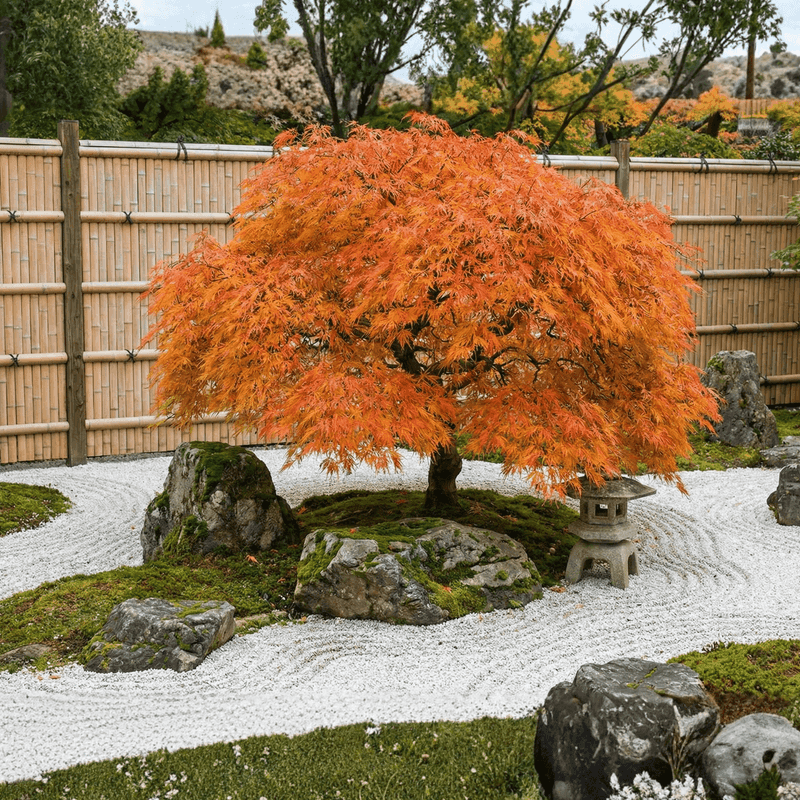
Walking past a Japanese maple feels like discovering a living piece of art right in your yard. These trees come in dozens of varieties, each offering different leaf shapes and colors that range from deep burgundy to bright green with red edges.
Pennsylvania gardeners love them because they handle the state’s four distinct seasons beautifully, putting on stunning color shows in both spring and fall.
The leaves themselves are what make these trees so unusual. Many varieties have leaves cut into thin, delicate segments that look almost like lace or feathers.
Some types grow upright while others weep downward, creating elegant umbrella shapes. Dwarf varieties stay small enough for patios and small gardens, while larger ones can become impressive focal points.
Growing Japanese maples in Pennsylvania is easier than most people think. They prefer partial shade, especially protection from hot afternoon sun, and need well-draining soil with plenty of organic matter mixed in.
Water them regularly during their first few years, and they’ll develop strong root systems that handle drought better as they mature.
These trees rarely face serious pest problems in Pennsylvania. The biggest challenge is protecting young trees from late spring frosts, which can damage new growth.
A simple frost cloth does the trick. Many Pennsylvania gardeners plant them near patios or windows where their changing colors can be enjoyed throughout the year.
Their unusual leaf shapes cast interesting shadows and move gracefully in the breeze, adding movement and texture that standard trees simply cannot match.
2. Corkscrew Hazel (Corylus Avellana ‘Contorta’)
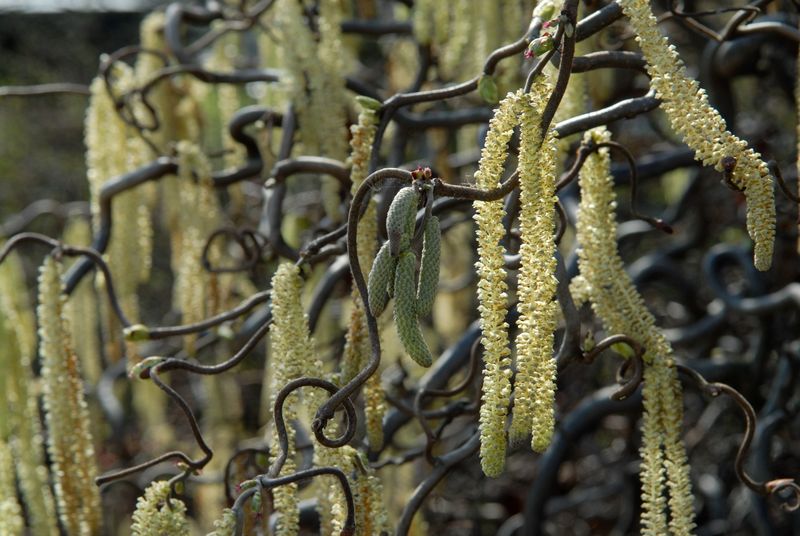
Picture branches that twist and curl like they’ve been sculpted by an artist with a sense of humor. Corkscrew hazel grows naturally with branches that spiral in every direction, creating patterns that seem impossible.
Pennsylvania gardeners are discovering this plant’s year-round appeal, especially during winter when the bare branches become natural sculptures covered in snow.
The twisted growth happens naturally without any pruning or training. Every branch corkscrews and contorts as it grows, and no two plants look exactly alike.
In spring, small catkins dangle from the spiral branches before the leaves appear. The leaves themselves are somewhat crinkled, continuing the unusual theme, though the real show happens when they drop in fall and reveal the architectural branches underneath.
This shrub thrives throughout Pennsylvania, handling cold winters without protection. Plant it where you’ll see it from inside during winter months, when its twisted silhouette really shines.
It grows slowly, reaching about eight to ten feet tall and wide over many years, making it manageable for most garden spaces.
Corkscrew hazel prefers full sun to partial shade and average garden soil. It doesn’t need much fertilizer or fussing once established.
Some gardeners cut a few branches in late winter to bring indoors for arrangements, where they last for weeks in water. The plant handles this light pruning well and quickly produces new twisted growth.
Pennsylvania’s climate provides enough winter chill to keep the plant healthy, and summers aren’t too hot for it. Pair it with evergreens to make the twisted branches stand out even more dramatically against solid green backgrounds.
3. Coral Bells (Heuchera Spp.)
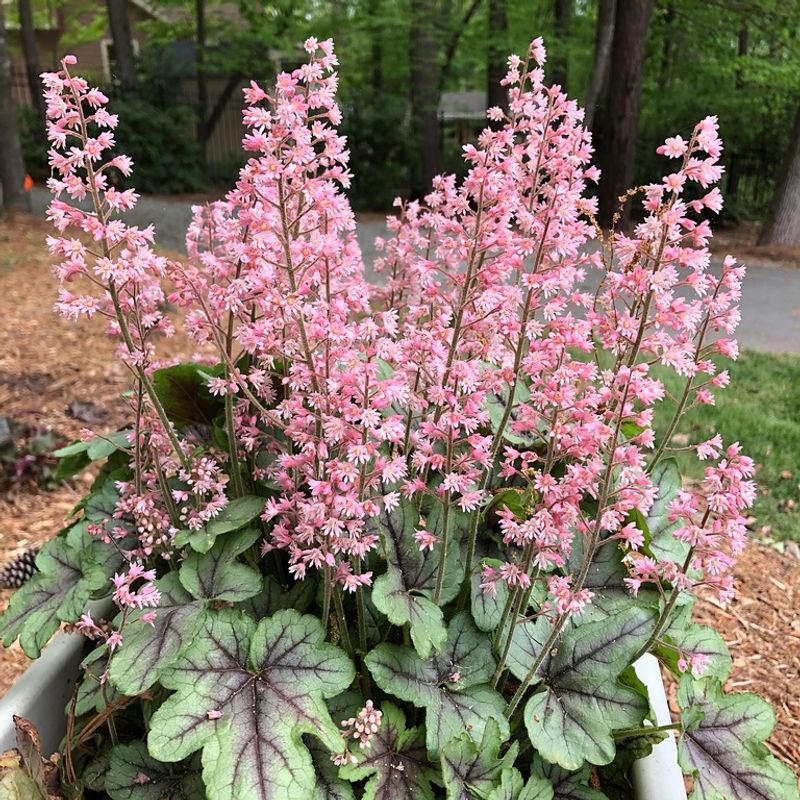
Forget flowers for a moment and focus on leaves that rival any bloom. Coral bells produce mounds of foliage in colors that seem almost unreal: deep purple, lime green, silver, orange, and even near-black.
The leaves themselves have ruffled or scalloped edges, creating texture that catches light and shadow throughout the day. Pennsylvania shade gardens have been transformed by these colorful workhorses.
Each variety offers different leaf shapes and colors. Some have leaves marked with contrasting veins, while others feature spots or marbling.
The unusual part isn’t just the color but how the leaves overlap and layer, creating living mosaics in garden beds. Tall, delicate flower spikes appear in late spring, but most gardeners grow coral bells purely for the foliage.
These plants excel in Pennsylvania’s climate, especially in areas with dappled shade. They tolerate more sun in northern parts of the state but appreciate afternoon shade in warmer regions.
Plant them in well-draining soil enriched with compost, and they’ll spread slowly into substantial clumps over several years.
Coral bells need minimal care once established. Remove old leaves in early spring before new growth emerges, and divide clumps every three to four years to keep them vigorous.
They rarely face pest problems in Pennsylvania gardens. The unusual leaf colors make them perfect for combining with other shade plants.
Try pairing purple-leaved varieties with yellow hostas, or lime green types with dark ferns. They also work beautifully in containers, where you can appreciate the leaf details up close.
Winter doesn’t faze them, and they’re among the first plants showing colorful new growth in spring.
4. Hellebores (Helleborus Spp.)
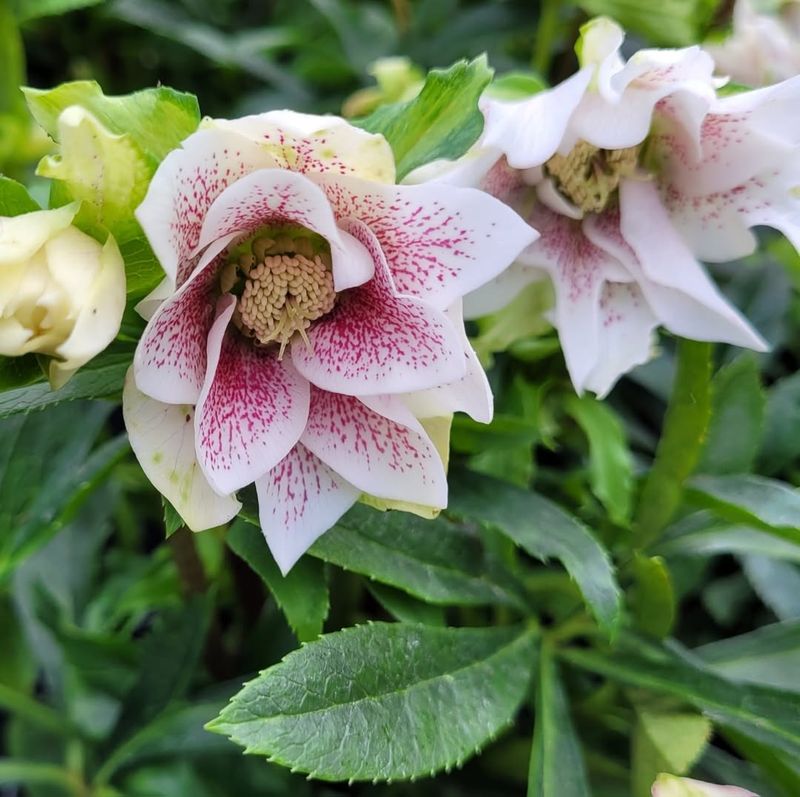
Blooming when snow still covers Pennsylvania gardens takes courage, and hellebores have plenty of it. These unusual perennials produce flowers that face downward, nodding toward the ground as if shy about their beauty.
The blooms appear in late winter or very early spring, often pushing through snow and lasting for months. Their flower shape is distinctive, with prominent centers filled with showy stamens surrounded by petal-like sepals.
The flowers come in subtle, sophisticated colors: creamy whites, soft pinks, deep burgundies, and even spotted or picotee patterns. What looks like petals are actually sepals that stay attractive far longer than typical flowers.
After blooming, the flowers gradually turn green and remain on the plant, extending the display well into summer.
Pennsylvania’s climate suits hellebores perfectly. They prefer partial to full shade and rich, well-draining soil with plenty of organic matter.
Plant them on slopes or in raised beds where you can look up into the nodding flowers. They’re slow to establish but become long-lived, reliable performers that need almost no maintenance.
Hellebores are evergreen in Pennsylvania, keeping their glossy, hand-shaped leaves throughout winter. The foliage itself is attractive even when flowers aren’t present.
These plants resent being moved once established, so choose their location carefully. They self-sow modestly, and seedlings will bloom in three to four years.
Deer avoid hellebores, making them valuable in areas where wildlife browsing is problematic. The unusual downward-facing flowers protect pollen and nectar from rain and snow, ensuring early pollinators find food when little else is blooming.
Pair them with early bulbs and ferns for a woodland garden that starts the season with style.
5. Fiddlehead Fern (Ostrich Fern – Matteuccia Struthiopteris)
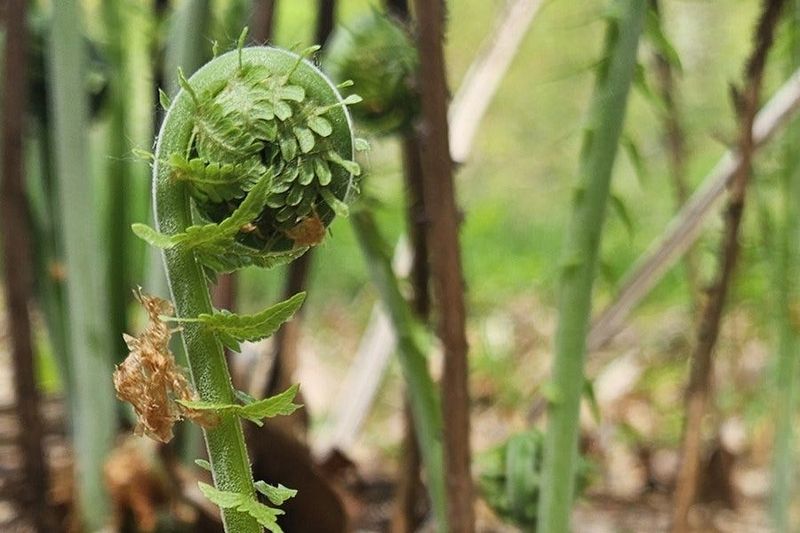
Spring brings one of nature’s most fascinating shapes to Pennsylvania gardens: tightly coiled fern fronds that look exactly like the scroll at the top of a violin.
Ostrich ferns produce these fiddleheads every spring, and watching them slowly unfurl into full fronds is like witnessing a magic trick in slow motion.
The coiled shape protects the delicate developing frond, and the fuzzy brown scales covering young fiddleheads add to their unusual appearance.
Once unfurled, ostrich ferns create dramatic vertical accents with fronds reaching four to five feet tall. The fronds arch gracefully, resembling ostrich plumes and giving the plant its common name.
They grow in circular clusters called crowns, spreading slowly through underground runners to form colonies in ideal conditions.
Pennsylvania’s moist, shaded areas are perfect for ostrich ferns. They thrive along stream banks, in low spots that stay damp, and in woodland gardens with rich soil.
These ferns need consistent moisture and will look stressed in dry conditions. Add plenty of compost when planting, and mulch around them to retain moisture and suppress weeds.
Ostrich ferns are native to Pennsylvania, so they’re perfectly adapted to local conditions. They handle cold winters easily, coming back reliably each spring with fresh fiddleheads.
The fronds stay green through summer but turn brown with first frost. Cut down old fronds in late fall or early spring before new growth emerges.
Some Pennsylvania gardeners harvest a few fiddleheads for eating in spring, though proper identification is critical since not all ferns produce edible fiddleheads.
The unusual coiled shape makes them popular subjects for garden photography, especially when morning dew clings to the fuzzy scales.
6. Snake’s Head Fritillary (Fritillaria Meleagris)
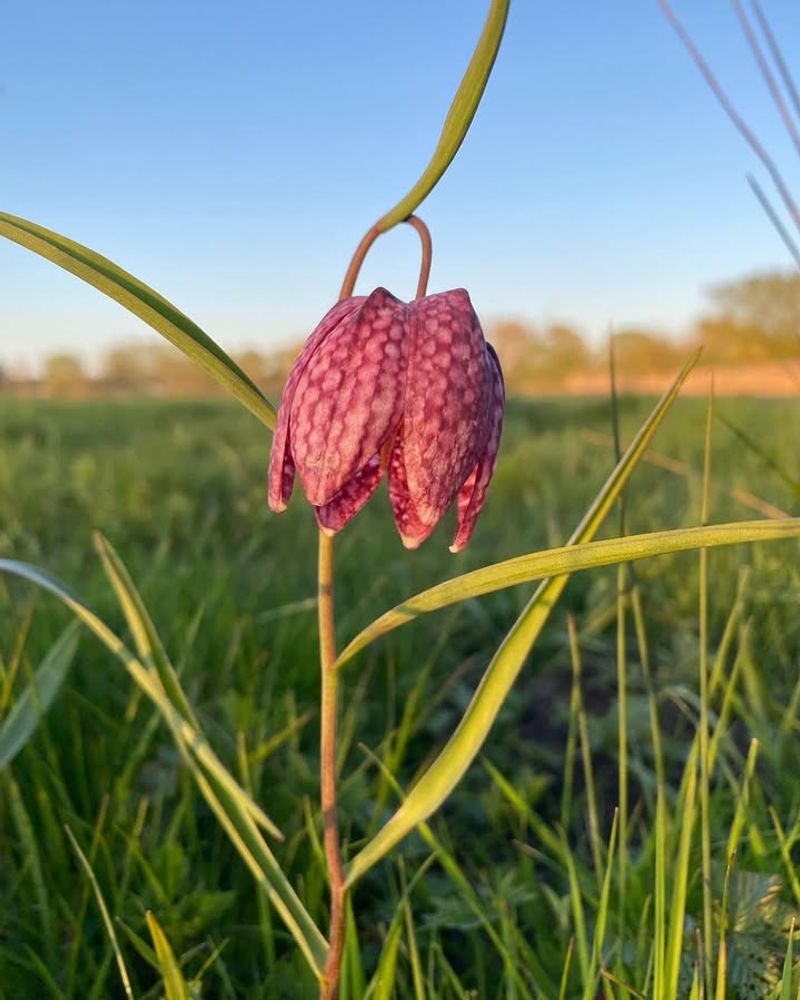
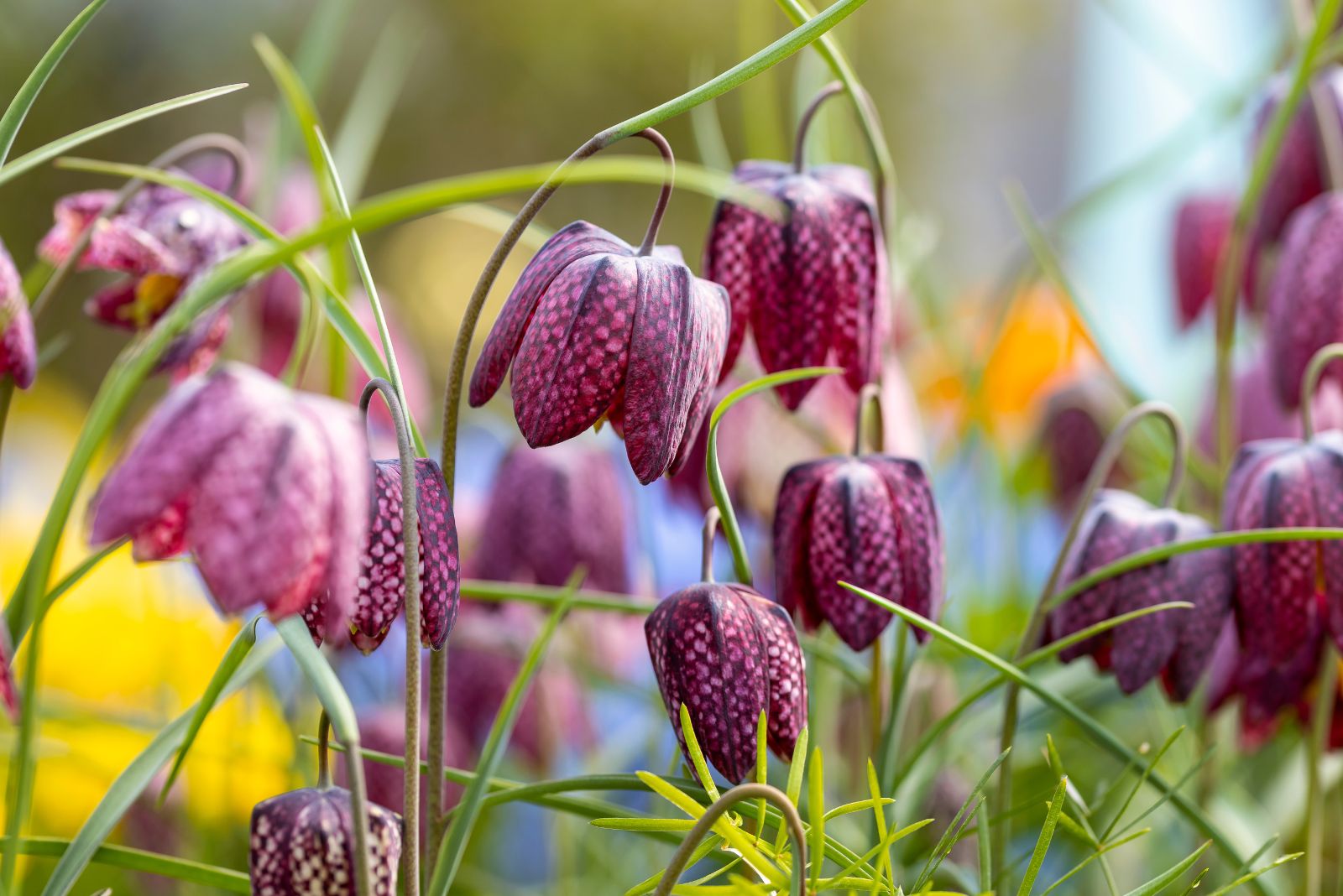
Imagine flowers that look hand-painted with a checkerboard pattern in purple and white. Snake’s head fritillary produces nodding, bell-shaped blooms marked with an unusual checkered design that seems too perfect to be natural.
Each square of color is clearly defined, creating a pattern that looks like snakeskin, which explains the common name. Pennsylvania gardeners who discover this spring bulb become instant fans of its quirky beauty.
The flowers dangle from thin, graceful stems about twelve inches tall, often with two blooms per stem. They appear in mid-spring, after early bulbs finish but before most perennials really get going.
The checkered pattern comes in various color combinations, from deep purple with lighter purple checks to pure white varieties.
These bulbs prefer moist, well-draining soil and partial shade, conditions found in many Pennsylvania gardens. Plant them in fall, setting bulbs about four inches deep in groups for best effect.
They naturalize over time, slowly increasing and returning reliably each spring. The unusual flowers look best when planted in drifts rather than formal rows.
Snake’s head fritillary goes dormant soon after flowering, so plant them among later-emerging perennials that will fill the space as the fritillary foliage fades. They combine beautifully with ferns, hostas, and other shade lovers.
The grass-like foliage that emerges with the flowers is attractive but unremarkable. The real show is those incredible checkered bells.
Pennsylvania’s spring moisture suits them well, and they handle cold winters without protection. Squirrels and deer generally leave the bulbs alone, unlike tulips and other spring favorites.
The unusual pattern makes them excellent conversation starters, and visitors often ask what they’re looking at when these distinctive flowers are blooming.
7. Air Plants (Tillandsia Spp.)
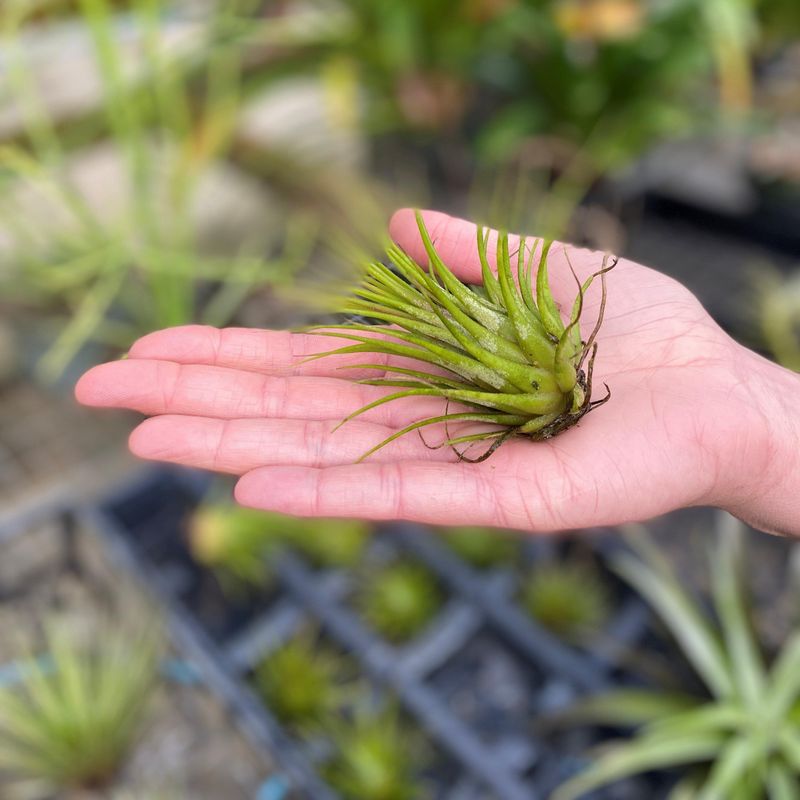
Plants that need no soil sound like science fiction, but air plants make it reality. Tillandsias absorb water and nutrients through their leaves rather than roots, allowing them to grow attached to almost anything or simply sitting loose on a surface.
Their unusual silvery-green leaves often curve and twist in sculptural forms, and their ability to survive without traditional planting makes them fascinating additions to Pennsylvania homes.
Air plants come in hundreds of varieties, from tiny specimens smaller than your thumb to large, dramatic types with leaves over a foot long. Most have stiff, spiky leaves covered in tiny scales that give them a frosted appearance.
These scales trap moisture from the air, allowing the plants to hydrate themselves. The overall effect is architectural and modern, fitting contemporary Pennsylvania interiors perfectly.
Growing air plants in Pennsylvania is straightforward despite their unusual nature. They need bright, indirect light and good air circulation.
Most people display them on driftwood, in hanging glass globes, or attached to decorative objects. Mist them several times weekly, or soak them in water for twenty to thirty minutes once a week, then shake off excess water and let them dry completely.
Indoor temperatures suit air plants fine, though they appreciate spending summers outdoors in shaded spots. Pennsylvania’s humid summers help them thrive outside, but bring them in before frost.
They rarely face pest problems and need no fertilizer, though occasional diluted fertilizer encourages faster growth and blooming. When happy, air plants produce colorful flower spikes in shades of pink, red, or purple.
After blooming, they produce offsets called pups that can be separated and grown into new plants. Their rootless nature and sculptural forms make them living art pieces that challenge traditional ideas about what plants need to survive.