These Valentine Plants Keep Blooming In Pennsylvania Long After The Holiday
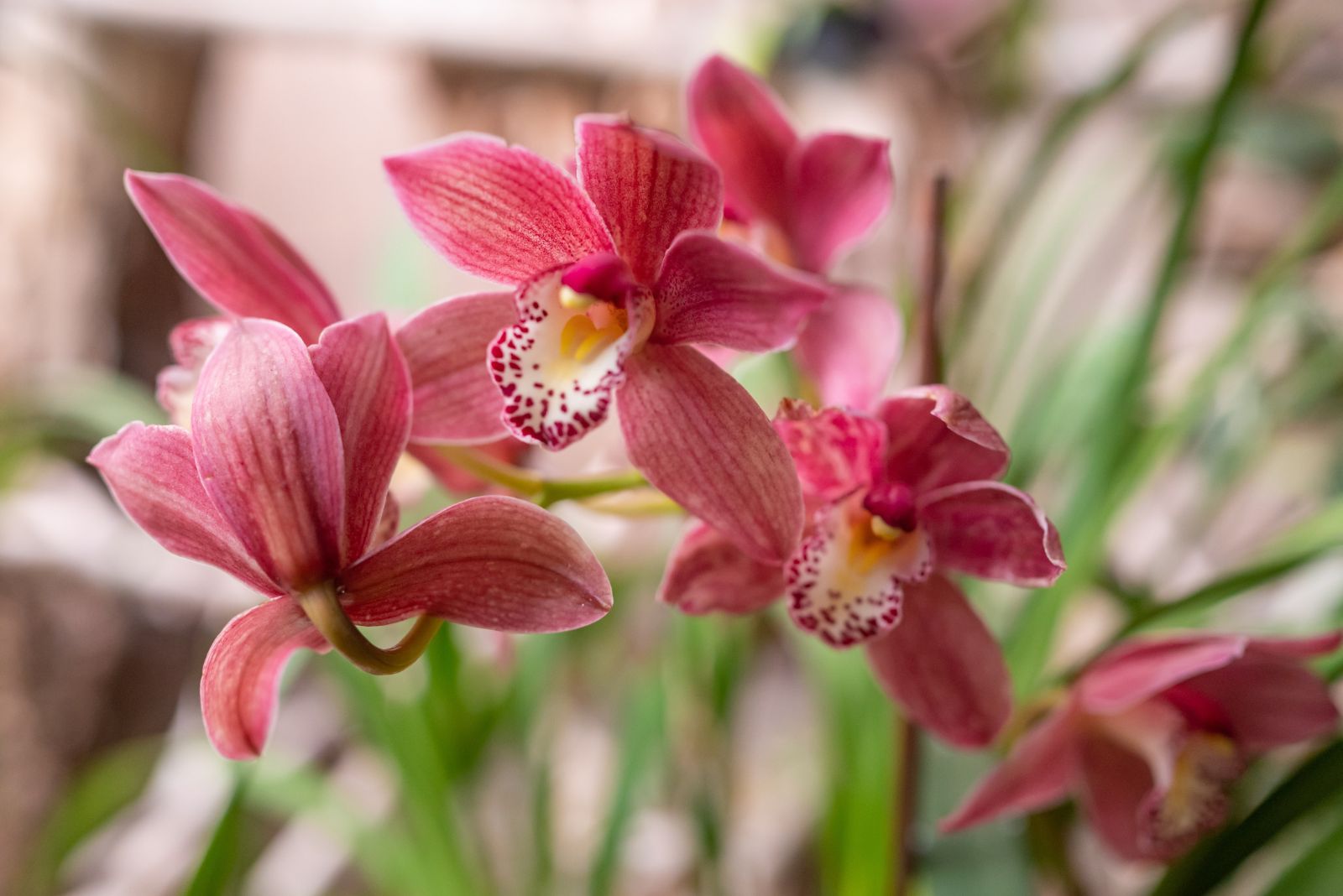
Valentine’s Day flowers are beautiful, but they don’t have to vanish after February 14. Some plants keep blooming well beyond the holiday, giving your Pennsylvania home or garden a lasting splash of color and charm.
These long-lasting blooms are perfect for anyone who wants their gift to feel thoughtful for weeks, not just days. Certain varieties adapt well to indoor conditions, while others can eventually be moved outdoors, creating seasonal beauty that continues into spring.
Many are easy to care for, so you can enjoy vibrant flowers without constant attention. From cheerful pots of blooms on windowsills to fragrant flowers that brighten living spaces, these Valentine plants offer joy well past the chocolate and cards.
Choosing plants that keep flowering also allows you to enjoy the color, fragrance, and energy they bring, making your Valentine’s gesture a gift that truly keeps on giving.
1. Orchids Bring Elegant Beauty For Months
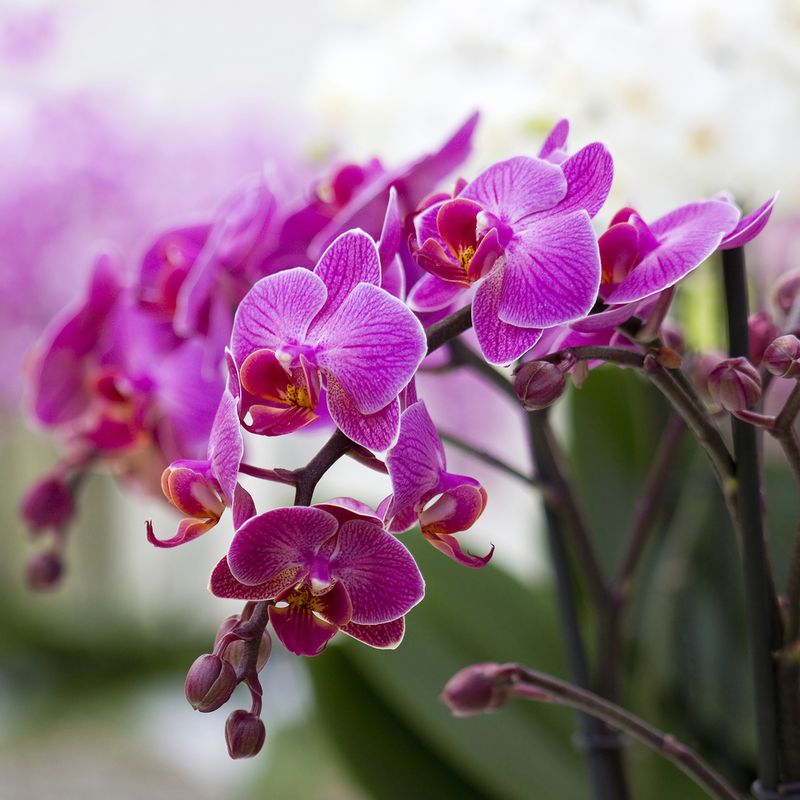
Walk into any flower shop in Pennsylvania around Valentine’s Day and you’ll spot orchids standing tall with their elegant blooms. These stunning plants might look fancy, but they’re actually much tougher than most people realize.
A single flower spike can stay beautiful for two to three months straight, and some varieties even bloom twice a year if you give them the right conditions.
Phalaenopsis orchids, also called moth orchids, are the easiest type for beginners across America. They come in gorgeous shades of pink, white, purple, and even yellow that fit any home style.
Place yours near a window with bright but indirect light, and water it about once a week by letting the roots soak for a few minutes. The key is letting the potting mix dry out between waterings because soggy roots cause problems.
Many people think orchids need special care, but that’s mostly a myth. Room temperature works perfectly fine, and regular household humidity is usually enough.
After the flowers finally fade, don’t throw the plant away. Cut the stem above a node, keep caring for it, and you’ll likely see new blooms emerge in a few months.
That makes orchids one of the smartest Valentine investments you can make.
These plants also clean the air in your home while looking absolutely gorgeous. They bring a touch of tropical paradise to living rooms, bedrooms, or offices throughout the United States.
Your Valentine will think of you every single day those beautiful blooms keep opening up.
2. Kalanchoe Offers Cheerful Clusters Of Color
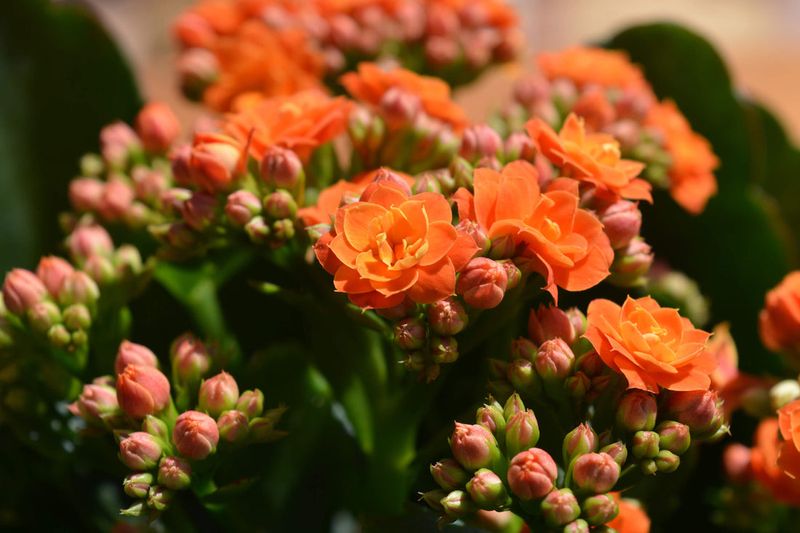
Bright, cheerful, and almost impossible to mess up, kalanchoe plants pack serious flower power into a compact package.
Native to Madagascar but popular in homes across America, these succulents produce dense clusters of tiny blooms in reds, pinks, oranges, yellows, and whites.
Each flowering period lasts about six to eight weeks, which means your Valentine gift stays colorful well into April.
Kalanchoe plants love sunshine and need very little water, making them perfect for busy people or anyone new to houseplants. Place yours on a sunny windowsill where it gets at least four hours of direct light daily.
Water only when the soil feels completely dry to the touch, usually every week or two. Too much water is the only real way to hurt these tough little plants.
The thick, glossy leaves store moisture like tiny water tanks, so kalanchoe can handle some neglect without complaining. This makes them ideal for offices, dorm rooms, or anywhere you might forget to water regularly.
After the first round of flowers fades, you can encourage new blooms by giving the plant a rest period with less water and cooler temperatures for about six weeks.
These plants stay compact and tidy, rarely growing taller than a foot. They look fantastic grouped together in different colors or displayed solo as a bright accent.
Kalanchoe also works great in dish gardens mixed with other succulents. Your loved one will appreciate how this cheerful plant keeps delivering smiles without demanding constant attention.
3. African Violets Create Endless Blooming Cycles
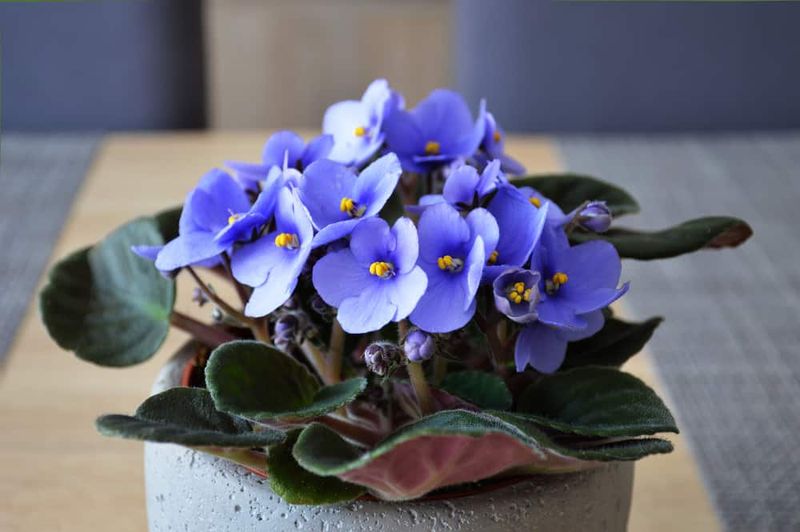
Grandma might have grown these, but African violets are making a huge comeback in homes throughout America. These compact beauties can bloom almost continuously throughout the year when conditions are right.
Their soft, fuzzy leaves and delicate flowers in purples, pinks, whites, and blues create a cottage garden feeling on any windowsill or table.
Getting African violets to bloom nonstop isn’t as tricky as old gardening books suggest. They prefer bright, indirect light from east or west-facing windows.
The biggest secret is keeping water off the fuzzy leaves, which can develop spots if they stay wet. Water from the bottom by placing the pot in a saucer of water for about thirty minutes, then dump out any extra.
Room temperature between 65 and 75 degrees works perfectly for these plants. They appreciate a bit of humidity, so grouping several plants together or placing them on a pebble tray with water helps.
Feed them every two weeks with fertilizer designed for African violets, and you’ll see flower buds forming constantly. Remove spent blooms to keep new ones coming.
These plants stay small and neat, making them perfect for Pennsylvania apartments or small spaces. One plant often produces multiple flower stalks at once, creating a impressive display.
African violets also grow easily from leaf cuttings, so you can share baby plants with friends. The original plant you give for Valentine’s Day could still be blooming beautifully next Valentine’s Day and many years beyond.
4. Anthurium Displays Heart-Shaped Blooms Year-Round
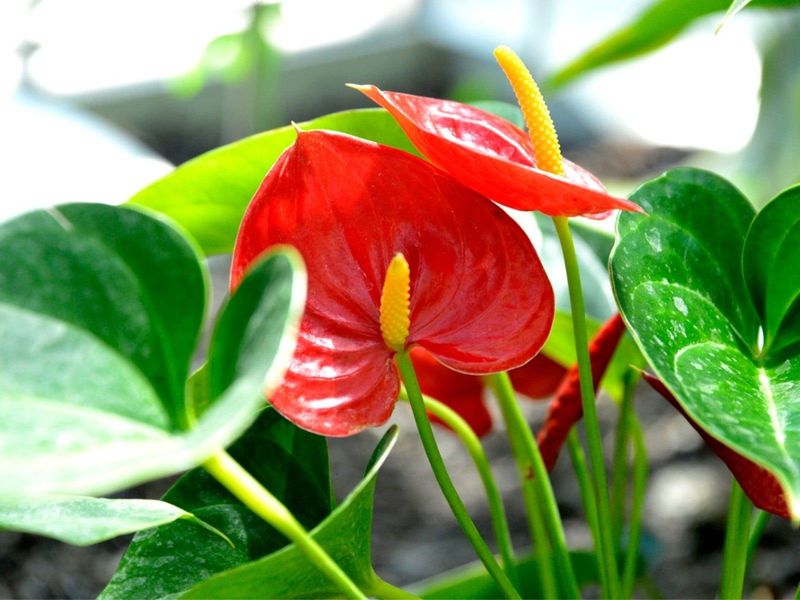
Nothing says Valentine’s Day quite like heart-shaped flowers, and anthurium delivers exactly that. These tropical plants produce shiny, waxy blooms that look almost artificial because they’re so perfect.
Each flower lasts an incredible six to eight weeks, and healthy plants keep pushing out new blooms throughout the year. The classic red variety screams romance, but pink, white, and even purple types are available too.
Anthurium plants originally come from South American rainforests but adapt well to homes across the United States. They prefer bright, indirect light similar to what filters through jungle trees.
Direct sun burns the leaves, so keep them back from windows or use sheer curtains. These plants like their soil to stay slightly moist but never soggy, so water when the top inch feels dry.
The glossy, heart-shaped part most people call the flower is actually a modified leaf called a spathe. The real flowers are the tiny bumps on the spike sticking up from the center.
This unique structure means the colorful part lasts much longer than regular flower petals. Anthurium also appreciates humidity, so misting the leaves occasionally or using a humidifier nearby keeps them happy.
These plants bring a bold, tropical statement to any room while staying relatively compact. They work beautifully in modern or traditional decor styles.
Anthuriums also filter toxins from indoor air, making them both pretty and practical. Your Valentine will love watching new heart-shaped blooms emerge month after month, each one a reminder of your thoughtfulness.
5. Begonias Deliver Nonstop Flowers With Minimal Fuss
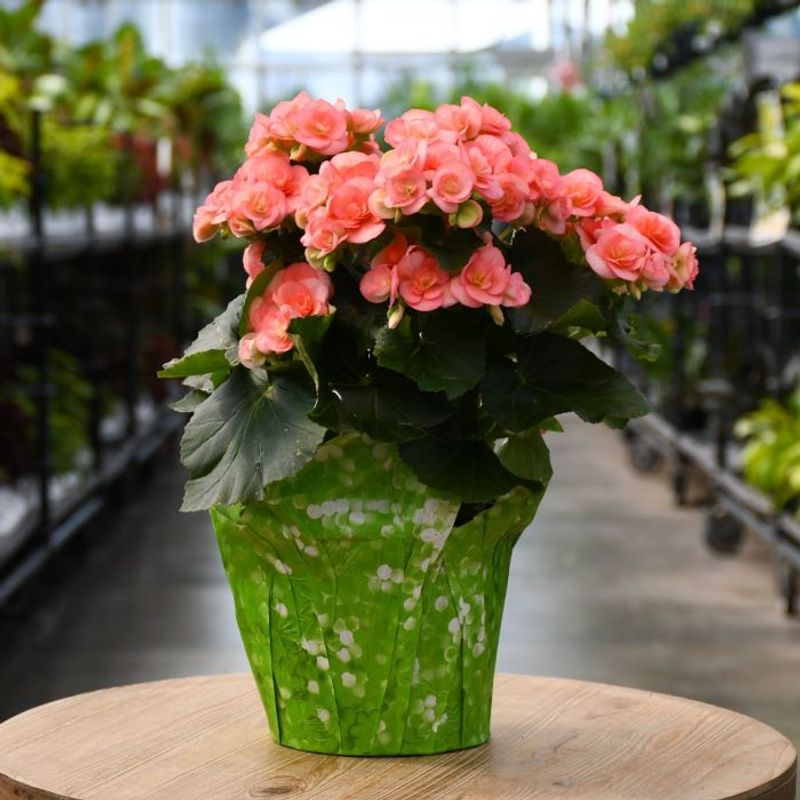
Begonias have been brightening gardens and homes for generations, and modern varieties bloom even more reliably than ever. These versatile plants produce flowers in shades of red, pink, white, orange, and yellow that keep coming from early spring through fall.
Some types even bloom year-round indoors, making them perfect for Valentine’s Day gifts that truly last.
Several begonia types work great as houseplants in Pennsylvania. Wax begonias have glossy leaves and constant small flowers.
Rex begonias feature stunning patterned leaves and occasional blooms. Tuberous begonias produce large, rose-like flowers in summer.
All types prefer bright, indirect light and soil that stays evenly moist but drains well. Overwatering causes more problems than underwatering, so check the soil before adding water.
Begonias appreciate slightly higher humidity than typical homes provide, but they’re not fussy about it. Grouping plants together or placing them in naturally humid rooms like bathrooms helps.
Feed them monthly during active growth with balanced liquid fertilizer. Pinch off faded flowers to encourage new buds to form quickly.
Most begonias stay compact and bushy without much pruning. These plants adapt to various light conditions better than many flowering houseplants. They’ll bloom in spots where other plants might struggle.
Begonias also come in incredible variety, so you can choose types with interesting leaf patterns even when flowers aren’t present.
The combination of attractive foliage and reliable blooms means your Valentine gift looks good every single day, not just when flowers appear.
6. Peace Lily Blooms Gracefully Throughout The Year
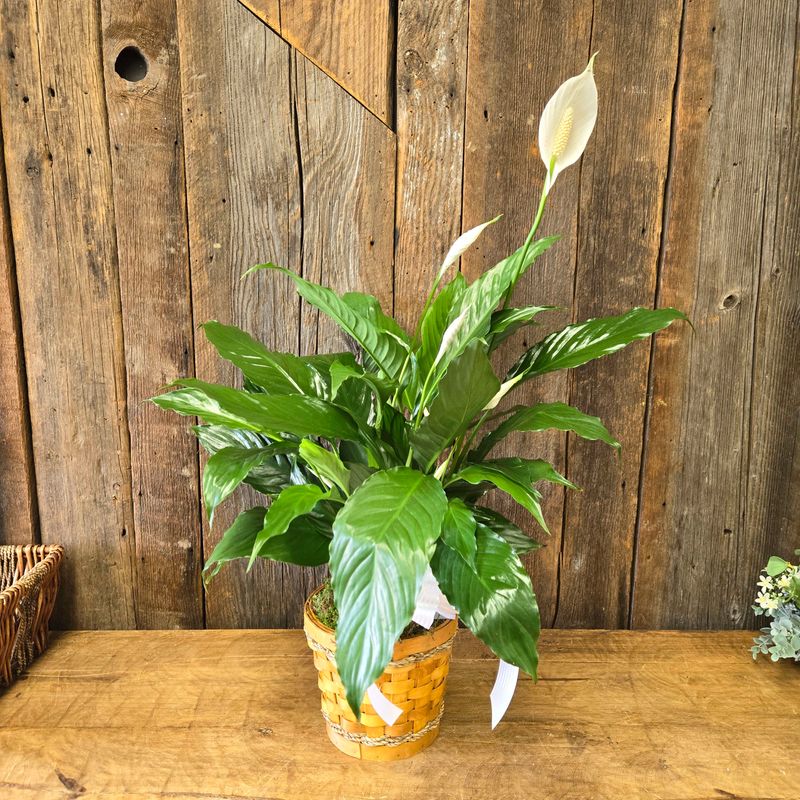
Elegant white blooms rising above glossy green leaves make peace lilies a symbol of calm beauty. These popular houseplants bloom naturally several times per year, with each flower lasting about a month.
The pure white color fits perfectly with Valentine’s Day themes while offering a more subtle alternative to bright reds and pinks. Peace lilies also rank among the easiest flowering plants to grow successfully indoors throughout the United States.
Despite their name, peace lilies aren’t true lilies at all. They’re related to anthuriums and have similar long-lasting spathes surrounding a central spike.
These plants tolerate low light better than almost any other flowering houseplant, though they bloom more often in brighter spots.
Place yours in medium to bright indirect light for best results. They’ll even grow under fluorescent lights, making them perfect for offices.
Peace lilies communicate their water needs clearly by drooping dramatically when thirsty. Water thoroughly when you notice leaves starting to sag, and they’ll perk back up within hours.
They prefer temperatures between 65 and 80 degrees and appreciate occasional misting. These plants also remove toxins like formaldehyde and benzene from indoor air, earning them a spot on NASA’s list of air-purifying plants.
The dark green foliage looks attractive even between blooming periods, so your plant never seems bare or sad. Peace lilies grow slowly and stay manageable in size for years.
They’re forgiving of occasional neglect and bounce back from mistakes easily. This combination of beauty, easy care, and air-cleaning abilities makes peace lilies a thoughtful Valentine gift that keeps improving your loved one’s space for years.
7. Gerbera Daisies Bring Sunny Cheerfulness Indoors
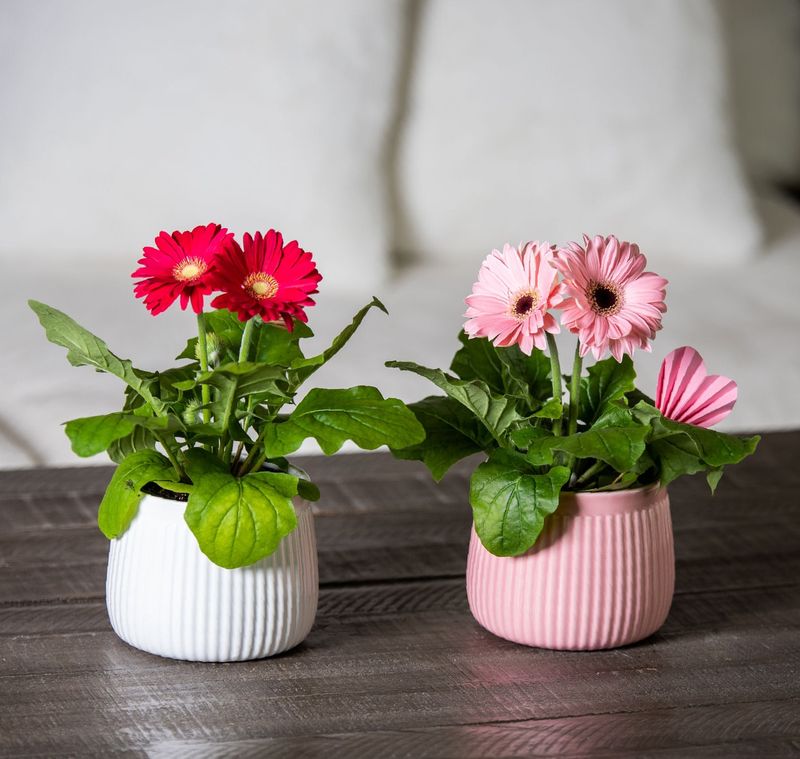
Few flowers radiate pure happiness quite like gerbera daisies. These oversized blooms come in practically every color except blue, with bright pinks, reds, oranges, and yellows being Valentine favorites.
Each flower lasts about two weeks, and potted plants keep producing new blooms for months when cared for properly. The cheerful, open faces of gerbera daisies bring instant smiles to anyone who sees them.
Gerbera daisies need plenty of bright light to bloom well, so place them in the sunniest window you have. South or west-facing windows work best in most Pennsylvania homes.
These plants prefer cooler temperatures than many houseplants, doing best between 60 and 70 degrees. They need consistent moisture but hate sitting in water, so use pots with drainage holes and empty saucers promptly after watering.
Good air circulation around the leaves helps prevent fungal problems that sometimes affect gerberas. Space plants apart from each other and avoid crowding them against walls.
Remove spent flowers by cutting the entire stem down to the base rather than just snipping off the bloom. This encourages the plant to produce new flower stalks instead of trying to make seeds.
Feed every two weeks with liquid fertilizer during active growth.
Gerbera daisies work wonderfully as temporary indoor plants that can move outside when weather warms up. Many people enjoy them as houseplants during late winter and spring, then plant them in gardens for summer color.
This versatility means your Valentine plant can brighten multiple spaces throughout the year. The bold, cheerful blooms create an uplifting mood wherever they’re displayed.