These 11 Vegetables Are Perfect For No-Till Gardens In California
No-till gardening is transforming California yards by reducing soil disturbance, preserving moisture, and improving soil health.
But not every vegetable thrives when planted without tilling, so choosing the right crops is key to a productive, low-maintenance garden. Less digging, more growth, these vegetables love no-till gardens!
These eleven vegetables, ranging from leafy greens to root crops, adapt well to no-till practices, making them ideal for busy gardeners or those looking to improve soil structure naturally.
They benefit from mulch, compost, and minimal soil disruption, producing robust harvests without the backbreaking labor of traditional gardening. No-till doesn’t mean no yield, these crops prove it’s possible to grow abundantly while caring for your soil.
California gardeners who adopt no-till methods and plant the right vegetables enjoy healthier soil, less work, and plentiful harvests year after year. Grow smarter, protect your soil, and harvest abundantly!
1. Lettuce
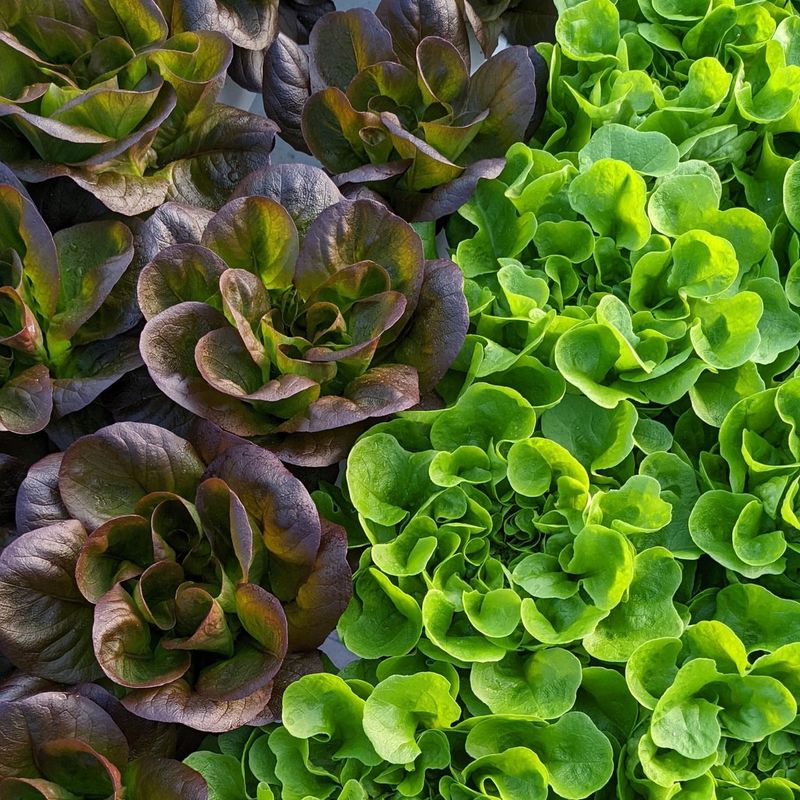
Shallow-rooted lettuce loves the cool, stable environment that no-till beds provide, especially during California’s unpredictable spring and fall weather.
Because lettuce roots spread out near the surface rather than diving deep, they thrive in undisturbed soil where beneficial fungi and microbes create a rich web of nutrients just inches below the mulch.
Tilling can disrupt this delicate network, but leaving the ground untouched allows lettuce to tap into a steady supply of moisture and minerals.
No-till beds naturally stay cooler than tilled soil because the mulch layer acts like a protective blanket, shielding roots from the intense California sun.
This cooler environment prevents lettuce from bolting too quickly, giving you a longer harvest window and crisper, sweeter leaves. Mulch also suppresses weeds that compete for water, which is especially important in drier regions where every drop counts.
Planting lettuce in no-till gardens means less work for you and healthier plants overall. You can direct-seed into the mulch or transplant seedlings with minimal disturbance, and the soil structure will support strong, fibrous roots.
Whether you grow romaine, butterhead, or loose-leaf varieties, lettuce will reward your no-till efforts with abundant, tender greens all season long.
2. Spinach
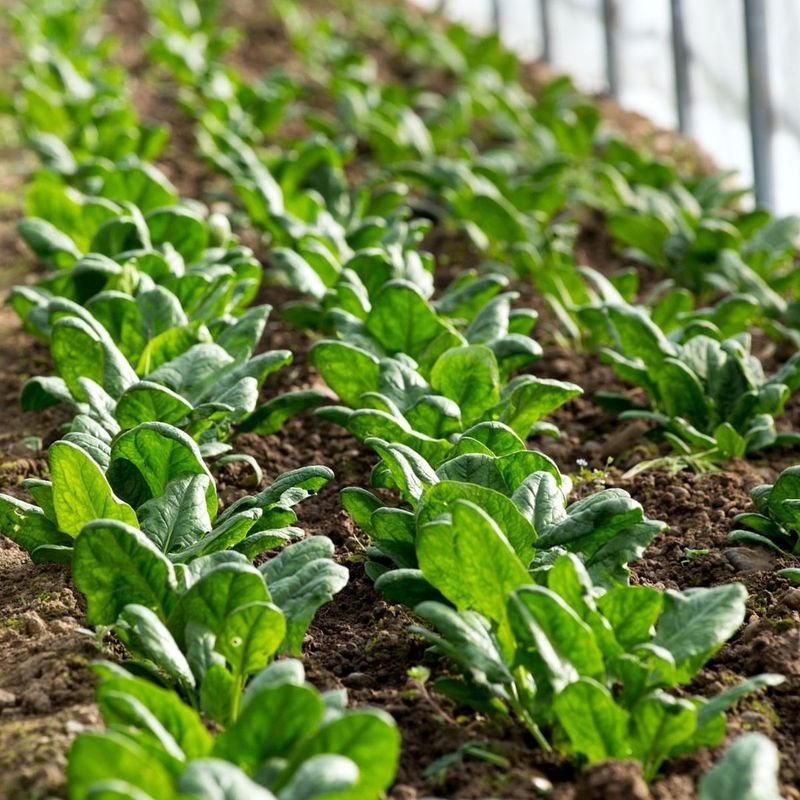
Spinach has a fine, delicate root system that spreads horizontally near the soil surface, making it perfectly suited for the undisturbed conditions of a no-till garden.
These tiny roots are incredibly efficient at absorbing nutrients and water, but they can be easily damaged by aggressive tilling or compaction.
In a no-till bed, the soil structure remains loose and airy, allowing spinach roots to explore freely and establish quickly after planting.
Mulch-rich no-till soil acts like a sponge, holding onto moisture even during California’s dry spells and creating the perfect germination conditions for spinach seeds.
The organic matter in the mulch breaks down slowly, feeding the soil with a steady stream of nutrients that spinach roots can access without competition from weeds.
This consistent moisture and nutrition lead to faster germination rates and healthier, more productive plants.
Another advantage of growing spinach in no-till beds is the reduction of soil-borne diseases that can splash onto leaves during watering or rain. The mulch layer acts as a barrier, keeping foliage clean and reducing the risk of fungal issues.
With minimal effort, you can enjoy multiple harvests of tender, nutrient-packed spinach leaves throughout the cooler months, making it a staple for any California no-till garden.
3. Kale
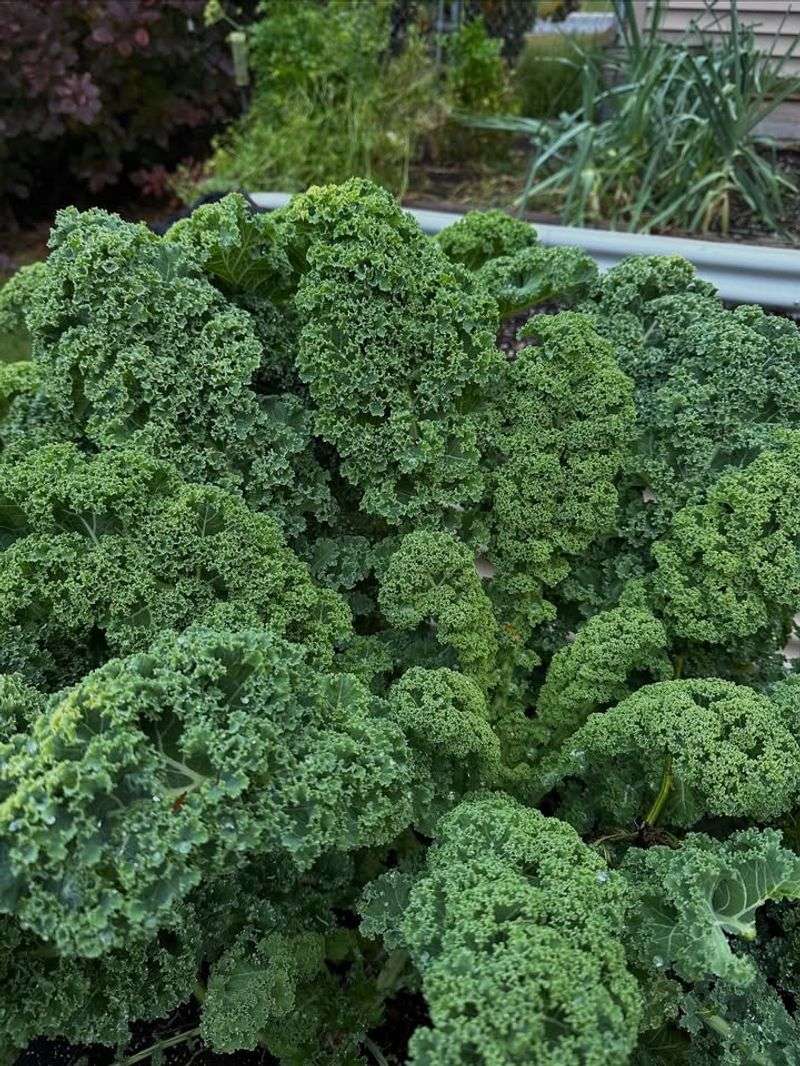
Kale is a powerhouse vegetable that thrives on the biologically active soil created by no-till gardening practices.
Unlike tilled beds where soil life gets disrupted and nutrients wash away, no-till systems allow earthworms, beneficial bacteria, and fungi to build a thriving ecosystem that feeds kale plants steadily throughout the growing season.
This biological activity breaks down organic matter into forms that kale roots can easily absorb, resulting in robust plants with deep green, nutrient-dense leaves.
California’s Mediterranean climate can be challenging for many vegetables, but kale handles both cool coastal fog and inland heat remarkably well when grown in no-till beds.
The mulch layer moderates soil temperature, keeping roots cool during hot spells and protecting them from frost on chilly nights.
This stability allows kale to produce tender new growth over many months, extending your harvest far beyond what you might expect from a single planting.
Because kale is a heavy feeder, the steady nutrient release from decomposing mulch and active soil organisms provides exactly what it needs without the boom-and-bust cycles of synthetic fertilizers.
You can harvest outer leaves continuously while the plant keeps producing from the center, and the undisturbed soil structure supports strong, anchoring roots that help kale withstand wind and weather throughout California’s growing seasons.
4. Swiss Chard
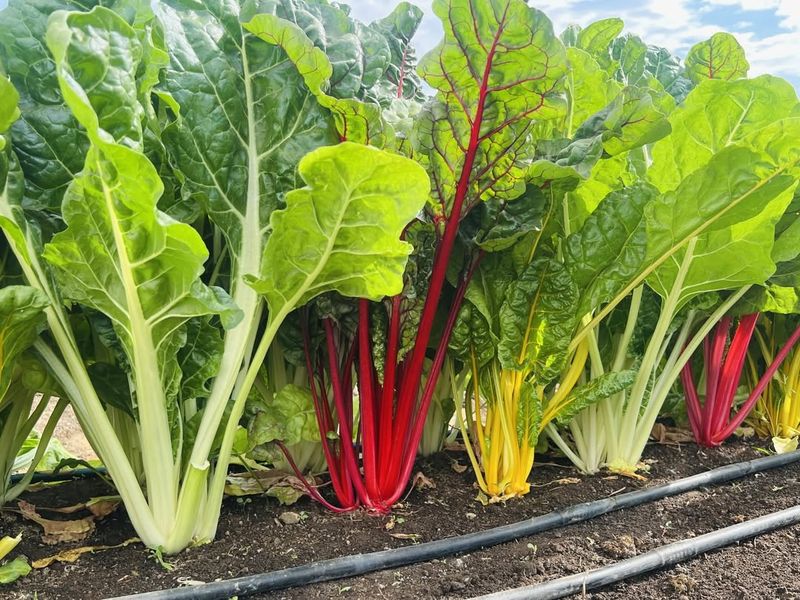
Swiss chard is remarkably adaptable and can handle less-than-perfect soil conditions better than many other leafy greens, making it an excellent choice for no-till gardens.
While some vegetables struggle with compacted layers that can develop over time, chard’s vigorous root system can penetrate and even improve these areas naturally.
The plant’s deep taproot works its way through the soil profile, creating channels that improve drainage and aeration for future plantings.
Mulched no-till beds provide the consistent moisture that chard craves, especially during California’s long, dry summers when water conservation becomes critical.
The mulch layer prevents evaporation and keeps soil temperatures moderate, allowing chard to produce colorful, tender stems and leaves even when temperatures climb.
Whether you choose rainbow chard for its stunning appearance or classic green varieties for their productivity, all types flourish in the stable environment that no-till methods create.
One of the best features of growing chard in no-till beds is its incredible longevity as a cut-and-come-again crop.
You can harvest outer leaves continuously for months while the plant keeps producing from its center, and the undisturbed soil supports this long-term productivity beautifully.
The biological activity in no-till soil feeds chard steadily, resulting in sweeter, more flavorful leaves and stems that make every harvest a culinary delight for your kitchen.
5. Radishes
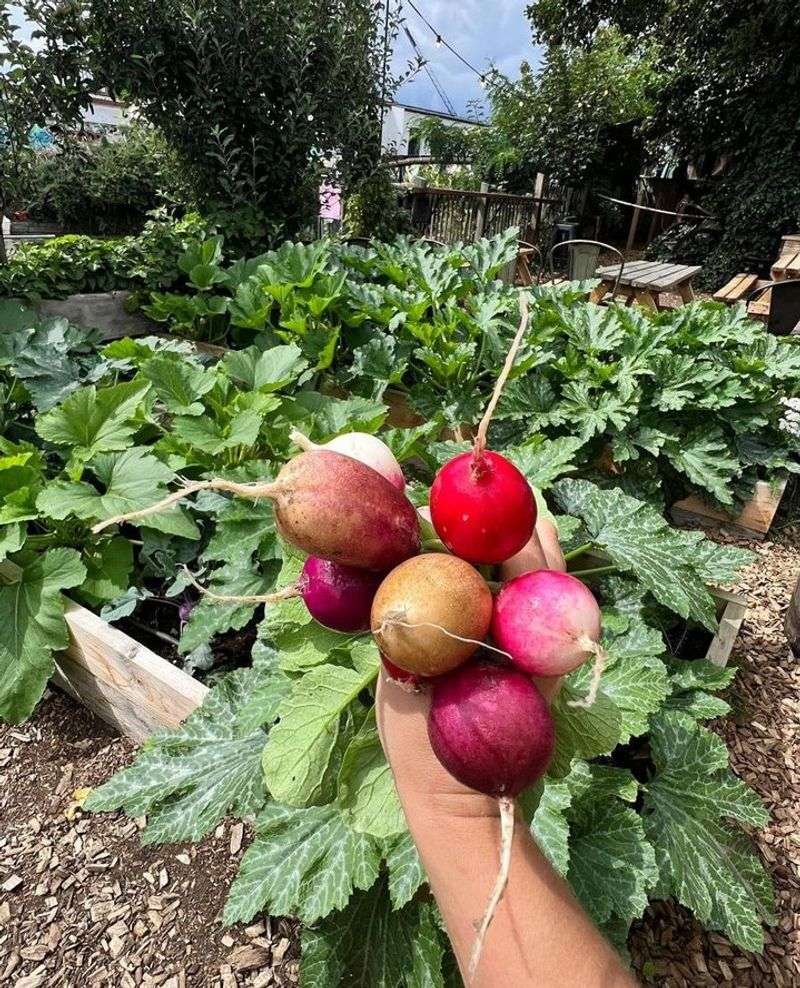
Radishes are often called the gardener’s best friend because they grow so quickly and require minimal fuss, but in no-till gardens, they serve an even more valuable purpose.
As radishes grow, their taproots naturally penetrate and loosen compacted surface soil, creating channels that improve water infiltration and air circulation.
This biological tillage happens without any work on your part, and the radishes actually leave the soil better than they found it. Minimally disturbed beds with a good mulch layer provide ideal conditions for radish seeds to germinate and develop those crisp, peppery roots that gardeners love.
The consistent moisture under the mulch prevents radishes from becoming woody or overly spicy, which can happen when soil dries out between waterings.
California gardeners can grow radishes nearly year-round in no-till beds, making them perfect for quick succession plantings that fill gaps between slower-growing crops.
Another benefit of growing radishes in no-till systems is the reduction of pest pressure and soil-borne diseases. The mulch barrier keeps many insects at bay, and the healthy soil biology helps suppress harmful pathogens that might otherwise attack roots.
You can harvest radishes in as little as three weeks, enjoying crunchy, colorful roots while simultaneously improving your garden’s soil structure for the vegetables that will follow in your rotation.
6. Carrots (With Deep Mulch)
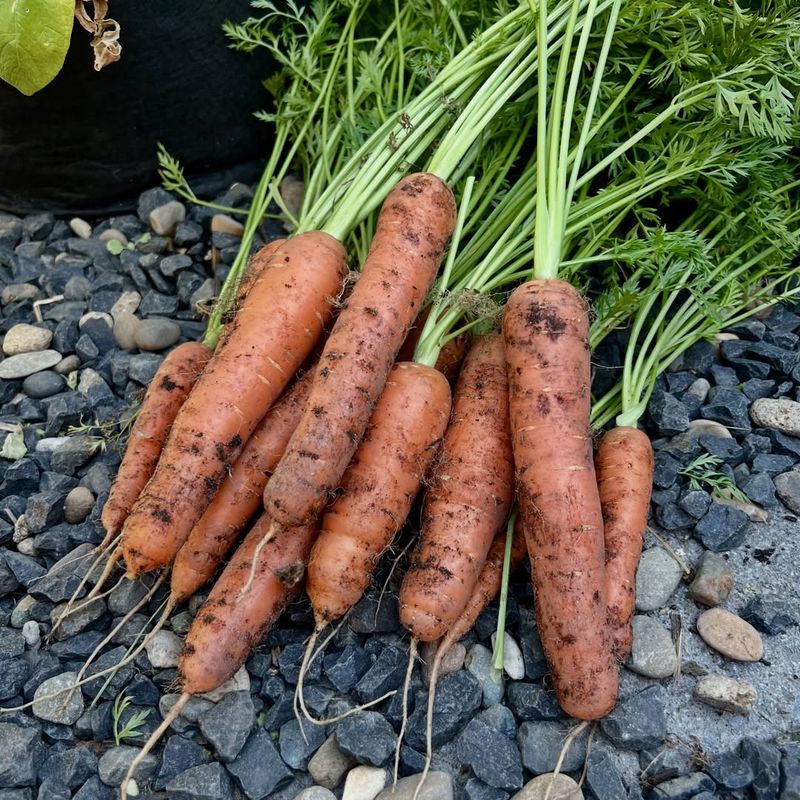
Growing carrots in no-till gardens might seem counterintuitive since they need loose soil to develop straight roots, but with the right approach, they actually thrive in undisturbed beds.
The secret lies in applying deep mulch and allowing soil life to do the work of creating a loose, friable growing medium.
Earthworms, beetle larvae, and beneficial fungi gradually break down organic matter and create the perfect texture for carrot roots to penetrate deeply without encountering rocks or compacted layers.
When your no-till bed has been mulched heavily for at least one season, the soil beneath transforms into a rich, crumbly paradise for root vegetables.
This biologically active environment provides carrots with steady nutrition throughout their growing period, resulting in sweeter, more flavorful roots than you might get from freshly tilled soil.
California’s mild winters make it possible to grow carrots through the cooler months when the soil stays moist and temperatures remain moderate.
Harvesting carrots from no-till beds is often easier than from tilled soil because the loose structure allows you to pull roots cleanly without breaking them. The mulch layer also protects carrot shoulders from sun exposure, preventing the green, bitter tops that can develop when roots push up through bare soil.
With patience and proper mulching, you can enjoy long, straight carrots that showcase the best of what no-till gardening has to offer.
7. Garlic
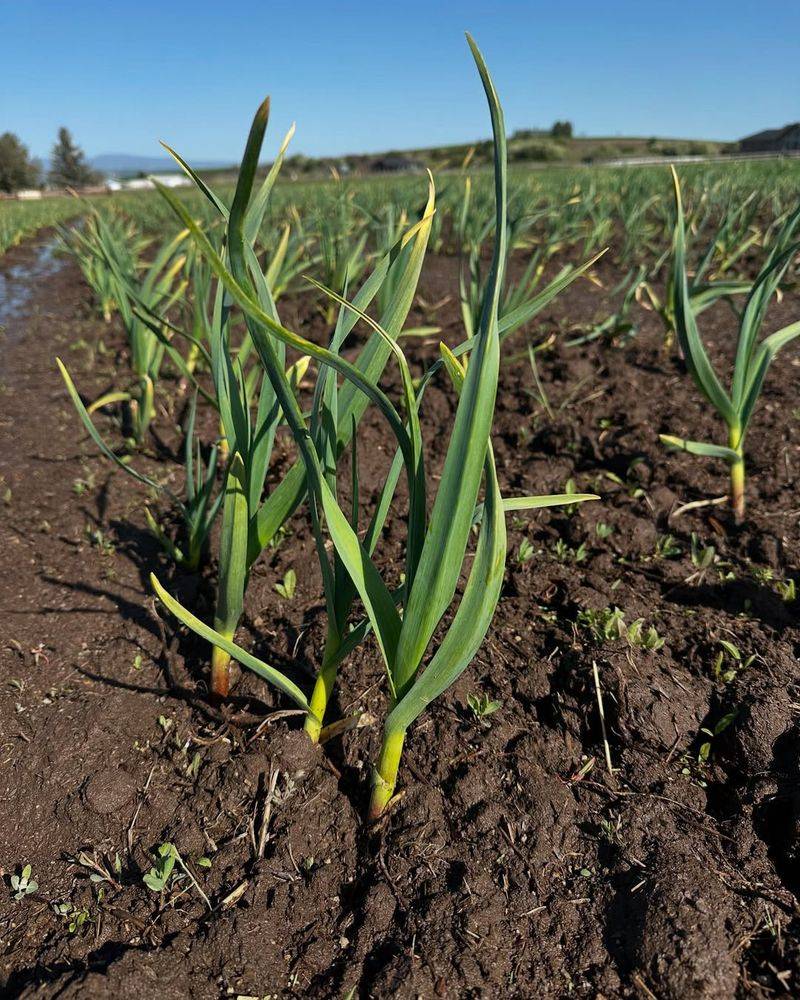
Garlic is perfectly adapted to no-till gardening because it prefers to establish roots slowly in undisturbed soil over many months.
When you plant garlic cloves in fall, they develop extensive root systems throughout winter, and the stable soil structure of no-till beds supports this gradual process beautifully.
Tilling can disrupt beneficial mycorrhizal fungi that form partnerships with garlic roots, but leaving the soil undisturbed allows these relationships to flourish and improve nutrient uptake dramatically.
Mulch-covered beds are essential for growing garlic in California’s dry climate, where moisture retention makes the difference between mediocre bulbs and prize-winning heads.
The mulch layer keeps soil temperatures consistent during winter cold snaps and spring heat waves, protecting developing bulbs from temperature stress.
As the mulch breaks down, it feeds the soil with organic matter that garlic roots access throughout the long growing season, resulting in larger cloves with more intense flavor.
Another advantage of growing garlic in no-till systems is weed suppression, which is crucial during garlic’s slow early growth when competition can significantly reduce yields. The thick mulch layer prevents most weed seeds from germinating, saving you hours of tedious hand-weeding.
When harvest time arrives in early summer, you can cure your garlic bulbs knowing that the undisturbed soil and biological activity produced the highest quality crop possible from your California garden.
8. Onions
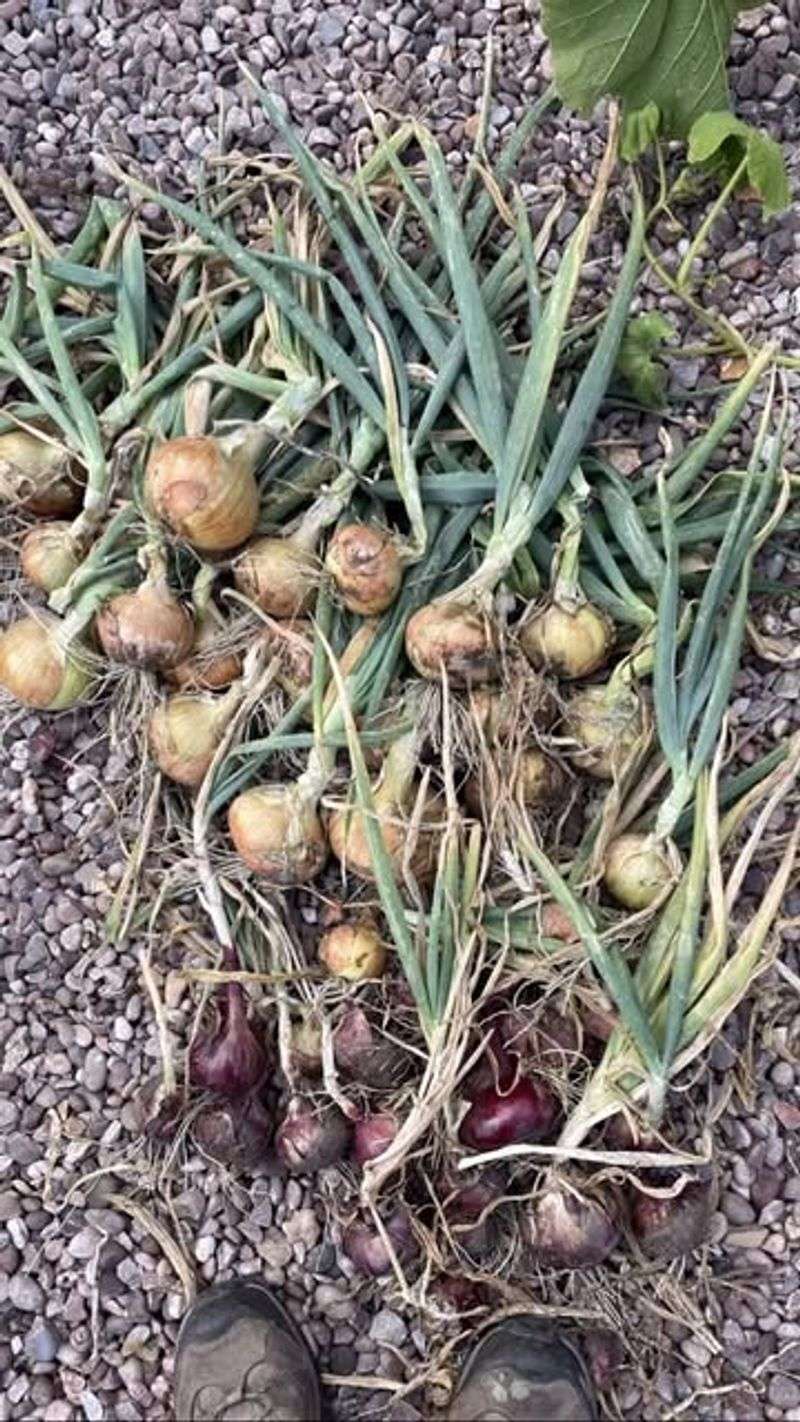
Onions develop shallow, fibrous root systems that spread horizontally near the soil surface, making them naturally suited for no-till beds where the top few inches remain loose and biologically active.
These fine roots are incredibly efficient at absorbing water and nutrients, but they can be easily damaged by aggressive cultivation or compaction.
No-till gardening protects this delicate root zone while providing the consistent moisture that onions need to develop large, sweet bulbs.
California’s Mediterranean climate can challenge onion growers with long dry periods, but mulched no-till beds solve this problem by acting as a moisture reservoir.
The organic matter in the mulch holds water like a sponge and releases it gradually to onion roots, reducing the need for frequent irrigation.
This steady moisture supply prevents the growth cracks and strong flavors that can develop when onions experience drought stress followed by heavy watering.
Growing onions in no-till systems also reduces the risk of soil-borne diseases that can affect bulbs during the long growing season.
The biological diversity in undisturbed soil includes beneficial organisms that suppress harmful pathogens, while the mulch barrier prevents disease spores from splashing onto plants during watering.
Whether you grow short-day varieties for mild winters or intermediate types for coastal regions, onions will reward your no-till efforts with impressive yields and excellent storage quality.
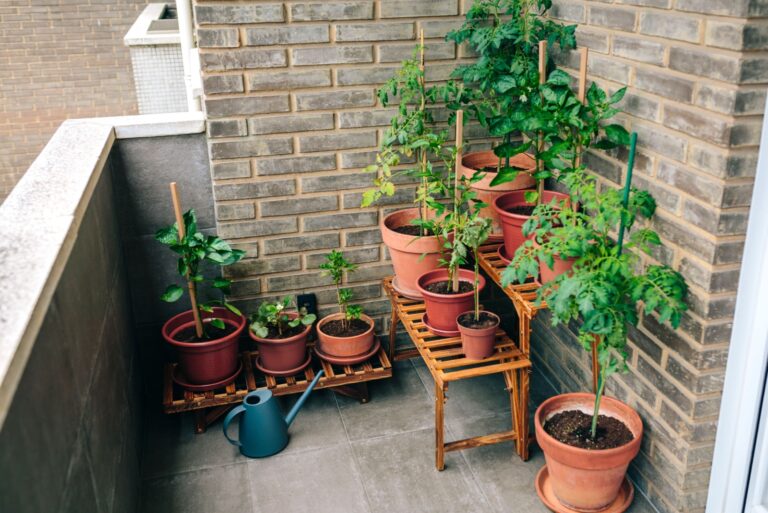
9. Tomatoes (Transplanted)
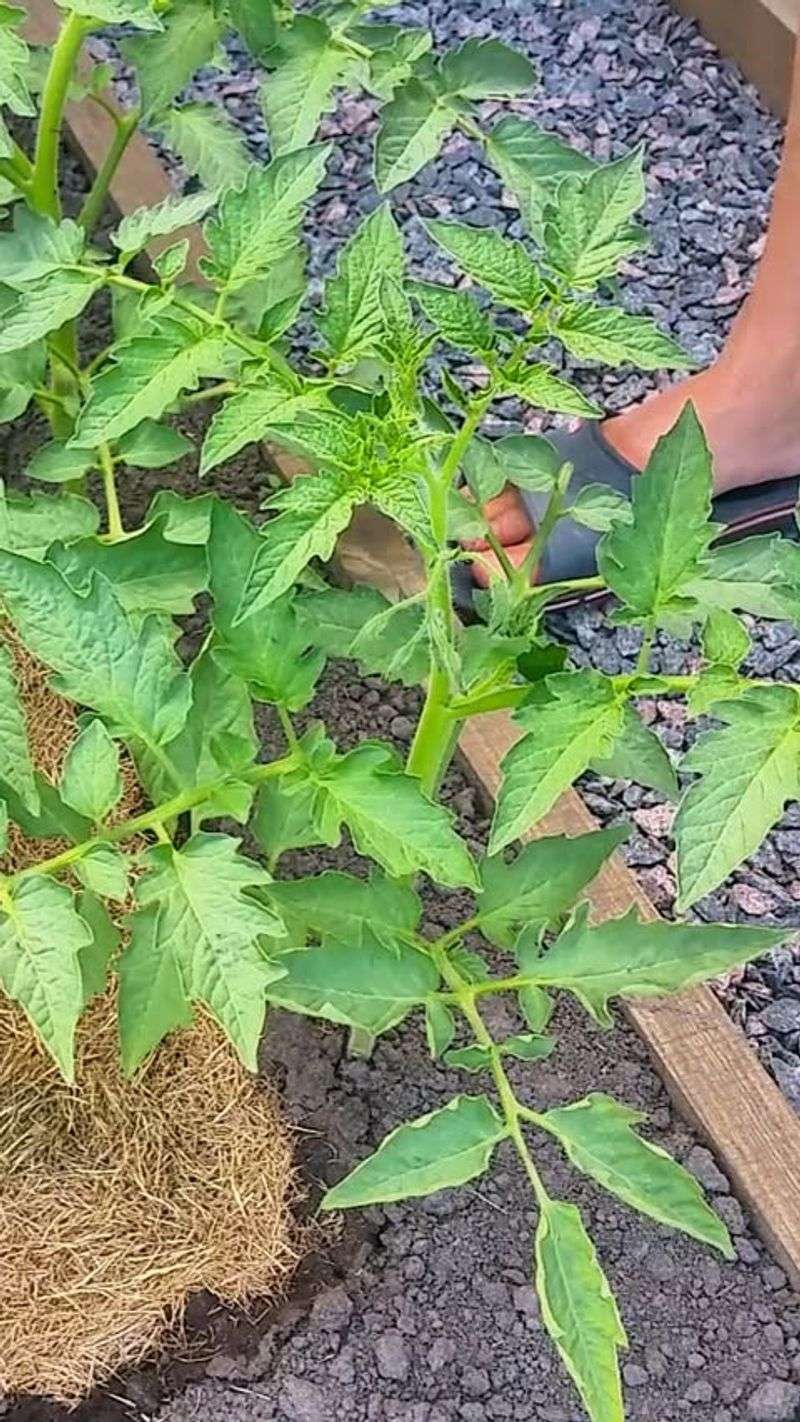
Transplanting tomatoes into established no-till beds offers numerous advantages over planting in freshly tilled soil, starting with improved soil structure that supports healthy root development.
When you dig a planting hole in a no-till bed, you create minimal disturbance while accessing the rich, biologically active soil below the mulch layer.
The undisturbed areas around your transplant maintain their structure and microbial networks, allowing tomato roots to explore and establish quickly without competition from weeds.
No-till beds also dramatically reduce disease splash-up, which is one of the most common ways tomatoes contract fungal infections like early blight and septoria leaf spot. The mulch layer acts as a protective barrier between soil and foliage, keeping leaves clean even during heavy watering or unexpected summer storms.
This disease suppression means healthier plants that produce more fruit over a longer season, which is especially valuable in California where tomato season can extend from spring through fall.
The biological richness of no-till soil provides tomatoes with steady nutrition throughout their long growing period, resulting in better fruit quality and more intense flavors. Beneficial microbes help tomato roots access nutrients that would otherwise remain locked in the soil, while earthworms create channels that improve drainage and aeration.
By transplanting into no-till beds, you give your tomatoes the best possible start for a productive, disease-resistant growing season.
10. Peppers
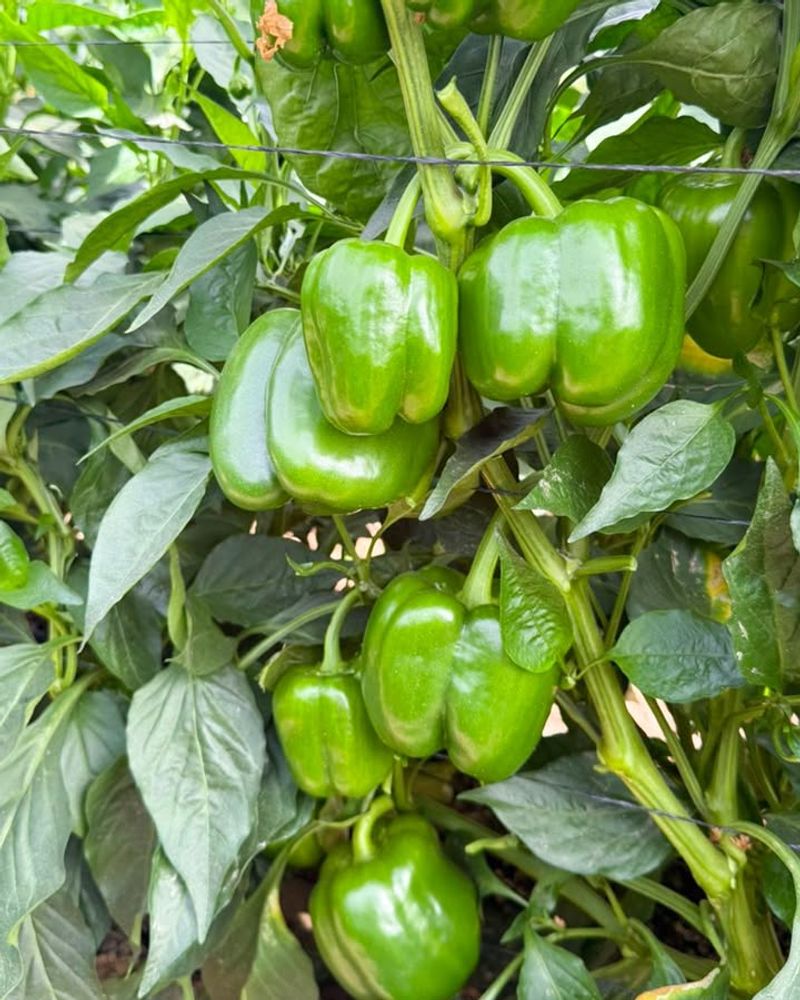
Peppers are heat-loving plants that absolutely flourish in the warm, biologically rich soil created by no-till gardening practices. The decomposing organic matter in mulched beds generates gentle warmth as microbes break it down, creating the perfect environment for pepper roots to thrive.
This biological activity also produces a steady supply of nutrients in forms that pepper plants can easily absorb, resulting in vigorous growth and abundant fruit production throughout California’s long growing season.
Unlike tilled soil that can compact and form crusts under California’s intense sun, no-till beds maintain a loose, friable texture that pepper roots love.
The mulch layer moderates soil temperature, preventing the extreme heat that can stress pepper plants and cause blossom drop during summer heat waves.
This temperature stability allows peppers to set fruit consistently even when air temperatures soar, giving you a more reliable harvest from both sweet bell varieties and spicy hot peppers.
Another benefit of growing peppers in no-till systems is improved water efficiency, which is crucial in California’s drought-prone climate. The organic matter in no-till soil acts like a sponge, holding moisture where pepper roots can access it while preventing wasteful evaporation.
This means you can water less frequently while still providing peppers with the consistent moisture they need to produce crisp, flavorful fruits that are perfect for fresh eating or preserving.
11. Bush Beans
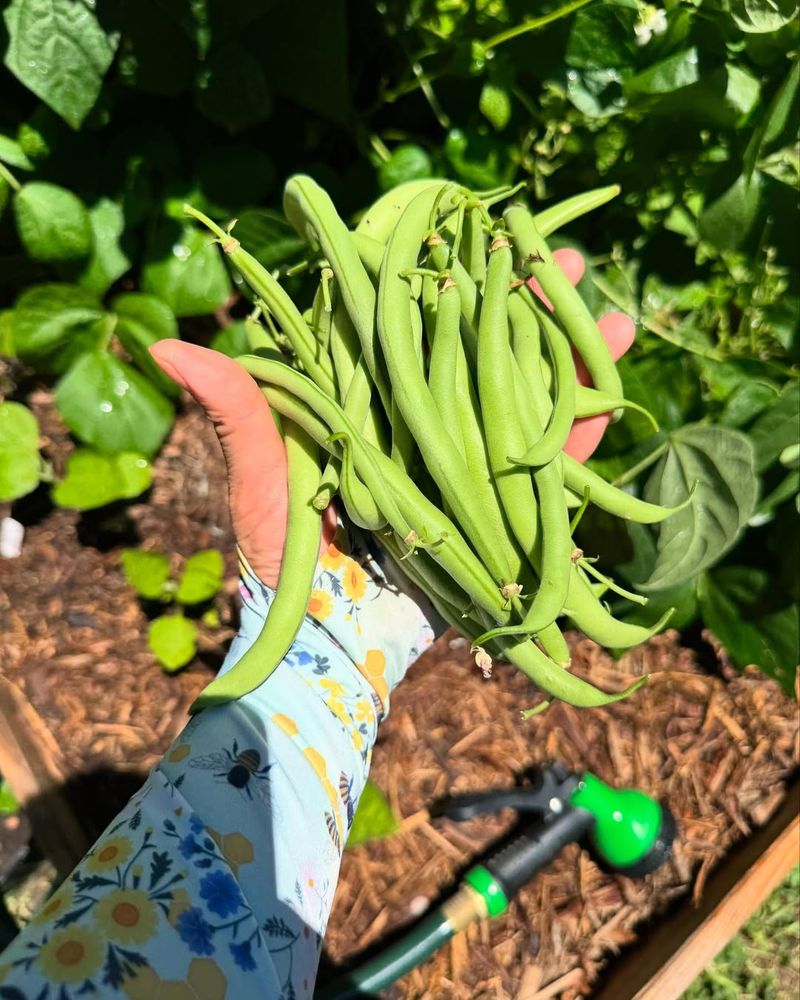
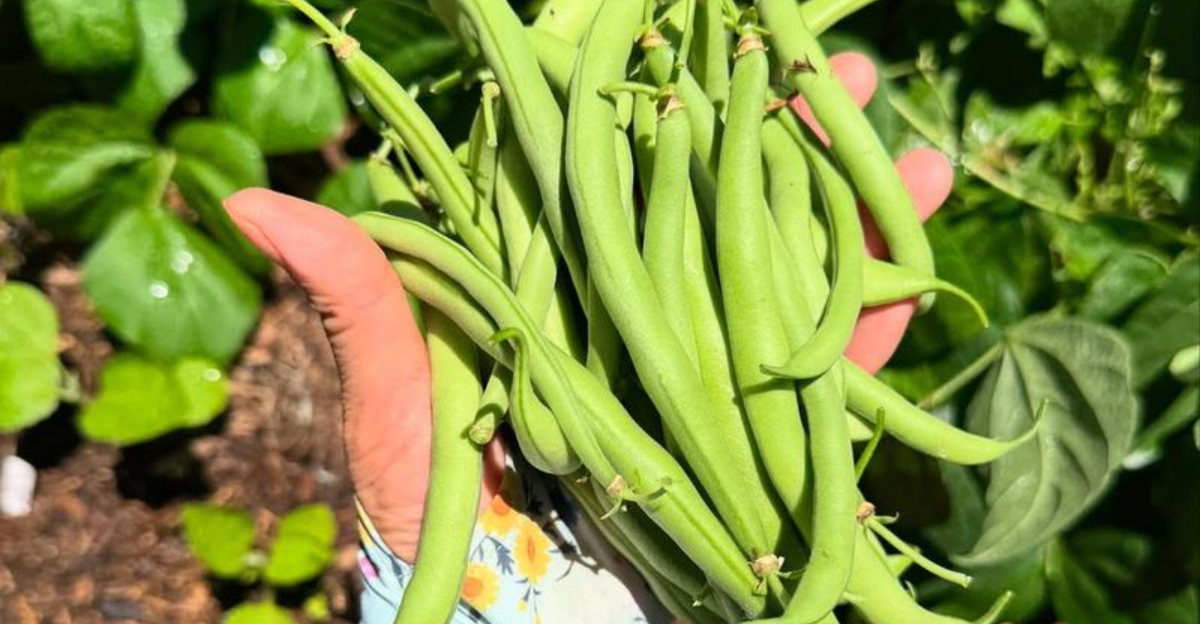
Bush beans are nitrogen-fixing legumes that form partnerships with beneficial soil bacteria, making them perfect for no-till crop rotations.
These special bacteria colonize bean roots and convert atmospheric nitrogen into forms that plants can use, essentially fertilizing your garden for free.
In undisturbed no-till soil, these beneficial bacteria populations remain stable and active, allowing beans to establish their nitrogen-fixing partnerships quickly and efficiently after planting.
The loose, well-aerated structure of no-till beds provides ideal conditions for bush bean roots to spread and support heavy fruit production. Unlike pole beans that require trellising, bush varieties grow compactly and produce concentrated harvests that make picking easy.
California’s warm summers create perfect conditions for beans to thrive, and the mulch layer in no-till beds helps maintain the consistent moisture that beans need during flowering and pod development.
After you harvest your bush beans, their roots break down in the soil and release the nitrogen they fixed during growth, enriching your no-till bed for the next crop in your rotation.
This natural fertility boost reduces or eliminates the need for synthetic fertilizers, making your garden more sustainable and productive over time.
Whether you grow green beans, yellow wax beans, or purple varieties, bush beans will reward your no-till efforts with tender, flavorful pods and improved soil health.