These Vegetables Will Still Produce After The First Frost In Michigan
Frost might signal the end of the growing season for many crops in Michigan, but some vegetables are tough enough to keep producing even after the first chill hits. Cold weather doesn’t have to mean the end of fresh harvests.
Hardy greens, root vegetables, and certain brassicas can withstand frost and continue giving you flavorful, nutritious produce. Imagine picking fresh vegetables while others are already clearing their gardens.
With the right varieties and a little planning, you can extend your Michigan garden’s productivity well into late fall and early winter. A frost doesn’t have to stop your harvest.
Even beginner gardeners can enjoy late-season crops that thrive in colder temperatures. Smart planting means more meals from your garden.
These resilient vegetables let you enjoy Michigan-grown flavors long after the first frost blankets the ground.
1. Kale
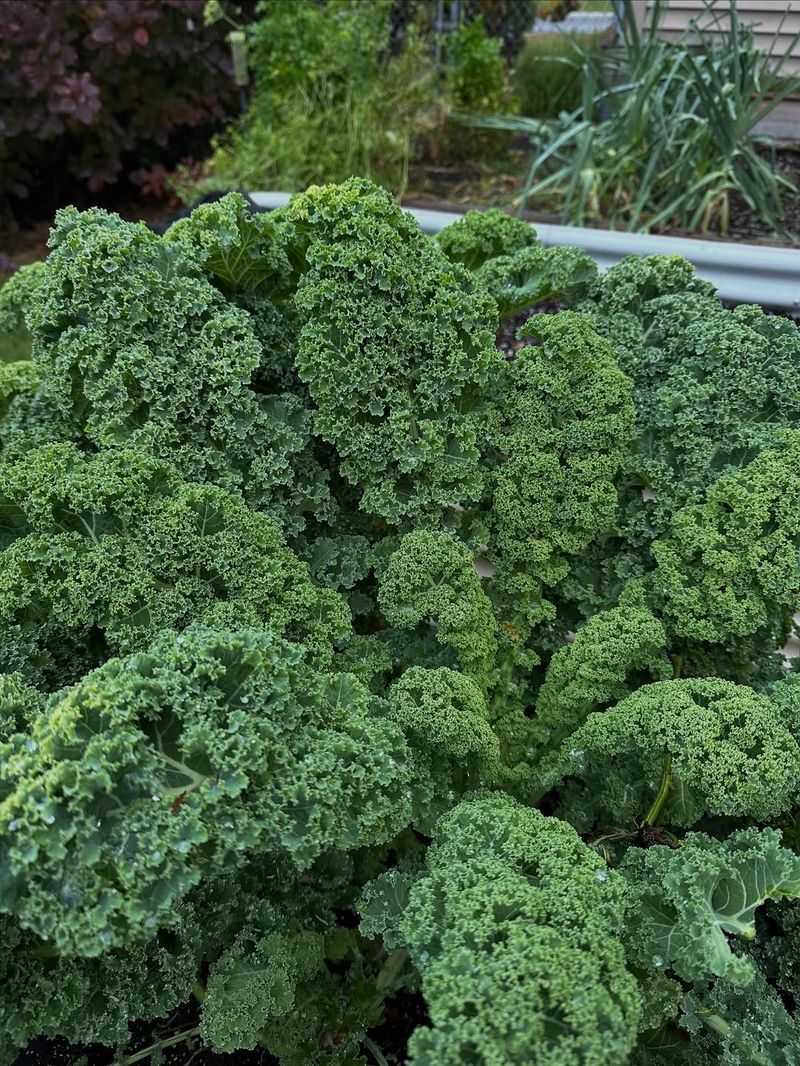
Kale stands as one of the toughest leafy greens you can grow in Michigan gardens, thriving when temperatures dip below freezing. This nutritional powerhouse actually becomes sweeter and more flavorful after frost touches its leaves.
The cold triggers a chemical change inside the plant that converts bitter-tasting starches into sugars, making post-frost kale a delicious addition to salads, smoothies, and cooked dishes.
Gardeners throughout Michigan can harvest kale well into November and December, even when snow starts falling. The plant can withstand temperatures down to 10 degrees Fahrenheit without significant damage.
Many varieties exist, from curly kale to dinosaur kale (also called Lacinato), and all perform exceptionally well in cold conditions.
Growing kale successfully means planting it in late summer for a fall harvest. Space plants about 12 to 18 inches apart in rich, well-draining soil.
Water regularly and apply mulch around the base to help regulate soil temperature as autumn progresses.
When harvesting, pick the outer leaves first and let the center continue producing new growth. This method allows continuous harvesting throughout the cold season.
Michigan’s frost actually does you a favor by improving the taste, so don’t rush to cover your kale plants when temperatures drop.
The vitamin content in kale remains high even after frost exposure, providing essential nutrients during months when fresh produce becomes scarce.
Many Michigan gardeners consider kale their most reliable cold-weather crop, producing abundantly when almost everything else has stopped growing.
You can even harvest leaves from under a light snow cover, making it truly one of the most dependable vegetables for extended season gardening in the Great Lakes region.
2. Spinach
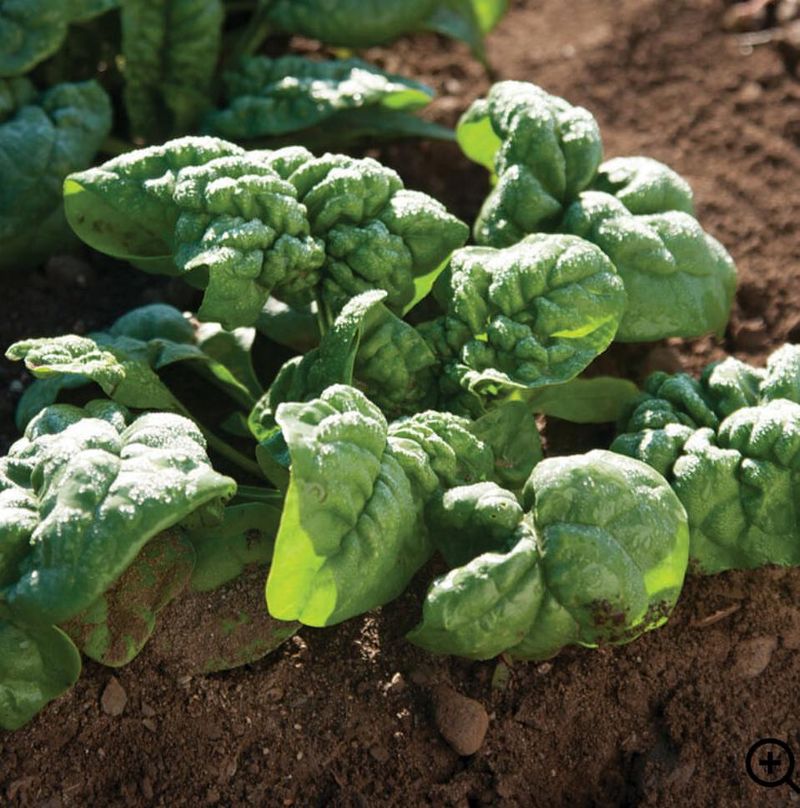
Few vegetables match spinach when it comes to cold tolerance and continued production after frost arrives in Michigan. This leafy green actually prefers cooler weather and can handle temperatures well below freezing, making it perfect for autumn and even winter harvests.
Spinach leaves become tender and sweet when grown in cold conditions, completely different from the sometimes bitter taste of summer-grown varieties.
Michigan gardeners should plant spinach in late August or early September for the best fall harvest. The plants establish quickly and begin producing leaves within a few weeks.
Once frost arrives, growth slows but doesn’t stop, and you can continue picking fresh spinach leaves throughout October, November, and sometimes into December.
Choosing the right variety matters for cold-season growing. Look for types labeled as cold-hardy or winter spinach, which have been bred specifically to tolerate freezing temperatures.
Space plants about four to six inches apart in rows, and make sure the soil drains well to prevent root problems during wet, cold periods.
Harvest spinach by cutting outer leaves and allowing the center to keep producing new growth. This technique extends your harvest period significantly.
The plants can survive temperatures down to 15 degrees Fahrenheit, and a light frost actually improves the flavor by reducing bitterness.
Adding a simple row cover or cold frame over your spinach bed can extend the harvest even further into Michigan’s winter months. The protection doesn’t need to provide warmth, just a barrier against harsh winds and heavy snow.
Many gardeners in Detroit, Ann Arbor, and other Michigan cities successfully harvest spinach through December using this method, enjoying fresh greens when most other vegetables have long finished producing.
3. Brussels Sprouts
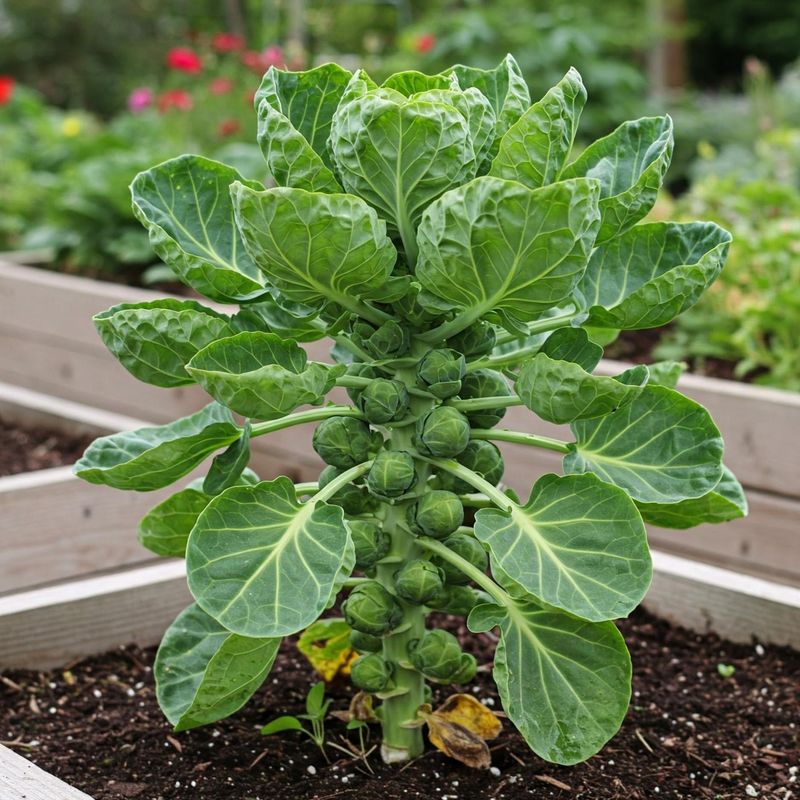
Brussels sprouts practically require frost to reach their full flavor potential, making them ideal for Michigan’s autumn climate. These miniature cabbage-like vegetables grow on tall stalks and develop their sweetest taste only after experiencing several hard frosts.
Before cold weather arrives, Brussels sprouts can taste somewhat bitter and sulfurous, but frost transforms them into sweet, nutty delights that even picky eaters often enjoy.
Growing Brussels sprouts requires patience since they need a long growing season. Plant them in early summer so they have time to develop before autumn arrives.
The plants grow slowly during hot weather but really come into their own when September and October bring cooler temperatures to Michigan.
The vegetable’s unique growing habit means you harvest from the bottom of the stalk upward as the sprouts mature. Lower sprouts ripen first, and you can continue harvesting up the stalk as autumn progresses into early winter.
Brussels sprouts can withstand temperatures down to 20 degrees Fahrenheit, and many varieties tolerate even colder conditions.
Michigan gardeners from Lansing to Kalamazoo appreciate that Brussels sprouts improve with each frost rather than declining. The plant actually becomes more productive as temperatures drop, continuing to form new sprouts at the top while lower ones reach harvest size.
This extended production period means fresh vegetables when garden beds look empty and dormant.
Proper spacing of 24 to 36 inches between plants ensures good air circulation and healthy growth. Stake tall varieties to prevent them from toppling in autumn winds.
Many experienced Michigan gardeners wait until after Thanksgiving to harvest their best Brussels sprouts, knowing that November’s cold temperatures have perfected the flavor. Some even harvest in December, brushing snow off the stalks to pick the sweetest sprouts of the entire season.
4. Carrots
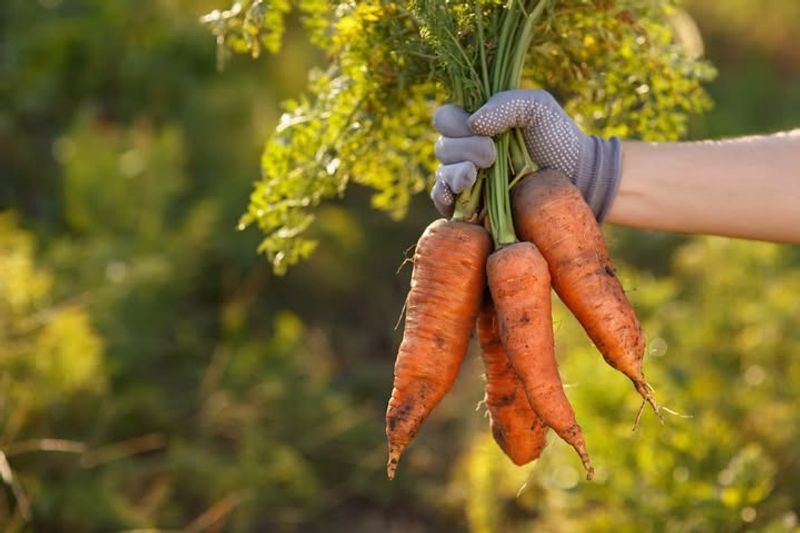
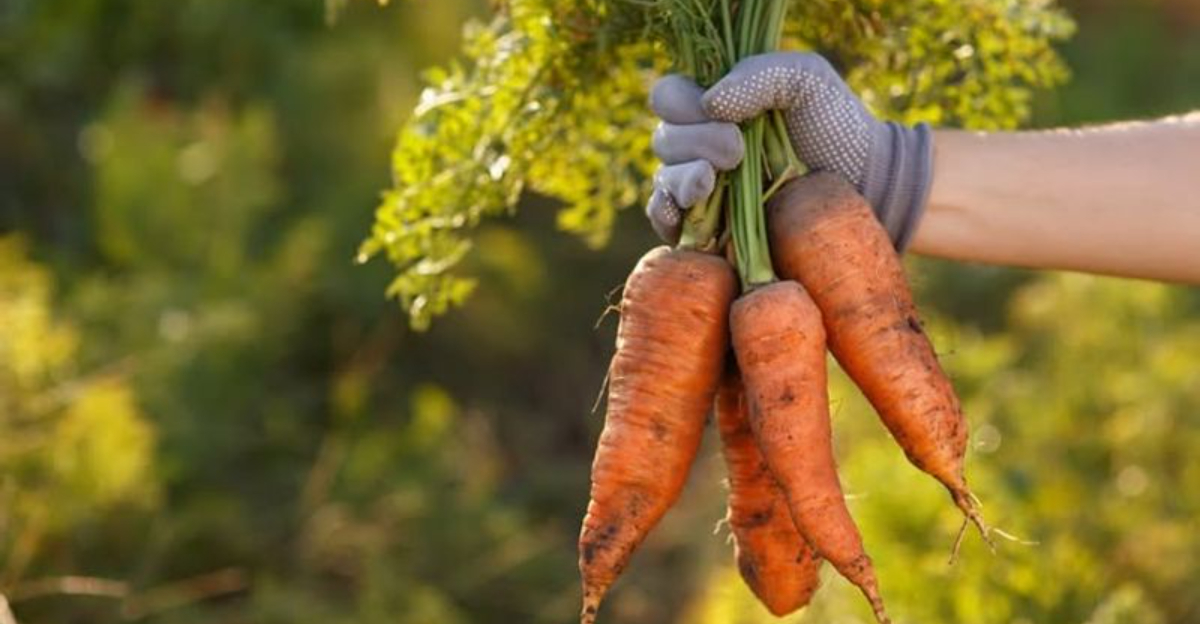
Carrots develop their sweetest flavor when left in Michigan soil through the first frosts of autumn and even into winter.
The cold weather triggers the roots to convert starches into sugars as a survival mechanism, resulting in carrots that taste remarkably sweeter than those harvested in summer.
This natural process makes fall-harvested carrots a favorite among Michigan gardeners who know the secret of waiting for frost.
Planting carrots in mid to late summer ensures they reach good size by the time cold weather arrives. The roots continue growing slowly even as temperatures drop, and they can remain in the ground well into November and December in most parts of Michigan.
Carrots tolerate freezing soil surprisingly well, and many gardeners harvest them throughout winter by mulching heavily with straw or leaves.
The key to successful cold-season carrot growing involves choosing appropriate varieties. Look for types that mature in 60 to 70 days, giving them enough time to develop before hard freezes arrive.
Plant seeds about one inch apart in loose, rock-free soil that drains well. Thin seedlings to three inches apart once they sprout to allow proper root development.
Harvesting carrots after frost requires some technique. The soil may be cold and firm, so watering the bed the day before harvest helps loosen the ground.
Pull carrots gently to avoid breaking the roots. Store harvested carrots in a cool place, or leave them in the ground under mulch and harvest as needed throughout winter.
Michigan’s climate provides perfect conditions for this cold-weather technique. Gardeners in Grand Rapids, Flint, and across the state use heavy mulch layers to keep the soil from freezing solid, allowing carrot harvests even in January during mild winters.
The improved sweetness and crisp texture of frost-exposed carrots makes them superior to store-bought varieties, providing fresh, local produce during Michigan’s coldest months.
5. Cabbage
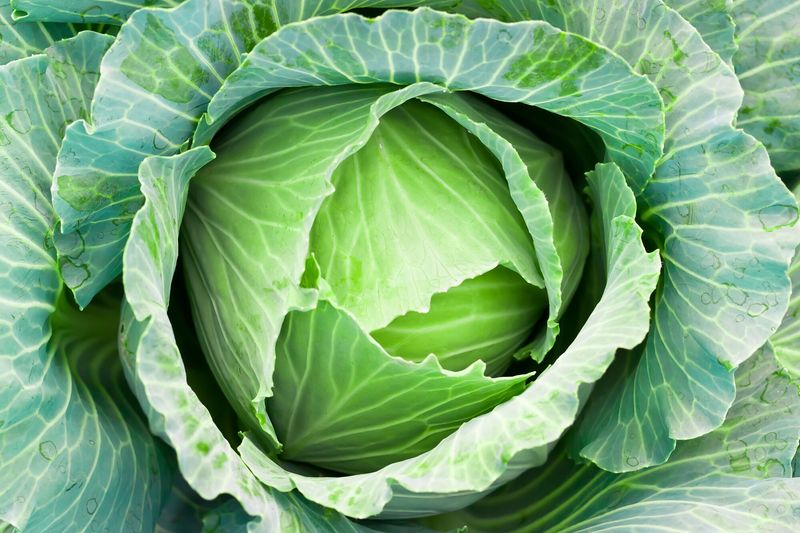
Cabbage thrives in Michigan’s cool autumn weather and continues developing even after several hard frosts touch the garden. This reliable vegetable belongs to the brassica family, known for cold tolerance and improved flavor in chilly conditions.
Frost-kissed cabbage heads become sweeter and more tender than those harvested during summer heat, making them perfect for coleslaw, sauerkraut, and cooked dishes.
Successful cabbage growing for fall harvest begins with planting in mid-summer. Transplant seedlings into the garden in July or early August, spacing them 12 to 18 inches apart in rows.
Cabbage needs consistent moisture and fertile soil to form tight, solid heads. Apply mulch around plants to retain moisture and regulate soil temperature as autumn approaches.
The plants can withstand temperatures down to 20 degrees Fahrenheit without damage to the heads. In fact, light freezes improve the eating quality by reducing any bitterness and increasing sweetness.
Michigan gardeners can harvest cabbage well into November, and with protection like row covers, even into December in southern parts of the state.
Watch for head formation starting in September and October. When heads feel firm and solid when squeezed, they’re ready for harvest.
Cut the head at the base, leaving the outer leaves and stem in the ground. Often, small secondary heads will form from the remaining plant, providing a bonus harvest before winter truly sets in.
Different cabbage varieties offer various cold-tolerance levels. Savoy cabbage, with its crinkled leaves, handles cold particularly well and remains tender even after frost. Green and red cabbage varieties also perform excellently in Michigan’s autumn conditions.
Gardeners throughout the state, from the Upper Peninsula to the Ohio border, rely on cabbage as one of their most dependable cold-season crops, appreciating its ability to produce substantial harvests when most other vegetables have stopped growing for the year.
6. Leeks
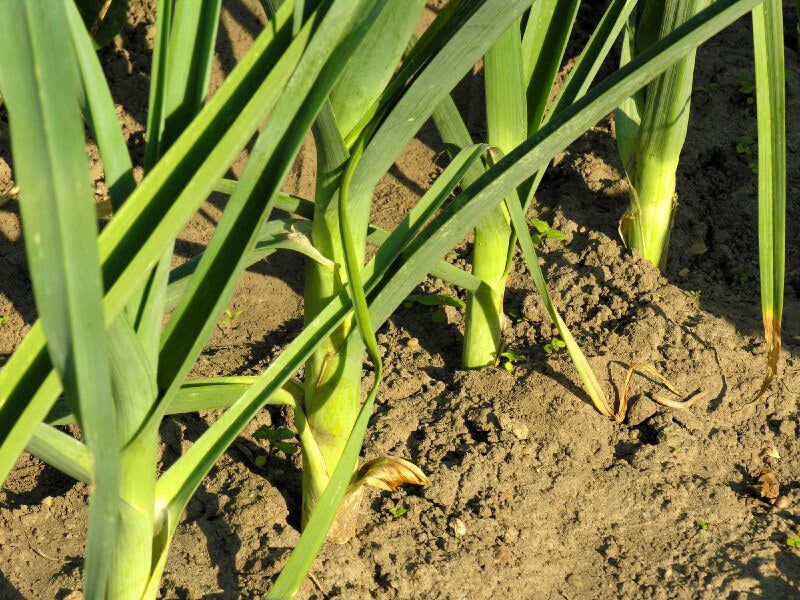
Leeks stand among the most cold-tolerant vegetables you can grow in Michigan, easily surviving multiple hard frosts and even snow cover.
These members of the onion family actually improve in quality when exposed to cold weather, developing a milder, sweeter flavor that makes them perfect for soups, stews, and roasted dishes.
Many Michigan gardeners consider leeks an essential cold-season crop because they produce when almost nothing else will.
Growing leeks requires starting early since they need a long growing season to reach good size. Plant seeds indoors in March or April, or purchase transplants in May or June.
Set young leeks into the garden with about six inches between plants. As they grow, gradually mound soil around the stems to blanch them, creating the tender white portion that’s so prized in cooking.
Leeks continue growing slowly throughout autumn in Michigan, even as temperatures drop significantly. They can survive temperatures well below 20 degrees Fahrenheit, and many varieties tolerate even colder conditions.
The plants don’t form bulbs like onions, instead developing thick, cylindrical stems that remain tender and flavorful through frost and freezing weather.
Harvesting leeks can continue from October through December and even into January during mild Michigan winters. Use a garden fork to loosen the soil around the plant before pulling to avoid breaking the stem.
Wash leeks thoroughly since soil often gets trapped between the layers as you mound dirt for blanching.
Applying a thick layer of mulch around leek plants in late autumn extends the harvest season significantly. The mulch keeps the soil from freezing solid, making harvesting easier during cold snaps.
Gardeners across Michigan, from Marquette to Monroe, successfully harvest leeks through Thanksgiving and Christmas, enjoying fresh, locally grown produce when supermarket prices peak.
Some varieties, particularly those bred for winter hardiness, can even overwinter and resume growing in spring, though most Michigan gardeners harvest them before the coldest winter months arrive.
7. Parsnips
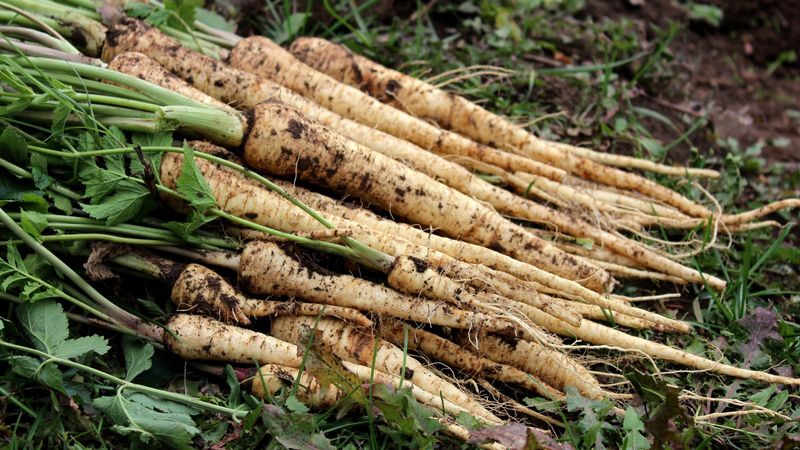
Parsnips represent perhaps the ultimate frost-loving vegetable, requiring exposure to freezing temperatures before they develop their characteristic sweet, nutty flavor.
These cream-colored root vegetables look similar to white carrots but taste completely different, especially after Michigan’s autumn frosts work their magic.
Before frost, parsnips can taste woody and bland, but cold weather transforms them into sweet, tender roots that caramelize beautifully when roasted.
Growing parsnips successfully means planning ahead since they require a long growing season of 100 to 120 days. Plant seeds in late April or May directly in the garden, as parsnips don’t transplant well.
The seeds germinate slowly, sometimes taking three weeks to sprout. Thin seedlings to four inches apart once they emerge, and be patient through the summer as the roots develop slowly underground.
The real magic happens in autumn when frost arrives in Michigan. Leave parsnips in the ground through multiple frosts, even after the foliage turns brown and collapses.
The roots continue improving in flavor with each cold snap. Many experienced Michigan gardeners wait until after Thanksgiving or even Christmas to harvest, knowing that November and December frosts create the sweetest parsnips.
Harvesting parsnips from frozen ground requires some strategy. Apply thick mulch in late autumn to keep the soil workable, or harvest during brief warm spells when the ground thaws slightly.
Use a garden fork to loosen the soil deeply since parsnip roots can extend 12 to 18 inches down.
Throughout Michigan, from Saginaw to Battle Creek, gardeners prize parsnips as a dependable cold-season crop that actually needs frost to reach its potential.
The roots can remain in the ground all winter under mulch, though some gardeners harvest and store them in cool, moist conditions.
Either way, parsnips provide fresh, sweet vegetables during Michigan’s coldest months, making them an invaluable addition to any garden focused on extended season production.