These 7 Western Oregon Natives Bloom Earlier Than Azaleas
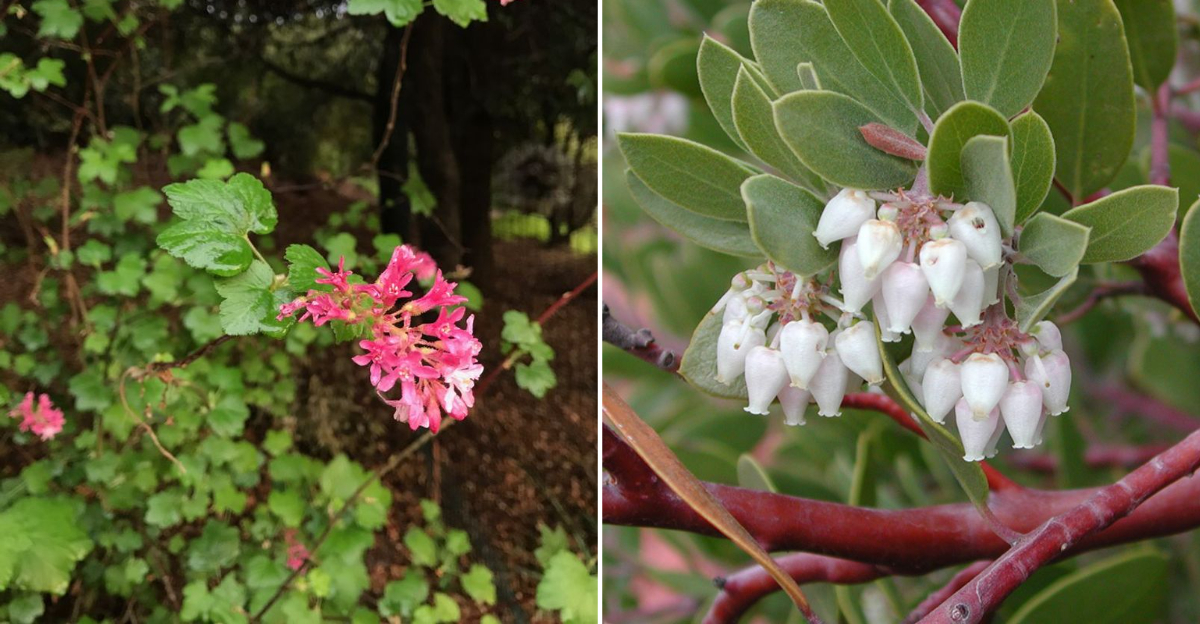
Azaleas get all the spring hype, but in western Oregon, some native plants beat them to the show.
While many gardens are still waiting for color, these early bloomers are already lighting up landscapes with fresh flowers and new growth.
They take advantage of cool temperatures, seasonal rain, and longer daylight to burst into bloom weeks ahead of popular ornamentals.
The bonus is they’re built for local conditions, which means less watering, fewer problems, and stronger performance year after year.
These natives also provide early food for pollinators that are just starting to emerge. If you love seeing the first signs of spring as early as possible, these plants deliver that excitement fast.
Get ready to discover the western Oregon natives that start blooming before azaleas even think about opening.
1. Red Flowering Currant
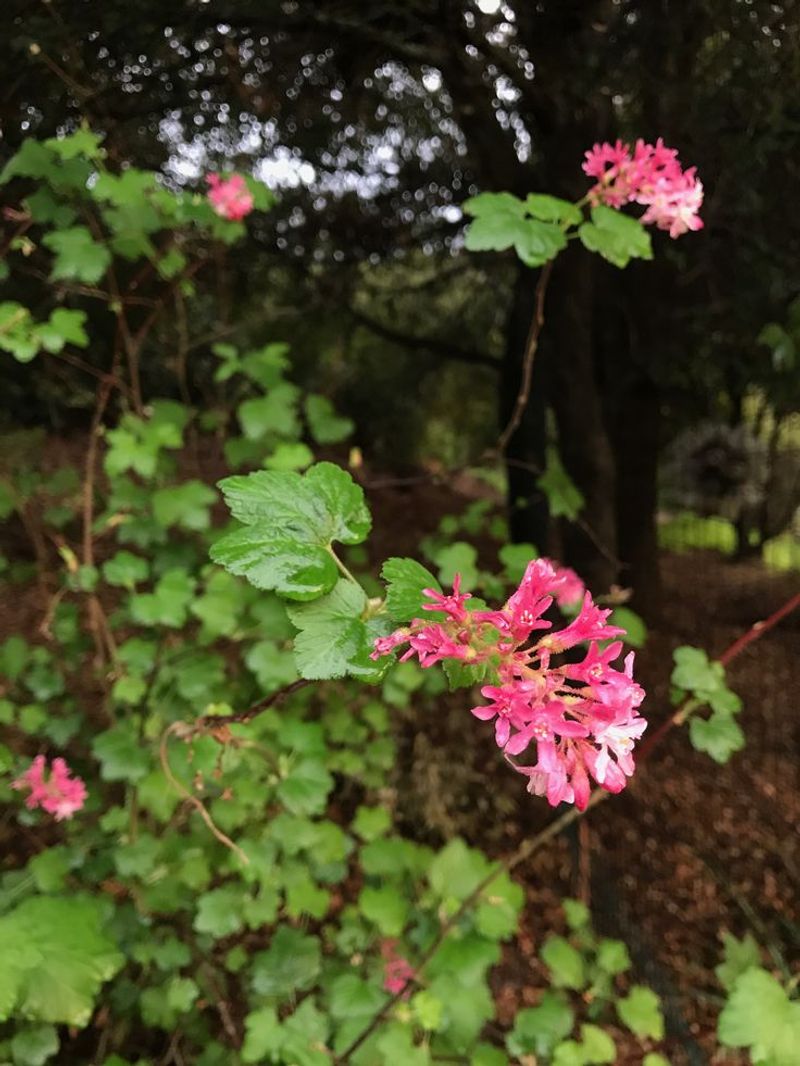
Hummingbirds start arriving in Western Oregon right when this spectacular shrub bursts into bloom, creating one of nature’s perfect timing moments.
The bright pink to deep rose flowers hang in drooping clusters that look like tiny chandeliers decorating bare branches.
This native shrub typically starts flowering in late February or early March, giving your garden a vibrant splash of color when most plants are still asleep.
Gardeners love how Red Flowering Currant adapts to different growing conditions throughout Western Oregon’s diverse microclimates. The plant thrives in partial shade or full sun and doesn’t demand constant attention once established.
Its arching branches can reach six to ten feet tall, making it perfect for creating natural privacy screens or filling in empty corners of your yard.
The flowers eventually transform into small bluish-black berries that birds absolutely devour during summer months. Native pollinators depend on this early nectar source when few other food options exist.
Planting one near a window lets you watch hummingbirds perform their aerial acrobatics while they feed.
This shrub handles Western Oregon’s wet winters and dry summers without complaint. The foliage releases a pleasant fragrance when you brush against it, adding another sensory dimension to your garden experience.
Its early blooming habit makes it an essential anchor plant for anyone wanting to support local wildlife year-round.
2. Oregon Grape
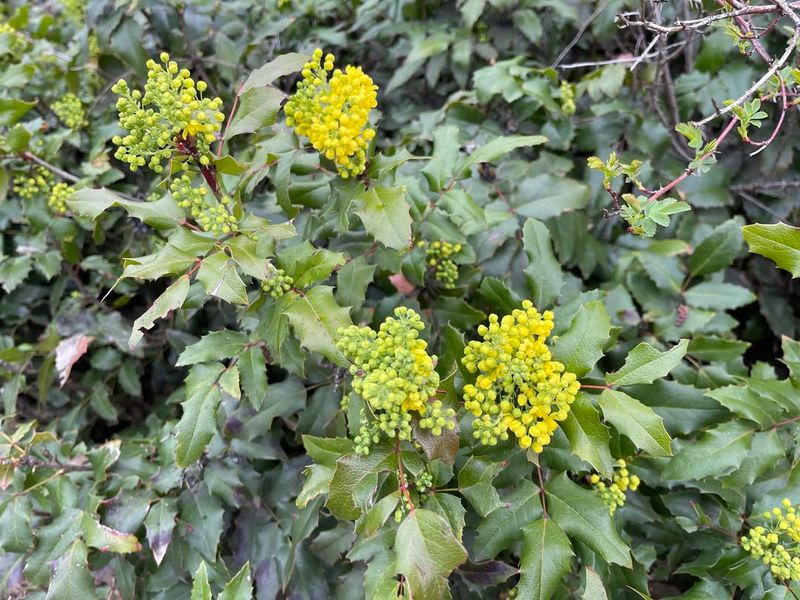
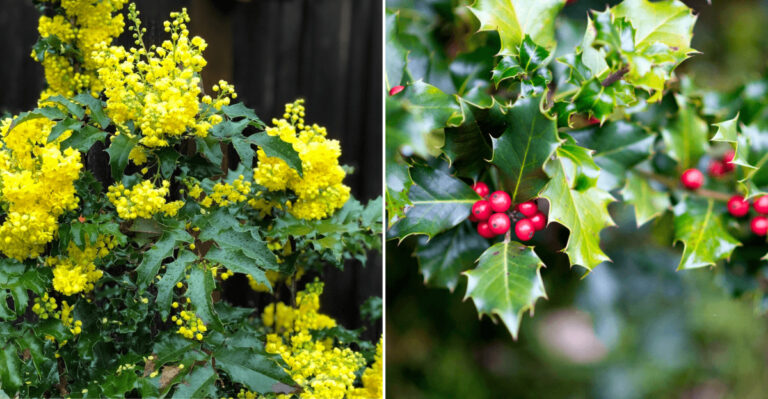
Bright yellow flower clusters emerge from this evergreen shrub sometimes as early as January in mild Western Oregon winters.
The cheerful blooms stand out dramatically against the plant’s glossy, holly-like leaves that often take on burgundy tones during cold weather.
Oregon Grape earned its status as the state flower, and watching it bloom ahead of azaleas shows exactly why residents feel so proud of this native.
The flowers develop into grape-like clusters of blue berries that give the plant its common name. Birds feast on these tart fruits throughout summer while the dense foliage provides year-round shelter for small wildlife.
Gardeners appreciate how the plant stays attractive even when not flowering, unlike many spring bloomers that fade into the background.
This tough native handles shade better than most flowering shrubs, making it perfect for those difficult spots under trees.
Western Oregon’s Douglas-fir forests naturally host Oregon Grape as an understory plant, so it feels right at home in similar garden conditions.
The plant spreads slowly through underground runners, eventually forming attractive colonies without becoming invasive.
Deer usually leave Oregon Grape alone thanks to its spiny leaves, solving a common problem for Western Oregon gardeners.
The plant requires virtually no maintenance once established and tolerates drought surprisingly well for a native adapted to our rainy climate.
3. Indian Plum (Osoberry)
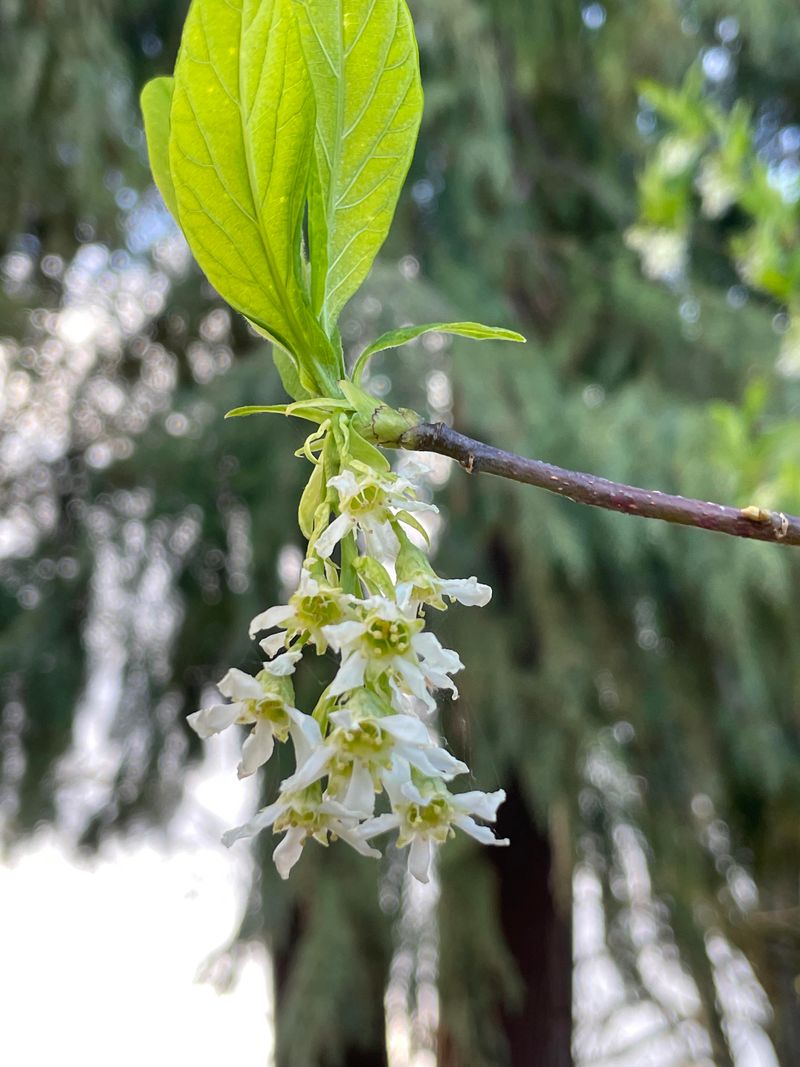
Few Western Oregon natives signal spring’s arrival quite like Indian Plum with its delicate white flowers appearing in late February.
The small bell-shaped blooms dangle in graceful clusters before any leaves emerge, creating an ethereal appearance that gardeners find enchanting.
This deciduous shrub often goes unnoticed during summer, but its early flowering habit makes it a star performer when gardens need color most desperately.
The common name comes from the small plum-like fruits that develop after flowering, though calling them plums sets up false expectations. These bitter fruits serve wildlife better than humans, providing important food for birds during late summer.
Native peoples found uses for various parts of the plant, demonstrating the deep connections between Western Oregon’s indigenous communities and local flora.
Indian Plum grows naturally along streams and in moist woodlands throughout the region, adapting well to garden conditions that mimic these environments. The shrub can reach fifteen feet tall but responds well to pruning if you need to keep it smaller.
Its upright, somewhat gangly growth habit works perfectly in naturalized areas or mixed native plantings.
Western Oregon gardeners value how this plant leafs out extremely early, sometimes showing green foliage in January during warm spells.
The leaves turn beautiful yellow shades in autumn before dropping, bookending the growing season with color.
4. Manzanita
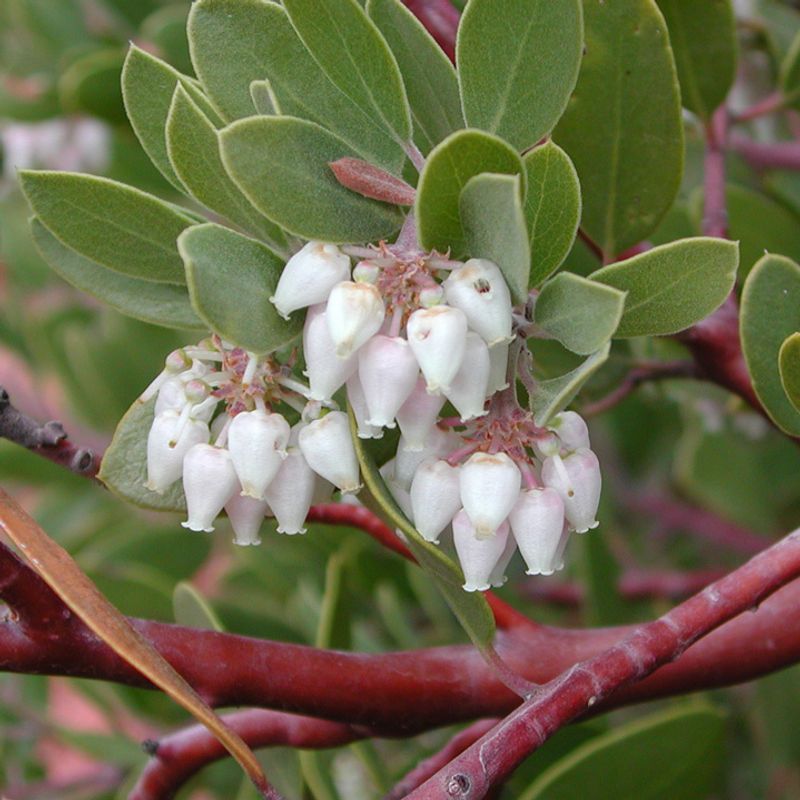
Smooth mahogany-colored bark catches your eye first, but then you notice the tiny urn-shaped flowers blooming as early as February on this stunning evergreen.
Manzanita brings architectural interest to Western Oregon gardens year-round, with its twisted branches and leathery leaves creating living sculptures.
The delicate pink or white flowers appear in drooping clusters, attracting early-season bees that desperately need nectar sources.
Several manzanita species grow naturally in Western Oregon, particularly in the drier regions south of Eugene and along coastal areas.
These plants evolved to handle tough conditions, making them surprisingly drought-tolerant once established despite our reputation for constant rain.
The evergreen foliage stays attractive through all seasons, providing structure when other plants look bare and lifeless.
Gardeners sometimes struggle with manzanitas because the plants hate having wet feet during winter. Planting them in well-drained soil or on slopes solves this problem and lets you enjoy their unique beauty.
The flowers eventually develop into small apple-like fruits that give the plant its Spanish name, which means “little apple.”
Hummingbirds visit manzanita flowers regularly, hovering among the branches while sipping nectar. Western Oregon’s native manzanitas tend to stay smaller than their California cousins, fitting better into typical suburban landscapes.
The peeling bark adds winter interest that rivals any flower display.
5. Salmonberry
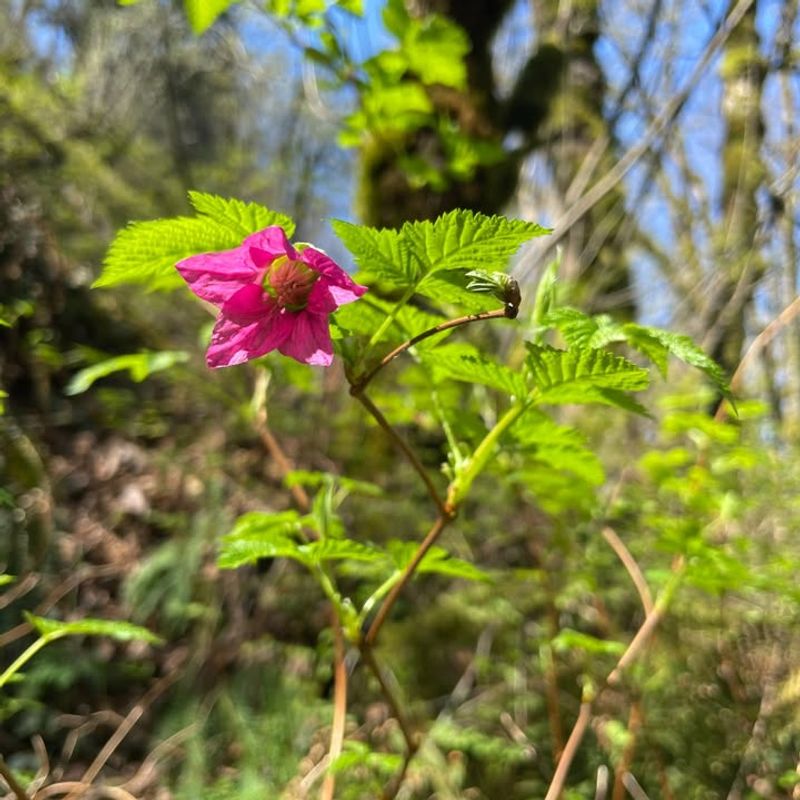
Vibrant magenta-pink flowers light up Western Oregon’s streambanks and moist forests starting in March, sometimes even earlier in protected locations.
Salmonberry belongs to the rose family, and its showy five-petaled flowers prove the connection beautifully.
The plant sends up tall canes similar to raspberries, though the growth habit tends to be less aggressive and more manageable in garden settings.
These flowers develop into salmon-colored berries by early summer, providing the first ripe fruit of the season for both wildlife and humans.
The berries taste mild and slightly sweet, lacking the intense flavor of cultivated raspberries but offering a pleasant snack during garden walks.
Native peoples throughout Western Oregon relied on salmonberries as an important traditional food source, harvesting them fresh and preserving them for winter use.
The plant thrives in consistently moist soil, making it perfect for those boggy areas where other shrubs struggle. Western Oregon’s wet climate suits salmonberry perfectly, and established plants spread through underground runners to form attractive thickets.
The foliage emerges bright green and stays fresh-looking throughout the growing season.
Gardeners appreciate how salmonberry handles shade better than most fruit-producing plants. The canes grow six to twelve feet tall, creating natural screens that also support beneficial insects and nesting birds.
Planting salmonberry near water features or in rain gardens takes advantage of its moisture-loving nature while adding early spring color.
6. Western Serviceberry
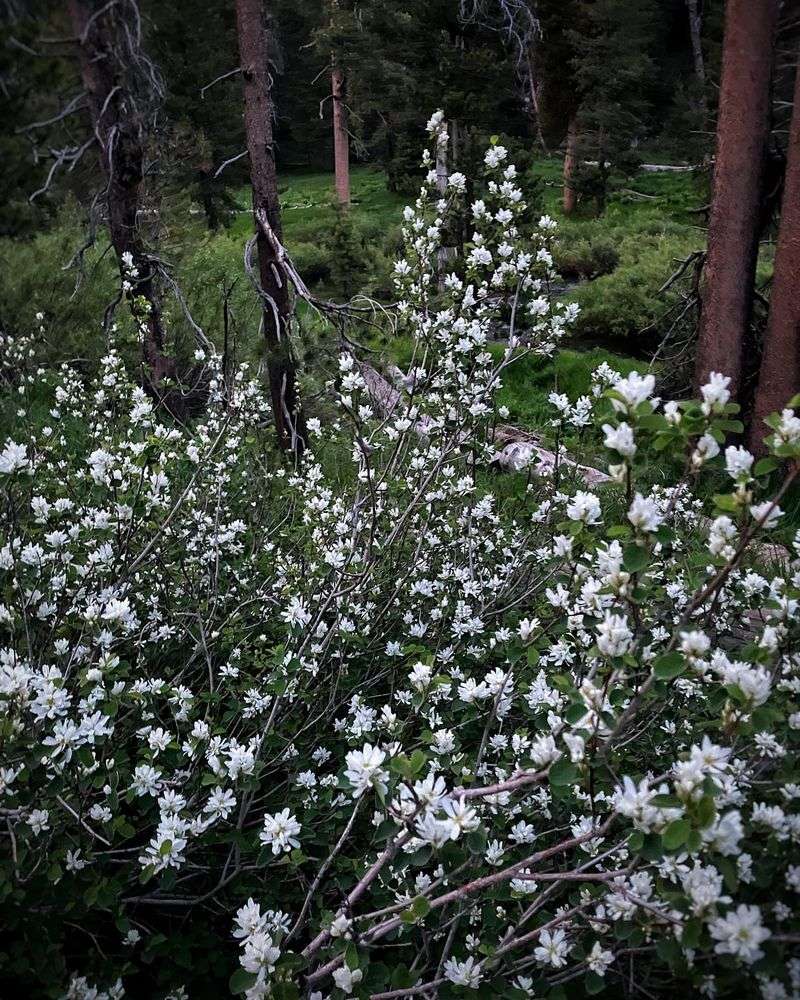
Clouds of white flowers transform this small tree or large shrub into a showstopper during March throughout Western Oregon.
Western Serviceberry produces five-petaled blooms that appear before the leaves fully expand, creating a display that rivals any ornamental cherry.
The flowers cluster at branch tips, standing out dramatically against gray spring skies and making the plant visible from quite a distance.
The common name comes from the flowers’ timing, which historically coincided with when ground thawed enough for burial services in colder climates. Western Oregon’s milder winters mean the blooming happens earlier here, but the name stuck anyway.
Native peoples harvested the sweet purple berries extensively, drying them for winter food and mixing them into pemmican.
Birds discover serviceberry fruits almost immediately after they ripen in early summer, often stripping the plant clean within days. Gardeners who want to taste the berries need to act fast or cover branches with netting.
The fruits taste similar to blueberries with a slight almond flavor from the seeds.
This native adapts to various soil types across Western Oregon, from valley floors to mountain foothills. The plant typically stays under twenty feet tall, fitting nicely into smaller landscapes.
Autumn brings beautiful orange and red foliage colors that rival any introduced ornamental. Western Serviceberry handles our wet winters and increasingly dry summers without special care once established.
7. Western Trillium
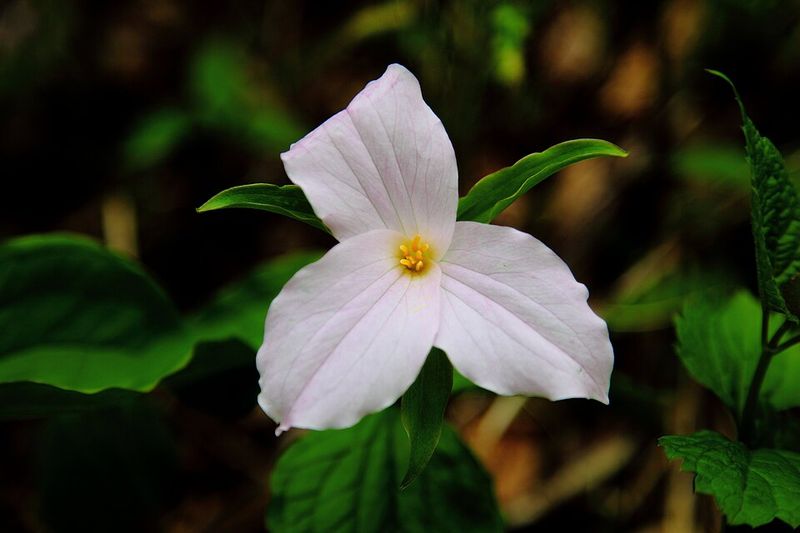
Walking through Western Oregon’s forests in late February or early March often reveals these elegant wildflowers emerging through leaf litter.
Western Trillium produces a single flower with three large white petals that age to pink or rose as they mature.
The distinctive three-part pattern extends to everything about the plant, from its leaves to its flower parts, creating perfect symmetry that feels almost mathematical.
Each plant takes years to reach flowering size, making established colonies precious and worth protecting. The flowers sit atop a whorl of three broad leaves, rising six to twelve inches above the forest floor.
Western Oregon’s moist, shaded woodlands provide ideal conditions for trilliums, though they adapt surprisingly well to garden settings that mimic these environments.
Gardeners need patience with trilliums because transplanted specimens often take a year or two to settle in before blooming. The flowers last several weeks, eventually developing into berry-like seed capsules that ants disperse throughout the forest.
This ant relationship helps explain why trillium colonies expand so slowly, moving just inches per year.
The blooms appear well before azaleas in Western Oregon, bringing sophisticated beauty to shade gardens when color options seem limited. Deer usually avoid trilliums, making them reliable performers in areas with heavy browsing pressure.
Adding trilliums under trees or along shaded pathways creates a woodland garden atmosphere that feels authentically Pacific Northwest.