These Winter Garden Plants Actually Benefit From Snow Cover In Wisconsin
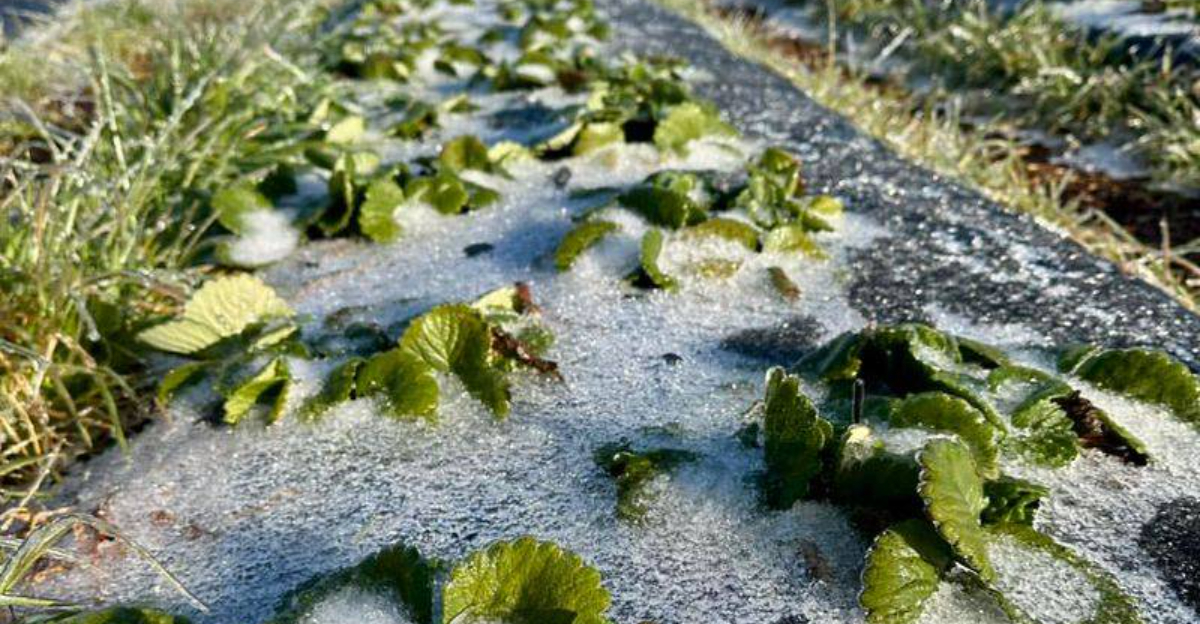
Snow may look like trouble for your garden, but in Wisconsin it can actually be a quiet helper.
While winter storms pile up white blankets across yards, some garden plants are better off because of it.
Snow acts like natural insulation, protecting roots from harsh temperature swings and bitter winds.
Instead of harming plants, steady snow cover can help them survive winter stronger than expected.
It’s one of those hidden benefits many gardeners overlook while focusing on spring and summer.
In Wisconsin’s long, cold winters, exposed soil can freeze deep and fast.
Snow slows that process and helps keep moisture locked in for when plants wake up.
Certain winter-hardy plants rely on this layer of protection to make it through the toughest months.
Without it, they’re more vulnerable to damage from sudden thaws and deep freezes.
Understanding which plants benefit from snow can change how you see winter gardening.
Sometimes the best thing you can do for your garden is let nature do its job.
1. Garlic Cloves Planted In Fall
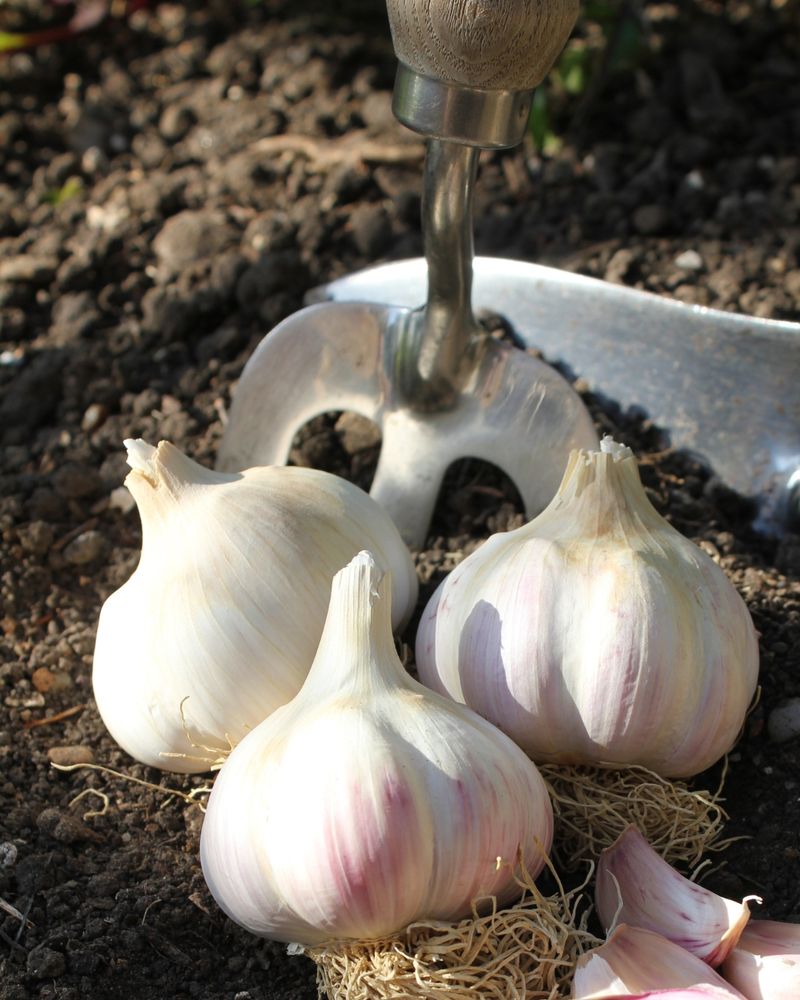
Garlic planted in autumn across Wisconsin gardens actually craves that thick layer of snow that piles up through December and January.
The snow creates a stable environment underground where garlic cloves develop strong root systems without the stress of constant freezing and thawing cycles that can push bulbs right out of the soil.
Wisconsin gardeners who plant garlic in October find that snow cover keeps soil temperatures more consistent, usually hovering between 30 and 35 degrees Fahrenheit even when air temperatures plunge below zero.
Root development continues slowly under the snow, giving garlic a head start for spring growth.
When temperatures swing wildly without snow protection, garlic bulbs can heave upward and become exposed to damaging cold air.
Snow prevents this problem completely while also maintaining soil moisture levels that keep developing roots hydrated throughout winter months.
Most Wisconsin varieties like German White and Music perform best with at least four to six inches of snow cover from late November through March.
The insulation allows garlic to enter a proper dormancy period without stress.
Exposed garlic in bare soil often shows stunted growth come spring because the plants exhausted energy trying to survive temperature fluctuations.
Snow also suppresses weed germination around garlic beds, meaning less work for gardeners when growing season returns.
Many experienced Wisconsin gardeners add a layer of straw mulch before the first snow arrives, and then the snow adds extra protection on top.
This combination creates ideal conditions for garlic to develop the large, flavorful bulbs that Wisconsin is known for producing.
Come spring thaw, those snow-protected cloves send up vigorous green shoots weeks earlier than unprotected plantings.
2. Strawberry Plants With Established Crowns
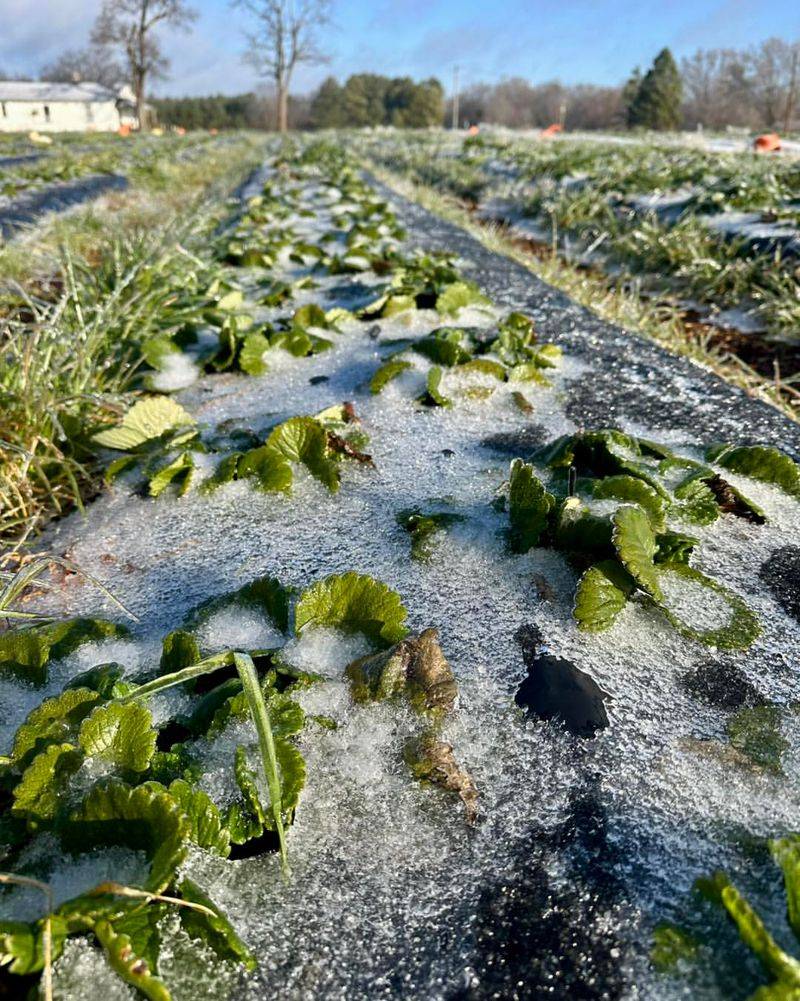
Strawberry crowns tucked into Wisconsin garden beds rely heavily on snow cover to make it through winter without damage to their sensitive growing points.
The crown sits right at soil level where the roots meet the leaves, and this spot is incredibly vulnerable to temperature stress and drying winds that sweep across frozen ground.
A good snow blanket keeps crowns at a steady temperature, preventing the freeze-thaw cycles that can crack and damage these essential plant parts.
June-bearing varieties popular in Wisconsin like Jewel and Honeoye need consistent cold to set fruit buds for the following summer.
Snow provides exactly the right conditions for this process.
Without adequate snow cover, crowns can desiccate as winter winds pull moisture from plant tissues faster than frozen roots can replace it.
Wisconsin strawberry growers know that plants under six inches of snow emerge healthier and produce more berries than those left exposed.
The snow also protects against sudden cold snaps that can drop temperatures to twenty below zero or colder across the state.
Even cold-hardy strawberry varieties struggle when exposed to these extremes without insulation.
Interestingly, snow cover eliminates the need for heavy mulching in many Wisconsin locations, though gardeners in northern counties often combine both methods for extra security.
The moisture from melting snow in early spring provides the first drink of water strawberry roots receive after months of dormancy.
This gradual hydration process is gentler than sudden spring rains and helps plants transition smoothly into active growth.
Crowns that spent winter under snow typically produce runners and daughter plants more vigorously, expanding your strawberry patch naturally for seasons to come.
3. Perennial Herbs Like Thyme And Oregano
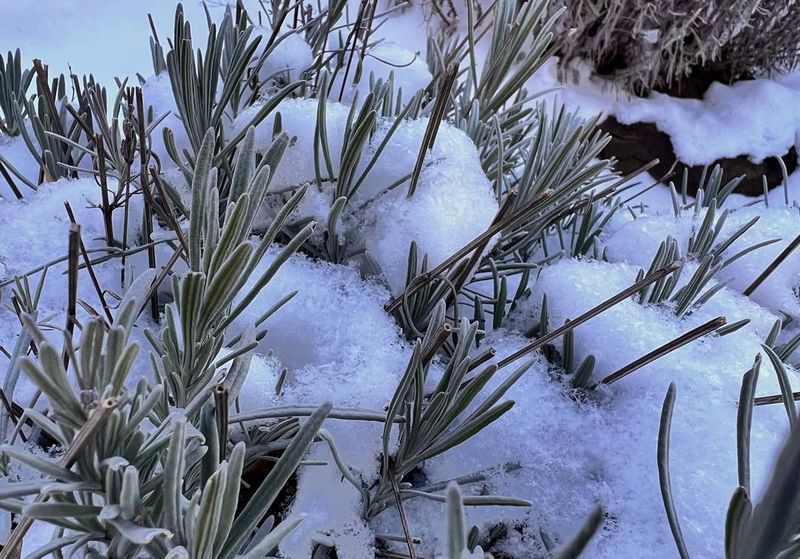
Mediterranean herbs that have adapted to Wisconsin gardens benefit tremendously from snow cover, even though their ancestors grew in warmer climates.
Thyme and oregano develop woody stems that can withstand cold temperatures, but their shallow root systems need protection from the intense cold and drying conditions common across Wisconsin winters.
Snow acts as a moisture reservoir and temperature buffer that these herbs desperately need during the long months between November and April.
Bare ground in Wisconsin can freeze solid to depths of three feet or more during severe winters.
Herb roots sitting in this frozen soil without snow cover often suffer damage not from cold alone but from dehydration.
Plants continue losing small amounts of moisture through their stems even in dormancy, and without snow cover, roots cannot access any water to replace what’s lost.
Wisconsin gardeners who grow thyme and oregano in raised beds or rock gardens see the biggest benefits from snow accumulation.
These growing areas tend to have excellent drainage but can dry out quickly in winter without precipitation.
A thick snow layer keeps moisture available and prevents the soil from freezing into a solid block.
The insulating properties of snow maintain soil temperatures around 32 degrees even when air temperatures in Wisconsin drop to negative numbers.
This stable environment lets herb roots remain in true dormancy without stress.
Many Wisconsin herb enthusiasts notice that their thyme and oregano plants emerge from snow-covered winters with less dieback and more vigorous green growth.
The plants leaf out faster and reach harvestable size weeks earlier than herbs that spent winter exposed to harsh conditions without protection.
4. Spring-Blooming Bulbs Including Tulips And Daffodils
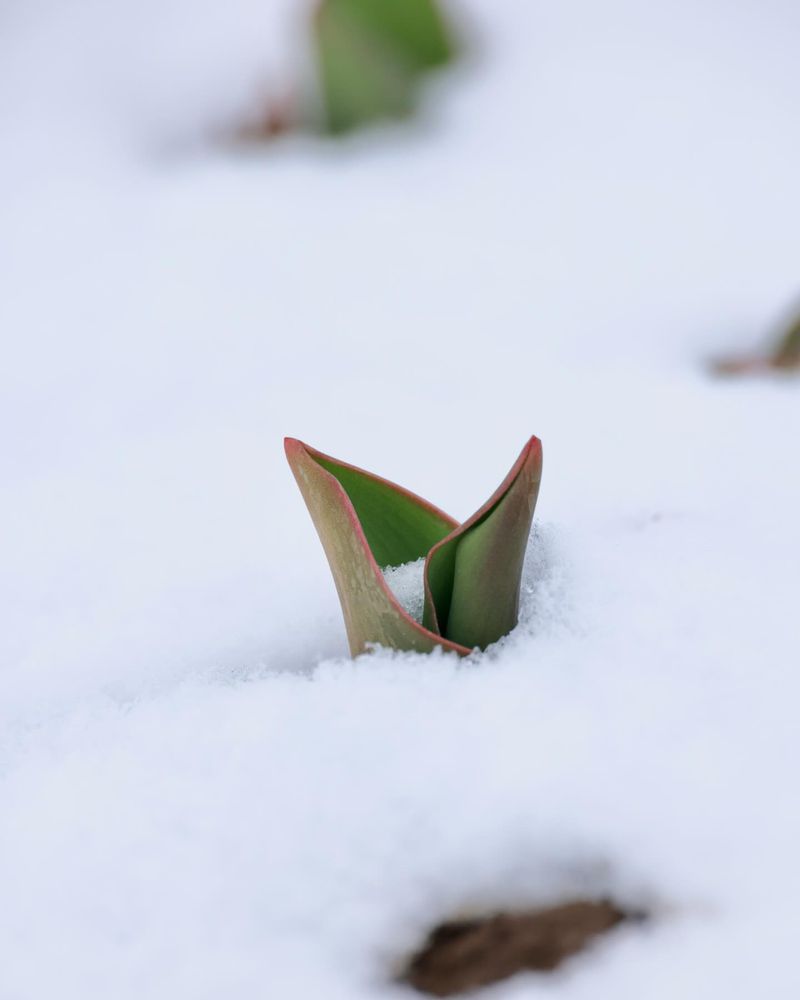
Tulips, daffodils, and other spring bulbs planted throughout Wisconsin depend on extended cold periods under snow to bloom properly when warm weather finally arrives.
These bulbs require a process called vernalization, where they must experience weeks of cold temperatures to trigger flower formation inside the bulb.
Snow cover provides the perfect conditions for this process by maintaining consistent cold without the damaging temperature swings that can confuse bulb development.
Bulbs sitting under snow in Wisconsin soil stay cold enough to complete vernalization but warm enough to avoid freezing damage to developing flower buds.
The snow also keeps soil moisture levels steady, which bulbs need to stay hydrated during their long winter wait.
Dry soil can cause bulbs to shrivel and fail to bloom even if they survive the cold.
Wisconsin’s unpredictable winter weather, with its mix of extreme cold snaps and occasional warm spells, can really mess with bulb development.
Snow cover smooths out these fluctuations, keeping bulbs in a stable environment regardless of what’s happening in the air above.
This stability is especially important in late winter when Wisconsin can see temperature swings of forty degrees or more in a single day.
Gardeners across Wisconsin notice that bulbs planted in areas that hold snow all winter produce taller stems, larger flowers, and more vibrant colors than those in spots where snow melts off repeatedly.
The snow also prevents early sprouting during warm February or March days that sometimes occur across the state.
Premature growth that gets hit by subsequent freezes results in damaged or absent flowers.
Snow-covered bulbs stay dormant until conditions are truly right for growth, leading to spectacular spring displays that make Wisconsin gardens come alive after the long winter.
5. Asparagus Crowns In Established Beds
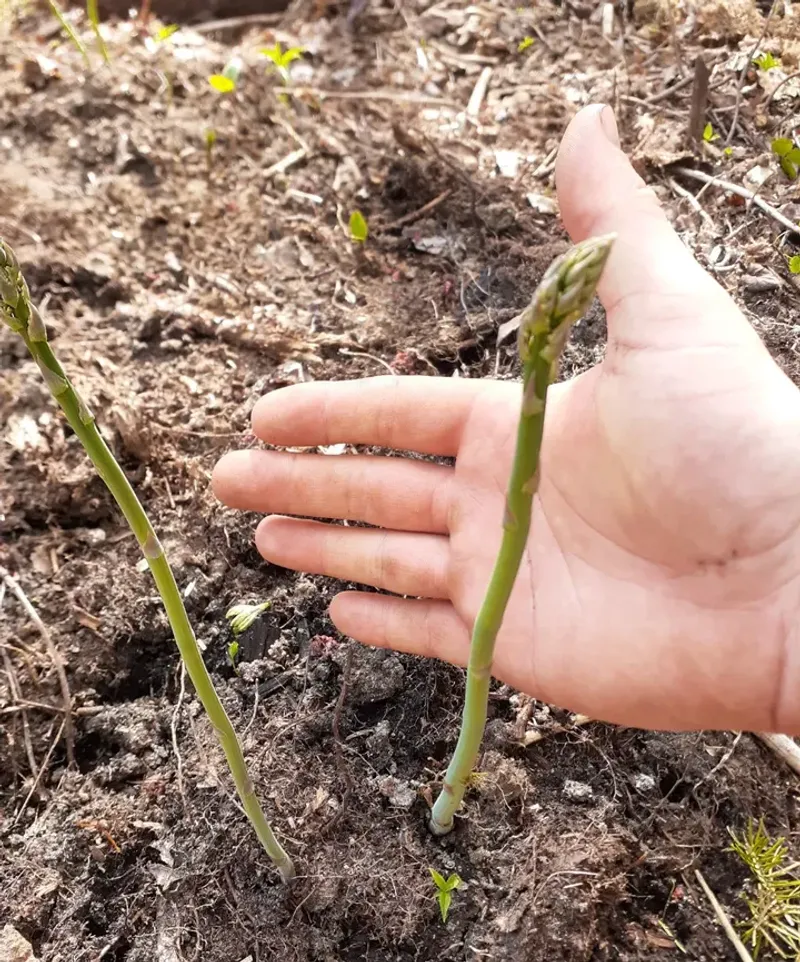
Asparagus beds scattered across Wisconsin gardens need that heavy snow cover to protect their underground crowns from the brutal cold that settles in for months each year.
These perennial vegetables store energy in their crowns and root systems during winter, preparing for the burst of growth that produces those tender spears each spring.
Snow insulation keeps crown temperatures stable enough that the plants can rest properly without expending energy fighting temperature stress.
The crowns of asparagus plants sit several inches below the soil surface, but without snow cover, frost can penetrate deep into Wisconsin’s soil and reach them.
Repeated freezing and thawing can damage crown tissues and reduce the vigor of spring spear production.
Snow prevents this by maintaining a more consistent soil temperature throughout the winter months.
Wisconsin asparagus growers have noticed that beds with reliable snow cover produce spears earlier in spring and continue producing for a longer harvest window.
The plants emerge from winter with more stored energy because they didn’t waste resources dealing with temperature stress.
Snow also adds moisture to the soil as it gradually melts in March and April, giving asparagus crowns the water they need to fuel rapid spring growth.
Established asparagus beds can live for fifteen years or more in Wisconsin gardens, but only if the crowns remain healthy through each winter.
Snow cover is one of the most important factors in crown health and longevity.
Many Wisconsin gardeners who grow asparagus in exposed areas add extra mulch before winter as insurance against low snow years.
However, in normal Wisconsin winters with adequate snowfall, the natural snow blanket provides all the protection these hardy perennials need to thrive and produce abundant harvests year after year.
6. Hardy Roses Bred For Cold Climates
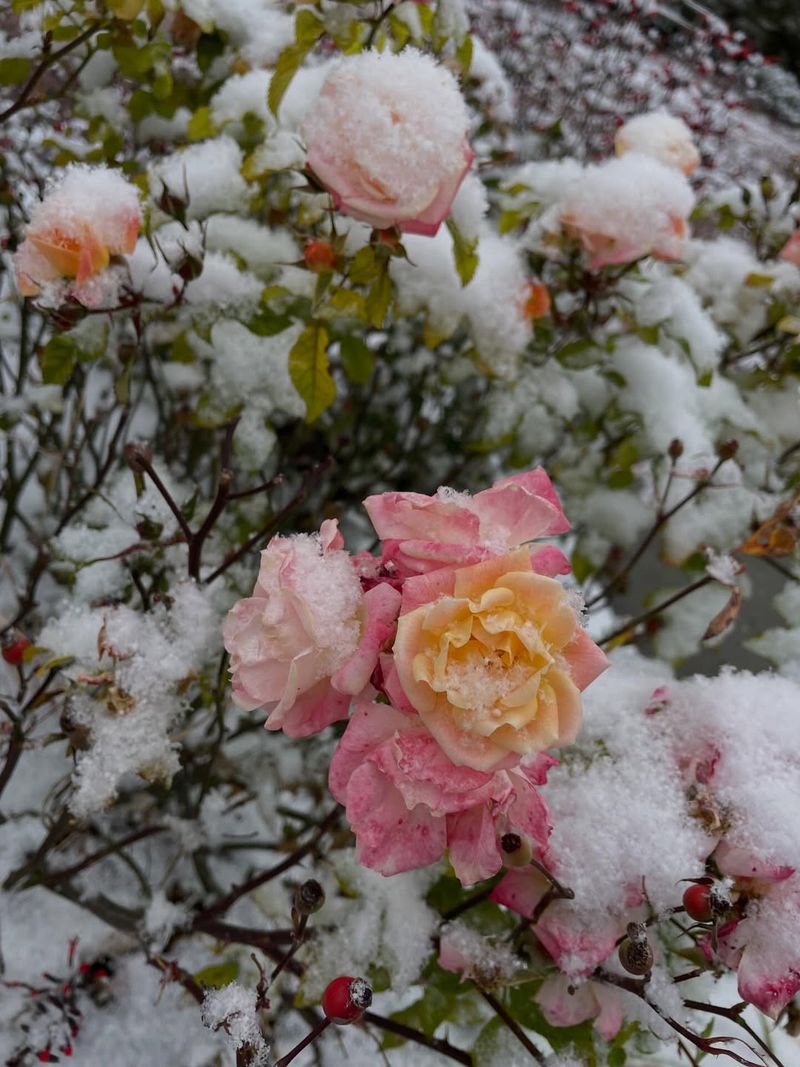
Cold-climate roses developed for places like Wisconsin actually perform better with snow piled around their canes throughout winter.
Varieties from the Parkland and Explorer series, along with rugosa roses, have been bred to handle extreme cold, but they still benefit from the insulation that snow provides.
The snow protects both the root system and the lower portions of canes from desiccation and temperature extremes that can damage even hardy varieties.
Wisconsin winters bring not just cold but also drying winds that can pull moisture from rose canes faster than dormant roots can replace it.
This winter desiccation causes cane dieback that reduces flowering the following summer.
Snow cover prevents this moisture loss by creating a humid environment around the base of the plant where the most important canes originate.
Roses under snow also avoid the damage caused by sudden temperature changes common in Wisconsin during late winter.
A warm spell followed by a hard freeze can crack cane tissues and create entry points for disease.
Snow moderates these swings, keeping canes at a more stable temperature regardless of air temperature fluctuations above the snow surface.
Many Wisconsin rose enthusiasts notice that their hardy roses produce more canes and more blooms after winters with good snow cover.
The bud union, where the rose variety is grafted onto rootstock, is especially vulnerable to cold damage and benefits greatly from snow insulation.
Even shrub roses that bloom on new wood each year show improved performance when their roots and crown spend winter under snow.
The moisture from melting snow also provides early spring hydration that gets roses off to a strong start.
Gardens across Wisconsin showcase beautiful rose displays each summer partly because winter snows protected these plants during their dormant months.
7. Sedum And Other Cold-Hardy Succulents
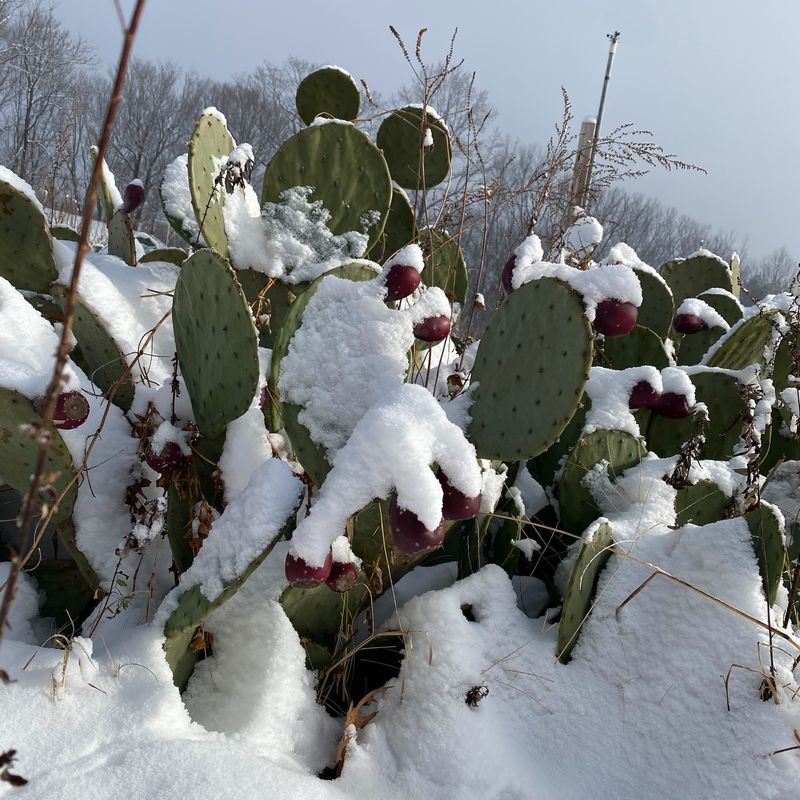
Sedum varieties that thrive in Wisconsin gardens might seem like unlikely candidates for snow cover benefits since they’re succulents adapted to dry conditions, but these plants actually rely on winter snow for protection.
Popular types like Autumn Joy and Dragon’s Blood sedum have shallow, spreading root systems that sit close to the soil surface where they’re vulnerable to Wisconsin’s deep frost penetration.
Snow cover prevents the ground from freezing to extreme depths and protects these roots from damage.
The fleshy leaves and stems of sedum contain water that can freeze and rupture cell walls if temperatures drop too quickly or too far.
Snow acts as insulation that moderates the rate of temperature change, allowing plant tissues to acclimate gradually to cold rather than experiencing shock from sudden freezes.
This gradual cooling and the stable temperatures under snow help sedum survive even the coldest Wisconsin winters without tissue damage.
Sedum plants left exposed in Wisconsin gardens often show browning and mushiness in spring where tissues froze and thawed repeatedly.
Plants that spent winter under snow emerge clean and firm, ready to put out new growth as soon as temperatures rise.
The snow also provides moisture as it melts, which is important for sedum even though they’re drought-tolerant during the growing season.
Wisconsin gardeners appreciate that sedum provides winter interest with its dried flower heads poking through early snows, and then the deeper snows of midwinter cover and protect the plants completely.
Come spring, sedum is among the first perennials to green up and start growing, especially in areas where snow cover was consistent.
The combination of cold-hardiness and snow protection makes sedum an ideal choice for Wisconsin landscapes where reliable winter beauty and easy care are priorities for gardeners throughout the state.