These 9 Winter Garden Tasks Are Still Worth Doing In Washington
Winter can make Washington gardens feel finished for the season, even though a lot is still happening beneath the surface.
Cold soil, short days, and steady moisture often give the impression that nothing useful can be done until spring.
Many gardeners step away completely during winter, not realizing this pause can create extra work later.
Certain tasks done now take advantage of slower growth and quieter beds. That timing makes spring maintenance easier and more manageable.
Winter conditions in Washington actually make some jobs less stressful for plants than they would be later in the year.
Handling them now helps protect soil structure, roots, and early growth potential.
Skipping these tasks doesn’t usually cause immediate problems, which is why they’re easy to overlook.
The right winter work keeps gardens steady through the cold months and sets them up for a smoother transition into spring.
1. Clear Fallen Leaves From Vegetable Beds
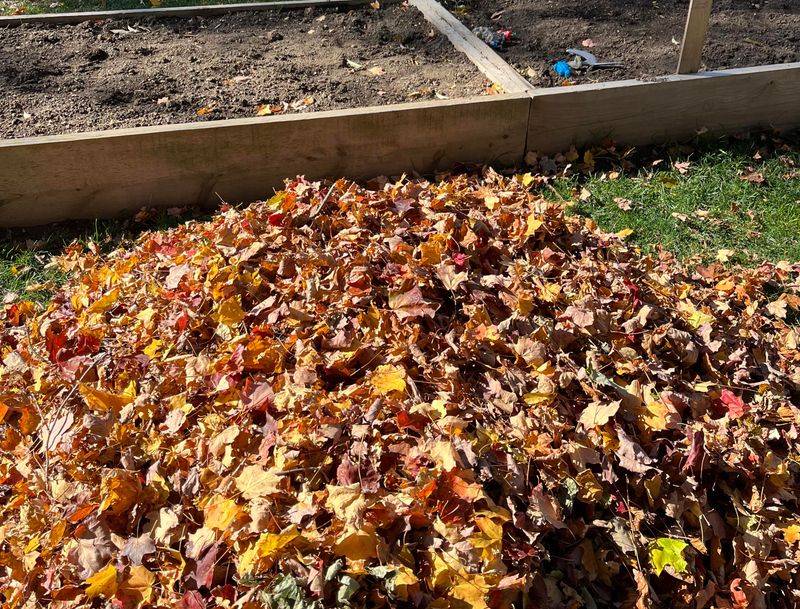
Wet leaves piling up across garden beds might seem harmless at first glance. However, they create problems that sneak up on gardeners throughout Washington during the rainy season.
Moisture gets trapped underneath thick layers, creating an environment where fungal diseases thrive and beneficial soil organisms struggle.
Vegetable beds need air circulation even when nothing is actively growing in them. Leaves block oxygen from reaching the soil surface, which affects the microorganisms that keep your dirt healthy.
Slugs and other pests also love hiding in damp leaf piles, making spring planting more challenging.
Removing leaves doesn’t have to happen all at once. You can work section by section on dry days when the task feels less overwhelming.
Use a rake or your hands to gather them into piles, then move them to your compost bin or use them as mulch in other areas.
Washington winters bring plenty of rain, so timing matters when clearing beds. Try to finish this job between storms rather than during constant downpours.
Your back will thank you, and the beds will dry out faster.
2. Improve Drainage In Waterlogged Areas
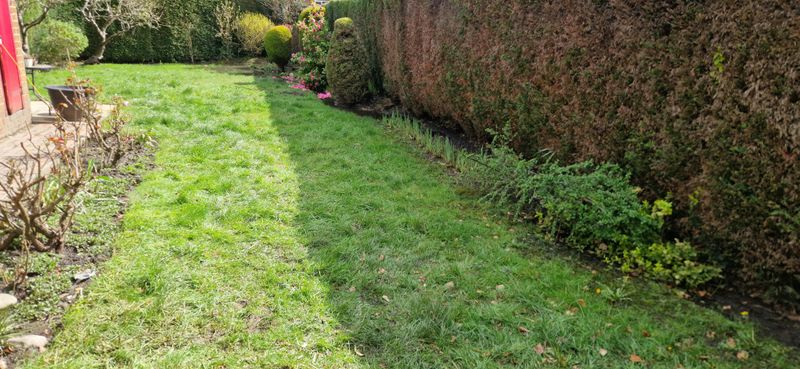
Standing water after every rainstorm signals a drainage problem that won’t fix itself. Gardens across Washington face this challenge because our winters dump serious amounts of rain in short periods.
Poor drainage drowns plant roots, creates muddy messes, and turns garden paths into obstacle courses.
Identifying problem spots is the first step toward solutions. Walk your garden after a heavy rain and notice where puddles form and linger.
These areas need help moving water away from where plants will eventually grow.
Adding organic matter like compost improves soil structure and helps water move through clay-heavy Washington dirt. Work it into the top several inches of soil in affected areas.
This creates channels for water to flow rather than pool on the surface.
French drains offer another solution for seriously waterlogged spots. These underground trenches filled with gravel redirect water away from garden beds.
They require some digging but solve persistent problems that amendments alone can’t fix.
Raised beds naturally improve drainage by elevating plants above problem areas. If your entire yard struggles with water, building raised beds might be the smartest long-term investment.
Washington gardeners often find this approach saves countless headaches.
Grading your garden so it slopes slightly away from beds also helps. Even a gentle slope encourages water to flow toward designated drainage areas instead of pooling where you don’t want it.
Some plants actually tolerate wet conditions better than others. While fixing drainage, consider whether certain areas might work better as rain gardens with moisture-loving native plants.
This turns a problem into a feature.
3. Add Compost To Resting Garden Beds
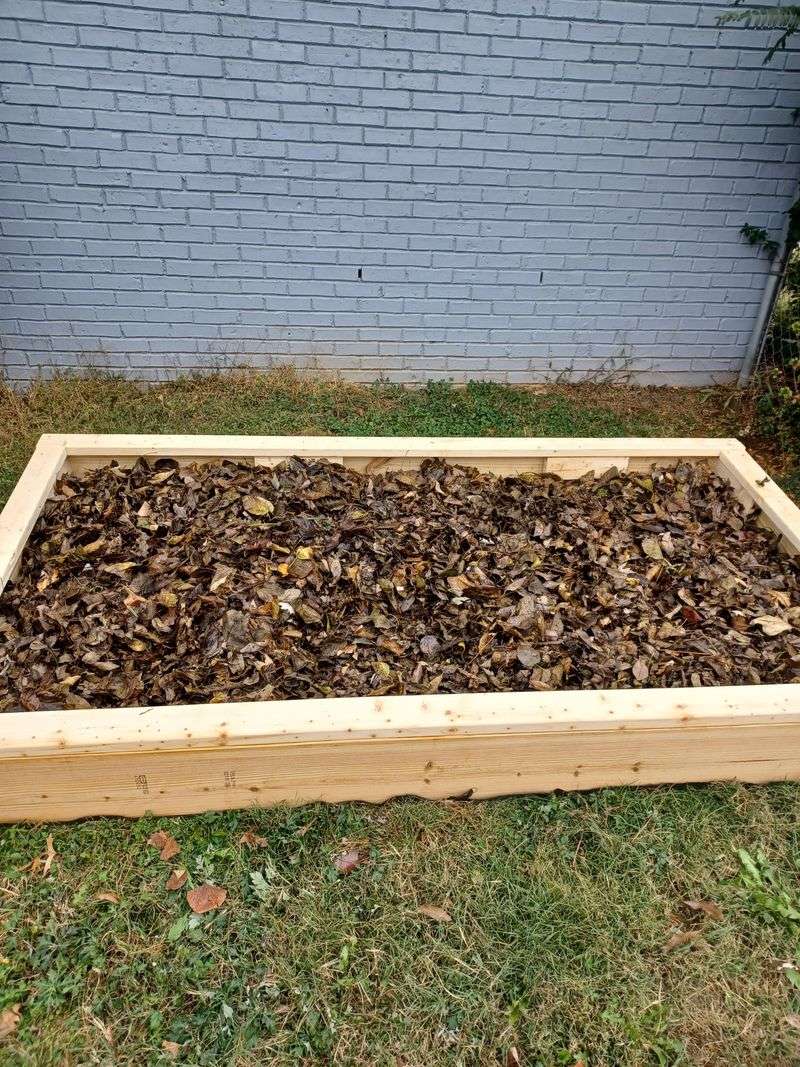
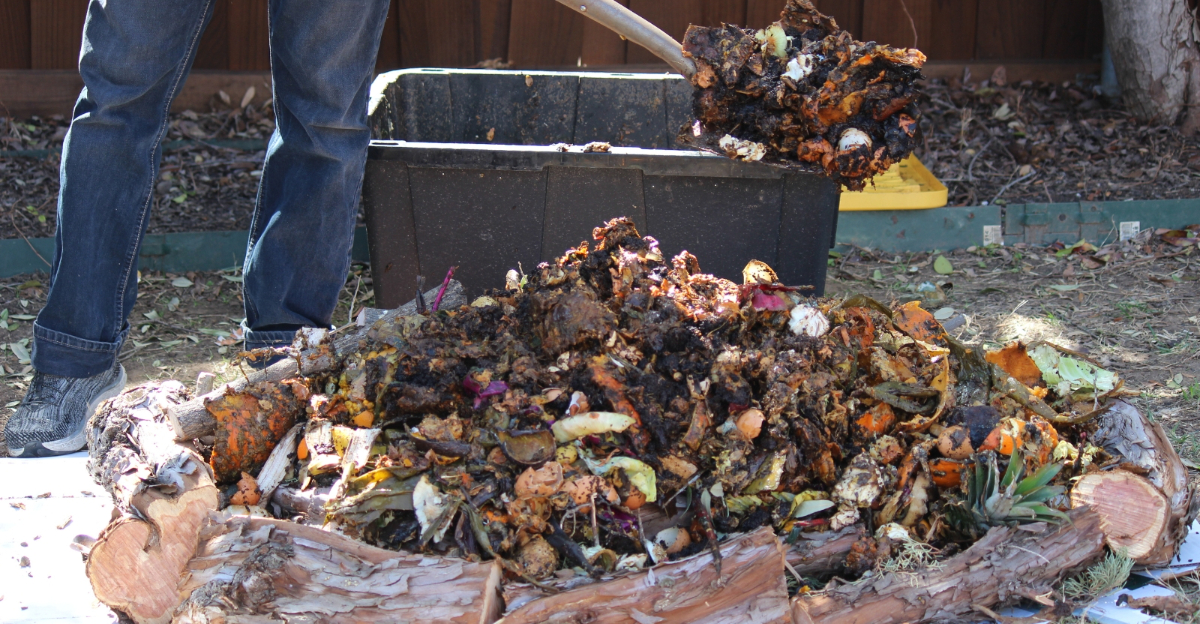
Empty beds might look like they’re taking a break, but winter is actually prime time for soil improvement. Spreading compost across resting beds gives it months to integrate before planting begins.
Rain and freeze-thaw cycles naturally work amendments into the soil structure without you having to do the heavy mixing.
Washington’s wet winters help compost break down and release nutrients slowly. By spring, your soil will be richer and more alive with beneficial organisms.
This head start means stronger plants and better harvests when growing season arrives.
You don’t need fancy compost for this task. Homemade compost works beautifully, or you can purchase it from local sources.
Spread a layer two to three inches thick across beds, then let nature do the rest.
Timing this task for early winter gives compost maximum time to work its magic. The longer it sits, the more thoroughly it integrates with existing soil.
Washington gardeners who add compost in December see noticeably better results than those who wait until March.
Compost improves more than just nutrients. It enhances soil structure, helping clay soils drain better and sandy soils retain moisture.
This is especially valuable in Washington, where soil types vary dramatically even within small yards.
Worms and other beneficial creatures will discover your compost layer and help mix it downward. You’ll see increased earthworm activity in beds that receive regular compost applications.
These underground workers are your best gardening allies.
Some gardeners worry about compost washing away in heavy rain. A light covering of straw or leaves helps hold it in place while still allowing water to penetrate.
This simple trick keeps your amendment where you want it.
4. Prune Dormant Trees And Shrubs When Weather Allows
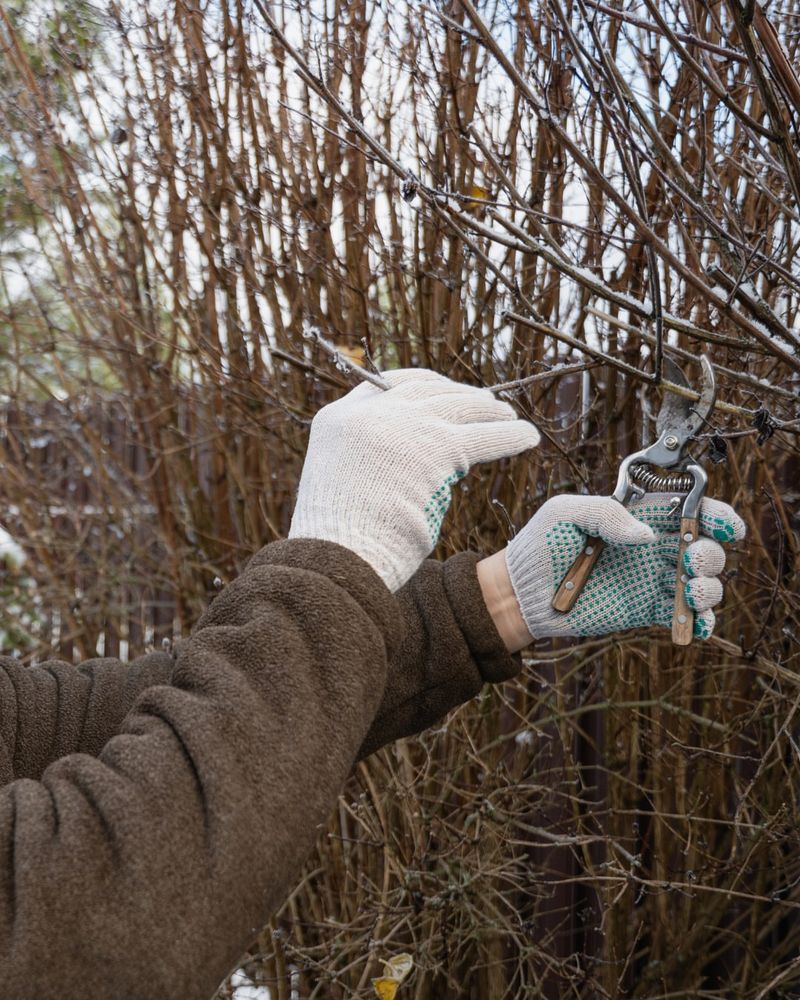
Bare branches make it easy to see the structure of trees and shrubs clearly. Dormancy is the ideal time for pruning because plants aren’t actively growing, which means less stress and faster healing.
Washington’s mild winters provide plenty of opportunities to tackle this task between rain showers.
Fruit trees especially benefit from winter pruning. Removing crossing branches, water sprouts, and damaged wood improves air circulation and light penetration.
Better airflow means fewer disease problems when humid spring weather arrives.
Shrubs that bloom on new wood can be shaped now without sacrificing flowers. Research your specific plants before cutting, since some bloom on old wood and should be pruned after flowering instead.
Knowledge prevents accidentally removing next season’s blossoms.
Pruning tools should be sharp and clean to make smooth cuts that heal quickly. Dull blades crush plant tissue, creating entry points for disease.
A quick sharpening session before you start makes the whole job easier and healthier for your plants.
Washington weather can be unpredictable, so choose days when temperatures are above freezing. Pruning during hard freezes can damage exposed wood.
Watch the forecast and plan your pruning sessions for milder stretches.
Start by removing obviously damaged, diseased, or broken branches. Then step back and assess the overall shape before making aesthetic cuts.
It’s easy to get carried away and remove too much, so work slowly and thoughtfully.
Young trees need pruning to establish good structure early. Correcting problems now prevents bigger issues as trees mature.
Washington gardeners who invest time in proper young tree pruning save themselves expensive corrective work later.
Don’t forget about berry bushes and cane fruits. Raspberries, blackberries, and blueberries all benefit from winter pruning.
Removing old canes and thinning crowded growth sets these plants up for abundant harvests.
5. Protect Soil With Mulch Or Leaf Cover
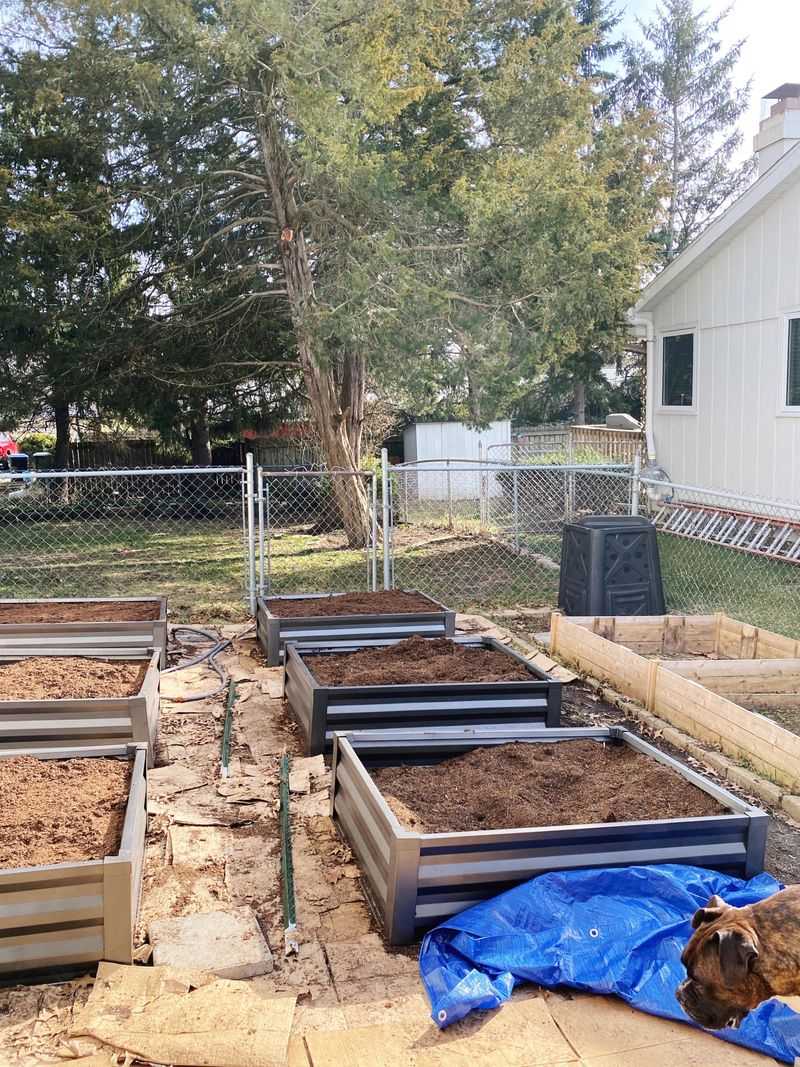
Bare soil faces serious challenges during Washington’s wet, cold winters. Rain compacts the surface, wind erodes exposed areas, and valuable topsoil can wash away during heavy storms.
Protecting your soil with a covering layer prevents these problems while adding organic matter over time.
Mulch acts like a blanket, moderating soil temperature and reducing the impact of pounding rain. Wood chips, straw, shredded leaves, and compost all work well as protective layers.
Choose materials that will gradually break down and enrich your soil.
Applying mulch in fall or early winter gives maximum protection during the wettest months. Spread it two to four inches thick across beds, keeping it slightly away from plant stems and tree trunks.
This prevents rot while still providing benefits.
Leaves collected from your own yard make excellent free mulch. Shred them with a mower first so they don’t mat down into an impenetrable layer.
Shredded leaves break down faster and integrate into soil more easily than whole ones.
Washington gardeners often worry about slugs hiding in mulch. While this can happen, the benefits of soil protection outweigh the risks.
You can always pull mulch back slightly in spring if slug pressure becomes intense.
Mulched beds stay warmer longer in fall and warm up faster in spring. This extended growing season matters in Washington, where our mild climate allows for year-round gardening in many areas.
Every extra week counts.
Weeds struggle to germinate through thick mulch layers. Seeds need light to sprout, and mulch blocks that light effectively.
Less weeding in spring means more time for enjoyable garden tasks instead of constant maintenance.
Paths between beds also benefit from mulch. Wood chips on pathways prevent mud, reduce compaction, and create a tidy appearance.
Washington’s rainy winters turn unmulched paths into muddy nightmares.
6. Check Raised Beds For Compaction
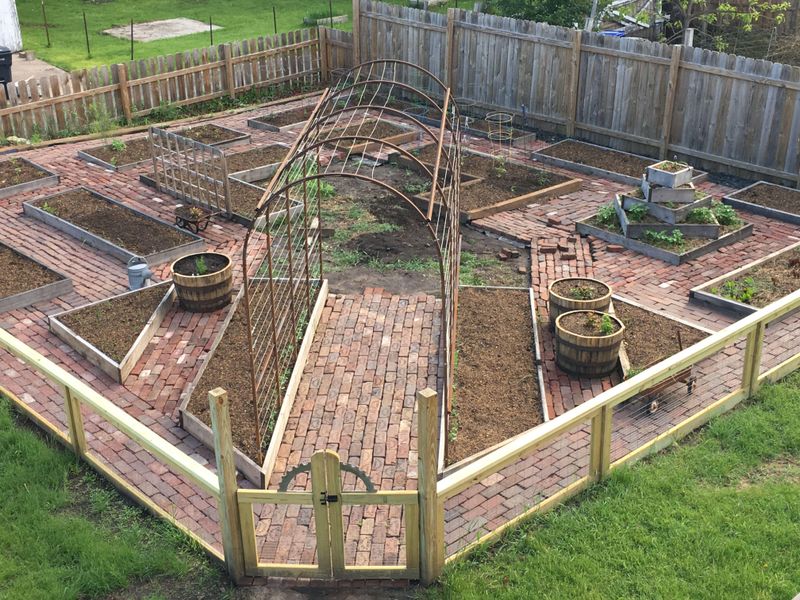
Raised beds seem maintenance-free, but soil inside them still compacts over time. Walking on beds, heavy rain, and natural settling all contribute to this problem.
Compacted soil restricts root growth and reduces drainage, which matters especially in Washington’s wet climate.
Testing for compaction is simple. Push a screwdriver or metal rod into the soil.
If it slides in easily, you’re good. If you meet resistance, compaction has occurred and needs addressing.
This quick check takes minutes but reveals important information.
Loosening compacted soil improves its structure immediately. Use a garden fork to gently lift and turn the soil without completely disturbing its layers.
This creates air pockets and breaks up hard areas where roots struggle to penetrate.
Winter is the perfect time for this task because beds are empty and you won’t disturb growing plants. The soil is often moist enough to work easily but not so waterlogged that you’ll damage its structure.
Washington winters provide ideal conditions for this maintenance.
Adding compost while loosening soil addresses two problems at once. Work it into the top several inches as you break up compacted areas.
This enriches the soil while improving its physical structure.
Avoid working soil when it’s completely saturated. Digging in soaking wet conditions causes more compaction than it fixes.
Wait for a dry stretch or at least a few days without heavy rain before tackling this job.
Some raised beds compact more than others depending on their soil mix. Beds with high clay content need more frequent attention than those with lots of compost and drainage materials mixed in.
Learn your beds’ individual needs through observation.
Preventing compaction is easier than fixing it. Never walk directly on bed surfaces, and avoid working soil when it’s too wet.
These simple habits keep your raised beds in Washington gardens healthier with less maintenance.
7. Clean And Store Garden Tools Properly
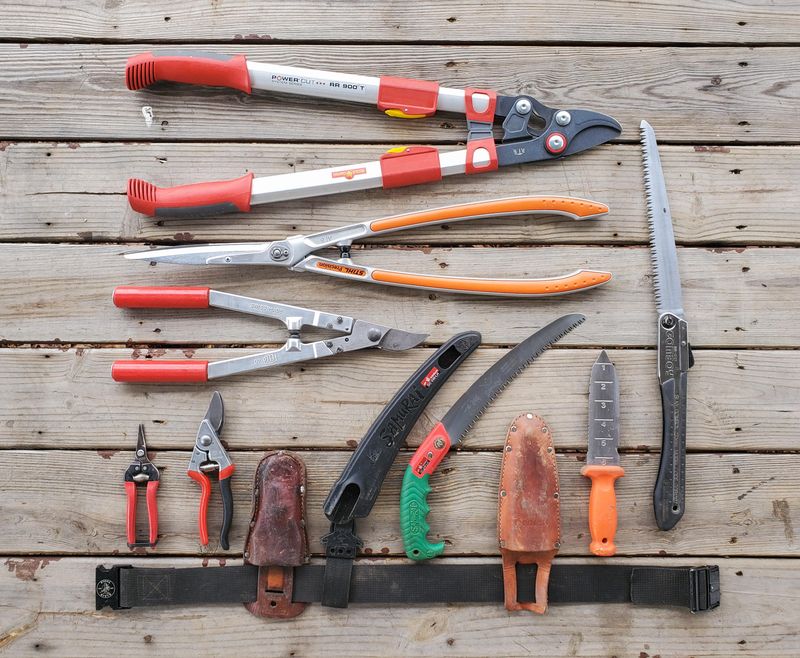
Tools left dirty and exposed to weather deteriorate quickly. Rust attacks metal surfaces, wooden handles crack and split, and cutting edges become dull.
Washington’s wet winters are especially hard on garden equipment, making proper cleaning and storage essential for extending tool life.
Start by removing all soil and plant debris from each tool. A stiff brush and water work for most cleaning jobs.
For stubborn dirt, let tools soak briefly before scrubbing. Clean tools function better and last longer than neglected ones.
Dry everything thoroughly before storage. Even tools that seem dry can have moisture hiding in joints and crevices.
Wipe them down with an old towel, then let them air dry completely. Washington’s humidity makes this step crucial.
Sharpening cutting tools now means they’re ready when you need them. Files, whetstones, or professional sharpening services can restore edges on pruners, shears, and hoes.
Sharp tools make gardening easier and safer.
Apply a light coat of oil to metal parts to prevent rust. Vegetable oil, mineral oil, or specialized tool oils all work well.
This protective layer keeps moisture away from metal surfaces during storage.
Wooden handles benefit from conditioning with linseed oil or similar products. This prevents drying, cracking, and splintering.
A well-maintained wooden handle feels better in your hands and lasts for decades.
Store tools in a dry location away from direct ground contact. Hanging them on walls or pegboards keeps them organized and prevents moisture damage.
A tidy tool shed or garage corner makes finding what you need much easier.
8. Watch For Standing Water After Heavy Rain
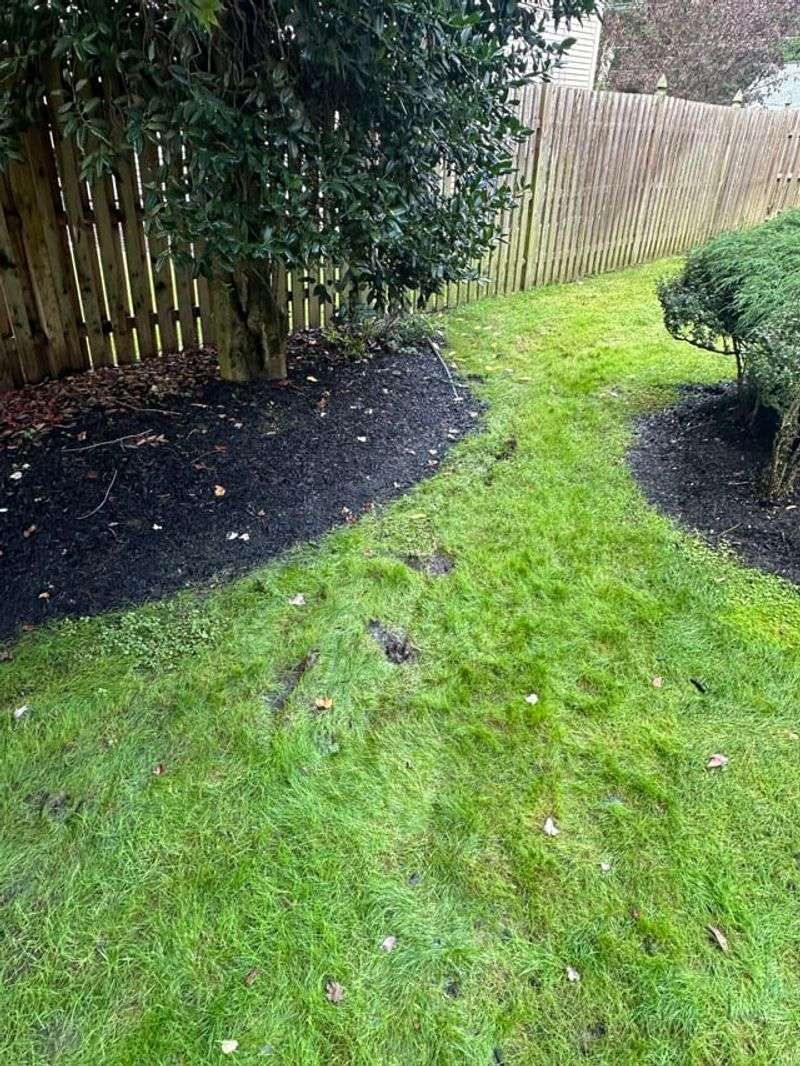
Observing how water moves through your garden reveals crucial information about drainage and grading. After each significant rainstorm, take a walk around your property and note where puddles form.
These observations guide improvements and prevent future problems in Washington gardens.
Standing water that lingers for days indicates serious drainage issues. Roots can’t breathe underwater, and even dormant plants suffer from prolonged saturation.
Identifying these problem areas now allows you to fix them before planting season.
Photograph waterlogged spots so you remember their exact locations. When the ground dries out, it’s easy to forget where problems occurred.
Photos provide a permanent record that helps you plan solutions effectively.
Some standing water is temporary and harmless. Water that drains within a few hours after rain stops isn’t usually a concern.
Focus your attention on areas where water sits for a full day or longer.
Paths and walkways that turn into streams during storms need rethinking. Adding stepping stones, gravel, or redirecting water flow can make these areas usable even in wet weather.
Washington gardeners need paths that function year-round.
Low spots in lawns or garden areas collect water naturally. Sometimes the solution is as simple as adding soil to raise the grade.
Other times, installing drainage systems or creating rain gardens makes more sense.
Watch where water exits your property. If it’s carrying soil with it, you’re losing valuable topsoil.
Erosion control measures like planting ground covers or adding barriers prevent this loss. Every bit of soil matters in Washington gardens.
Downspouts and gutters often contribute to standing water problems. Extending downspouts away from garden areas or installing rain barrels captures roof runoff before it creates problems.
This also gives you stored water for dry summer months.
9. Plan Crop Rotations And Garden Layouts Early
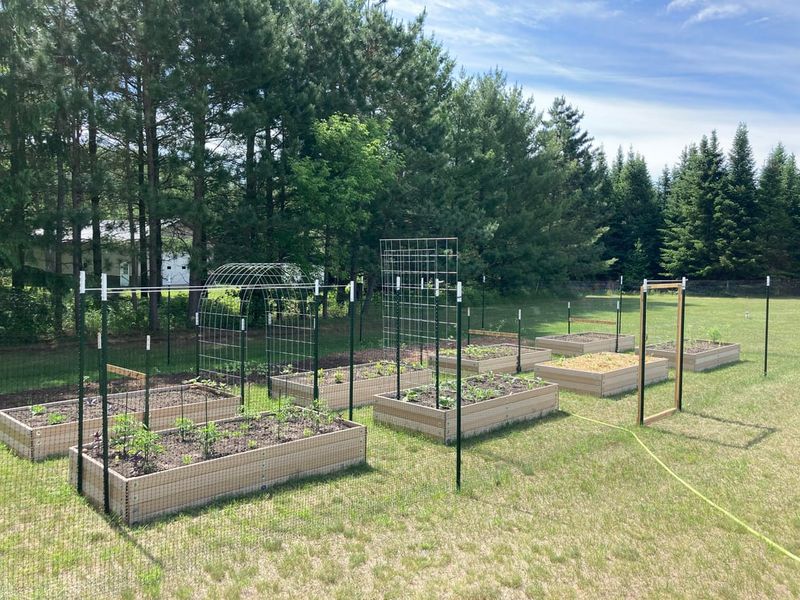
Mapping out your garden before spring arrives prevents rushed decisions and common mistakes. Winter evenings are perfect for sketching layouts, researching varieties, and planning rotations.
This thoughtful preparation leads to better harvests and fewer pest problems in Washington gardens.
Crop rotation helps prevent soil depletion and reduces disease pressure. Planting the same vegetables in the same spots year after year invites problems.
Moving plant families to different beds each season breaks pest and disease cycles naturally.
Start by reviewing last year’s garden notes. What worked well?
What struggled? Which pests caused problems?
These observations guide your planning and help you avoid repeating mistakes. Honest assessment improves results.
Sketch your garden beds on paper or use digital planning tools. Label each area with planned crops, noting which plant families they belong to.
This visual reference makes rotation planning much simpler.
Consider companion planting while planning layouts. Some plants benefit from growing near each other, while others compete or attract similar pests.
Research combinations that work well together in Washington’s climate.
Order seeds early while selection is best. Popular varieties sell out quickly as spring approaches.
Planning now means you’ll have exactly what you want rather than settling for whatever remains available.
Calculate planting dates working backward from your area’s frost dates. Washington has varied microclimates, so know your specific zone.
Timing plantings correctly maximizes your growing season and prevents losses to unexpected cold snaps.
Include succession planting in your plans. Rather than planting entire crops at once, stagger plantings every few weeks.
This provides continuous harvests rather than overwhelming gluts followed by gaps.