These Winter Vegetables Keep Growing in North Carolina Gardens All Season
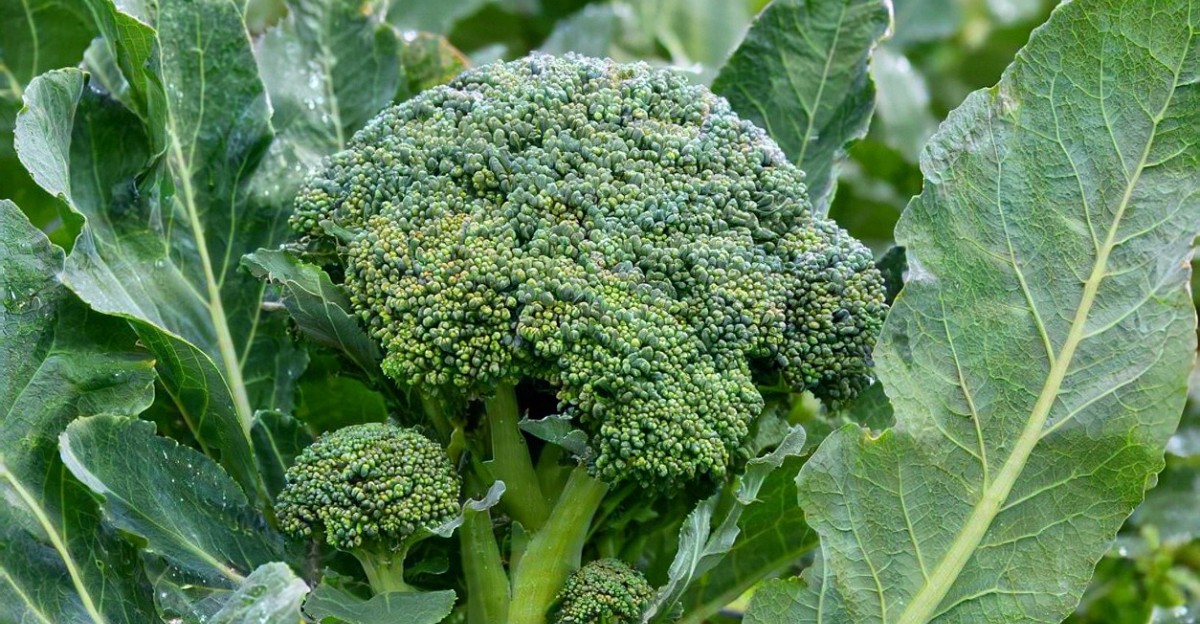
Frost actually pushes some leafy plants to turn their starches into sugars, so winter leaves taste noticeably sweeter. That clever chemistry works like natural antifreeze, and your dinner plate gets the tasty bonus.
North Carolina gardeners enjoy a lucky climate, with mild winters across much of the Piedmont and coast. Extension experts at NC State list several crops that keep growing while most gardens sit quiet and brown.
In my garden, the chilly months feel calmer, with fewer bugs, fewer weeds, and far less watering to do. I love stepping outside on a cold morning and pulling something fresh for supper while frost glitters nearby.
You may be surprised by how much keeps growing in the soil right now, even after summer plants are gone. So which cold-loving crops deserve a spot in your North Carolina beds before spring returns?
1. Radishes
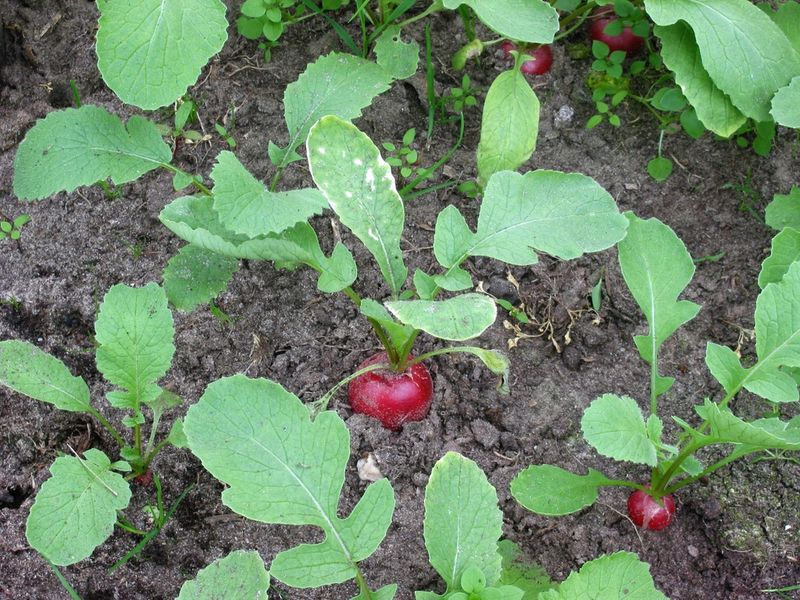
Few crops reward impatience like radishes, which can go from seed to salad in about three or four weeks. I like tossing a handful of seeds in a bare spot and watching tiny leaves pop up within days.
NC State guidance shows Piedmont gardeners can sow radishes over a long cool stretch, from fall into spring. Coastal gardeners get a wide window too, so a mild spell in winter is a fine time to plant.
Sow seeds about half an inch deep, then thin the seedlings so each one sits roughly two inches apart. Crowded radishes often stay skinny and leafy, so that quick thinning job really pays off at harvest time.
Loose soil with good drainage helps roots swell into round, crunchy globes instead of twisted little stubs. Give them full sun or light shade, and keep the soil evenly moist with about an inch of water weekly.
Timing matters more than anything else, because radishes left in the ground too long turn pithy and hot. I sow a short row every two weeks, which keeps a steady supply coming without a sudden giant pile.
Winter radishes such as daikon take longer, but they grow huge and store well in the refrigerator for weeks. Kids usually love growing radishes, since the payoff arrives fast enough to hold their attention through the season.
2. Kale
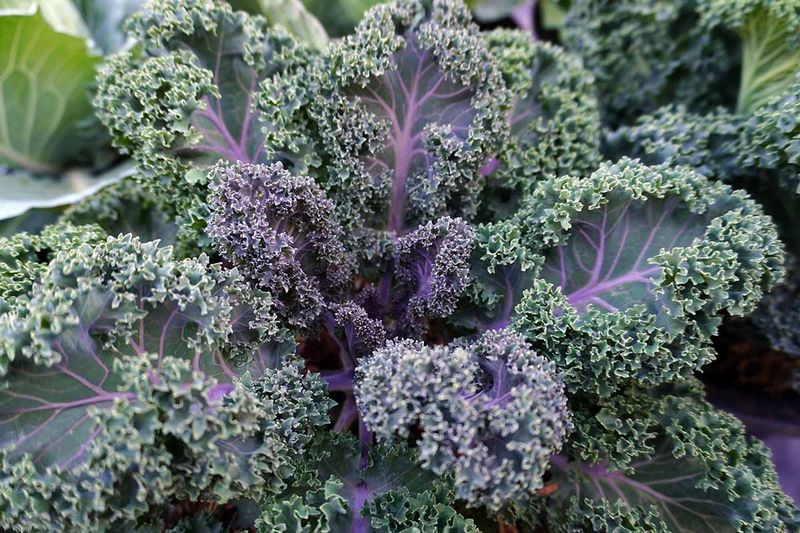
Frosty kale leaves crunch under your fingers like crinkled paper, and they taste sweeter after a cold snap. Kale, known to scientists as Brassica oleracea, handles chilly nights better than almost anything else in my winter beds.
Cool temperatures trigger the plant to store more sugar in its leaves, which softens that sharp bitter edge. Many gardeners who disliked store kale change their minds after tasting a leaf picked on a frosty morning.
Transplants settle in quickly, so buying sturdy young plants is the easiest route during the colder months. Space them about twelve to eighteen inches apart, giving each plant room for wide, ruffled leaves to spread.
Kale grows best in fertile, well-drained soil with plenty of compost worked in before planting day. Aim for full sun if possible, though plants still produce decent leaves in spots with a little afternoon shade.
Harvest by snapping off the lower outer leaves and leaving the central bud alone to keep growing. That simple habit lets one plant feed your family for months, often stretching well into the following spring.
Varieties like Winterbor and Lacinato, sometimes called dinosaur kale, are popular choices for cold weather gardens. During hard freezes in the teens, a light frost cloth draped over the bed helps protect the tender new growth.
3. Spinach
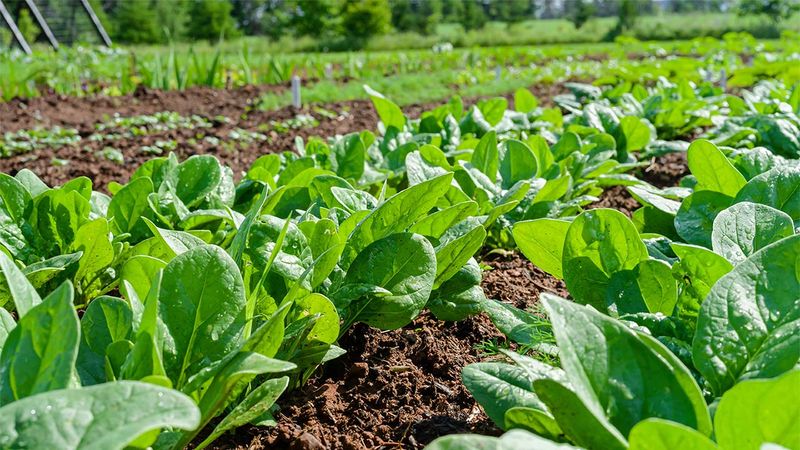
Popeye had the right idea, though homegrown spinach tastes far better than anything squeezed from a can. Its deep green leaves stay tender through cold weather, and they often turn slightly sweet as temperatures drop.
Spinach handles temperatures into the low twenties, which makes it a dependable partner for winter gardeners. Seeds sprout in surprisingly cool soil, so you can sow them when other crops would just sit there sulking.
Plant seeds about half an inch deep in rows roughly a foot apart, then keep the soil lightly moist. Germination can feel slow in cold soil, so a little patience helps during those first couple of quiet weeks.
Nitrogen keeps the leaves lush and dark, so mix compost or a balanced fertilizer into the bed first. Plants appreciate around an inch of water each week, although winter rains often handle much of that job.
Warm weather and longer days push spinach to bolt, sending up a flower stalk and turning leaves bitter. Cool seasons sidestep that problem, which is why I think late fall and winter suit this crop so well.
Pick older outer leaves first and let the young center leaves keep growing for future harvests. Savoyed varieties with crinkled leaves tend to shrug off cold better, while smooth types are easier to wash in the kitchen.
4. Lettuce
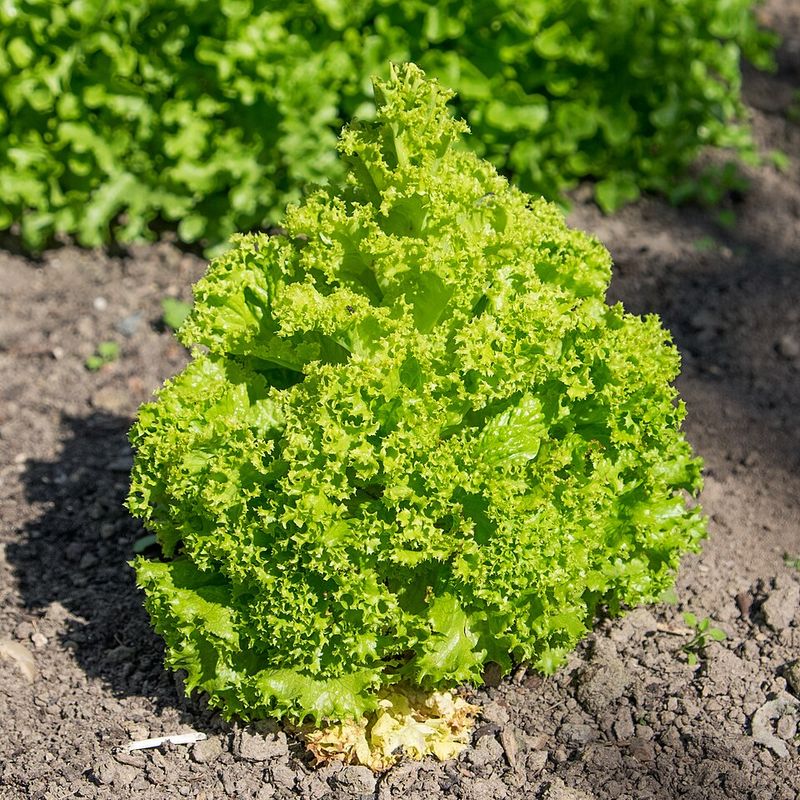
A bowl of crisp lettuce in January feels like a small backyard miracle, especially when grocery greens look tired. Lettuce prefers cool weather, and I find the leaves taste mild and sweet when nights stay chilly.
Leaf and butterhead types handle the cold better than big heading types, so they make smarter winter choices. Red-leaved varieties add pretty color to a gray season, and many hold up well during light frosts.
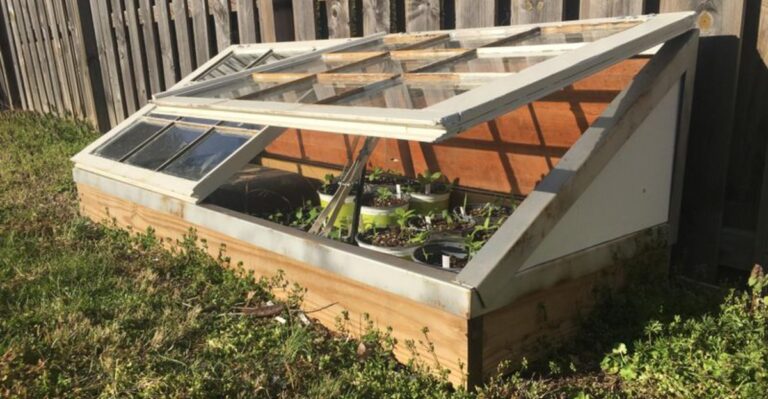
Hard freezes can damage tender leaves, so lettuce benefits from a little protection on the coldest nights. An unheated cold frame or simple row cover can stretch your harvest weeks longer than open ground allows.
Give lettuce fertile, well-drained soil and about six hours of sunlight on most days during the season. Keep the soil evenly moist, since dry spells can make the leaves tough and slightly bitter on your plate.
Small sowings every two or three weeks keep the salad bowl full without overwhelming your kitchen counter. Seeds are tiny, so press them lightly into the soil surface and cover them with only a thin dusting.
Cut-and-come-again harvesting works beautifully, where you snip outer leaves and let the plant regrow from the center. In mild winters along the coast, some gardeners keep picking fresh lettuce right through until spring arrives again.
5. Turnips
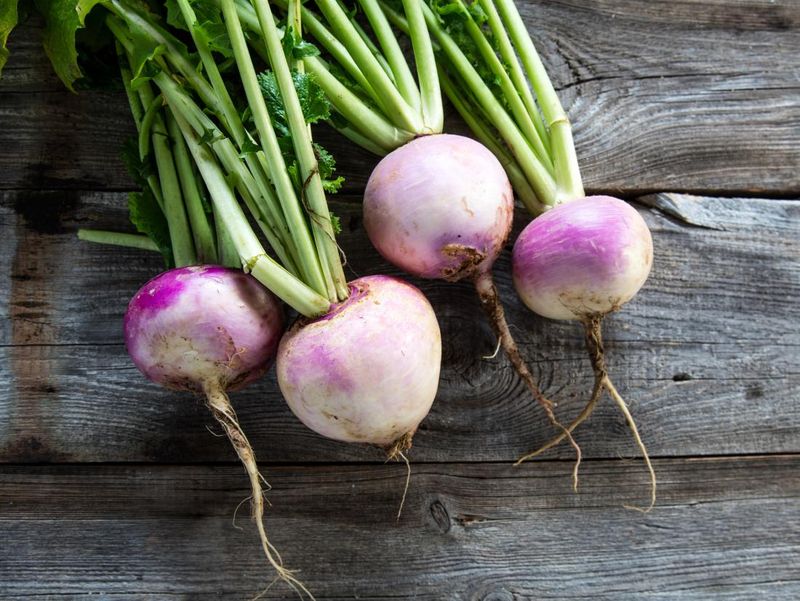
Southern grandmothers have long known that one turnip patch feeds a family twice, with roots and greens. That double harvest makes turnips one of the hardest working vegetables you can tuck into a winter bed.
Purple Top White Globe is a classic variety, with creamy roots blushed purple where the sun hits them. Cool weather gives the roots a gentle sweetness, while summer heat tends to make them sharp and woody.
Sow seeds directly about half an inch deep, then thin seedlings to stand three or four inches apart. Those thinned baby plants are not wasted, because the tender little greens taste wonderful in a quick saute.
Loose, well-drained soil helps the roots grow smooth and round rather than lumpy or cracked over time. Steady moisture matters too, so water about an inch weekly when winter rain fails to do the job.
Pull roots when they reach golf ball or tennis ball size for the most tender texture on the plate. Larger turnips often turn fibrous, so I check my rows every few days once the shoulders start showing.
Varieties like Seven Top are grown just for leaves, which makes them perfect for people who love cooked greens. Turnips also tolerate frost well, though heavy freezes may damage exposed roots sitting high above the soil.
6. Carrots
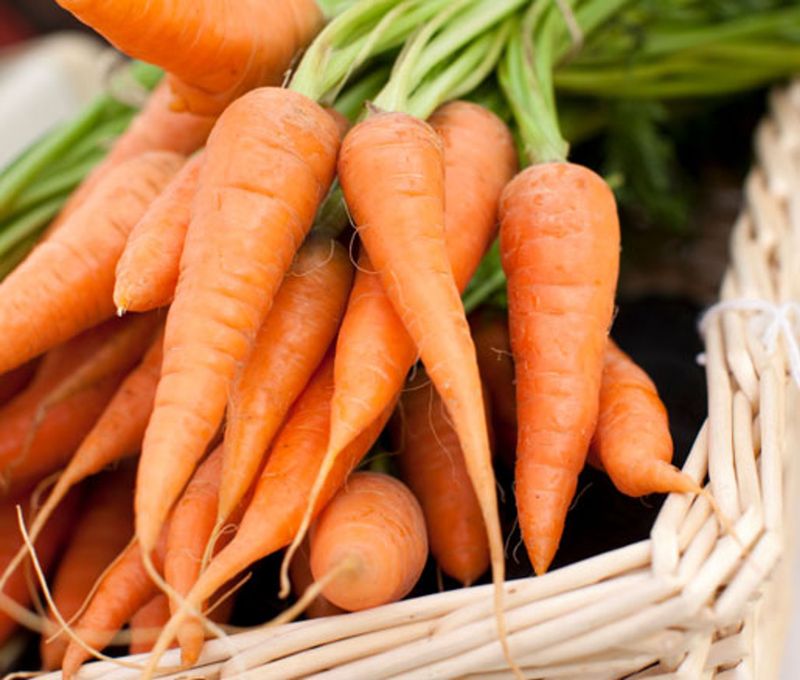
Carrots pulled after a cold snap can taste almost like candy, thanks to sugars building up inside the roots. My nephew once ate three straight from the garden before I even rinsed the dirt away.
Soil preparation decides whether you harvest long straight roots or stubby, forked little oddballs that look like cartoons. Heavy Piedmont clay often causes trouble, so raised beds filled with loose compost-rich soil work wonders.
Sandy soils in the Coastal Plain suit carrots naturally, letting roots slide downward with very little resistance. Gardeners near the coast often grow beautiful carrots with less effort than folks wrestling with red clay soil.
Sow the tiny seeds about a quarter inch deep and keep the soil surface damp until sprouts appear. Germination can take two weeks or more, so a board or burlap laid over the row helps hold moisture.
Thin seedlings to stand one to three inches apart once they grow a few feathery leaves. Skipping this step leads to tangled, skinny roots, which I learned the hard way during my first carrot season.
Shorter varieties like Danvers or round Parisian types handle tricky soil better than long slender kinds. Mature carrots can often stay in the ground for weeks in cool weather, so you can harvest only what you need.
7. Broccoli
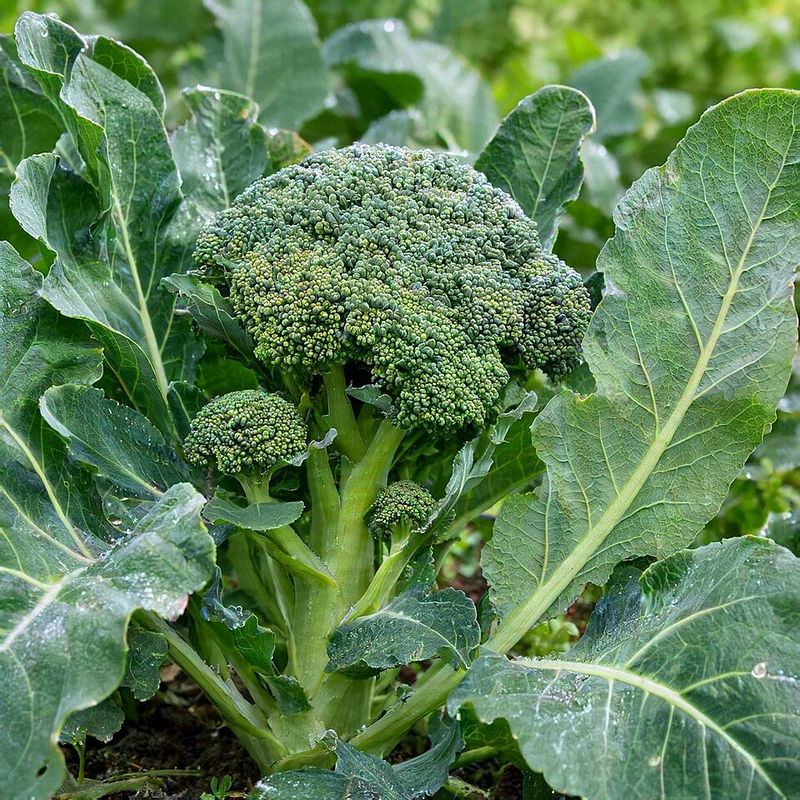
Spring broccoli gets plenty of attention, yet many experienced growers quietly prefer the heads that form in cool weather. Falling temperatures slow the plants down, giving you tight, deep green crowns with a sweet, mild flavor.
Timing matters a great deal, because heat during head formation can cause loose, yellowing, or bitter crowns. Transplants set out in late summer or early fall grow leaves during warm days, then form heads as weather cools.
Coastal gardeners can often plant later than folks in the mountains, where hard freezes arrive much earlier. Check your local frost dates, since broccoli needs roughly two months of growing time before cold settles in fully.
Broccoli is a hungry plant that enjoys fertile, well-drained soil and regular feeding through the season. Space transplants about eighteen to twenty-four inches apart, giving each one room for its broad, blue-green leaves.
Cut the main head while the tiny buds stay tight and before any yellow flowers start to open. Leave the plant standing afterward, because many varieties send up smaller side shoots for several more weeks.
Cabbage worms slow down in cooler weather, which is one reason fall broccoli often looks cleaner than spring crops. A light row cover helps on frigid nights, protecting developing heads from damage during sudden hard freezes.
8. Collards
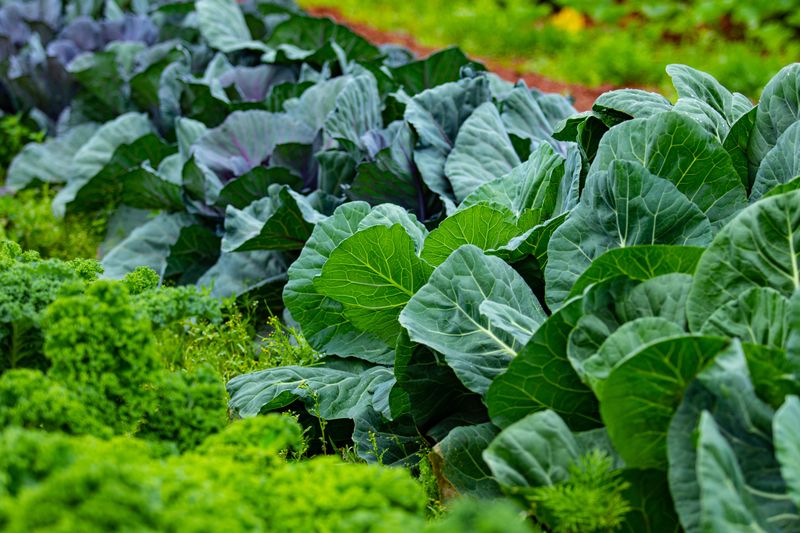
Collards are practically a Southern tradition, showing up on New Year’s tables for good luck and good eating. Few vegetables feel more at home in a winter garden, and their big leathery leaves shrug off chilly nights.
Frost gives collards a sweeter taste, which is why many families wait until after the first cold snap to harvest. My grandfather swore they were not worth cooking until frost had kissed the leaves at least once.
Plants set out in late summer or early fall become sturdy enough to keep producing through most winters. Established collards often handle temperatures down into the teens, especially when grown in well-drained, healthy soil.
Space transplants about fifteen to eighteen inches apart, since the plants can grow quite tall over the season. Rich soil with plenty of nitrogen helps produce tender, dark green leaves that cook down into wonderful pot greens.
Harvest by picking the lower outer leaves and letting the top keep sending out fresh growth for months. A single well-tended plant can stretch into early spring, slowly growing into a funny little palm tree shape.
Georgia Southern and Vates are dependable varieties that many Southern gardeners have grown for generations with success. Pair them with turnips nearby, and you will have plenty of greens to share with neighbors this winter.