These Yellow Perennial Flowers Are Perfect For Adding Color To Virginia Gardens
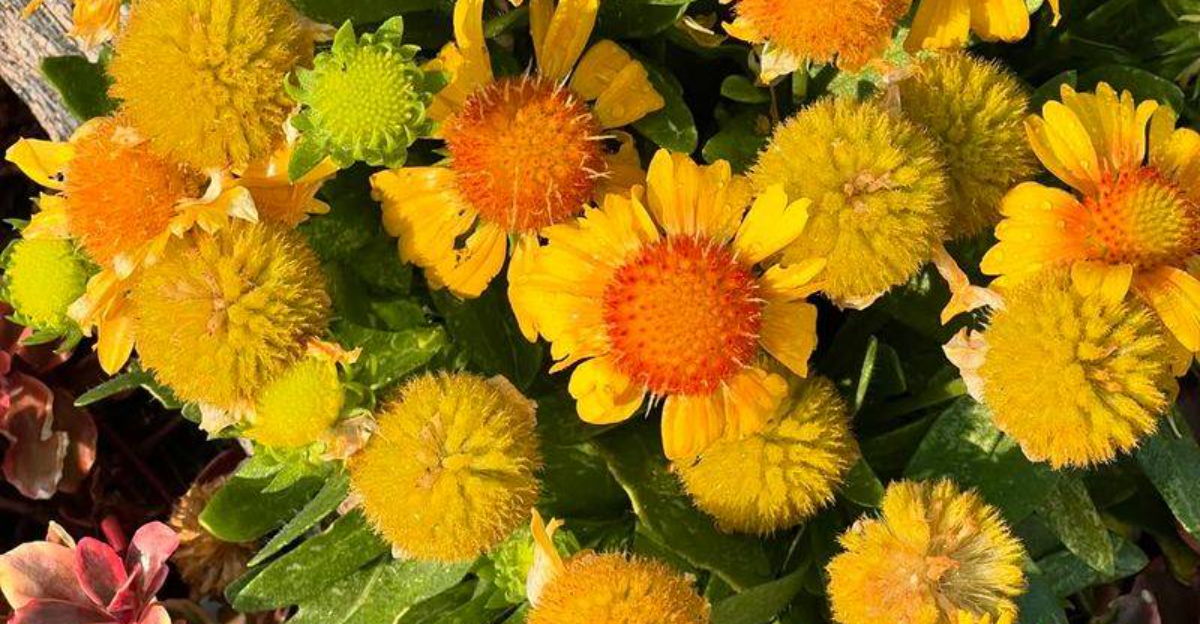
Yellow flowers bring brightness, warmth, and cheer to Virginia gardens, and perennials offer long-lasting beauty year after year. Adding these sunny blooms enhances borders, flower beds, and mixed gardens while attracting pollinators like bees and butterflies.
Brighten your garden with cheerful, low-maintenance perennial color.
These yellow perennials, including black-eyed Susans, coreopsis, daylilies, and coneflowers, thrive in Virginia climates. They are hardy, easy to grow, and provide consistent blooms throughout the season.
Planting them in well-prepared soil with proper sunlight and watering ensures vibrant growth and long-lasting flowers. Perennials deliver color and charm without constant replanting.
Virginia gardeners who incorporate these yellow perennials enjoy lively, visually appealing landscapes that stand out in any yard. Add cheerful yellow blooms and bring your garden to life.
Black-Eyed Susan (Rudbeckia Hirta & Rudbeckia Fulgida)
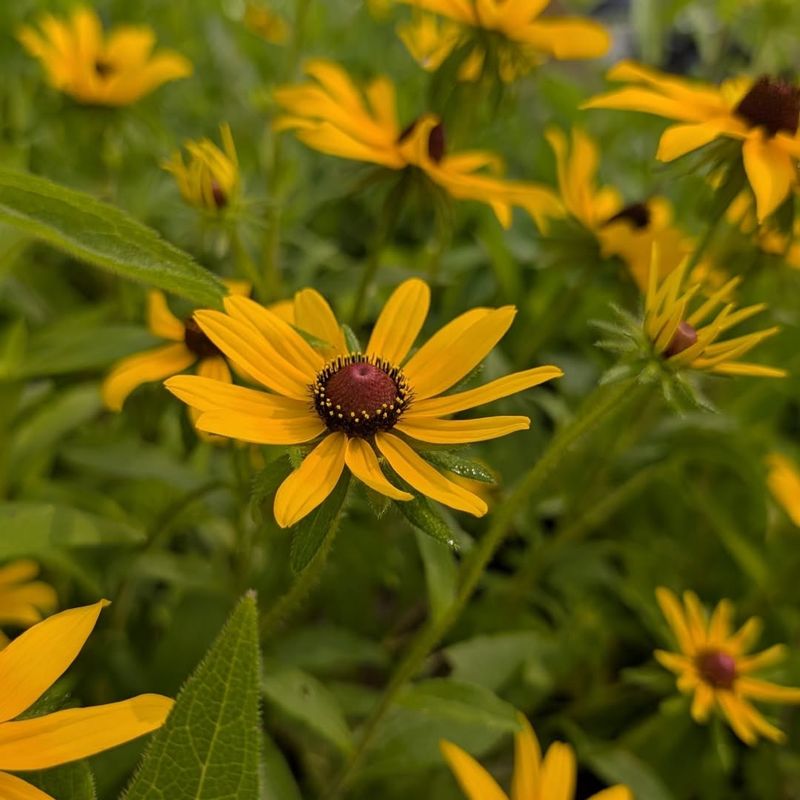
Few flowers capture the spirit of Virginia summers quite like the black-eyed Susan. This native perennial has earned its reputation as one of the most dependable and cheerful additions to any garden, with golden petals radiating around distinctive dark centers that seem to glow in the sunlight.
Gardeners across the state rely on these beauties to deliver consistent color from midsummer straight through the first frosts of autumn.
Black-eyed Susans thrive in full sun and adapt beautifully to a range of soil conditions, making them incredibly forgiving for both novice and experienced gardeners.
Once their roots establish during the first season, these plants develop impressive drought tolerance, requiring little supplemental watering even during hot Virginia summers.
This resilience makes them perfect for low-maintenance landscapes and water-wise gardens.
Beyond their visual appeal, black-eyed Susans serve as pollinator magnets, attracting bees, butterflies, and beneficial insects throughout their extended bloom period. Their sturdy stems hold up well in garden beds and also make excellent cut flowers for indoor arrangements.
Plant them in groups for maximum impact, and watch as they naturalize over time, creating ever-expanding drifts of golden blooms that return faithfully each year without demanding much attention or care.
Coreopsis (Tickseed – Coreopsis Verticillata & Coreopsis Lanceolata)
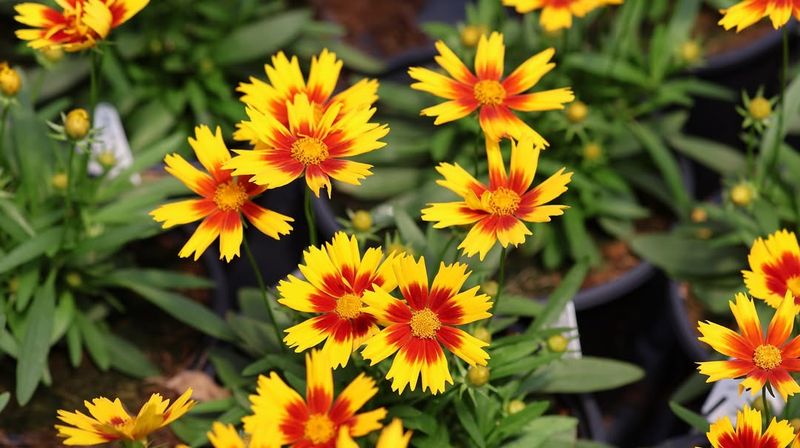
Coreopsis earns its common name tickseed from its small seeds, but gardeners know it best for its incredibly long flowering season that stretches from late spring well into fall.
These cheerful daisylike blooms dance on wiry stems above delicate foliage, creating a light and airy texture in the garden.
The bright yellow flowers seem tireless, producing wave after wave of color that keeps gardens looking fresh throughout the warmest months.
Heat tolerance is where coreopsis truly shines, making it an ideal choice for Virginia’s sometimes sweltering summers. Both coastal plain and Piedmont gardeners appreciate how well these plants handle humidity and high temperatures without skipping a beat.
Coreopsis prefers well-drained soil but isn’t overly fussy about fertility, thriving even in average garden conditions that might challenge more demanding perennials.
Maintenance requirements are refreshingly minimal with coreopsis. A light trim after the first flush of blooms encourages additional flowering, though even without deadheading, plants continue to produce flowers generously.
Their moderate size makes them perfect for front or middle border placements, where their fine texture complements bolder perennials. Drought tolerance improves significantly after establishment, and these tough little plants rarely suffer from pest or disease issues, making them wonderfully reliable performers in Virginia landscapes.
Yarrow (Achillea Millefolium – Yellow Varieties)
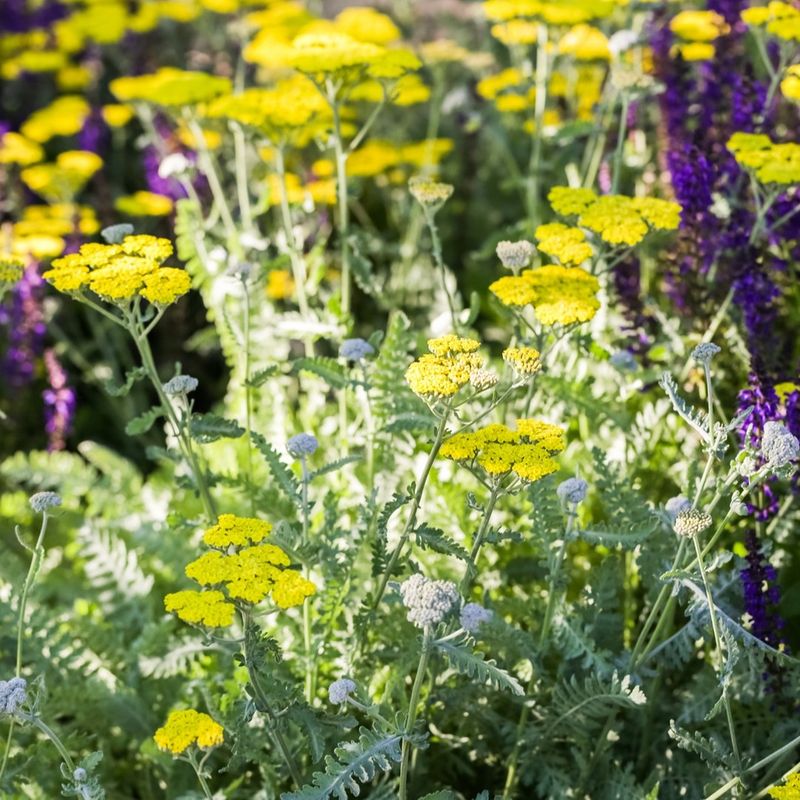
Yarrow brings architectural interest to gardens with its flat-topped flower clusters that hover above feathery, fern-like foliage. Yellow varieties add a softer, warmer tone compared to the more common white forms, creating stunning combinations with purple or blue perennials.
The flowers hold their color beautifully throughout summer, and their sturdy stems stand up admirably to wind and rain without flopping or requiring staking.
Drought tolerance is one of yarrow’s greatest strengths, making it perfect for Virginia gardens where summer rainfall can be unpredictable. Once established, these plants sail through dry spells without wilting or losing their vigor.
Full sun is essential for best performance, and yarrow absolutely demands well-drained soil since it despises wet feet during winter months. Sandy or gravelly soils that challenge other perennials suit yarrow perfectly.
Beyond ornamental value, yarrow serves as a magnet for beneficial insects including lacewings, ladybugs, and parasitic wasps that help control garden pests naturally. Butterflies also visit the flower clusters regularly for nectar.
The plants spread gradually to form attractive clumps but rarely become invasive or problematic.
Yarrow’s adaptability to Virginia’s climate variations, from coastal humidity to inland temperature swings, makes it a smart choice for gardeners seeking reliable, low-maintenance perennials that deliver both beauty and ecological benefits throughout the growing season.
Daylily (Hemerocallis – Yellow Cultivars)
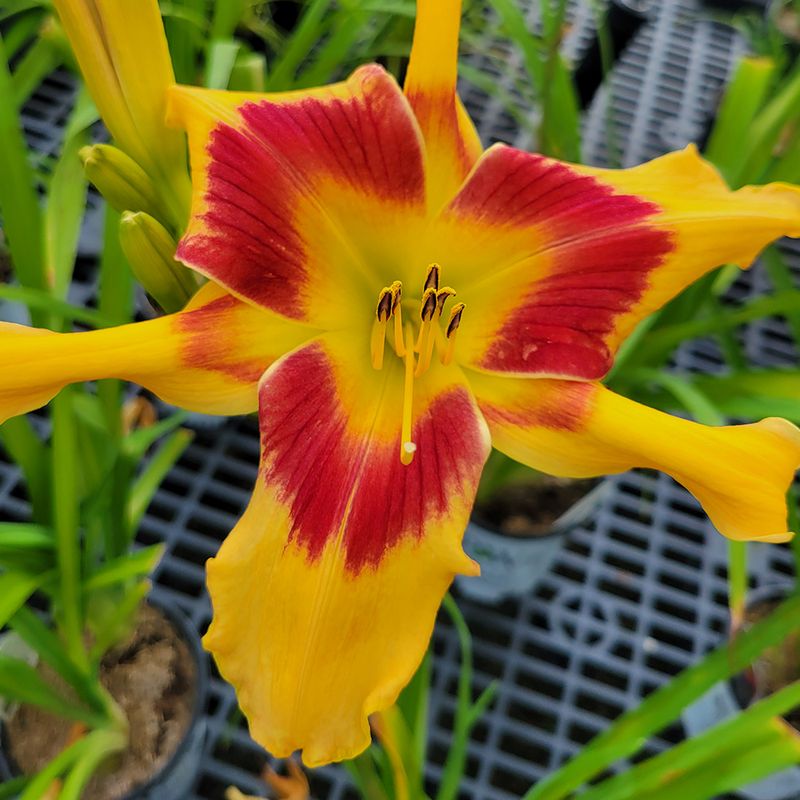
Daylilies have earned their place as landscape staples across Virginia, and yellow cultivars remain among the most popular choices for good reason. Each trumpet-shaped bloom lasts just one day, but plants produce so many buds that the flowering display continues for weeks.
The variety of yellow shades available ranges from pale lemon to deep gold, with some cultivars offering ruffled edges or contrasting throats that add extra visual interest.
Reliability is perhaps the daylily’s greatest virtue, as these plants perform consistently year after year with minimal intervention. They handle Virginia’s heat and humidity with remarkable ease, never sulking during the hottest stretches of summer.
Their adaptability to different soil types and moisture levels makes them foolproof choices for various landscape situations, from formal borders to casual cottage gardens.
Foundation plantings benefit tremendously from daylilies because their arching foliage provides attractive greenery even when plants aren’t blooming. The clumps gradually expand to fill space without becoming aggressive or requiring frequent division.
Yellow daylilies pair beautifully with purple coneflowers, Russian sage, and ornamental grasses, creating combinations that look polished yet effortless.
Their tolerance of part shade expands planting possibilities beyond full-sun locations, and they rarely suffer from serious pest or disease problems, making them wonderfully dependable choices for Virginia gardeners seeking colorful, low-maintenance perennials.
Goldenrod (Solidago Rugosa & Garden Varieties)
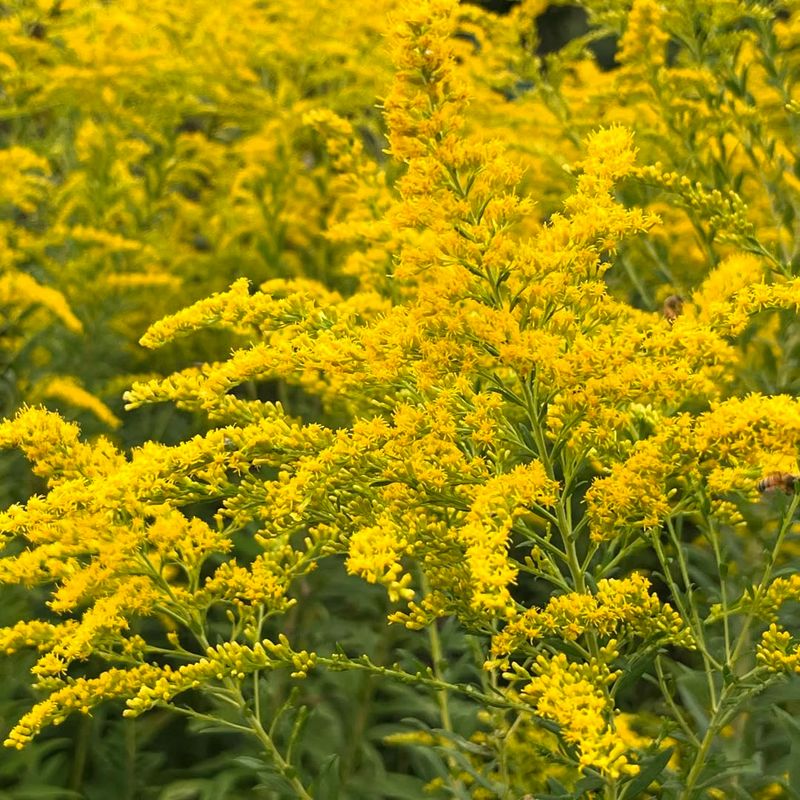
Goldenrod suffers from undeserved bad press due to mistaken allergy associations, but this native perennial deserves celebration for its spectacular late-season blooms.
When most perennials are winding down for the year, goldenrod bursts into plumes of golden yellow flowers that light up the autumn garden.
Modern cultivars have been bred for compact growth and clumping habits, addressing concerns about the aggressive spreading tendencies of some wild species.
Late-season flowering makes goldenrod invaluable for supporting migrating monarch butterflies and other pollinators preparing for winter. The nectar-rich flowers provide crucial energy sources when other food supplies dwindle.
Native bees and beneficial insects also flock to goldenrod blooms, making these plants important components of wildlife-friendly gardens. Their ecological contributions extend far beyond simple ornamental value.
Garden varieties like ‘Fireworks’ and ‘Golden Fleece’ offer all the beauty of wild goldenrod with better-behaved growth habits that fit neatly into cultivated landscapes. These selections form tidy clumps that expand slowly rather than running aggressively through beds.
Full sun and average soil suit them perfectly, and they tolerate both drought and occasional moisture once established.
Goldenrod’s tall stems create excellent vertical accents in fall borders, and the flowers hold their color for weeks, extending the garden’s seasonal interest well into autumn when Virginia landscapes need vibrant color most.
Blanket Flower (Gaillardia Aristata)
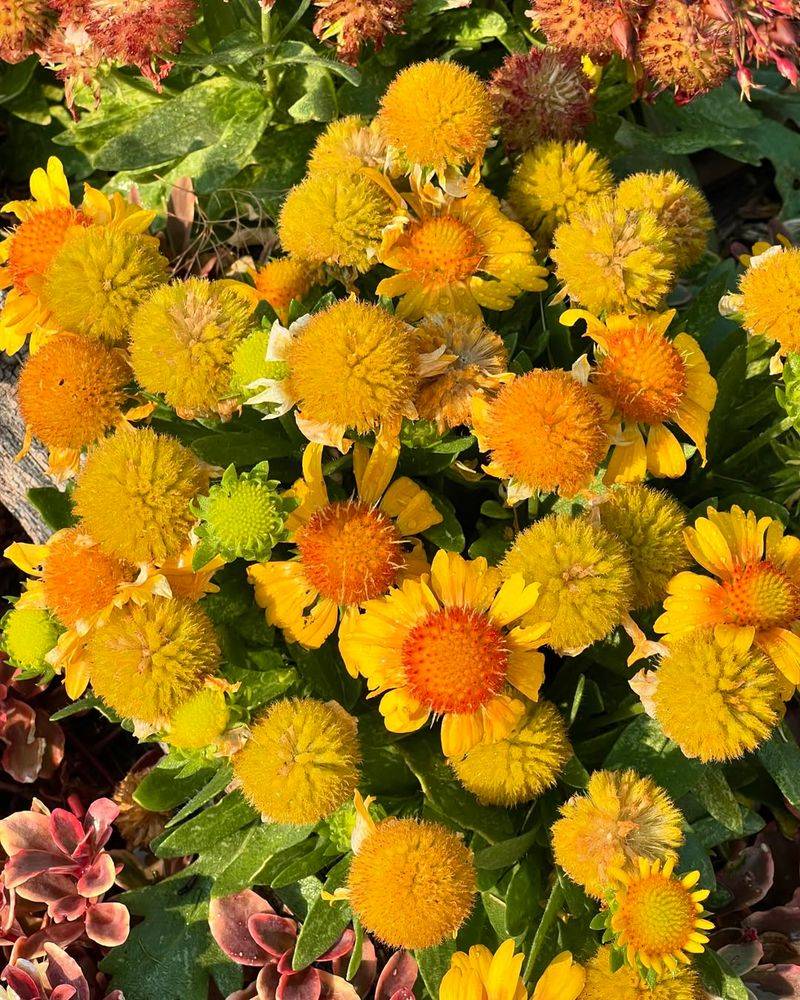
Blanket flowers bring a cheerful, almost playful quality to Virginia gardens with their bright yellow petals that often feature red or orange zones near the centers.
While many varieties display these warm color combinations, pure yellow selections create stunning monochromatic displays that glow in the landscape.
The daisy-like blooms appear continuously from early summer through frost, providing one of the longest flowering periods among perennials.
Strong heat tolerance makes blanket flowers particularly valuable for Virginia’s challenging summer conditions. These plants actually seem to thrive when temperatures soar, never pausing their bloom production during hot spells that stress less adapted perennials.
Their compact growth habit keeps them tidy in borders without requiring constant grooming, though occasional deadheading extends the already impressive flowering season even further.
Soil drainage is critical for blanket flower success, as these plants strongly prefer lean, well-drained conditions over rich, moisture-retentive soils. Sandy or gravelly ground that drains quickly suits them perfectly, making them excellent choices for challenging sites where other perennials struggle.
Full sun is essential for best performance and maximum flowering. Blanket flowers rarely reach more than two feet tall, making them perfect for front and middle border positions where their bright blooms catch attention without blocking views of taller plants behind them.
Their drought tolerance once established adds to their appeal for low-maintenance Virginia landscapes.
Yellow Coneflower (Echinacea Paradoxa)
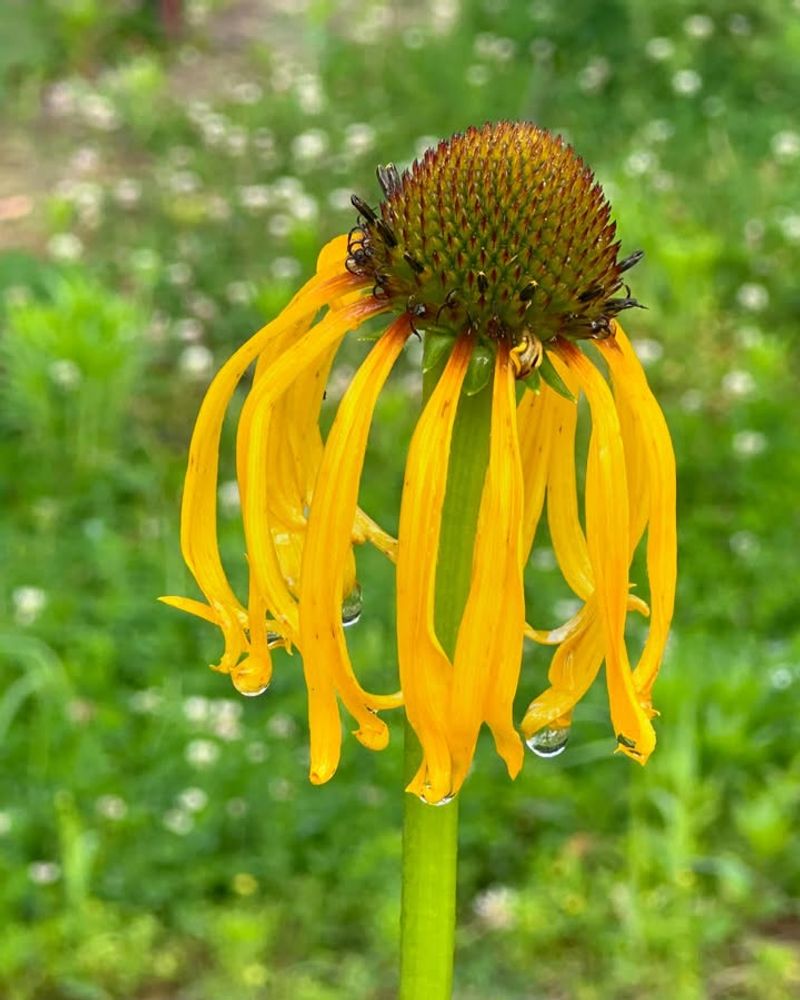
Yellow coneflower stands out as the only naturally occurring yellow species in the Echinacea genus, making it a fascinating addition to Virginia gardens.
While its purple cousins get most of the attention, this native perennial offers the same sturdy constitution and wildlife value with a completely different color palette.
The drooping yellow petals surround prominent brown cones that add textural interest and provide seeds that finches and other birds relish in late summer and fall.
Sun exposure needs mirror those of purple coneflowers, with full sun producing the strongest plants and most abundant flowering. Yellow coneflower tolerates light shade but may lean toward the light and produce fewer blooms.
Once established, these plants develop impressive drought tolerance, sailing through dry Virginia summers without supplemental watering. Their deep taproots access moisture unavailable to shallow-rooted plants, contributing to their resilience.
Wildlife-friendly gardens benefit tremendously from yellow coneflowers because they support pollinators during their summer bloom period and provide seed resources for birds during fall and winter.
Leaving the seed heads standing rather than cutting them down after flowering extends their ecological value significantly.
The plants form slowly expanding clumps that rarely need division, and they typically remain free from serious pest or disease problems.
Yellow coneflower’s combination of unique color, native status, and low-maintenance requirements makes it a smart choice for Virginia gardeners seeking distinctive perennials.
Sundrops / Evening Primrose (Oenothera Fruticosa)
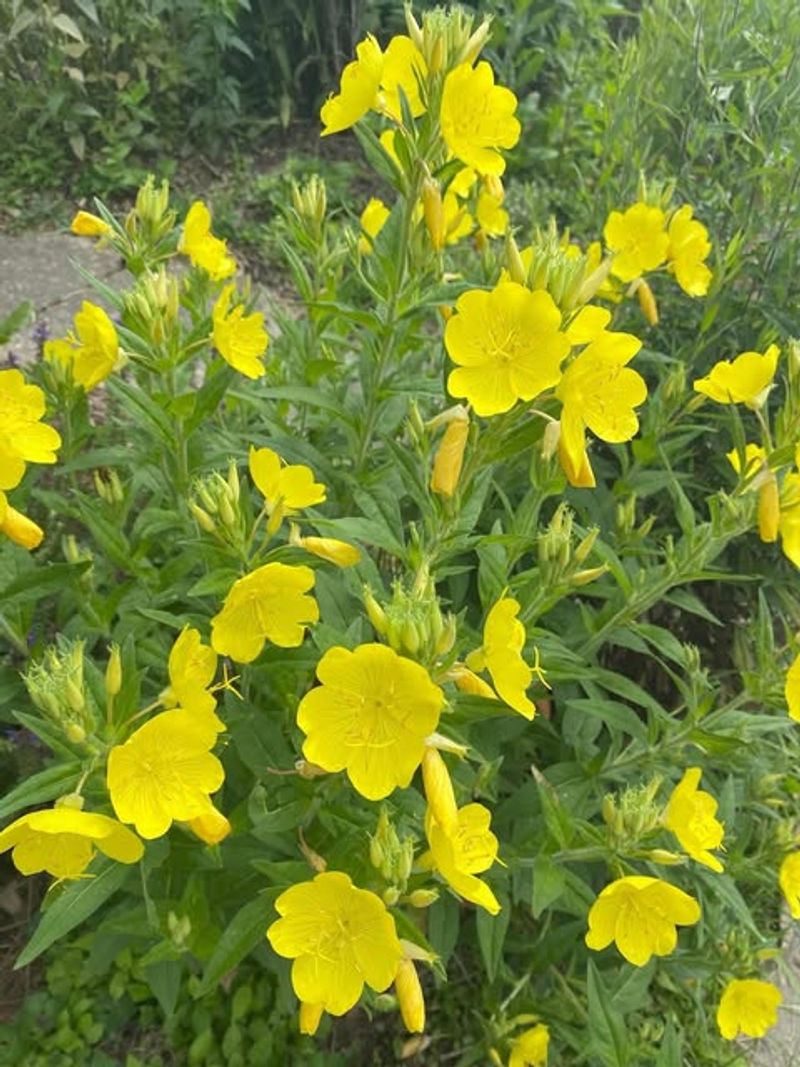
Sundrops light up Virginia gardens with brilliant yellow blooms that seem to capture and reflect sunlight during late spring and early summer.
This native perennial produces flowers in such abundance that plants often appear covered in golden yellow, creating eye-catching displays that draw attention from across the garden.
The four-petaled blooms open during the day, distinguishing them from their evening-blooming primrose relatives, and their cheerful appearance brings energy to any planting scheme.
Soil adaptability is one of sundrops’ most valuable traits, as these plants tolerate everything from sandy soils to heavier clay without complaint.
They prefer consistent moisture but adapt to drier conditions once established, making them versatile choices for various garden situations.
Full sun to light shade suits them well, though flowering is most prolific in brighter locations. Their moderate height makes them appropriate for middle border positions or naturalized areas.
Spreading habit management deserves consideration when planting sundrops, as they can expand enthusiastically through underground rhizomes. This tendency makes them perfect for naturalized garden areas, meadow plantings, or situations where filling space quickly is desirable.
In more formal settings, occasional division or edging keeps them within bounds without excessive effort.
Sundrops pair beautifully with native grasses and other wildflowers in prairie-style plantings, and they support native pollinators throughout their bloom period, adding ecological value alongside their ornamental appeal in Virginia landscapes.