6 Things Arizona Gardeners Should Watch Out For When Growing Cosmos
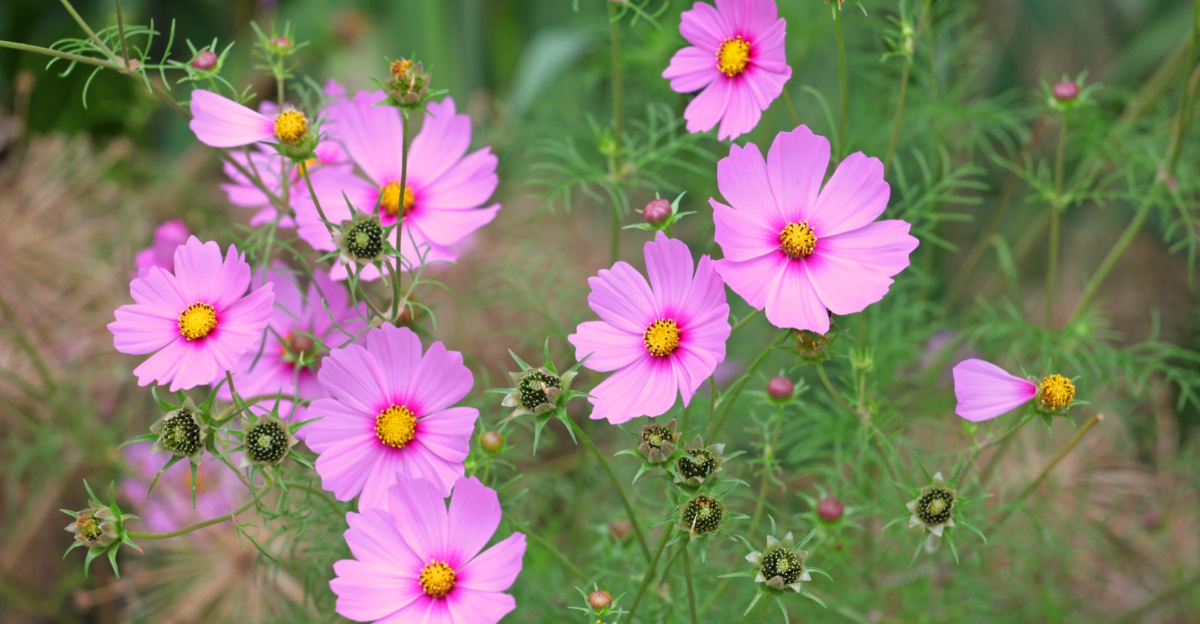
Cosmos flowers look like the kind of plant that practically grows itself. Toss some seeds in the ground, give them a little water, and watch the cheerful blooms take over your yard.
That sounds about right for most places, but Arizona has a way of changing the rules.
Quick-warming soil, strong spring winds, intense desert sun, and unpredictable temperature swings mean timing and technique matter far more than most gardeners expect.
Whether you garden in the Phoenix Valley, Tucson, Flagstaff, or somewhere in between, knowing what to watch for can be the difference between a season full of color and a patch of scraggly stems that never quite deliver.
1. Frost Pockets Can Set Back Early Cosmos In Higher Elevations
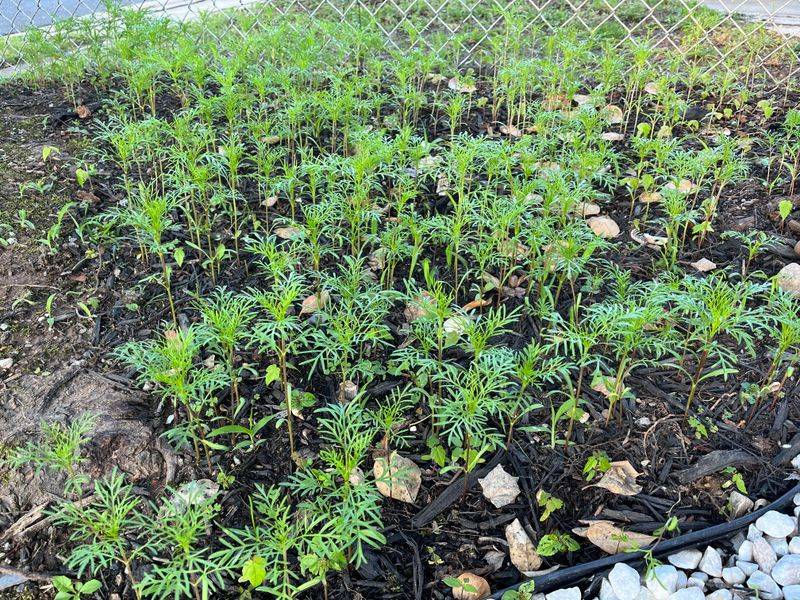
Gardeners in places like Prescott, Flagstaff, or the White Mountains sometimes push their luck by sowing cosmos too early in spring, and the results can be discouraging.
A frost pocket is a low-lying area where cold air settles overnight, and Arizona’s higher elevations have plenty of them.
Cosmos seedlings are frost-sensitive, and even a light freeze after germination can set plants back by weeks.
Arizona’s elevation range is dramatic. A gardener in Flagstaff at roughly 7,000 feet can see last frost dates stretch into early June, while someone in the Phoenix metro area often sees frost risk fade by late February or early March.
That difference matters enormously when you are planning when to direct sow cosmos outdoors. Checking your specific local frost date, rather than relying on a general Arizona calendar, is worth the extra few minutes.
To reduce frost pocket risk, avoid sowing in low spots where cold air pools on still nights. Raised beds or south-facing slopes help with drainage of both water and cold air.
A simple row cover kept on hand can protect young seedlings during surprise late-season cold snaps without much effort.
Good sign: seedlings standing upright with green, healthy leaves after a chilly night mean your location avoided the worst.
Trouble sign: wilted, translucent, or darkened stems the morning after temperatures dropped below 32 degrees Fahrenheit suggest frost damage and may require resowing in a warmer spot or waiting a few more weeks before trying again.
2. Hot Soil Can Reduce Germination When You Sow Too Late
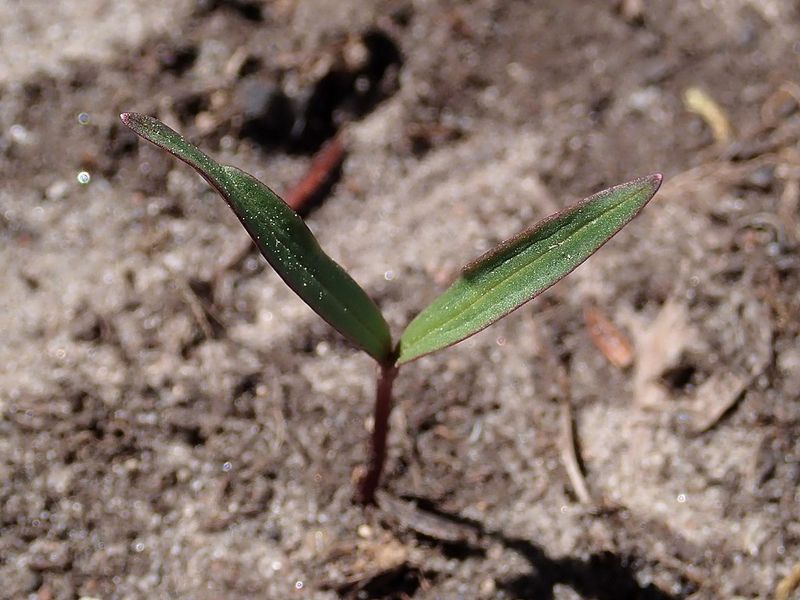
Soil temperature is something low desert gardeners learn to respect quickly. In the Phoenix area, soil surface temperatures can climb well above 100 degrees Fahrenheit by late May and June, and that kind of heat is hard on cosmos seeds trying to sprout.
Cosmos prefer germinating in soil temperatures roughly between 65 and 75 degrees Fahrenheit, and once the ground heats beyond that range consistently, germination rates drop noticeably.
The window for sowing cosmos in Arizona’s low desert is earlier than most seed packets suggest.
March through early May tends to work well for the Phoenix Valley and surrounding areas, giving seeds a chance to sprout and establish before the brutal summer heat arrives.
Waiting until late May or June to sow often means seeds sit in scorching soil, germinate unevenly, or produce seedlings too weak to handle the heat ahead.
One practical solution is to sow seeds in the late afternoon and water thoroughly so the soil holds some moisture overnight. A thin layer of light mulch over freshly sown seeds can help moderate soil temperature during the day without blocking germination.
Checking soil temperature with an inexpensive probe thermometer takes the guesswork out of timing.
Good sign: seeing small green sprouts pushing through within 7 to 14 days of sowing suggests conditions were in a good range.
Trouble sign: no sprouts after two weeks in warm, consistently dry soil suggests the heat may have reduced seed viability, and a second sowing in a slightly cooler spot or earlier in the season could help.
3. Too Much Nitrogen Can Make Cosmos Leafy Not Bloomy
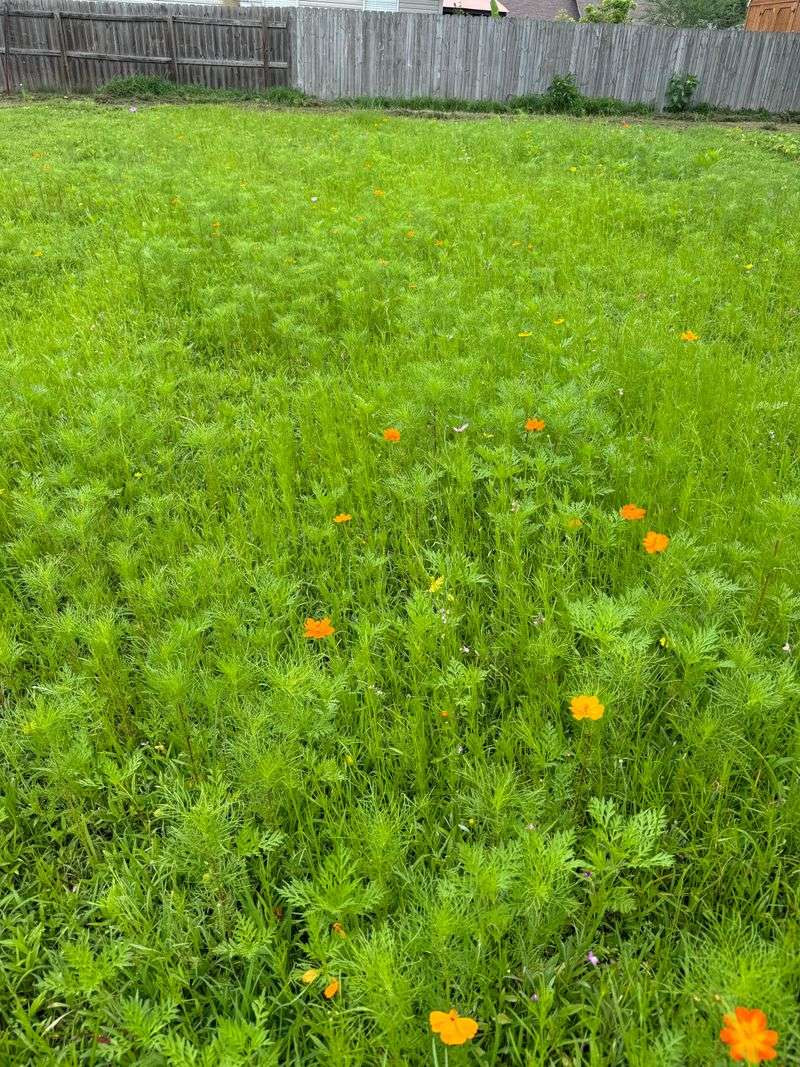
One of the most common mistakes Arizona gardeners make with cosmos is treating them like heavy feeders. Cosmos actually belong to the group of flowers that thrive in lean soil, meaning they produce their best blooms when the soil is not overly rich.
When nitrogen levels run high, plants pour their energy into producing foliage instead of flowers, and you end up with tall, leafy plants that look healthy but bloom sparingly.
Arizona soils vary quite a bit depending on where you garden. Some areas have naturally low-fertility desert soils that cosmos love without any amendment.
Others have been amended heavily over the years with compost, fertilizers, and organic matter, which can push nitrogen levels higher than cosmos prefer.
Before adding anything to your beds, it is worth doing a simple soil test to understand what you are working with rather than assuming your soil needs enriching.
If you want to encourage blooming rather than leafy growth, skip extra fertilizer once seedlings are established.
Cosmos often flowers well in average, well-draining Arizona soil with minimal amendments, and richer feeding can lead to more leaves and fewer blooms.
Good sign: compact, sturdy plants with plenty of flower buds forming along the stems indicate your soil fertility is in a good range.
Trouble sign: plants growing tall and bushy with lots of deep green leaves but few buds suggest too much nitrogen is pushing vegetative growth at the expense of the blooms you actually want to see.
4. Frequent Watering Can Lead To Fewer Blooms And Weak Growth
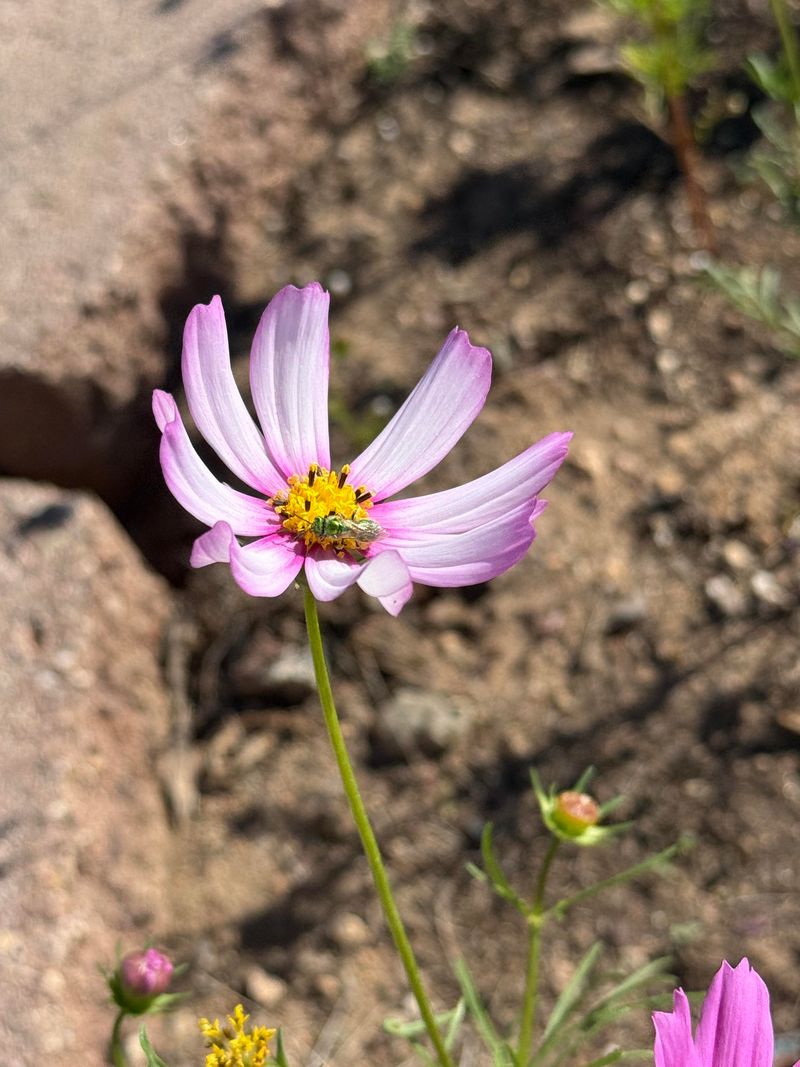
Cosmos have a well-earned reputation as drought-tolerant flowers, and that reputation is especially useful in Arizona where water conservation matters and summer temperatures push irrigation needs higher across the yard.
Many gardeners, accustomed to babying other flowers through the heat, make the mistake of watering cosmos on the same schedule as thirstier plants.
That approach tends to backfire.
When cosmos receive frequent shallow watering, their roots stay near the surface rather than reaching deeper into the soil for moisture. Shallow-rooted plants are more vulnerable to heat stress and dry spells, and they often produce weaker stems.
On top of that, consistently moist soil encourages root rot and fungal issues, especially in Arizona’s clay-heavy soils that do not drain as freely as sandy desert ground.
A better approach is deep, infrequent watering that encourages roots to grow downward.
Watering once or twice a week during the hottest months, depending on your soil type and location, is usually enough for established cosmos.
Let the top inch or two of soil dry out between waterings rather than keeping it constantly moist. Drip irrigation works well for cosmos because it delivers water directly to the root zone without wetting the foliage.
Good sign: firm, upright stems and flowers that hold their heads up through the afternoon heat suggest your watering rhythm is working well.
Trouble sign: yellowing lower leaves, soft stems near the base, or a sour smell from the soil near the plant are early indicators that water is sitting too long and roots may be struggling.
5. Windy Spring Days Can Knock Over Tall Varieties
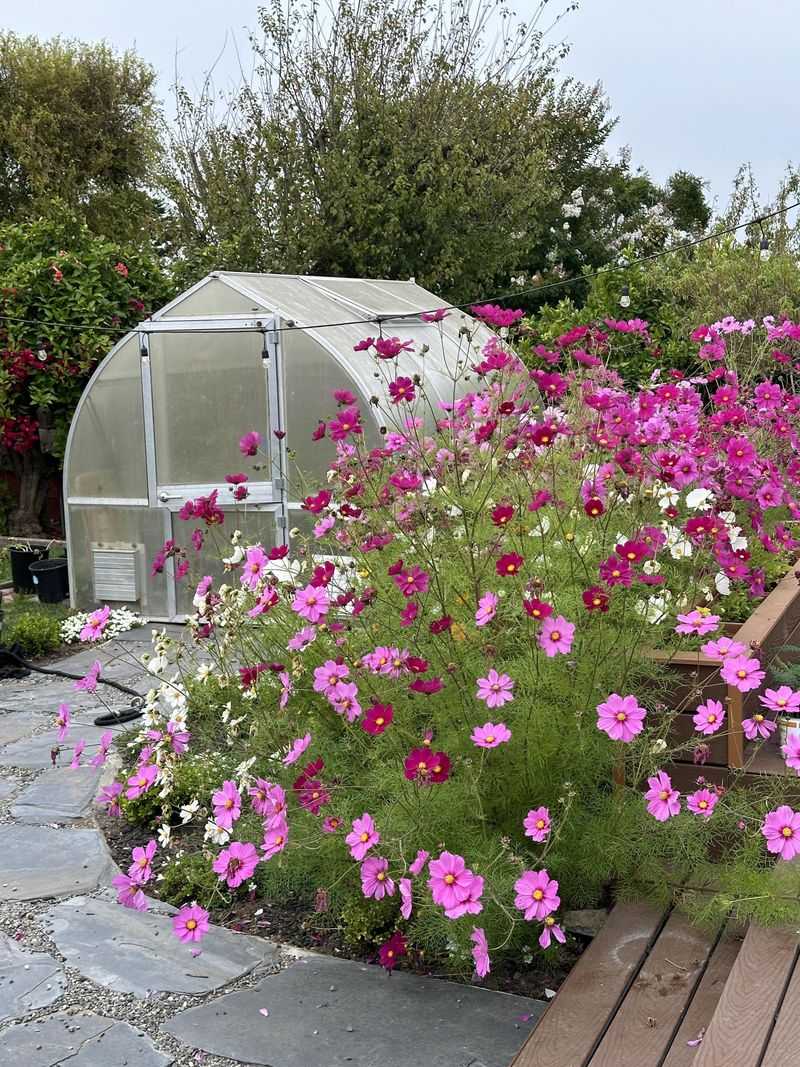
Spring in Arizona can feel deceptively mild on calm mornings, but afternoon wind gusts are a regular part of the season across much of the state.
The Salt River Valley, open desert corridors, and elevated mesas all experience breezy to gusty conditions that can flatten tall cosmos varieties before they even have a chance to bloom.
Some cosmos cultivars grow to four feet or taller, and those heights make them especially vulnerable to snapping or lodging when strong gusts hit.
Cosmos stems are naturally slender and somewhat flexible, which helps them sway without snapping in light breezes.
However, when plants are grown in rich soil with lots of water, they tend to produce lush, top-heavy growth that cannot handle Arizona’s springtime wind events.
Plants that have been well-watered right before a windy period are also heavier and more likely to bend at the base or pull loose from the soil.
Choosing shorter cosmos varieties like Sonata or Dwarf Sensation for exposed garden spots is one of the most straightforward solutions.
Staking taller varieties early, before they reach full height, gives stems the support they need without looking cluttered.
Planting cosmos along a fence line, near a low wall, or among other sturdy plants can also reduce wind exposure significantly.
Good sign: stems that sway gently and spring back upright after gusts pass are handling wind stress well.
Trouble sign: stems bent at 45-degree angles, lodged against the soil, or snapped near the base after a windy afternoon suggest your variety or planting location may need adjustment next season.
6. Phoenix Weather Swings Can Bring Spider Mites And Powdery Mildew
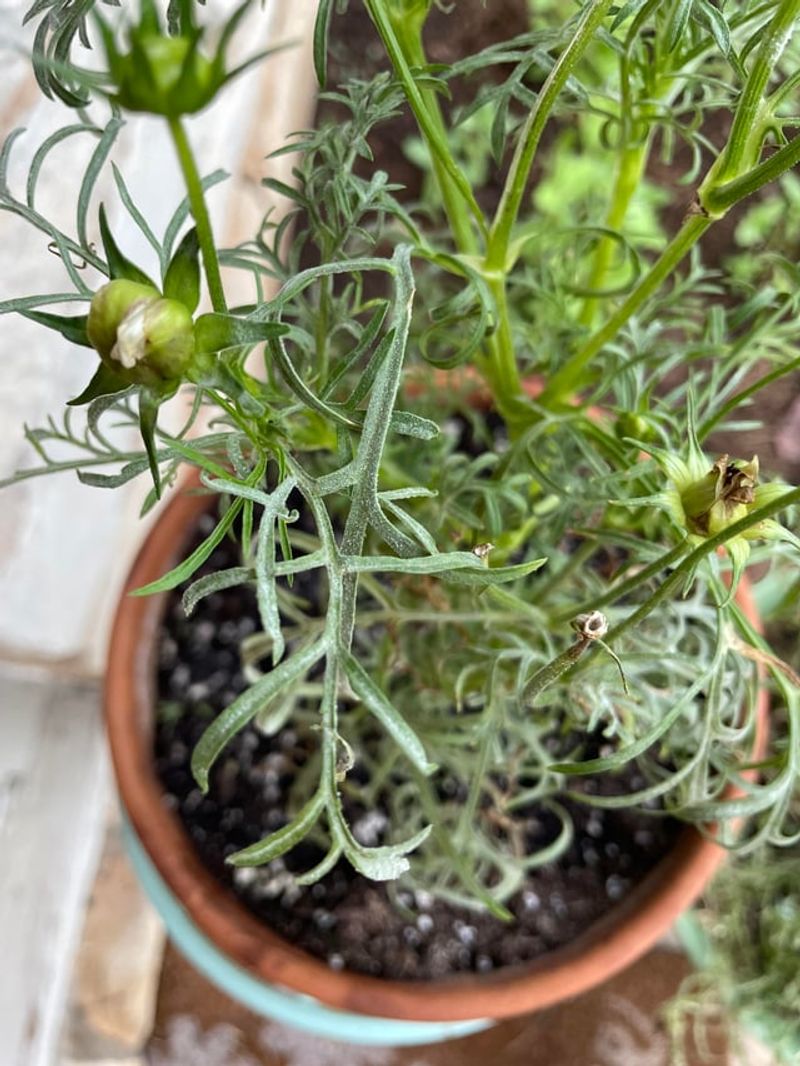
Phoenix gardeners know that the weather rarely stays predictable for long. Hot, dry stretches followed by the sudden humidity of monsoon season create shifting conditions that certain pests and fungal problems find very inviting.
Spider mites, in particular, thrive in hot and dry periods, and they often show up on cosmos during late spring before the monsoon arrives.
Powdery mildew tends to appear once humidity rises, especially in late summer and early fall when warm nights and moisture combine.
Spider mites are tiny and easy to miss until the damage becomes obvious. They feed on the undersides of leaves, leaving a fine, dusty webbing and causing foliage to look stippled, pale, or grayish.
A strong spray of water from a hose directed at the undersides of leaves can disrupt mite populations before they get out of hand.
For heavier infestations, insecticidal soap can help when it’s sprayed directly on the pests, but apply it when pollinators are least active and avoid spraying open blooms since it can affect beneficial insects on contact.
Powdery mildew shows up as a white, powdery coating on leaves and stems. It spreads quickly in humid conditions and tends to affect older or crowded plants first.
Improving air circulation by thinning plants, avoiding overhead watering, and removing affected leaves early can slow its spread considerably. Cosmos planted with good spacing from the start are less likely to develop serious mildew problems.
Good sign: clean, evenly colored foliage with no webbing or white coating after a humid stretch means your plants are in good shape.
Trouble sign: grayish, stippled leaves or a white dusty film spreading across multiple plants signals that action is needed soon before the problem escalates across your entire patch.