5 Things Arkansas Homeowners Should Do If A Feral Hog Shows Up (And 3 To Avoid)
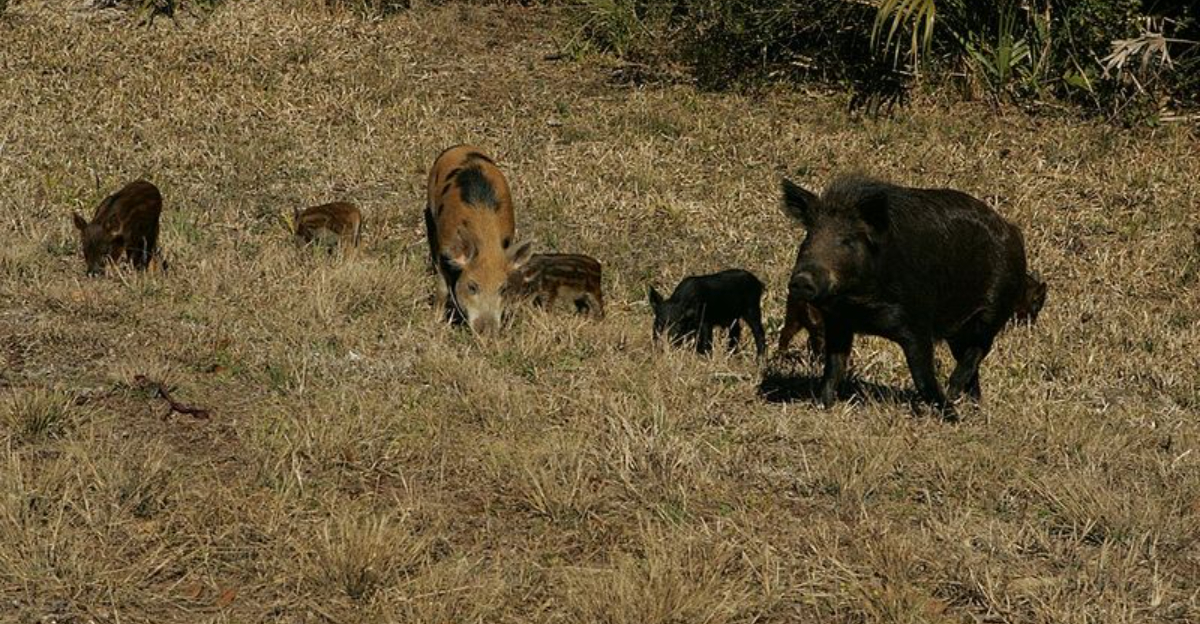
Spotting a feral hog in an Arkansas yard can be alarming, especially when damage appears overnight with no clear source.
These animals are powerful, unpredictable, and capable of tearing through lawns, gardens, and fencing in a short time.
Knowing which actions help immediately, and which common responses can make the situation worse, is key to protecting property and staying safe.
1. Move Indoors And Observe From A Safe Distance
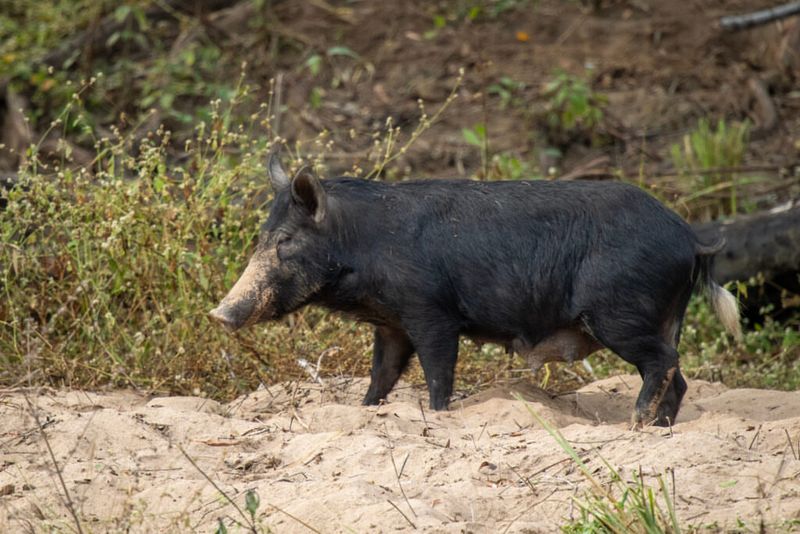
When a feral hog shows up on an Arkansas property, the safest immediate response is to move everyone indoors and observe the situation calmly from a secure location without drawing attention.
Feral hogs can react unpredictably to movement, noise, or perceived pressure, especially when they sense people nearby watching or approaching them.
Staying indoors allows homeowners to assess the hog’s behavior while maintaining a physical barrier that reduces the risk of sudden charges or aggressive reactions.
Standing outside, even several yards away, can unintentionally block escape routes and increase the animal’s stress level.
Windows and enclosed spaces provide visibility while preventing the hog from feeling cornered or threatened by human presence.
Observing quietly helps determine whether the hog is traveling alone or part of a larger group that may still be nearby.
This information can be useful when reporting the sighting to wildlife officials who need accurate details.
Remaining indoors also prevents children or pets from accidentally startling the hog through sudden movements or noise.
Keeping distance is one of the most effective ways to prevent a dangerous encounter from escalating.
2. Call Arkansas Game And Fish Commission For Guidance
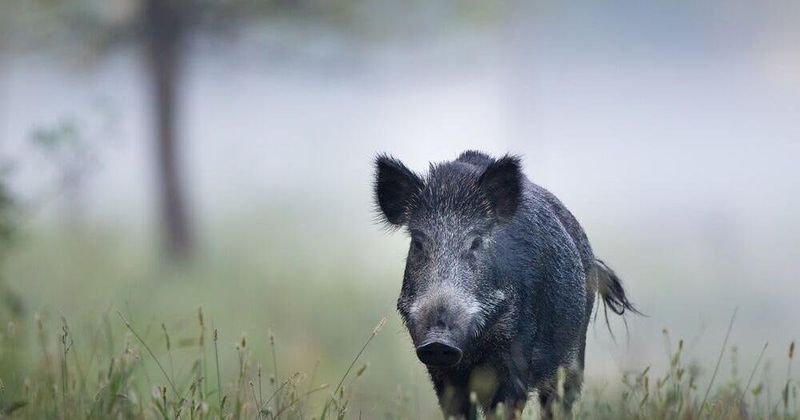
Once everyone is safely indoors, Arkansas homeowners should contact the Arkansas Game and Fish Commission to report the feral hog sighting and receive proper guidance.
The Arkansas Game and Fish Commission has extensive experience managing feral hog activity across rural properties, farmland, and residential areas throughout the state.
Reporting the situation allows trained professionals to assess the risk level and determine the safest and most effective response for the specific location.
Providing clear details about the hog’s size, behavior, direction of movement, and proximity to homes helps officials plan an appropriate course of action.
Feral hogs are considered invasive in Arkansas, and state authorities follow specific protocols designed to protect both people and property.
Attempting to handle the situation without expert advice often leads to decisions that unintentionally increase danger or prolong the problem.
Wildlife officials can also advise homeowners on immediate safety steps to take while waiting for further assistance.
Calling early helps authorities track hog movement patterns and reduce the likelihood of repeated visits in the same area.
Relying on professional guidance is one of the safest ways to manage a feral hog encounter without putting household members at risk.
3. Block Access To Porches, Garages, And Crawl Spaces
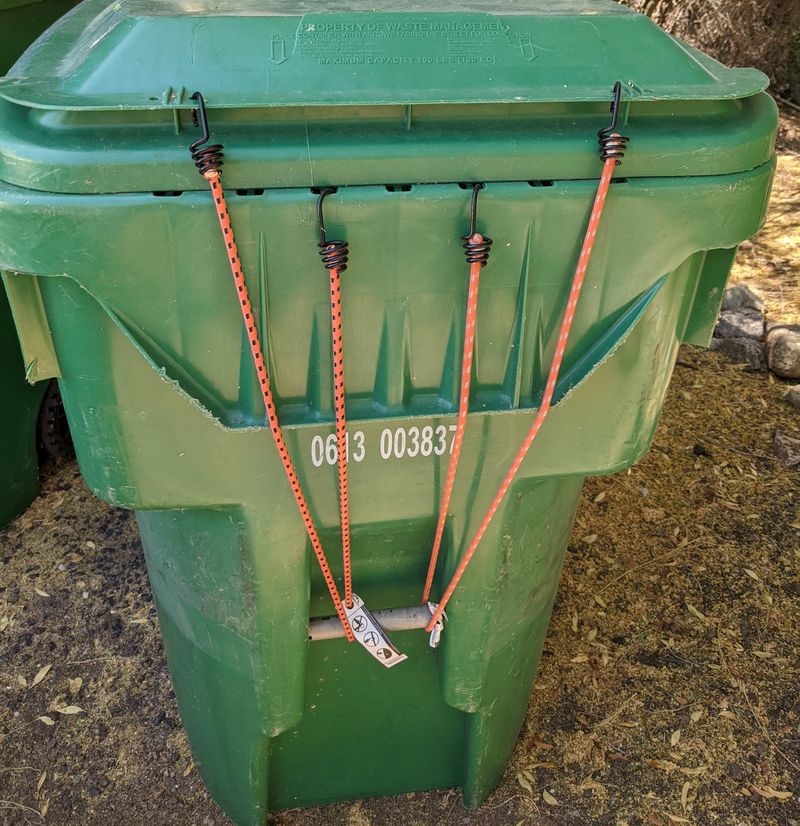
When a feral hog is nearby in Arkansas, blocking access to porches, garages, and crawl spaces helps prevent the animal from moving closer to people or sheltering near the home.
Feral hogs will investigate covered or enclosed areas if they feel stressed, chased, or curious, especially when those spaces offer shade or protection.
An open garage door or accessible crawl space can unintentionally give a hog a place to hide, making removal more difficult and dangerous.
Closing doors, securing gates, and blocking gaps under decks reduces the chance that the animal will linger close to living areas.
Hogs that move closer to structures may feel cornered, which increases the likelihood of aggressive or defensive behavior.
Securing these access points also protects property from damage caused by rooting, pushing, or attempting to squeeze into tight spaces.
Homeowners should avoid approaching the hog while securing entrances and only take these steps if it can be done safely from indoors.
Preventing access helps keep the hog moving through the area rather than settling near the home.
Blocking shelter opportunities is an important step in reducing risk until wildlife officials can respond.
4. Use Lighting To Discourage Nighttime Activity
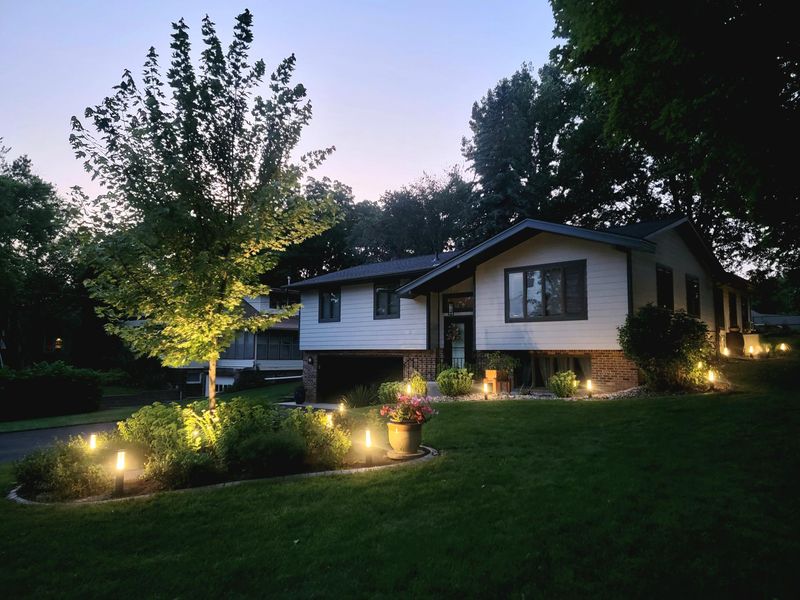
Using exterior lighting can help discourage nighttime feral hog activity on Arkansas properties by making the area feel less safe and less appealing to the animal.
Feral hogs prefer to forage and move under cover of darkness, where they feel protected from threats and less likely to be noticed.
Turning on porch lights, floodlights, or motion-activated lighting can interrupt that sense of safety and encourage the hog to keep moving.
Sudden illumination often makes hogs uneasy, especially when combined with quiet surroundings that no longer feel hidden or secluded.
Well-lit yards reduce the likelihood that a hog will linger near homes, gardens, or outbuildings during nighttime hours.
Lighting can also help homeowners safely monitor the animal’s location from indoors without stepping outside or creating noise.
Consistent lighting discourages repeat visits by signaling that the area is frequently active and not an ideal feeding spot.
This approach works best as a deterrent rather than a way to force the hog to move in a specific direction.
Using lighting thoughtfully adds another layer of protection while waiting for professional assistance to address the situation.
5. Coordinate With Neighbors If The Hog Is Still Nearby
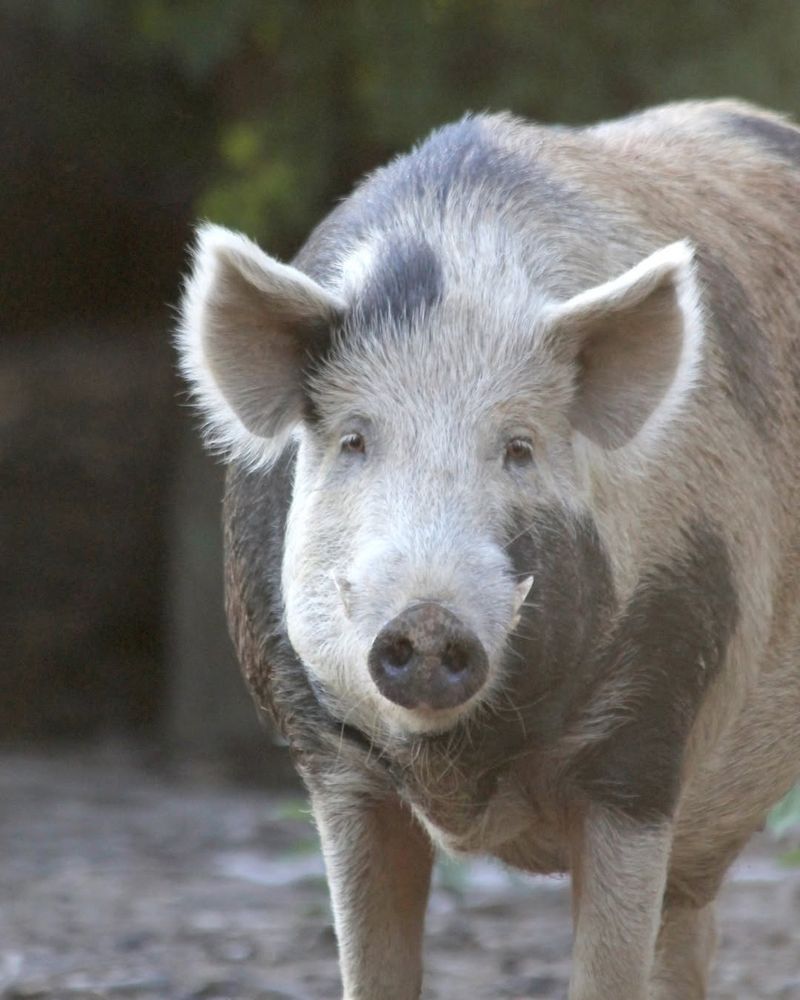
If a feral hog remains in the area in Arkansas, coordinating with nearby neighbors can help everyone stay alert and reduce the risk of surprise encounters.
Feral hogs often move across multiple properties, which means one household’s actions can directly affect the safety of others nearby.
Letting neighbors know about the sighting allows them to keep children and pets indoors and avoid stepping outside unexpectedly.
Sharing information about the hog’s location, direction of movement, and behavior helps create a clearer picture of the situation.
Coordination can prevent people from accidentally approaching the hog from different sides, which could make the animal feel trapped.
Neighbors can also secure trash, pet food, and outdoor areas at the same time, reducing attractions across the whole block or area.
Clear communication helps avoid panic-driven reactions like chasing or confronting the hog individually.
When wildlife officials are contacted, consistent reports from multiple neighbors can help speed up response and decision-making.
Working together keeps the situation controlled and reduces the chances of injury or property damage until the hog moves on or professionals arrive.
6. Approaching The Hog To Get A Better Look
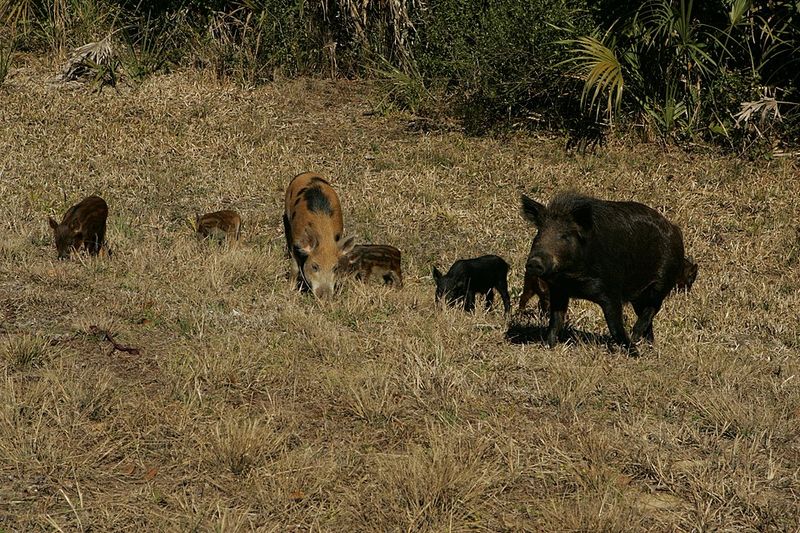
Approaching a feral hog to get a better look in an Arkansas yard is extremely dangerous because these animals can shift from calm to aggressive behavior without any warning.
Even when a hog appears relaxed or distracted, moving closer reduces its comfort zone and increases stress that can trigger a sudden defensive response.
Feral hogs rely on speed and strength when they feel threatened, and they can charge faster than most people expect once that instinct kicks in.
Trying to observe details up close often causes the hog to feel cornered, especially in residential spaces where fences, buildings, or vehicles limit escape paths.
When escape feels blocked, hogs are more likely to stand their ground and protect themselves using force rather than retreating.
People often misjudge distance and reaction time, believing they can move away quickly if needed, which is rarely true in real encounters.
Approaching also increases the risk of startling the animal, which can cause it to bolt unpredictably toward people, pets, or nearby homes.
Photographing, filming, or simply watching from a closer position adds unnecessary danger without providing any real benefit.
Keeping a wide distance is one of the safest choices Arkansas homeowners can make when a feral hog appears nearby.
7. Letting Dogs Investigate Or Chase The Hog
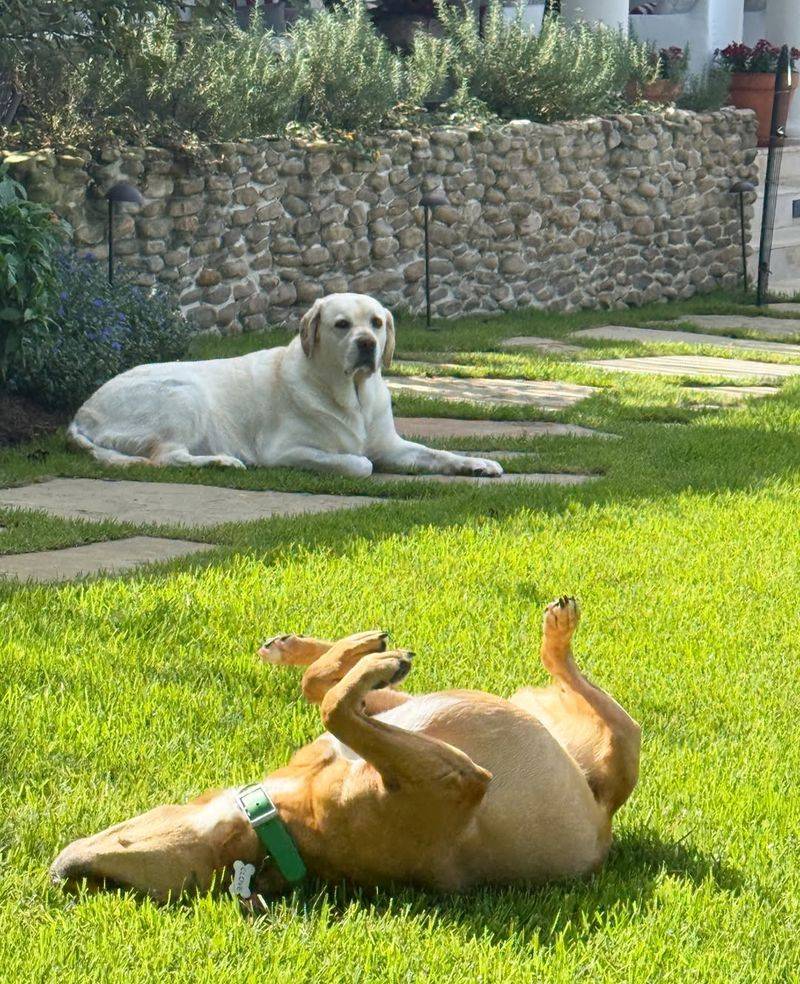
Letting dogs investigate or chase a feral hog in an Arkansas yard is extremely dangerous because barking, rushing, or circling behavior can instantly provoke a powerful defensive response.
Feral hogs often perceive dogs as direct threats, especially when surprised, cornered, or pressured in unfamiliar residential spaces.
Once a dog gives chase, the hog may spin suddenly or charge, creating a chaotic situation that puts both the animal and nearby people at serious risk.
Hogs are fast, strong, and equipped with sharp tusks, which means even a brief encounter can result in severe injury or death for a pet.
Chasing can also push the hog into panic, causing it to bolt unpredictably toward homes, neighbors, roads, or fenced areas where escape options disappear.
Owners frequently overestimate their ability to call dogs back during high-stress encounters, especially when prey instincts take over.
As the hog focuses on the dog, people attempting to intervene may unknowingly place themselves directly in the animal’s path.
Wildlife professionals consistently warn that using dogs to intimidate or move feral hogs makes situations harder to control and more dangerous.
Keeping dogs secured indoors prevents escalation and helps ensure the hog leaves the area without triggering a violent confrontation.
8. Trying To Trap Or Contain The Hog Yourself
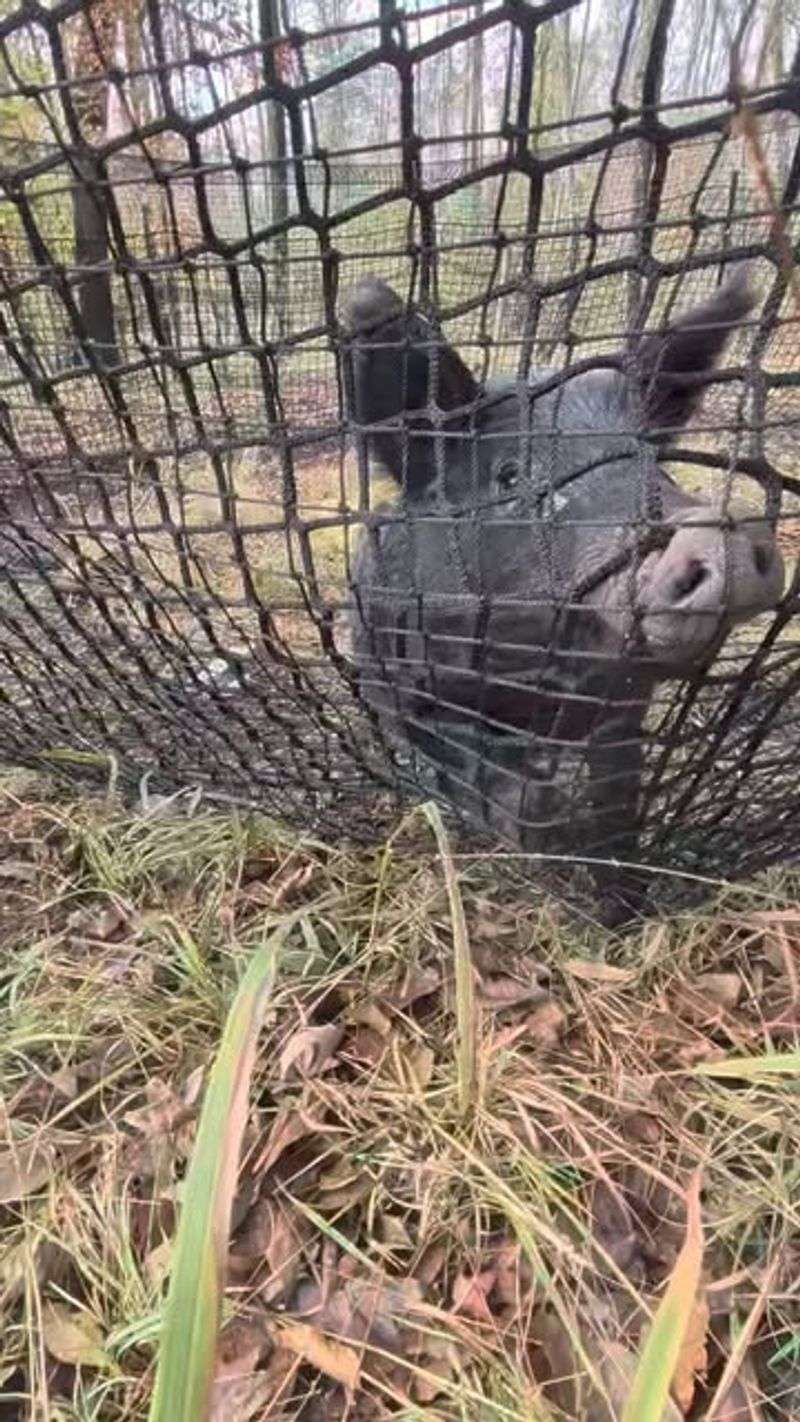
Trying to trap or contain a feral hog yourself in Arkansas is extremely dangerous because these animals are powerful, unpredictable, and capable of reacting violently when restrained.
Homeowners often underestimate a hog’s strength and speed, which can lead to serious injuries when makeshift traps, barriers, or vehicles fail unexpectedly.
Feral hogs become highly stressed when confined, and that stress greatly increases the likelihood of charging, biting, or forcing their way out.
Improvised containment methods such as fencing panels, ropes, or vehicles are rarely secure enough to hold a panicked animal safely.
Attempting to trap a hog can also push it into tighter spaces near homes, garages, or neighboring properties, increasing risk for everyone nearby.
Many hog-related injuries occur when people try to control the animal without understanding its behavior or escape responses.
Handling attempts can cause the hog to thrash or break free suddenly, creating a chaotic situation that is difficult to control.
Wildlife professionals use specialized equipment and training designed specifically for feral hog removal under Arkansas regulations.
Leaving containment and removal to professionals is the safest option to prevent injury and avoid turning a dangerous situation into a serious emergency.