8 Things California Homeowners Should Know Before Removing Raccoons From The Yard
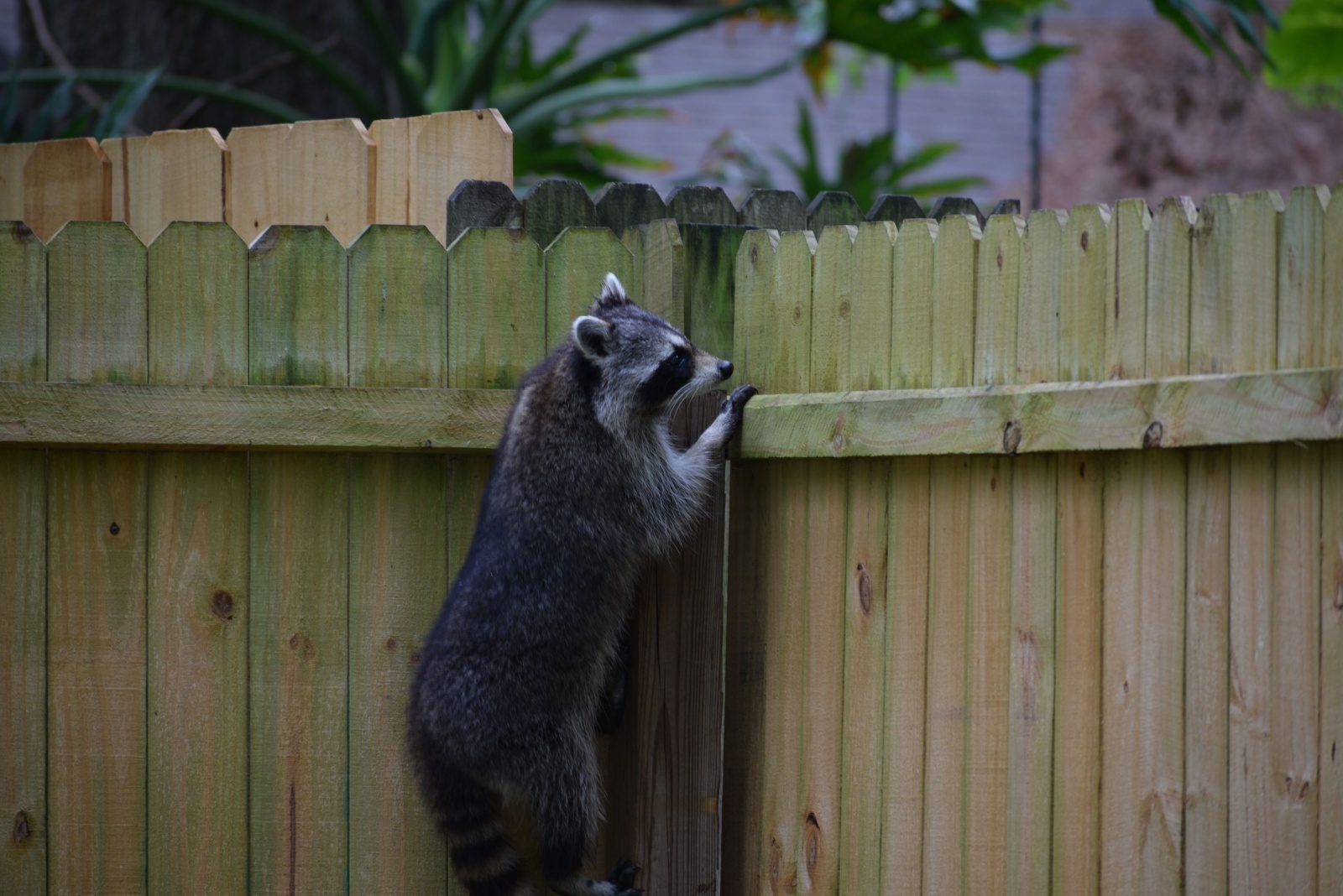
Raccoons may look adorable with their bandit masks and ringed, fluffy tails, but once they start rummaging through trash cans or settling into attics, the situation can become surprisingly complicated.
In California, wildlife is protected under specific regulations, and handling raccoons the wrong way can lead not only to legal trouble but also to unnecessary stress or injury for the animals themselves.
That is why a little knowledge goes a long way. Before jumping into action, it helps to understand what you are allowed to do, what you should avoid, and which humane options work best.
With the right approach, you can protect your home, stay within the law, and make sure these clever nighttime visitors are handled safely and responsibly.
1. California Law Protects Raccoons As Wildlife
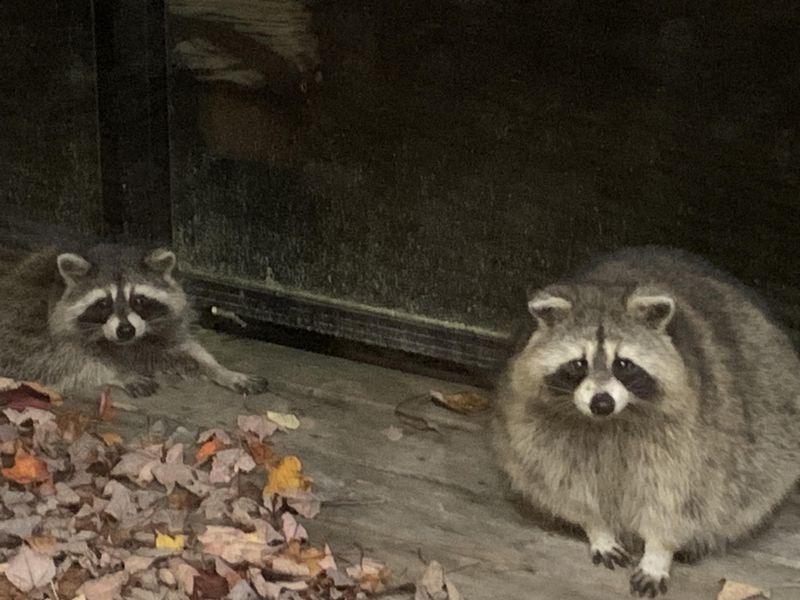
Raccoons in California are not just backyard visitors, they are protected wildlife under state law. That means you cannot simply trap and relocate them on your own, even if they are causing trouble.
The California Department of Fish and Wildlife sets clear rules on how raccoons may be handled, and those rules are meant to protect both people and animals.
Many homeowners are surprised to learn that even good intentions can lead to legal problems.
Moving a raccoon to a nearby park, open space, or wooded area without proper authorization is illegal and can result in significant fines. Relocation can also harm the animal, since raccoons moved out of their territory often struggle to survive.
Before taking any action, it is wise to check with local wildlife authorities or contact a licensed wildlife professional.
With the right guidance, you can resolve raccoon problems safely, legally, and humanely while avoiding unnecessary trouble for yourself and the animals.
2. Raccoons Are Most Active At Night
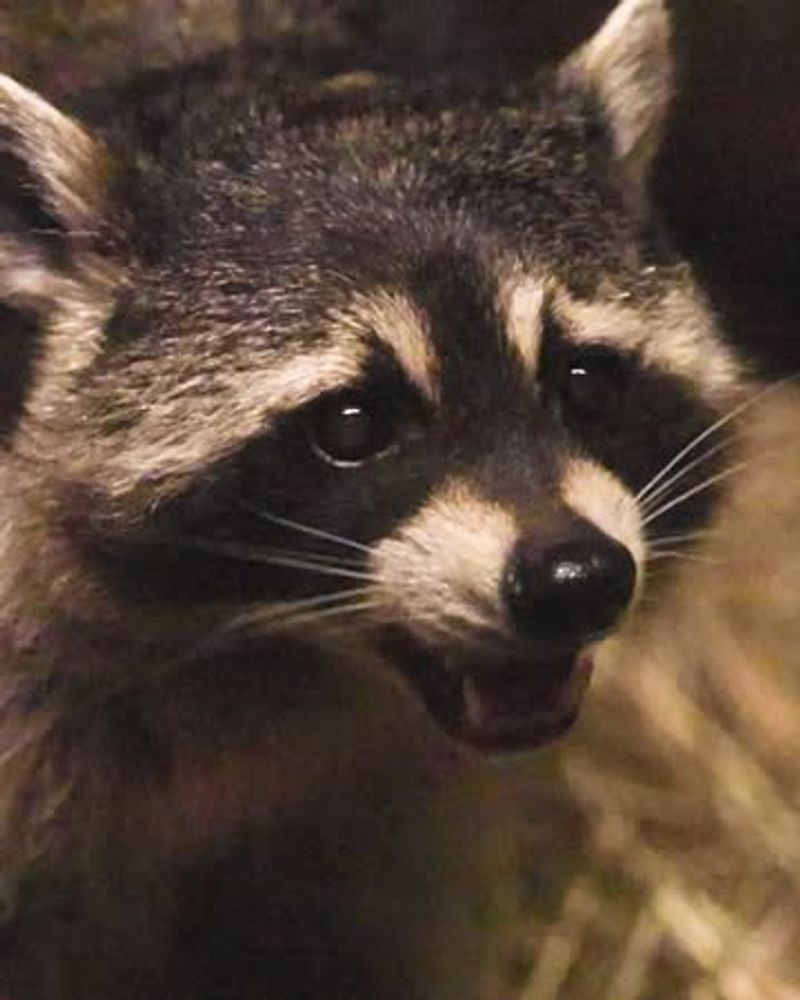
Raccoons truly earn their “night bandit” reputation. These clever animals are mostly nocturnal, doing their exploring, foraging, and mischief long after the sun goes down.
Many homeowners first realize they have visitors when they hear the clatter of trash can lids, soft thumping on the roof, or faint scratching in the dark.
Because so much of their activity happens at night, raccoons can be surprisingly difficult to spot or track. You may hear plenty of evidence without ever seeing the culprit.
On the other hand, if a raccoon is wandering around in broad daylight, it can be a warning sign. Daytime activity sometimes means the animal is sick, injured, or unusually desperate for food, and it may be best to keep your distance and contact local wildlife authorities.
Learning their nightly routine makes a big difference when it comes to prevention. Securing trash before evening, checking roofs and entry points, and removing food sources after sunset all work far better when you plan around their schedule.
The more you understand how raccoons operate, the easier it becomes to keep your home quiet, secure, and raccoon free.
3. They Can Carry Dangerous Diseases

Raccoons are fascinating animals, but they can pose real health risks if handled or approached.
One of the most serious concerns is rabies, a deadly virus that attacks the nervous system and can spread to people or pets through bites or scratches. Although not every raccoon carries rabies, it only takes one exposure to create a dangerous situation.
They can also carry raccoon roundworm, a parasite found in their droppings. The microscopic eggs can contaminate soil, decks, sandboxes, or garden beds, and accidental ingestion may lead to serious illness.
Another potential risk is leptospirosis, a bacterial disease that spreads through urine and can contaminate water sources or damp soil where pets or children might play.
For these reasons, it is important never to approach, feed, or try to touch a raccoon, especially one that appears unusually bold, disoriented, or unafraid of people.
Keep a safe distance, secure pets indoors if a raccoon is nearby, and make sure children understand that these animals are not safe to interact with. If you suspect a raccoon is sick or behaving strangely, contact local animal control or wildlife authorities for guidance.
4. Relocation Often Leads To Their Passing

Relocating a raccoon may sound like a gentle solution, but in reality it often creates far more suffering for the animal.
Raccoons are strongly territorial, and placing one in unfamiliar ground usually sparks conflict with resident raccoons. These encounters can quickly turn into serious fights, leaving the newcomer injured or driven away.
Life in a new area is also incredibly hard. A relocated raccoon does not know where to find steady food or clean water, and it has no safe den to retreat to when weather turns harsh.
Many become disoriented, weakened, and vulnerable to starvation, predators, or exposure. Mothers separated from their young may also lose their family groups entirely.
Wildlife experts widely agree that relocation has a very low survival rate. What seems like a humane choice at first often leads to prolonged stress and suffering.
In most cases, prevention, exclusion, or help from licensed wildlife professionals is far kinder and far more effective for both people and raccoons.
5. Prevention Works Better Than Removal
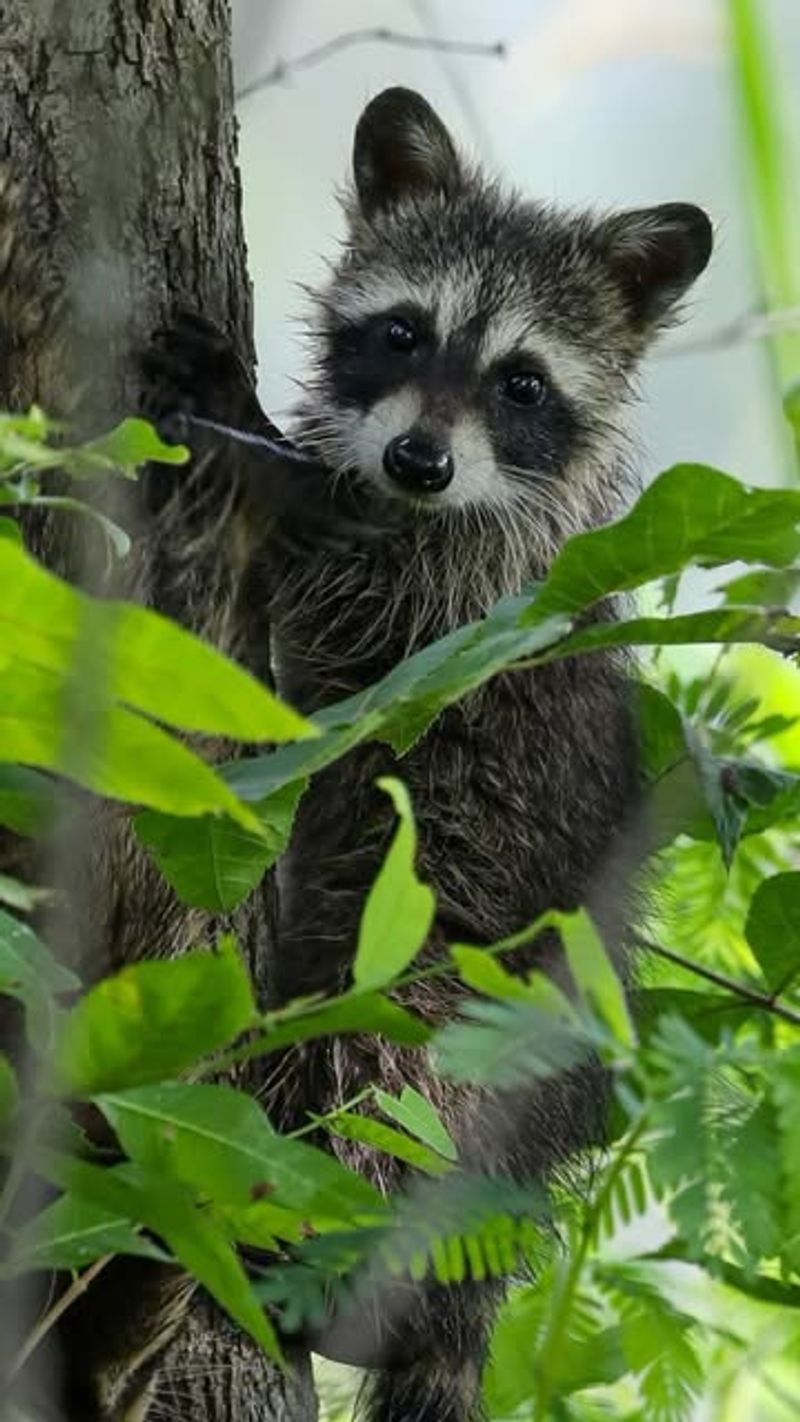
Stopping raccoons before they settle in is far easier than trying to remove them later. A few smart prevention steps can save you stress, repair costs, and late-night disturbances.
Start with food sources. Use sturdy trash cans with tight-fitting lids or locking mechanisms so curious paws cannot pry them open.
Bring pet food indoors at night, and avoid leaving bird seed or scraps outside after sunset. If you have fruit trees, regularly pick up fallen fruit so it does not become an easy buffet.
Next, inspect your home for entry points. Seal gaps along the roofline, repair loose shingles, cover chimney openings with proper caps, and close off any holes in siding or foundation.
Even small openings can become inviting doorways for a determined raccoon looking for shelter.
Keeping your yard tidy and eliminating easy meals makes your property far less appealing. When raccoons cannot find food, water, or safe nesting spots, they are much more likely to move along in search of easier options.
A little prevention goes a long way toward keeping your home quiet and raccoon free.
6. Baby Raccoons Need Special Consideration
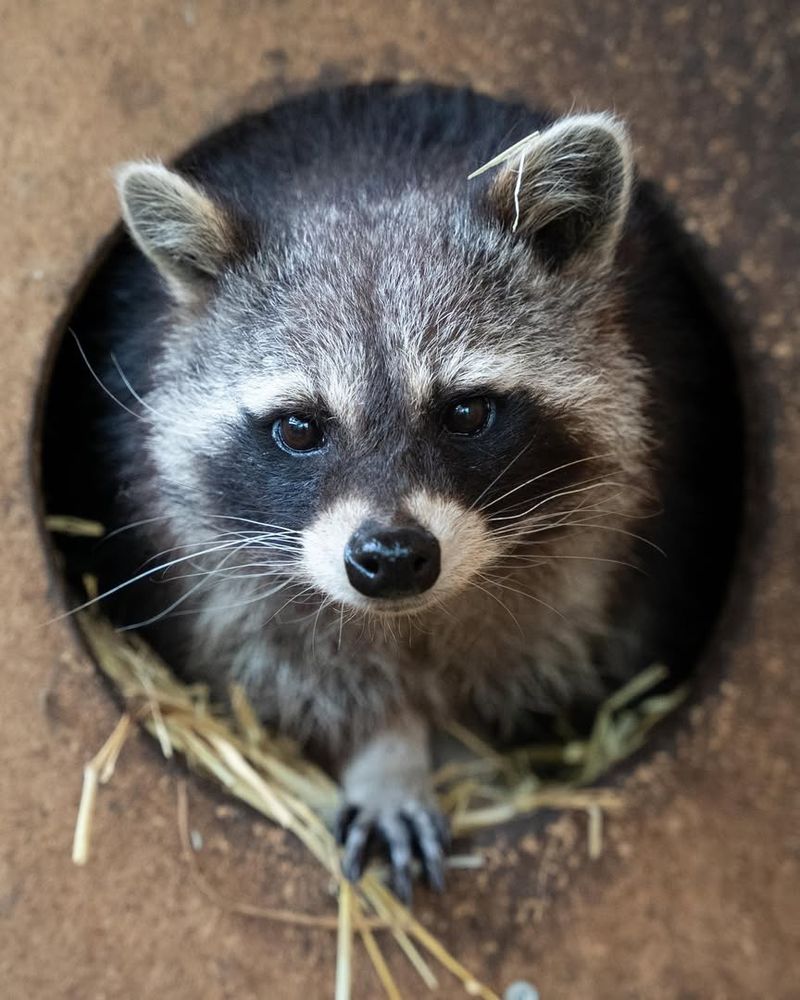
Spring and early summer mark baby raccoon season, a time when mother raccoons search carefully for quiet, sheltered places to raise their young.
Attics, chimneys, crawl spaces, and sheds often seem perfect to them. If a mother is removed without first checking for babies, the hidden kits are left behind with no way to survive on their own, leading to a slow and heartbreaking outcome.
During this time, mother raccoons are especially watchful and protective. If they sense danger near their nest, they may act boldly to defend their young, which can create risky situations for homeowners.
Patience is important. Young raccoons typically stay with their mother until they are about 8 to 10 weeks old and strong enough to move with her to a new location.
When in doubt, a licensed wildlife professional can make all the difference. They know how to check for babies, choose the safest timing, and handle the situation humanely.
With the right approach, you can avoid harming the animals while also protecting your home and family.
7. Licensed Professionals Know The Rules
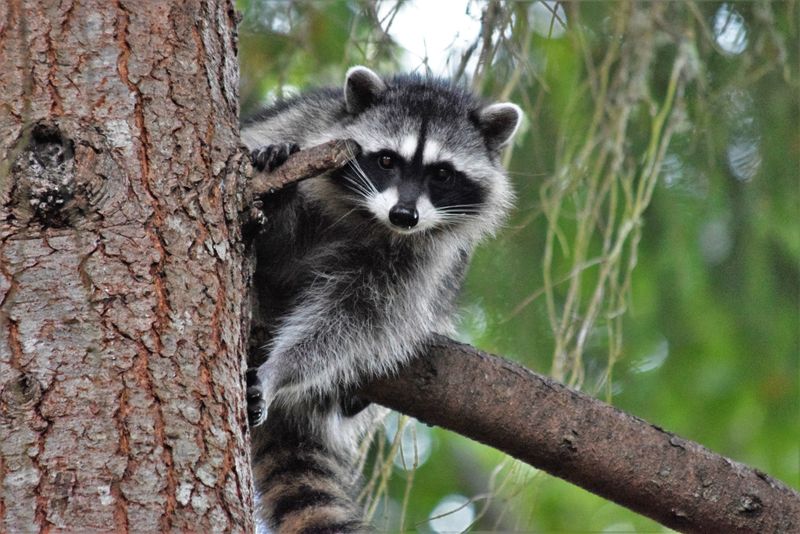
Bringing in a properly licensed wildlife professional takes a lot of uncertainty off your shoulders. These experts know California’s wildlife laws inside and out, so the work is done legally and with humane, approved methods.
That means no risky shortcuts, no accidental violations, and peace of mind that both you and the animals are being treated responsibly.
Licensed operators also come prepared. They have the right tools, protective gear, and hands-on training to handle raccoons safely, reducing the risk of bites, scratches, or disease exposure.
Many professionals even offer follow-up visits or service guarantees, returning if raccoons try to move back in.
Although professional help may cost more at first, it often saves money in the long run. Avoiding property damage, medical risks, and legal trouble is well worth it, and you can feel confident the situation is handled in a safe, humane, and effective way.
8. Humane Exclusion Is The Gold Standard
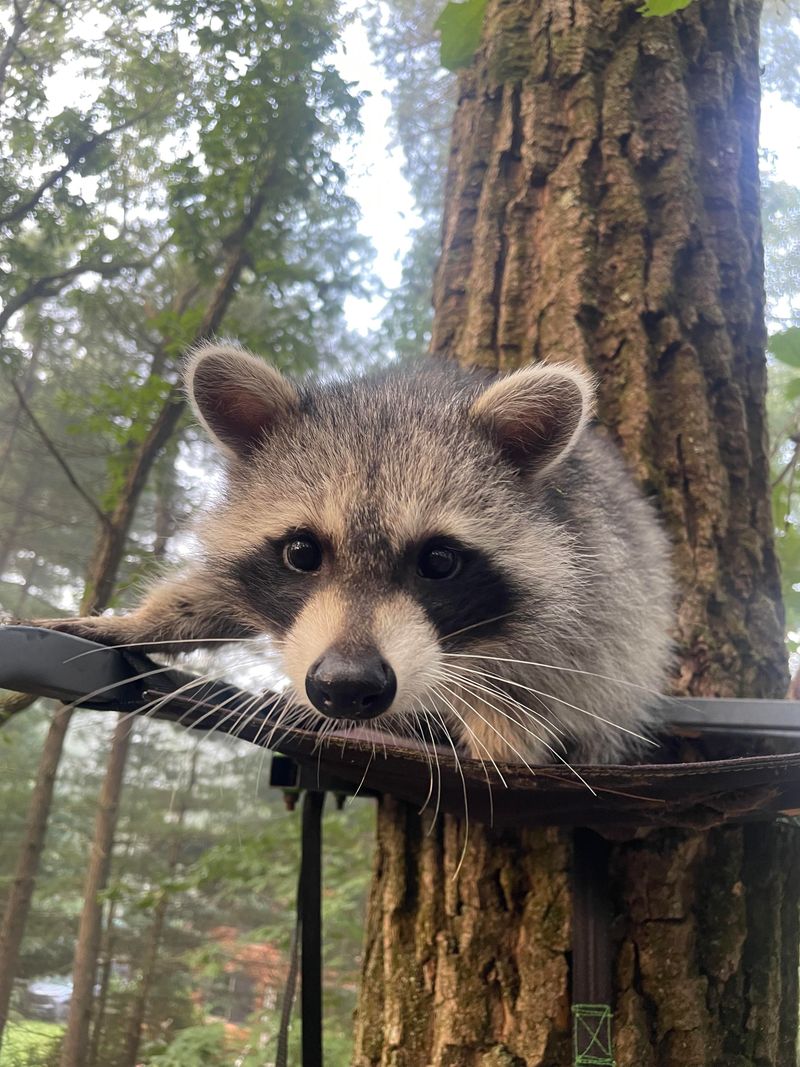
Exclusion is often the smartest and most humane way to solve a raccoon problem. Instead of trapping or relocating, the goal is simple: let the animals leave safely, then make sure they cannot return.
Wildlife professionals place specially designed one way doors over entry points, allowing raccoons to exit your attic, chimney, or crawl space but blocking them from getting back inside.
This approach greatly reduces stress for both the animals and the homeowner. There is no frightening capture, no risky handling, and no chance of relocating raccoons to an unfamiliar place where survival is uncertain.
Once the animals have fully moved out, professionals permanently seal and reinforce the openings so your home stays protected.
Exclusion strikes a thoughtful balance between respecting wildlife and safeguarding your property.
Because it solves the root of the problem rather than just the symptoms, animal welfare groups and wildlife experts widely consider it the most effective, long term solution for living peacefully alongside these clever nighttime visitors.