8 Things Every Ohio Gardener Should Do In February
Ohio gardeners, February may look quiet outside, but this month can decide how your entire growing season turns out. While the ground is frozen and snow still shows up uninvited, there is a lot you can do right now to get a serious head start.
Miss these simple tasks and spring can feel rushed, messy, and stressful. Get them done and you will roll into planting season feeling prepared, organized, and excited.
This is the sweet spot for planning, prepping, and setting your garden up for bigger harvests and healthier plants. If you want fewer problems, stronger seedlings, and less scrambling when warmer days arrive, February is your secret weapon.
A little effort now can save you hours later and make this your best garden season yet.
1. Get Seeds Started Indoors
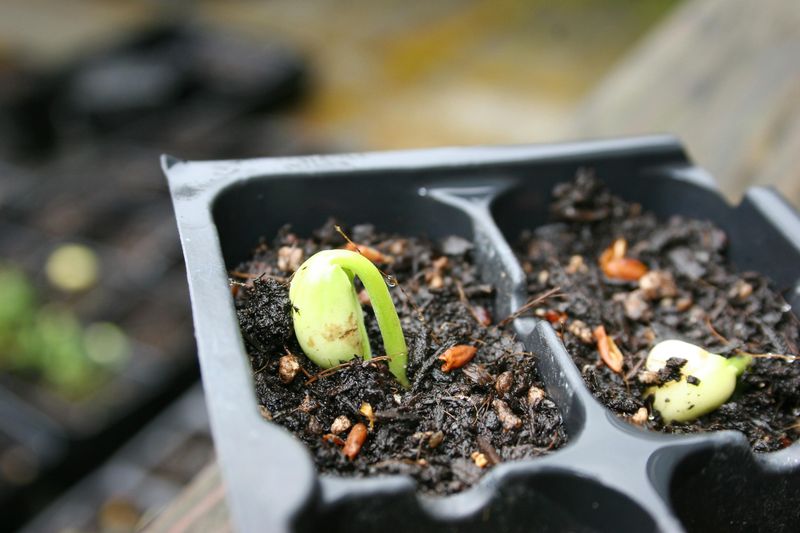
Your seed catalogs are stacked on the kitchen counter, and the February sun streams through your south-facing window a little longer each afternoon. You can almost feel spring coming, even though your outdoor soil is still too cold and wet to work.
Starting seeds indoors now gives your tomatoes, peppers, and other warm-season crops the head start they need to produce well in Ohio’s relatively short growing season.
Southern Ohio gardeners can start tomatoes and peppers in mid to late February, but central Ohio should wait until late February or early March, and northern Ohio gardeners should wait until early to mid March to avoid leggy seedlings. Grow lights produce much stronger seedlings than windowsill light alone during Ohio’s short winter days.
Keep the soil consistently moist but not soggy, and maintain temperatures between 65 and 75 degrees for best germination.
Many beginners make the mistake of starting seeds too early, which leads to leggy, weak seedlings that struggle after transplanting. Check your local frost dates and count backward based on each plant’s recommended indoor growing time.
When your seedlings develop their first true leaves, you can begin feeding them with a diluted liquid fertilizer once a week.
Proper indoor seed starting saves money compared to buying transplants at the garden center, and it gives you access to heirloom varieties and specialty crops you won’t find in stores.
2. Prune Now For Stronger Spring Growth
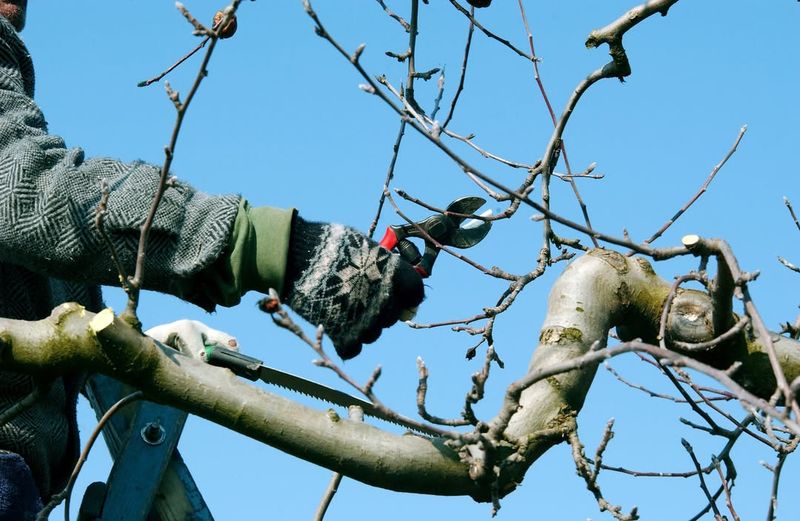
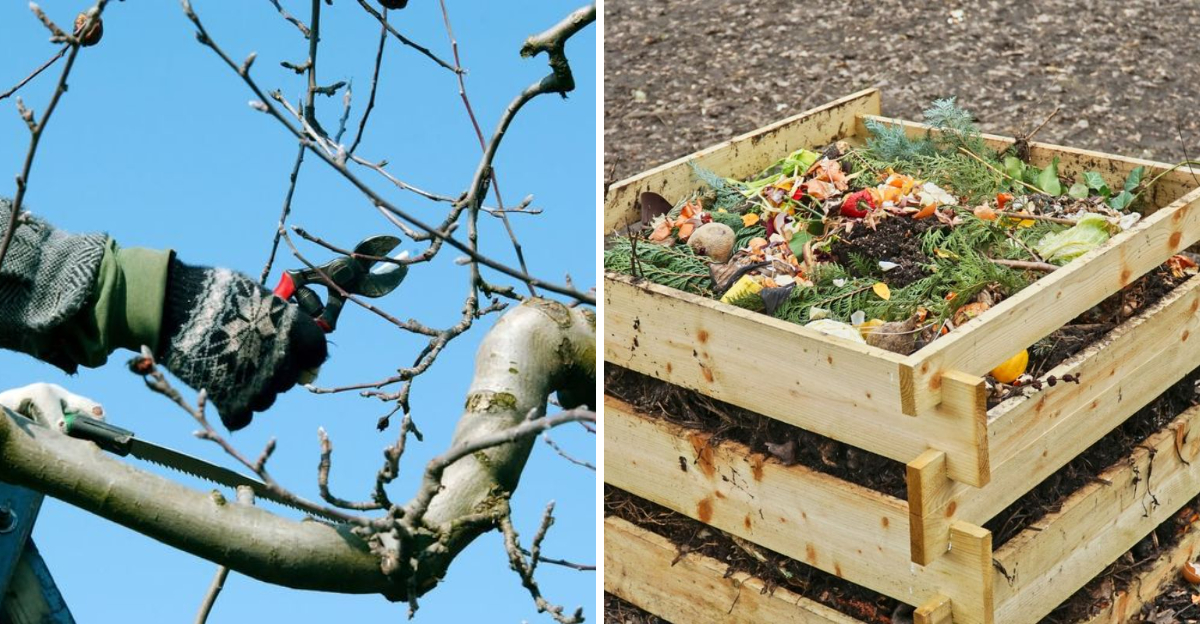
Walk outside on a mild February afternoon and you will notice the bare branches of your fruit trees and ornamental shrubs standing stark against the gray sky. Without leaves blocking your view, you can see the structure of each plant clearly, making this the ideal time to prune.
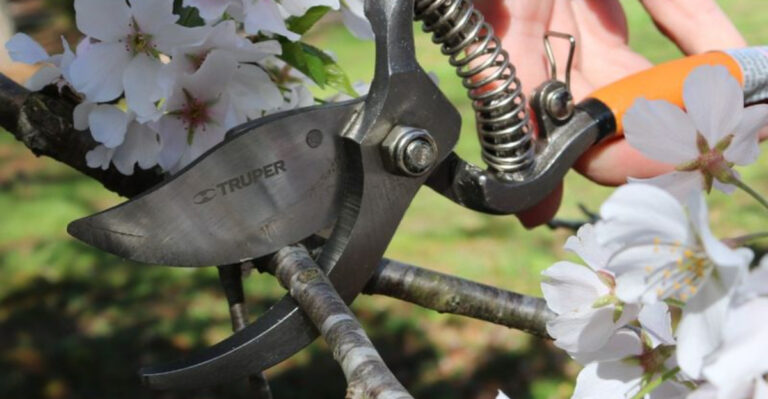
Late winter pruning encourages vigorous new growth once spring arrives, and you avoid the risk of spreading disease that comes with pruning during the humid summer months.
Focus on removing branches that cross or rub against each other, as well as any that grow inward toward the center of the plant. You also want to take out weak or damaged wood that won’t produce well.
Do not prune spring-flowering shrubs such as lilac, forsythia, magnolia, or azalea in February, because their flower buds were formed last year and will be removed by winter pruning. However, dormant-season pruning is ideal for apple, pear, oak, maple, and most shade trees.
Many homeowners wait too long and prune after buds have started to swell, which wastes the plant’s stored energy. Use sharp, clean pruners and make cuts at a slight angle just above an outward-facing bud.
Avoid leaving stubs, which invite rot and pests.
After a good pruning session, your trees and shrubs will have better air circulation, more sunlight reaching the interior branches, and a stronger framework for the growing season ahead.
3. Tune Up Your Garden Tools
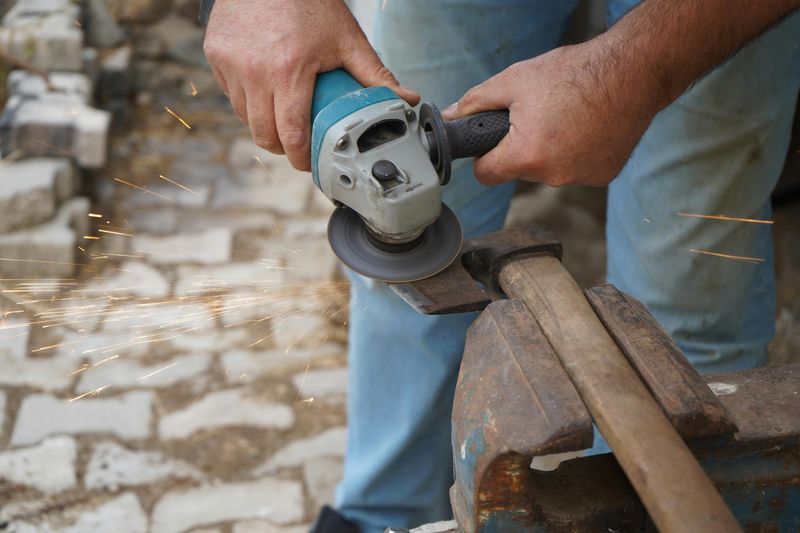
Your garage workbench is probably cluttered with shovels, hoes, and pruners that have been sitting since last fall, crusted with dried mud and maybe a little rust. February gives you the chance to clean, sharpen, and organize your tools before the spring rush hits.
Well-maintained tools make every garden task easier, and they last years longer when you take care of them properly.
Start by scrubbing off any caked-on soil with a wire brush and warm, soapy water. Once the metal is clean, check for rust spots and remove them with steel wool or a rust eraser.
Sharpen the blades of your shovels, hoes, and pruners using a file or sharpening stone, and oil all metal surfaces with a light coat of vegetable oil or tool oil to prevent future rust.
Many Ohio gardeners overlook their tool handles, which can splinter and cause blisters if left untreated. Sand down rough wooden handles and rub them with linseed oil to keep the wood strong and smooth.
Check for loose connections and tighten any bolts or screws.
When you finish, hang your tools neatly on pegboards or wall hooks so they stay dry and organized. A well-tuned tool collection makes spring planting faster and more enjoyable.
4. Map Out Your Spring Garden
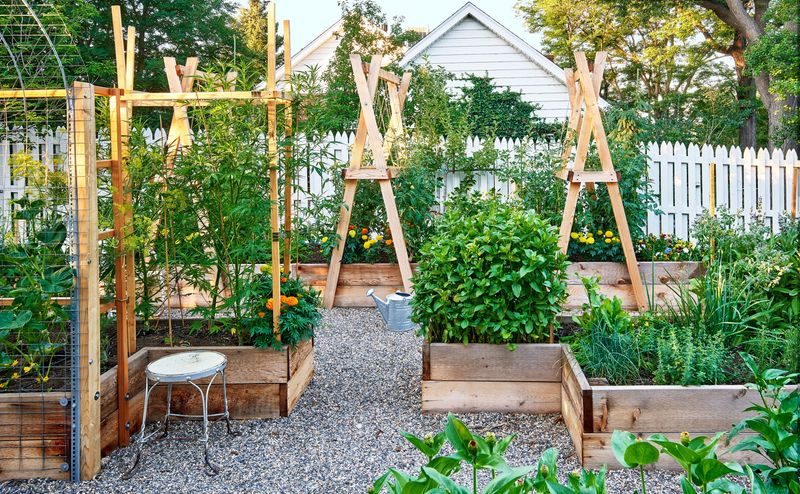
Grab a cup of coffee and spread out a piece of graph paper on your kitchen table while the wind rattles the windows outside. February is the perfect time to sketch out where each crop will grow in your garden this year.
Planning ahead helps you rotate your crops properly, avoid overcrowding, and make sure you have enough space for everything you want to grow.
Start by drawing a rough outline of your garden beds and marking which families of plants grew in each spot last season. Tomatoes, peppers, and eggplants are all in the nightshade family, and they should not go back in the same soil for at least three to four years to reduce disease and pest buildup.
Rotate your crops so that heavy feeders like corn and tomatoes follow light feeders like beans and peas.
Think about sunlight, too. Your tallest plants, like corn and pole beans, should go on the north side of the garden so they do not shade shorter crops.
Plan your succession plantings for lettuce, radishes, and other quick-maturing vegetables so you have a steady harvest instead of one big glut.
A good garden map saves you time and confusion when planting day arrives, and it helps you learn what works best in your yard year after year.
5. Stock Up On Seeds And Supplies
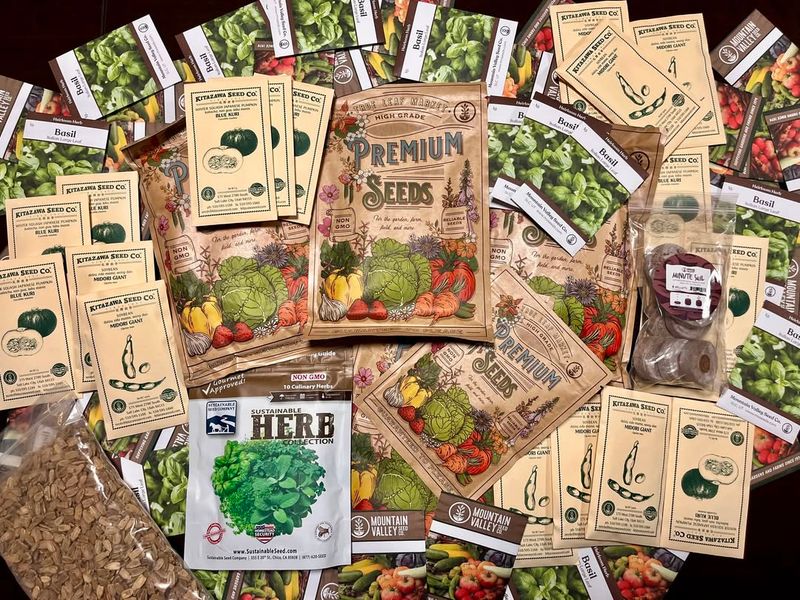
Garden centers are just starting to fill their shelves with seed racks, soil amendments, and fresh supplies, and February is the time to shop before the popular varieties sell out. Ordering seeds online or visiting local stores now ensures you get exactly what you want, and you can take advantage of early-season sales and discounts.
Make a list based on your garden map and seed-starting plan. Include vegetable and flower seeds, seed-starting mix, potting soil, compost, fertilizer, row covers, and any tools or supplies you need to replace.
If you are growing tomatoes, peppers, or cucumbers, consider picking up stakes, cages, or trellises now so you have them ready when transplanting time arrives.
Many Ohio gardeners make the mistake of waiting until late March or April to buy seeds, only to find that their favorite heirloom tomato or specialty pepper is already out of stock. Seed companies often run short on popular varieties, and restocking can take weeks.
Shopping early gives you the best selection and the peace of mind that you are ready to plant as soon as conditions allow.
Store your seeds in a cool, dry place until you are ready to use them, and keep your supplies organized so everything is easy to find when spring arrives.
6. Check Stored Bulbs Before They Rot
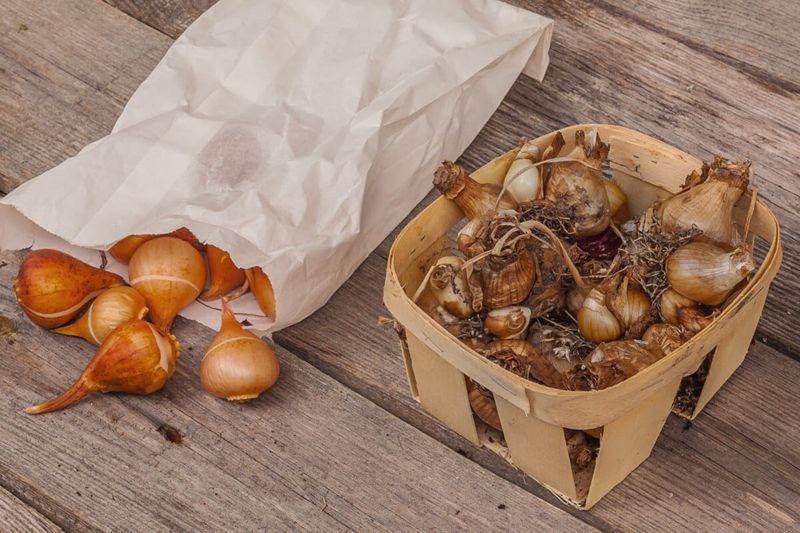
Down in your basement or garage, you have boxes or mesh bags filled with dahlia tubers, canna rhizomes, and gladiolus corms that you dug up last fall. February is the time to check on them and make sure they are still healthy.
Stored bulbs can rot or dry out over the winter if conditions are not right, and catching problems early saves you from disappointment when planting season arrives.
Open each container and inspect the bulbs carefully. Healthy bulbs should feel firm and show no signs of mold, soft spots, or shriveling.
If you find any that are starting to rot, remove them immediately so the problem does not spread to the rest. Bulbs that are slightly shriveled can sometimes be saved by very lightly misting them, but too much moisture will cause rot.
Many Ohio gardeners store their bulbs in conditions that are either too warm or too humid, which leads to premature sprouting or fungal growth. The ideal storage temperature for most tender bulbs is between 40 and 50 degrees, with moderate humidity.
If your storage area is too dry, store bulbs in barely damp peat moss or vermiculite to prevent dehydration without causing rot.
Taking a few minutes to check your stored bulbs now ensures you have vigorous, healthy plants to put in the ground once the soil warms up in late spring.
7. Jump-Start Your Compost Pile
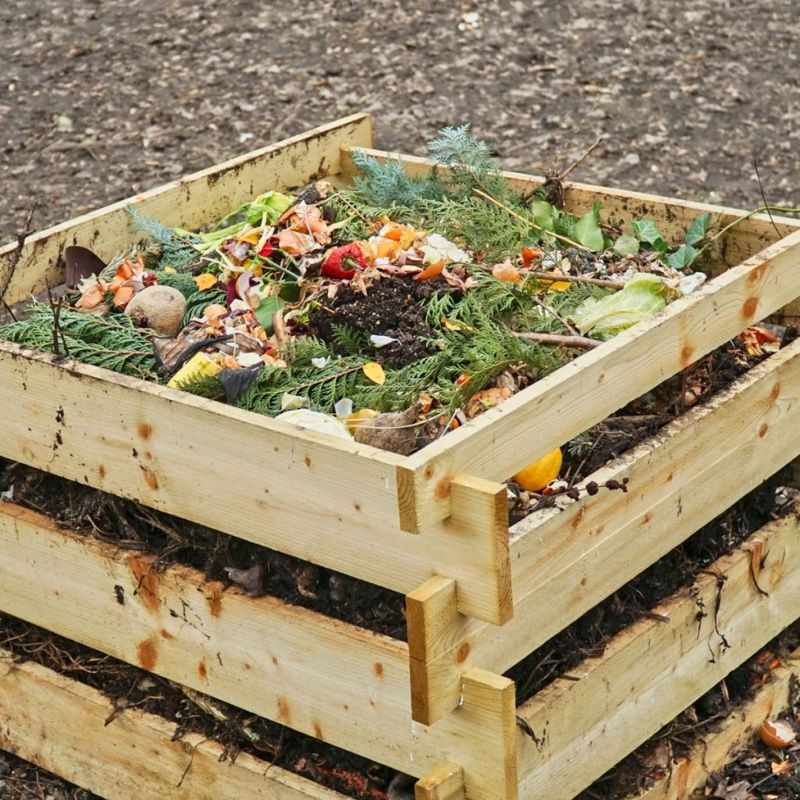
Your compost bin has been sitting quietly through the cold months, and the pile has probably shrunk down and frozen solid. February is a good time to inspect your compost pile, but active turning should wait until temperatures rise above freezing and the pile thaws.
A healthy compost pile provides rich, free fertilizer for your Ohio garden, improves soil structure, and reduces the amount of waste you send to the landfill.
Once temperatures stay above freezing, start by turning the pile to reintroduce oxygen and restart decomposition. Even in winter, the center of an active pile may still generate some heat.
Add fresh kitchen scraps like vegetable peelings, coffee grounds, and crushed eggshells, along with shredded newspaper or dry leaves to keep the carbon-to-nitrogen ratio balanced.
Many homeowners make the mistake of letting their compost pile dry out or become too compacted over the winter. A dry pile will not break down efficiently, and a compacted pile lacks the air circulation that beneficial microbes need.
If your pile seems dry, add a little water when you turn it, and fluff it up to introduce oxygen.
By the time your garden is ready to plant, you will have dark, crumbly compost to mix into your beds, giving your plants the nutrients they need to thrive all season long.
8. Inspect Your Yard For Winter Damage
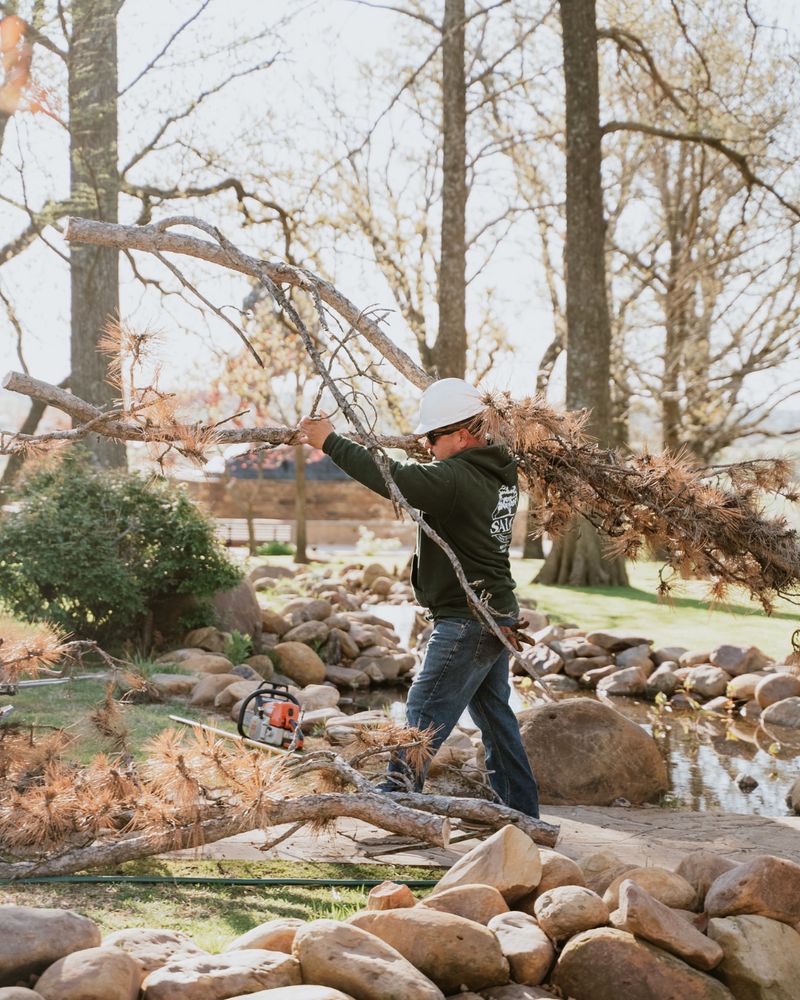
Walk around your property on a mild February day and you will start to notice things you missed while the snow was deep and the wind was howling. Broken branches hang from your trees, the freeze-thaw cycle has heaved some of your perennials out of the ground, and sections of your fence or garden edging might have shifted or cracked.
Catching this damage early lets you make repairs before spring growth begins and prevents small problems from becoming bigger ones.
Look closely at your trees and shrubs for branches that have split under the weight of ice or snow. Remove any broken limbs cleanly with a saw or pruners to prevent tearing and further injury to the plant.
Check your perennials and bulbs, too. If frost heaving has pushed them up out of the soil, gently press them back down and add a layer of mulch to insulate the roots until the ground stabilizes.
Many Ohio gardeners overlook damage to their hardscaping, like cracked pavers, shifted retaining walls, or bent garden stakes. Freeze-thaw cycles are hard on these structures, and fixing them now is easier than dealing with a collapse later.
Inspect your rain gutters, downspouts, and drainage areas to make sure water is flowing away from your foundation properly.
A thorough inspection now helps you prioritize repairs and keeps your landscape looking its best as the growing season gets underway.