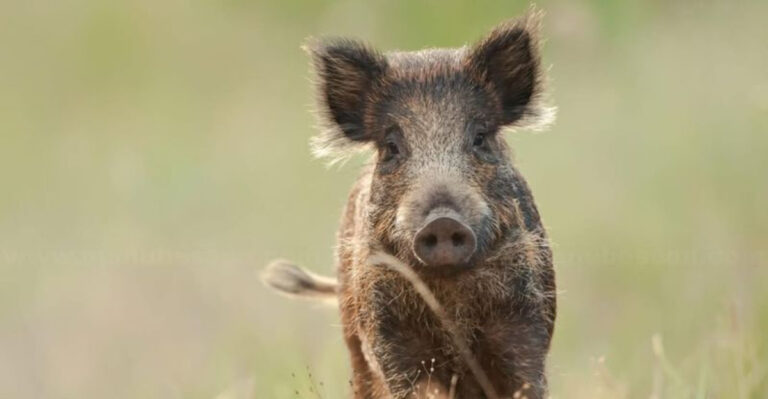
9 Things Louisiana Property Owners Do When Feral Hogs Cause Damage
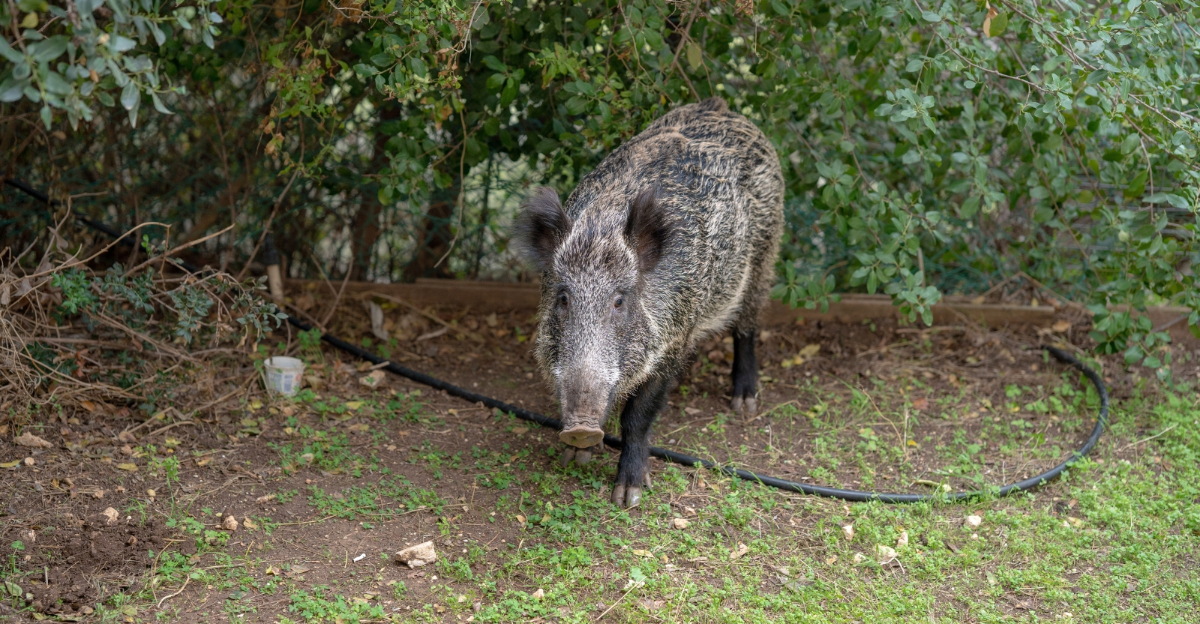
Feral hog damage hits differently in Louisiana, because it rarely starts small and it almost never fixes itself without action.
One morning the land looks fine, and the next there are torn-up yards, broken fences, and signs that something heavy moved through overnight.
For many property owners, the frustration comes from how quickly the damage appears and how little control it feels like there is at first.
Feral hogs are persistent, adaptable, and smart enough to return once they find a place worth revisiting.
That reality pushes landowners to respond fast, often learning through experience what actually works and what only wastes time.
These situations turn into problem-solving moments rather than simple cleanup tasks.
Over time, property owners across Louisiana develop habits shaped by trial, error, and hard-earned lessons.
Some responses focus on protecting land, others on preventing repeat visits, and many aim to limit future losses altogether.
What unites them is the need to act decisively instead of waiting and hoping the problem disappears.
When feral hogs cause damage, Louisiana property owners tend to move quickly toward solutions that restore control and protect what they’ve worked hard to maintain.
1. Install Heavy-Duty Fencing Around Property Lines
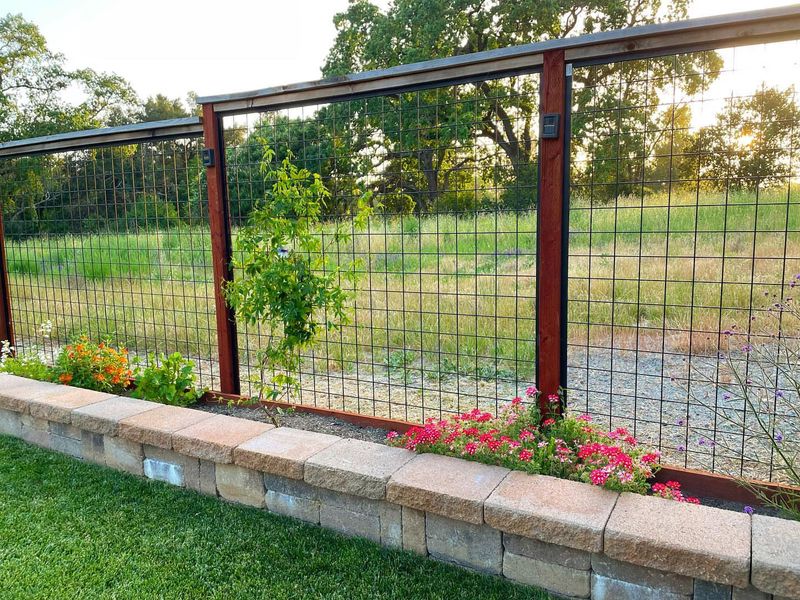
Property owners across Louisiana quickly learn that standard fencing simply won’t hold back determined feral hogs looking for food or shelter.
Heavy-duty fencing becomes the first line of defense for many rural landowners who want to protect crops, gardens, and pastures from invasion.
Steel mesh or cattle panels buried at least twelve inches deep prevent hogs from rooting underneath, which is their most common entry method.
Many Louisiana farmers install electric fencing alongside traditional barriers to create a double layer of protection that discourages even persistent animals.
The investment in quality fencing materials pays off quickly when compared to the cost of replacing destroyed crops or repairing torn-up landscaping.
Reinforced gates with secure latches ensure that entry points remain closed even when hogs push against them with considerable force.
Some property owners combine different fencing types to create customized solutions that match their specific terrain and budget constraints in Louisiana.
Regular inspections help identify weak spots before hogs exploit them, saving time and money on emergency repairs later.
Professional installation ensures fencing meets local regulations while providing maximum protection against wildlife intrusions.
Clearing vegetation along fence lines improves visibility and prevents hogs from using brush as cover while testing barriers.
Over time, well-maintained fencing becomes a reliable, long-term solution that reduces repeated damage and stress for Louisiana property owners.
2. Set Up Motion-Activated Cameras for Monitoring
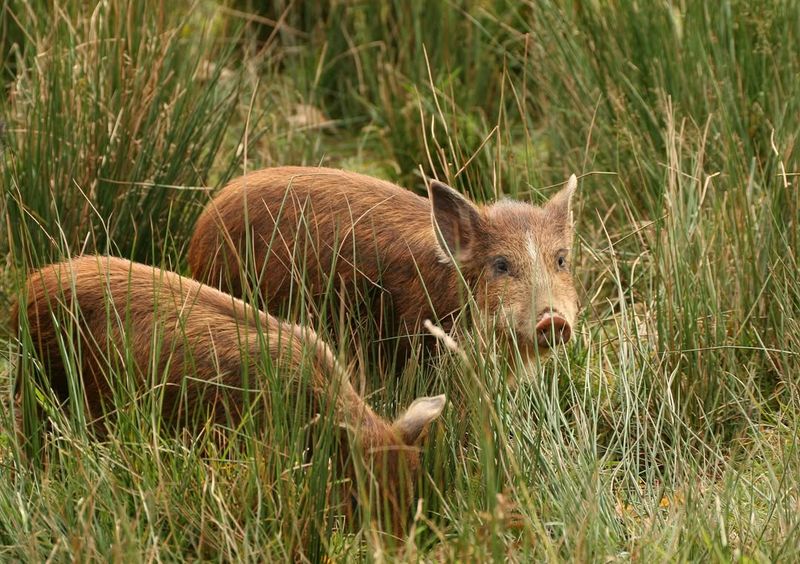
Surveillance technology has revolutionized how Louisiana property owners track and document feral hog activity across their land without constant physical patrols.
Motion-activated trail cameras capture images and videos that reveal when hogs visit, how many travel together, and which areas suffer the most damage.
This information becomes invaluable for planning effective control strategies and determining the best times to implement removal efforts.
Many landowners position cameras near water sources, feeding areas, and damaged sections to gather comprehensive data about hog behavior patterns in Louisiana.
The photographic evidence also helps when filing insurance claims or working with wildlife management professionals who need accurate information about the problem.
Solar-powered cameras eliminate battery concerns and provide continuous monitoring even in remote areas without electricity access nearby.
Some advanced systems send instant alerts to smartphones when movement triggers the camera, allowing real-time response to hog intrusions on Louisiana properties.
Property owners review footage regularly to identify new damage patterns and adjust their protection strategies based on actual hog movements.
The recorded evidence proves useful when coordinating with neighbors to address shared wildlife problems affecting multiple properties in the region.
Careful camera placement reveals patterns that are easy to miss from occasional walk-throughs alone.
Using that information helps property owners focus their efforts where hog pressure is actually highest instead of guessing.
3. Contact Local Wildlife Control Professionals
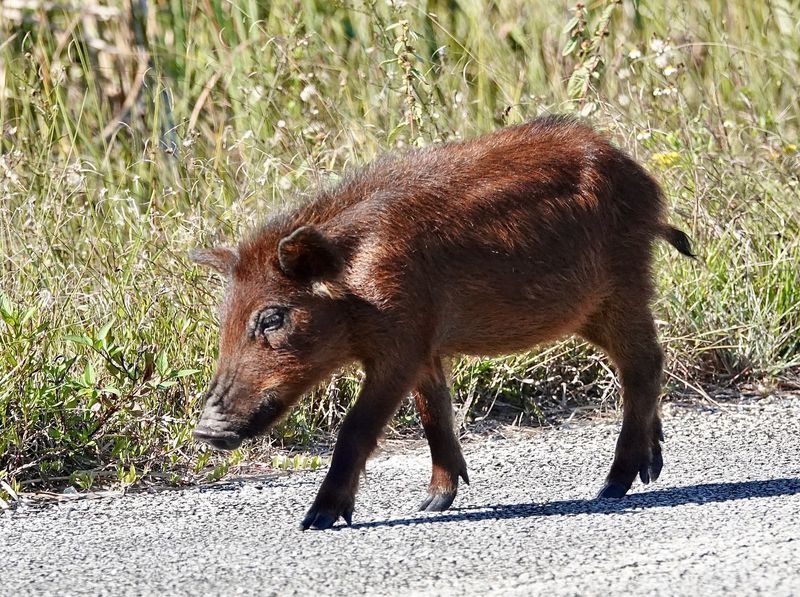
Professional wildlife control experts bring specialized knowledge and equipment that most Louisiana property owners lack when facing serious feral hog infestations.
These trained specialists understand hog behavior, legal trapping regulations, and the most effective removal methods for different property types and situations.
Hiring professionals often saves money in the long run by addressing problems comprehensively rather than through repeated amateur attempts.
Licensed trappers in Louisiana possess permits and insurance coverage that protect property owners from liability issues during removal operations on their land.
They use humane capture techniques that comply with state wildlife regulations while effectively reducing hog populations causing ongoing property damage.
Many wildlife control companies offer maintenance plans that include regular monitoring visits to prevent future infestations from developing unnoticed.
Emergency response services help Louisiana landowners deal with immediate threats when hogs damage critical infrastructure like irrigation systems or livestock enclosures.
Professional assessment identifies contributing factors like nearby food sources or shelter areas that attract hogs to specific properties repeatedly.
Working with experts provides peace of mind that the hog problem receives proper attention using methods proven effective across Louisiana.
Their experience allows them to act quickly and decisively while minimizing disruption to the surrounding land and wildlife.
This approach gives property owners a clearer path toward restoring safety, order, and control on their property.
4. Apply for Damage Assistance Through Agricultural Programs
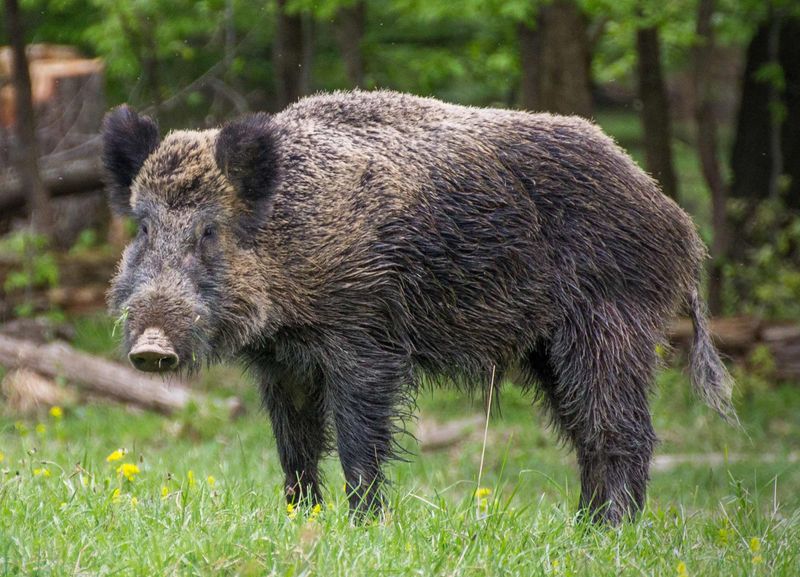
Government assistance programs help Louisiana farmers and landowners offset the financial burden caused by extensive feral hog damage to crops and property.
The Louisiana Department of Agriculture and Forestry offers various support options for those who document losses and meet eligibility requirements.
Application processes require detailed records of damage, estimated financial losses, and evidence that reasonable prevention efforts were attempted before requesting aid.
Many property owners work with agricultural extension agents who guide them through paperwork and help maximize available compensation for documented losses.
Federal programs sometimes supplement state assistance, particularly when damage affects commercial agricultural operations rather than residential properties in Louisiana.
Photographic evidence, repair estimates, and expert assessments strengthen applications by providing concrete proof of the extent and cost of damage.
Some programs provide cost-sharing for prevention measures like fencing installation rather than just compensating for losses that already occurred on Louisiana land.
Timely filing ensures that property owners don’t miss application deadlines that could disqualify them from receiving financial assistance they desperately need.
Connecting with local farming cooperatives helps landowners learn about assistance programs they might not discover through individual research efforts alone.
Understanding available assistance options helps Louisiana landowners recover faster while reducing the long-term financial strain caused by repeated feral hog damage.
5. Organize Coordinated Removal Efforts With Neighbors
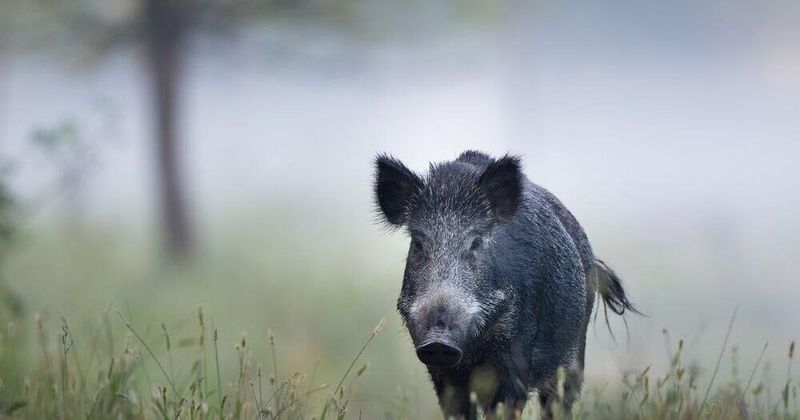
Feral hogs don’t respect property boundaries, so Louisiana landowners achieve better results when they coordinate control efforts with surrounding neighbors simultaneously.
Group approaches prevent hogs from simply relocating to adjacent properties after being pressured from one area, which creates a never-ending cycle.
Community meetings allow property owners to share information about hog movements, successful strategies, and resources that benefit everyone involved.
Pooling financial resources makes professional removal services more affordable when costs are distributed among multiple properties facing the same problem in Louisiana.
Synchronized trapping campaigns create pressure across larger areas, making it harder for hog populations to find safe refuge within the neighborhood.
Some rural communities form wildlife management cooperatives that maintain equipment and coordinate ongoing control efforts throughout the year.
Shared surveillance systems help track hog groups as they move between properties, providing valuable intelligence for planning effective removal operations across Louisiana.
Neighbors who communicate regularly can respond faster when new hog groups appear, preventing small problems from growing into major infestations.
Cooperative efforts build community relationships while addressing a shared problem that no single property owner can solve alone effectively.
6. Implement Habitat Modification to Discourage Hogs
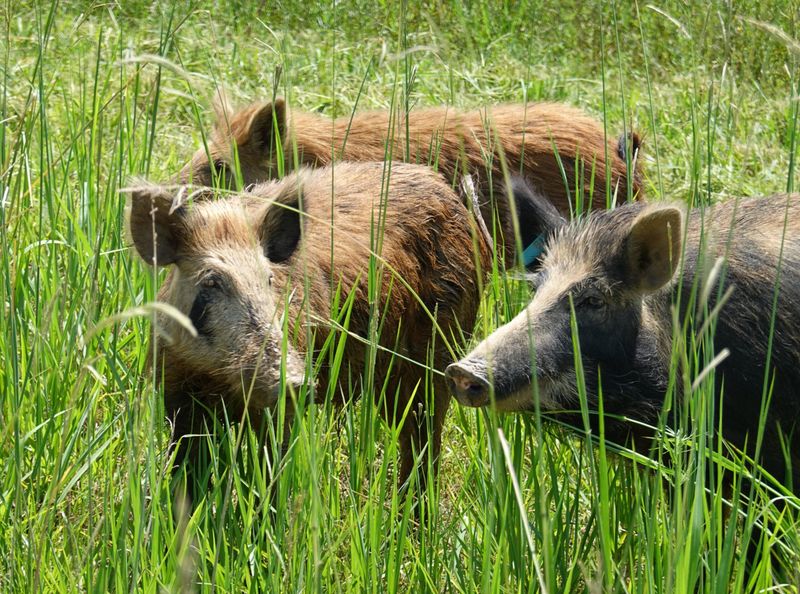
Changing property conditions makes Louisiana land less attractive to feral hogs seeking food, water, and shelter, reducing the likelihood of repeated invasions.
Removing brush piles, filling wallows, and clearing dense undergrowth eliminates the cover that hogs prefer when resting during daylight hours.
Property owners who maintain clean, open landscapes make their land less appealing compared to neighboring areas with better hiding spots.
Securing livestock feed in enclosed buildings prevents hogs from accessing easy food sources that would otherwise keep them returning regularly to Louisiana properties.
Fencing off ponds or installing alternative watering systems for livestock denies hogs convenient water access during hot summer months when hydration drives behavior.
Strategic vegetation management around field edges reduces transition zones where hogs typically travel between feeding areas and protective cover.
Some landowners plant less palatable crops in vulnerable areas or use buffer zones with vegetation that hogs naturally avoid when possible in Louisiana.
Eliminating acorns and other mast-producing trees near critical areas reduces natural food sources that concentrate hog activity in specific locations.
Regular property maintenance that addresses attractants proves more sustainable than constantly reacting to damage after hogs have already established patterns on the land.
These habitat changes shift pressure away from your land and force hogs to search elsewhere for easier conditions.
When attractants disappear, repeated damage becomes far less likely even without constant intervention.
7. Document All Damage for Insurance and Legal Purposes

Thorough documentation protects Louisiana property owners legally and financially when dealing with the aftermath of feral hog destruction across their land.
Detailed photographs showing before-and-after conditions help insurance adjusters understand the extent of damage and calculate appropriate compensation amounts.
Written records noting dates, locations, and descriptions of specific incidents create a timeline that supports claims and demonstrates ongoing problems.
Many property owners maintain damage logs that track repair costs, lost crops, and time spent addressing hog-related issues on their Louisiana properties.
Video evidence captures the scope of destruction more effectively than still images alone, especially when documenting large affected areas.
Professional appraisals provide third-party verification of losses when insurance companies question damage estimates or dispute claim amounts.
Saved receipts for repairs, replacement materials, and professional services establish concrete costs associated with hog damage rather than relying on estimates alone.
Documentation becomes crucial if legal action becomes necessary against parties whose negligence contributed to hog problems affecting Louisiana property values.
Organized records also help when applying for assistance programs that require proof of losses and prevention efforts undertaken before damage occurred.
8. Install Deterrent Systems Like Lights and Sound Devices
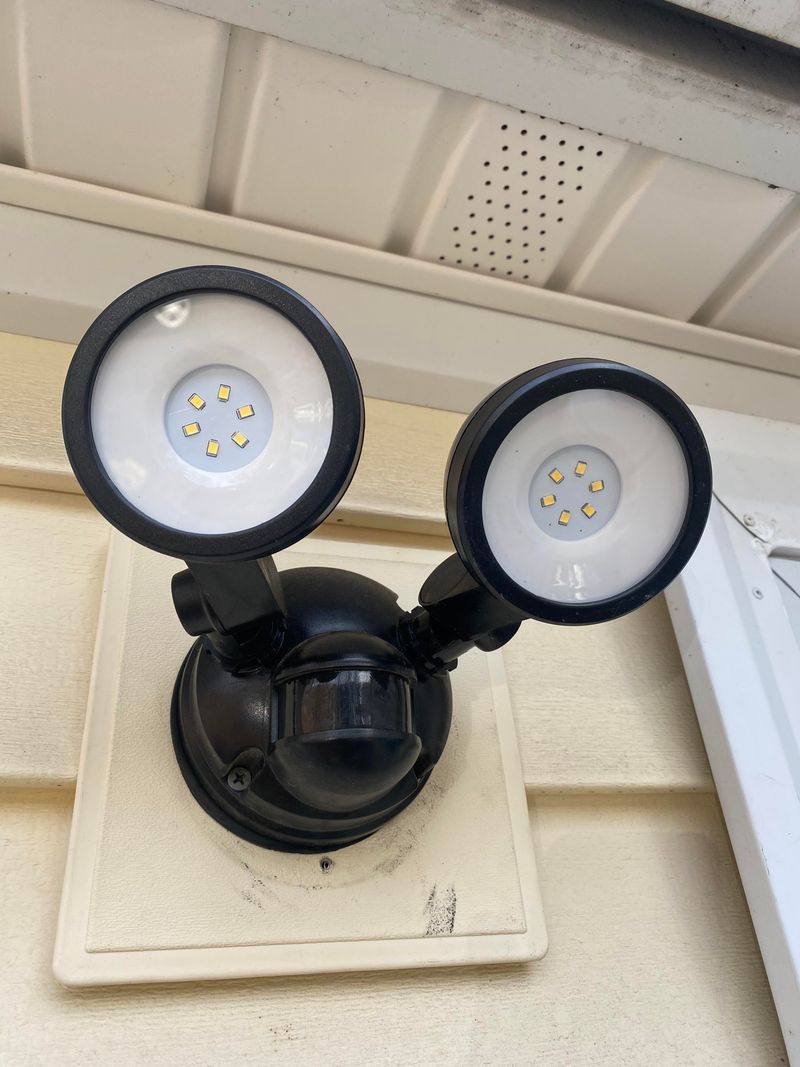
Electronic deterrent systems offer Louisiana property owners non-lethal options for discouraging feral hogs from entering specific areas without constant human intervention.
Motion-activated lights startle hogs during nighttime feeding hours, making them feel exposed and vulnerable in ways that encourage them to seek darker locations.
Ultrasonic devices emit frequencies that irritate hogs without affecting humans, creating uncomfortable conditions that push animals toward neighboring unprotected areas.
Strobe lights combined with alarm sounds create multi-sensory disturbances that prove more effective than single-method approaches when protecting Louisiana property from intrusions.
Solar-powered systems provide reliable operation without electrical infrastructure, making them practical for remote fields and pastures far from buildings.
Regular repositioning prevents hogs from becoming accustomed to deterrents placed in fixed locations where they eventually learn to ignore them.
Some property owners use radio devices that broadcast predator sounds or human voices intermittently throughout the night across their Louisiana land.
Combining deterrent systems with physical barriers creates layered protection that addresses hog intrusions through multiple complementary strategies simultaneously.
The effectiveness of electronic deterrents varies depending on hog population density, hunger levels, and alternative food availability in surrounding areas.
Rotating different deterrent types keeps pressure unpredictable and reduces the chance that hogs adapt to a single stimulus.
These systems work best when used as part of a broader plan rather than relying on electronics alone to solve persistent problems.
9. Repair and Restore Damaged Areas Promptly
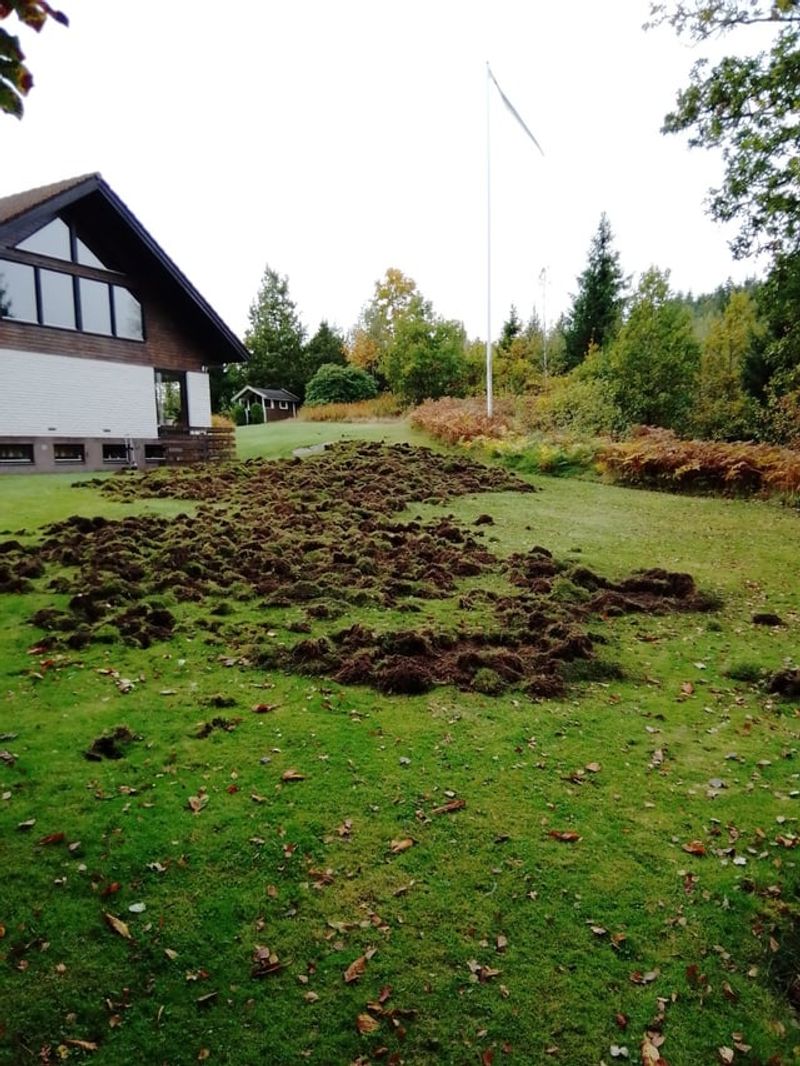
Quick restoration of damaged areas prevents Louisiana property owners from experiencing secondary problems that develop when hog destruction goes unaddressed for extended periods.
Torn-up lawns and fields create erosion risks during heavy rains common throughout the region, washing away valuable topsoil if not repaired.
Prompt seeding and soil stabilization help damaged areas recover faster while preventing opportunistic weeds from colonizing bare ground left behind.
Repairing broken fences immediately after hog damage prevents livestock from escaping and stops additional wildlife from entering through compromised barriers on Louisiana properties.
Filled wallows and ruts eliminate standing water that attracts mosquitoes and creates breeding grounds for insects that spread diseases.
Property owners who address damage quickly maintain land value and prevent small problems from escalating into expensive large-scale restoration projects.
Professional landscaping services help Louisiana landowners restore severely damaged areas that exceed their personal repair capabilities or available time.
Soil amendments and proper grading techniques ensure repaired areas drain correctly and support healthy vegetation growth that resists future damage.
Consistent maintenance following repairs helps property owners monitor for new hog activity before significant destruction occurs again in vulnerable spots.
Fast, thorough repairs shorten recovery time and reduce the chance that damage spreads beyond the original area.
Staying proactive after an incident keeps Louisiana land productive, stable, and easier to protect moving forward.