8 Things Michigan Gardeners Should Watch Out For When Growing Zinnias
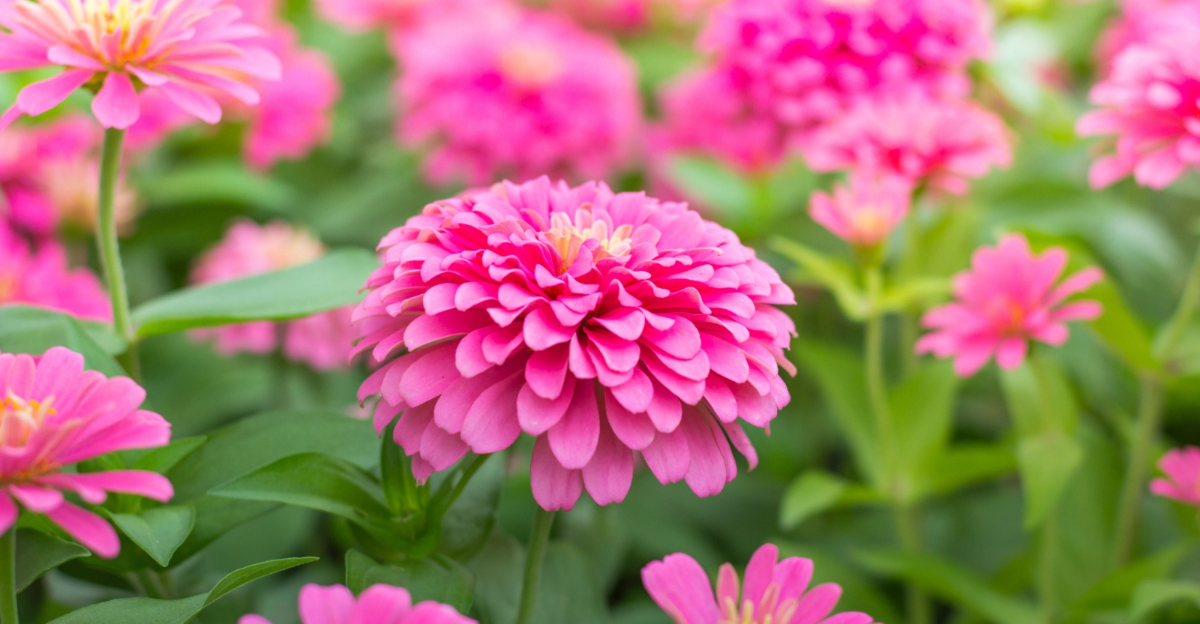
Zinnias are the undisputed heavyweights of the Michigan summer garden, but if you’ve ever watched a patch of these vibrant blooms succumb to soggy soil or a late-season powdery mildew, you know they can be surprisingly high-maintenance divas.
While they are a magnet for every butterfly and hummingbird in the state, our Great Lakes climate – with its heavy clay, unpredictable frost dates, and humid midsummer air – often treats these sun-loving flowers like a puzzle waiting to be solved.
Mastering zinnias in Michigan isn’t about luck; it’s about learning to work around our unique set of obstacles.
By fine-tuning your soil prep and keeping a close eye on the early warning signs of heat stress or fungal issues, you can keep your garden in peak bloom from July all the way to the first frost.
Whether you are a total beginner or a long-time grower, a few strategic shifts in your routine can turn a struggling patch into a show-stopping, pollinator-friendly oasis.
1. Plant Zinnias After The Last Frost
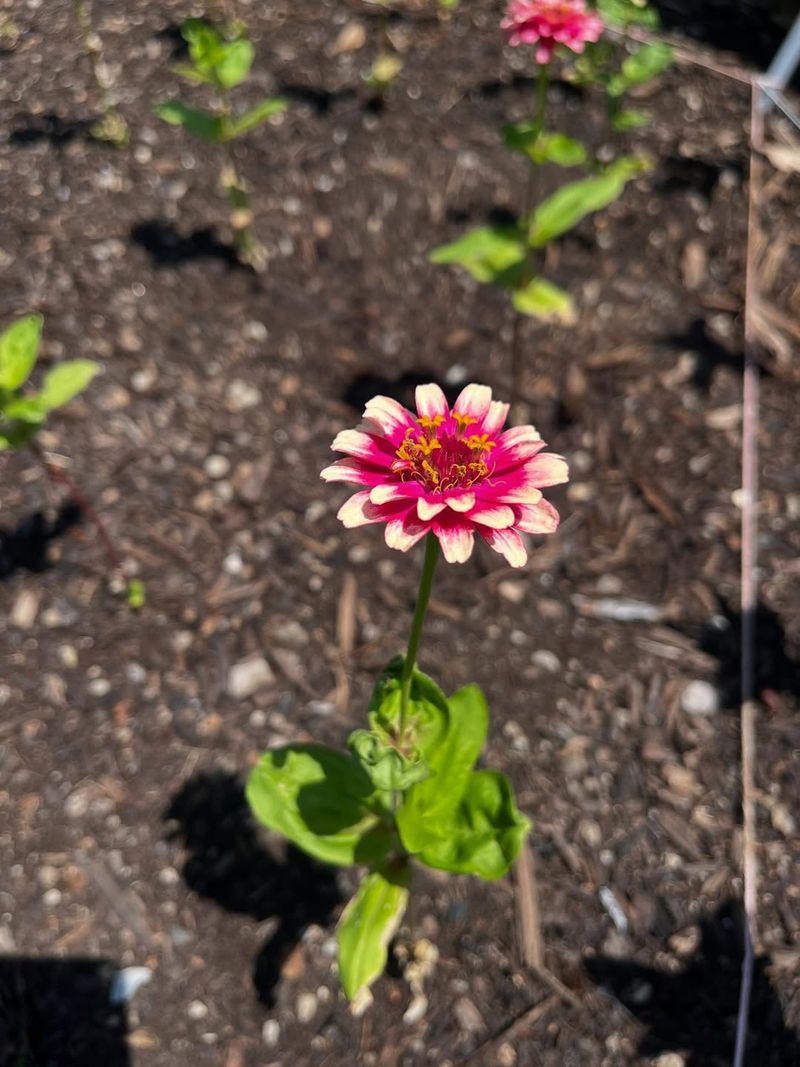
Michigan springs are famously unpredictable, and a late frost can wipe out a full flat of zinnia seedlings overnight.
Zinnias are warm-season flowers that absolutely need soil temperatures of at least 65 degrees Fahrenheit before they will germinate reliably and grow with any real energy.
Planting too early, even when the air feels warm, often leads to slow, weak growth because cold soil slows root development significantly.
Most of Michigan falls in USDA Hardiness Zones 5 and 6, where the average last frost date ranges from late April in the south to late May in the northern Lower Peninsula and Upper Peninsula.
Checking your local frost date before planting is one of the smartest habits you can build as a Michigan gardener.
The Old Farmer’s Almanac and your county extension office are both reliable resources for local frost timing.
If you want a head start on the season, you can sow seeds indoors about four to six weeks before your last expected frost date. Use biodegradable pots since zinnias dislike having their roots disturbed at transplant time.
Harden off seedlings gradually by setting them outside for short periods before moving them to their permanent spot in the garden.
Direct seeding into warm, settled soil is also a perfectly reliable method, and zinnias often catch up quickly once conditions are right.
2. Give Zinnias Plenty Of Sun
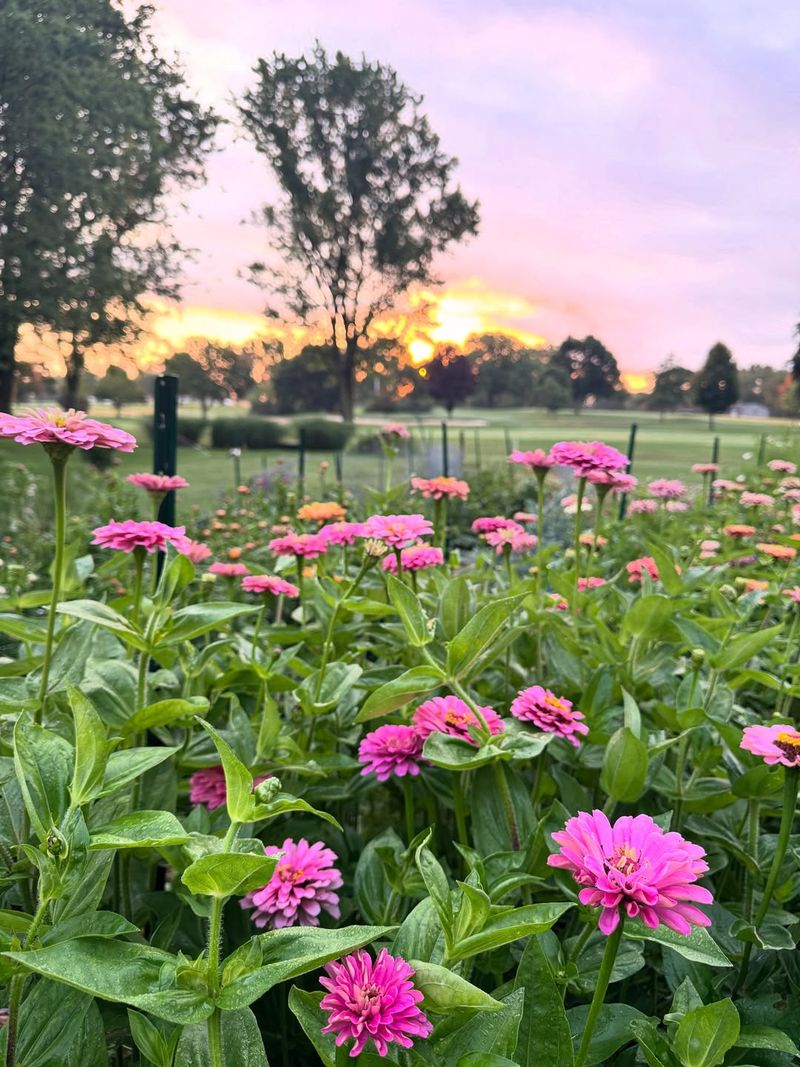
Few flowers are as hungry for sunshine as zinnias, and Michigan summers, while warm, can include stretches of cloudy, overcast days that leave sun-loving plants struggling.
Zinnias need a minimum of six hours of direct sunlight each day to produce the full, colorful blooms gardeners love.
Less than that and you will notice the plants growing tall and leggy, reaching toward whatever light they can find, with fewer flowers and weaker stems.
When choosing a planting spot in your Michigan garden, look for a location that gets full sun from morning through early afternoon at minimum.
Southern and western exposures tend to work best in Michigan because they capture the strongest daily light.
Avoid planting near large trees, tall fences, or structures that cast long shadows during peak sun hours, especially in the morning when light quality is highest.
Sunlight also plays a role in disease prevention.
When zinnias grow in bright, open conditions, air moves freely around the foliage and moisture evaporates quickly after rain or watering.
This reduces the humidity that fungal problems thrive in. Pollinators, including monarch butterflies and native bees that are common throughout Michigan, also prefer visiting flowers in sunny, open garden spaces.
Positioning your zinnia bed in a sunny spot benefits not just the plants but the entire garden ecosystem around them, creating a lively, colorful display that lasts all season long.
3. Choose Well Drained Soil
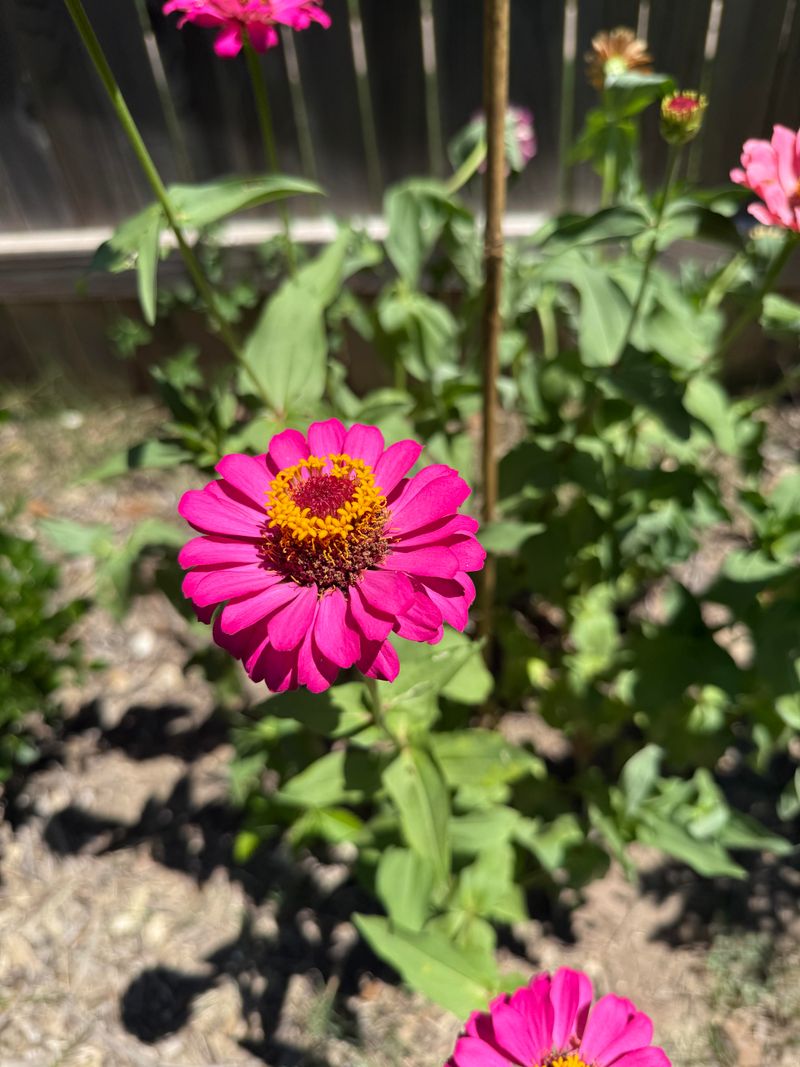
Heavy clay soil is one of the most common challenges Michigan gardeners deal with, and zinnias are particularly sensitive to soggy, compacted ground.
Standing water around the roots leads to root rot, which weakens plants quickly and reduces flowering.
Zinnias prefer loose, well-drained soil with a pH between 6.0 and 7.0, which is slightly acidic to neutral, and that range is generally achievable in most Michigan garden beds with a little preparation.
Before planting, work several inches of compost into your soil to improve both drainage and fertility.
Compost lightens clay-heavy soil, helping water move through more freely while still retaining just enough moisture for healthy root growth.
If your yard has particularly poor drainage, consider building raised beds, which give you full control over soil composition and eliminate the waterlogging problem almost entirely.
A simple soil test, available inexpensively through Michigan cooperative extension offices, can tell you your soil’s pH and nutrient levels so you can amend accurately rather than guessing.
Sandy soils in parts of western Michigan may drain too quickly and need extra organic matter to hold moisture during dry spells.
Getting the soil right before planting is one of the highest-impact steps you can take for a successful zinnia season.
Healthy, well-prepared soil supports strong root systems that fuel vigorous growth, richer color, and blooms that keep going from July well into October in many parts of Michigan.
4. Space Plants To Keep Airflow Good
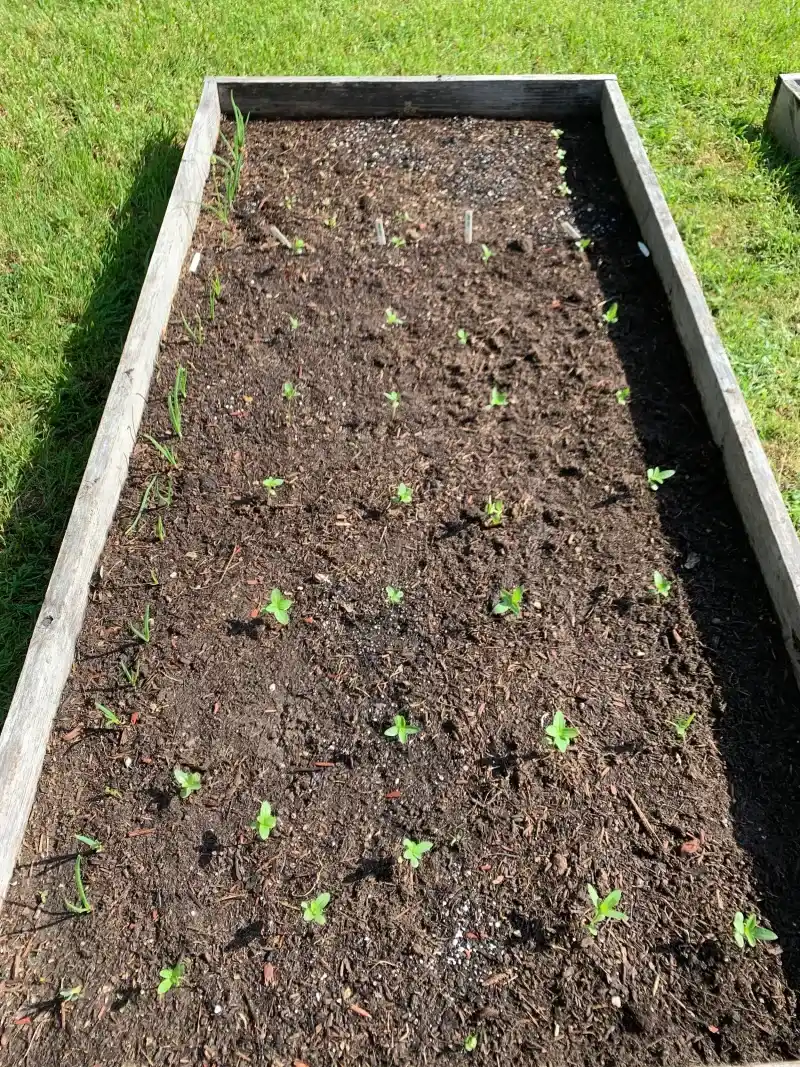
Crowded zinnias are unhappy zinnias, and Michigan’s humid summer air makes proper spacing more important than many gardeners realize. When plants are packed too closely together, air cannot move freely between the leaves and stems.
That trapped moisture creates the perfect conditions for fungal diseases, especially powdery mildew, which is one of the most frustrating problems zinnia growers face in the Great Lakes region.
Standard zinnia varieties should be spaced about 12 to 18 inches apart, while larger varieties that grow two feet tall or more benefit from up to 24 inches between plants.
It might feel like a lot of empty space when seedlings are small in early June, but those plants will fill in quickly once Michigan’s summer heat kicks in.
Resist the temptation to plant closer together just to fill the bed faster.
Good spacing also makes it easier to inspect plants regularly for pest damage, spotted leaves, or other issues that need attention. When plants are too dense, problems can go unnoticed until they have already spread widely.
Thinning seedlings early, even if it feels wasteful, leads to healthier individual plants with stronger stems and more blooms.
If you are direct seeding, sow generously and then thin to the recommended spacing once seedlings reach two to three inches tall.
Proper airflow is one of the simplest, most cost-free ways to protect your Michigan zinnia garden all season.
5. Watch For Powdery Mildew
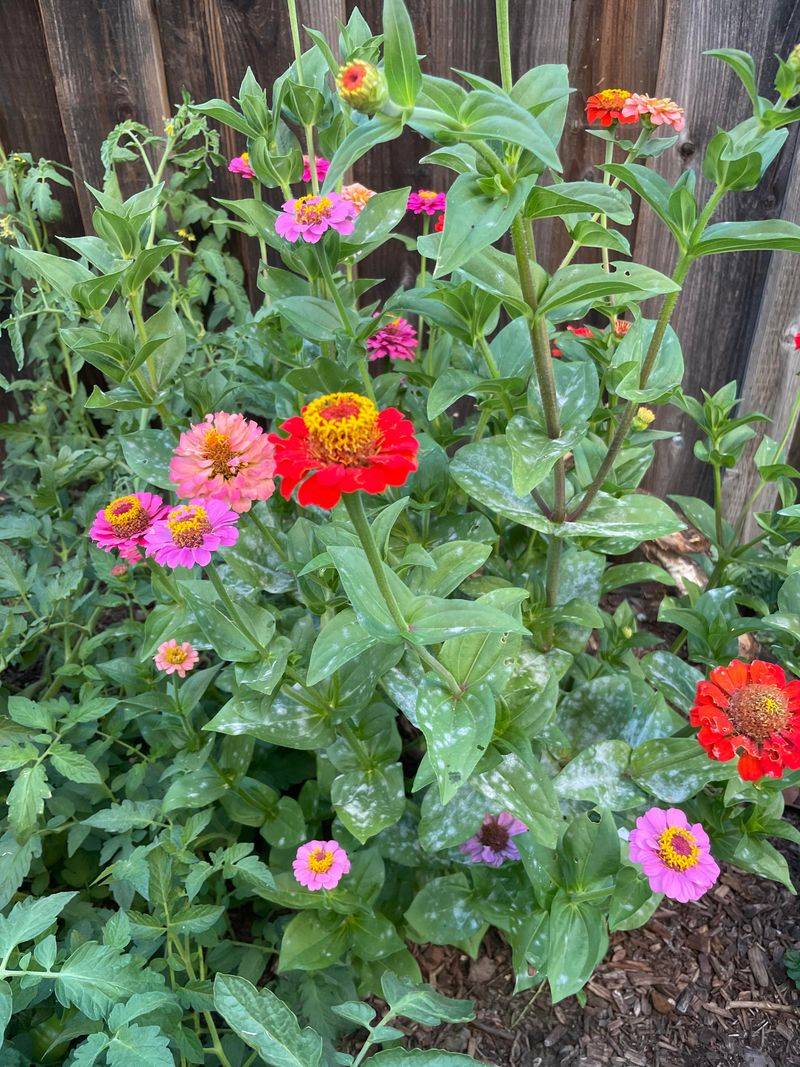
Walk through almost any Michigan zinnia garden in August and you are likely to spot at least a few plants with a chalky white coating on their leaves.
Powdery mildew is a fungal condition that thrives in warm days followed by cool, humid nights, which is practically a description of a classic Michigan late summer.
The white or grayish powder is actually fungal spores, and while it rarely stops plants from flowering completely, it weakens the foliage and makes the garden look ragged by September.
Prevention is far more effective than treatment once powdery mildew takes hold. Choosing mildew-resistant zinnia varieties such as Profusion or Zahara series is one of the best moves a Michigan gardener can make.
These varieties were bred specifically for disease resistance and tend to stay cleaner looking well into fall.
Proper plant spacing, as mentioned earlier, also reduces the humid microclimate around foliage that encourages fungal growth.
If you notice early signs of powdery mildew, remove and discard affected leaves promptly rather than composting them, since the spores can survive and spread.
A diluted neem oil spray or a baking soda solution can help slow the spread on mildly affected plants.
Watering at the base of the plant rather than overhead also keeps foliage drier and less vulnerable. Staying observant through the peak of Michigan’s humid summer is the key to catching this issue before it becomes widespread.
6. Check For Common Garden Pests
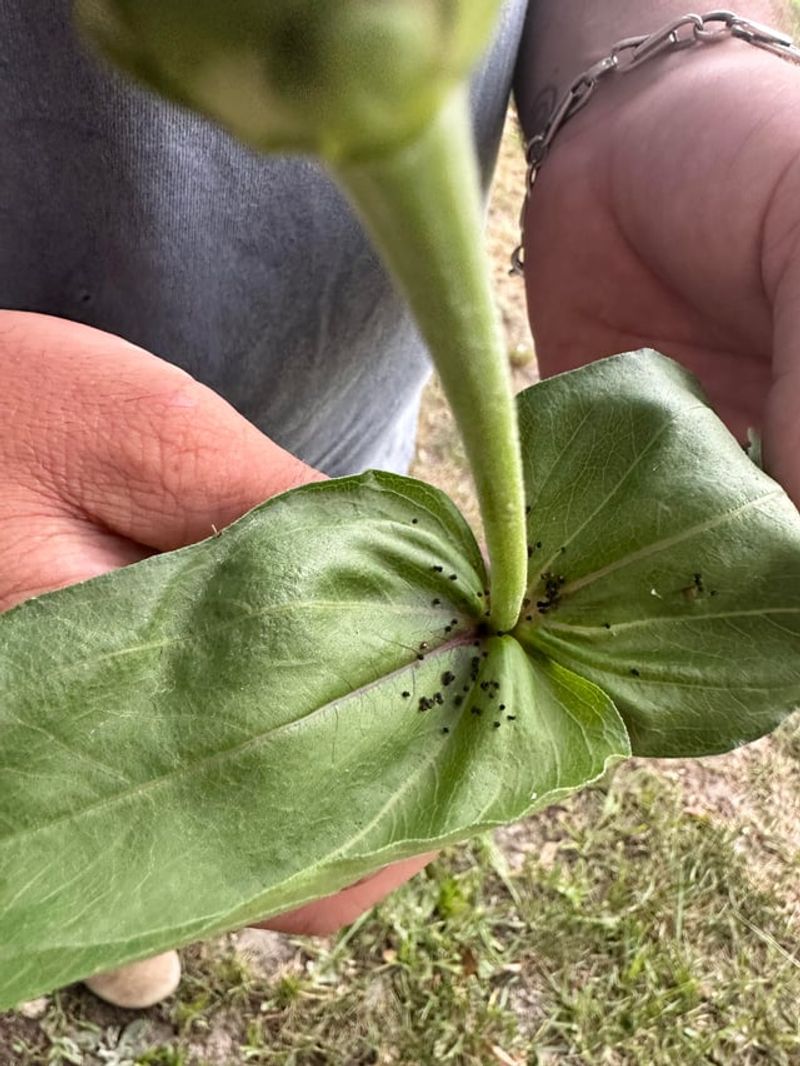
Zinnias are generally tough, cheerful plants, but they are not immune to the insects that patrol Michigan gardens every summer. Aphids are among the most frequent visitors, clustering on tender new growth and stem tips where they feed on plant sap.
A small aphid population is usually manageable, but a large infestation can stunt growth, cause leaves to curl, and reduce the number of blooms the plant produces over the season.
Spider mites are another pest to watch for, especially during hot, dry stretches in July and August.
They are tiny and hard to spot, but a telltale sign is a fine webbing on the undersides of leaves along with a stippled, dusty-looking texture on the leaf surface.
Japanese beetles, which are widespread across Michigan, will also occasionally chew through zinnia petals and foliage, leaving ragged edges behind.
A regular habit of inspecting your plants, ideally a few times each week during peak summer, goes a long way toward catching pest problems early.
Knocking aphids off with a firm spray of water from a garden hose is often enough to reduce their numbers significantly.
Insecticidal soap is a low-impact option that works well against soft-bodied insects without harming beneficial pollinators when applied carefully in the early morning or evening.
Encouraging beneficial insects like ladybugs and lacewings by planting diverse flowers nearby gives your Michigan garden a natural defense system that works around the clock.
7. Use Fertilizer Carefully For More Flowers
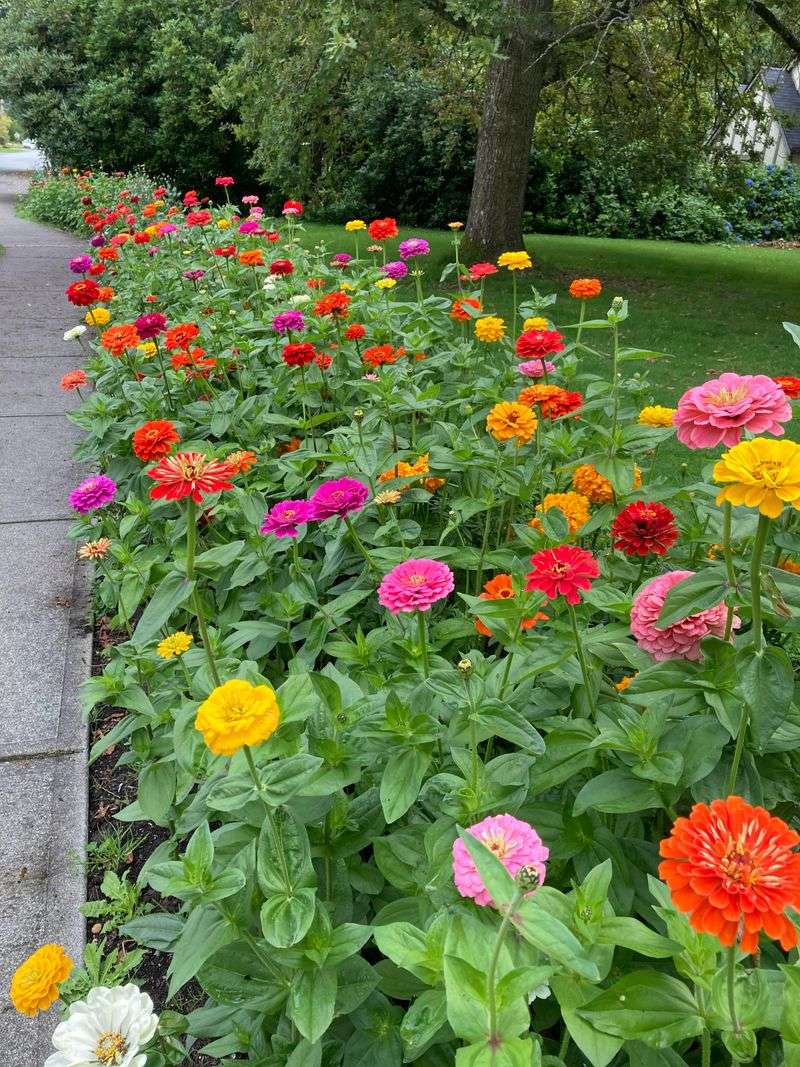
More fertilizer does not always mean more flowers, and zinnias are a perfect example of why balance matters in the garden.
Feeding zinnias too much nitrogen, the nutrient that drives leafy green growth, encourages the plant to put all its energy into producing foliage rather than blooms.
You end up with big, bushy plants that look healthy but deliver surprisingly few flowers, which is the opposite of what most Michigan gardeners are hoping for.
A balanced, slow-release granular fertilizer worked into the soil at planting time gives zinnias a steady, moderate supply of nutrients as they establish.
Mid-season, a light application of a balanced fertilizer or a bloom-boosting formula with a higher phosphorus number can encourage continued flowering as summer progresses.
Phosphorus supports root development and flower production, making it more useful for zinnias than high-nitrogen options.
If your soil is already rich with compost, you may find that zinnias need very little supplemental fertilizer at all.
Overfertilizing can also make plants more attractive to aphids and other soft-bodied insects, since lush, nitrogen-rich foliage is exactly what those pests prefer.
When in doubt, less is more with zinnia feeding.
Observe how your plants look and respond, adjust based on what you see, and you will likely find a rhythm that keeps blooms coming from midsummer right through the first frost of Michigan’s fall season.
8. Water At The Base To Protect Leaves
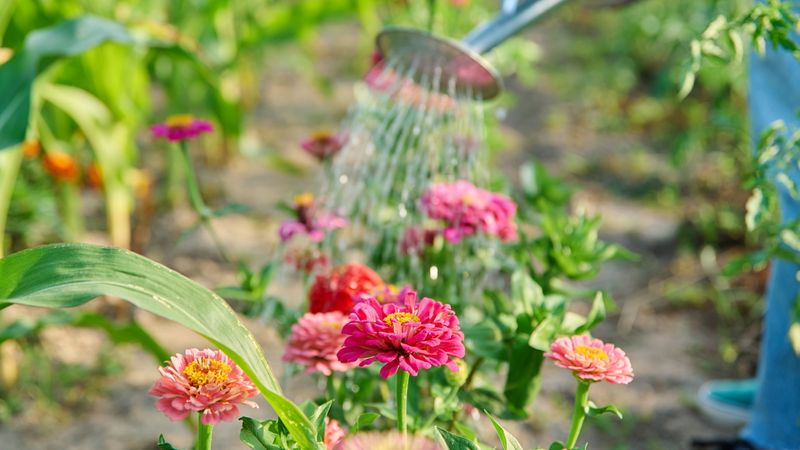
One of the easiest habits to build and one of the most impactful for zinnia health is simply changing where the water lands.
Overhead watering with a sprinkler may seem convenient, but it drenches the foliage and creates the wet leaf surface that fungal spores need to take hold and spread.
In Michigan, where summer evenings can be cool and humid, wet leaves that stay damp overnight are practically an invitation for powdery mildew and other fungal issues.
Watering at the base of the plant, directly at soil level, keeps the foliage dry while delivering moisture right where roots can access it.
Soaker hoses and drip irrigation systems are excellent tools for this, and they also conserve water by reducing evaporation.
If you are hand watering, use a watering wand or position the hose end close to the soil and water slowly to avoid splashing.
Morning watering is generally the best timing for zinnias. Any moisture that does accidentally splash onto leaves has the warmth of the day to help it evaporate before evening.
Zinnias prefer a deep, infrequent watering schedule over shallow, frequent watering, since deep watering encourages roots to grow downward and become more resilient during dry spells.
Allowing the top inch of soil to dry out between waterings helps prevent soggy conditions that stress the root zone.
Small adjustments in your watering routine can make a noticeable difference in how your Michigan zinnias look and perform all season.