14 Things New Jersey Homeowners Can Be Fined For Leaving In Their Garden

A quiet garden can cost more than time and effort if it crosses local rules most homeowners never think about.
In New Jersey, what gets left behind in a yard can trigger warnings, citations, or expensive fines—sometimes without much notice at all.
What looks like harmless clutter, a forgotten project, or a seasonal item waiting for disposal may violate township codes designed to protect safety, health, and neighborhood appearance.
Municipal inspectors routinely check residential properties, and complaints from neighbors often accelerate the process.
Once a violation is recorded, deadlines move fast and penalties add up quickly.
Many homeowners only discover these rules after a notice appears in the mailbox or a fine lands on the bill.
From overgrown vegetation to discarded materials and everyday objects left outdoors too long, small oversights can become costly problems.
Knowing what New Jersey towns regulate helps prevent stress, disputes, and unnecessary expenses.
These fourteen commonly overlooked items reveal how easily a well-meaning homeowner can run afoul of local garden and yard ordinances—and how to avoid it before enforcement begins.
1. Unregistered Vehicles
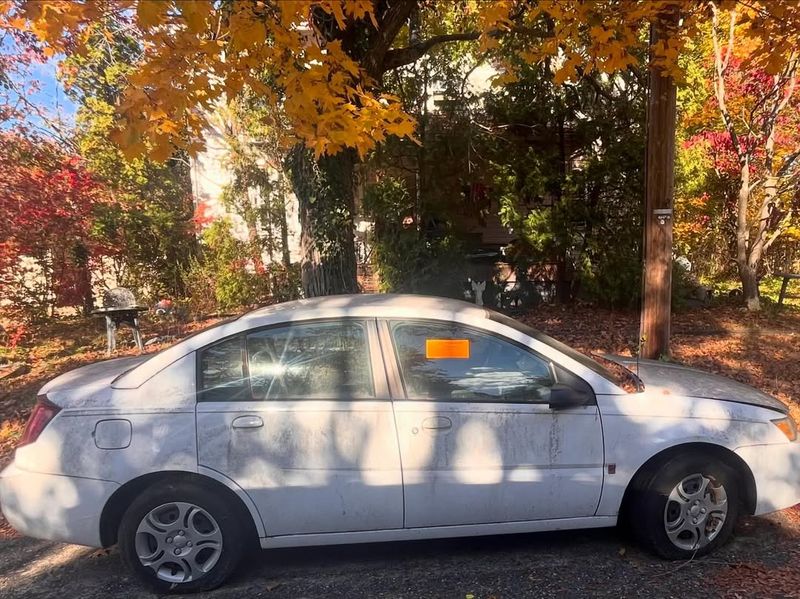
Local ordinances across New Jersey prohibit keeping unregistered vehicles visible on residential properties for extended periods of time without proper documentation or approval.
Many townships consider these vehicles eyesores that reduce property values and create potential safety hazards for children playing in nearby areas.
Fines can range from a few hundred dollars to thousands depending on how long the vehicle remains and how many warnings are issued.
Some communities allow temporary storage if you are actively working on the vehicle but require permits or proof of ongoing repairs submitted regularly.
Neighbors often report violations when unregistered cars sit untouched for weeks, triggering inspections from code enforcement officers who document the infraction carefully.
Storing such vehicles in enclosed garages or approved storage facilities keeps you compliant and prevents disputes with township officials or frustrated neighbors.
Removing unregistered vehicles promptly protects your wallet and maintains harmony within your community while respecting local standards for residential property appearance statewide.
2. Inoperable Or Junk Cars
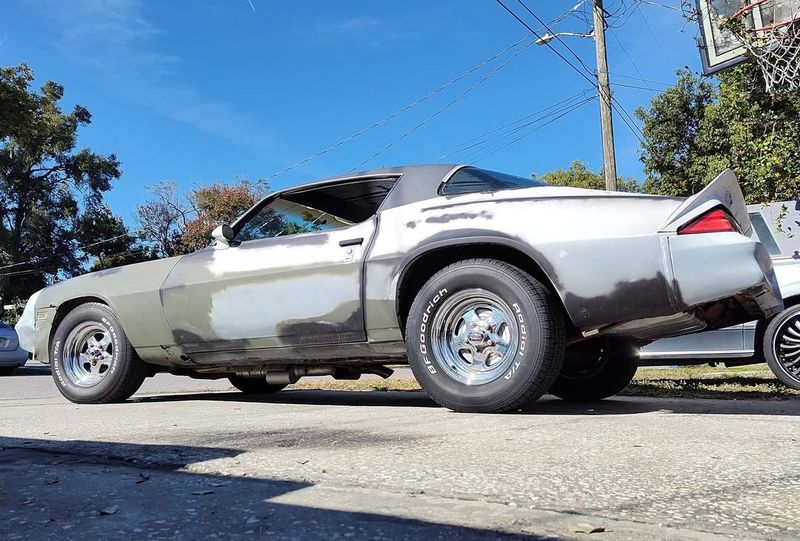
Junk cars that no longer run or are missing essential parts like wheels, engines, or windows are prohibited in most New Jersey residential zones.
These vehicles attract pests, collect rainwater that breeds mosquitoes, and can leak harmful fluids into soil, posing environmental and health risks to families.
Code enforcement teams regularly patrol neighborhoods looking for inoperable vehicles that have been reported by concerned residents or spotted during routine community inspections.
Fines escalate quickly if homeowners ignore initial warnings, with some townships charging daily penalties until the vehicle is removed from the property completely.
Many municipalities define inoperable cars as those unable to move under their own power or lacking current registration and valid inspection stickers clearly displayed.
Selling junk cars to scrap yards or donation programs provides a simple solution while potentially offering tax deductions or small cash payments.
Keeping your garden free of inoperable vehicles demonstrates responsibility and respect for neighbors while avoiding costly fines and maintaining your property’s marketability effectively.
3. Appliances Left Outdoors
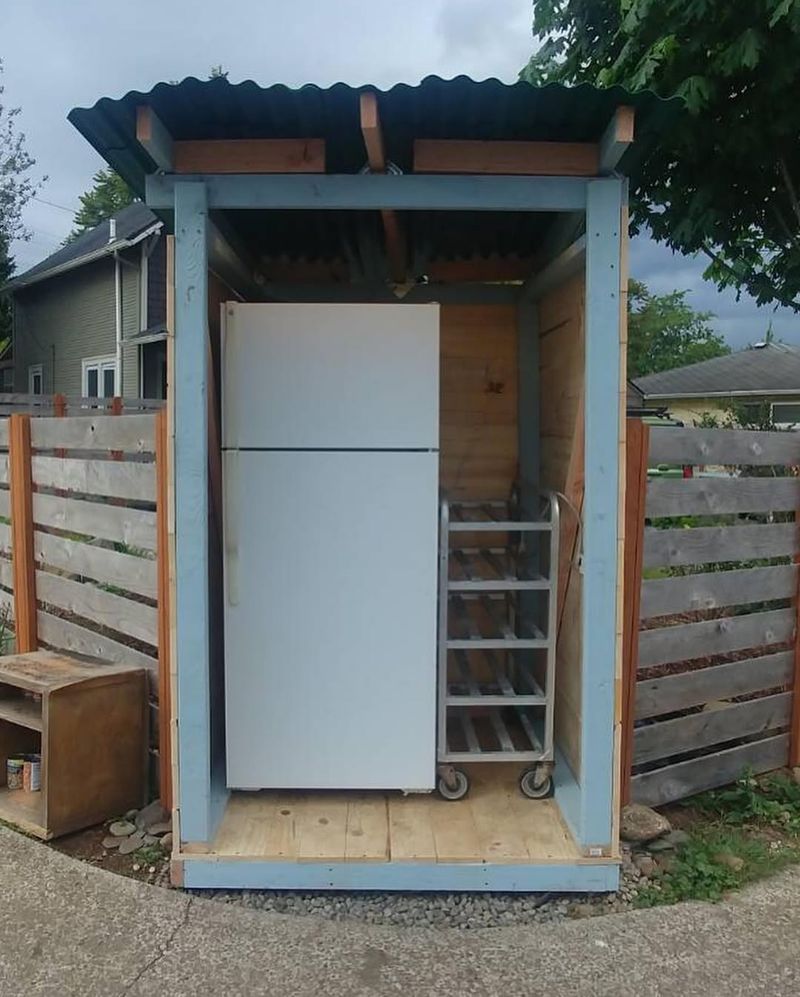
Leaving old refrigerators, washing machines, stoves, or other appliances outside in your garden violates health and safety codes in most New Jersey communities.
These items pose serious dangers to curious children who might climb inside and become trapped, leading to tragic accidents that municipalities work hard to prevent.
Appliances also deteriorate quickly outdoors, leaking refrigerants, oils, and other chemicals into soil and groundwater, creating environmental contamination that affects entire neighborhoods negatively.
Code enforcement officers can issue immediate citations upon discovery, with fines increasing if appliances remain after the initial warning period expires without action taken.
Many towns require doors to be removed from refrigerators and freezers before disposal to eliminate entrapment risks until proper pickup can be arranged.
Scheduling bulk trash pickup or contacting appliance recycling programs ensures safe, legal disposal while often providing free removal services for qualifying residents statewide.
Promptly removing outdoor appliances protects children, prevents environmental damage, and keeps you in good standing with local authorities while maintaining your garden’s appearance.
4. Scrap Metal Or Debris
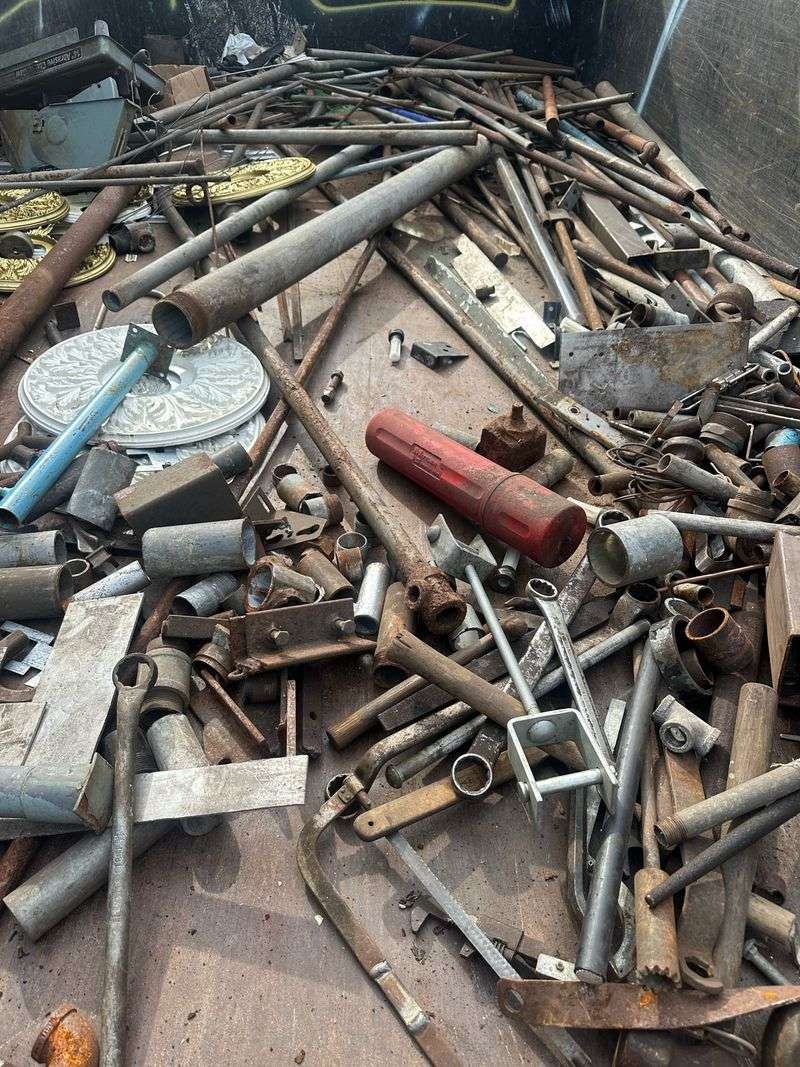
Accumulating scrap metal, old pipes, wire, or other metallic debris in your garden creates visual blight and potential hazards that violate most township ordinances.
Sharp edges on metal scraps can cause serious injuries to children, pets, or anyone walking through your yard, leading to liability concerns and safety complaints.
Many communities classify scrap metal piles as illegal dumping or hoarding violations, triggering investigations and escalating fines until the material is properly removed completely.
Rust and chemical coatings on old metal can leach into soil, harming plants and potentially contaminating groundwater supplies that serve your neighborhood and beyond.
Code enforcement officers often discover scrap metal violations during routine inspections or after neighbors file formal complaints about unsightly conditions affecting property values nearby.
Recycling centers and scrap metal buyers often pay for materials, turning your cleanup into a small profit while ensuring legal, environmentally responsible disposal.
Keeping your garden free from scrap metal and debris maintains safety, protects the environment, and prevents expensive fines while improving your home’s overall appearance significantly.
5. Overgrown Weeds Or Grass
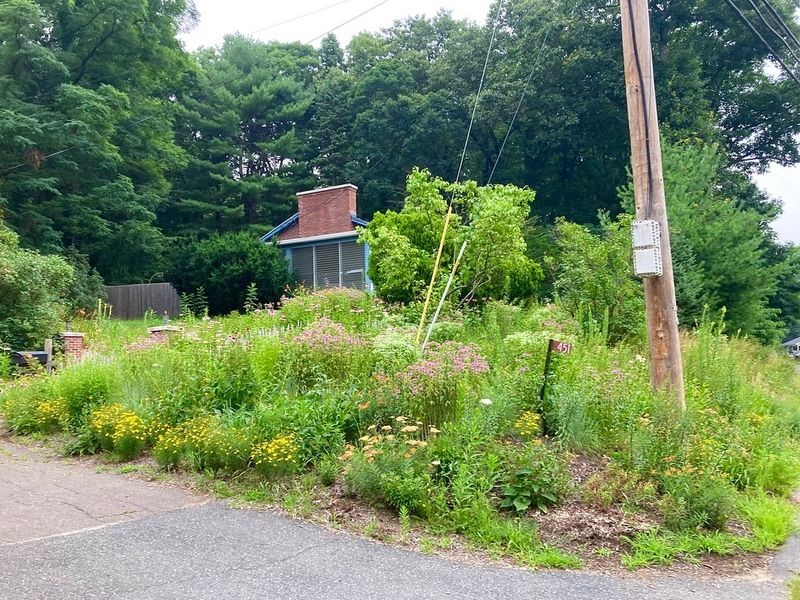
New Jersey townships typically enforce height limits on grass and weeds, often requiring lawns to stay below six to twelve inches depending on location.
Overgrown vegetation harbors ticks, mosquitoes, rodents, and other pests that pose health risks to your family and neighbors, prompting strict enforcement of maintenance codes.
Property owners receive written notices to cut overgrown grass within a specified timeframe, usually seven to fourteen days, before fines are assessed officially.
Ignoring these notices can result in the township hiring contractors to mow your lawn and billing you for the service plus administrative fees significantly.
Repeat violations lead to escalating fines and potential liens on your property, complicating future sales or refinancing efforts and damaging your financial standing locally.
Regular mowing every week or two during growing season keeps grass manageable and prevents weed infestations that spread to neighboring properties and cause disputes.
Maintaining a well-groomed lawn demonstrates pride in your home, supports neighborhood aesthetics, and ensures compliance with local regulations while avoiding unnecessary penalties and stress.
6. Diseased Trees
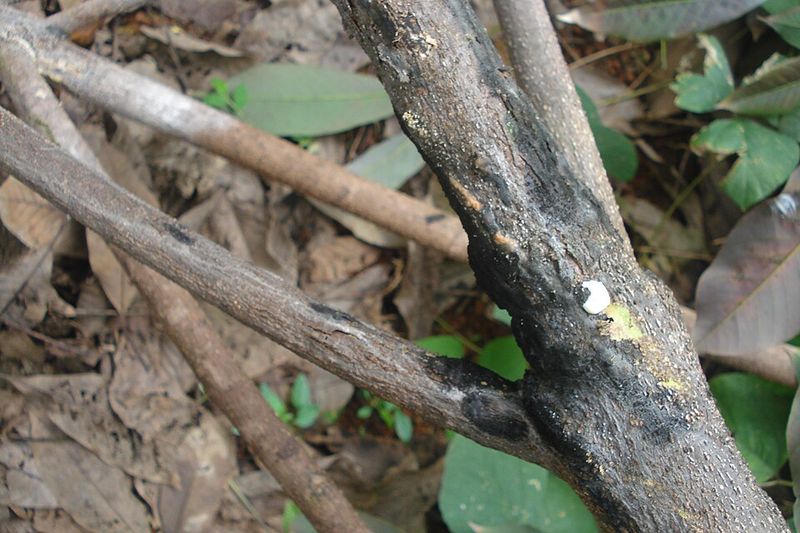
Diseased trees present significant safety hazards, with branches or entire trunks potentially falling during storms and causing property damage or personal injuries.
Many New Jersey municipalities require property owners to remove hazardous trees promptly to protect public safety and prevent damage to neighboring homes and infrastructure.
Diseased trees can spread infections to healthy trees in your yard and surrounding properties, leading to widespread damage that affects entire neighborhoods over time.
Code enforcement officers often identify dangerous trees during inspections or after complaints from neighbors concerned about falling limbs damaging their property or vehicles.
Fines for failing to remove hazardous trees increase with each violation notice, and some townships may remove the tree and bill you for costs.
Hiring certified arborists ensures safe, professional removal while providing expert advice on preventing future tree health problems and maintaining a beautiful, safe landscape.
Addressing diseased trees quickly protects your family, neighbors, and property while keeping you compliant with local safety regulations and avoiding costly fines.
7. Trash Or Garbage Piles
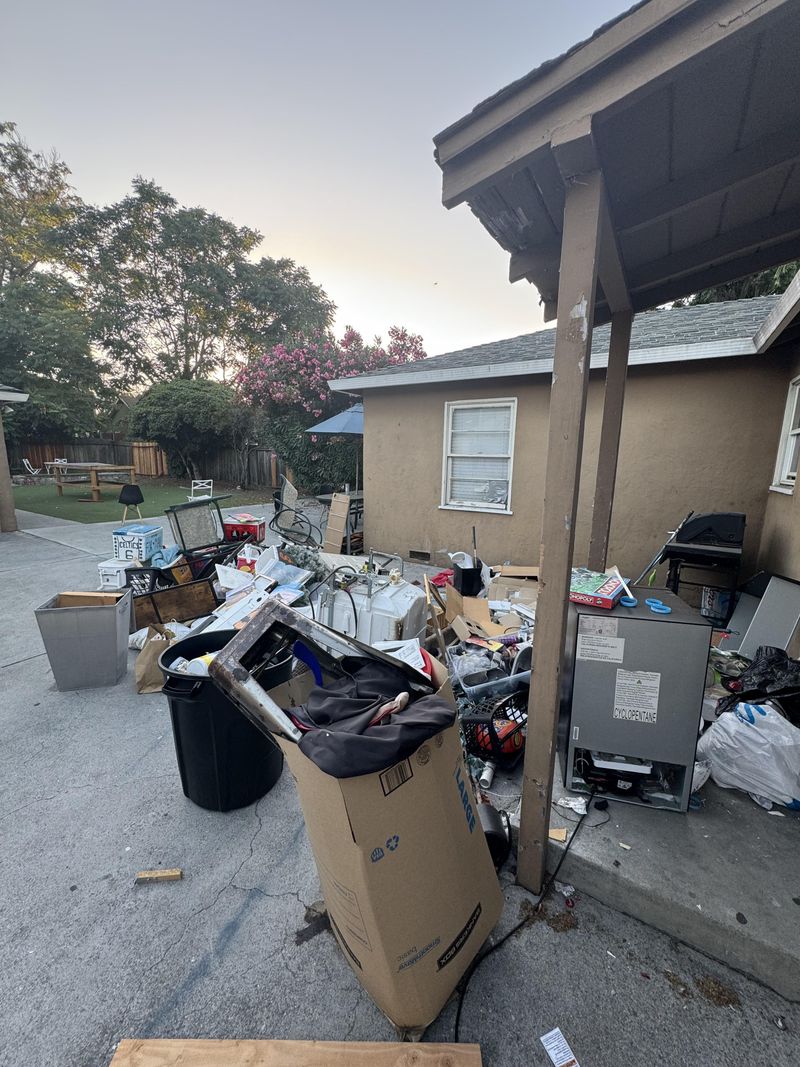
Allowing trash or garbage to accumulate in your garden attracts rats, raccoons, insects, and other pests that spread disease and create unsanitary conditions locally.
Most New Jersey townships prohibit visible garbage piles except on designated collection days, requiring homeowners to store waste in covered containers until pickup occurs.
Trash left outside for extended periods produces foul odors that disturb neighbors and can lead to formal complaints filed with local health departments or enforcement.
Code violations for garbage accumulation often result in immediate fines, with penalties increasing if the problem persists after initial warnings are issued to homeowners.
Health inspectors may become involved if trash piles pose serious sanitary risks, potentially leading to additional citations and mandatory cleanup orders with strict deadlines.
Using proper trash receptacles with tight-fitting lids and adhering to collection schedules prevents violations and keeps your property clean and pest-free year-round effectively.
Maintaining a trash-free garden protects public health, preserves neighborhood quality, and ensures compliance with sanitation codes while avoiding fines and maintaining positive community relationships.
8. Construction Materials
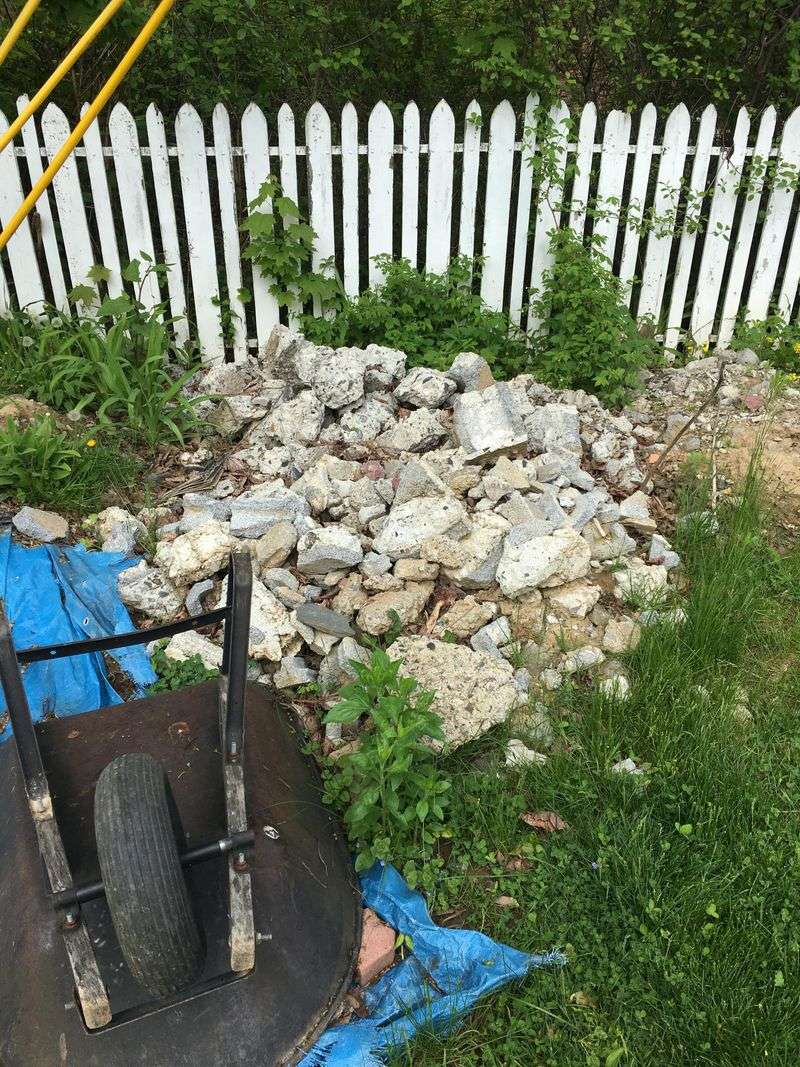
Storing construction materials like lumber, bricks, concrete blocks, or roofing supplies in your garden for extended periods violates most residential zoning codes statewide.
These materials create visual clutter, reduce property values, and can pose safety hazards if piles collapse or children attempt to climb on them.
Many townships allow temporary storage during active construction projects but require materials to be removed promptly once work is completed or permits expire officially.
Code enforcement officers monitor construction sites and residential properties to ensure materials are not stored indefinitely, issuing citations when violations are discovered during inspections.
Fines for improper storage of construction materials escalate with repeated violations, and some municipalities may require materials to be removed within days or face daily penalties.
Renting storage units or coordinating delivery schedules to minimize on-site storage time keeps you compliant while protecting materials from weather damage and theft risks.
Properly managing construction materials demonstrates professionalism, respects neighbors, and ensures compliance with zoning regulations while avoiding fines and maintaining your property’s appearance throughout projects.
9. Abandoned Furniture
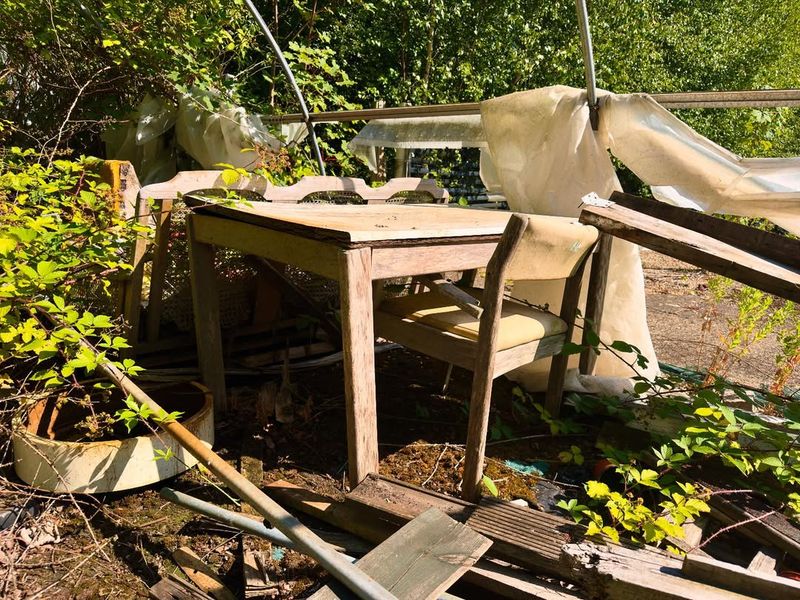
Leaving old furniture like sofas, chairs, mattresses, or tables in your garden creates eyesores and violates health and sanitation codes in most communities.
Abandoned furniture attracts pests, absorbs rainwater that breeds mold and mosquitoes, and deteriorates quickly, releasing harmful chemicals into soil and surrounding environments.
Many townships prohibit outdoor furniture storage except for items specifically designed for outdoor use, requiring prompt disposal of unwanted indoor furniture pieces.
Code enforcement teams frequently cite homeowners for abandoned furniture violations, especially after neighbors complain about unsightly conditions affecting property values and neighborhood aesthetics significantly.
Fines increase if furniture remains after initial warnings, and some municipalities arrange removal and bill homeowners for disposal costs plus administrative fees added on top.
Scheduling bulk trash pickup, donating usable furniture to charities, or hiring junk removal services provides quick, legal disposal options that benefit your community overall.
Keeping your garden free from abandoned furniture maintains property values, prevents pest problems, and ensures compliance with local codes while avoiding fines and preserving neighborhood harmony.
10. Standing Water
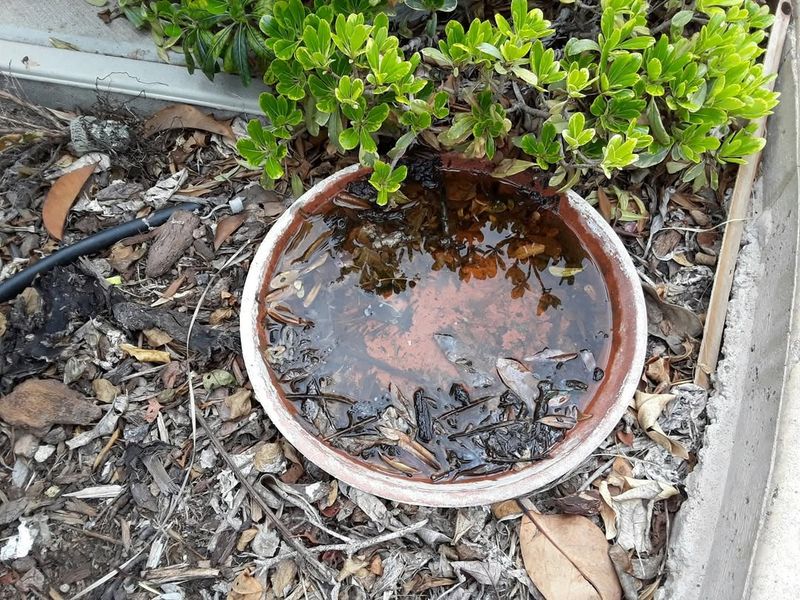
Allowing standing water to accumulate in your garden creates breeding grounds for mosquitoes that carry West Nile virus and other serious diseases affecting humans.
Health departments across New Jersey actively enforce regulations against standing water, especially during warm months when mosquito populations explode and disease transmission risks increase dramatically.
Common sources include clogged gutters, old tires, buckets, birdbaths, tarps, and low spots in yards that collect rainwater and remain stagnant for days.
Inspectors can issue citations for standing water violations, with fines increasing if property owners fail to eliminate sources after receiving official warnings from authorities.
Some townships conduct aerial surveillance using drones to identify properties with standing water, leading to targeted inspections and enforcement actions against non-compliant homeowners statewide.
Regularly emptying containers, drilling drainage holes in items that collect water, and improving yard grading eliminates breeding sites and protects your family effectively.
Preventing standing water demonstrates public health responsibility, protects your community from disease, and ensures compliance with health codes while avoiding fines and reducing mosquito nuisances.
11. Illegal Dumping Materials
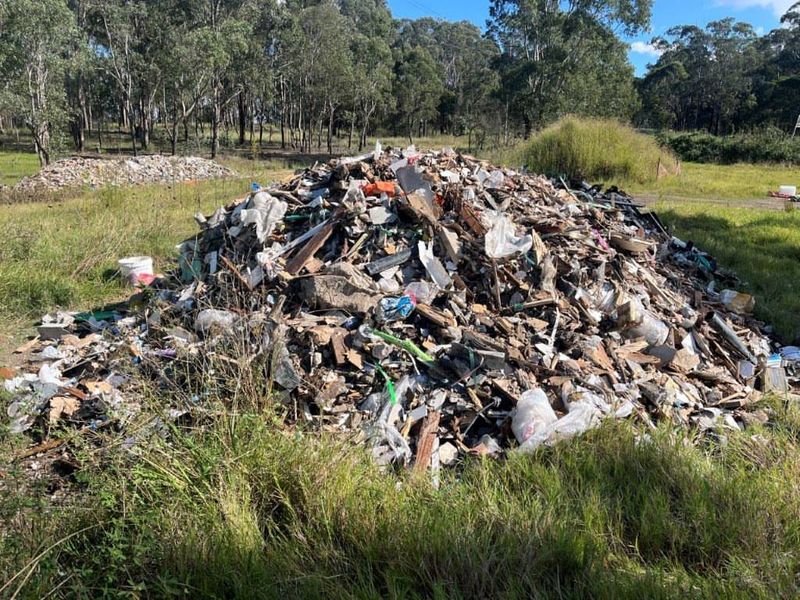
Dumping materials like tires, electronics, chemicals, or other hazardous waste in your garden is illegal and can result in severe fines and criminal charges.
These materials contaminate soil and groundwater, harm wildlife, and pose serious health risks to families and neighbors living in close proximity to contaminated sites.
New Jersey environmental protection agencies actively investigate illegal dumping cases, working with local police to identify violators and pursue legal action against responsible parties involved.
Fines for illegal dumping can reach thousands of dollars, with additional costs for mandatory cleanup and environmental remediation required to restore affected areas properly.
Property owners may also face civil lawsuits from neighbors if contamination spreads beyond property lines, leading to expensive legal battles and potential damages awarded.
Using designated recycling centers, hazardous waste collection events, and proper disposal facilities ensures legal, environmentally responsible handling of difficult materials without risk of penalties.
Avoiding illegal dumping protects the environment, safeguards public health, and keeps you compliant with state and local laws while preventing costly fines and legal troubles.
12. Unpermitted Structures Or Sheds
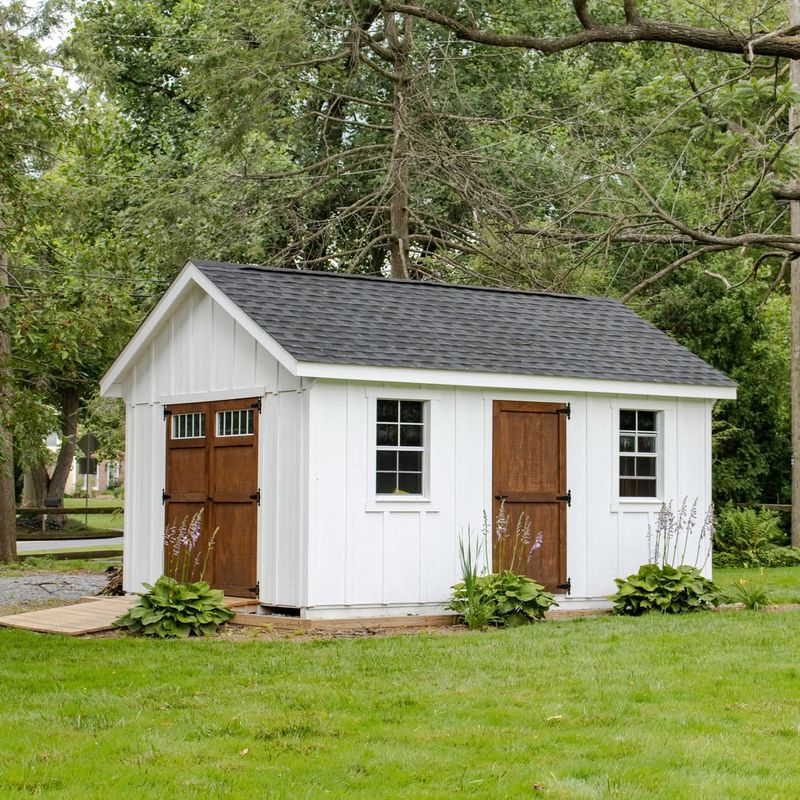
Building sheds, gazebos, decks, or other structures without obtaining proper permits from your township violates building codes and zoning regulations throughout New Jersey.
Unpermitted structures may not meet safety standards, creating hazards like structural collapse, fire risks, or electrical problems that endanger your family and neighbors nearby.
Code enforcement officers discover unpermitted structures through routine inspections, aerial imagery, neighbor complaints, or when homeowners apply for other permits triggering property reviews.
Fines for unpermitted structures can be substantial, and townships may require you to remove the structure entirely or bring it into compliance retroactively.
Obtaining after-the-fact permits often involves additional fees, engineering assessments, and inspections that cost significantly more than getting proper permits before construction begins originally.
Some structures built too close to property lines or exceeding size limits may be impossible to permit, forcing expensive removal and potential legal disputes.
Checking with your township before building anything ensures compliance with setback requirements, height restrictions, and safety codes while avoiding fines and protecting your investment long-term.
13. Excessive Leaf Or Yard Waste Piles
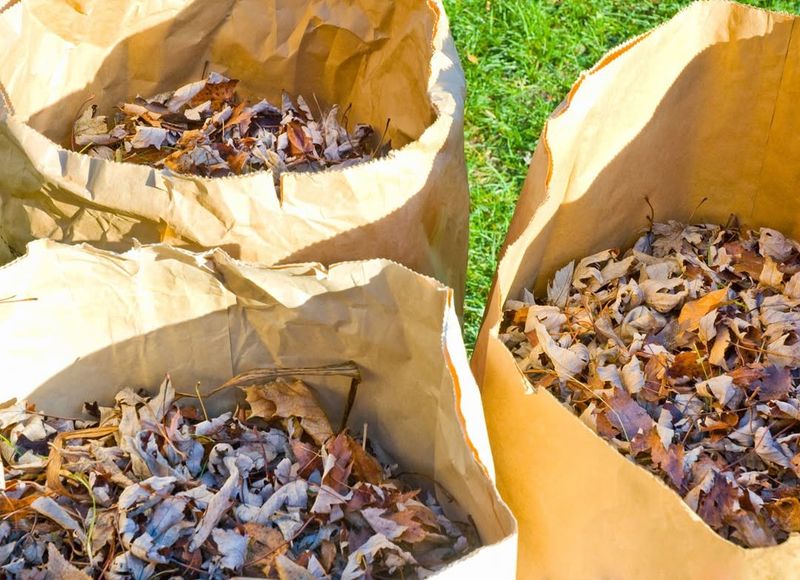
Allowing excessive leaf or yard waste to pile up in your garden violates sanitation codes and creates fire hazards, especially during dry seasons.
Large waste piles attract rodents, insects, and other pests while producing unpleasant odors that disturb neighbors and reduce overall neighborhood quality and property values.
Most New Jersey townships provide seasonal yard waste collection services or require homeowners to bag materials properly and place them curbside on designated days only.
Code enforcement officers cite homeowners who allow yard waste to accumulate excessively or who fail to follow proper disposal procedures outlined in local ordinances.
Fines increase if waste remains after warnings, and some municipalities may remove piles and charge homeowners for disposal costs plus administrative fees added additionally.
Composting yard waste, using municipal collection services, or hiring landscaping companies for regular cleanup keeps your property compliant and environmentally responsible year-round effectively.
Managing yard waste properly maintains neighborhood aesthetics, prevents pest problems, and ensures compliance with local sanitation codes while avoiding fines and contributing to community cleanliness overall.
14. Broken Fences Or Fencing Debris
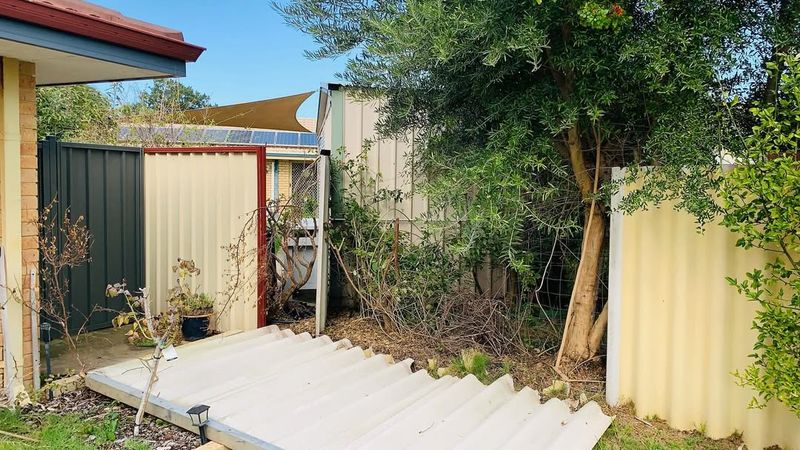
Maintaining broken, collapsed, or deteriorating fences violates property maintenance codes and creates safety hazards and boundary disputes with neighbors in many townships.
Damaged fences fail to contain pets, allow trespassing, and reduce property values while creating unsightly conditions that affect entire neighborhoods negatively over time.
Many New Jersey communities require fences to be kept in good repair, with structural integrity maintained and broken sections replaced promptly after damage occurs.
Code enforcement officers cite homeowners for fence violations after inspections or neighbor complaints, issuing deadlines for repairs or removal of unsafe structures entirely.
Fines escalate if broken fences remain after warning periods expire, and some townships may remove dangerous fencing and bill property owners for costs incurred.
Repairing or replacing damaged fencing promptly maintains property boundaries, enhances security, and preserves neighborhood aesthetics while keeping you compliant with local regulations effectively.
Addressing fence problems quickly demonstrates responsibility, prevents disputes with neighbors, and ensures compliance with property maintenance codes while avoiding fines and protecting property values.