7 Things North Carolina Gardeners Should Watch Out For When Growing Zinnias
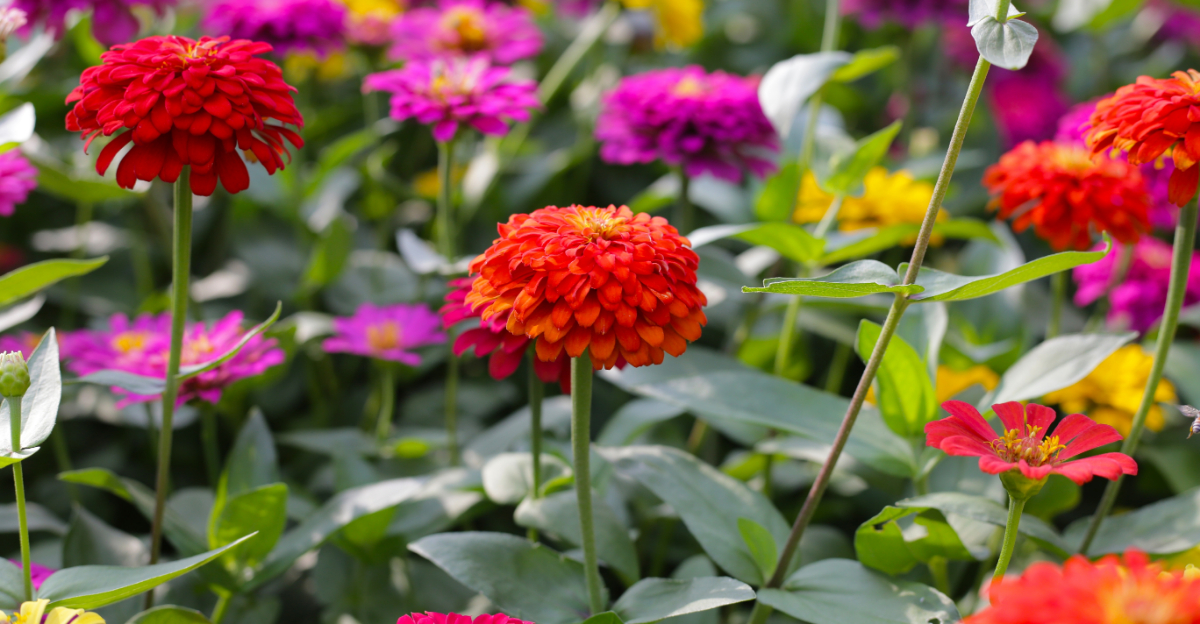
There’s something about walking through a North Carolina garden in summer and spotting rows of zinnias swaying in the breeze. They’re cheerful, colorful, and can instantly lift a yard – or a mood.
If you’ve spent a few seasons gardening, you know that even the happiest blooms can hide little frustrations that show up when you least expect them.
Zinnias are mostly forgiving, but their charm comes with a few quirks. Too much sun, too little attention, or the wrong timing can turn a thriving bed into a frustrating patch of drooping or spotted flowers.
And if pests or diseases sneak in, your bright blooms can quickly start fading.
Before you feel that gardening frown creeping in, there are ways to spot trouble early and keep your zinnias looking top-notch.
Some subtle details make all the difference this year, and they’re easier to manage than you think.
1. Powdery Mildew Fungal Disease
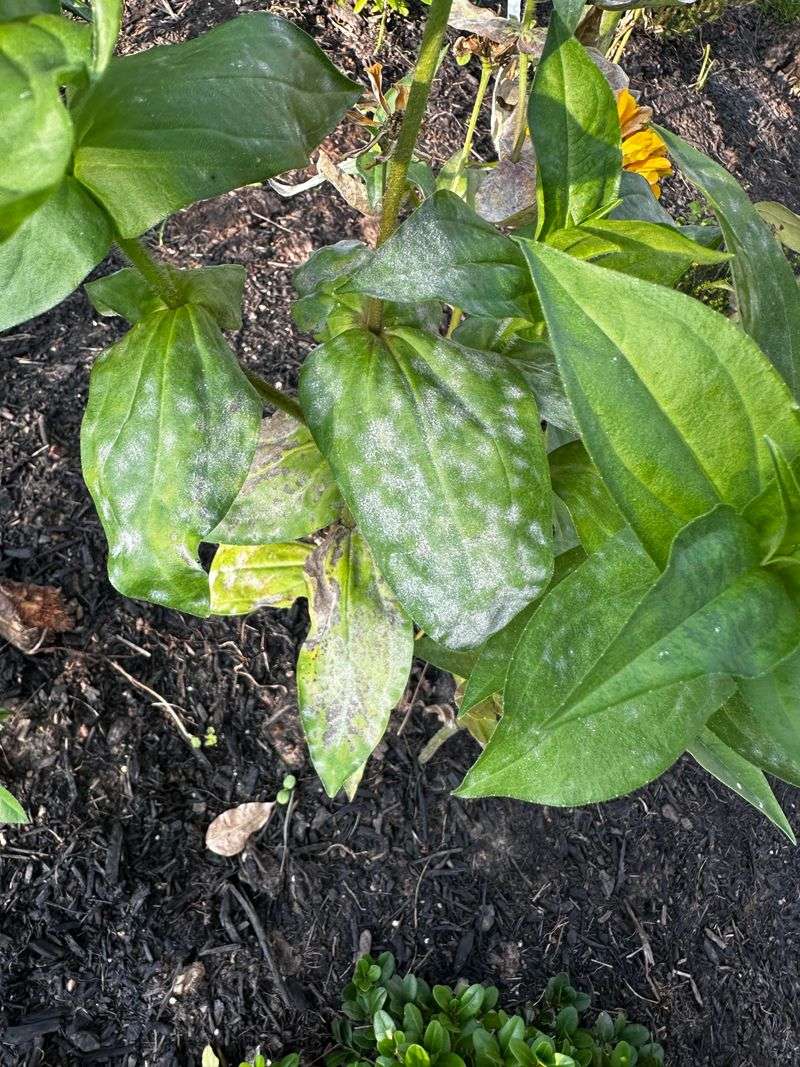
Walk through almost any North Carolina garden in late summer, and you might notice a strange white dusty coating on zinnia leaves. That is powdery mildew, one of the most common fungal diseases that affects zinnias in the Southeast.
Powdery mildew thrives in warm, humid conditions, and North Carolina’s summers often provide the humidity that encourages its development, especially during prolonged periods of cloudy, rainy weather.
The fungus spreads through airborne spores and tends to show up first on older, lower leaves before working its way up the plant. Affected leaves may look like they have been dusted with flour.
Over time, infected leaves can turn yellow, curl up, and drop off, weakening the plant and reducing its ability to produce flowers, ultimately affecting overall garden appearance and bloom longevity.
Spacing your zinnias at least 12 to 18 inches apart is one of the best defenses because good air circulation helps leaves dry out faster after rain or morning dew. Avoid watering overhead in the evening, since wet foliage overnight creates ideal conditions for spore germination.
Instead, water at the base of the plant early in the morning.
If powdery mildew does appear, remove affected leaves right away and dispose of them far from your garden. Neem oil or a baking soda spray mixed with a few drops of dish soap can help slow the spread.
Choosing mildew-resistant zinnia varieties, such as Profusion or Zahara types, is also a smart move for North Carolina gardeners dealing with this persistent and frustrating problem.
2. Leaf Spot And Alternaria Blight
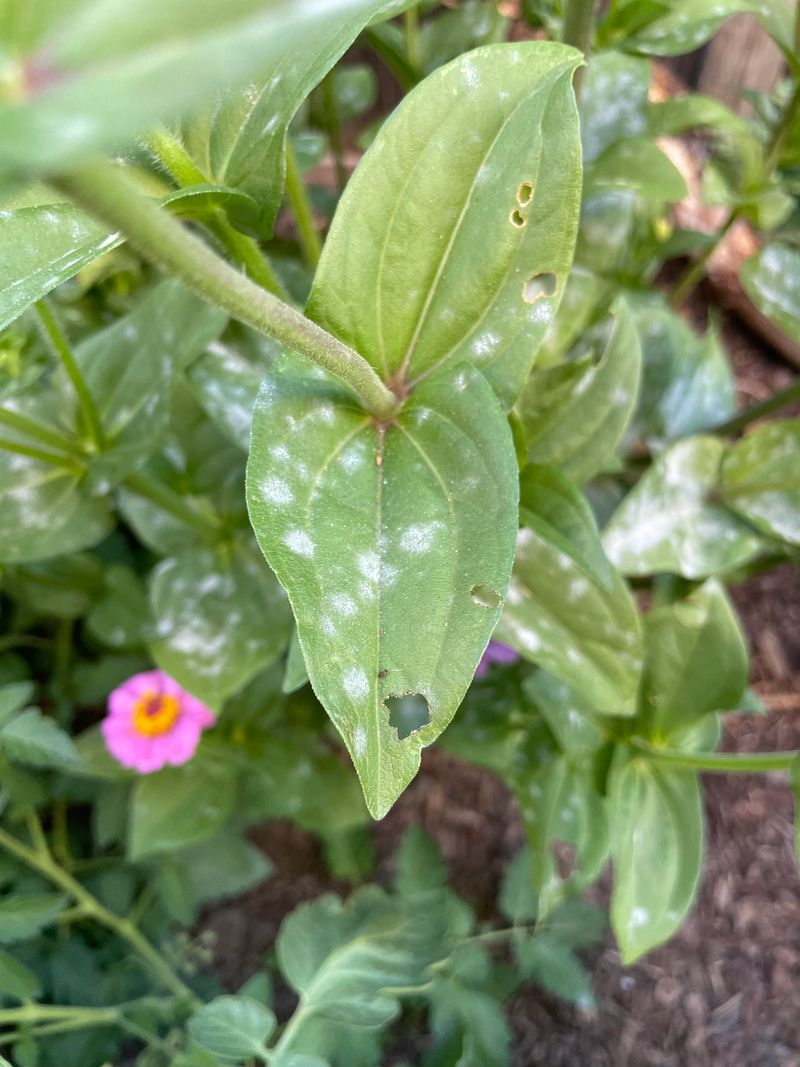
Spotty, brown, or water-soaked patches on your zinnia leaves are a telltale sign of leaf spot or Alternaria blight, two fungal problems that love North Carolina’s warm and humid climate. Alternaria blight, caused by the fungus Alternaria zinniae, is especially sneaky because it can attack not just the leaves but also the stems, flower petals, and even the seeds, quietly weakening the plant before you notice visible damage.
Early symptoms often look like small, reddish-brown spots with lighter centers. As the disease progresses, those spots grow larger and merge together, causing whole sections of the leaf to look scorched or dead.
Flower heads can also develop dark, sunken spots, which ruins the colorful display you worked so hard to create, making even the healthiest-looking garden beds appear unhealthy.
Wet weather and splashing water are the main ways this disease spreads through a garden. Every time rain or a sprinkler hits an infected leaf, spores can travel to nearby healthy plants.
That is why keeping foliage as dry as possible is so important, especially during North Carolina’s rainy spring and early summer months.
Preventive fungicide sprays containing chlorothalonil or copper can help protect healthy plants if applied early in the season. Always water at the soil level and clean up fallen leaves and debris regularly.
Rotating your zinnia planting spots each year also helps because the fungal spores can survive in the soil over winter. Starting with disease-free seeds from a trusted source gives your zinnias the cleanest possible start in the North Carolina growing season, setting them up for stronger growth and more vibrant blooms.
3. Aphids Infesting Stems And Buds
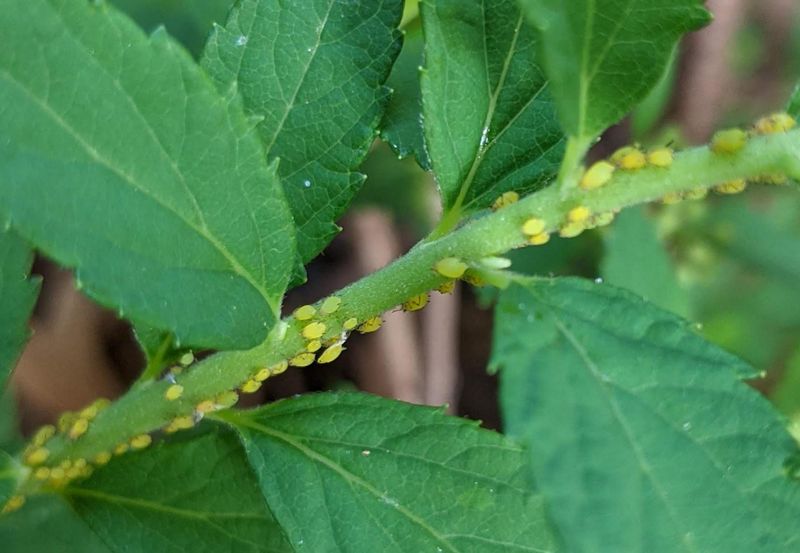
Tiny, soft-bodied, and deceptively destructive, aphids are one of the most common pest problems zinnia growers face across North Carolina. These little insects, which can be green, yellow, black, or pink, often cluster on tender new growth, stems, and flower buds.
They feed by piercing the plant tissue and sucking out the sap, which can cause leaves to curl, buds to fail to open, and overall plant growth to slow down significantly.
One of the sneakiest things about aphids is how fast they multiply. A small colony can balloon into thousands of insects within just a few days during warm weather.
They also produce a sticky waste called honeydew, which coats leaves and encourages a black fungal growth known as sooty mold. That combination of pest damage and mold can make your zinnias look terrible in a short amount of time.
Fortunately, aphids have plenty of natural enemies, including ladybugs, lacewings, and parasitic wasps. Encouraging these beneficial insects by avoiding broad-spectrum pesticides can help keep aphid populations under control naturally.
A strong blast of water from a garden hose can also knock aphids off plants and reduce their numbers quickly.
For more stubborn infestations, insecticidal soap sprays work well and are safe for most beneficial insects when used correctly. Check your zinnias every few days during the growing season, especially during warm stretches in North Carolina’s summer, because catching an aphid problem early makes it much easier to manage before it gets out of hand.
4. Spider Mite Damage During Hot, Dry Weather
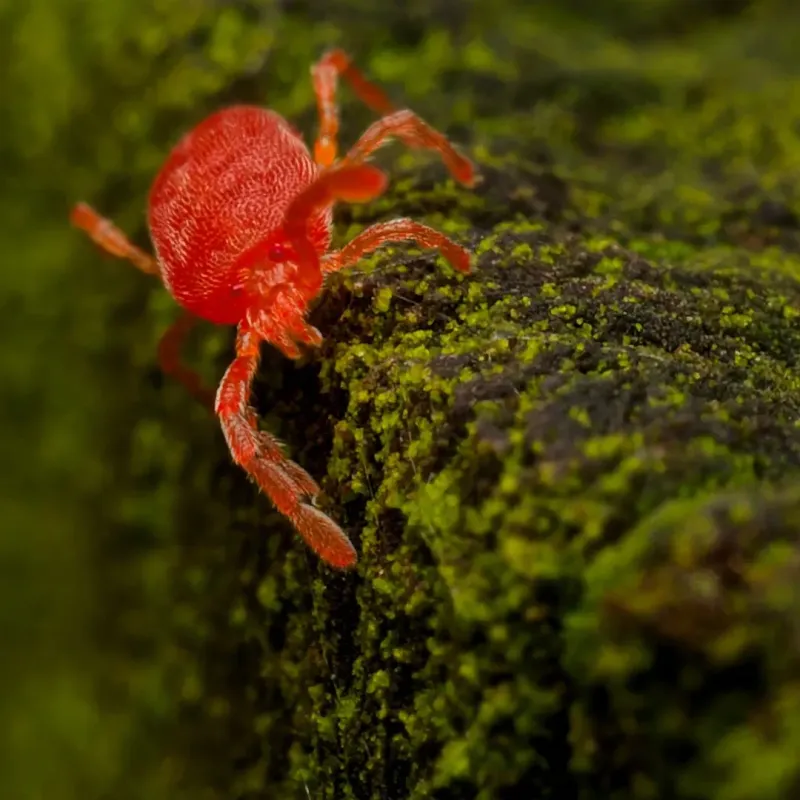
When North Carolina summers turn blazing hot and rain becomes scarce, spider mites move in fast. These microscopic pests are not true insects but rather tiny arachnids, and they thrive in hot, dry conditions that stress plants.
Zinnias are a favorite target, and by the time most gardeners notice the damage, a full-blown infestation may already be underway.
Spider mites feed on the undersides of leaves, piercing individual plant cells and draining their contents. The damage shows up as tiny yellow or white speckled dots on the upper leaf surface, a pattern called stippling.
Heavily infested leaves eventually turn bronze or grayish, dry out, and drop off. If you look closely at the undersides of affected leaves, you might even spot fine, silky webbing, which is the clearest sign that spider mites are present.
Hot, dry conditions in mid- to late summer often lead to increased spider mite activity in North Carolina gardens.Plants that are already stressed from drought or heat are far more vulnerable, so keeping your zinnias well-watered during dry spells is one of the best preventive measures you can take. Mulching around the base of your plants also helps retain soil moisture and keeps root temperatures cooler.
Miticides or insecticidal soap sprays applied to the undersides of leaves can help manage heavy infestations. Predatory mites, which feed on spider mites without harming plants, are another excellent biological option.
Spraying plants with a strong jet of cool water every few days during dry periods can also knock mite populations back significantly in North Carolina gardens.
5. Root Rot From Poor Drainage Or Overwatering
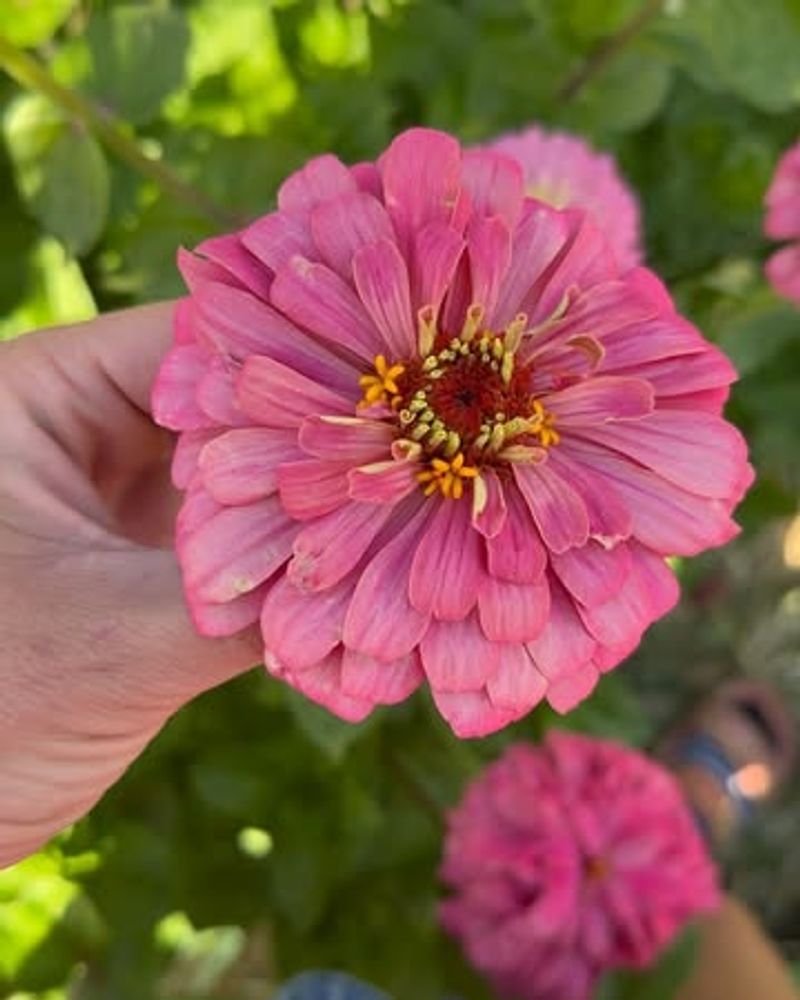
Loving your zinnias a little too much with the watering can is a surprisingly easy mistake to make, especially for newer gardeners in North Carolina. Root rot is a serious condition caused by waterlogged soil, where roots are deprived of oxygen and become vulnerable to fungal pathogens like Phytophthora and Pythium.
Once root rot develops, it can progress quickly and may be difficult to manage without proper intervention.
The earliest signs of root rot can actually look like drought stress, which confuses a lot of gardeners. Yellowing leaves, wilting even when the soil feels moist, and stunted growth are all warning signals.
When you pull an affected plant from the soil, the roots will appear brown, mushy, and may have an unpleasant odor instead of being firm and white like healthy roots should be.
North Carolina has a wide range of soil types, from the heavy clay soils found in the Piedmont to the sandy soils of the Coastal Plain. Clay soils are especially prone to holding too much water, so amending your garden beds with compost or coarse sand before planting can dramatically improve drainage.
Raised beds are another great solution for gardeners dealing with persistently soggy soil.
A simple rule of thumb is to water zinnias deeply but infrequently, allowing the top inch or two of soil to dry out between waterings. Avoid planting in low spots where water naturally collects after rain.
Good drainage is truly the foundation of a healthy zinnia garden anywhere in North Carolina, so getting the soil right before you plant saves a lot of headaches later in the season.
6. Cutworms And Other Nocturnal Caterpillar Pests
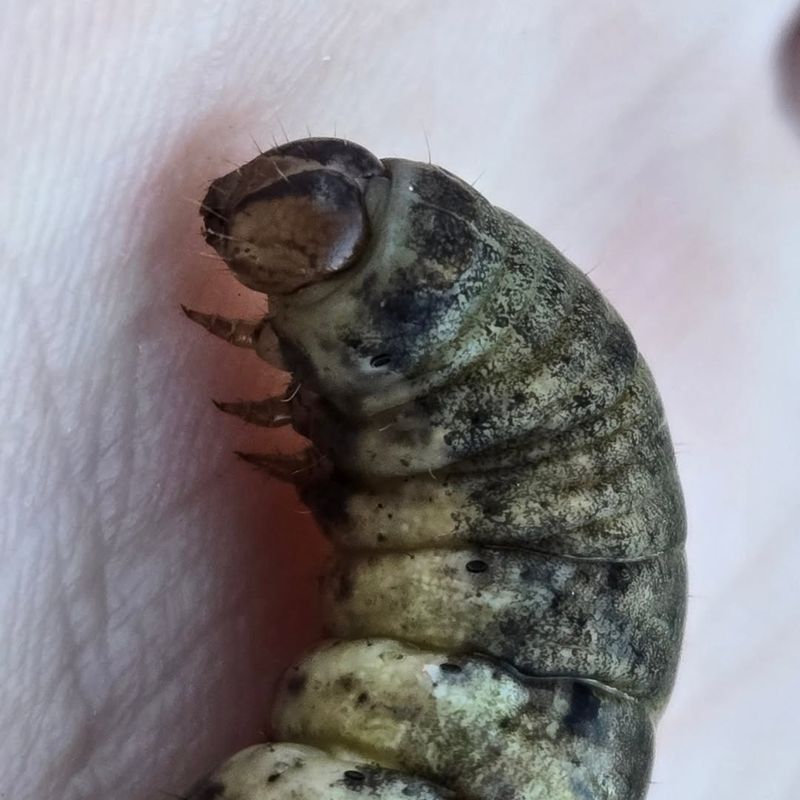
Picture this: you plant a beautiful row of zinnia seedlings in your North Carolina garden, and the next morning you walk outside to find several of them toppled over and cut clean at the base. The culprit is almost certainly a cutworm, one of the most frustrating nocturnal pests that garden growers deal with throughout the growing season.
These plump, grayish-brown caterpillars hide just below the soil surface during the day and come out at night to feed.
Cutworms are actually the larvae of several different moth species, and they tend to be most destructive in spring when newly transplanted seedlings are still small and vulnerable. They wrap around a stem at or just below the soil line and chew through it completely, which is why the damage looks so sudden and clean.
Younger zinnia seedlings are more susceptible to cutworm damage, while larger plants are generally less affected.
Other nocturnal caterpillar pests, like armyworms and loopers, can also cause significant damage to zinnia foliage in North Carolina, especially later in the season. These pests chew irregular holes in leaves and can defoliate plants quickly when populations are high.
Checking your garden after dark with a flashlight is one of the most effective ways to catch them in the act.
Simple physical barriers called cutworm collars, made from cardboard or plastic cups with the bottom removed and pushed into the soil around each seedling, can prevent stem cutting effectively. Beneficial nematodes applied to the soil also target cutworm larvae.
Bacillus thuringiensis, commonly known as Bt, is a safe and effective organic spray for controlling caterpillar pests on your North Carolina zinnias.
7. Heat Stress And Wilting In High Summer Temperatures
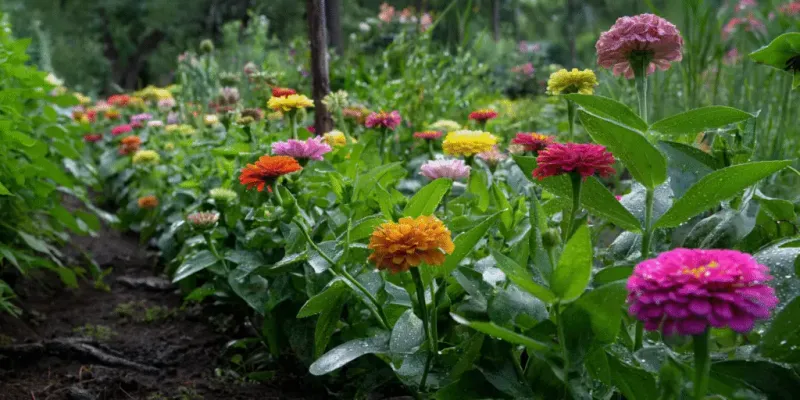
North Carolina summers are no joke. Temperatures regularly climb into the 90s across much of the state, and in some areas, the heat index can make it feel even hotter.
Zinnias love warmth and sunshine, but there is a point where too much heat becomes a real problem, causing plants to wilt, slow their blooming, and struggle to stay upright during the hottest parts of the afternoon.
Heat stress in zinnias can cause leaves to droop, reduce flower production, and slow growth, even when soil moisture is adequate.. Flower production can slow down noticeably, and new buds may fail to open or may open smaller than normal.
In extreme cases, prolonged heat can cause blossom drop, where flowers fall off before they fully develop, leaving you with bare stems instead of colorful blooms.
One key thing to understand is that zinnias planted in full sun in North Carolina will experience more intense heat stress than those with some afternoon shade. While zinnias do need at least six hours of direct sunlight to bloom well, a little relief from the harshest afternoon rays, especially in July and August, can make a noticeable difference in plant health and flower production.
Watering deeply in the early morning hours is the single most effective thing you can do to help zinnias handle extreme heat. A two to three inch layer of organic mulch around the base of plants keeps soil temperatures lower and reduces moisture evaporation significantly.
Choosing heat-tolerant varieties, such as Profusion or Magellan types, can help zinnias perform better during North Carolina’s hottest summer periods.