7 Things Not Allowed In A Washington Yard Without A Permit
A Washington yard may look like open territory, yet appearances fool fast.
One wrong move can stir up a hornet’s nest of rules, fees, and official notices that land right in the mailbox.
From structures to upgrades that seem harmless on the surface, many projects cross a legal line without warning.
City and county codes draw firm boundaries, and those boundaries carry weight.
Skip the paperwork, and a simple weekend plan can snowball into fines, forced removal, or costly delays.
Plenty of homeowners learn this lesson the hard way, after the dust settles and inspectors arrive.
The safest path starts with knowledge, not guesswork.
A little homework upfront keeps peace with local offices and saves hard-earned cash.
1. Fences Over Six Feet Tall
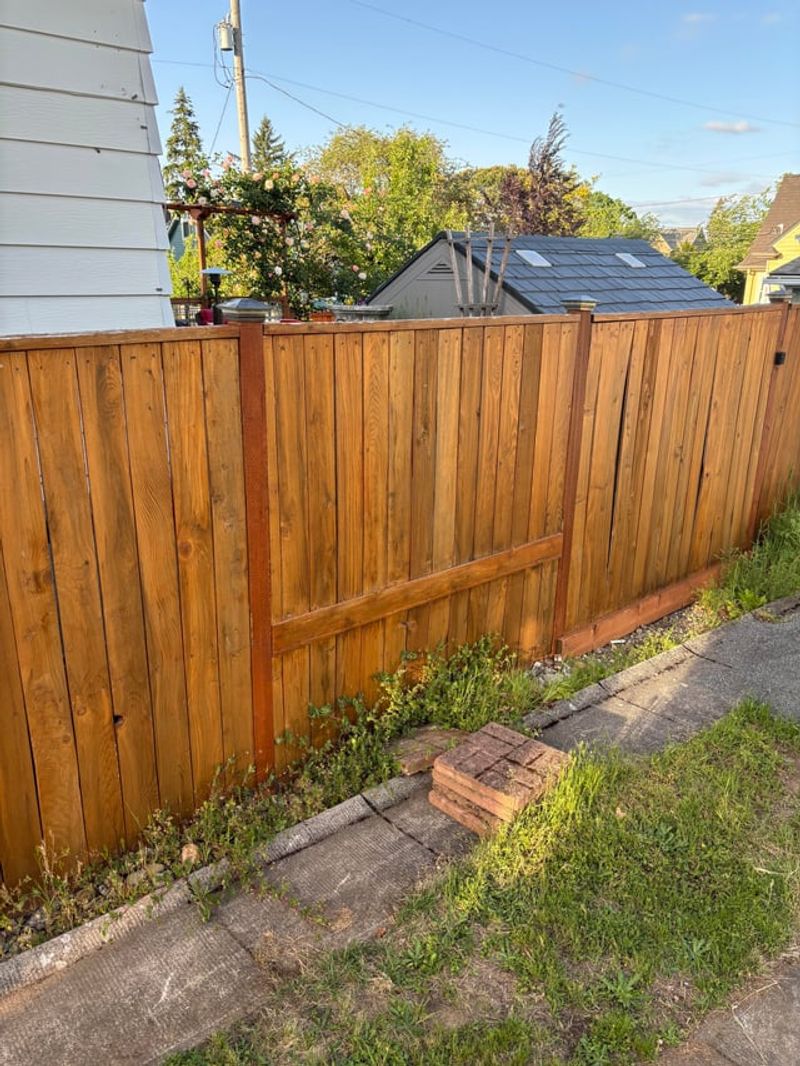
Privacy matters to most homeowners, but building a fence beyond a certain height crosses into permit territory in Washington.
Most cities and counties allow fences up to six feet without needing approval.
Anything taller than that typically requires you to submit plans and get official clearance from your local building department.
Height restrictions exist for safety and neighborhood harmony.
A massive fence could block sightlines for drivers, create wind tunnels, or cast shadows that bother your neighbors.
Some areas also have special rules about corner lots where visibility matters even more.
Before you buy materials or hire a contractor, check with your city or county planning office.
They can tell you the exact height limits and setback requirements for your property.
Getting caught with an unpermitted tall fence can mean expensive fines and the hassle of tearing it down or cutting it shorter.
Save yourself the headache by doing things right from the start.
A quick phone call or online search can clarify what you need and how long the permit process takes in your area.
2. Sheds And Storage Buildings
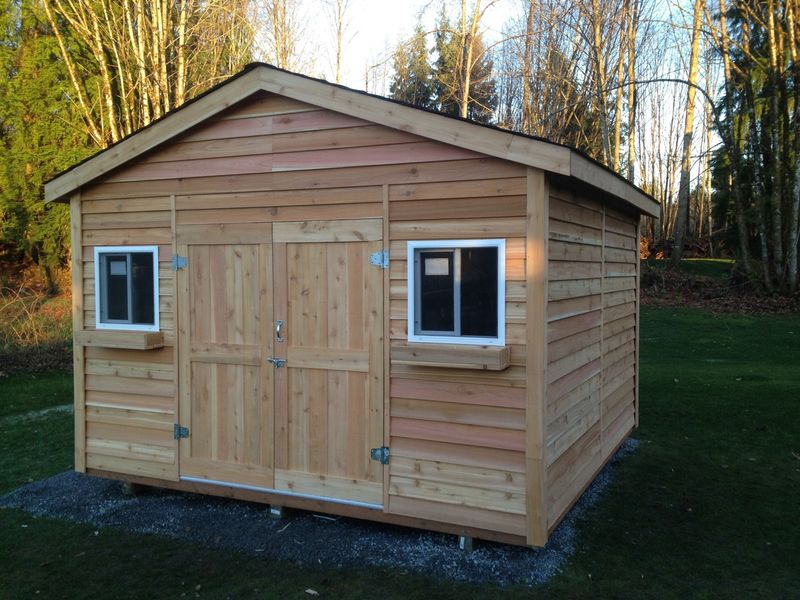
Adding extra storage space sounds simple until you discover the permit rules.
Washington regulations often require permits for sheds larger than 120 square feet, though this varies by jurisdiction.
Even smaller structures might need approval depending on where you place them and how close they sit to property lines.
Setback requirements keep buildings a safe distance from boundaries, preventing fire hazards and maintaining neighborhood aesthetics.
Your shed also needs proper foundation work in many cases, which inspectors verify during the permit process.
Skipping permits might seem like a time-saver, but it creates problems when you sell your home
Buyers and their inspectors will notice unpermitted structures, potentially tanking your sale or forcing you to remove the building entirely.
Some insurance companies also refuse to cover damage to unpermitted structures, leaving you financially vulnerable.
Contact your local building department before you purchase that pre-built shed from the hardware store.
They can explain size limits, setback distances, and foundation requirements specific to your zone.
The permit fee and inspection process might add a few weeks to your project, but the peace of mind is worth every penny.
3. Permanent Outdoor Structures Like Gazebos
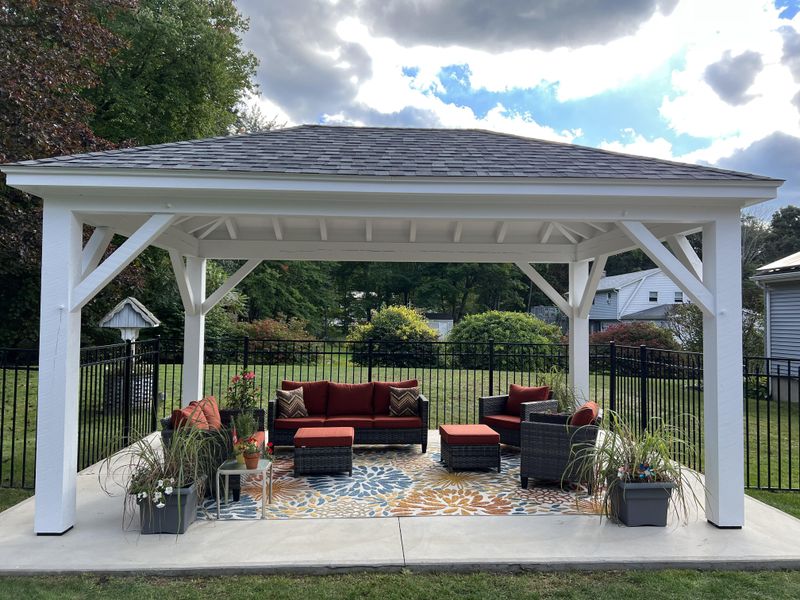
Gazebos and pergolas transform backyards into beautiful outdoor living spaces.
However, permanent structures with roofs and foundations almost always require permits in Washington.
Temporary pop-up canopies usually get a pass, but anything bolted down or built to last needs official approval.
Building codes ensure your gazebo can handle Washington’s rain, wind, and occasional snow loads.
Inspectors check that posts are properly anchored, roofs are structurally sound, and electrical work meets safety standards if you add lighting.
Without permits, you risk building something unsafe that could collapse or cause injury.
Local zoning laws also dictate where you can place these structures on your property.
Some neighborhoods have architectural review boards that must approve the design before construction begins.
Ignoring these rules can lead to stop-work orders, fines, and mandatory removal.
Start by sketching your plans and visiting your city or county planning department.
Bring property surveys and measurements so officials can advise you on setbacks and height restrictions.
Professional contractors familiar with local codes can also help navigate the permit process and ensure your dream gazebo becomes a reality legally.
4. Decks And Elevated Platforms
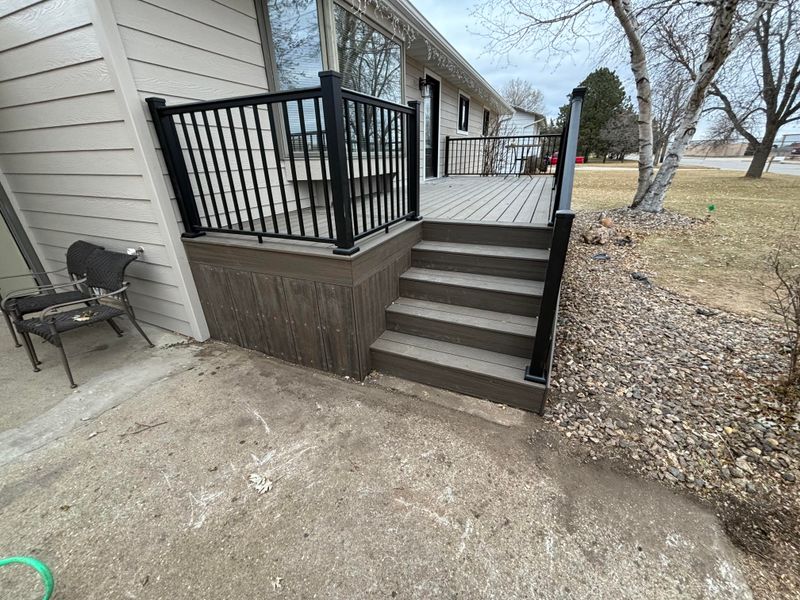
Decks create valuable outdoor living space, but they rank among the most regulated backyard projects.
Washington requires permits for nearly all decks, especially those attached to your house or elevated more than 30 inches above ground.
Even ground-level decks often need approval depending on size and location.
Structural safety drives these requirements.
Decks support heavy loads including furniture, grills, and groups of people.
Improper construction can lead to catastrophic collapse and serious injuries.
Permit inspections verify that your deck has adequate footings, proper joist spacing, secure ledger board attachment, and code-compliant railings.
Electrical outlets and lighting also fall under inspection if you add them.
Many homeowners attempt DIY deck projects without realizing the complexity involved.
Building departments offer plan review services that catch design flaws before construction begins, potentially saving you from costly mistakes.
Unpermitted decks create major issues during home sales, often requiring expensive retroactive permits or complete rebuilds.
Insurance claims for deck-related accidents may also be denied if the structure was never permitted.
Protect your investment and your family by following the rules from day one.
5. Swimming Pools And Hot Tubs
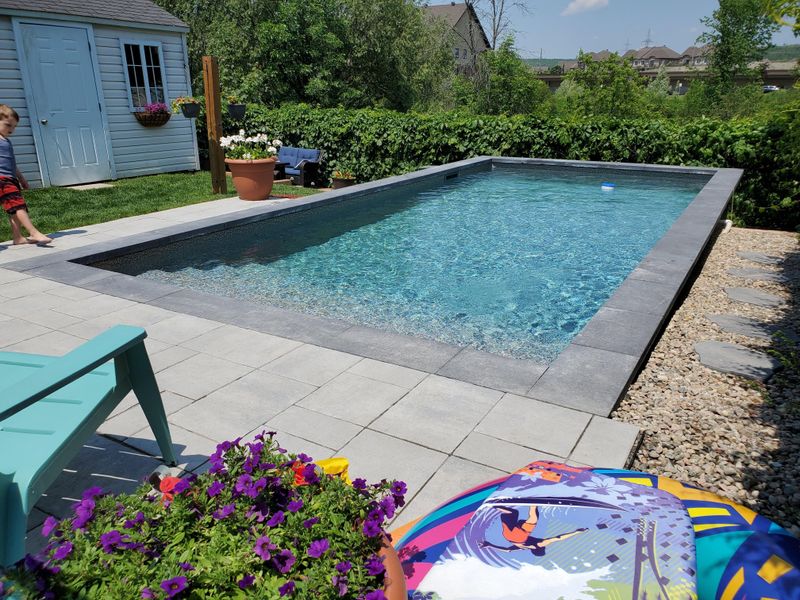
Dreaming of backyard pool parties requires more than just digging a hole and filling it with water.
Washington mandates permits for both in-ground and above-ground pools, along with hot tubs and spas.
Safety regulations protect children and pets from accidental drowning through strict fencing and barrier requirements.
Your pool permit application must show how you’ll enclose the area with self-closing, self-latching gates that young children cannot easily open.
Electrical work for pumps, heaters, and lighting also requires separate permits and inspections by licensed electricians.
Water and electrical systems create serious hazards when improperly installed.
Setback rules determine how close pools can sit to property lines, septic systems, and utility easements.
Some homeowner associations impose additional restrictions on pool design and placement.
Unpermitted pools cause major problems with insurance coverage and home sales.
Many insurance companies refuse to cover properties with unpermitted pools due to liability concerns.
Future buyers will discover the issue during inspections, creating negotiation headaches or deal-breakers.
Work with licensed pool contractors who understand Washington’s complex permit requirements.
They can handle the paperwork and coordinate inspections, ensuring your backyard oasis meets all safety and legal standards.
6. Retaining Walls Over Four Feet
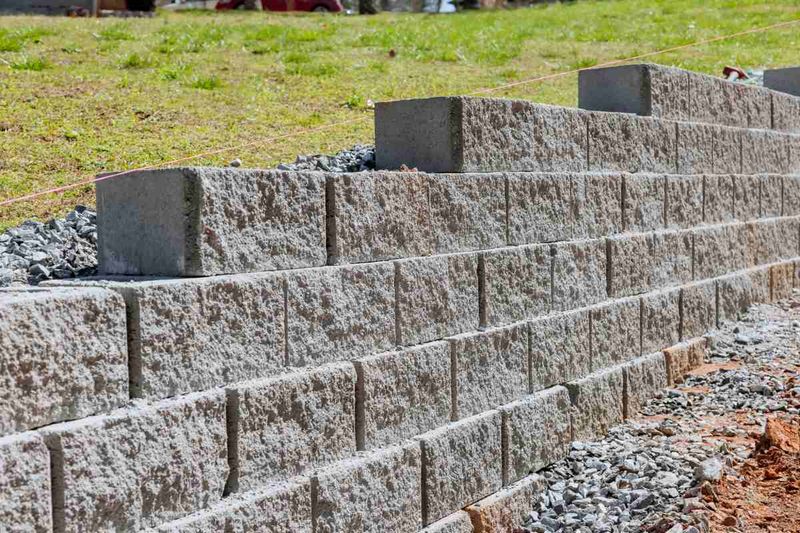
Sloped yards often need retaining walls to prevent erosion and create usable flat spaces.
Short decorative walls under four feet typically don’t require permits, but taller structures definitely do.
Engineering concerns drive this requirement since retaining walls hold back tremendous soil pressure.
Poorly designed walls can fail catastrophically, sending tons of earth sliding onto neighboring properties or public areas.
Professional engineers must often design walls over certain heights, calculating proper drainage, soil composition, and structural reinforcement.
Permit applications require detailed plans showing wall dimensions, materials, and drainage systems.
Inspectors verify that contractors install proper gravel backfill and weep holes to prevent water buildup behind the wall.
Hydrostatic pressure from trapped water is a leading cause of retaining wall failure.
Location matters too, especially if your wall sits near property lines or public rights-of-way.
Setback requirements ensure walls don’t encroach on neighboring land or interfere with utilities.
Some jurisdictions require liability insurance for large retaining wall projects.
Unpermitted walls that fail can result in lawsuits, property damage claims, and expensive emergency repairs.
Protect yourself by hiring qualified contractors and obtaining proper permits before moving the first shovelful of dirt.
7. Outdoor Fire Pits And Fireplaces
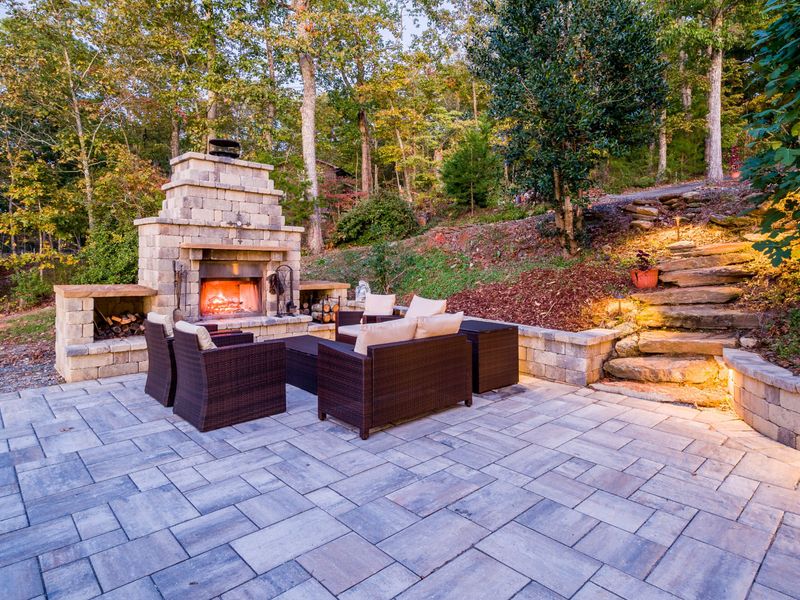
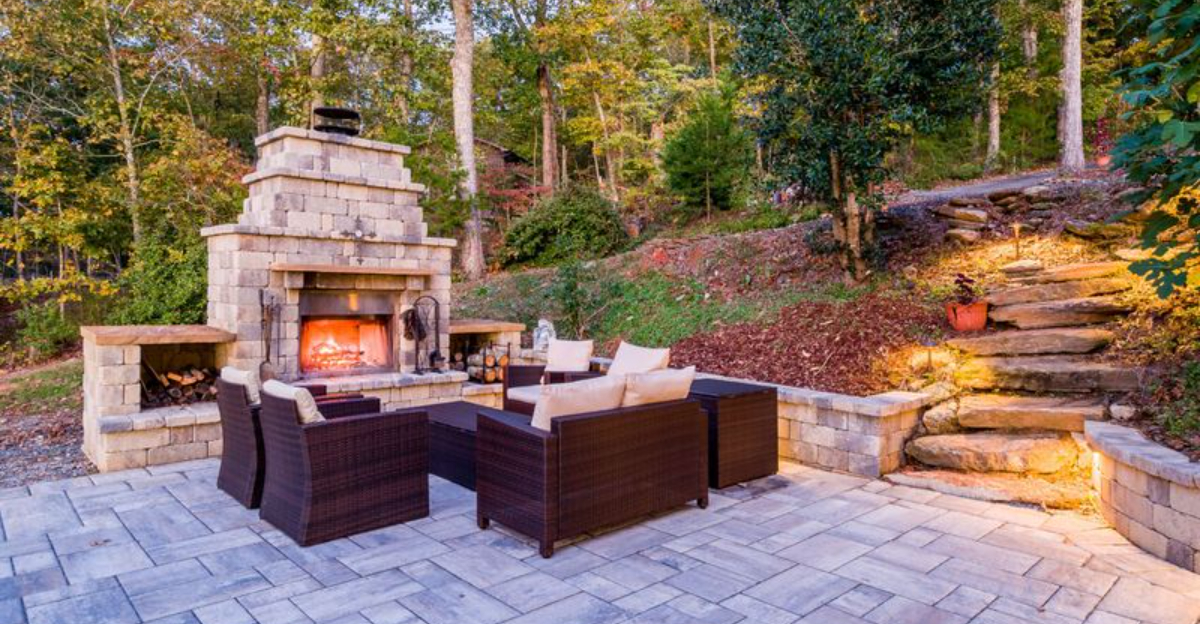
Gathering around a backyard fire creates wonderful memories, but permanent fire features need permits in most Washington communities.
Portable fire pits that you can move around usually don’t require approval, though local fire codes still regulate their use.
Built-in fire pits, outdoor fireplaces, and chimneys definitely fall under permit requirements.
Fire safety concerns drive these regulations.
Permanent fire features must maintain safe distances from structures, property lines, and overhanging trees.
Construction materials must withstand high temperatures without cracking or releasing toxic fumes.
Gas-fired features require additional permits for fuel line installation and must be inspected by qualified professionals.
Air quality regulations also come into play, especially in urban areas where smoke can bother neighbors or violate clean air standards.
Some cities ban wood-burning features entirely or restrict their use during certain seasons.
Building your fire feature without permits can result in forced removal, fines, and liability issues if someone gets hurt.
Insurance companies may deny claims related to unpermitted fire features.
Check with both your building department and fire marshal before planning your project.
They can explain clearance requirements, acceptable materials, and seasonal burning restrictions that apply to your specific location.