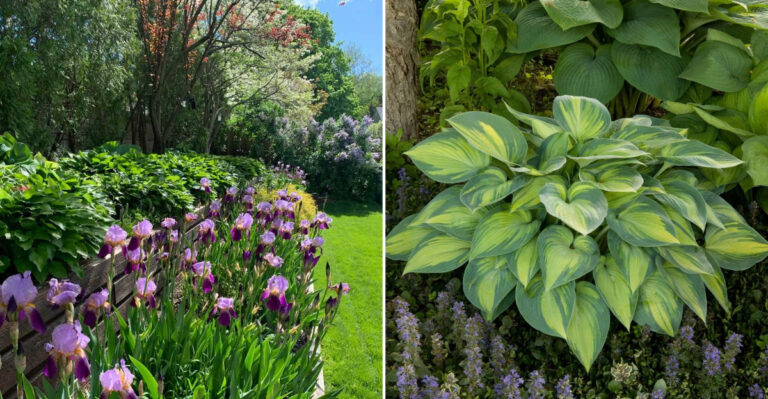
9 Things Oregon Gardeners Need To Do Before Spring Rains Hit
Spring is just around the corner (well, almost), and if you’ve been watching the clouds roll in, you know it’s only a matter of time before the rains really start.
Maybe you’ve been thinking, “I’ll get to the garden… eventually,” but suddenly it feels like there’s a lot to do.
I’ve been there, and trust me, it sneaks up fast!
Oregon’s spring showers are both a blessing and a challenge.
They wake up the garden, but they can also turn a messy yard into a muddy one if you’re not prepared.
A few small tasks now like tidying beds, checking tools, getting soil ready, can save a lot of headaches later.
If your garden hasn’t seen much attention since winter, don’t worry.
Taking a little time before the rains hit can make the season smoother, healthier, and way more enjoyable.
Spring rains are coming, but is your garden ready for it?
A few simple prep steps now can save you a lot of work (and trouble) later.
1. Clear Out Gutters And Downspouts
Your gutter system plays a huge role in protecting your garden from water damage.
Clogged gutters overflow and dump water directly onto garden beds, causing erosion and root problems.
Leaves, twigs, and debris accumulate over winter and create blockages that redirect rainfall where you don’t want it.
When water pours off the roof uncontrollably, it can compact soil, wash away mulch, and expose delicate roots.
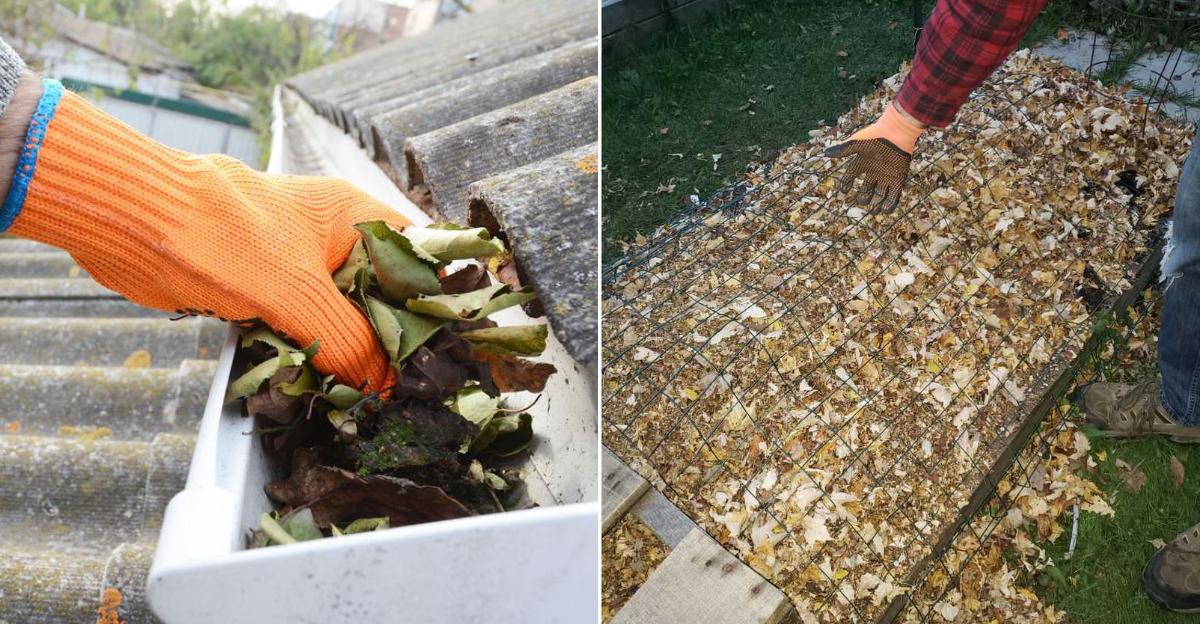
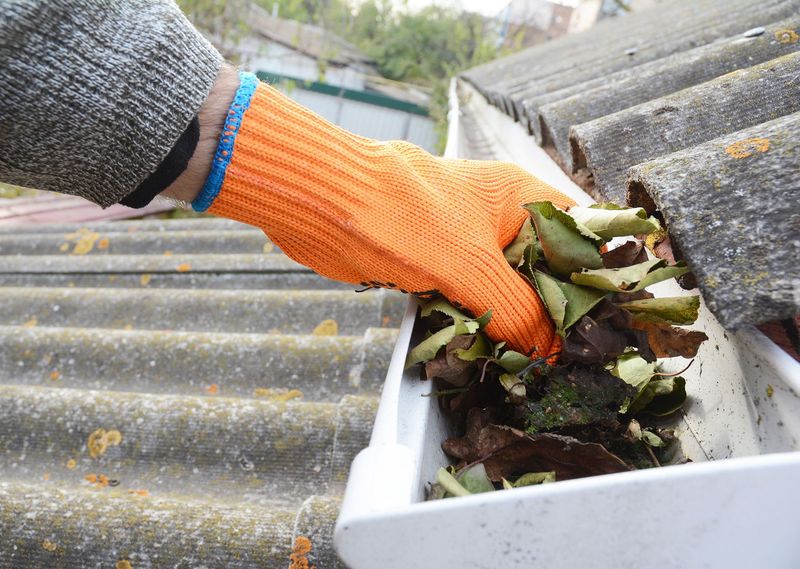
Climb up and remove all the gunk by hand or with a small scoop.
Wearing gloves and taking your time helps ensure you clear everything safely and thoroughly.
Flush the gutters with a hose to check for proper flow.
This step also helps you spot hidden clogs or leaks that could cause future issues.
Make sure downspouts point away from your garden beds and foundation.
If they empty too close to planting areas, even clean gutters can still cause damage.
Extensions or splash blocks help direct water to appropriate drainage areas.
These simple additions can make a big difference during heavy storms.
Clean gutters prevent pooling water that drowns plant roots and creates breeding grounds for pests.
Standing water also attracts mosquitoes and encourages fungal diseases in nearby plants.
Oregon’s spring rains can be relentless, so functional gutters become your first line of defense.
Regular maintenance is especially important in wooded areas where debris builds up quickly.
Taking an hour to clear them now prevents hours of repair work later.
Your garden stays drier, healthier, and better positioned to handle whatever the sky throws at it.
Plants establish stronger root systems when excess water is properly managed.
Plus, you avoid expensive foundation damage that affects both home and landscape.
2. Improve Soil Drainage With Amendments
Heavy clay soil is common throughout Oregon and becomes waterlogged quickly during rainy months.
Poor drainage suffocates roots and encourages fungal problems that weaken plants.
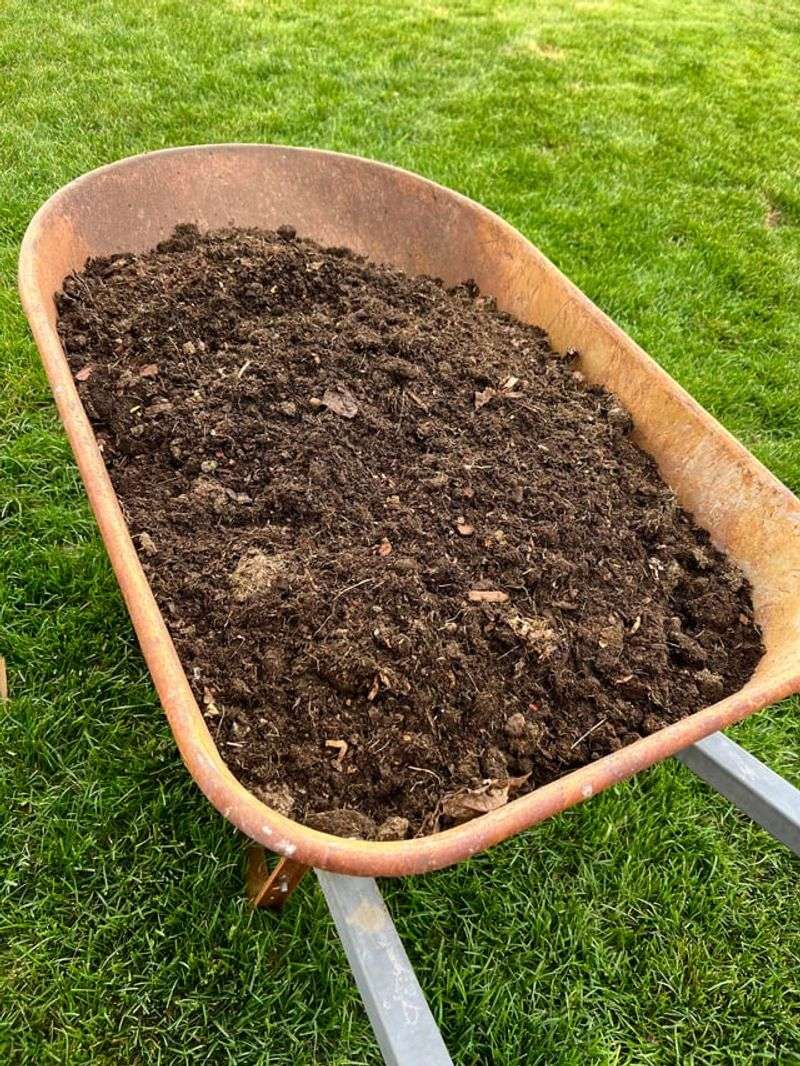
Adding organic matter like compost or aged bark improves soil structure significantly.
Work these amendments into the top 6-8 inches of your garden beds.
Compost increases the soil’s ability to absorb and release moisture at healthy rates.
Coarse sand can also help break up dense clay, but avoid fine sand that makes things worse.
Better soil structure means water moves through instead of sitting on top.
Your plants develop stronger root systems when oxygen reaches below the surface.
Spring is the perfect time to spread amendments because you can work them in before planting.
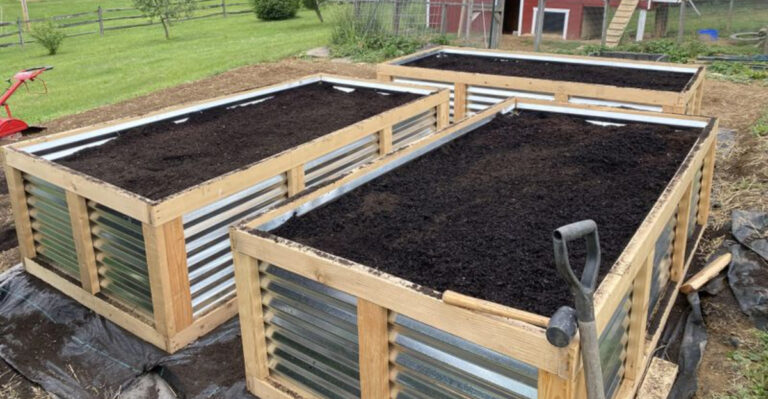
Consider building raised beds if your drainage issues are severe.
Raised beds give you complete control over soil quality and prevent standing water problems.
Healthy soil equals healthy plants that can handle Oregon’s wet spring weather without stress.
3. Mulch Garden Beds Generously
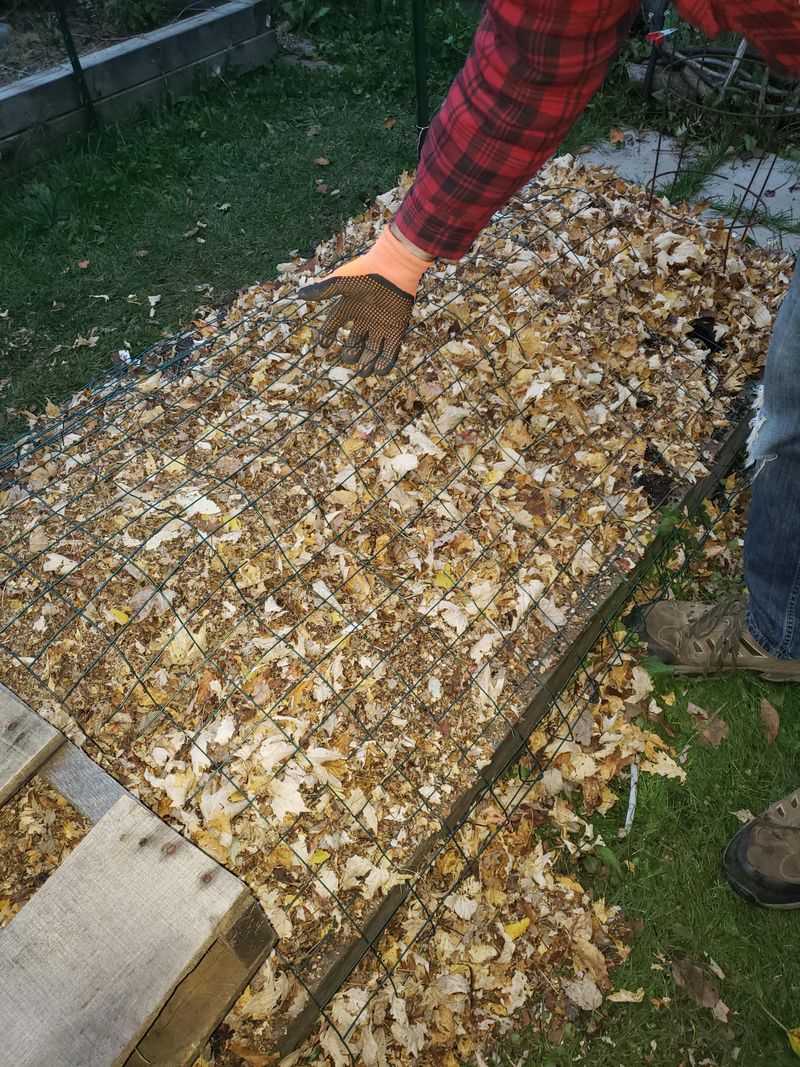
A thick layer of mulch acts like a protective blanket for your soil.
Spread 2-4 inches of organic mulch around plants before heavy rains begin.
Wood chips, shredded bark, or straw all work wonderfully for Oregon gardens.
Mulch prevents raindrops from hitting bare soil directly and causing erosion.
It also reduces soil compaction that happens when heavy rain pounds exposed ground.
Organic mulches break down slowly and add nutrients back into your beds.
They regulate soil temperature and keep roots cooler in summer and warmer in winter.
Weeds struggle to germinate through a proper mulch layer, saving you hours of pulling later.
Keep mulch a few inches away from plant stems to prevent rot issues.
Refresh mulch annually since it decomposes and gets thinner over time.
During Oregon’s rainy season, mulch helps water infiltrate gradually instead of running off.
Your plants stay healthier because moisture reaches roots without washing away topsoil and nutrients.
4. Prune Trees And Shrubs Strategically
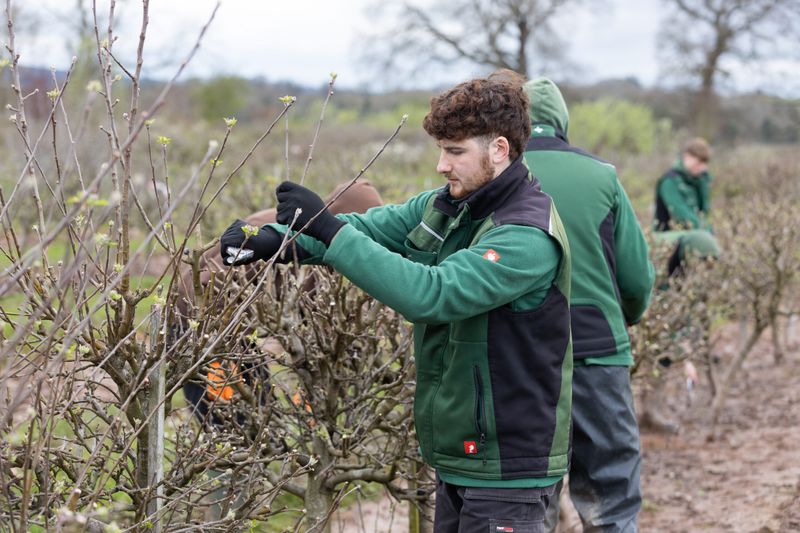
Overgrown branches collect rainwater and become heavy, risking breakage during storms.
Late winter is ideal for pruning most trees and shrubs before spring growth begins.
Remove branches that cross or rub against each other since these create weak points.
Thin out dense canopies to allow better air circulation and light penetration.
Good airflow helps foliage dry faster after rain, reducing fungal disease risks.
Cut away any damaged or diseased branches that could worsen in wet conditions.
Make clean cuts at proper angles to promote quick healing.
Sterilize your pruning tools between cuts to avoid spreading pathogens.
Some spring-blooming plants should wait until after flowering to avoid losing buds.
Research specific pruning requirements for each plant species in your yard.
Proper pruning strengthens your plants and helps them withstand Oregon’s wind and rain.
Branches that might snap under wet conditions get removed before they cause damage to property or other plants.
5. Check And Repair Garden Structures

Trellises, raised beds, and fences take a beating during Oregon’s wet season.
Constant moisture, fluctuating temperatures, and heavy rain all contribute to gradual wear and tear.
Walk around your garden and inspect every structure for loose boards, rust, or weakness.
Doing this slowly and deliberately helps you notice small issues before they become major problems.
Wooden structures may have rotted sections that need replacement before they collapse.
Soft or crumbling wood is a clear sign that moisture has compromised its strength.
Tighten any loose screws or bolts that have worked free over winter.
Hardware often loosens as materials expand and contract in cold, damp weather.
Apply weatherproof sealant or paint to protect wood from moisture damage.
This extra layer can significantly extend the life of fences, beds, and trellises.
Metal structures might show rust spots that spread quickly once spring rains start.
Ignoring early rust allows it to weaken joints and supports over time.
Sand rusty areas and apply rust-inhibiting primer and paint.
This simple maintenance step prevents further corrosion and preserves stability.
Check that raised bed corners remain secure and haven’t shifted or separated.
Soil pressure combined with water saturation can push joints apart.
Repair or reinforce anything questionable now rather than waiting for it to fail.
Fixes are much easier before plants are in the ground.
Garden structures support climbing plants and contain soil, so their stability matters tremendously.
A collapsed trellis can damage plants and create extra work during busy spring planting season.
Strong, reliable structures also make routine garden tasks safer and easier.
Spending time on repairs now means your garden infrastructure stays functional all season long.
6. Install Or Clean Drainage Systems
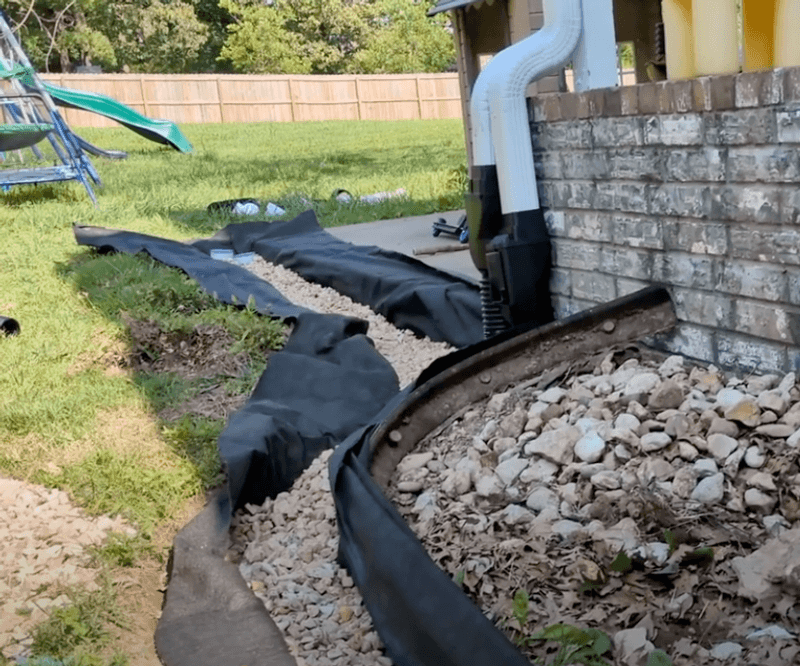
French drains, dry creek beds, and drainage channels prevent water from pooling in problem areas.
Walk your property during a rainstorm to identify where water collects or flows poorly.
Low spots in your yard need attention before spring rains create permanent puddles.
French drains use gravel-filled trenches with perforated pipes to redirect excess water.
Dry creek beds add visual interest while channeling runoff away from garden beds.
Line drainage paths with rocks of varying sizes for a natural appearance.
Existing drainage systems need cleaning to remove accumulated sediment and debris.
Flush pipes with water to ensure they flow freely without blockages.
Proper drainage protects plant roots from sitting in saturated soil.
It also prevents erosion that washes away topsoil and exposes roots.
Oregon gardens benefit enormously from well-planned drainage since rainfall can be intense.
Your investment in drainage infrastructure pays off every single rainy season with healthier plants and less maintenance.
7. Plant Cover Crops In Empty Beds
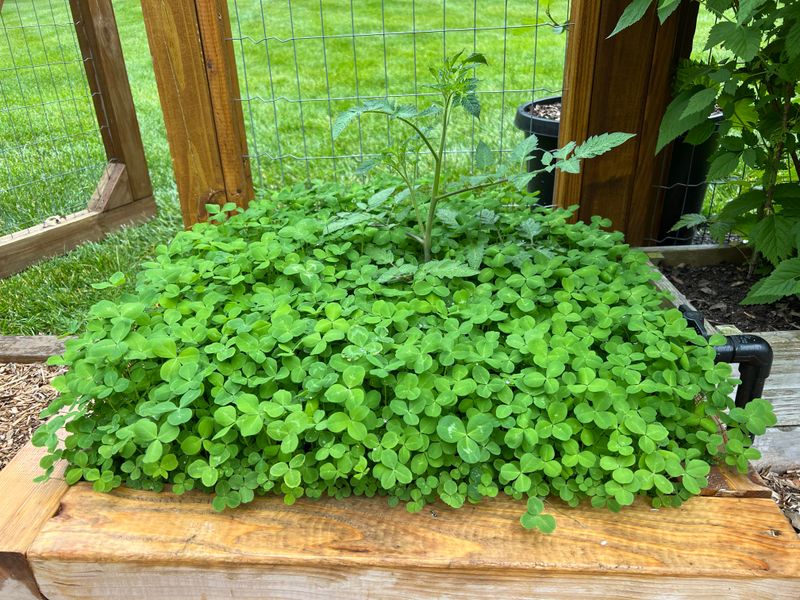
Bare soil erodes quickly when spring rains pound it relentlessly.
Without protection, valuable nutrients wash away and soil structure breaks down.
Cover crops like clover, vetch, or winter rye protect soil while adding nutrients.
These plants act as a natural shield against heavy rain and wind.
Their roots hold soil in place and prevent valuable topsoil from washing away.
Strong root systems also reduce compaction caused by repeated rainfall.
Plant cover crops in any beds you won’t use until later in spring.
This makes productive use of garden space that would otherwise sit idle.
These plants grow quickly and create a living blanket over exposed earth.
That blanket helps regulate soil temperature and moisture levels.
Legumes like clover actually fix nitrogen from the air into the soil.
This process naturally boosts fertility without relying on synthetic fertilizers.
When you’re ready to plant vegetables, simply cut down the cover crop and work it into the soil.
Some gardeners prefer to leave the roots in place to continue improving structure.
This green manure decomposes and feeds your garden naturally.
Over time, it increases organic matter and improves soil health.
Cover crops also suppress weeds that would otherwise colonize empty spaces.
Fewer weeds mean less work during the busy planting season.
They improve soil structure as roots penetrate and create channels for water and air.
These channels help prevent pooling and improve drainage.
Oregon’s mild winters allow many cover crops to establish well before spring.
Your soil stays protected, enriched, and ready for productive planting when warmer weather arrives.
8. Service And Store Garden Equipment Properly
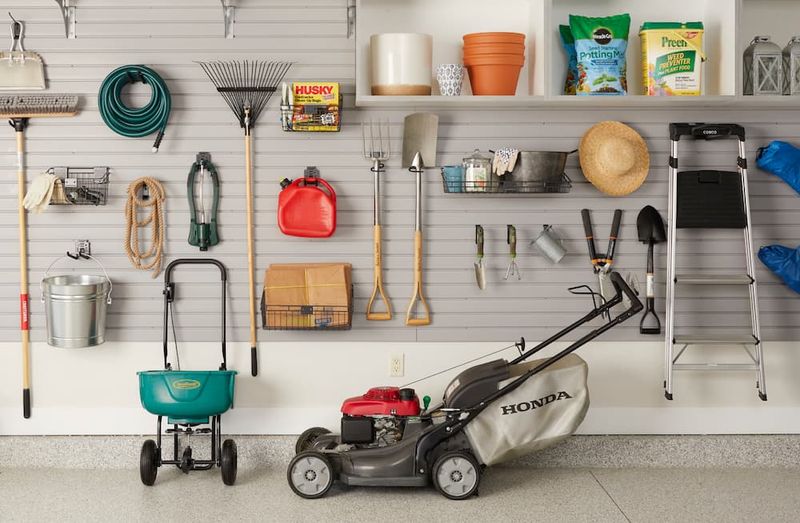
Wet weather rusts tools and damages equipment left outside.
Oregon’s persistent moisture makes even high-quality tools vulnerable if they aren’t cared for properly.
Clean all your garden tools thoroughly and remove caked-on soil.
Dirt holds moisture against metal surfaces, speeding up rust and corrosion.
Sharpen blades on shovels, hoes, and pruners so they’re ready when you need them.
Sharp tools make garden work easier, safer, and less tiring on your body.
Apply a light coat of oil to metal parts to prevent rust formation.
Even a simple household oil can create a protective barrier against damp air.
Store tools in a dry shed or garage rather than leaving them exposed to rain.
Hanging tools off the ground also helps improve airflow and reduces moisture contact.
Drain fuel from gas-powered equipment if you won’t use it for a while.
This step is especially important before long periods of inactivity.
Old fuel gums up engines and causes starting problems later.
Preventive maintenance now saves frustration during peak gardening season.
Check hoses for cracks or leaks and replace damaged sections.
Small leaks waste water and reduce pressure when you need it most.
Coil hoses neatly and store them out of direct sunlight.
Proper storage prevents kinks and extends hose life.
Organize your tool area so everything has a designated spot.
Knowing exactly where tools are saves time and reduces clutter.
Well-maintained equipment lasts longer and works better when you need it most.
Oregon’s damp climate accelerates rust and deterioration, making proper storage essential for protecting your investment in quality garden tools.
9. Apply Organic Fertilizer Before Rains

Spring rains help wash nutrients down to plant roots naturally.
Spread organic fertilizer or compost across your beds before the wet season begins.
Rainwater dissolves these amendments and carries nutrients into the soil profile.
Organic options like composted manure, bone meal, or fish emulsion feed soil microbes.
Healthy soil biology breaks down organic matter and makes nutrients available to plants.
Avoid synthetic fertilizers that can leach into groundwater during heavy rainfall.
Organic amendments release nutrients slowly and improve long-term soil health.
Spread fertilizer evenly and work it lightly into the top few inches of soil.
Water it in gently if rain isn’t forecast immediately.
Early spring feeding gives plants a nutritional boost right when they start active growth.
Strong, well-fed plants resist diseases and pests better than stressed, nutrient-deficient ones.
Oregon’s rainy season becomes your ally when you time fertilizer application to work with natural precipitation patterns.