6 Things Pennsylvania Gardeners Should Never Do When Pruning Hydrangeas
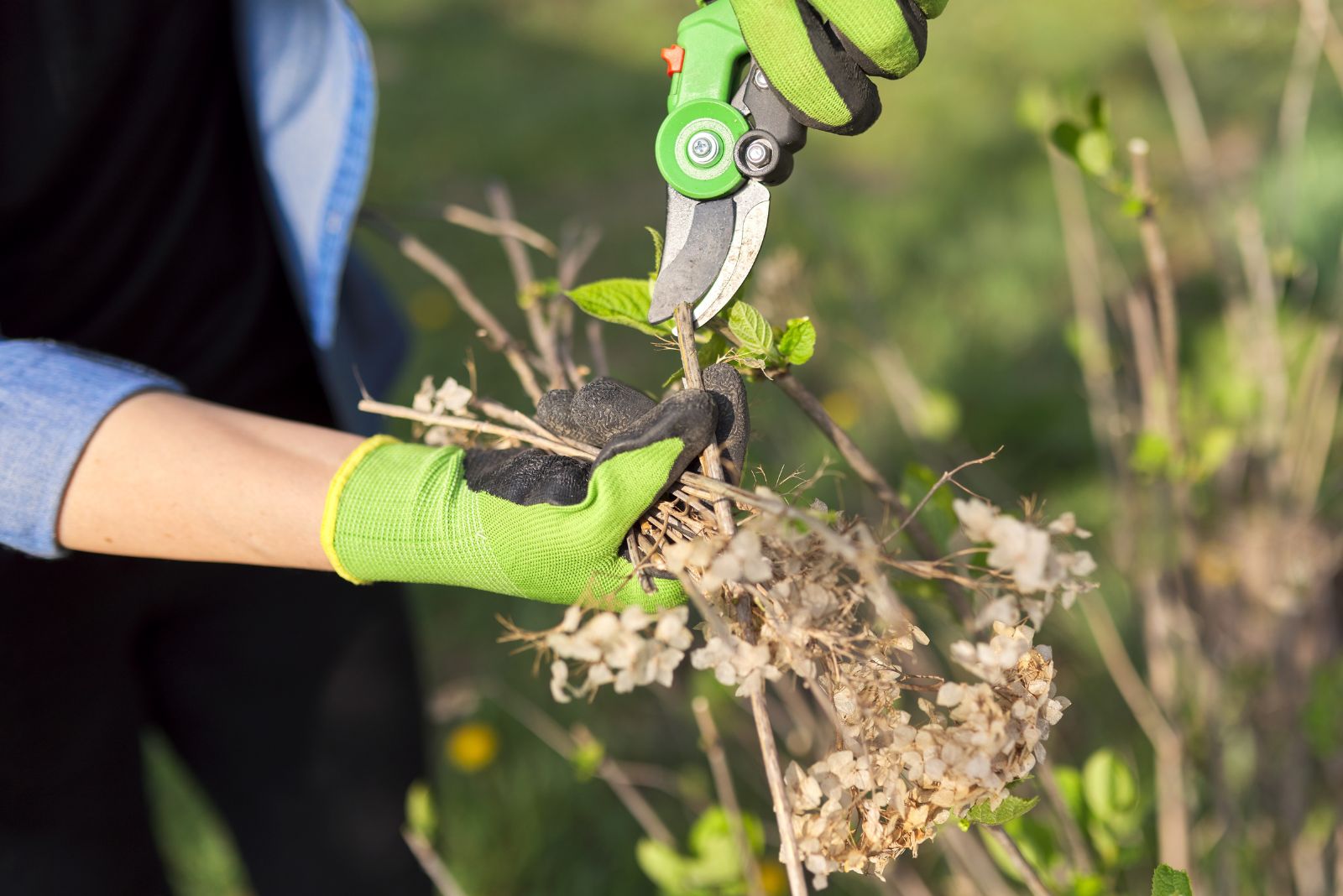
Hydrangeas are some of the most eye catching plants in Pennsylvania gardens. Their large blooms and soft colors can turn an ordinary yard into something that feels bright and welcoming all summer long.
Still, keeping these shrubs looking their best often comes down to one task that many gardeners find confusing: pruning.
It may seem simple to grab a pair of pruners and start trimming, but hydrangeas can be surprisingly sensitive to how and when they are cut.
A few common mistakes can prevent the plant from blooming, leave it looking uneven, or slow down healthy growth for the season ahead.
Many gardeners learn this lesson after trimming their plants only to notice fewer flowers later on. The good news is that most of these problems are easy to avoid once you know what to watch for.
By steering clear of a few common pruning habits, Pennsylvania gardeners can keep their hydrangeas full, balanced, and ready to produce beautiful blooms.
1. Prune Too Early In Late Winter
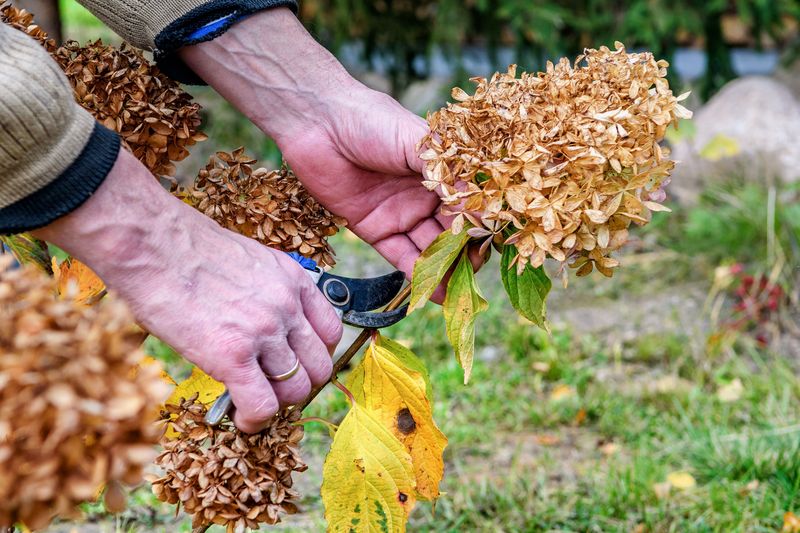
Many Pennsylvania gardeners get excited when a warm spell rolls through in January or February. The temperatures rise, the sun feels good, and it seems like the perfect time to get outside and start trimming.
But pruning hydrangeas during these early warm spells is a mistake that can seriously set back your plants.
Pennsylvania winters are sneaky. A few warm days in late winter can quickly be followed by a hard freeze that drops temperatures well below freezing.
When you prune too early, you encourage new growth to push out from the plant. That tender new growth is extremely vulnerable to cold snaps, and a sudden freeze can damage or destroy it almost overnight.
Waiting is the smarter move. Most experienced Pennsylvania gardeners hold off until late winter or very early spring, when the worst of the cold weather has clearly passed.
A good rule of thumb is to wait until you see the buds beginning to swell or show the first hints of green. That is your signal that the plant is waking up and the timing is right.
Patience pays off big time with hydrangeas. Rushing the process just because the weather feels mild can undo months of careful gardening.
Keep an eye on the long-range forecast for your area of Pennsylvania before you pick up those pruners. If there is any chance of a hard freeze coming, put the pruning shears away and wait a little longer.
Your hydrangeas will thank you with a full, gorgeous display of blooms when the season finally arrives.
2. Prune Without Knowing The Hydrangea Type
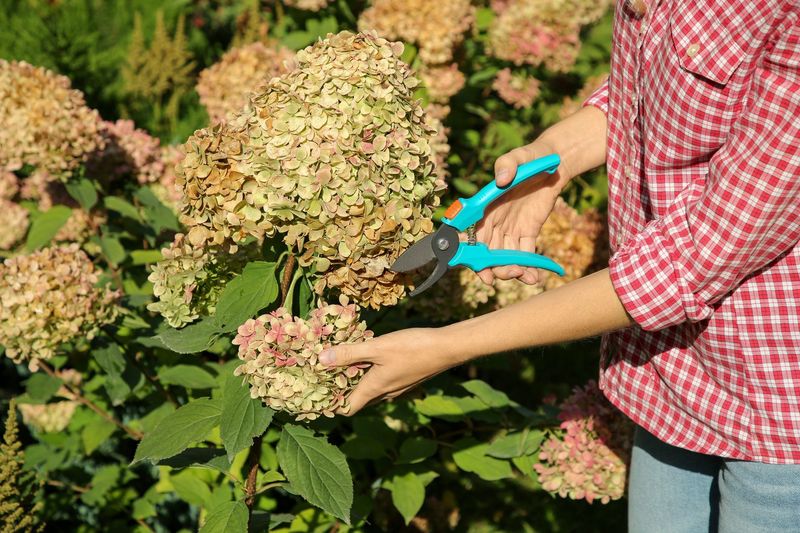
Not all hydrangeas are the same, and treating them like they are is one of the biggest pruning mistakes Pennsylvania gardeners make. Some varieties bloom on old wood, meaning they form their flower buds on last year’s stems.
Others bloom on new wood, producing buds on the fresh growth they put out each spring. Pruning without knowing which type you have can wipe out your blooms for the entire season.
Common old-wood bloomers include bigleaf hydrangeas, also called mopheads and lacecaps, as well as oakleaf hydrangeas. These should only be pruned right after they finish flowering in late summer.
If you cut them in fall, winter, or early spring, you are removing the very buds that would have opened into beautiful flowers. New-wood bloomers like smooth hydrangeas and panicle hydrangeas are much more forgiving and can be cut back in late winter without any worry.
Pennsylvania is home to a wide variety of hydrangea species growing in gardens across the state. Before you prune anything, take a moment to identify exactly what you have.
Check the plant tag if you still have it, or look up the variety online using a photo. Local nurseries and Penn State Extension offices can also be a great resource for identification help.
Once you know your hydrangea type, pruning becomes much less stressful. You will feel confident picking up your shears because you understand exactly what the plant needs.
Taking that extra step to identify your variety first can be the difference between a garden full of blooms and a season of disappointment.
3. Cut Back Old-Wood Hydrangeas In Early Spring
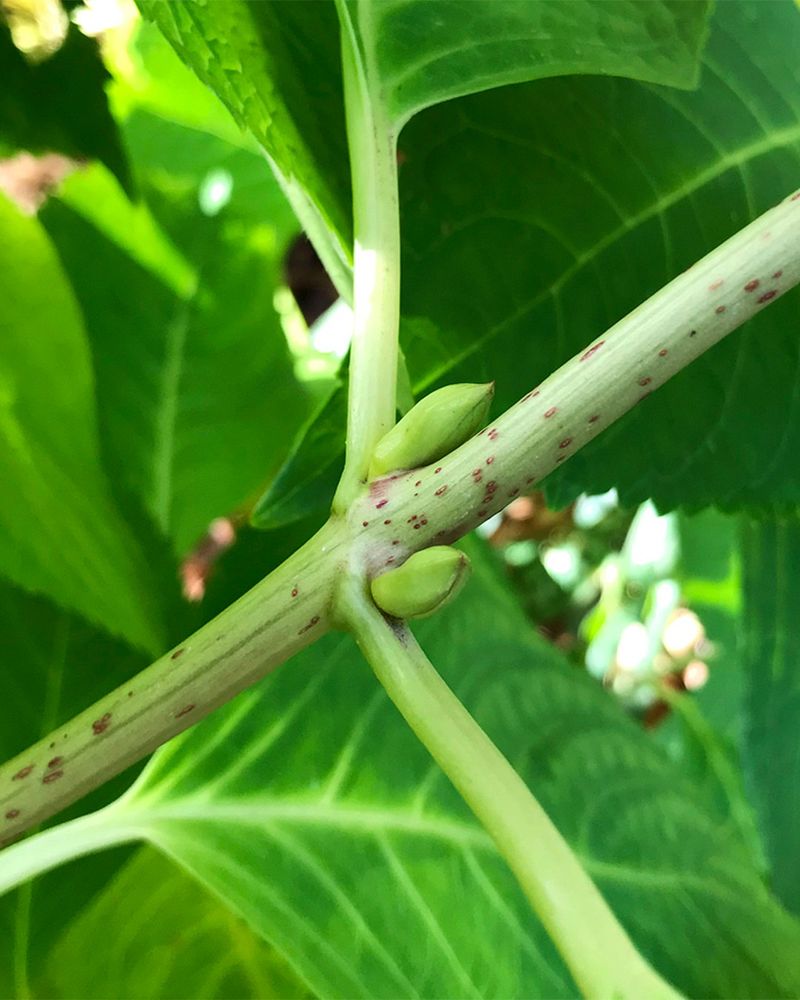
Spring energy is contagious. The days get longer, the soil starts to warm up, and every gardener in Pennsylvania feels the urge to get out and clean up the yard.
But reaching for your pruning shears and cutting back your old-wood hydrangeas in early spring is a move you will almost certainly regret by summer.
Bigleaf hydrangeas, oakleaf hydrangeas, and climbing hydrangeas all set their flower buds on the previous season’s wood. By the time spring arrives, those buds are already there, sitting on the stems, just waiting for warm weather to open up.
When you cut those stems back in early spring, those buds go with them. The result is a plant full of healthy green leaves but absolutely no flowers all season long.
The correct window for pruning old-wood types is right after they finish blooming, usually sometime in late summer.
At that point, the plant still has enough time left in the growing season to produce new stems and set buds for the following year. Pruning at this time gives you the best chance of keeping the bloom cycle intact.
If your old-wood hydrangea looks a little wild or overgrown in spring, resist the urge to take heavy action. You can remove any clearly dry or broken stems without worrying too much about losing blooms.
Just be careful not to cut into healthy, budded wood. A little restraint in early spring goes a very long way when it comes to old-wood hydrangeas in Pennsylvania gardens. The reward of a full bloom season is absolutely worth the wait.
4. Remove Too Much Growth At Once
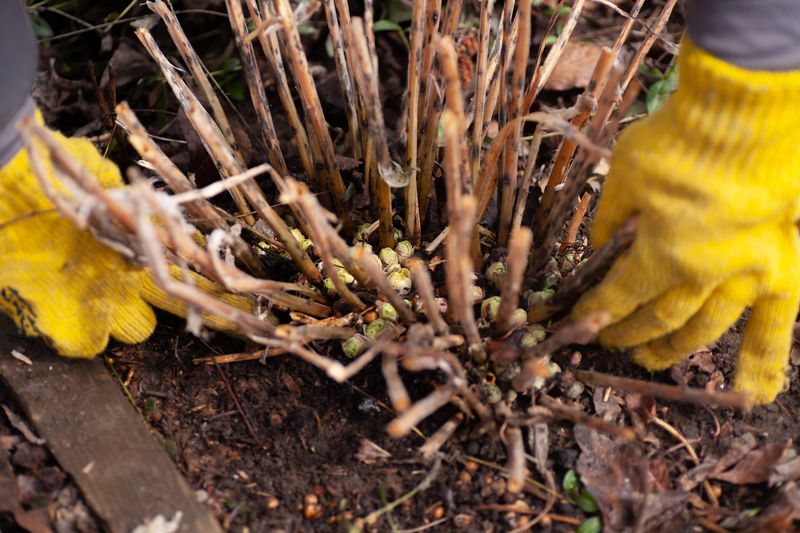
Grabbing your pruners and going to town on a hydrangea bush might feel satisfying in the moment, but cutting off too much at once is a fast way to weaken your plant.
Heavy, aggressive pruning stresses hydrangeas and can dramatically reduce the number of flowers they produce. Less really is more when it comes to these beautiful shrubs.
A widely accepted guideline among experienced gardeners is to never remove more than one-third of the plant’s total growth in a single pruning session. Staying within that limit allows the plant to maintain enough energy and healthy stems to support strong regrowth and blooming.
Going beyond that threshold puts the plant under serious stress, and recovery can take more than one growing season.
Pennsylvania gardeners sometimes over-prune because they want to keep their hydrangeas small or tidy, especially when plants have grown larger than expected.
If size is a concern, the better approach is to prune lightly over several seasons rather than cutting back drastically all at once. Choosing a hydrangea variety that naturally fits your space is an even smarter long-term solution.
Focus your pruning energy on removing stems that are clearly dry, damaged, or crossing awkwardly through the center of the plant. Shape the outer edges gently if needed, but always step back and look at the whole plant before making each cut.
Ask yourself whether the cut is truly necessary. A thoughtful, restrained approach keeps your hydrangeas looking full and producing plenty of blooms throughout the growing season.
Healthy plants that are pruned with care will reward you every summer with stunning color and volume.
5. Leave Dry Or Damaged Stems On The Plant
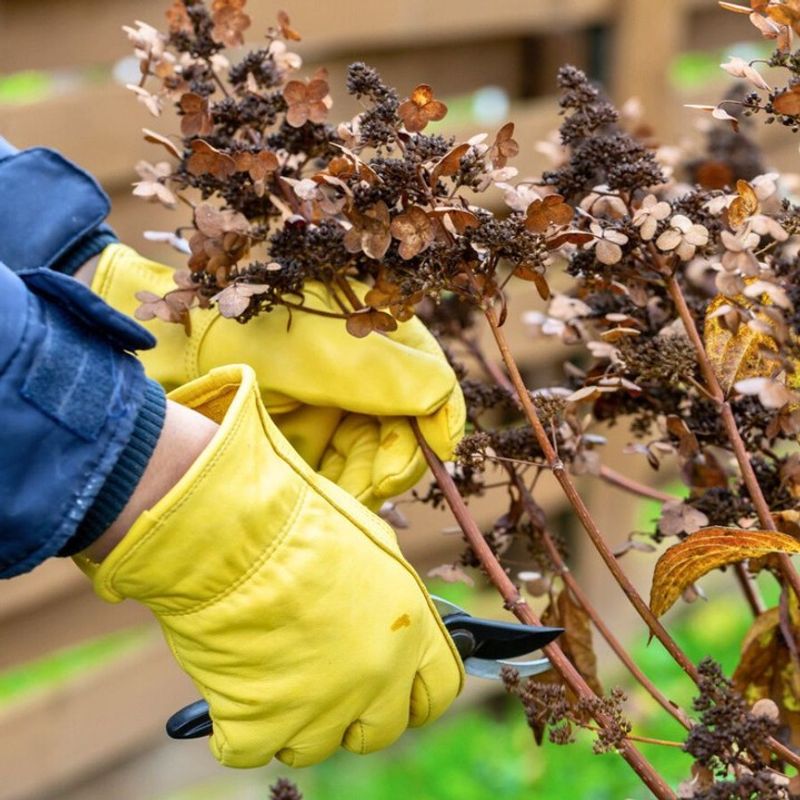
Pennsylvania winters can be rough on hydrangeas. Heavy snow, ice storms, and repeated freeze-thaw cycles can cause real damage to stems and branches.
Leaving that dry or damaged wood on the plant once spring arrives is a mistake that slows recovery and makes your garden look neglected.
Cleaning it up is one of the most helpful things you can do for your hydrangeas. Dry stems do not just look bad. They can become entry points for pests and disease.
Hollow or rotting wood invites insects and fungal issues that can spread to the healthy parts of the plant if left unchecked. In a garden setting, one struggling plant can affect its neighbors, so staying on top of dry wood removal is good practice across the whole yard.
Identifying dry wood on a hydrangea is easier than it sounds. Scratch the surface of a stem lightly with your fingernail.
If you see green underneath, the stem is alive. If it is brown or tan all the way through, it is dry and can be removed.
Work your way through the plant carefully, checking each stem before cutting, so you do not accidentally remove healthy growth by mistake.
Once you have cleared out the dry and damaged material, your hydrangea will have better airflow and more energy to push into new growth.
Pennsylvania gardeners who make this a regular part of their spring garden routine often notice their plants looking fuller and more vigorous within just a few weeks.
It is a simple task that takes maybe fifteen minutes, but the positive impact on your plant’s health and appearance is genuinely impressive.
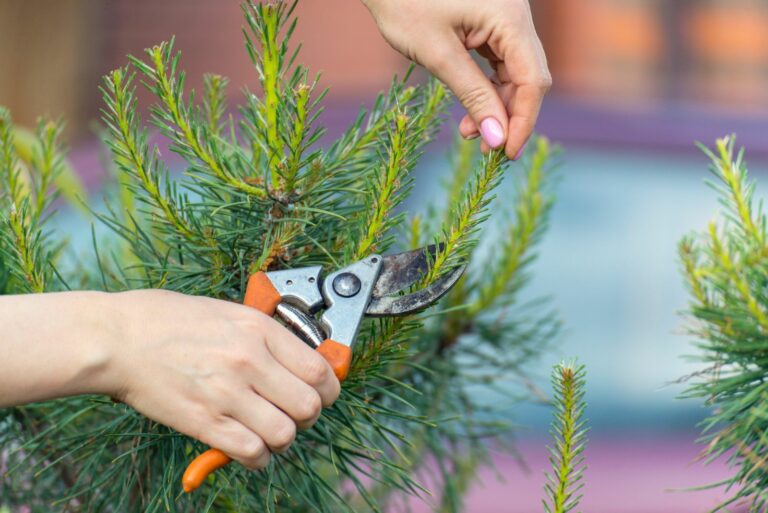
6. Use Dull Or Dirty Pruning Tools
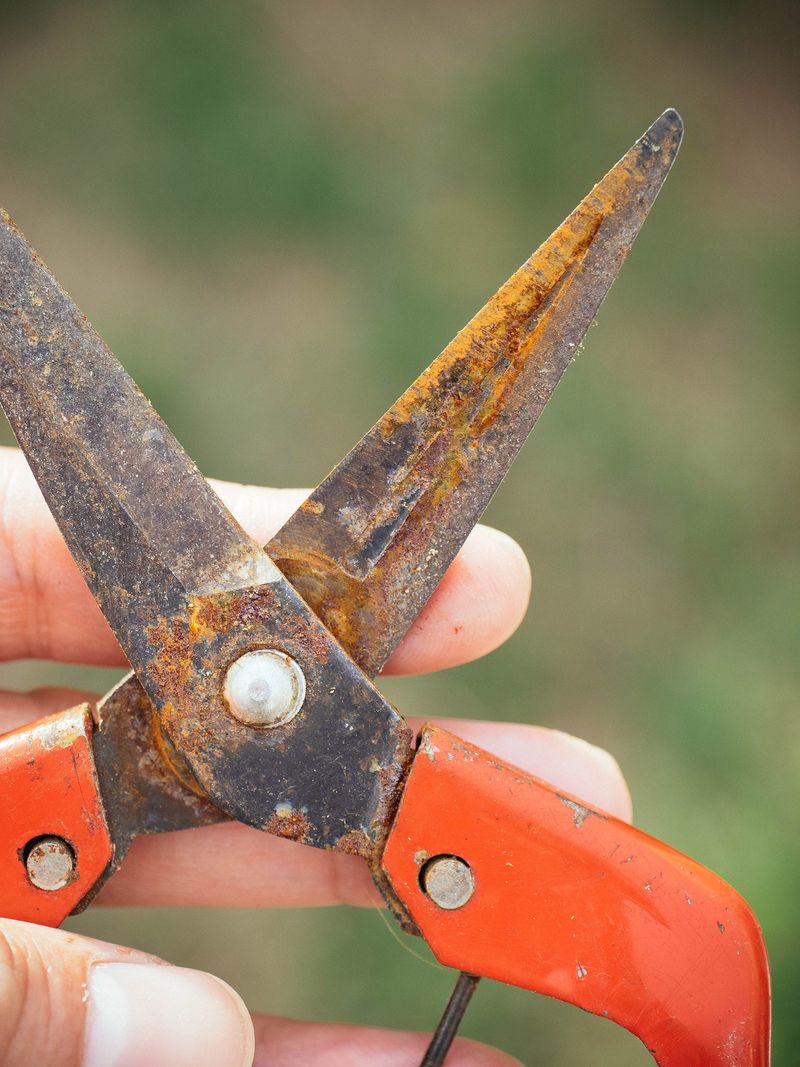
Grabbing whatever pruners are sitting in the garage without checking their condition first is a habit many gardeners have, but it can cause real harm to your hydrangeas. Dull blades do not cut cleanly.
Instead of slicing through a stem in one smooth motion, they crush and tear the plant tissue. That kind of damage creates a ragged wound that takes much longer to heal and leaves the plant open to infection.
Dirty tools carry an even bigger risk. Pruning shears that were last used on a diseased plant can transfer pathogens directly to your hydrangeas.
Fungal spores and bacteria can hitch a ride on your blades and spread from one plant to another without you ever realizing it. Pennsylvania gardens can be particularly susceptible to fungal issues during humid summer months, making tool hygiene especially important in this region.
Keeping your tools in good shape does not require a lot of effort. Wipe your blades down with a clean cloth after each use.
Sharpen them at the beginning of the season or whenever they start to feel like they are dragging rather than cutting. A simple sharpening stone or a hand file works well for most pruning shears.
For disinfecting, a quick wipe with rubbing alcohol or a diluted bleach solution between plants does the job effectively.
Investing a few minutes in tool maintenance before you head out to prune can protect your entire garden. Sharp, clean tools make every cut easier, faster, and safer for the plant.
Your hydrangeas will recover more quickly from pruning and be far less likely to develop problems when the cuts are clean and precise.