6 Things Pennsylvania Gardeners Should Watch Out For When Growing Marigolds
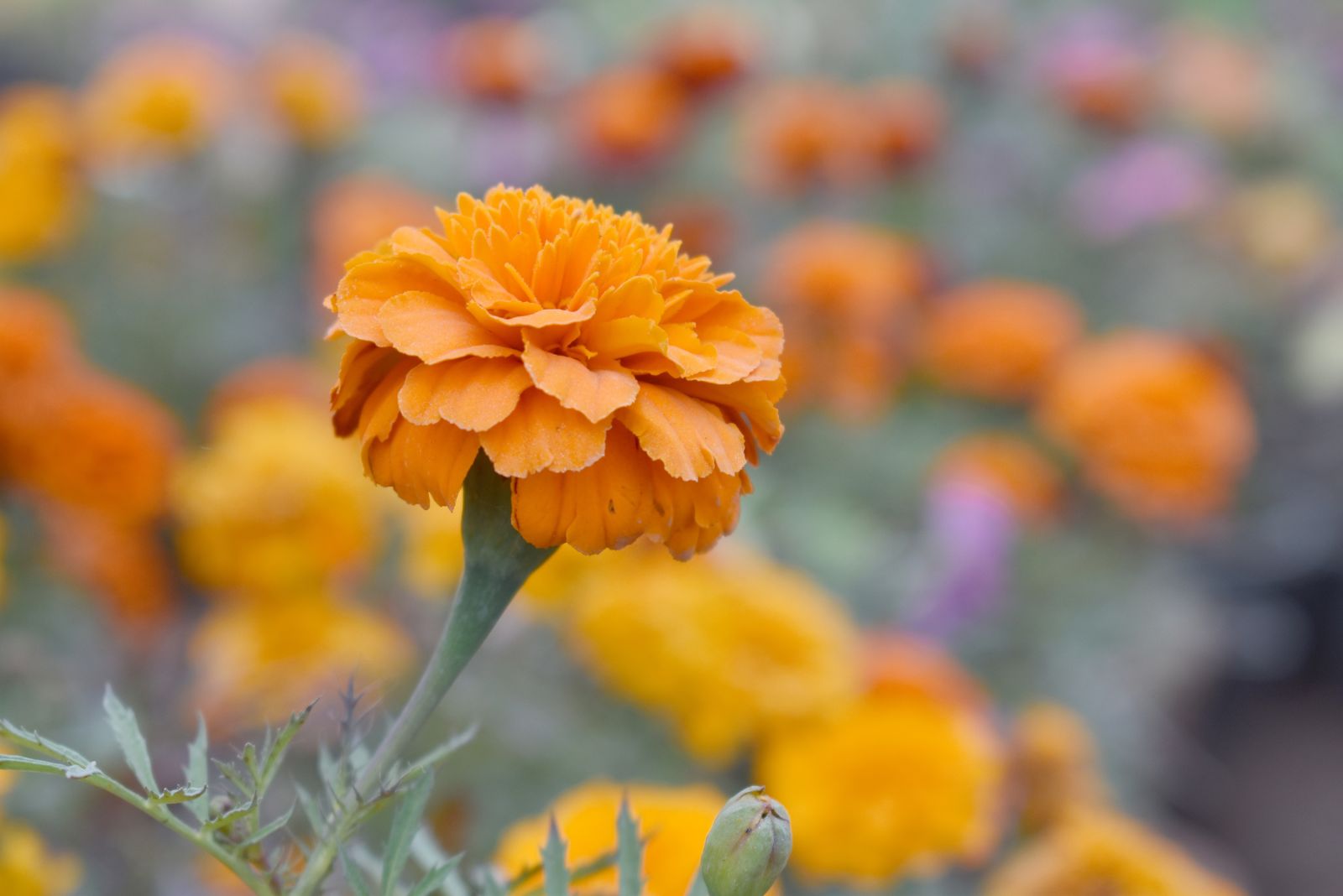
Marigolds have a reputation for being easygoing, which is exactly why so many Pennsylvania gardeners love planting them.
They bring bold color, cheerful blooms, and that classic summer garden look that makes flower beds, borders, and containers feel instantly brighter.
At first glance, they seem almost foolproof. Put them in the ground, give them some sun, and enjoy the show. Still, marigolds are not quite as carefree as they sometimes appear.
A few common problems can throw them off, especially in Pennsylvania’s changing weather. Cool spring temperatures can slow them down, soggy soil can lead to rot, and crowded planting can invite mildew or other issues.
Even something as simple as too much shade can leave them looking thin and disappointing instead of full and vibrant. Then there are pests and watering mistakes, both of which can sneak up fast during the growing season.
That is why it helps to know what to watch for before trouble starts. With the right care and a little attention, marigolds can stay healthy, colorful, and productive instead of becoming one more flower that never quite lives up to its potential.
1. Planting Too Early In Spring
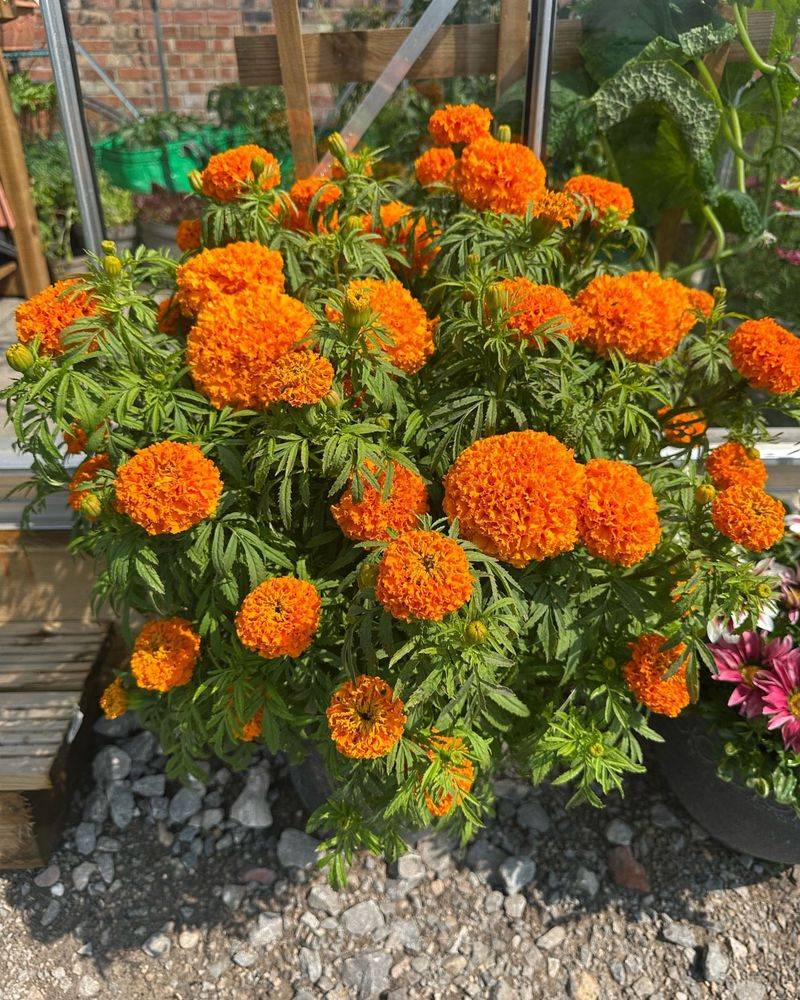
Timing is everything when it comes to growing marigolds in Pennsylvania. Marigolds are warm-season flowers, which means they simply cannot handle cold temperatures or frost.
If you plant them too early in spring, a surprise frost can damage or wipe out your seedlings before they even get a chance to grow.
Pennsylvania gardeners should wait until after the last frost date before moving marigolds outdoors. In most parts of the state, that means waiting until mid to late May.
The last frost date can vary depending on where you live, so it is a good idea to check a local frost calendar for your specific area.
Starting seeds indoors is a great option if you want a head start on the season. Begin seeds indoors about six to eight weeks before your planned outdoor planting date.
This gives the seedlings time to grow strong and healthy in a warm, protected space before they face the outdoor elements.
When you are ready to move plants outside, do not rush the process. Harden them off by placing them outside for a few hours each day over the course of a week or two. This helps them slowly get used to outdoor temperatures, wind, and sunlight.
Even if the days feel warm in early spring, nighttime temperatures in Pennsylvania can still drop quite low. Always check the forecast before planting.
A little patience in the spring will reward you with stronger, healthier marigold plants that bloom vigorously all the way through summer and into fall.
2. Poorly Drained Soil

Soil quality plays a huge role in how well your marigolds grow, and one of the biggest problems Pennsylvania gardeners face is poorly drained soil. Marigolds love well-drained soil that allows water to pass through easily.
When soil stays too wet for too long, the roots of your plants can begin to rot, and a rotting root system cannot support a healthy, blooming plant.
Pennsylvania has a lot of areas with heavy clay soil, which tends to hold water instead of letting it drain away. If you are gardening in a spot with clay-heavy ground, it is worth taking the time to improve your soil before planting.
Mixing in compost, aged manure, or other organic matter can loosen the soil and improve drainage significantly.
Raised garden beds are another excellent solution for gardeners dealing with drainage problems. By building up the soil level, you create a growing environment that drains much more efficiently than flat, compacted ground.
Raised beds also warm up faster in spring, which can give your marigolds a slight head start. You can do a simple drainage test before planting. Dig a hole about one foot deep, fill it with water, and watch how quickly it drains.
If water sits in the hole for more than a few hours, your soil likely needs some improvement before it is ready for marigolds.
Good soil preparation does not have to be complicated or expensive. Even adding a few bags of compost from your local garden center can make a noticeable difference. Healthy soil is the foundation of a thriving marigold garden anywhere in Pennsylvania.
3. Too Much Shade
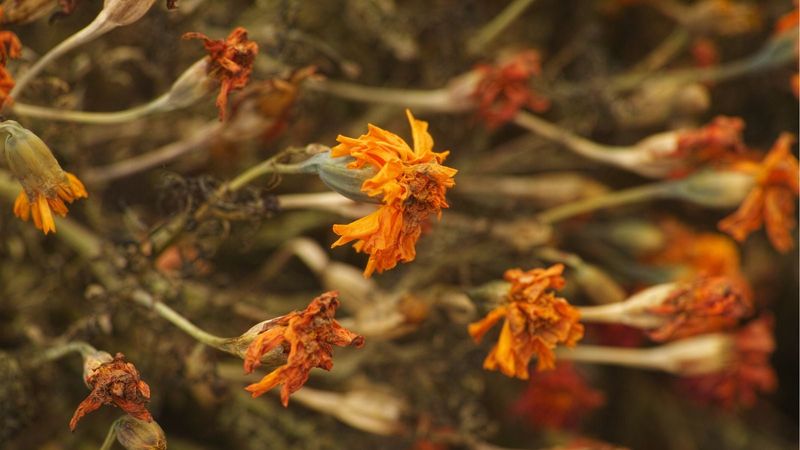
Marigolds are sun lovers through and through. They thrive in spots that get plenty of direct sunlight each day, and they reward gardeners who give them the bright conditions they crave with an explosion of orange, yellow, and gold blooms.
When marigolds do not get enough sun, though, the results can be pretty disappointing. Plants that grow in too much shade tend to become tall and spindly, a condition often called leggy growth.
Instead of putting energy into producing flowers, the plant stretches upward trying to find more light.
The stems become weak, the leaves look sparse, and the number of blooms drops off dramatically.
In Pennsylvania, gardens are often surrounded by mature trees, fences, or nearby structures that can cast shade throughout the day. Before choosing a planting spot, pay attention to how the sunlight moves across your yard.
A spot that looks sunny in the morning might actually be shaded for most of the afternoon. Marigolds need at least six hours of direct sunlight every day to perform their best. Eight hours or more is even better.
If your garden has limited sunny areas, consider planting marigolds in containers so you can move them to follow the sun as needed.
Did you know that marigolds planted in full sun also tend to be more resistant to certain diseases? Sunlight helps dry out the foliage and reduce the conditions that fungal problems love.
So choosing a bright, open location in your Pennsylvania garden is not just about getting more flowers. It is also a smart move for overall plant health throughout the growing season.
4. Overwatering The Plants
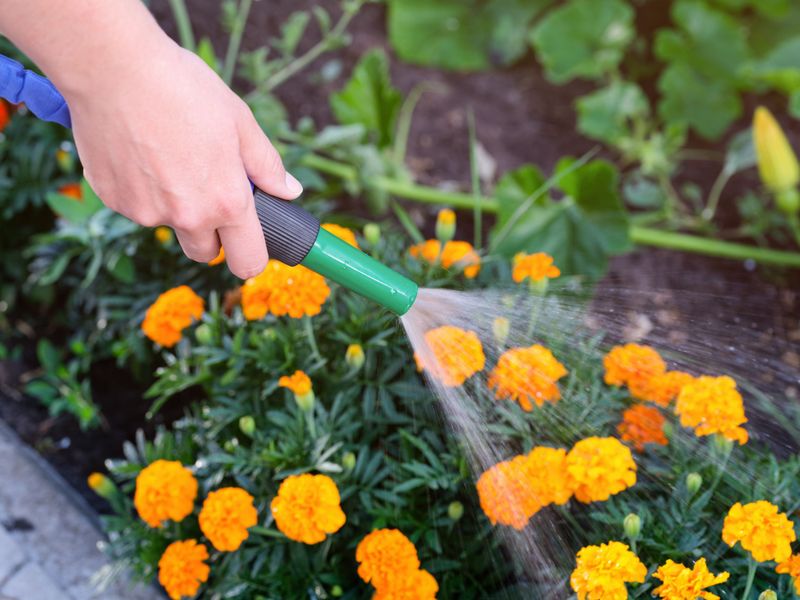
One of the most surprising things new gardeners learn about marigolds is how little water they actually need. Once established, marigolds are fairly drought-tolerant plants.
They can handle dry spells much better than many other flowers, which makes them a great choice for busy gardeners who cannot always stick to a strict watering schedule.
Overwatering is a common mistake, especially for gardeners who are used to caring for thirstier plants. Too much water sitting around the roots can lead to root rot, which weakens the entire plant from the ground up.
You might notice the leaves turning yellow or the stems looking mushy near the base. These are signs that the plant is getting far more water than it needs.
A good rule of thumb is to water your marigolds deeply but infrequently. Allow the top inch or two of soil to dry out between waterings.
Stick your finger into the soil near the base of the plant. If it still feels damp, hold off on watering for another day or two.
When you do water, aim the water at the base of the plant rather than spraying it over the top. Wet foliage can encourage fungal diseases, which are already a concern during Pennsylvania’s humid summer months.
Keeping the leaves dry is a simple habit that can prevent a lot of problems down the road. Container-grown marigolds may need slightly more frequent watering than those planted in the ground, since pots dry out faster.
Check the soil in containers every day during hot Pennsylvania summers to make sure the moisture level stays just right for healthy growth.
5. Pests And Fungal Diseases
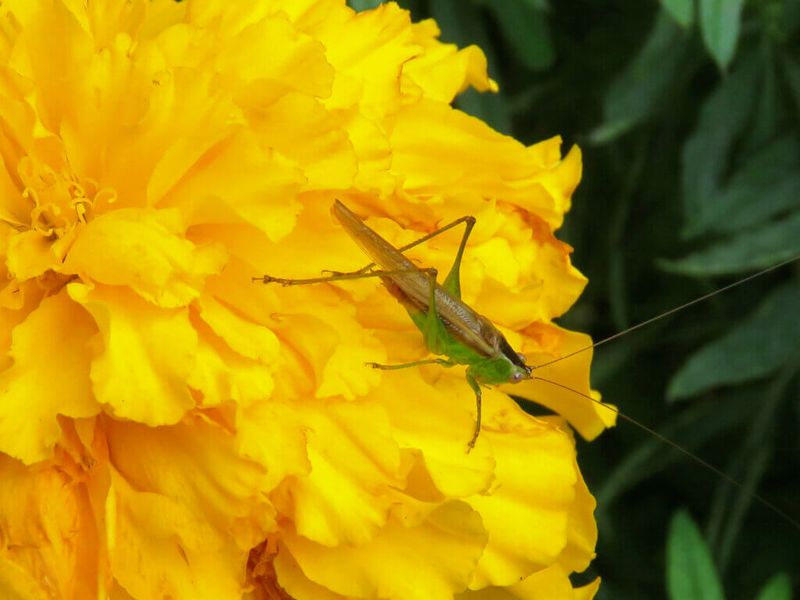
Even tough, resilient marigolds are not completely off the hook when it comes to pests and diseases.
Pennsylvania summers can be warm and humid, and that kind of weather creates ideal conditions for a range of problems that gardeners need to keep an eye on throughout the season.
Aphids are one of the most common pests you might find on your marigolds. These tiny insects cluster on stems and leaves, sucking out plant juices and leaving behind a sticky residue.
Spider mites are another pest to watch for, especially during hot, dry stretches. Both of these pests can be managed with a strong spray of water or an insecticidal soap solution available at most garden centers.
Fungal diseases like powdery mildew can also show up on marigolds, especially when the air is warm and humid with little air movement. Powdery mildew looks like a white, dusty coating on the leaves and stems.
It tends to spread quickly if conditions stay humid, so catching it early makes a big difference.
To reduce the risk of fungal issues, always water at the base of the plant and avoid getting the leaves wet. Make sure your plants have enough space between them to allow good air circulation.
Removing any affected leaves promptly can also help stop the spread of disease through your garden bed.
Regularly inspecting your marigolds every few days is one of the best habits you can develop as a Pennsylvania gardener.
Catching pest or disease problems early means you can act fast before the issue spreads to nearby plants and causes more widespread damage across your garden.
6. Overcrowding In Garden Beds
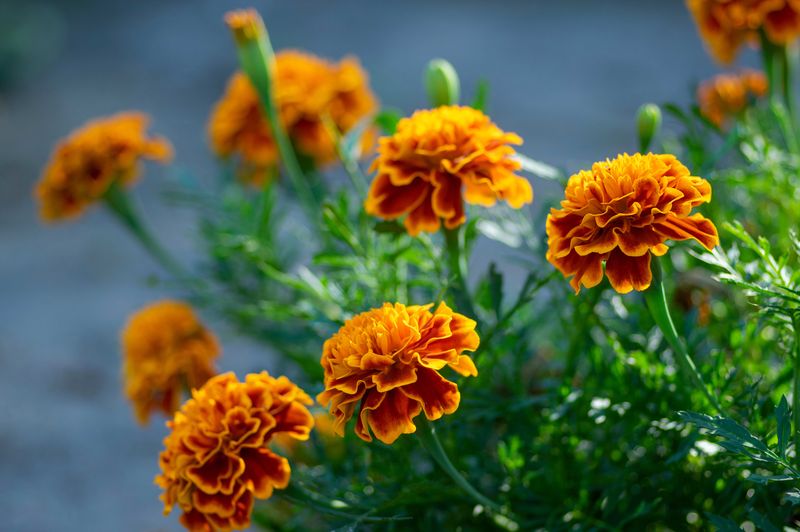
Picture a crowded school hallway where nobody can move freely. That is basically what happens when marigolds are planted too close together in a garden bed.
Overcrowding is a mistake that many enthusiastic gardeners make, especially when they want to fill a space quickly with color. But giving your marigolds enough room to breathe is truly one of the most important things you can do for them.
When plants are packed in too tightly, air cannot circulate properly around the stems and leaves. Poor airflow creates a damp, stagnant environment that fungal diseases absolutely love.
In Pennsylvania, where summer humidity can already be fairly high, overcrowded plants are at a much greater risk of developing problems like powdery mildew or botrytis blight.
Marigolds also compete with each other for nutrients and water when they are too close together. Each plant needs access to enough resources in the soil to support strong growth and plenty of blooms.
When plants have to compete, they often end up weaker and less productive than they would be if given proper spacing.
As a general guideline, smaller marigold varieties should be spaced about eight to ten inches apart, while larger varieties may need twelve to eighteen inches between plants.
Always check the seed packet or plant tag for recommended spacing before putting them in the ground. Taking the time to space your plants correctly from the start will pay off in a big way.
Your Pennsylvania garden will have better-looking plants, more vibrant flowers, and far fewer disease problems when each marigold has the personal space it needs to grow strong and healthy all season long.