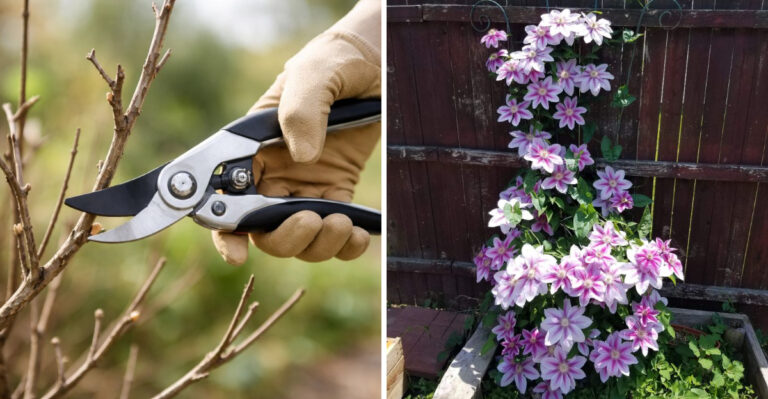
10 Things Smart Ohio Gardeners Always Do Before March Ends
March has a way of waking everything up. The days stretch a little longer, the sun feels warmer on your back, and suddenly the yard you ignored all winter is calling for attention.
Many Ohio gardeners step outside this time of year and see the same thing. Beds look tired, tools are still tucked away, and it is not always clear what should come first.
That early spring window matters more than most people realize. A few simple jobs done before March ends can make the whole season smoother, from stronger plants to fewer headaches once planting time really begins.
Experienced Ohio gardeners know this moment well. They do a handful of smart things now that set their gardens up for months of healthy growth, and a few of them might surprise you.
1. Start Slow-Growing Seeds Indoors Before Spring Sneaks Up
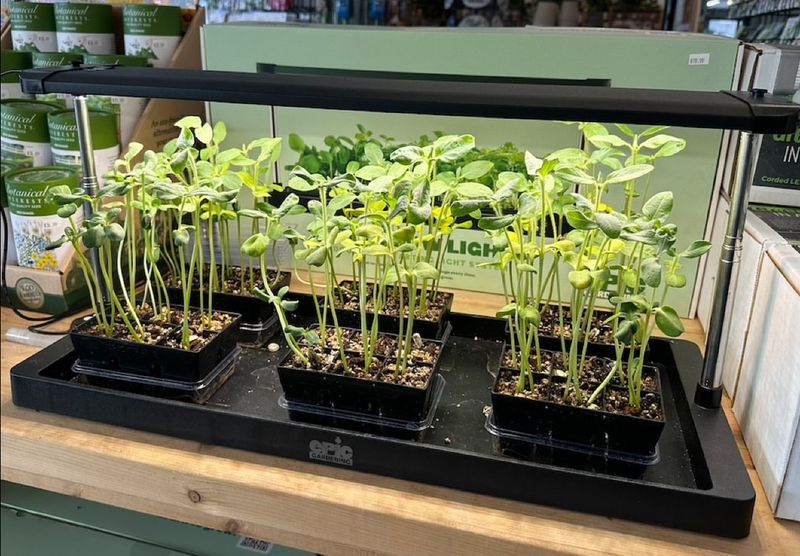
Every experienced Ohio gardener has felt the sting of planting tomatoes too late and watching the season slip by before the harvest even begins. Slow-growing vegetables like tomatoes, peppers, and eggplants need a long head start indoors, usually six to ten weeks before the last frost date.
In most parts of Ohio, that final frost typically falls somewhere between mid-April and mid-May depending on your location.
Starting seeds indoors in early to mid-March gives those seedlings enough time to grow sturdy and strong before they ever touch outdoor soil. You do not need a fancy greenhouse setup to make this work.
A sunny south-facing windowsill or an inexpensive grow light placed a few inches above the trays is enough to get great results.
Use a quality seed-starting mix rather than regular potting soil, because it drains better and gives tender roots room to breathe. Label every tray clearly so you never mix up your Early Girl tomatoes with your bell peppers.
Keep the mix consistently moist but never soggy, and maintain a warm temperature around 70 to 75 degrees Fahrenheit for the best germination rates. Ohio springs can fool you with warm days followed by cold snaps, so having strong indoor seedlings ready to go is truly the smartest move you can make right now.
2. Sharpen And Clean Every Garden Tool Before The Rush
Grabbing a rusty, dull shovel on the first warm planting day is one of the most frustrating experiences in gardening. Dirty tools spread fungal diseases from last season’s plants right into your freshly prepared beds, and a dull blade makes every single job twice as hard.
March is the perfect time to take care of all your equipment before the busy season kicks off in Ohio.
Start by wiping down metal parts with a dry rag to remove any leftover dirt or plant debris. If you spot rust, use steel wool or a stiff wire brush to scrub it away, then wipe the surface with a little vegetable oil or linseed oil to prevent it from coming back.
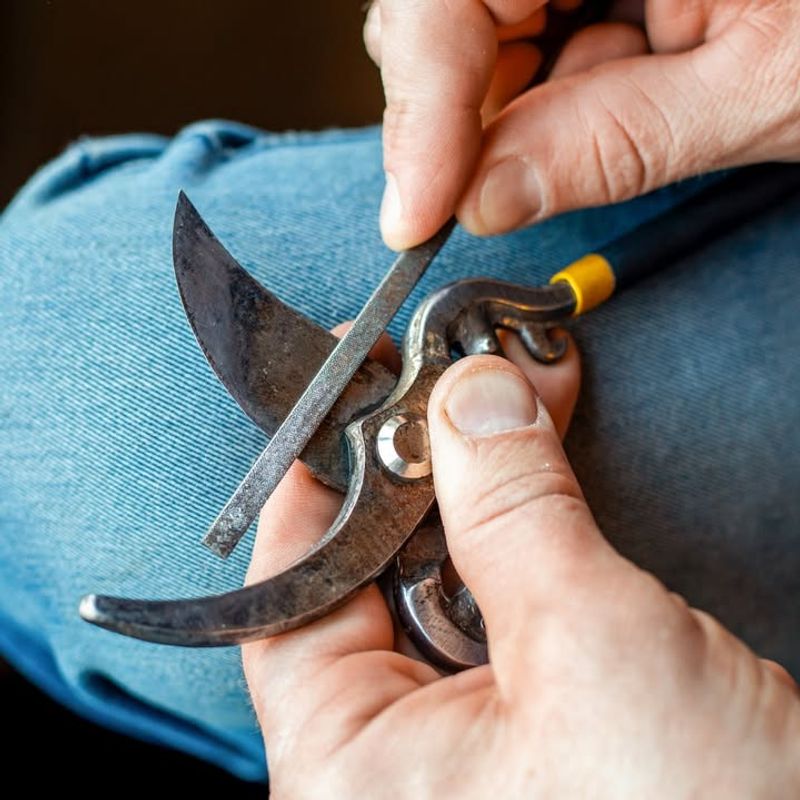
Sharpen hoe blades, pruners, and spade edges using a metal file or a whetstone, moving in smooth, consistent strokes along the cutting edge.
Wooden handles deserve attention too. Sand down any rough or splintered spots and rub in a coat of linseed oil to keep the wood from cracking through Ohio’s wet spring weather.
Tighten any loose screws or bolts on tool heads before they become a bigger problem mid-season. Clean, sharp tools make every gardening task feel easier and more satisfying, and your plants will benefit from clean cuts that heal faster and resist infection better.
3. Prune Trees And Shrubs Before Buds Break Open
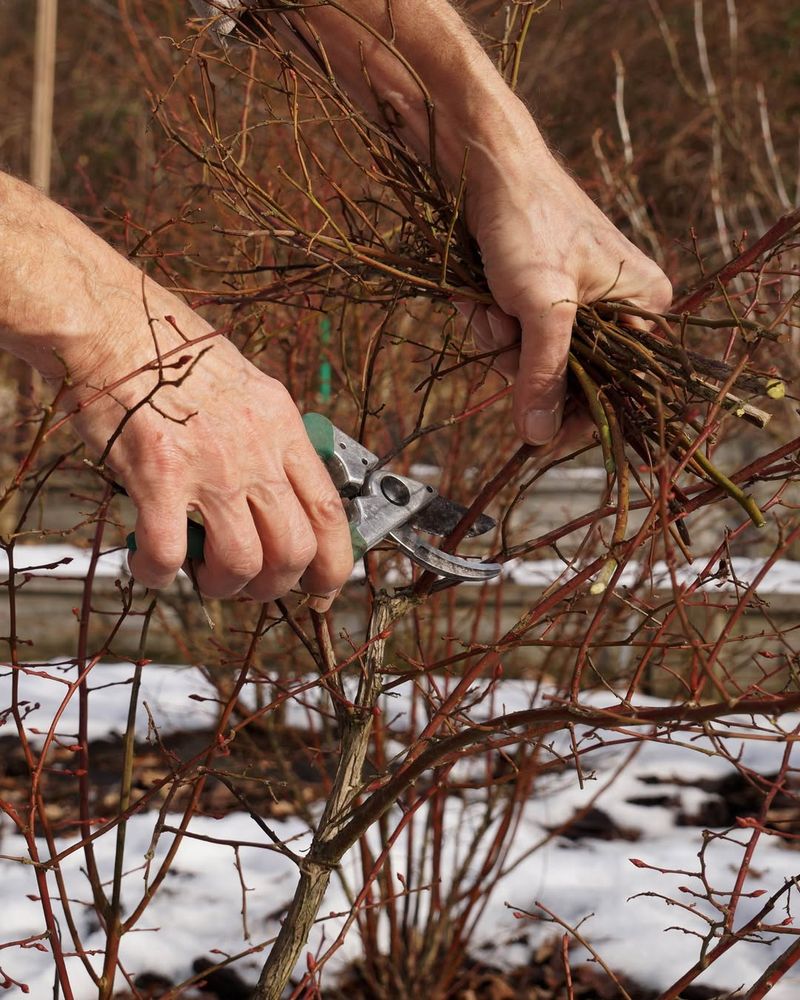
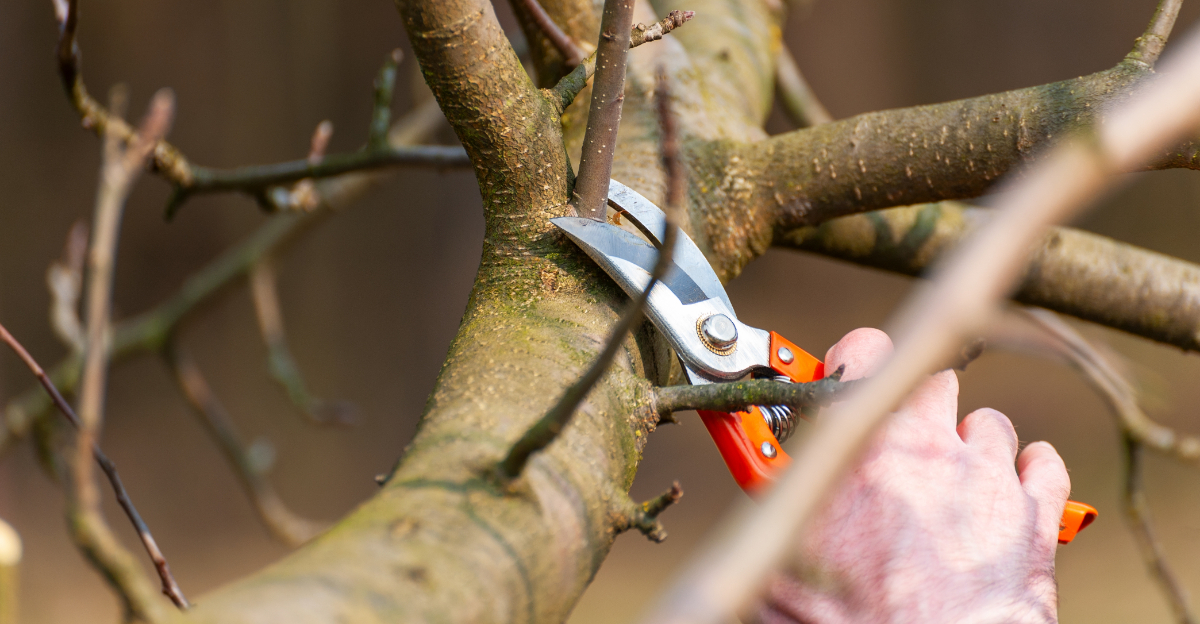
Late winter is nature’s invitation to prune, and Ohio gardeners who take that invitation seriously end up with healthier trees and fuller shrubs come summer. Pruning while plants are still dormant, before those little green buds start to swell and open, reduces stress on the plant and makes it much easier to see exactly what you are working with.
Dead, crossing, and damaged branches stand out clearly against a bare late-winter sky.
Fruit trees like apples, pears, and peaches benefit greatly from annual pruning that opens up the canopy and allows sunlight to reach developing fruit. Remove any branches that rub against each other, since constant friction creates wounds that invite pests and disease.
Make clean cuts just outside the branch collar, the slightly raised ring where the branch meets the trunk, so the tree can seal the wound efficiently on its own.
Shrubs like forsythia, lilac, and spirea also appreciate a tidy-up before their growing season begins. Be cautious, though, because spring-blooming shrubs like forsythia set their flower buds the previous fall.
Pruning them too heavily right now might mean fewer blooms this spring. A good rule of thumb for Ohio gardeners is to prune spring bloomers lightly right after they flower, and prune summer bloomers now, before any new growth appears on the stems.
4. Test Your Soil Before You Plant A Single Thing
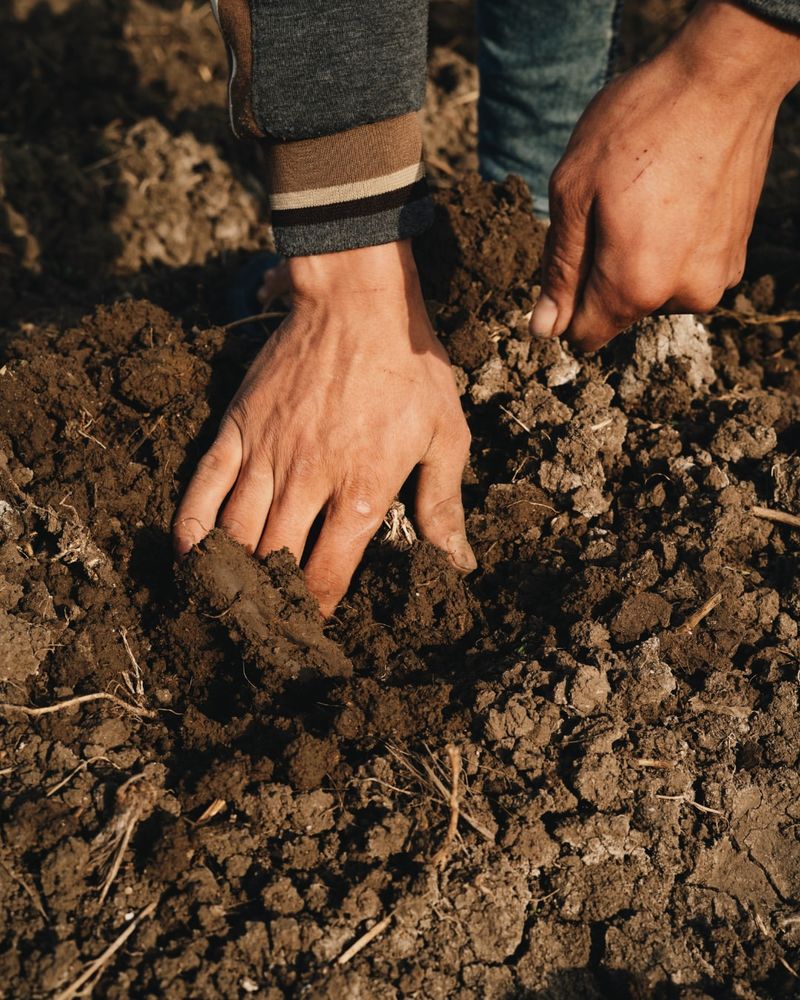
Guessing at what your soil needs is a bit like baking a cake without a recipe. You might get lucky occasionally, but the results are unpredictable.
A soil test takes the guesswork completely out of the equation and gives you real, usable numbers about your garden’s nutrient levels and pH. Ohio State University Extension offers affordable soil testing services that are well worth the small investment every year or two.
Most vegetables prefer a soil pH somewhere between 6.0 and 7.0. When pH drifts too far outside that range, plants struggle to absorb nutrients even if those nutrients are present in the soil.
If your test reveals acidic soil, which is pretty common in many parts of Ohio, adding ground limestone can bring the pH back up over time. If the soil is too alkaline, sulfur can help lower it gradually.
Beyond pH, a good soil test also tells you whether you are low on key nutrients like nitrogen, phosphorus, or potassium. Armed with that information, you can add targeted amendments like compost, bone meal, or a balanced fertilizer rather than randomly dumping products into the garden.
Testing now, before you plant anything, gives any amendments you add enough time to start working before your seedlings go into the ground. Smart Ohio gardeners never skip this step.
5. Sketch This Year’s Vegetable Garden Plan
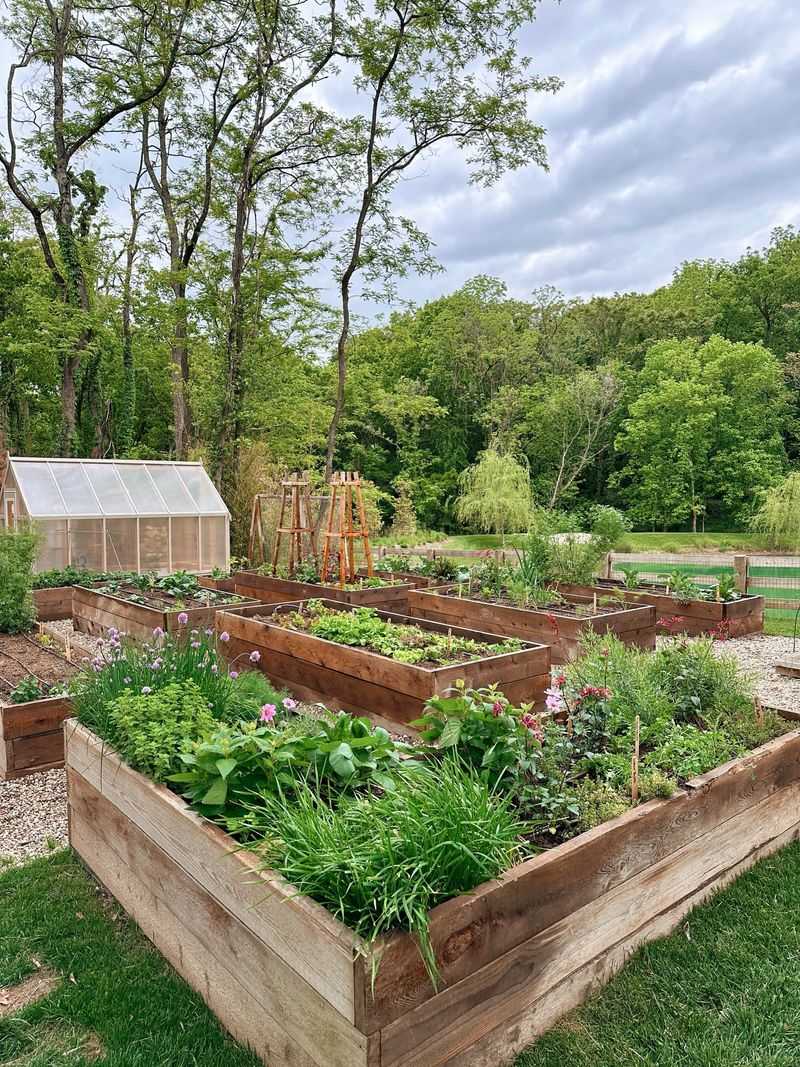
Experienced Ohio gardeners will tell you that the best gardens are designed on paper first. Sketching out your vegetable garden plan before the soil even thaws might sound overly organized, but it saves a huge amount of confusion once planting season hits.
A simple hand-drawn map on graph paper works perfectly well and does not require any special software or apps.
Crop rotation is one of the most important reasons to plan ahead. Planting tomatoes in the same spot year after year allows soil-borne diseases and pests to build up over time.
Moving plant families around the garden each season breaks those cycles naturally. A quick note in a notebook about what grew where last year is all you need to make smart rotation decisions for this coming season.
Planning also helps you make the most of every square foot of space. Taller plants like corn or pole beans can be positioned on the north side of the garden so they do not shade shorter crops like lettuce or radishes.
Companion planting, such as growing basil near tomatoes or marigolds near peppers, can reduce pest pressure without any sprays. Ohio’s growing season has a defined beginning and end, so making every inch count really matters.
Draw it out now, and you will feel far more confident and organized when planting day finally arrives.
6. Rake Winter Debris Off Lawns And Garden Beds
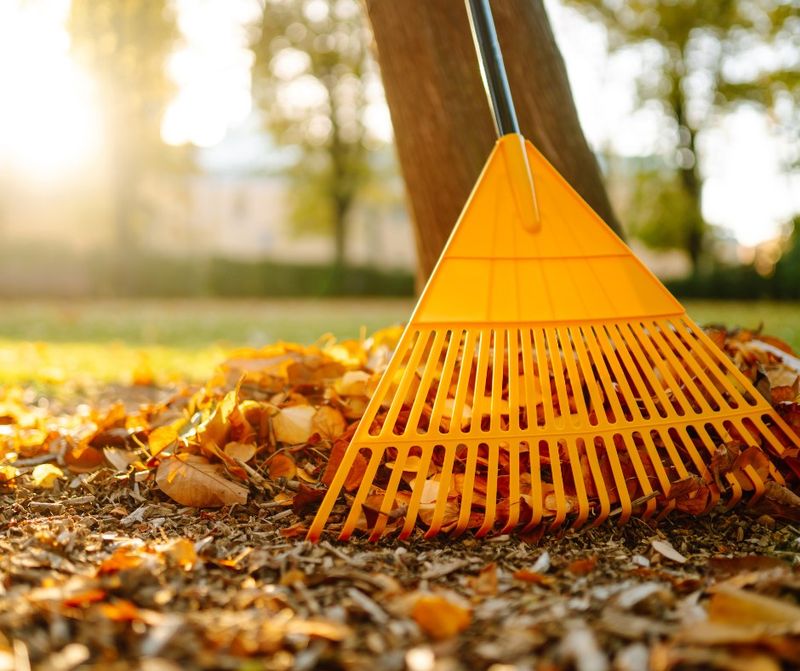
After a long Ohio winter, garden beds and lawns tend to collect a thick layer of soggy leaves, broken stems, and matted plant material. Leaving that debris in place as temperatures rise creates a cozy hiding spot for fungal diseases, slugs, and overwintering pest eggs.
Raking it all away in March gives your soil a chance to warm up faster and lets air circulate freely around emerging plants.
Work carefully when raking around perennial beds, because tender new shoots from plants like hostas, coneflowers, and daylilies might already be pushing up through the soil even in early March. A gentle hand rake is much safer than a wide leaf rake in these areas.
You want to clear the debris without accidentally snapping off those fragile first shoots of the season.
Lawns also benefit from a good March raking. Ohio’s wet winters often cause a condition called snow mold, which appears as grayish or pinkish patches of matted grass.
Lightly raking those areas breaks up the matted blades and exposes the crowns to air and sunlight, helping the grass recover more quickly. Once you have cleared the beds and lawn, add the debris to a compost pile if it looks disease-free, or bag it up for yard waste collection if you are unsure.
Starting clean sets the whole season up for success.
7. Order Seeds And Plants Before The Best Varieties Sell Out
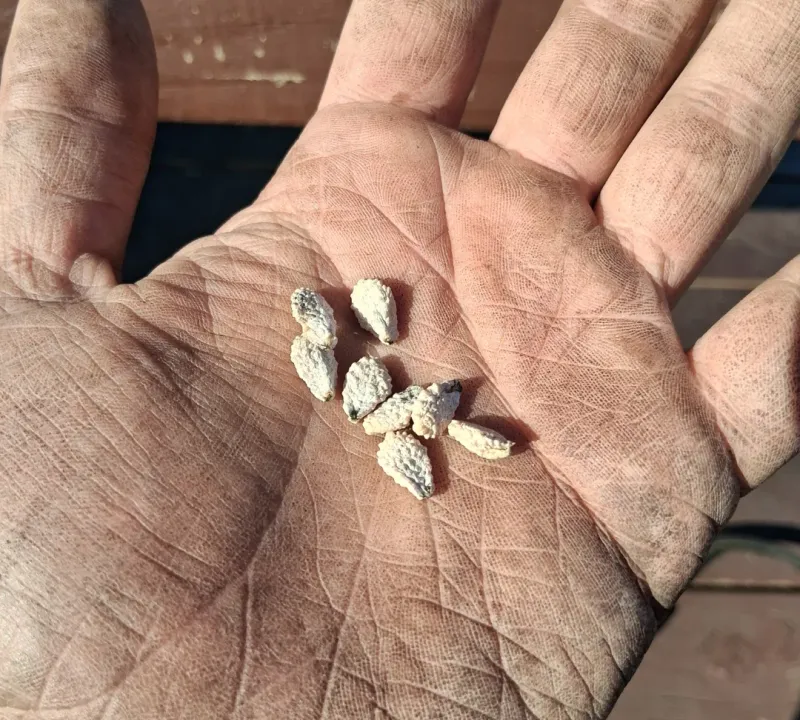
Seed catalogs are not just fun to flip through on a cold February evening. They are a serious planning tool, and the gardeners who order early are the ones who actually get what they want.
Popular heirloom tomato varieties, unusual pepper types, and specialty flower seeds sell out faster than most people expect. By the time March is half over, some of the best options are already gone for the season.
Ohio gardeners have access to several excellent regional seed companies that specialize in varieties well-suited to Midwest growing conditions. Ordering from companies that understand Ohio’s climate means the seeds and plants you receive are more likely to perform well in your specific region.
Look for varieties with shorter days-to-maturity ratings if you garden in northern Ohio, where the season tends to be a bit shorter than in the southern part of the state.
Beyond seeds, this is also the right time to reserve bare-root fruit trees, strawberry plants, and perennial starts from nurseries. Many local Ohio garden centers take pre-orders in late winter for spring delivery, and those spots fill up quickly.
If you have been meaning to add a blueberry bush or a new apple variety to your yard, placing that order before March ends gives you the best shot at getting exactly what you had in mind for this growing season.
8. Prep Seed-Starting Containers To Prevent Damping-Off
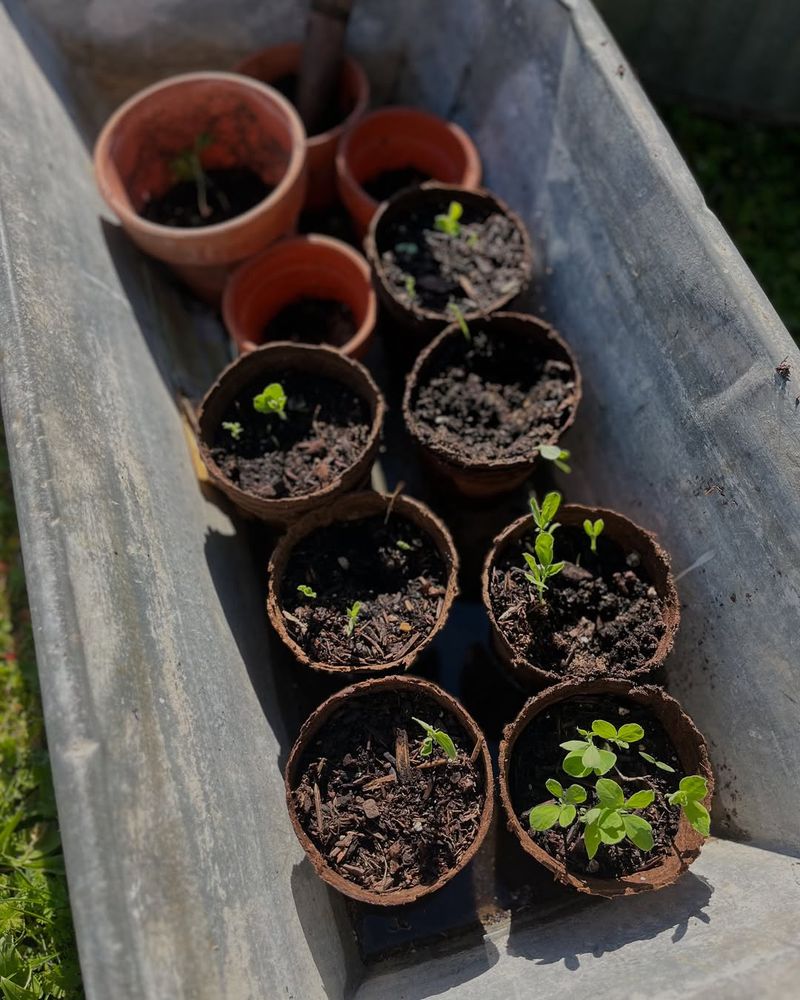
Damping-off is the silent frustration that catches many new Ohio gardeners completely off guard. One day your seedlings look perfect, and the next, their stems pinch at the soil line and they topple over, never to recover.
This fungal problem is almost always caused by using dirty containers that harbor pathogens left over from previous growing seasons. Cleaning and prepping your containers before you ever fill them with seed-starting mix is one of the simplest ways to avoid this heartbreaking setback.
Wash used trays, pots, and cell packs in hot soapy water first to remove any visible dirt or plant residue. Then soak them in a solution of one part household bleach to nine parts water for about ten minutes.
Rinse thoroughly and allow everything to air dry completely before use. This straightforward process removes the fungi and bacteria that cause damping-off without requiring any special products.
If you prefer to skip bleach, a solution of diluted hydrogen peroxide works well as an alternative sanitizer and is gentler on plastic containers over time. Brand-new containers straight from the store are generally safe to use without sanitizing, but it never hurts to give them a quick rinse.
Ohio’s indoor humidity levels in late winter can be lower than ideal for seedlings, so running a small fan near your seed trays also helps by keeping air moving and reducing the moisture buildup that fungi love to grow in.
9. Plant Hardy Crops Like Peas As Soon As Soil Cooperates
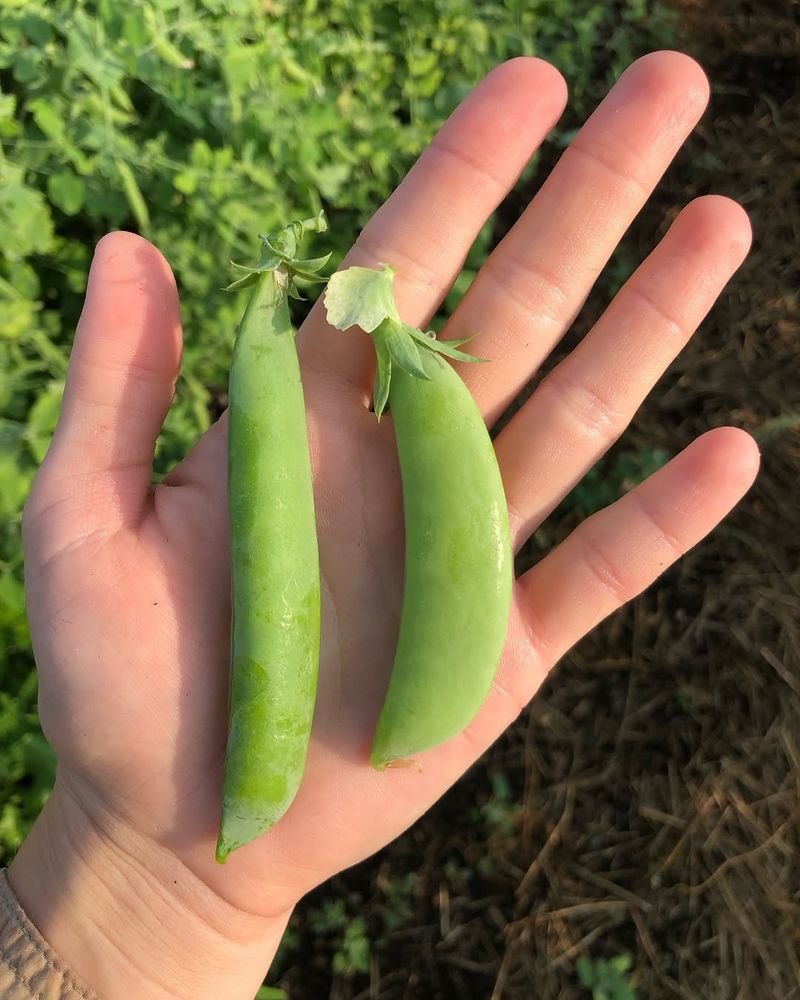
Peas are genuinely one of the most rewarding crops an Ohio gardener can grow, and they have a secret advantage over most other vegetables. They actually prefer cool weather and can handle light frosts without any problem at all.
That means you do not have to wait until the danger of frost is completely past before getting them in the ground. As soon as the soil in your Ohio garden can be worked without turning into a muddy, compacted mess, peas are ready to go.
The classic test for soil readiness is simple. Squeeze a handful of garden soil into a ball.
If it crumbles apart easily when you poke it, the soil is ready to work. If it stays in a tight, wet clump, give it another week or two to dry out a bit more.
Working waterlogged Ohio soil too early damages its structure and creates hard, compacted clods that roots struggle to push through all season.
Along with peas, other cool-season crops like spinach, lettuce, kale, and radishes can all go directly into Ohio garden beds in late March. These vegetables actually taste better when they mature in cool weather, developing sweeter, more tender flavors than they would if planted later in the heat of summer.
Getting a cool-season bed established now also frees up space for warm-season crops like tomatoes and cucumbers to move in once the weather finally settles.
10. Inspect Overwintered Plants For Pests Before They Spread
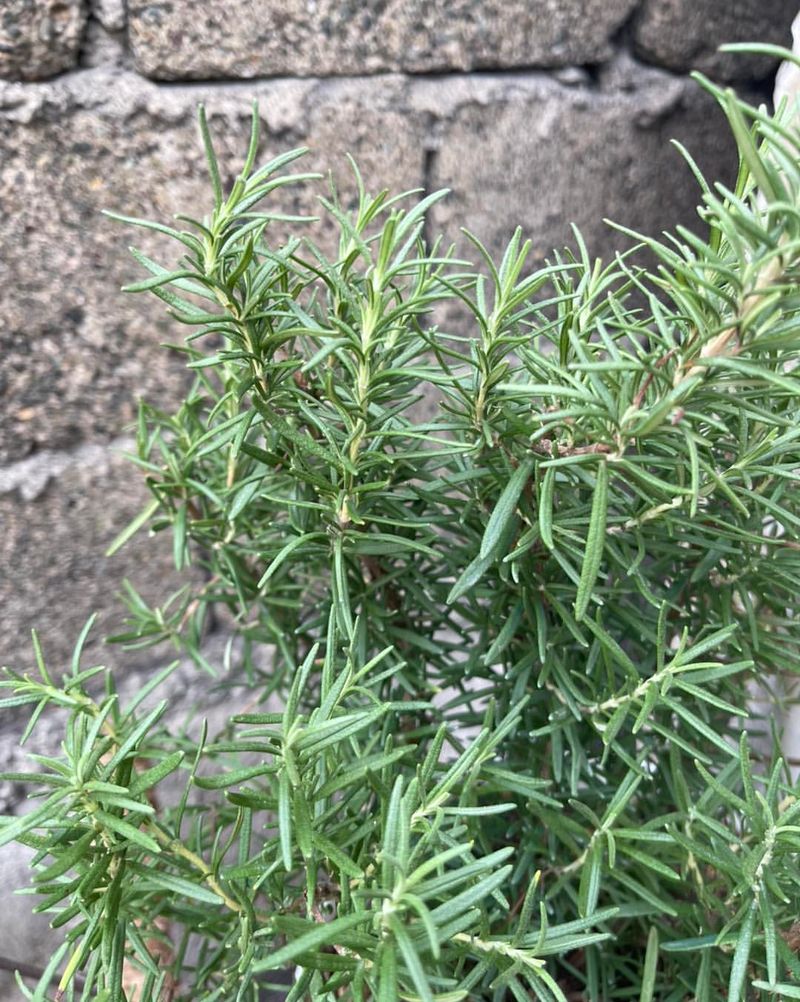
Any plants that spent the winter indoors, whether they are overwintered geraniums, hibiscus, rosemary, or tender perennials, should get a thorough pest inspection before spring arrives. Indoor conditions during Ohio’s long winters are actually quite cozy for common pests like scale insects, spider mites, mealybugs, and aphids.
Low humidity, warm temperatures, and reduced air circulation create ideal conditions for these tiny troublemakers to quietly multiply all winter long.
Flip leaves over and look carefully along stems and at leaf joints where pests love to hide. Scale insects look like small brown bumps attached to stems, while spider mites leave a fine, dusty webbing on the undersides of leaves.
Mealybugs appear as small cottony white clusters tucked into tight spots between stems and leaves. Catching any of these early, before you move plants back outside in spring, prevents them from spreading to your garden beds and other landscape plants.
For light infestations, wiping leaves with a damp cloth or spraying with a strong stream of water removes many pests effectively. Insecticidal soap spray is a reliable and low-impact option for more stubborn problems.
Ohio gardeners who bring overwintered plants back outside without inspecting them first often end up dealing with pest explosions by June, when populations have had weeks to grow unchecked. A careful look now saves a lot of trouble later in the season.