Things Smart Pennsylvania Gardeners Should Do Before April Ends
Ever feel like April is daring you to plant everything at once?
In Pennsylvania, this month brings a mix of excitement and uncertainty as soil warms, early blooms appear, and gardeners head back outside.
It’s tempting to dive in, but spring here unfolds in stages, and frost can still show up well into mid-April. That makes timing and preparation more important than they might seem at first.
The choices you make during these final weeks can influence how your garden grows from May through October, so a thoughtful, steady approach can go a long way.
1. Test Soil And Adjust pH Before Planting Gets Busy
Late April has a way of sneaking up on gardeners, and suddenly the planting rush is on before you’ve had a chance to check whether your soil is actually ready.
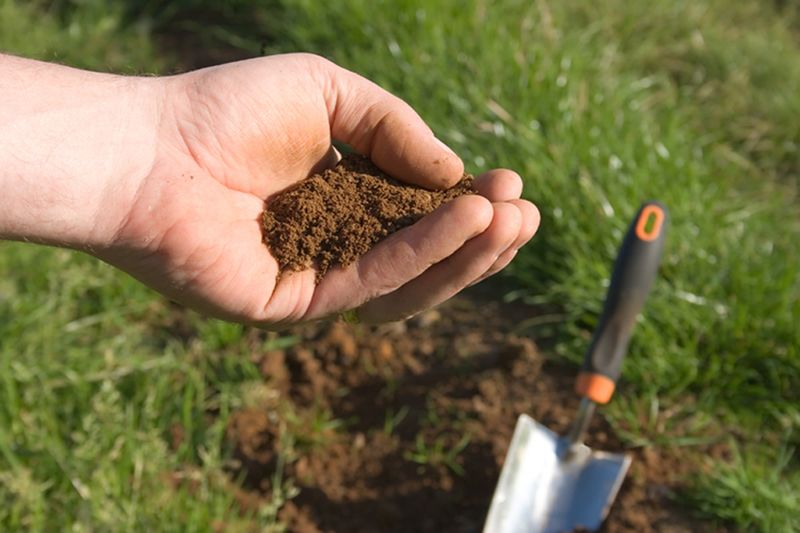
Taking time to test your soil pH before the season gets hectic can make a meaningful difference in how well your plants grow.
Pennsylvania soils vary widely by region, with many areas trending toward slightly acidic conditions that may not suit every crop.
A basic soil test measures pH along with key nutrient levels like phosphorus, potassium, and nitrogen. Most vegetables and flowers grow well in a pH range of 6.0 to 7.0, though blueberries and potatoes prefer more acidic conditions.
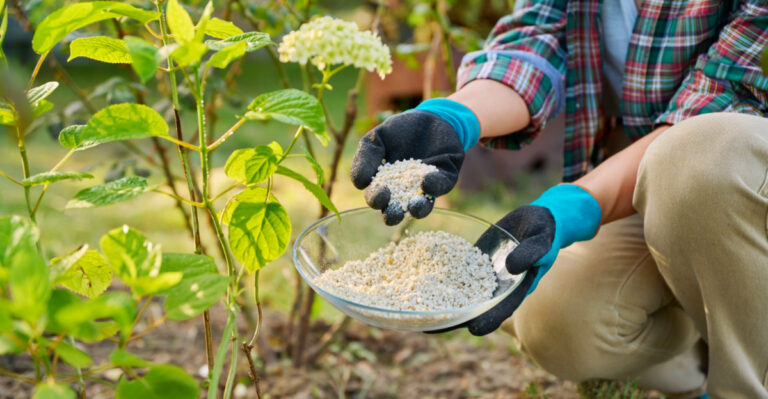
If your results show the pH is too low, ground limestone can help raise it. If it’s running too high, sulfur amendments can bring it down gradually.
Local cooperative extension offices often provide low-cost testing services that give you specific amendment recommendations based on what you’re planning to grow.
Results typically take a week or two to come back, which is why late April is a smart window to act.
Adjusting pH takes time to take effect in the soil, so applying amendments now means your beds will be better balanced by the time warm-season planting begins in May. It’s a small step with a surprisingly large payoff.
2. Prepare Garden Beds With Compost And Organic Matter
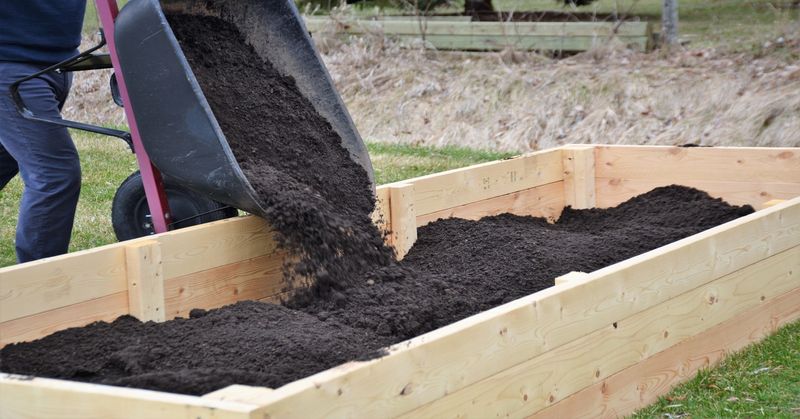
Few things set a garden up for success quite like well-prepared soil, and late April is one of the best windows to get that work done before the planting pace picks up.
Pennsylvania soils that have been through a long winter can feel compacted and depleted, especially in raised beds or areas that saw heavy foot traffic during fall cleanup.
Working organic matter back into those beds gives the soil structure, drainage, and biological activity a serious boost.
Compost is the go-to amendment for most gardeners because it improves both sandy soils and clay-heavy ones. Sandy soils drain too quickly and lose nutrients fast, while clay soils hold moisture and can suffocate roots.
A generous layer of finished compost worked into the top 8 to 10 inches of soil helps balance both extremes. Well-rotted manure, leaf mold, or aged wood chips also work well when compost is in short supply.
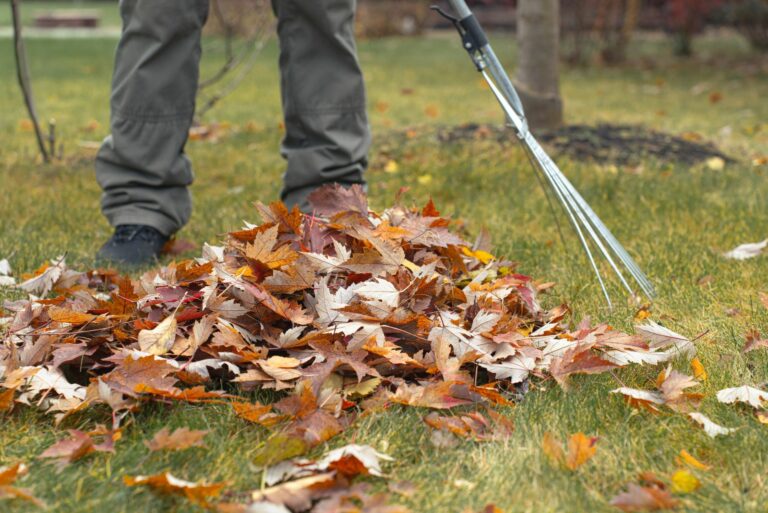
Before adding anything, clear away any remaining winter debris, old plant stems, or matted leaves that may have settled over the beds.
Once the bed is cleared and amended, rake it to a loose, even surface to encourage good seed-to-soil contact and healthy root development.
Beds that are prepped now will be noticeably more productive when transplants and direct-sown seeds go in over the coming weeks. It’s satisfying work that pays off all season long.
3. Plant Cool-Season Vegetables While Conditions Are Ideal
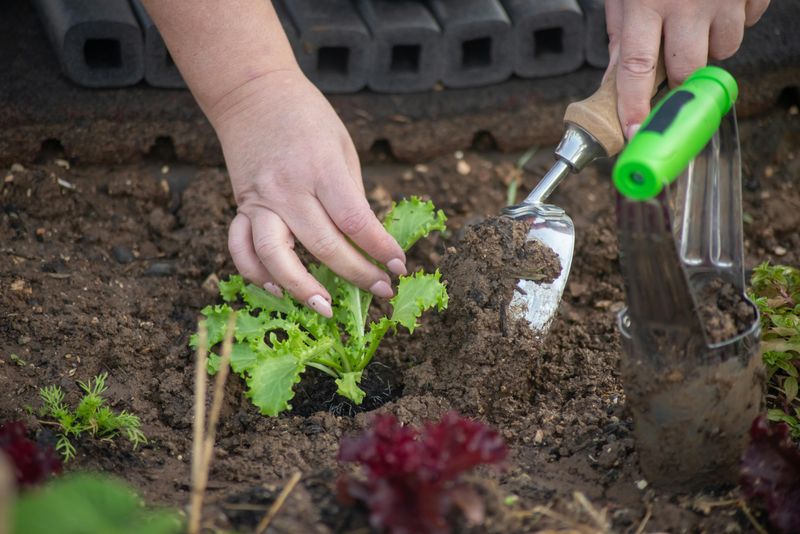
Spring in Pennsylvania offers a genuinely sweet spot for cool-season crops, and late April sits right in the middle of it.
Soil temperatures across much of the state have climbed into the 45 to 55 degree Fahrenheit range by this point, which is warm enough for seeds like peas, lettuce, spinach, radishes, and carrots to germinate reliably.
These crops actually prefer cooler conditions and can handle a light frost without much trouble, making them well-suited to Pennsylvania’s unpredictable spring weather.
Peas are worth getting in the ground as soon as possible since they struggle once summer heat arrives. Sow them about an inch deep and two to three inches apart, and give them something to climb if you’re growing a vining variety.
Lettuce and spinach can be direct sown in short rows or broadcast lightly across a bed, then thinned as seedlings emerge. Radishes mature quickly, often within 25 to 30 days, making them a satisfying and low-effort crop to include.
One thing worth keeping in mind is that a hard frost below 28 degrees Fahrenheit can still set back tender seedlings, even in late April.
Keeping a row cover or some lightweight frost fabric nearby gives you an easy way to protect newly planted beds on cold nights.
Planting in stages every week or two also extends your harvest window and reduces the chance of everything maturing at once.
4. Divide And Replant Overcrowded Perennials Early
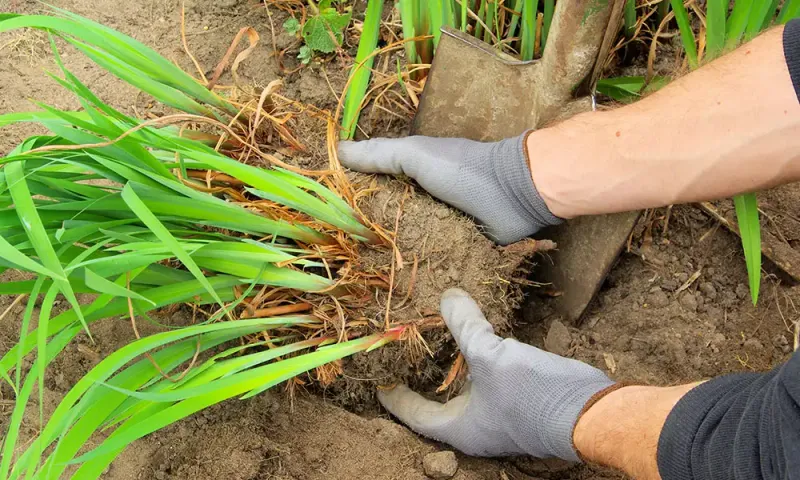
Perennial gardens have a way of quietly outgrowing their space over a few seasons, and by late April those crowded clumps are sending up just enough new growth to make dividing them manageable.
Early spring is one of the most forgiving times to tackle this task because plants are actively pushing energy upward and root systems recover quickly in cool, moist soil.
Waiting until summer makes the process harder on both the plants and the gardener.
Hostas, daylilies, coneflowers, ornamental grasses, and black-eyed Susans are among the most common perennials that benefit from regular division every three to four years.
You can usually tell a clump needs dividing when the center starts to look sparse or weak while the outer edges are still growing vigorously.
Use a sharp spade or garden fork to lift the entire clump, then separate it into sections that each have a healthy set of roots and several growth points.
Replant divisions at the same depth they were growing before, water them in well, and keep the soil consistently moist for the first couple of weeks while roots re-establish.
Extra divisions can fill bare spots elsewhere in the garden, be shared with neighbors, or potted up for later use.
Dividing perennials not only refreshes the plants but also improves air circulation and reduces competition for nutrients, leading to stronger blooms and healthier growth throughout the Pennsylvania growing season.
5. Apply Fresh Mulch To Help Soil Retain Moisture
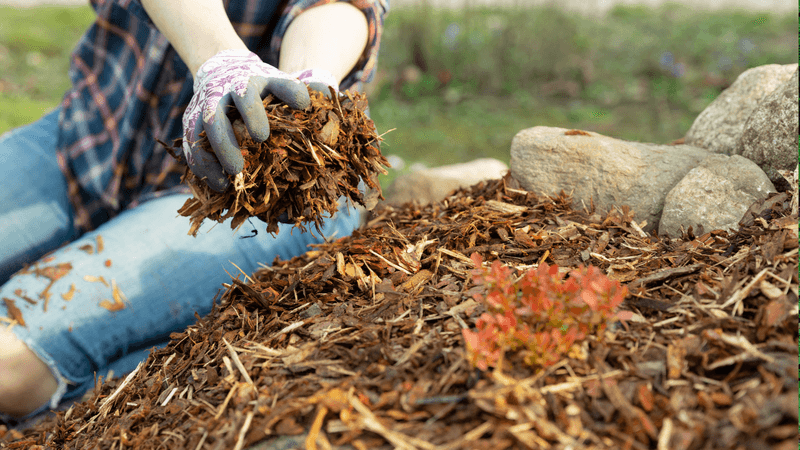
By the time April is winding down, soil temperatures are rising and the drying effect of spring winds and sunshine is starting to pull moisture out of garden beds faster than many gardeners expect.
A fresh layer of mulch applied at the right time can slow that moisture loss considerably, giving plants a more stable root environment as the season transitions from cool and wet to warm and dry.
In Pennsylvania, where spring rainfall can be inconsistent from week to week, mulch acts as a buffer against those swings.
Shredded hardwood bark, straw, wood chips, and pine needles are all solid choices depending on what you’re mulching.
A two to three inch layer is usually enough to suppress weeds, moderate soil temperature, and hold moisture without creating conditions that encourage rot or fungal issues around plant stems.
Keep mulch pulled back an inch or two from the base of plants so stems can breathe and excess moisture doesn’t collect right at the crown.
Late April is a particularly good time to mulch because soil has had a chance to warm slightly after winter, and applying mulch now helps lock in that warmth while also slowing weed germination.
Weeds that haven’t yet broken through the soil surface are much easier to manage under a fresh mulch layer than ones that have already established.
Refreshing mulch annually also gradually improves soil quality as it breaks down over the growing season.
6. Start Warm-Season Crops Indoors For A Head Start
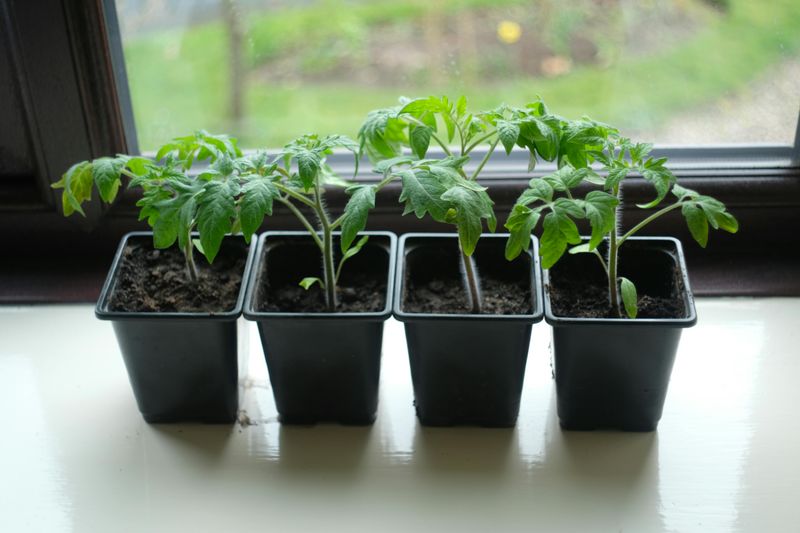
Pennsylvania’s last frost date varies quite a bit depending on where you live, ranging from early April in the southeastern corner of the state to mid-May in the northern and mountainous regions.
That gap matters a lot when it comes to warm-season crops like tomatoes, peppers, cucumbers, and squash, which need soil temperatures of at least 60 degrees Fahrenheit to grow well outdoors.
Starting these crops indoors in late April gives them a strong head start so they’re ready to go into the ground as soon as conditions are safe.
Tomatoes and peppers typically need six to eight weeks of indoor growing time before transplanting, so seeds started in late April will be ready for outdoor planting in mid to late June in colder parts of Pennsylvania or late May in warmer areas.
Use a well-draining seed-starting mix rather than garden soil, which can compact in containers and carry pathogens.
Bottom heat from a seedling mat helps germination rates significantly for peppers, which are slow to sprout in cooler conditions.
Once seedlings develop their first set of true leaves, they benefit from a diluted liquid fertilizer to keep growth steady.
Before moving them outside permanently, take a week or two to harden them off by setting them outdoors in a sheltered spot for a few hours each day, gradually increasing exposure.
This adjustment period reduces transplant shock and helps seedlings settle in more smoothly when they finally go into the garden.
7. Prune Summer-Blooming Shrubs Before Growth Speeds Up
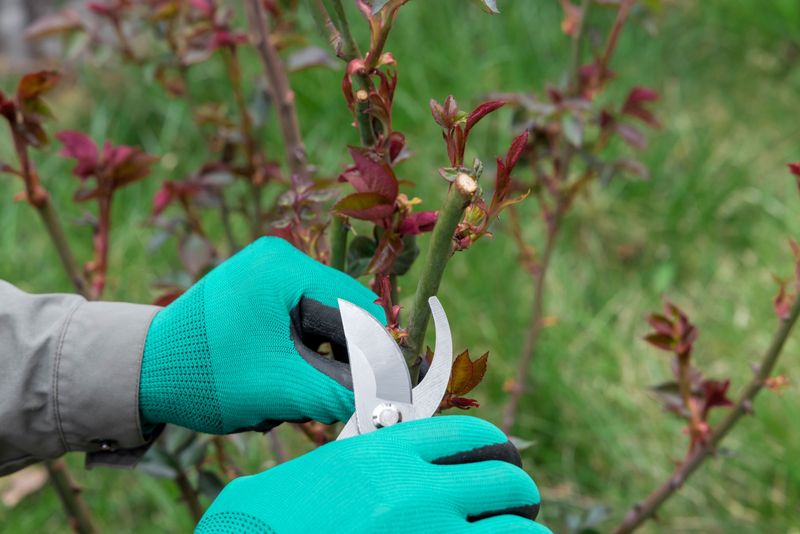
There’s a narrow but useful window in late April when summer-blooming shrubs are just waking up from dormancy and new growth is starting to show, but hasn’t yet taken off. That’s the moment to reach for your pruners.
Shrubs that bloom on new wood, including butterfly bush, rose of Sharon, crape myrtle, and panicle hydrangeas, respond well to pruning at this stage because the cuts stimulate vigorous new growth that will carry the season’s flowers.
It’s worth being clear about which shrubs bloom on old wood versus new wood before you start cutting. Lilacs, forsythia, and azaleas bloom on growth from the previous year, so pruning them now would remove this spring’s flower buds.
Those shrubs are better pruned right after their flowers fade. Summer bloomers, on the other hand, set their buds on growth they produce during the current season, which is exactly why an early spring trim encourages more flowering rather than less.
Use sharp, clean bypass pruners for smaller branches and loppers for thicker stems. Clean cuts heal more efficiently and reduce the risk of disease entry.
For butterfly bush, cutting stems back to about 12 inches from the ground encourages a full, bushy shape and abundant blooms from midsummer onward.
For panicle hydrangeas, a lighter trim that removes about one-third of the previous year’s growth is usually enough to shape the plant and encourage strong flowering stems through the Pennsylvania summer.
8. Check Early For Pests And Garden Problems
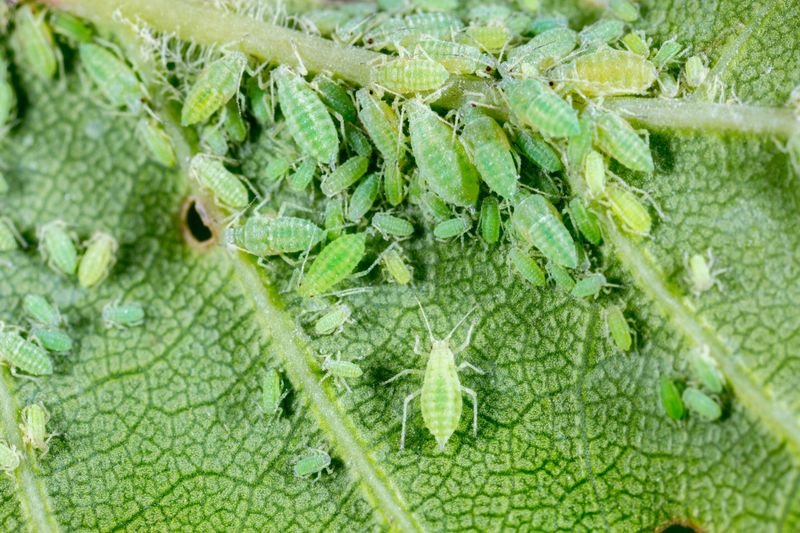
Catching problems early is one of the most effective habits a Pennsylvania gardener can develop, and late April is when many pests and diseases first start showing up in the garden.
Overwintered insects begin emerging as temperatures climb, and fungal issues that were dormant through the cold months can reactivate quickly in warm, moist spring conditions.
A few minutes spent walking through the garden with observant eyes can save a lot of frustration later in the season.
Aphids are among the earliest pests to appear, often clustering on the tender new growth of roses, vegetables, and ornamental plants.
Slugs become active in cool, damp April weather and tend to feed at night, leaving ragged holes in leaves and a telltale slime trail behind.
Scale insects on woody shrubs and trees can be easy to miss because they look like small bumps on bark rather than obvious bugs. Checking the undersides of leaves and along stems is a habit worth building into your regular garden visits.
Early intervention options include hand-removing insects, spraying plants with a strong stream of water to dislodge soft-bodied pests, or applying insecticidal soap to affected areas.
For fungal issues like powdery mildew or early blight on tomato seedlings, improving air circulation and removing affected foliage promptly can slow the spread considerably.
Keeping a simple garden journal to note when and where problems appear helps you anticipate and respond more effectively in future Pennsylvania growing seasons.