8 Things Successful Michigan Gardeners Always Do Before April
Late winter in Michigan has a way of feeling like it might never end. Snow drifts linger, mornings are frosty, and the soil beneath your boots still holds a chill.
Anyone who’s tended a garden here knows that the first hints of spring can be both exciting and nerve-wracking.
Successful gardeners don’t wait for April to arrive – they start getting their hands dirty long before the first blooms.
From prepping tools and soil to starting seeds indoors, these early steps help ensure vegetables and flowers get a strong start while the rest of the yard slowly awakens.
Taking care of these tasks now isn’t just about avoiding a scramble later – it’s about stepping into the season with confidence.
By handling the prep work early, every garden chore that follows feels more manageable and every seed planted carries promise for growth in the weeks ahead.
1. Check Soil Temperature And Moisture Levels
Before you plant a single seed or transplant one seedling, the soil in your Michigan garden needs to be ready. Many gardeners make the mistake of rushing into planting simply because the calendar says spring, but the real signal comes from the ground itself.
Soil temperature and moisture levels tell you far more than the date ever could.
Cool-season crops like peas and spinach can handle soil temperatures as low as 40 degrees Fahrenheit, but most vegetables need at least 50 to 60 degrees to sprout well. A simple, affordable soil thermometer can give you an accurate reading in seconds.
You can find them at most garden centers across Michigan, and they are well worth having in your toolkit.
Moisture levels matter just as much as temperature. Soil that is too wet can compact easily when you walk on it or work it with tools, which damages the structure that roots depend on.
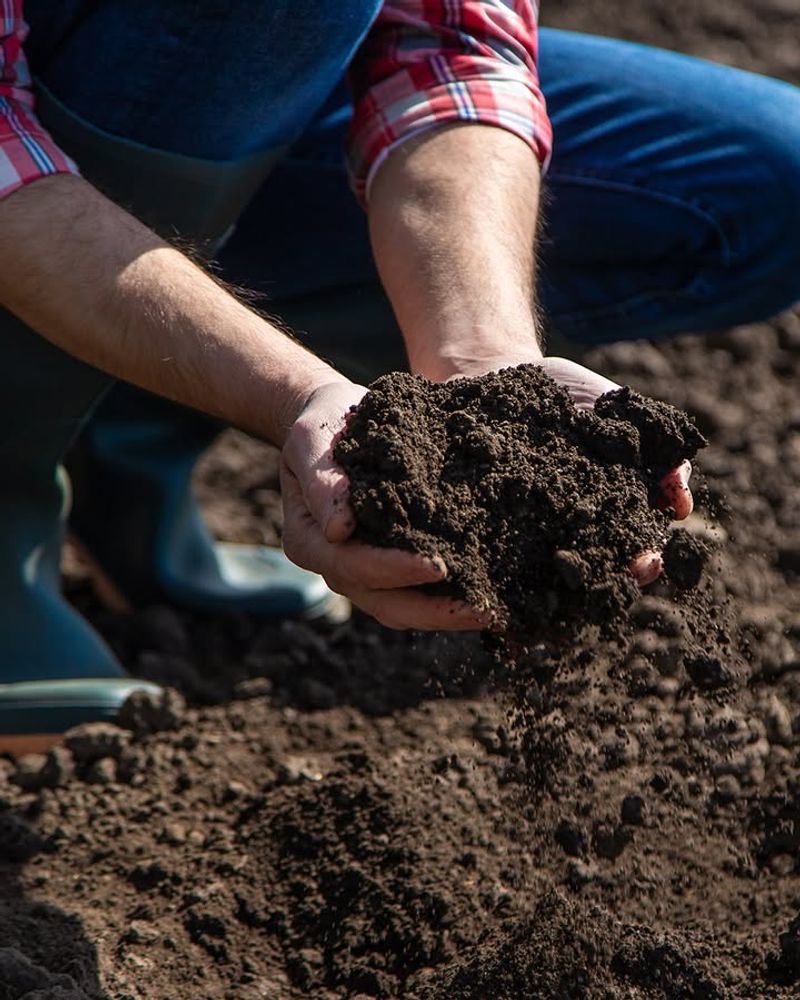
Grab a handful of soil and squeeze it. If it crumbles apart when you open your hand, it is ready to work.
If it stays in a tight, muddy ball, give it more time to dry out.
Michigan soils vary widely by region, from sandy soils in the west to heavier clay soils in the southeast. Knowing your soil type helps you understand how quickly it will warm and drain after winter.
Testing early gives you time to make adjustments before planting season officially begins.
2. Clean And Sharpen Garden Tools
There is something satisfying about pulling out a clean, sharp set of tools at the start of a new gardening season. If you spent last fall tossing everything into the shed without a second thought, now is the perfect time to make things right before April arrives in Michigan.
Dirty tools can spread plant diseases from one area of your garden to another without you even realizing it. Soil left on metal blades can also lead to rust over time, which weakens the tool and makes it far less effective.
A quick scrub with soapy water and a stiff brush can remove built-up dirt and grime in just a few minutes.
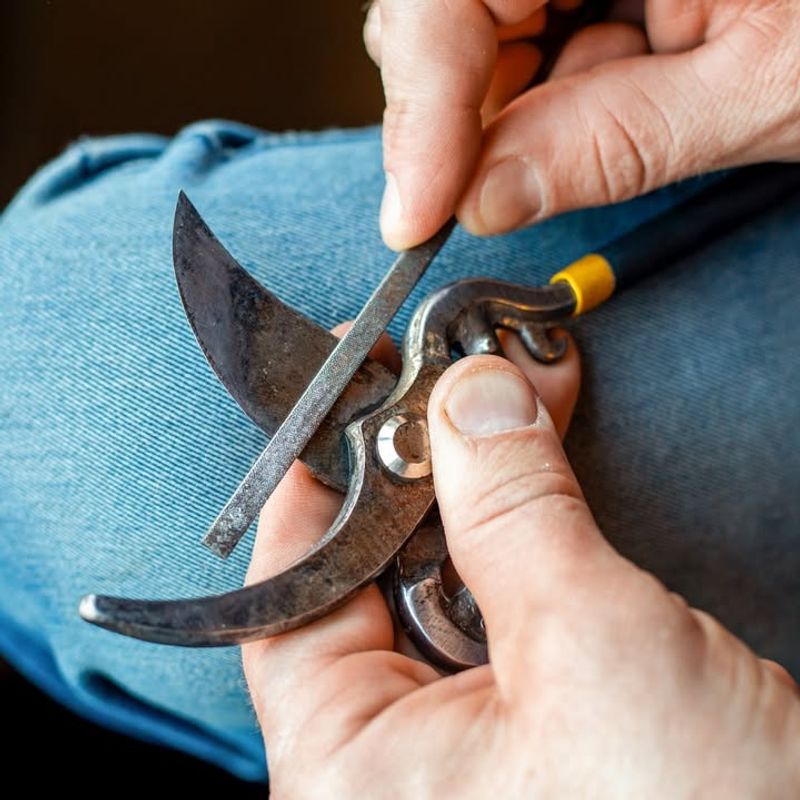
Sharpening your tools is equally important and often overlooked. A sharp hoe slices through weeds cleanly instead of pushing them around.
Sharp pruners make clean cuts that heal faster and reduce the risk of disease entering through ragged edges. You can use a metal file or a sharpening stone to restore a good edge to most blades at home without any special skills.
After cleaning and sharpening, apply a light coat of linseed oil to wooden handles to prevent cracking and to metal parts to resist moisture. Storing tools properly in a dry space also extends their lifespan significantly.
Michigan gardeners who care for their tools year after year save money and always have reliable equipment ready when they need it most.
3. Plan Garden Layout And Crop Rotation
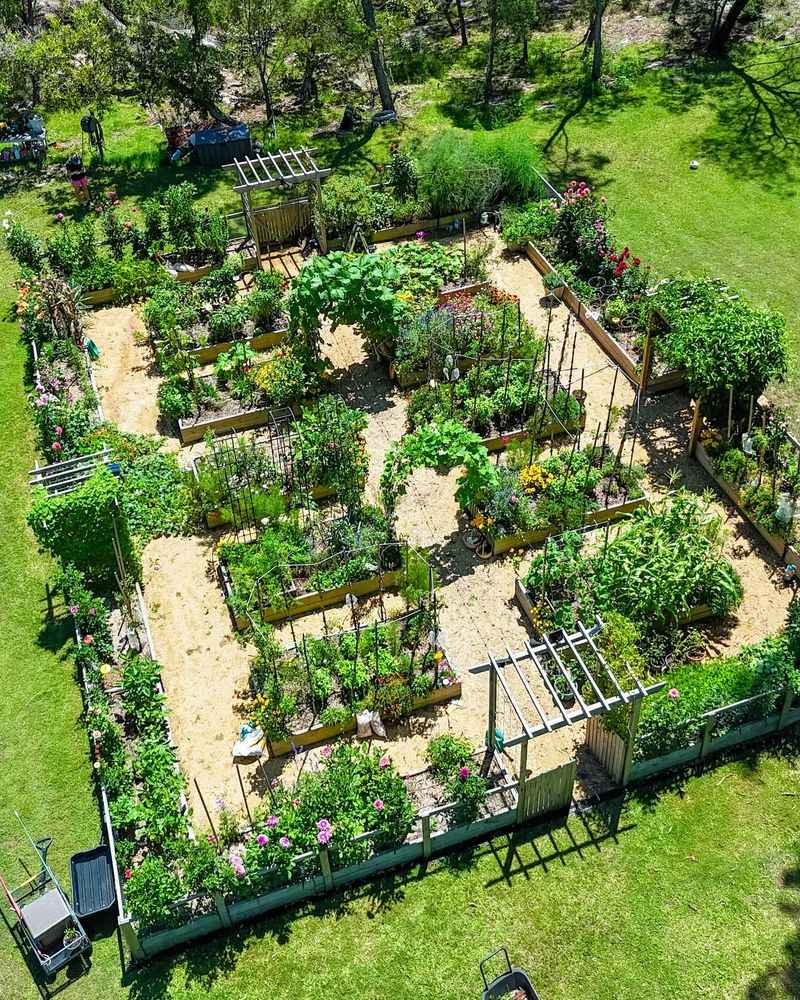
Grab a notebook, a cup of coffee, and your favorite seed catalog because planning your garden layout before April is one of the smartest moves a Michigan gardener can make. Thinking through where everything will grow before the season begins saves you from costly mistakes and wasted space later on.
Crop rotation is a big part of this planning process. The idea is simple: do not plant the same family of vegetables in the same spot two years in a row.
Tomatoes, peppers, and eggplants all belong to the nightshade family, and planting them in the same bed repeatedly invites soil-borne diseases and pest problems to build up over time. Rotating crops disrupts those cycles naturally.
A basic four-bed rotation system works well for most Michigan home gardens. In one bed, grow heavy feeders like corn and tomatoes.
In the next, plant legumes like beans and peas that actually add nitrogen back into the soil. Root vegetables go in the third bed, and leafy greens fill the fourth.
Then rotate everything one spot over the following year.
Planning on paper also helps you think about sunlight, spacing, and companion planting. Some plants actually help each other grow better when placed nearby.
Basil planted near tomatoes, for example, is said to improve flavor and repel certain insects. Taking the time to map things out now means less guesswork when Michigan’s short growing season finally kicks into high gear.
4. Start Seeds Indoors For Early Growth
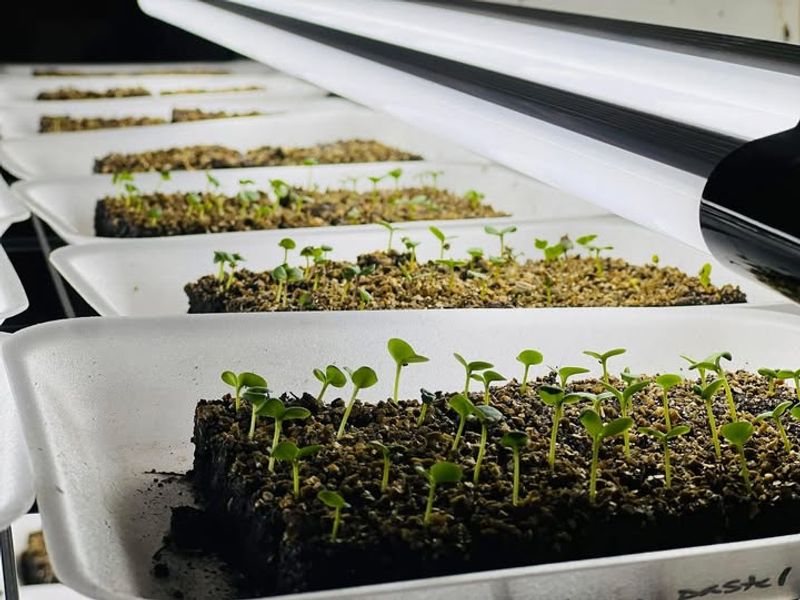
Starting seeds indoors before April helps give plants a head start and can improve growth during Michigan’s shorter growing season. When outdoor temperatures are still dipping below freezing overnight, you can already be growing strong, healthy seedlings inside your home.
Broccoli, cabbage, cauliflower, and peppers all benefit from being started indoors six to eight weeks before the last expected frost. In most parts of Michigan, that last frost falls somewhere between late April and mid-May depending on where you live.
Working backward from that date tells you exactly when to plant your seeds indoors so they are ready to go outside at just the right time.
You do not need a fancy setup to get started. A simple seed-starting tray, a good quality seed-starting mix, and a grow light placed a few inches above your seedlings will get the job done.
Natural window light alone is rarely strong enough in early spring to produce sturdy, compact seedlings. A basic LED grow light makes a huge difference and does not cost a fortune.
Keep the soil consistently moist but not soggy, and make sure your seedlings get plenty of airflow to prevent mold from forming on the surface. As plants grow taller, raise the light to keep it just above the leaf tips.
When outdoor temperatures begin to stabilize, harden off your seedlings by gradually introducing them to outside conditions over the course of about a week before transplanting them into your Michigan garden.
5. Prune Trees And Shrubs For Healthy Spring Growth
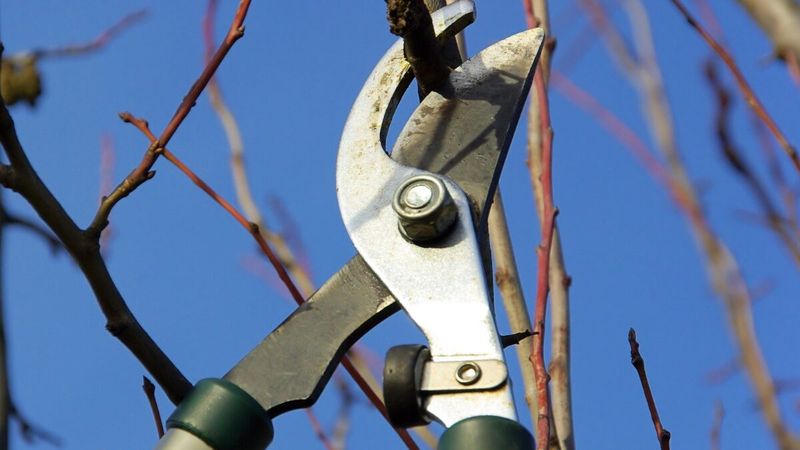
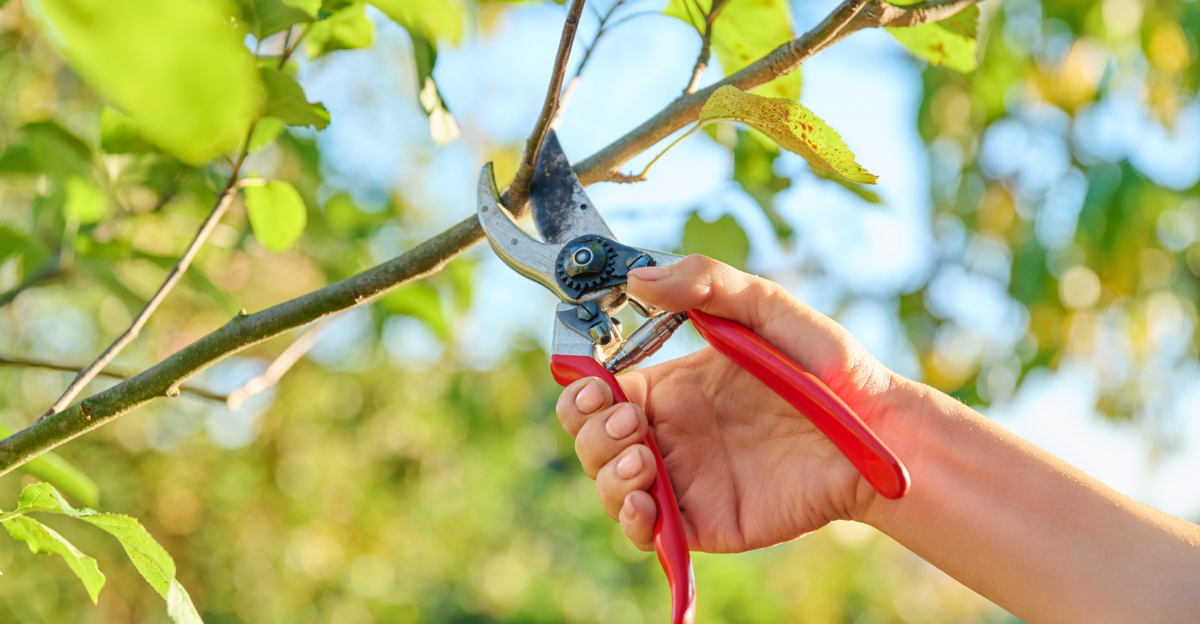
Late winter and very early spring is hands-down the best time to prune most trees and shrubs in Michigan. Plants are still dormant, the leaves are not yet out, and you can clearly see the structure of every branch without foliage blocking your view.
Pruning in late winter can help plants direct energy toward new growth in spring, though results vary depending on species and plant health.
Start by looking for any branches that were damaged by Michigan’s harsh winter weather. Ice storms, heavy snow, and freezing temperatures can crack or weaken limbs in ways that are not always obvious at first glance.
Removing damaged wood before new growth begins helps the plant heal more efficiently and prevents potential hazards in your yard.
When pruning, always make your cuts just above a healthy bud and at a slight angle so water does not pool on the cut surface. Use sharp, clean pruners for small branches and a pruning saw for anything thicker than an inch.
Avoid cutting too close to the trunk collar, which is the swollen area where the branch connects to the main trunk, because that tissue plays an important role in healing.
Hold off on pruning spring-blooming shrubs like forsythia and lilac until after they finish flowering, since those plants set their flower buds the previous fall. For everything else including fruit trees, roses, and summer-blooming shrubs, late winter pruning in Michigan is exactly the right call to set your garden up for a vibrant and productive growing season.
6. Add Compost And Soil Amendments
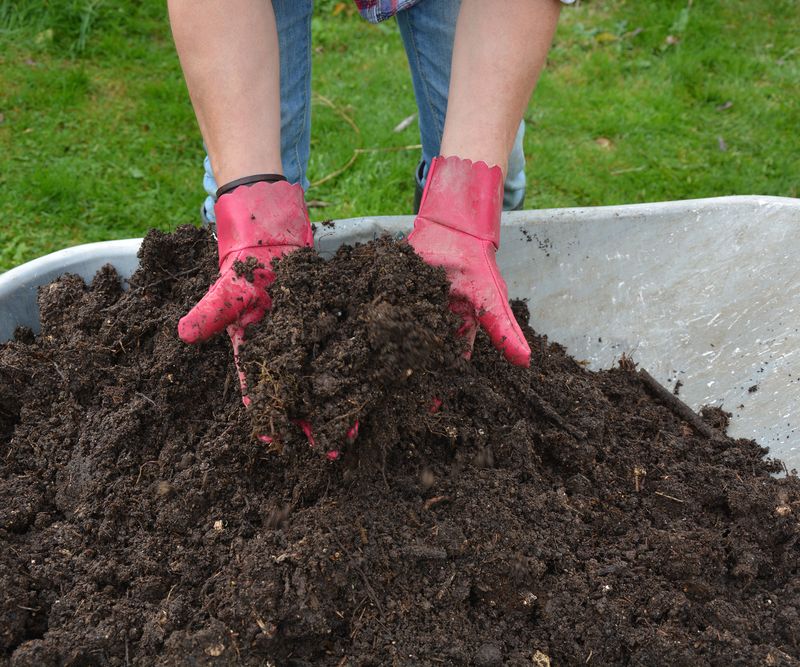
Healthy soil is the foundation of every great garden, and in Michigan, where winters are long and soils can range from sandy to heavy clay, giving your beds a boost before planting season is absolutely worth the effort. Adding compost and other soil amendments before April helps prepare the soil to support healthier plant growth once conditions are favorable.
Compost is one of the best things you can add to any garden bed. It improves drainage in clay soils, helps sandy soils hold moisture and nutrients, and feeds the billions of beneficial microorganisms that make healthy soil tick.
Spread a two to three inch layer over your beds and work it in with a garden fork or tiller. Even just laying it on top as a mulch allows it to break down and improve the soil over time.
Beyond compost, a soil test can reveal whether your Michigan garden needs other specific amendments. Many soils in the state tend to be slightly acidic, which can limit nutrient availability for certain plants.
Adding lime raises the pH, while sulfur lowers it. Balanced granular fertilizers can also be worked into the soil at this stage to give plants a nutritional head start once they begin actively growing.
Wood ash from a fireplace is another handy amendment that many Michigan gardeners overlook. It adds potassium and raises soil pH naturally.
Just use it sparingly and only in areas where you want a less acidic environment, and always test your soil first before adding anything new to your garden beds.
7. Inspect Garden Structures And Fencing
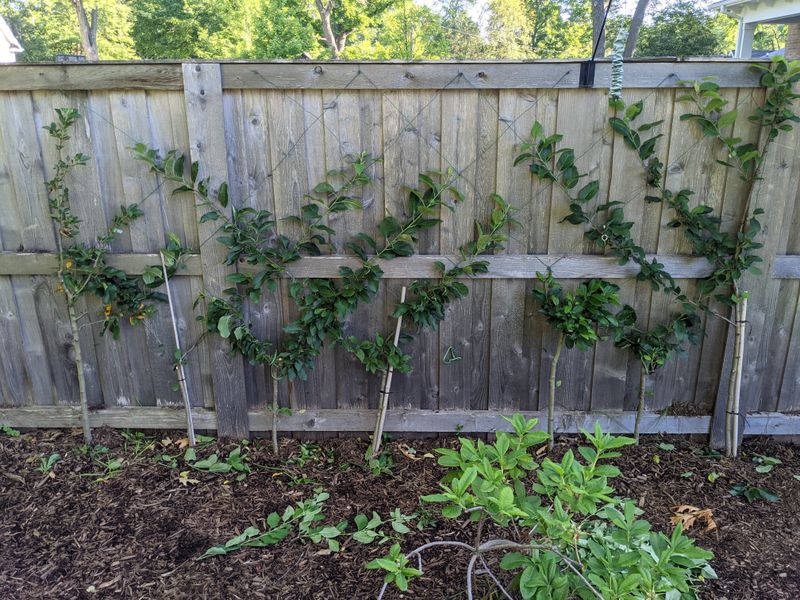
Michigan winters are tough on everything, including your garden structures. Raised bed frames, trellises, fences, garden arches, and cold frames all take a beating from months of freezing temperatures, heavy snow loads, and freeze-thaw cycles that can loosen posts and warp wood.
Checking everything before the growing season gets going is a step that pays off big time.
Walk through your entire garden area and give each structure a gentle shake or push. Fence posts that have heaved out of the ground due to frost need to be reset before you rely on them to keep deer or rabbits away from your plants.
A leaning trellis that collapses under the weight of climbing plants can cause problems mid-season, so early inspection and repair are helpful.
Look for signs of wood rot on raised bed frames and replace any boards that have softened or crumbled. If you use metal hardware like hinges, latches, or wire fencing, check for rust and treat or replace corroded sections.
A little maintenance now costs far less in time and money than emergency repairs during the height of Michigan’s growing season.
While you are at it, inspect any irrigation lines or drip hoses you may have left in place over winter. Freezing temperatures can crack plastic tubing and fittings, leading to wasted water and uneven watering later on.
Replace damaged sections before you hook everything back up, and your irrigation system will be ready to go the moment your Michigan garden needs it.
8. Clean Birdhouses And Feeders
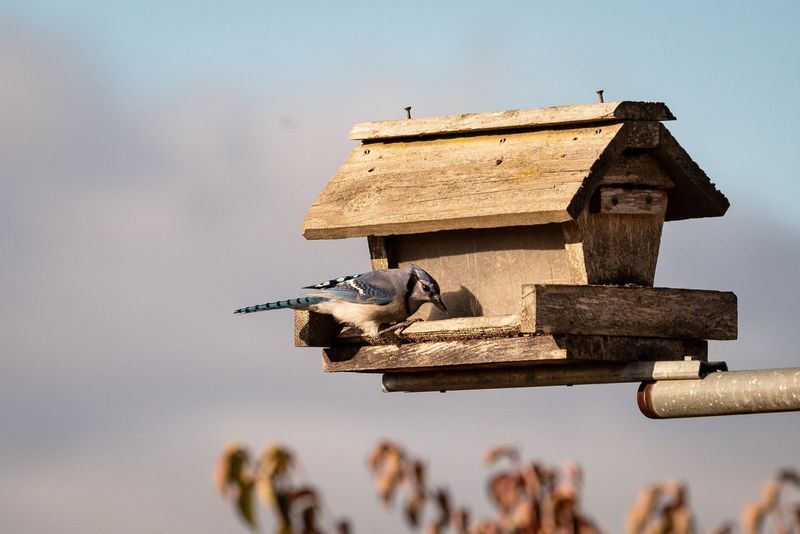
Birds are some of the most helpful allies a Michigan gardener can have. They gobble up insects, help control pest populations, and honestly just make the garden a more enjoyable place to spend time.
Taking care of your birdhouses and feeders before nesting season begins is a simple task that makes a real difference in how many feathered friends visit your yard all season long.
Old nesting material left inside birdhouses from the previous year can harbor mites, parasites, and bacteria that make the space less appealing to new residents. Remove all old material, scrub the inside of each house with a mild bleach solution diluted in water, rinse thoroughly, and let everything air dry completely before rehanging.
This cleaning routine takes only a few minutes per house and can improve the likelihood that birds will use the birdhouses.
Bird feeders also need attention after a long Michigan winter. Seed can become moldy or clumped inside feeders that were not emptied and cleaned before cold weather set in.
Wash feeders with warm soapy water, rinse well, and refill with fresh seed once they are completely dry. Moldy or spoiled seed can make birds sick, so always discard anything that looks or smells off.
Positioning matters too. Place birdhouses away from heavy foot traffic and at a height appropriate for the species you hope to attract.
Bluebirds, wrens, and chickadees are all common Michigan garden visitors that will happily move into a clean, well-placed house and reward you with natural pest control all season long.